
Bernese Mountain Dog Temperament and Grooming Considerations
Table of Contents
- Introduction: The Gentle Giant with the Glorious Coat
- Breed Handling Profile
- Breed Purpose and Why It Matters for Bernese Mountain Dog Temperament
- FurHQ Coat Type Breakdown
- Not Sure About Your Dog's Coat Type?
- Puppy Coat to Adult Coat Transition
- The FurHQ 5-Step Grooming Method: Technical Reality
- FurHQ Starter Grooming Kit Breakdown
- Bernese Mountain Dog Temperament: Superpowers and Kryptonite
- FurHQ's Lifestyle Lens and Pro Insights
- Health and Lifespan: The FurHQ Touch Test
- Related Breed Comparisons
- Related Reading
- The Bottom Line
- Variation Clarity Statement
- FAQs
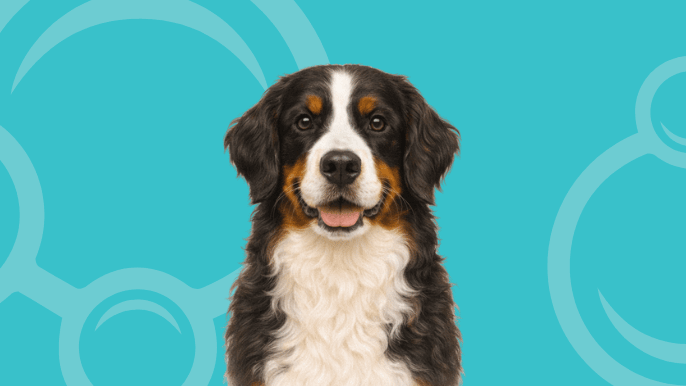
Bernese Mountain Dog Temperament is what happens when calm confidence, unwavering loyalty, and a deep desire to be near their people combine in a large, powerful body draped in one of the most stunning coats in the canine world.
Originally bred in the Swiss Alps as a versatile farm dog, the Bernese Mountain Dog carried carts, drove cattle, guarded property, and served as a devoted family companion.
Understanding Bernese Mountain Dog Temperament begins with recognizing that this is a working breed whose gentle nature masks genuine strength and purpose.
These dogs are deeply bonded to their families.
Bernese Mountain Dog Temperament includes a steadfast devotion that makes them shadow their favourite people from room to room, lean against legs for contact, and position themselves wherever they can maintain visual connection with their household.
They are not aloof or independent. They are present, attentive, and emotionally invested in their family unit in a way that few large breeds match.
The tricolour double coat is the breed's most recognisable feature and its most demanding grooming requirement.
The thick, moderately long outer coat combined with a dense, woolly undercoat produces a stunning visual effect, but it also generates heavy shedding year-round and dramatic seasonal coat blow that leaves no surface untouched.
Bernese Mountain Dog Temperament and coat care intersect directly because a dog this bonded to its family generally accepts grooming readily when it is introduced as a shared routine early in life.

Let me tell you what you are really getting with a Bernese Mountain Dog, because the picture-perfect appearance hides a grooming reality that catches many new owners completely off guard.
This breed looks like a living postcard from the Swiss Alps, and it is one of the kindest, most emotionally present dogs you will ever meet. Bernese Mountain Dog Temperament is built on patience, loyalty, and a deep need to be part of everything your family does.
These dogs do not exist on the periphery. They plant themselves in the centre of your life and stay there.
Now let's talk grooming. Honestly.
The feathered long double coat on this breed produces a shedding volume that is difficult to overstate.
The tricolour beauty comes with tumbleweeds of undercoat in every corner, fur on every piece of clothing, and seasonal blow periods that make you question your furniture choices.
Brushing two to three times per week is the baseline, not the exception. During coat blow, daily sessions become essential to stay ahead of the release.
This breed is NOT for you if:
- You want a small, low-maintenance dog
- You cannot tolerate heavy, visible shedding on every surface
- You lack the physical space for a large breed
- You want minimal grooming commitment
- You are uncomfortable with a shorter average lifespan
Because Bernese Mountain Dog Temperament includes:
- A large, powerful body that requires space and resources
- One of the heaviest shedding coats in the dog world
- A deep emotional bond that demands your time and presence
- A grooming commitment that cannot be skipped or shortcuts taken
- A breed-specific health profile that requires awareness
This breed IS for you if:
- You want a calm, devoted family companion
- You appreciate the beauty of a well-maintained tricolour coat
- You have space for a large breed to move comfortably
- You can commit to consistent brushing and undercoat management
- You want a gentle dog that thrives as part of the family unit
Bernese Mountain Dog Temperament rewards patient, committed owners with a companion that is loyal beyond measure, gentle with children, and breathtakingly beautiful when properly groomed.
Respect the gentle nature. Maintain the coat consistently. Handle with patience and warmth.
Do that, and you will share your life with one of the most visually stunning, emotionally devoted, and genuinely kind large breeds in existence, a dog that does not just live in your home but becomes the emotional anchor of your household.
Breed Handling Profile
| Trait | Level | Notes |
|---|---|---|
| Emotional sensitivity | Moderate to High | Deeply bonded to family; responds best to calm, positive handling |
| Handling tolerance | High | Generally patient and cooperative during grooming when trust is established |
| Grooming commitment | Very High | Heavy shedding double coat requires consistent brushing and seasonal undercoat removal |
| Exercise needs | Moderate | Enjoys daily walks and outdoor activity but is not hyperactive; overheating is a concern |
| Alone time tolerance | Low | Bonds strongly; prefers to be near family at all times |
| Best fit household | Families or individuals with space for a large breed, willingness to commit to coat care, and time for daily companionship |
Breed Purpose and Why It Matters for Bernese Mountain Dog Temperament
The Bernese Mountain Dog originated in the canton of Bern in Switzerland, where it worked as an all-purpose farm dog for centuries.
These dogs pulled milk carts to market, drove cattle between pastures, guarded the homestead, and served as companions to farming families who needed a reliable, versatile working partner.
The breed's strength, calm disposition, and willingness to work alongside humans were not accidental qualities. They were bred for through generations of selection that favoured steady temperament, physical endurance, and cooperative behaviour.
Bernese Mountain Dog Temperament reflects this agricultural heritage directly.
The patience required to pull a heavy cart without bolting, the steadiness needed to work near livestock without causing panic, and the loyalty that kept these dogs close to their families through long working days all persist in the modern breed.
When your Bernese Mountain Dog calmly positions itself in the centre of family activity and watches everyone with quiet attentiveness, that is centuries of farm dog heritage expressing itself.
The working background also explains the breed's relationship with physical activity. Bernese Mountain Dog Temperament does not include the frantic energy of herding breeds or the intensity of terriers.
These dogs were built for sustained, moderate effort rather than explosive bursts. They enjoy walks, light hiking, and outdoor time, but they are equally content to settle beside you after moderate exercise.
This calm energy extends to grooming sessions, where Bernese Mountain Dog Temperament generally allows for patient, thorough coat work when the dog trusts the handler.
FurHQ Coat Type Breakdown
The Bernese Mountain Dog wears a Feathered Long Double Coat as classified in the FurHQ seven-coat system. This coat type features a dense, woolly undercoat beneath a moderately long, slightly wavy to straight outer coat with distinct feathering on the ears, chest, legs, and tail.
The Bernese Mountain Dog's coat is one of the heaviest in this classification. The undercoat is exceptionally dense, providing insulation against alpine temperatures, and produces the dramatic shedding volume that defines the breed's grooming needs.
The tricolour pattern (jet black, bright white, and rust markings) adds visual complexity but does not change the coat's structural requirements.
The Long-Pinned Slicker Brush penetrates the longer outer coat to reach and lift dead undercoat from the base. The Undercoat Depth Comb verifies thorough undercoat removal by testing whether the comb can pass smoothly from skin to tip without catching trapped fur.
The Deshedding Comb provides active undercoat extraction in the densest areas. The Long Coat Carding Rake targets compacted undercoat, particularly in the heavy-shedding zones around the neck ruff, hindquarters, and chest.
The Rubber Curry serves as a bathing tool and surface-level coat loosening tool between full sessions.
The recommended kit is the FurHQ Starter Grooming Kit: Feathered Long Double Coat.
Not Sure About Your Dog's Coat Type?
Not every dog fits neatly into one coat category, and that is completely normal. Coat type determines the correct tools, products, and techniques for effective grooming, and getting it right matters for coat health and comfort.
This is especially true for mixed breeds or dogs whose coat has not yet fully developed.
Use the FurHQ AI Coat Identifier to find out your dog's coat type and get matched to the right FurHQ Starter Grooming Kit. Simply upload a photo and receive an accurate classification with a personalised kit recommendation.
Puppy Coat to Adult Coat Transition
Bernese Mountain Dog puppies are born with a soft, relatively flat coat that begins its transition to the full adult double coat between 4 and 8 months of age.
The undercoat fills in gradually, adding significant density beneath the developing outer coat. Feathering on the ears, chest, legs, and tail develops over 12 to 24 months, with some dogs not reaching full coat maturity until close to age 3.
During the transition period, the incoming adult coat can trap shedding puppy fur, creating mats and tangles in areas where friction occurs. The behind-the-ears area, armpits, inner thighs, and the base of the tail are particularly vulnerable during this phase.
Regular brushing with the Long-Pinned Slicker prevents the compaction that develops when dead puppy coat gets caught beneath the emerging adult fur.
Bernese Mountain Dog Temperament is generally cooperative during early grooming, which makes the transition period an excellent window for establishing positive grooming habits. Start gentle brushing sessions from 8 weeks, keeping them short and positive.
Use Pawfect Finish Coat Spray before every brushing session and after bathing during the transition to provide slip and prevent breakage. The FurHQ 5-Step Method provides the structure needed to build grooming into a consistent routine from puppyhood forward.
The FurHQ 5-Step Grooming Method: Technical Reality
The FurHQ 5-Step Method (Audit, Prep, Bath, Dry, Finish) applies to this coat type with emphasis on managing the dense undercoat while protecting the longer guard coat and feathering from damage.
Learn the Method. Follow the Protocol. Complete the Mission.
Setup and Stability
Secure the dog using the Stay Put System (suction cup anchor + safety lead). For anxious dogs, the Hush Pup Wrap provides calming compression. Feathered long double coats require the most thorough grooming sessions of all coat types, so patience and a calm environment are essential.
Tools and Technique
Audit: Begin every session by running your hands over the entire body, parting the coat to check for mats at the skin level. Focus on behind the ears, armpits, groin, chest ruff, hindquarter feathering, and any areas where friction occurs. The long coat hides mats effectively, so hands-on assessment is non-negotiable.
Prep: Mist with Pawfect Finish Coat Spray before any tool touches the coat. Use the Long-Pinned Slicker Brush to line brush section by section, working from the skin outward through both the undercoat and the longer guard coat.
Verify every section with the Undercoat Depth Comb. If the comb catches, go back to the slicker. Use the Deshedding Comb for undercoat removal on alternating weeks. Use the Long Coat Carding Rake once every two weeks for dead undercoat, alternating weeks with the Deshedding Comb.
Bath: Use Rubber Curry during bathing for skin stimulation and to work shampoo through the dense coat. Full saturation to the skin is critical and takes time on a coat this dense. Rinse thoroughly, working water through the full length.
Dry: Towel dry without rubbing. Use a dryer with a brush-through, lifting and separating the coat as it dries. Apply Pawfect Finish Coat Spray pre-dry for protection. Significant undercoat blows out during this step. The coat should be dried thoroughly to the skin, and the feathering should be straightened during drying.
Finish: Final comb-through with the Undercoat Depth Comb to verify the coat is free of tangles, dry to the skin, and the feathering is smooth and draping naturally. Assess overall coat condition.
Blow-out season is where the real coat work lives. Stay ahead of undercoat release early, and the rest of the year stays easy.
Chemistry and Coat Care
Deep Clean Delight Shampoo provides a deep cleanse that penetrates the dense double coat to the skin. Coat-Quench Conditioner provides slip, moisture, and tangle prevention for the longer guard coat and feathering, supporting easier brushing and reducing breakage.
The Coat Release Method (Condensed)
Feathered long double coats carry dense undercoat that releases seasonally in significant volume.
During the Bath step, after full saturation and shampoo application, use controlled airflow in the tub while the coat is still lathered. The lubrication allows dead undercoat to release safely without friction or skin trauma.
Rinse, then apply a second shampoo with the Rubber Curry to complete the release. This keeps dead coat contained in the tub rather than spread across your home. For the full step-by-step process, see The Coat Release Method for Dogs with Undercoat in Related Reading.
FurHQ Starter Grooming Kit Breakdown
The FurHQ Starter Grooming Kit: Feathered Long Double Coat is recommended for the Bernese Mountain Dog.
Standard Items (included in all FurHQ kits):
- Stay Put System (suction cup anchor + safety lead + training tips)
- Hush Pup Wrap
- Rubber Curry (for bathing and undercoat loosening)
- Ear Wipes
- Pawfect Finish Coat Spray
Coat-Specific Items:
- Deep Clean Delight Shampoo
- Coat-Quench Conditioner
- Long-Pinned Slicker Brush
- Undercoat Depth Comb
- Deshedding Comb
- Long Coat Carding Rake
Total: 11 items
Each kit includes step-by-step video tutorials and informational PDFs so you know exactly how to use every tool and product for the Bernese Mountain Dog coat.
 Bernese Mountain Dog Temperament: Superpowers and Kryptonite
Superpowers
🌟 Gentle giant demeanour: Bernese Mountain Dog Temperament combines large breed size with a remarkably gentle, patient nature. These dogs are famously good with children, tolerant of handling, and calm in household environments.
🌟 Unwavering loyalty: The bond a Bernese Mountain Dog forms with its family is deep, consistent, and enduring. These dogs are devoted companions who remain emotionally connected to their people throughout their lives.
🌟 Calm confidence: Bernese Mountain Dog Temperament includes a steady, unflappable quality that makes these dogs reliable in varied situations. They are not easily startled, not reactive without cause, and carry themselves with quiet assurance.
🌟 Trainability with patience: These dogs respond well to positive, consistent training methods. Bernese Mountain Dog Temperament includes a willingness to learn and a desire to cooperate, though the pace may be slower than high-drive breeds.
🌟 Versatile companion: From hiking trails to family gatherings to quiet evenings at home, the Bernese Mountain Dog adapts to varied activities with equal enthusiasm. Their moderate energy level means they enjoy adventure but also appreciate rest.
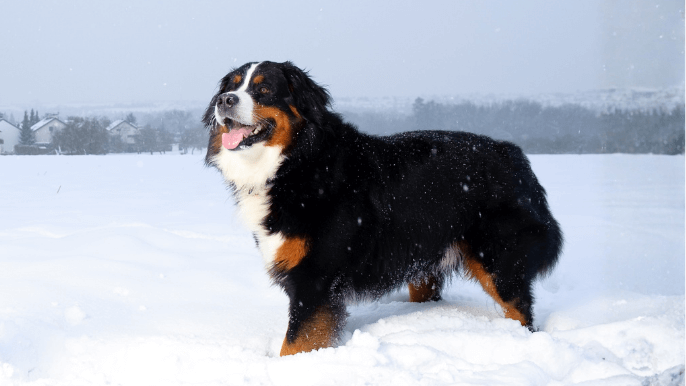
🌟 Stunning tricolour coat: The jet black, bright white, and rust markings create one of the most visually striking coat patterns in the dog world. A well-groomed Bernese Mountain Dog is a genuinely breathtaking sight.
Kryptonite
⚠️ Heavy shedding commitment: The dense feathered long double coat sheds consistently year-round and produces dramatic seasonal coat blow. White fur on dark clothing becomes a permanent lifestyle feature. This shedding cannot be reduced, only managed.
⚠️ Shorter lifespan: Bernese Mountain Dog Temperament comes with a breed-specific health reality. The average lifespan of 7 to 10 years is shorter than many breeds, and prospective owners must be prepared for this emotional reality.
⚠️ Heat sensitivity: The heavy double coat that protects against alpine cold makes the Bernese Mountain Dog vulnerable to overheating. Exercise and outdoor time must be managed carefully in warm weather, and grooming helps with temperature regulation.
⚠️ Size-related challenges: A fully grown Bernese Mountain Dog weighs 32 to 52 kilograms. Grooming, veterinary visits, travel, and daily management all require accommodations for a dog of this size. Bernese Mountain Dog Temperament is gentle, but the physical reality of a large breed requires planning.
⚠️ Separation sensitivity: These dogs bond deeply and do not thrive when left alone for extended periods. Bernese Mountain Dog Temperament includes a need for companionship that can develop into separation anxiety without proper conditioning.
⚠️ Never shave this coat: Shaving a double coated breed damages the coat structure, removes temperature regulation, and the coat may never grow back properly. Even in summer, the double coat protects the dog. Proper undercoat removal through brushing and the Coat Release Method is the correct approach.
FurHQ's Lifestyle Lens and Pro Insights
The first thing every new Bernese Mountain Dog owner needs to hear is this: the coat is not optional. A week of skipped brushing cannot be caught up easily.
Bernese Mountain Dog Temperament makes them patient on the grooming table, which is a genuine gift, because the amount of undercoat this breed produces means real time spent working through it.
These dogs generally settle into a grooming rhythm beautifully, especially when the routine starts young and stays consistent.
The lifestyle reality of living with a Bernese is sharing a home with a large, affectionate dog that wants to be near its people. They are not a breed that goes off to entertain themselves.
They follow the family, lean on them, and position themselves in the middle of household activity. This is wonderful for companionship, but it also means the shedding is everywhere, because the dog is everywhere. Plan accordingly with furniture covers and a quality vacuum.
Exercise is important but needs to be moderated, especially in warmer weather. Bernese Mountain Dog Temperament thrives with daily walks and moderate outdoor activity, but these dogs overheat quickly.
Schedule grooming sessions after exercise when the dog is tired and relaxed. A well-exercised Bernese on the grooming table is a cooperative Bernese, and the patience this breed naturally brings to grooming makes sessions productive rather than stressful.
Brushing two to three times per week keeps the coat manageable between baths. During seasonal coat blow, plan for daily brushing sessions lasting 20 to 40 minutes depending on the dog's size and coat density.
The Long Coat Carding Rake every two weeks alternating with the Deshedding Comb keeps undercoat from compacting. The investment pays off in a coat that looks spectacular and a dog that feels comfortable.
Brush before you bathe, always. Bathing a Bernese Mountain Dog with trapped undercoat creates compacted mats that are far harder to remove once wet and dried. The Audit and Prep steps exist for a reason, and with this breed, they are non-negotiable.
Health and Lifespan: The FurHQ Touch Test
The Bernese Mountain Dog typically lives 7 to 10 years. This shorter lifespan compared to many breeds makes regular health monitoring through grooming especially valuable for detecting issues early and maximising quality of life throughout every year.
Regular grooming sessions double as health assessments when you incorporate the FurHQ Touch Test into your routine.
The dense feathered long double coat on a Bernese Mountain Dog can hide skin issues, lumps, and changes that would be immediately visible on a short-coated breed, making hands-on evaluation essential.
Run your hands systematically across the entire body during every grooming session, feeling for anything unusual beneath the coat.
Hip and elbow dysplasia are common concerns in the breed, and you may notice stiffness, reluctance to stand for grooming, or sensitivity when handling the hindquarters or front legs.
During grooming, observe how the dog moves onto and off the grooming surface. Bernese Mountain Dog Temperament is naturally cooperative, so resistance during specific handling may indicate joint discomfort rather than behavioural issues.
Histiocytosis and other cancers affect this breed at higher rates, making regular detection of lumps, bumps, or unusual swellings during grooming critically important.
The Audit step of the FurHQ 5-Step Method provides a structured opportunity to check the entire body systematically. Skin conditions including hot spots can develop beneath the dense coat, particularly during warm weather or when undercoat is not properly managed.
During brushing, watch for redness, moisture, odour, or areas where the dog flinches.
Every grooming session is a conversation with your dog's body. The FurHQ 5-Step Method builds that conversation into your routine.
Related Breed Comparisons
If you are considering a Bernese Mountain Dog, these breeds share some characteristics but differ in important ways:
- Greater Swiss Mountain Dog Temperament: Same Swiss working heritage and tricolour pattern but with a short double coat that requires significantly less grooming. Similar calm, loyal temperament in a slightly more robust package.
- Newfoundland Temperament: Comparable size and gentle temperament with an even heavier coat. Shares the devotion and patience but adds water rescue heritage and higher drool factor.
- Golden Retriever Temperament: Similar gentle, family-oriented temperament with comparable grooming needs. More energetic and outgoing, with a longer average lifespan.
- Saint Bernard Temperament: Fellow Swiss mountain breed with similar calm temperament but larger size. Shares the gentle giant quality but with different coat variations and higher drool volume.
Related Reading
Feathered Long Double Coat Grooming
Bathing and Drying
- How to Dry a Dog After a Bath
- How to Introduce Your Dog to a Dryer
- High Velocity Dryer for Dogs
- Stand Dryer for Dogs
Comfort and Safety
- Dog Grooming Desensitisation
Matting and Coat Health
Tools and Products
Related Breed Blogs
- Greater Swiss Mountain Dog Temperament
- Newfoundland Temperament
- Golden Retriever Temperament
- Saint Bernard Temperament
The Bottom Line
Bernese Mountain Dog Temperament delivers calm devotion, gentle strength, and unwavering loyalty in a breathtaking tricolour package. This breed rewards committed owners with a companion that is patient with children, steady in temperament, and genuinely beautiful when properly groomed.
The coat demands attention. There is no shortcut around the shedding, the seasonal blow, or the brushing commitment.
But the return on that investment is a bond built through consistent care, a dog that anchors your family with quiet presence, and the satisfaction of maintaining one of the most magnificent coats in the dog world.
If you are ready for the commitment, the FurHQ Starter Grooming Kit: Feathered Long Double Coat gives you every tool and product you need. You have a system that works.
Learn the Method. Follow the Protocol. Complete the Mission.
You got this. And we've got you.
Variation Clarity Statement
Every dog is an individual. While this profile describes typical breed characteristics, your specific dog may vary based on genetics, breeding, socialisation, and individual temperament. Coat type can also vary within breeds.
If you are unsure about your dog's coat type, use the FurHQ AI Coat Identifier to get accurate identification and the right kit recommendation.
FAQs
What coat type does the Bernese Mountain Dog have?
The Bernese Mountain Dog is classified as a Feathered Long Double Coat in the FurHQ seven-coat system. This system recognises seven distinct coat types, each with specific tools, products, and techniques: Smooth Single Coat, Short Double Coat, Medium Plush Double Coat, Feathered Long Double Coat, Wire Coat, Curly Wavy Coat, and Drop Coat. The Bernese Mountain Dog's dense, woolly undercoat beneath a moderately long outer coat with distinct feathering on the ears, chest, legs, and tail places it firmly in the feathered long double coat classification. Understanding your dog's coat type is the foundation for effective grooming because it determines every tool and product in your routine.
What is Bernese Mountain Dog Temperament like?
Bernese Mountain Dog Temperament is gentle, affectionate, and devoted. They are calm, patient dogs who bond deeply with their families and are known for being excellent with children. They are often described as gentle giants.
How often should I brush my Bernese Mountain Dog?
Brushing two to three times per week is the recommended baseline for maintaining a Bernese Mountain Dog's coat between seasonal blow periods. During spring and autumn coat blow, daily brushing becomes necessary to manage the volume of undercoat being released. Each session should work systematically through the entire coat using the Long-Pinned Slicker Brush, followed by the Long Coat Carding Rake every two weeks (alternating with the Deshedding Comb), and verified with the Undercoat Depth Comb. Bernese Mountain Dog Temperament generally cooperates well with regular grooming sessions, especially when they are introduced early and maintained consistently. Skipping sessions allows undercoat to compact against the skin, creating discomfort and potential skin issues that are preventable with routine maintenance.
Do Bernese Mountain Dogs shed a lot?
Yes. Bernese Mountain Dogs shed heavily year-round with dramatic seasonal coat blows in spring and fall. The tricolour hair will be on furniture, clothes, and everywhere in your home.
How long do Bernese Mountain Dogs live?
Unfortunately, Bernese Mountain Dogs have one of the shortest lifespans of any breed, typically 6 to 8 years. High cancer rates contribute to this short lifespan. Regular health monitoring through the Touch Test is important.
Are Bernese Mountain Dogs good with children?
Yes. Bernese Mountain Dog Temperament is known for being excellent with children. They are patient, gentle, and protective without being aggressive. Their farm dog heritage included being trusted family dogs.
Which grooming kit does my Bernese Mountain Dog need?
Measure your dog's coat in the longest areas (legs, chest, britches, tail). If the coat measures 3 inches or longer with visible feathering, use the FurHQ Starter Grooming Kit: Feathered Long Double Coat.
How do I manage Bernese Mountain Dog shedding?
Regular brushing with the Undercoat Rake removes loose coat before it lands on furniture. During shedding season, daily brushing is essential. Invest in a good vacuum and accept that some fur is part of life with a Berner.
Are Bernese Mountain Dogs good in hot weather?
No. The dense coat developed for Swiss alpine winters makes them very heat-intolerant. They need air conditioning in warm weather and limited outdoor time during hot periods. They are best suited to cooler climates.
How big do Bernese Mountain Dogs get?
Adult Bernese Mountain Dogs typically weigh 70 to 115 pounds (32 to 52 kg). Males are larger than females. They stand 23 to 28 inches (58 to 71 cm) at the shoulder.
Are Bernese Mountain Dogs easy to train?
Yes. Bernese Mountain Dog Temperament includes intelligence and eagerness to please, making them responsive to positive training methods. They are sensitive dogs who do not respond well to harsh correction.
Do Bernese Mountain Dogs have health problems?
Yes, unfortunately. The breed is prone to various cancers (especially histiocytic sarcoma), hip and elbow dysplasia, progressive retinal atrophy, and bloat. Regular veterinary care is essential.
Can I shave my Bernese Mountain Dog in summer?
No. Shaving a double-coated breed damages the coat and can actually make them hotter by removing their natural insulation. Never shave a Bernese Mountain Dog. Instead, provide shade, air conditioning, and cool water.
What tools do I need to groom a Bernese Mountain Dog?
Essential tools include a Long Pinned Slicker Brush for the outer coat, Long Coat Carding Rake for undercoat removal, Undercoat Depth Comb for finishing and detecting tangles, and Deshed Comb for working through the dense undercoat. All tools are included in the FurHQ Starter Grooming Kit: Feathered Long Double Coat.
How often should a Bernese Mountain Dog see a professional groomer?
Professional grooming every 6 to 8 weeks is valuable for thorough bathing, drying, and maintenance that is challenging at home with such a large, densely coated dog.
Are Bernese Mountain Dogs good apartment dogs?
Generally no. Their large size requires space, and the heavy shedding is more manageable in a home with outdoor access. They do best in homes with room to move and a yard, ideally in cooler climates.
Does FurHQ have products for Bernese Mountain Dogs?
Yes. The FurHQ Starter Grooming Kit: Feathered Long Double Coat is designed for Feathered Long Double Coat breeds like the Bernese Mountain Dog. Each kit includes step-by-step video tutorials and informational PDFs.
You can also find additional products and add-on kits, including the Nail Kit, in the FurHQ Store.
How do I prevent matting in my Bernese Mountain Dog's feathering?
Focus on high-friction areas: behind the ears, under the collar, leg feathering, and the "pants" (rear feathering). Use line brushing technique to brush from skin to tip, not just the surface. Apply Pawfect Finish Coat Spray before brushing for slip. Finish each section with a Coat-Specific Metal Comb to verify no tangles remain.
What is the Coat Release Method?
The Coat Release Method is a systematic process for removing trapped undercoat from double-coated breeds using a specific tool progression: slicker brush to lift, carding rake to extract, and comb to verify complete removal. For the Bernese Mountain Dog, this method is essential during seasonal coat blow when the undercoat releases in significant volume. The process prevents undercoat compaction, maintains air circulation through the coat, and keeps the skin healthy. Learn the full technique in the Coat Release Method for Dogs with Undercoat or the Coat Release Method Without an HV Dryer.
Does FurHQ have products for Bernese Mountain Dogs?
Yes. Bernese Mountain Dogs need the FurHQ Starter Grooming Kit: Feathered Long Double Coat, which includes all necessary tools, products, and educational resources including step-by-step video tutorials and informational PDFs. You can also find additional products and add-on kits, including the Nail Kit, in the FurHQ Store.
What tools and products are in the FurHQ Starter Grooming Kit: Feathered Long Double Coat?
The FurHQ Starter Grooming Kit: Feathered Long Double Coat contains 11 items specifically selected for feathered long double coats like the Bernese Mountain Dog. Coat-specific items include Deep Clean Delight Shampoo, Coat-Quench Conditioner, Long-Pinned Slicker Brush, Undercoat Depth Comb, Deshedding Comb, and Long Coat Carding Rake. Standard items included in all FurHQ kits are the Stay Put System, Hush Pup Wrap, Rubber Curry, Ear Wipes, and Pawfect Finish Coat Spray. Every item is designed to work together as a complete grooming system with step-by-step video tutorials.
How does the FurHQ 5-Step Method work for the Bernese Mountain Dog?
The FurHQ 5-Step Method (Audit, Prep, Bath, Dry, Finish) provides a structured approach that ensures thorough, consistent grooming for the Bernese Mountain Dog's demanding coat. The Audit step checks the entire body for mats, tangles, lumps, and skin changes.
The Prep step uses the Long-Pinned Slicker Brush, Long Coat Carding Rake, and Undercoat Depth Comb to remove dead undercoat before bathing. The Bath step uses Deep Clean Delight Shampoo and Coat-Quench Conditioner. The Dry step ensures thorough drying to prevent moisture-related skin issues. The Finish step uses Pawfect Finish Coat Spray for final coat conditioning and protection. Following this method consistently keeps the Bernese Mountain Dog's coat healthy, manageable, and visually stunning.
What FurHQ Starter Grooming Kits are available?
FurHQ offers seven coat-specific kits, each designed with the exact tools and products for that coat type: FurHQ Starter Grooming Kit: Smooth Single Coat, FurHQ Starter Grooming Kit: Short Double Coat, FurHQ Starter Grooming Kit: Medium Plush Double Coat, FurHQ Starter Grooming Kit: Feathered Long Double Coat, FurHQ Starter Grooming Kit: Wire Coat, FurHQ Starter Grooming Kit: Curly Wavy Coat, and FurHQ Starter Grooming Kit: Drop Coat. Not sure which kit is right for your dog? Use the FurHQ AI Coat Identifier to get an accurate coat type classification and matched kit recommendation. Visit the FurHQ Store to explore all available products and kits.