
Newfoundland Temperament and Grooming Considerations
Table of Contents
- Introduction: The Gentle Giant of the Water
- Breed Handling Profile
- Breed Purpose and Why It Matters for Newfoundland Temperament
- FurHQ Coat Type Breakdown
- Not Sure About Your Dog's Coat Type?
- Puppy Coat to Adult Coat Transition
- The FurHQ 5-Step Grooming Method: Technical Reality
- FurHQ Starter Grooming Kit Breakdown
- Newfoundland Temperament: Superpowers and Kryptonite
- FurHQ's Lifestyle Lens and Pro Insights
- Health and Lifespan: The FurHQ Touch Test
- Related Breed Comparisons
- Related Reading
- The Bottom Line
- Variation Clarity Statement
- FAQs
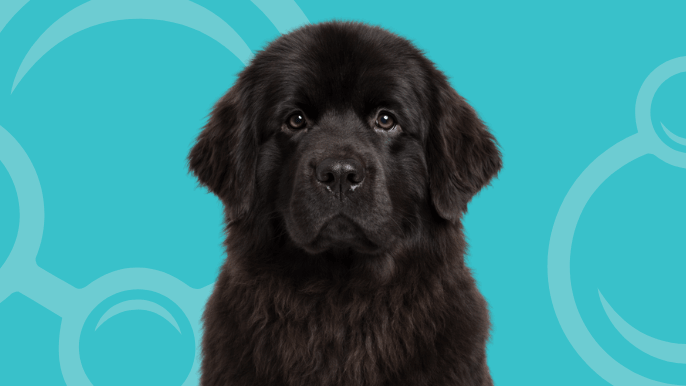
Newfoundland Temperament is what happens when extraordinary gentleness, powerful water ability, and a profoundly calm protective instinct combine in one of the largest and most beloved working breeds in the world.
Developed on the island of Newfoundland in Canada as a working water dog, the Newfoundland hauled nets, rescued drowning swimmers, and pulled carts with a calm, tireless willingness that earned the breed its reputation as the "nanny dog."
Understanding Newfoundland Temperament starts with recognizing that this is a gentle giant in the truest sense, a massively powerful dog whose defining characteristic is not strength but sweetness.
These dogs are profoundly gentle. Newfoundland Temperament includes a calm, patient, nurturing nature that makes this breed one of the most trustworthy with children and vulnerable family members. They are quiet, steady, and carry themselves with a dignified ease that belies their enormous size.
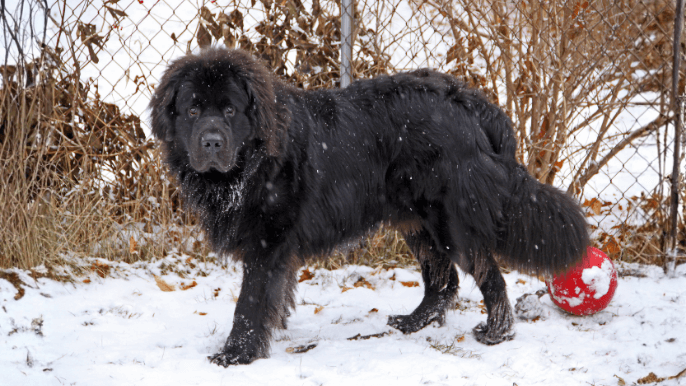
The heavy, profuse feathered long double coat is the breed's most demanding feature. The dense, water-resistant outer coat with heavy feathering on the legs, chest, and tail, supported by a thick, woolly undercoat , provided insulation for cold-water work but demands significant grooming commitment in domestic life.
Newfoundland Temperament and coat care connect because the breed's patient, cooperative nature makes grooming sessions calm, though the sheer volume of coat on a dog weighing 55 to 70 kilograms means every session takes time.

Let me tell you what you are really getting with a Newfoundland, because this breed's gentleness is legendary for a reason and the grooming commitment is equally real.
The Newfoundland is the kindest large dog I have ever worked with. Newfoundland Temperament is built on a patience and gentleness that is not trained but inherent. These dogs are naturally careful with children, naturally calm in the home, and naturally protective without aggression. The temperament is genuinely special.
Now let's talk grooming. Honestly.
The feathered long double coat on a dog this size is a serious commitment. The dense, heavy outer coat with profuse feathering and the thick, woolly undercoat produce massive shedding. Brushing two to three times per week is the minimum, and sessions on a Newfoundland take significantly longer than any medium breed because there is simply so much dog and so much coat to cover.
During seasonal blow, daily sessions of 30 to 45 minutes are not unusual. Newfoundland Temperament makes this manageable because these patient dogs lie calmly for extended grooming, but you must budget the time.
This breed is NOT for you if:
- You want a low-maintenance coat
- You cannot accommodate a very large dog (space, vehicle, costs)
- You want a clean, dry household (drool and water tracking are constant)
- You cannot commit to significant grooming time
- You are unprepared for the shorter lifespan of giant breeds
Because Newfoundland Temperament includes:
- A massive, profuse coat demanding extensive grooming commitment
- Substantial drool, particularly after eating and drinking
- Giant breed size requiring space, large vehicles, and higher costs for everything
- A shorter lifespan typical of giant breeds
- Water-seeking behaviour that means the dog gets wet at every opportunity
This breed IS for you if:
- You want the gentlest, most trustworthy large breed companion available
- You can commit to significant, regular grooming
- You have space for a giant breed and accept the associated costs
- You appreciate a calm, steady, protective family presence
- You have access to water and can accommodate a water-loving dog
Newfoundland Temperament rewards committed, gentle owners with a companion whose sweetness is legendary, whose calm presence anchors the household, and whose devoted protectiveness makes every family member feel genuinely safe.
Accept the drool. Commit to the massive coat. Provide the space this gentle giant needs.
Do that, and you will share your life with one of the most genuinely kind, noble, and beloved breeds in existence.
Breed Handling Profile
| Trait | Level | Notes |
|---|---|---|
| Emotional sensitivity | Moderate | Calm and steady; responsive to gentle handling |
| Handling tolerance | Very High | Exceptionally patient; lies calmly for extended grooming sessions |
| Grooming commitment | Very High | Massive profuse coat on a giant breed demands extensive, regular maintenance |
| Exercise needs | Moderate | Needs daily movement including swimming but not vigorous exercise |
| Alone time tolerance | Moderate | Calm and self-sufficient but prefers family presence |
| Best fit household | Families with space, commitment to grooming, and appreciation for a gentle giant companion |
Breed Purpose and Why It Matters for Newfoundland Temperament
The Newfoundland was developed on the island of Newfoundland in Canada as a multipurpose working water dog. The breed hauled fishing nets to shore, rescued people from the water, pulled carts loaded with fish and supplies, and served as a working partner to fishermen in some of the most demanding maritime conditions in the world.
The cold North Atlantic waters required a dog with a massive, insulating coat, powerful swimming ability, and the willingness to enter rough, cold water repeatedly.
Newfoundland Temperament reflects this water rescue heritage directly. The calm courage, the natural swimming ability, the gentle protectiveness, the tireless work ethic in water, and the nurturing instinct toward people in distress all trace to a breed that saved lives.
When your Newfoundland positions itself between your child and deep water, swims toward anyone who appears to be struggling, or carries objects to shore with gentle mouth pressure, that is water rescue heritage expressing itself.
The breed's extraordinary gentleness with children was preserved by generations of dogs that lived closely with fishing families, including young children, in small communities where the dog's trustworthiness with the vulnerable was essential.
FurHQ Coat Type Breakdown
The Newfoundland wears a Feathered Long Double Coat as classified in the FurHQ seven-coat system. This coat type features a dense, moderately long, water-resistant outer coat with heavy feathering on the legs, chest, and tail, supported by a thick, woolly undercoat.
The Newfoundland's coat is among the heaviest and most profuse in the feathered long double coat category. On a dog weighing 55 to 70 kilograms, the total coat volume is substantial. The outer coat has a slightly oily quality that provides water resistance. The undercoat is extremely dense and woolly.
The Long-Pinned Slicker Brush penetrates the heavy coat to reach the dense undercoat. The Undercoat Depth Combverifies thorough undercoat removal. The Deshedding Comb provides active undercoat extraction. The Long Coat Carding Rake targets compacted undercoat in the densest zones. The Rubber Curry serves as a bathing tool.
The recommended kit is the FurHQ Starter Grooming Kit: Feathered Long Double Coat.
Not Sure About Your Dog's Coat Type?
Not every dog fits neatly into one coat category, and that is completely normal. Coat type determines the correct tools, products, and techniques for effective grooming, and getting it right matters for coat health and comfort. This is especially true for mixed breeds or dogs whose coat may vary from expectations.
Use the FurHQ AI Coat Identifier to find out your dog's coat type and get matched to the right FurHQ Starter Grooming Kit. Simply upload a photo and receive an accurate classification with a personalised kit recommendation.
Puppy Coat to Adult Coat Transition
Newfoundland puppies are born with a softer, fluffier coat that begins developing adult characteristics between 6 and 12 months. The heavy outer coat and profuse feathering develop progressively over 18 to 30 months. The full adult coat is typically established by age 2 to 3.
During the transition, the incoming dense undercoat traps shedding puppy coat, creating significant compaction risk. Regular brushing from the start is critical because a neglected 60-kilogram adolescent Newfoundland with a matted coat is an extremely difficult problem to solve.
Newfoundland Temperament in puppyhood is calm and cooperative. Start gentle brushing from 8 weeks. Use Pawfect Finish Coat Spray before drying and when dry brushing. The FurHQ 5-Step Method provides structure for building the routine.
The FurHQ 5-Step Grooming Method: Technical Reality
The FurHQ 5-Step Method (Audit, Prep, Bath, Dry, Finish) applies to this coat type with emphasis on managing the dense undercoat while protecting the longer guard coat and feathering from damage.
Learn the Method. Follow the Protocol. Complete the Mission.
Setup and Stability
Secure the dog using the Stay Put System (suction cup anchor + safety lead). For anxious dogs, the Hush Pup Wrap provides calming compression. Feathered long double coats require the most thorough grooming sessions of all coat types, so patience and a calm environment are essential.
Tools and Technique
Audit: Begin every session by running your hands over the entire body, parting the coat to check for mats at the skin level. Focus on behind the ears, armpits, groin, chest ruff, hindquarter feathering, and any areas where friction occurs. The long coat hides mats effectively, so hands-on assessment is non-negotiable.
Prep: Mist with Pawfect Finish Coat Spray before any tool touches the coat. Use the Long-Pinned Slicker Brush to line brush section by section, working from the skin outward through both the undercoat and the longer guard coat. Verify every section with the Undercoat Depth Comb. If the comb catches, go back to the slicker. Use the Deshedding Comb for undercoat removal on alternating weeks. Use the Long Coat Carding Rake once every two weeks for dead undercoat, alternating weeks with the Deshedding Comb.
Bath: Use Rubber Curry during bathing for skin stimulation and to work shampoo through the dense coat. Full saturation to the skin is critical and takes time on a coat this dense. Rinse thoroughly, working water through the full length.
Dry: Towel dry without rubbing. Use a dryer with a brush-through, lifting and separating the coat as it dries. Apply Pawfect Finish Coat Spray pre-dry for protection. Significant undercoat blows out during this step. The coat should be dried thoroughly to the skin, and the feathering should be straightened during drying.
Finish: Final comb-through with the Undercoat Depth Comb to verify the coat is free of tangles, dry to the skin, and the feathering is smooth and draping naturally. Assess overall coat condition.
Blow-out season is where the real coat work lives. Stay ahead of undercoat release early, and the rest of the year stays easy.
Chemistry and Coat Care
Deep Clean Delight Shampoo provides a deep cleanse that penetrates the dense double coat to the skin. Coat-Quench Conditioner provides slip, moisture, and tangle prevention for the longer guard coat and feathering, supporting easier brushing and reducing breakage.
The Coat Release Method (Condensed)
Feathered long double coats carry dense undercoat that releases seasonally in significant volume. During the Bath step, after full saturation and shampoo application, use controlled airflow in the tub while the coat is still lathered. The lubrication allows dead undercoat to release safely without friction or skin trauma. Rinse, then apply a second shampoo with the Rubber Curry to complete the release. This keeps dead coat contained in the tub rather than spread across your home. For the full step-by-step process, see The Coat Release Method for Dogs with Undercoat in Related Reading.
FurHQ Starter Grooming Kit Breakdown
The FurHQ Starter Grooming Kit: Feathered Long Double Coat is recommended for the Newfoundland.
Standard Items (included in all FurHQ kits):
- Stay Put System (suction cup anchor + safety lead + training tips)
- Hush Pup Wrap
- Rubber Curry (for bathing)
- Ear Wipes
- Pawfect Finish Coat Spray
Coat-Specific Items:
- Deep Clean Delight Shampoo
- Coat-Quench Conditioner
- Long-Pinned Slicker Brush
- Undercoat Depth Comb
- Deshedding Comb
- Long Coat Carding Rake
Total: 11 items
Each kit includes step-by-step video tutorials and informational PDFs so you know exactly how to use every tool and product for the Newfoundland coat.
 Newfoundland Temperament: Superpowers and Kryptonite
Superpowers
🌟 Extraordinary gentleness: Newfoundland Temperament is the gold standard for gentle giant breeds. The natural nurturing instinct and patience make this breed one of the most trustworthy with children.
🌟 Water rescue instinct: The breed's natural swimming ability and rescue instinct are genuine and impressive. Newfoundland Temperament includes a drive to assist people in water that is instinctive, not trained.
🌟 Calm household presence: Newfoundland Temperament brings a steady, grounding calm to the household.
🌟 Patient grooming cooperation: The breed's patience makes extended grooming sessions manageable despite the coat volume.
🌟 Moderate exercise needs: Despite the massive size, the Newfoundland does not require extreme exercise. Swimming and moderate daily walks satisfy the breed.
🌟 Protective without aggression: Newfoundland Temperament provides genuine protectiveness through size and presence without the aggressive edge found in guarding breeds.
Kryptonite
⚠️ Massive coat commitment: The profuse coat on a giant breed creates the highest grooming time investment of almost any breed.
⚠️ Drool: Newfoundland Temperament comes with substantial drool, particularly after eating, drinking, and during warm weather. Drool cloths become household necessities.
⚠️ Shorter lifespan: The Newfoundland typically lives 8 to 10 years, which is shorter than most breeds. Giant breed lifespan is a genuine consideration.
⚠️ Giant breed costs: Everything costs more: food, medication, grooming products, veterinary care, beds, crates, and travel.
⚠️ Heat sensitivity: The massive double coat creates significant heat sensitivity. Newfoundland Temperament requires shade, water, and limited activity in warm weather.
⚠️ Never shave this coat: Shaving a double coated breed damages the coat structure and removes temperature regulation. Proper undercoat removal through brushing and the Coat Release Method is the correct approach.
FurHQ's Lifestyle Lens and Pro Insights
Newfoundlands require extra time budgeted because the coat demands it and the dog deserves thoroughness. Newfoundland Temperament on the floor (most Newfoundlands are groomed on the floor rather than a table given the size) is the most patient encountered in any breed. These dogs lie calmly for extended sessions and seem to understand that the grooming serves them.
The hindquarters, mane, and belly carry the densest undercoat and require the most attention. Work in sections, always from the skin outward, and verify with the Undercoat Depth Comb because what looks brushed on the surface often has compacted undercoat at the base. Budget for double the product typically used on an average breed.
Living with a Newfoundland means accepting the drool, the coat, and the giant breed realities. Newfoundland Temperament provides a return that justifies every compromise: a companion whose gentleness is profound, whose calm presence anchors the household, and whose devotion to family is one of the most genuine expressions of canine love anyone will ever experience.
Work deep into the Feathered Long Double Coat with a long-pin slicker and comb to prevent dense undercoat from compacting near the skin. During seasonal sheds, bathing and high-velocity drying release far more coat than brushing alone.
Health and Lifespan: The FurHQ Touch Test
The Newfoundland typically lives 8 to 10 years. The shorter giant breed lifespan makes every health monitoring opportunity valuable.
Regular grooming sessions serve as health assessments when you incorporate the FurHQ Touch Test. The heavy coat conceals changes.
Subaortic stenosis (SAS) is a serious heart condition affecting the breed. Hip and elbow dysplasia are significant concerns in this heavy breed. Cystinuria (bladder stones) affects Newfoundlands at higher rates. Bloat is a risk in this deep-chested breed. Cranial cruciate ligament (CCL) tears occur due to the breed's weight. Addison's disease has been documented. Osteosarcoma occurs. The heavy coat can conceal weight changes, lumps, and skin conditions.
Every grooming session is a conversation with your dog's body. The FurHQ 5-Step Method builds that conversation into your routine.
Related Breed Comparisons
If you are considering a Newfoundland, these breeds share some characteristics but differ in important ways:
- Bernese Mountain Dog Temperament: Similar gentle nature and profuse coat in a slightly smaller package. Shares the family devotion and grooming demands but with more energy.
- Great Pyrenees Temperament: Comparable size and profuse coat with a guardian rather than companion temperament. Shares the coat demands but with more independence and nighttime barking.
- Leonberger Temperament: Similar size and profuse coat with a playful, friendly temperament. Shares the gentle giant quality but with more energy and playfulness.
- Saint Bernard Temperament: Comparable giant breed gentleness with a different coat type. Shares the drool, the size, and the shorter lifespan.
Related Reading
Feathered Long Double Coat Grooming
Bathing and Drying
Comfort and Safety
- Dog Grooming Desensitisation
Tools and Products
Related Breed Blogs
- Bernese Mountain Dog Temperament
- Great Pyrenees Temperament
- Leonberger Temperament
- Saint Bernard Temperament
The Bottom Line
Newfoundland Temperament delivers extraordinary gentleness, natural water ability, and calm protective devotion in one of the largest and most beloved breeds in the world. The coat commitment is among the highest of any breed. The drool is constant. The lifespan is shorter. The costs are giant. But the return is a companion whose gentleness is legendary, whose calm presence anchors every day, and whose devoted, nurturing love represents the very best of what the human-canine bond can be.
If you are ready for the commitment, the FurHQ Starter Grooming Kit: Feathered Long Double Coat gives you every tool and product you need. You have a system that works.
Learn the Method. Follow the Protocol. Complete the Mission.
You got this. And we've got you.
Variation Clarity Statement
Every dog is an individual. While this profile describes typical breed characteristics, your specific dog may vary based on genetics, breeding, socialisation, and individual temperament. Coat type can also vary within breeds. If you are unsure about your dog's coat type, use the FurHQ AI Coat Identifier to get accurate identification and the right kit recommendation.
FAQs
What coat type does the Newfoundland have?
The Newfoundland is classified as a Feathered Long Double Coat in the FurHQ seven-coat system. The seven coat types are Smooth Single Coat, Short Double Coat, Medium Plush Double Coat, Feathered Long Double Coat, Wire Coat, Curly Wavy Coat, and Drop Coat.
What is Newfoundland Temperament like?
Newfoundland Temperament is shaped by centuries of work as water rescue dogs along the Canadian coast. These dogs are exceptionally gentle, patient, and devoted to their family. They are remarkably sweet despite their massive size and remain calm under pressure. They bond deeply with their people and thrive on companionship. They respond well to positive training and are known for being wonderful with children.
How often should I brush my Newfoundland?
Brush two to three times per week with the Long-Pinned Slicker Brush. Use the Long Coat Carding Rake every two weeks alternating with the Deshedding Comb. During seasonal blow, daily sessions of 30 to 45 minutes are typical. Newfoundland Temperament makes extended sessions cooperative.
Do Newfoundlands shed a lot?
Yes, Newfoundlands shed heavily. They shed substantially year round and massively during seasonal coat blow in spring and autumn. During these periods, expect extraordinary undercoat release that requires daily management with the Deshedding Comb and Carding Rake (Long). Hair will be visible throughout your home.
How big do Newfoundlands get?
Newfoundlands are a giant breed. Females typically weigh 100 to 120 pounds (45 to 54 kg), while males commonly range from 130 to 150 pounds (59 to 68 kg). Height ranges from 26 to 28 inches (66 to 71 cm) at the shoulder. Some individuals exceed these ranges. Their substantial coat makes them appear even larger.
Are Newfoundlands good with children?
Yes, Newfoundlands are exceptional with children and are often called "nanny dogs" for their gentle, protective nature with young family members. Newfoundland Temperament includes natural patience and gentleness that makes them wonderful family dogs. However, supervision is always required due to their size, as they may accidentally knock over small children.
How do I prevent matting on my Newfoundland?
Prevent matting by brushing two to three times weekly with the Long Pinned Slicker Brush, always using Pawfect Finish Coat Spray to reduce friction. Pay special attention to behind ears, the mane, rear leg furnishings , under the tail, and between the rear legs. Complete every session with the comb test using the Coat-Specific Metal Comb. For matting prevention techniques, see How to Remove Mats Safely.
How long do Newfoundlands live?
Newfoundlands typically live 8 to 10 years, which is common for giant breeds. Regular grooming sessions provide opportunity for the Touch Test to monitor health between veterinary visits and catch developing problems early. Early detection of health issues can help maximize quality of life.
Are Newfoundlands good for first time dog owners?
Newfoundlands can be suitable for dedicated first time owners due to their patient, gentle temperament and trainability. However, the substantial grooming commitment, giant breed costs, and space requirements must be carefully considered. First time owners should be fully prepared for the time investment required for coat maintenance.
What health problems do Newfoundlands have?
Newfoundlands may be prone to hip and elbow dysplasia, heart conditions (particularly subaortic stenosis), bloat (gastric torsion), and cruciate ligament injuries. Their dense coat hides developing problems, which is why regular hands-on examination during grooming is essential for early detection. The Touch Test during grooming allows you to monitor for lumps, swelling, pain response, and muscle changes.
Can I let my Newfoundland air dry after a bath or swimming?
Air drying is not recommended for Newfoundlands. Their dense, water-resistant double coat traps moisture against the skin, which can cause hot spots and skin infections. Proper drying with a high velocity dryer is essential after bathing or swimming. See How to Dry a Dog After a Bath for complete guidance.
Do Newfoundlands drool?
Yes, many Newfoundlands drool, particularly after drinking, eating, or when warm. This is a breed characteristic. Keep towels handy and consider cleaning the mane and chest area regularly where drool accumulates. Heavy droolers may benefit from a drool bib in certain situations.
Can I shave my Newfoundland in summer?
No, you should never shave a Newfoundland. The double coat provides insulation against both cold and heat when properly maintained. Shaving removes this natural temperature regulation and can lead to sunburn, skin damage, and coat that may never grow back correctly. Keep your Newfoundland cool with shade, fresh water, air conditioning, and timing outdoor activities for cooler parts of the day.
How does Newfoundland Temperament affect grooming?
Newfoundland Temperament is exceptionally patient during grooming. These dogs lie calmly for extended sessions. The grooming challenge is time and coat volume, not behaviour.
How often should I bathe my Newfoundland?
Bathe every 6 to 10 weeks using Deep Clean Delight Shampoo followed by Coat-Quench Conditioner. Budget for significantly more product. Multiple lathering is necessary. Always complete Audit and Prep steps first.
What tools and products are in the FurHQ Starter Grooming Kit: Feathered Long Double Coat?
The FurHQ Starter Grooming Kit: Feathered Long Double Coat contains 11 items. Coat-specific items: Deep Clean Delight Shampoo, Coat-Quench Conditioner, Long-Pinned Slicker Brush, Undercoat Depth Comb, Deshedding Comb, and Long Coat Carding Rake. Standard items: Stay Put System, Hush Pup Wrap, Rubber Curry, Ear Wipes, and Pawfect Finish Coat Spray.
What is the difference between a Newfoundland and a Landseer?
The Landseer is sometimes considered a colour variety of the Newfoundland (black and white) and sometimes classified as a separate breed depending on the kennel club. Newfoundland Temperament is consistent regardless of colour. Both share the same coat type and grooming requirements.
How does the FurHQ 5-Step Method work for the Newfoundland?
The FurHQ 5-Step Method (Audit, Prep, Bath, Dry, Finish) demands thorough attention given the coat volume. Audit checks beneath the heavy coat for mats and health changes. Prep uses all four tools working in sections. Bath requires extra product and multiple lathering. Finish applies Pawfect Finish Coat Spray before drying and during brush sessions.
What FurHQ Starter Grooming Kits are available?
FurHQ offers seven coat-specific kits: FurHQ Starter Grooming Kit: Smooth Single Coat, FurHQ Starter Grooming Kit: Short Double Coat, FurHQ Starter Grooming Kit: Medium Plush Double Coat, FurHQ Starter Grooming Kit: Feathered Long Double Coat, FurHQ Starter Grooming Kit: Wire Coat, FurHQ Starter Grooming Kit: Curly Wavy Coat, and FurHQ Starter Grooming Kit: Drop Coat. Use the FurHQ AI Coat Identifier for accurate classification or visit the FurHQ Store.