

FurHQ offers seven coat-specific grooming kits: FurHQ Starter Grooming Kit: Curly Wavy Coat, FurHQ Starter Grooming Kit: Drop Coat, FurHQ Starter Grooming Kit: Wire Coat, FurHQ Starter Grooming Kit: Smooth Single Coat, FurHQ Starter Grooming Kit: Short Double Coat, FurHQ Starter Grooming Kit: Medium Plush Double Coat, and FurHQ Starter Grooming Kit: Feathered Long Double Coat. Use the FurHQ AI Coat Identifier to determine the right kit, or browse all kits at the FurHQ Store.
Greater Swiss Mountain Dog Temperament and Grooming
By Mondo Fluffarino | FurHQ Blog Author & Chief Education Officer
Table of Contents
- Introduction
- Breed Handling Profile
- Breed Purpose and Why It Matters for Greater Swiss Mountain Dog Temperament
- FurHQ Coat Type Breakdown
- Not Sure About Your Dog's Coat Type?
- Puppy Coat to Adult Coat Transition
- The FurHQ 5-Step Grooming Method: Technical Reality
- Coat Release Method
- FurHQ Starter Grooming Kit Breakdown
- Greater Swiss Mountain Dog Temperament: Superpowers and Kryptonite
- FurHQ's Lifestyle Lens and Pro Insights
- Health and Lifespan: The FurHQ Touch Test
- Related Breed Comparisons
- Related Reading
- The Bottom Line
- Variation Clarity Statement
- FAQs
 Introduction
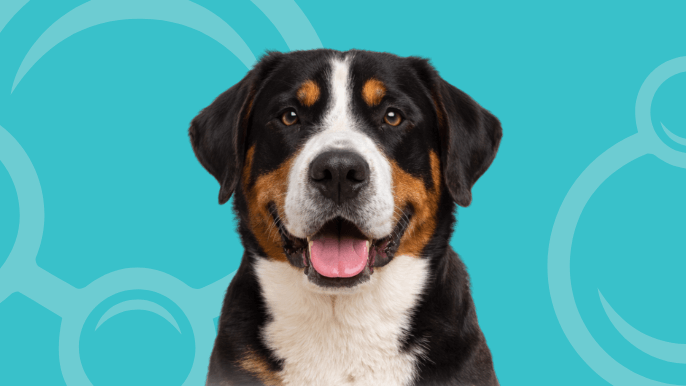
Greater Swiss Mountain Dog Temperament combines powerful draft-dog strength with a cheerful, social personality, creating the largest and most versatile of the four Swiss mountain breeds. Greater Swiss Mountain Dog Temperament is confident, alert, and genuinely enthusiastic about family life, wrapped in a striking tricolour coat that is surprisingly manageable for a dog of this substantial size.
The Greater Swiss Mountain Dog was the working engine of Swiss alpine farms, pulling carts, herding cattle, and guarding the homestead.
That triple-purpose heritage created a dog with real physical power, willing work ethic, and a social nature that makes this breed one of the most approachable of the giant working breeds. The short double coat is the grooming bonus that makes ownership of this impressive breed more accessible than many giant breed alternatives.
Let me tell you what you are really getting with a Greater Swiss Mountain Dog, because this breed is the happiest giant working dog you will ever meet, and that enthusiasm changes the entire ownership experience.
Greater Swiss Mountain Dog Temperament is fundamentally cheerful. Where other giant breeds are calm and stoic, the Swissy brings genuine enthusiasm, social energy, and a willingness to participate in everything.
These dogs were the all-purpose workers on Swiss alpine farms: pulling heavy carts to market, herding cattle, guarding the property, and serving as the family companion. That versatile working heritage created a dog that wants to be involved, wants to work, and wants to please.
Now let me talk grooming. Honestly.
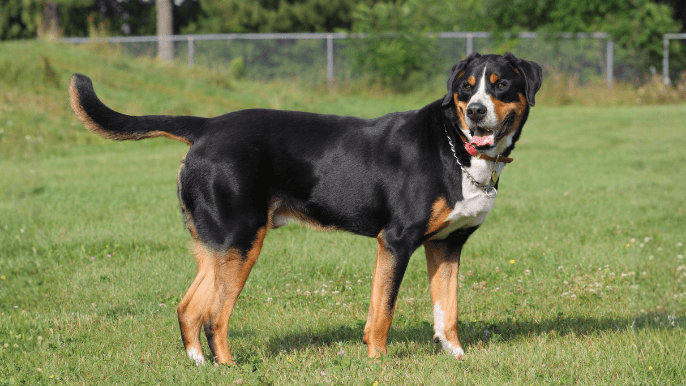
The coat is the pleasant surprise. The short double coat is dense with a thick undercoat , but the short length makes grooming manageable relative to the giant size. The striking tricolour pattern (black with rust and white markings) looks spectacular with regular maintenance.
The Medium-Pinned Slicker Brush is the primary tool. The Short-Medium Coat Carding Rake removes dead undercoat every two weeks. The Undercoat Depth Comb verifies every section.
Pawfect Finish Coat Spray before drying helps tools work through the coat. The undercoat sheds moderately year-round and heavily during seasonal blow, producing substantial volume from a dog this size.
This breed is NOT for you if:
- You cannot physically manage a powerful 45 to 65 kilogram dog
- You live in a hot climate without reliable cooling
- You want a quiet, low-energy companion (this breed is vocal and enthusiastic)
- You cannot provide daily exercise and mental engagement
- You want a long-lived dog (giant breed lifespan applies)
- You cannot commit to regular grooming of a giant-sized dog
Because Greater Swiss Mountain Dog Temperament includes:
- Powerful physical size requiring confident handling
- Enthusiastic energy that can be overwhelming in a dog this size
- Vocal communication including barking, howling, and "talking"
- Heat intolerance due to size and coat density
- Shorter lifespan averaging 8 to 11 years
- Heavy seasonal shedding producing substantial undercoat volume
This breed IS for you if:
- You want a cheerful, social, enthusiastic giant companion
- You have space for a powerful working dog and enjoy active partnership
- You can provide daily exercise and meaningful activities
- You live in a moderate or cool climate
- You appreciate a manageable coat on a giant breed
- You want a genuine working dog with a family-friendly personality
Greater Swiss Mountain Dog Temperament rewards active, engaged owners with a companion whose enthusiasm is infectious, whose loyalty is deep, and whose cheerful working spirit creates a partnership unlike any other giant breed.
Match the energy. Provide the work. Enjoy the happiest giant in the room.
Do that, and you will have the most enthusiastic, most willing, and most cheerful working companion in the Swiss mountain breed family.
Breed Handling Profile
| Trait | Level | Notes |
|---|---|---|
| Emotional sensitivity | Moderate | Confident and resilient; responsive to positive reinforcement; social nature |
| Handling tolerance | High | Cooperative and willing during grooming; enjoys the attention |
| Grooming commitment | Moderate | Short double coat is manageable; size multiplies time; seasonal blow is heavy |
| Exercise needs | Moderate to High | Needs daily exercise and meaningful activity; draft work heritage creates work drive |
| Alone time tolerance | Moderate | Social breed that prefers companionship; handles alone time when adequately exercised |
| Best fit household | Active families with space for a giant breed | Moderate to cool climate with engagement opportunities |
Breed Purpose and Why It Matters for Greater Swiss Mountain Dog Temperament
The Greater Swiss Mountain Dog is the oldest and largest of the four Swiss Sennenhund breeds (which also include the Bernese Mountain Dog, Appenzeller, and Entlebucher).
The breed was developed as an all-purpose farm dog in the Swiss Alps, performing three primary functions: pulling heavy carts loaded with milk, cheese, and goods to market, herding and driving cattle, and guarding the homestead and livestock.
This draft and driving heritage created Greater Swiss Mountain Dog Temperament that combines substantial physical power with a cooperative, willing work ethic.
The breed needed to pull heavy loads over mountain terrain, work cooperatively with handlers, respond to verbal commands, and maintain enough energy and enthusiasm to work long days.
Greater Swiss Mountain Dog Temperament reflects this heritage directly. The powerful, confident movement, the enthusiastic response to tasks, the vocal communication with handlers, and the social, cooperative nature all trace to a breed refined for versatile alpine farm work.
When your Swissy pulls on the lead with surprising strength, vocalises enthusiastically in response to your activities, or demonstrates remarkable willingness to participate in any task, that is Swiss draft dog heritage expressing itself.
FurHQ Coat Type Breakdown
The Greater Swiss Mountain Dog carries a Short Double Coat as classified in the FurHQ seven-coat system.
The outer coat is dense and approximately 3 to 5 centimetres long, lying close to the body. The undercoat is thick and can be visible, particularly at the neck and thighs.
The tricolour pattern features a black base with symmetrical rust and white markings. The coat sheds moderately year-round and heavily during seasonal blow.
The Medium-Pinned Slicker Brush is the primary brushing tool. The Short-Medium Coat Carding Rake removes dead undercoat every two weeks. The Undercoat Depth Comb verifies all layers are brushed through. The Rubber Curry serves as a bathing and skin stimulation tool.
The recommended kit is the FurHQ Starter Grooming Kit: Short Double Coat.
NEVER body clip a short double coat. Clipping damages the coat structure, disrupts the guard hair and undercoat relationship, and can cause permanent texture changes.
Not Sure About Your Dog's Coat Type?
Not every dog fits neatly into one coat category, and that is completely normal.
Use the FurHQ AI Coat Identifier to find out your dog's coat type and get matched to the right FurHQ Starter Grooming Kit.
Puppy Coat to Adult Coat Transition
Greater Swiss Mountain Dog puppies grow rapidly, reaching substantial size before the adult coat fully develops between 12 and 24 months. The puppy coat is softer with less undercoat density.
The tricolour markings are present from birth but become more defined as the adult coat grows in. Undercoat volume increases significantly during the first year.
Greater Swiss Mountain Dog Temperament during puppyhood is enthusiastic, clumsy, and growing at an astonishing rate. Use grooming sessions to build handling tolerance while the dog is still manageable.
The breed's social, willing nature makes puppies generally cooperative with grooming. Build positive associations with all tools early because this is the last time your Swissy will be easy to physically manage without full cooperation.
The FurHQ 5-Step Grooming Method: Technical Reality
The FurHQ 5-Step Method (Audit, Prep, Bath, Dry, Finish) applies to Greater Swiss Mountain Dog Temperament with emphasis on systematic undercoat management and health monitoring for this large working breed.
Learn the Method. Follow the Protocol. Complete the Mission.
Setup and Stability
Secure the dog using the Stay Put System (suction cup anchor + safety lead). Greater Swiss Mountain Dog Temperament is cooperative and willing during grooming. For anxious dogs, the Hush Pup Wrap provides calming compression.
Tools and Technique
Audit: Begin every session by running your hands over the entire body. Check for joint tenderness (hip, elbow, shoulder), skin irritation, hot spots, and coat density changes indicating seasonal blow. The breed's size means thorough assessment requires systematic, section-by-section work.
Prep: Brush with the Medium-Pinned Slicker Brush working in sections across the body. Use the Short-Medium Coat Carding Rake every two weeks to remove dead undercoat. Apply Pawfect Finish Coat Spray before drying. Verify every section with the Undercoat Depth Comb.
Bath: Deep Clean Delight Shampoo provides thorough cleaning. Giant size requires substantial product. Coat-Quench Conditioner maintains coat health and undercoat condition. Use the Rubber Curry during bathing to work shampoo through the dense coat.
Dry: Dry thoroughly to the skin. The dense undercoat holds moisture and must be dried completely to prevent skin irritation and hot spots.
Finish: Final comb-through with the Undercoat Depth Comb to verify the coat is loose, dry, and free of dead undercoat. Light application of Pawfect Finish Coat Spray.
Coat Release Method
The short double coat benefits from the Coat Release Method during seasonal blow. When the undercoat begins releasing, the Short-Medium Coat Carding Rake systematically removes the substantial volume of dead undercoat this giant breed produces.
During seasonal blow, work systematically through the body in sections. The sheer surface area of a Greater Swiss Mountain Dog means this process takes longer than for smaller breeds.
Dead undercoat traps heat and moisture against the skin. For a breed with heat sensitivity, efficient undercoat removal during warm weather transitions is a health priority.
Outside of blow season, regular brushing two to three times per week with carding every two weeks is sufficient for Greater Swiss Mountain Dog Temperament.
FurHQ Starter Grooming Kit Breakdown
The FurHQ Starter Grooming Kit: Short Double Coat is recommended for the Greater Swiss Mountain Dog.
Coat-Specific Items (5):
- Deep Clean Delight Shampoo: thorough cleaning for short double coats
- Coat-Quench Conditioner: coat health and undercoat condition
- Medium-Pinned Slicker Brush: primary brushing tool
- Undercoat Depth Comb: verification tool
- Short-Medium Coat Carding Rake: dead undercoat removal every two weeks
Standard Items (5, included in every kit):
- Stay Put System (suction cup anchor + safety lead)
- Hush Pup Wrap
- Rubber Curry (for bathing and skin stimulation)
- Ear Wipes
- Pawfect Finish Coat Spray
Total: 10 items
 Greater Swiss Mountain Dog Temperament: Superpowers and Kryptonite
Superpowers 🦸
🌟 Cheerful working spirit: Greater Swiss Mountain Dog Temperament delivers the most enthusiastic, most willing, and most genuinely happy giant working dog personality.
🌟 Manageable coat for a giant: The short double coat is significantly easier to maintain than the longer coats of comparable Swiss mountain breeds.
🌟 Family-friendly nature: Social, gentle with children, and genuinely engaged with family activities.
🌟 Versatile athleticism: Draft heritage creates a strong, capable dog that excels at cart pulling, hiking, and various activities.
🌟 Cooperative grooming partner: The willing, social nature makes grooming sessions cooperative and pleasant.
🌟 Striking appearance: The tricolour pattern and powerful build create an impressive, beautiful working dog.
Kryptonite ⚠️
⚠️ Heat intolerance: Size, coat density, and working heritage create sensitivity to warm temperatures requiring careful management.
⚠️ Giant breed lifespan: Greater Swiss Mountain Dog Temperament averages 8 to 11 years. The shortened lifespan is the hardest reality.
⚠️ Vocal communication: The breed barks, howls, and "talks" with an enthusiasm that can be excessive for noise-sensitive households.
⚠️ Physical power: At 45 to 65 kilograms with draft-dog strength, lead pulling and physical management require confident handling.
⚠️ Heavy seasonal blow: The volume of undercoat shed during seasonal transitions is substantial for this large breed.
⚠️ Slow maturity: Greater Swiss Mountain Dog Temperament matures slowly, maintaining puppyish behaviour in a giant body for longer than expected.
FurHQ's Lifestyle Lens and Pro Insights
The Cheerful Giant
Greater Swiss Mountain Dog Temperament is remarkably cheerful for a giant breed. Where English Mastiffs are stoic and Saint Bernards are calm, the Swissy brings genuine enthusiasm and social energy.
This is a dog that wants to participate, wants to work, and wants to be at the centre of family activity. That enthusiasm is endearing but can be overwhelming in a dog this size. Channel it through activities, training, and structured engagement.
Heat Management Is Essential
Greater Swiss Mountain Dog Temperament is heat intolerant. The combination of size, dense double coat, and working heritage creates a dog that overheats in warm conditions. During warm weather, efficient undercoat removal through regular carding with the Short-Medium Coat Carding Rake is a health priority. Provide shade, cool water, air conditioning, and avoid exercise during peak heat.
The Draft Dog Pulls
The breed was designed to pull heavy carts. That pulling strength transfers directly to lead walking. Greater Swiss Mountain Dog Temperament pulls on the lead with purpose and power. Reliable lead training from puppyhood is essential because an untrained 60-kilogram Swissy on a lead is a physical hazard. Train loose-lead walking before the dog reaches full strength.
Slow Maturity Means Extended Puppyhood
Greater Swiss Mountain Dog Temperament matures slowly. Expect puppyish behaviour, including clumsiness, enthusiasm overload, and impulse control challenges, well into the second and sometimes third year. This means a giant-sized dog with puppy-level impulse control. Patient, consistent training and realistic expectations prevent frustration.
During seasonal blow, increase brushing to daily and card every few days with the Short-Medium Coat Carding Rake. The volume of dead undercoat this breed produces is surprising for a short-coated dog. Stay ahead of the blow and the process is manageable. Fall behind and dead undercoat packs against the skin, creating hot spots that this breed is already prone to developing.
Health and Lifespan: The FurHQ Touch Test
The Greater Swiss Mountain Dog typically lives 8 to 11 years.
Regular grooming sessions serve as critical health monitoring. Greater Swiss Mountain Dog Temperament cooperates willingly during examination. Hip and elbow dysplasia are significant concerns. Bloat (GDV) is a life-threatening emergency for this deep-chested breed.
Splenic torsion is a breed-specific emergency. Lick fit (sudden episodes of frantic licking) may indicate gastrointestinal distress. Epilepsy can affect some individuals. Osteochondritis dissecans affects developing joints. Urinary incontinence can occur in spayed females.
Every grooming session is a conversation with your dog's body. The FurHQ 5-Step Method builds that conversation into your routine.
Related Breed Comparisons
- Bernese Mountain Dog Temperament: Fellow Swiss Sennenhund with a much longer coat requiring significantly more grooming. More sensitive temperament. Comparable lifespan challenges.
- Saint Bernard Temperament: Similar Swiss giant with calmer energy and more coat commitment. Less enthusiastic but equally gentle. Comparable heat sensitivity.
- Rottweiler Temperament: Similar tricolour pattern and working heritage. More guardian-focused temperament. Comparable short double coat care.
- Leonberger Temperament: Similar giant working breed with dramatically more coat commitment. Comparable gentle family nature. Different working heritage.
Related Reading
Short Double Coat Grooming
- Dog Coat Types Explained: Why Coat Type Matters
- How to Line Brush Your Dog
- Coat Release Method Without an HV Dryer
Comfort and Safety
- Dog Grooming Desensitisation
- FurHQ Touch Test
Tools and Products
Related Breed Blogs
- Bernese Mountain Dog Temperament
- Saint Bernard Temperament
- Rottweiler Temperament
- Leonberger Temperament
The Bottom Line
Greater Swiss Mountain Dog Temperament delivers cheerful working enthusiasm, genuine family devotion, and powerful versatility in one of the most manageable giant breed coats available. The heat sensitivity requires management.
The vocal nature requires tolerance. The physical power requires training. The lifespan is short. But the return is a partnership with the most enthusiastic, most willing, and most genuinely cheerful giant working dog in the Swiss mountain breed family.
The FurHQ Starter Grooming Kit: Short Double Coat gives you every tool and product needed for effective coat maintenance on this impressive working breed.
Learn the Method. Follow the Protocol. Complete the Mission.
You got this. And we've got you. 🐾
Variation Clarity Statement
Every dog is an individual. While this profile describes typical breed characteristics, your specific dog may vary based on genetics, breeding, socialisation, and individual temperament. Greater Swiss Mountain Dogs have consistent tricolour markings but vary in size, energy level, and vocal intensity.
If you are unsure about your dog's coat type, use the FurHQ AI Coat Identifier to get accurate identification and the right kit recommendation.
FAQs
What coat type does a Greater Swiss Mountain Dog have?
FurHQ classifies dog coats into seven distinct types: Curly Wavy Coat, Drop Coat, Wire Coat, Smooth Single Coat, Short Double Coat, Medium Plush Double Coat, and Feathered Long Double Coat. The Greater Swiss Mountain Dog is classified as a Short Double Coat. The recommended kit is the FurHQ Starter Grooming Kit: Short Double Coat. Use the FurHQ AI Coat Identifier to confirm.
How often should I groom my Greater Swiss Mountain Dog?
Brush two to three times per week with the Medium-Pinned Slicker Brush. Use the Short-Medium Coat Carding Rakeevery two weeks. Verify with the Undercoat Depth Comb. During seasonal blow, increase brushing to daily. Apply Pawfect Finish Coat Spray before drying.
How does the Greater Swiss Mountain Dog compare to the Bernese Mountain Dog?
Greater Swiss Mountain Dog Temperament is more enthusiastic and energetic than the Bernese, which tends to be more sensitive and gentle. The biggest practical difference is coat: the Swissy's short double coat requires significantly less grooming than the Bernese's long coat. Both share Swiss Sennenhund heritage and tricolour markings. Both face similar giant breed health challenges.
Can I shave my Greater Swiss Mountain Dog in summer?
Never body clip a short double coat. The double coat insulates against both heat and cold. Shaving removes natural temperature regulation and exposes skin to sunburn. Manage heat through shade, water access, air conditioning, and efficient undercoat removal through regular carding with the Short-Medium Coat Carding Rake.
How much exercise does a Greater Swiss Mountain Dog need?
Greater Swiss Mountain Dog Temperament needs 45 to 60 minutes of daily exercise including walks and structured activities. The draft heritage means the breed enjoys pulling activities such as cart pulling and weight pulling. Avoid intense exercise in hot weather. Avoid excessive exercise during growth (under 2 years) to protect developing joints.
What is "lick fit" and should I be concerned?
Lick fit episodes involve sudden, frantic licking of surfaces, air, or objects. This behaviour may indicate gastrointestinal distress and is reported in the breed with some frequency. If your Greater Swiss Mountain Dog displays this behaviour, consult your veterinarian. Monitor for additional gastrointestinal symptoms during grooming Audit sessions.
Is Greater Swiss Mountain Dog Temperament good with children?
Excellent. Greater Swiss Mountain Dog Temperament is cheerful, gentle, and genuinely engaged with children. The breed's social nature and willing personality make it a wonderful family companion. Supervision is recommended due to the size and the breed's enthusiasm, which can accidentally knock over small children.
How vocal is the Greater Swiss Mountain Dog?
Very. Greater Swiss Mountain Dog Temperament communicates through barking, howling, and various vocalisations. The breed "talks" to its owners and alerts to environmental changes enthusiastically. The vocal nature is part of the breed's personality and cannot be eliminated. Training, exercise, and management reduce excessive vocalisation.
What is the Coat Release Method for this breed?
The Coat Release Method uses the Short-Medium Coat Carding Rake to systematically remove dead undercoat during seasonal blow. Work section by section across the body. Despite the short coat, the volume of dead undercoat is substantial due to the coat density and body size. Regular carding during blow season keeps the coat healthy and reduces heat retention.
What is bloat and how do I reduce the risk?
Bloat (GDV) is a life-threatening emergency where the stomach fills with gas and can twist on itself. Greater Swiss Mountain Dog Temperament is at risk due to the deep chest. Feed multiple smaller meals rather than one large meal. Avoid vigorous exercise immediately before and after eating. Know the symptoms: restlessness, unproductive retching, distended abdomen.
What health issues should I watch for during grooming?
During the Audit step, check for hip and elbow dysplasia (stiffness, reluctance), bloat indicators (abdominal distension), splenic issues (lethargy, weakness), hot spots (particularly in warm weather), joint problems in this heavy breed, and epilepsy (observe for unusual behaviour changes). The breed's cooperative nature makes examination straightforward.