
Saint Bernard Temperament and Grooming Considerations
Table of Contents
- Introduction
- Breed Handling Profile
- Breed Purpose and Why It Matters for Saint Bernard Temperament
- FurHQ Coat Type Breakdown
- Not Sure About Your Dog's Coat Type?
- Puppy Coat to Adult Coat Transition
- The FurHQ 5-Step Grooming Method: Technical Reality
- Coat Release Method
- FurHQ Starter Grooming Kit Breakdown
- Saint Bernard Temperament: Superpowers and Kryptonite
- FurHQ's Lifestyle Lens and Pro Insights
- Health and Lifespan: The FurHQ Touch Test
- Related Breed Comparisons
- Related Reading
- The Bottom Line
- Variation Clarity Statement
- FAQs
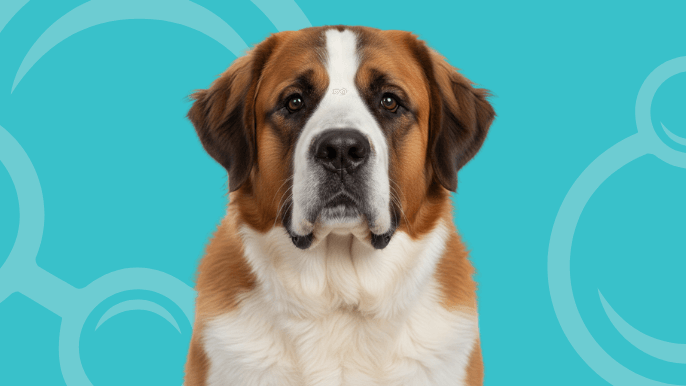 Introduction
Saint Bernard Temperament combines calm, patient devotion with a powerful protective instinct, creating the quintessential gentle giant of the dog world. Saint Bernard Temperament is affectionate, tolerant, and remarkably intuitive about human emotion, wrapped in a massive frame that demands dedicated grooming commitment and responsible giant-breed management.
The Saint Bernard comes in two coat varieties: the shorter, dense coat and the longer coat with pronounced feathering . Both carry significant undercoat that sheds heavily, and understanding which coat type your Saint Bernard carries determines the correct grooming tools, technique, and kit. This is not a breed where the coat takes care of itself. The size alone makes every grooming session a substantial physical undertaking.

Let me tell you what you are really getting with a Saint Bernard, because this breed is the most lovable giant you will ever meet, and the most demanding coat you will ever maintain at this scale.
Saint Bernard Temperament is the definition of gentle giant. These dogs are patient, calm, tolerant, and genuinely attuned to the people around them. The breed's alpine rescue heritage created a dog with an almost supernatural ability to sense distress and respond with calm, reassuring presence. That gentleness is real and extends to children, strangers, and other animals.
Now let me talk grooming. Honestly.
The coat is a serious commitment at any length. The shorter-coated Saint Bernard carries a Medium Plush Double Coat with dense undercoat that sheds substantially. The longer-coated variety carries a Feathered Long Double Coat with pronounced feathering on the legs, chest, and tail that tangles and mats without regular maintenance. Both varieties blow coat heavily during seasonal transitions. At 55 to 80 kilograms, grooming this breed is a physical project. Every tool pass covers more area. Every bath uses more product. Every drying session takes longer. The Medium-Pinned Slicker Brush or Long-Pinned Slicker Brush (depending on your variety) is your primary tool, and the carding rake manages the undercoat that this breed produces in volume.
This breed is NOT for you if:
- You cannot physically manage a dog weighing 55 to 80 kilograms during grooming
- You live in a hot climate without reliable cooling
- You cannot commit to substantial grooming time on a giant breed
- You want a long-lived dog (giant breed lifespan is short)
- You are not prepared for drool (it is constant and significant)
- You cannot afford the increased costs of giant breed ownership
Because Saint Bernard Temperament includes:
- Massive size that makes every aspect of care physically demanding
- Heavy shedding with seasonal coat blow that fills rooms with hair
- Drooling that is constant, heavy, and unavoidable
- Heat intolerance due to size, coat density, and brachycephalic tendency
- Short lifespan averaging 8 to 10 years
- Significant food, veterinary, and equipment costs
This breed IS for you if:
- You want the gentlest, most patient, most devoted giant companion
- You have space for a massive dog and are prepared for the physical demands
- You can commit to regular, thorough grooming sessions
- You live in a moderate or cool climate
- You accept drool as part of the relationship
- You understand and accept giant breed lifespan realities
Saint Bernard Temperament rewards dedicated, space-rich owners with a companion whose gentleness is legendary, whose devotion is absolute, and whose calm, reassuring presence creates a sense of warmth and safety that few breeds can match.
Respect the size. Commit to the coat. Accept the drool.
Do that, and you will have the most loving, most patient, and most reassuring companion in the giant breed world.
Breed Handling Profile
| Trait | Level | Notes |
|---|---|---|
| Emotional sensitivity | High | Gentle and intuitive; deeply affected by household tension; responds best to calm handling |
| Handling tolerance | High | Patient and tolerant during grooming despite size; cooperative nature |
| Grooming commitment | High to Very High | Dense double coat requires regular, thorough sessions; size multiplies time |
| Exercise needs | Moderate | Needs daily exercise but not intense activity; heat intolerance limits duration |
| Alone time tolerance | Moderate | Bonds closely with family; tolerates alone time but prefers companionship |
| Best fit household | Families with space for a giant breed | Moderate to cool climate with dedicated grooming commitment |
Breed Purpose and Why It Matters for Saint Bernard Temperament
The Saint Bernard was developed at the Great St Bernard Hospice in the Swiss Alps, where monks bred these dogs for alpine rescue, guarding, and companionship beginning around the 17th century. The breed's legendary rescue work in the treacherous mountain passes between Switzerland and Italy shaped every aspect of the temperament.
Alpine rescue required a dog with the physical power to navigate deep snow and treacherous terrain, the intelligence to locate buried or lost travellers, the calm temperament to reassure distressed people, and the endurance to work in extreme cold for extended periods. The monks selected for gentleness, intelligence, and an almost intuitive ability to sense human distress.
Saint Bernard Temperament reflects this heritage directly. The calm patience, the intuitive sensitivity to human emotion, the gentle tolerance of handling, and the protective devotion all trace to a breed that was literally bred to save human lives. When your Saint Bernard positions itself next to a distressed family member, demonstrates remarkable patience with children, or radiates calm reassurance during stressful situations, that is centuries of alpine rescue heritage expressing itself.
FurHQ Coat Type Breakdown
The Saint Bernard comes in two coat varieties with different FurHQ classifications:
Shorter Coat (most common): Classified as a Medium Plush Double Coat in the FurHQ seven-coat system. The coat is dense, close-lying with a thick undercoat. The outer coat is smooth to slightly wavy with moderate length.
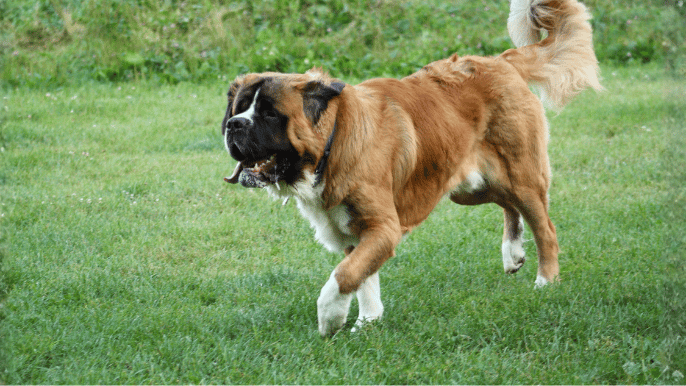
Longer Coat: Classified as a Feathered Long Double Coat in the FurHQ seven-coat system. The coat is longer throughout with pronounced feathering on the legs, chest, belly, and tail. The undercoat is equally dense.
Both varieties have significant undercoat that sheds heavily, particularly during seasonal blow. The size of the dog means the volume of shed coat is substantial regardless of variety.
For the shorter-coated Saint Bernard:
The Medium-Pinned Slicker Brush is the primary brushing tool. The Short-Medium Coat Carding Rake removes dead undercoat every two weeks. The Undercoat Depth Comb verifies all layers are brushed through.
The recommended kit is the FurHQ Starter Grooming Kit: Medium Plush Double Coat.
For the longer-coated Saint Bernard:
The Long-Pinned Slicker Brush penetrates the longer coat. The Long Coat Carding Rake removes dead undercoat every two weeks, alternating weeks with the Deshedding Comb. The FurHQ Detail Comb verifies every section.
The recommended kit is the FurHQ Starter Grooming Kit: Feathered Long Double Coat.
NEVER body clip a double coat. Clipping damages the coat structure, disrupts the guard hair and undercoat relationship, and can cause permanent texture changes.
Not Sure About Your Dog's Coat Type?
Not every dog fits neatly into one coat category, and that is completely normal. The Saint Bernard's two coat varieties require different kits and techniques.
Use the FurHQ AI Coat Identifier to find out your dog's coat type and get matched to the right FurHQ Starter Grooming Kit.
Puppy Coat to Adult Coat Transition
Saint Bernard puppies grow rapidly, reaching substantial size before the adult coat fully develops between 12 and 24 months. The puppy coat is softer with less undercoat density. As the adult coat grows in, undercoat volume increases significantly, and longer-coated individuals develop their feathering progressively.
Saint Bernard Temperament during puppyhood is clumsy, affectionate, and growing at an astonishing rate. Use grooming sessions to build handling tolerance at a manageable size because this is the last time your Saint Bernard will be easy to physically manage.
Introduce all grooming tools early. Build positive associations with the grooming table, dryer, and thorough brushing sessions. A 70-kilogram adult Saint Bernard who has not learned to accept grooming is a significant physical challenge.
The FurHQ 5-Step Grooming Method: Technical Reality
The FurHQ 5-Step Method (Audit, Prep, Bath, Dry, Finish) applies to Saint Bernard Temperament with emphasis on systematic section work and thorough undercoat management across the largest grooming surface area of almost any breed.
Learn the Method. Follow the Protocol. Complete the Mission.
Setup and Stability
Secure the dog using the Stay Put System (suction cup anchor + safety lead). Saint Bernard Temperament is patient and cooperative during grooming. For anxious dogs, the Hush Pup Wrap provides calming compression.
Tools and Technique
Audit: Begin every session by running your hands over the entire body. The size of the Saint Bernard means this step takes longer but is critical. Check for skin irritation, hot spots (particularly in skin folds around the jowls and neck), joint tenderness, and coat density changes indicating seasonal blow. Check ears, eyes, and jowl folds for moisture and debris.
Prep: Work in systematic sections. For shorter-coated Saint Bernards, brush with the Medium-Pinned Slicker Brush, then use the Short-Medium Coat Carding Rake every two weeks. Verify with the Undercoat Depth Comb. For longer-coated Saint Bernards, brush with the Long-Pinned Slicker Brush, card every two weeks with the Long Coat Carding Rakealternating weeks with the Deshedding Comb. Verify with the FurHQ Detail Comb. Apply Pawfect Finish Coat Spraybefore drying.
Bath: Deep Clean Delight Shampoo provides thorough cleaning. The giant size requires substantial product volume. Coat-Quench Conditioner maintains coat health and skin hydration. Use the Rubber Curry during bathing to work shampoo through the dense coat and massage the skin.
Dry: Dry thoroughly to the skin. This is critical for a breed this size with this much undercoat. Moisture trapped in the dense coat causes skin irritation and hot spots. Allow adequate drying time and ensure the undercoat is completely dry.
Finish: Final comb-through to verify the entire coat is loose, dry, and free of dead undercoat. Clean the jowl folds and ear area. Light application of Pawfect Finish Coat Spray.
Coat Release Method
Both Saint Bernard coat varieties benefit from the Coat Release Method during seasonal blow. When the undercoat begins releasing in larger volumes, the carding rake becomes essential for managing the substantial volume of dead coat this giant breed produces.
During seasonal blow, work systematically through the body in sections. The sheer surface area of a Saint Bernard means this process takes significantly longer than for smaller breeds. The carding rake removes dead undercoat that would otherwise trap heat, moisture, and debris against the skin. For a breed with heat sensitivity, efficient undercoat removal during warm weather transitions is a health priority, not just a grooming preference.
Outside of blow season, regular brushing two to three times per week with carding every two weeks is sufficient for Saint Bernard Temperament.
FurHQ Starter Grooming Kit Breakdown
For the shorter-coated Saint Bernard (Medium Plush Double Coat):
The FurHQ Starter Grooming Kit: Medium Plush Double Coat is recommended.
Coat-Specific Items (5):
- Deep Clean Delight Shampoo: thorough cleaning for dense double coats
- Coat-Quench Conditioner: coat health and skin hydration
- Medium-Pinned Slicker Brush: primary brushing tool
- Undercoat Depth Comb: verification tool
- Short-Medium Coat Carding Rake: dead undercoat removal every two weeks
Standard Items (5, included in every kit):
- Stay Put System (suction cup anchor + safety lead)
- Hush Pup Wrap
- Rubber Curry (for bathing and skin stimulation)
- Ear Wipes
- Pawfect Finish Coat Spray
Total: 10 items
For the longer-coated Saint Bernard (Feathered Long Double Coat):
The FurHQ Starter Grooming Kit: Feathered Long Double Coat is recommended.
Coat-Specific Items (6):
- Deep Clean Delight Shampoo: thorough cleaning
- Coat-Quench Conditioner: coat health and detangling
- Long-Pinned Slicker Brush: penetrates longer coat to the skin
- FurHQ Detail Comb: verification tool
- Deshedding Comb: alternating weeks with carding rake
- Long Coat Carding Rake: dead undercoat removal every two weeks
Standard Items (5, included in every kit):
- Stay Put System (suction cup anchor + safety lead)
- Hush Pup Wrap
- Rubber Curry (for bathing and skin stimulation)
- Ear Wipes
- Pawfect Finish Coat Spray
Total: 11 items
 Saint Bernard Temperament: Superpowers and Kryptonite
Superpowers 🦸
🌟 Legendary gentleness: Saint Bernard Temperament delivers one of the most patient, most tolerant, and most genuinely gentle personalities in the dog world.
🌟 Intuitive emotional awareness: The breed senses human distress and responds with calm, reassuring presence that is almost supernatural in its accuracy.
🌟 Exceptional with children: Saint Bernard Temperament is remarkably tolerant and protective of children, creating one of the safest family companions among giant breeds.
🌟 Calm household presence: The breed brings a grounding, peaceful energy to the household that reduces stress and creates warmth.
🌟 Cooperative grooming partner: Despite the massive size, Saint Bernard Temperament is patient and tolerant during grooming sessions.
🌟 Iconic presence: The distinctive markings, massive frame, and gentle expression create one of the most recognisable and beloved dogs in the world.
Kryptonite ⚠️
⚠️ Short lifespan: Saint Bernard Temperament averages 8 to 10 years. The giant breed lifespan is the hardest reality of ownership.
⚠️ Massive grooming commitment: The size multiplies every grooming task. More product, more time, more physical effort at every session.
⚠️ Constant drooling: Drool is heavy, constant, and unavoidable. It lands on furniture, clothing, walls, and visitors.
⚠️ Heat intolerance: Size, coat density, and brachycephalic tendency create severe heat sensitivity requiring careful management.
⚠️ Health costs: Giant breed veterinary costs, food costs, and medication costs are substantially higher than average breeds.
⚠️ Heavy seasonal shedding: The volume of undercoat shed during seasonal blow is substantial and demands increased grooming frequency.
FurHQ's Lifestyle Lens and Pro Insights
The Drool Is Not Negotiable
Saint Bernard Temperament includes drool. Heavy, constant, unavoidable drool. It increases after eating, drinking, exercise, and excitement. Drool rags become part of your daily life. Furniture gets drool. Visitors get drool. Your clothing gets drool. If drool is a dealbreaker, this breed is not for you. For those who accept it, keeping the jowl folds clean during grooming helps manage the skin health implications of constant moisture.
Grooming at Giant Scale
Every grooming session on a Saint Bernard is a physical project. The surface area is enormous. The undercoat volume is substantial. The bathing and drying time exceeds smaller breeds by multiples. Plan your grooming sessions with adequate time. A rushed session on a Saint Bernard misses sections and leaves dead undercoat that causes skin issues. Systematic, section-by-section work is essential.
Heat Management Is a Health Priority
Saint Bernard Temperament is severely heat intolerant. The combination of massive size, dense double coat, and brachycephalic tendency creates a dog that overheats quickly. During warm weather, efficient undercoat removal through regular carding is not just grooming, it is health management. Never exercise in heat. Provide shade, cool water, and air conditioning. Monitor for signs of heat stress during every warm-weather grooming session.
The Lifespan Reality
Saint Bernard Temperament averages 8 to 10 years. This is the hardest aspect of giant breed ownership. Every grooming session, every health check during the Audit step, every moment of monitoring matters for maximising quality of life throughout a shorter-than-average lifespan. Use grooming as your primary health monitoring tool.
Start grooming your Saint Bernard as a puppy when you can still physically manage them easily. Build complete acceptance of every tool, every process, and every position before the dog reaches full size. A cooperative 70-kilogram Saint Bernard makes grooming manageable.
Health and Lifespan: The FurHQ Touch Test
The Saint Bernard typically lives 8 to 10 years.
Regular grooming sessions serve as critical health monitoring for this giant breed. Saint Bernard Temperament cooperates well during examination. Hip and elbow dysplasia are significant concerns in giant breeds. Bloat (GDV) is a life-threatening risk for deep-chested giant breeds and requires monitoring.
Osteosarcoma (bone cancer) is a concern in giant breeds. Dilated cardiomyopathy affects the heart. Entropion and ectropion (eyelid abnormalities) are common. Epilepsy can affect some individuals. Hot spots develop readily in the dense coat, particularly in warm weather.
Every grooming session is a conversation with your dog's body. The FurHQ 5-Step Method builds that conversation into your routine.
Related Breed Comparisons
- English Mastiff Temperament: Similar gentle giant temperament with a different coat type. Less grooming commitment but comparable drool and size challenges.
- Bernese Mountain Dog Temperament: Similar Swiss mountain heritage with comparable coat commitment. More active and athletic. Similar lifespan concerns.
- Newfoundland Temperament: Similar gentle giant personality with water heritage. Comparable grooming commitment and drool. Different working background.
- Great Pyrenees Temperament: Similar guardian heritage with a longer coat. More independent and protective. Comparable size and grooming demands.
Related Reading
Double Coat Grooming
- Dog Coat Types Explained: Why Coat Type Matters
- How to Line Brush Your Dog
- Coat Release Method Without an HV Dryer
Comfort and Safety
- Dog Grooming Desensitisation
- FurHQ Touch Test
Tools and Products
- FurHQ Starter Grooming Kit: Medium Plush Double Coat
- FurHQ Starter Grooming Kit: Feathered Long Double Coat
- FurHQ Store
Related Breed Blogs
- English Mastiff Temperament
- Bernese Mountain Dog Temperament
- Newfoundland Temperament
- Great Pyrenees Temperament
The Bottom Line
Saint Bernard Temperament delivers legendary gentleness, intuitive emotional awareness, and calm devotion in the most massive, most demanding, and most drool-heavy package in the dog world. The grooming commitment is substantial. The drool is constant. The lifespan is short. The costs are significant.
But the return is a companion whose gentleness is unmatched, whose patience is extraordinary, and whose calm, reassuring presence creates a warmth that transforms every home fortunate enough to have one.
The FurHQ Starter Grooming Kit: Medium Plush Double Coat or FurHQ Starter Grooming Kit: Feathered Long Double Coat gives you every tool and product needed for effective coat maintenance on the coat variety your Saint Bernard carries.
Learn the Method. Follow the Protocol. Complete the Mission.
You got this. And we've got you. 🐾
Variation Clarity Statement
Every dog is an individual. While this profile describes typical breed characteristics, your specific dog may vary based on genetics, breeding, socialisation, and individual temperament. The Saint Bernard comes in two coat varieties (shorter and longer), each requiring different grooming kits and techniques. The shorter coat is classified as Medium Plush Double Coat. The longer coat with feathering is classified as Feathered Long Double Coat.
Saint Bernard TemperamentIf you are unsure about your dog's coat type, use the FurHQ AI Coat Identifier to get accurate identification and the right kit recommendation.
FAQs
What coat type does a Saint Bernard have?
FurHQ classifies dog coats into seven distinct types: Curly Wavy Coat, Drop Coat, Wire Coat, Smooth Single Coat, Short Double Coat, Medium Plush Double Coat, and Feathered Long Double Coat. The shorter-coated Saint Bernard is classified as a Medium Plush Double Coat using the FurHQ Starter Grooming Kit: Medium Plush Double Coat. The longer-coated Saint Bernard is classified as a Feathered Long Double Coat using the FurHQ Starter Grooming Kit: Feathered Long Double Coat. Use the FurHQ AI Coat Identifier to confirm.
How often should I groom my Saint Bernard?
Brush two to three times per week with the appropriate slicker brush for your coat variety. Card every two weeks. During seasonal blow, increase brushing to daily and card more frequently. The giant size means each session takes significantly longer than for smaller breeds. Plan adequate time for thorough, systematic grooming.
Can I shave my Saint Bernard in summer?
Never body clip a double coat. The double coat insulates against both heat and cold. Shaving removes the natural temperature regulation system, exposes the skin to sunburn, and often results in coat that grows back with altered texture. Manage heat through shade, water access, air conditioning, and efficient undercoat removal through regular carding.
How bad is the drooling really?
Substantial and constant. Saint Bernard Temperament includes heavy drooling that increases after eating, drinking, exercise, and excitement. Drool rags become essential household items. Keeping the jowl folds clean and dry during grooming sessions prevents skin fold infections that drool moisture promotes.
How long do Saint Bernards live?
Saint Bernard Temperament typically enjoys a lifespan of 8 to 10 years. This shorter lifespan is the reality of giant breed ownership. Every grooming session serves as a health monitoring opportunity. Regular physical assessment during the Audit step helps detect health changes early, maximising quality of life throughout the available years.
Is the Saint Bernard good with children?
Exceptional. Saint Bernard Temperament is one of the most patient, most tolerant, and most protective breeds with children. The breed's gentle nature extends genuinely to family members of all ages. Supervision is recommended due to the massive size, as an enthusiastic Saint Bernard can accidentally knock over small children simply by moving.
How do I manage the heat sensitivity?
Saint Bernard Temperament is severely heat intolerant. Provide air conditioning or cool shelter in warm weather. Avoid exercise during hot periods. Ensure constant access to fresh water. Efficient undercoat removal through regular carding reduces heat retention in the coat. Monitor for heavy panting, excessive drooling, lethargy, and unsteadiness, which indicate heat stress requiring immediate cooling.
What is the difference between the two coat varieties?
The shorter coat (Medium Plush Double) is dense and close-lying with a thick undercoat. The longer coat (Feathered Long Double) has pronounced feathering on the legs, chest, belly, and tail with equally dense undercoat. Both varieties shed heavily. The longer coat requires additional tools: Long-Pinned Slicker Brush, FurHQ Detail Comb, Deshedding Comb, and Long Coat Carding Rake.
How much exercise does a Saint Bernard need?
Saint Bernard Temperament has moderate exercise needs. Daily walks of 30 to 45 minutes plus free movement in a secure area provide adequate activity. Avoid intense exercise, particularly in warm weather. The breed was built for sustained endurance in cold conditions, not explosive athleticism. Over-exercising during growth (under 2 years) risks joint damage.
What is the Coat Release Method for this breed?
The Coat Release Method uses the carding rake to systematically remove dead undercoat during seasonal blow. For the shorter-coated variety, use the Short-Medium Coat Carding Rake. For the longer-coated variety, use the Long Coat Carding Rake. Work section by section across the giant body. During blow season, the volume of dead undercoat this breed produces is substantial.
What health issues should I watch for during grooming?
During the Audit step, check for hip and elbow dysplasia (stiffness, reluctance to be positioned), bloat risk (deep-chested build), hot spots (particularly in the dense coat during warm weather), skin fold infections (jowl folds, neck folds), eye conditions (entropion, ectropion), and cardiac changes (lethargy, exercise intolerance). The breed's shorter lifespan makes every health monitoring opportunity through grooming particularly valuable.
What grooming kits does FurHQ offer for different coat types?
FurHQ offers seven coat-specific grooming kits: FurHQ Starter Grooming Kit: Curly Wavy Coat, FurHQ Starter Grooming Kit: Drop Coat, FurHQ Starter Grooming Kit: Wire Coat, FurHQ Starter Grooming Kit: Smooth Single Coat, FurHQ Starter Grooming Kit: Short Double Coat, FurHQ Starter Grooming Kit: Medium Plush Double Coat, and FurHQ Starter Grooming Kit: Feathered Long Double Coat. Use the FurHQ AI Coat Identifier to determine the right kit, or browse all kits at the FurHQ Store.