
Cavalier King Charles Spaniel Temperament and Grooming
Table of Contents
- Introduction: The Royal Lap Dog with the Silken Feathering
- Breed Handling Profile
- Breed Purpose and Why It Matters for Cavalier King Charles Spaniel Temperament
- FurHQ Coat Type Breakdown
- Not Sure About Your Dog's Coat Type?
- Puppy Coat to Adult Coat Transition
- The FurHQ 5-Step Grooming Method: Technical Reality
- FurHQ Starter Grooming Kit Breakdown
- Cavalier King Charles Spaniel Temperament: Superpowers and Kryptonite
- FurHQ's Lifestyle Lens and Pro Insights
- Health and Lifespan: The FurHQ Touch Test
- Related Breed Comparisons
- Related Reading
- The Bottom Line
- Variation Clarity Statement
- FAQs
Introduction: The Royal Lap Dog with the Silken Feathering
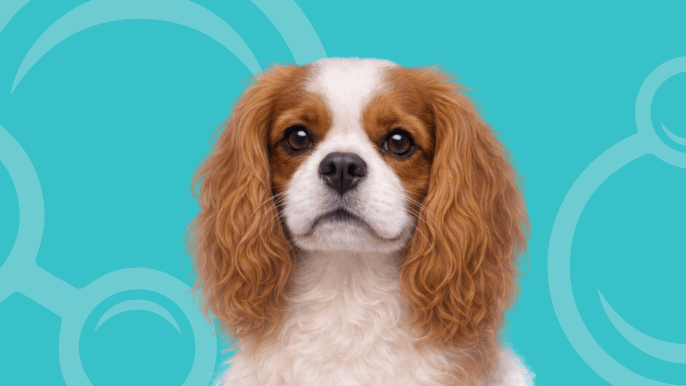
Cavalier King Charles Spaniel Temperament is what happens when genuine sweetness, gentle affection, and an almost intuitive emotional intelligence combine in a small, elegant dog whose silky feathered coat and soulful eyes have been charming royalty and commoners alike for centuries.
Bred as a companion above all else, the Cavalier is one of the few breeds whose entire purpose is to be near people and make them feel loved. Understanding Cavalier King Charles Spaniel Temperament starts with recognising that this is a companion breed to its core, a dog whose happiness is fundamentally tied to the presence and attention of its people.
These dogs are emotionally gifted. Cavalier King Charles Spaniel Temperament includes a sensitivity to human emotion that borders on uncanny.
They gravitate toward whoever in the room needs comfort most, adjust their energy to match the household's mood, and seem to understand the difference between someone who wants to play and someone who needs quiet company. They are not demanding. They are present, available, and attuned.
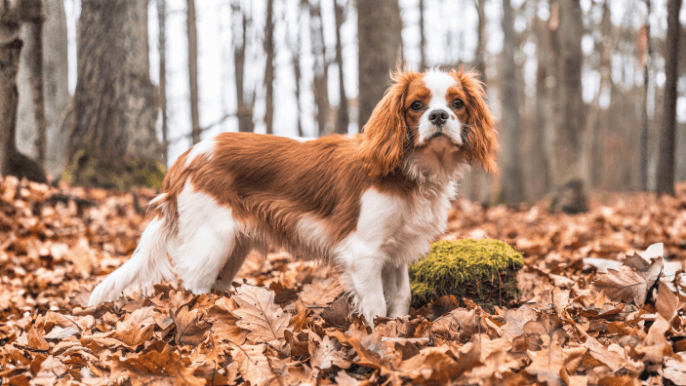
The feathered long double coat is the breed's crowning beauty and its primary grooming consideration. The silky outer coat features distinctive feathering on the ears, chest, legs, and tail, supported by a soft undercoat that provides insulation.
Cavalier King Charles Spaniel Temperament and coat care connect naturally because a dog this gentle and people-oriented typically welcomes the close contact that grooming provides, making maintenance sessions a bonding experience rather than a battle.

Let me tell you what you are really getting with a Cavalier King Charles Spaniel, because this breed is as close to a perfect companion dog as any breed gets, and the grooming commitment is the price of admission.
This is a dog that was literally bred to sit on laps, warm hearts, and provide comfort. Cavalier King Charles Spaniel Temperament is built on gentleness, affection, and an emotional attunement that makes these dogs extraordinary companions for nearly any household. They are not complicated. They want to be near you, they want to please you, and they want to love you. It really is that simple.
Now let's talk grooming. Honestly.
The feathered long double coat on this breed is beautiful and functional but requires consistent attention to stay healthy and tangle-free. The silky feathering catches debris, tangles after outdoor activity, and mats in the ear, chest, and leg feathering if brushing is skipped.
Brushing two to three times per week keeps the coat flowing and manageable, with extra attention to the ear feathering, chest, and leg furnishings where tangles develop most readily. The undercoat adds density that produces moderate shedding year-round with increased volume during seasonal transitions. T
he upside is that Cavalier King Charles Spaniel Temperament makes grooming sessions genuinely pleasant because most Cavaliers enjoy the physical closeness and gentle handling.
This breed is NOT for you if:
- You want a low-maintenance, wash-and-go coat
- You cannot provide daily companionship and presence
- You want an independent dog that entertains itself
- You are uncomfortable with potential breed-specific health challenges
- You want a guard dog or a breed with protective instincts
Because Cavalier King Charles Spaniel Temperament includes:
- A feathered long double coat that tangles and mats without regular brushing
- A profound need for human companionship that does not tolerate isolation
- Zero guarding instinct and a trusting nature toward everyone
- Breed-specific health concerns that require awareness and veterinary attention
- An emotional sensitivity that absorbs household stress
This breed IS for you if:
- You want a gentle, affectionate, deeply bonded companion
- You enjoy grooming as quality time with your dog
- You appreciate a dog that adapts to your lifestyle and energy level
- You can provide consistent companionship throughout the day
- You want a breed that is genuinely good with children, seniors, and other pets
Cavalier King Charles Spaniel Temperament rewards loving, attentive owners with a companion that is the living definition of unconditional affection.
Cherish the gentleness. Maintain the feathered coat with care. Handle with the softness this breed deserves.
Do that, and you will share your life with one of the most emotionally intelligent, genuinely sweet, and beautifully coated companion breeds in existence, a dog that does not just live with you but loves you with a quiet, constant devotion that makes every day better.
Breed Handling Profile
| Trait | Level | Notes |
|---|---|---|
| Emotional sensitivity | High | Deeply attuned to owner's mood; thrives with gentle, positive handling |
| Handling tolerance | Very High | One of the most cooperative breeds during grooming; enjoys physical contact |
| Grooming commitment | Moderate to High | Feathered long double coat requires regular brushing and feathering maintenance |
| Exercise needs | Low to Moderate | Enjoys walks and play but adapts to household activity level |
| Alone time tolerance | Very Low | Bred for companionship; struggles significantly with isolation |
| Best fit household | Individuals, couples, families, or seniors who can provide consistent companionship and enjoy gentle, affectionate dogs |
Breed Purpose and Why It Matters for Cavalier King Charles Spaniel Temperament
The Cavalier King Charles Spaniel traces its lineage to the toy spaniels that appeared in European courts from the 16th century onward. King Charles II of England was so devoted to his small spaniels that they accompanied him everywhere, including council meetings, earning the breed its royal association.
These dogs were bred specifically for companionship, selected for their gentle nature, willingness to sit quietly on laps, and their ability to provide comfort and warmth.
Cavalier King Charles Spaniel Temperament reflects this companion heritage directly. The breed was never a hunter, guarder, or working dog in the traditional sense.
Every aspect of Cavalier King Charles Spaniel Temperament was shaped by centuries of selection for the qualities that make a perfect companion: gentleness, adaptability, emotional sensitivity, and an unwavering desire to be near people.
When your Cavalier curls up beside you during a quiet evening and adjusts its position to maintain contact as you move, that is centuries of companion breeding expressing itself.
The breed does retain a trace of spaniel sporting heritage, which manifests as enthusiasm for outdoor walks, an interest in birds and butterflies, and an occasional burst of playful energy.
Cavalier King Charles Spaniel Temperament includes this gentle athleticism alongside the primary companion drive, creating a dog that enjoys moderate activity but never demands it at the expense of togetherness.
FurHQ Coat Type Breakdown
The Cavalier King Charles Spaniel wears a Feathered Long Double Coat as classified in the FurHQ seven-coat system. This coat type features a silky outer coat of moderate to long length with distinctive feathering on the ears, chest, legs, and tail, supported by a soft undercoat that provides insulation.
The Cavalier's feathered long double coat is moderate in density compared to heavy-coated breeds like the Bernese Mountain Dog, but the silky texture and extensive feathering require consistent maintenance to prevent tangling and matting .
The ear feathering is particularly important to maintain because the long, heavy ears restrict airflow, and matted ear feathering compounds this by trapping moisture and creating an environment for infection.
The Long-Pinned Slicker Brush penetrates the silky coat to reach and lift dead undercoat from the base without breaking or damaging the fine texture. The Undercoat Depth Comb verifies thorough undercoat removal by confirming smooth passage from skin to tip.
The Deshedding Comb provides active undercoat extraction in the denser areas. The Long Coat Carding Rake targets compacted undercoat in the heaviest zones around the chest, ears, and hindquarters. The Rubber Curry serves as a bathing tool for thorough lathering.
The recommended kit is the FurHQ Starter Grooming Kit: Feathered Long Double Coat.
Not Sure About Your Dog's Coat Type?
Not every dog fits neatly into one coat category, and that is completely normal. Coat type determines the correct tools, products, and techniques for effective grooming, and getting it right matters for coat health and comfort. This is especially true for mixed breeds or dogs whose coat may vary from expectations.
Use the FurHQ AI Coat Identifier to find out your dog's coat type and get matched to the right FurHQ Starter Grooming Kit. Simply upload a photo and receive an accurate classification with a personalised kit recommendation.
Puppy Coat to Adult Coat Transition
Cavalier King Charles Spaniel puppies are born with a shorter, softer coat that begins its gradual lengthening and feathering development over 12 to 18 months. The undercoat fills in progressively, the silky texture develops, and the feathering on the ears, chest, legs, and tail extends over this period. Some Cavaliers do not achieve their full adult coat until close to age 2.
During the transition, the lengthening coat becomes increasingly prone to tangling, particularly behind the ears, in the armpit area, and where the leg feathering develops.
The incoming undercoat can also trap shedding puppy fur, creating compaction in areas where density increases. Cavalier King Charles Spaniel Temperament makes this transition period easy because the breed's natural enjoyment of handling means puppies typically accept brushing readily.
Start gentle brushing sessions from 8 weeks with the Long-Pinned Slicker Brush, keeping sessions short and positive. As the coat lengthens and the undercoat develops, introduce the Undercoat Depth Comb for verification. Use Pawfect Finish Coat Spray before every brushing session and after bathing to provide slip that prevents breakage and makes brushing comfortable.
The FurHQ 5-Step Method provides the structure for building grooming into a consistent routine from the beginning.
The FurHQ 5-Step Grooming Method: Technical Reality
The FurHQ 5-Step Method (Audit, Prep, Bath, Dry, Finish) applies to this coat type with emphasis on managing the dense undercoat while protecting the longer guard coat and feathering from damage.
Learn the Method. Follow the Protocol. Complete the Mission.
Setup and Stability
Secure the dog using the Stay Put System (suction cup anchor + safety lead). For anxious dogs, the Hush Pup Wrap provides calming compression. Feathered long double coats require the most thorough grooming sessions of all coat types, so patience and a calm environment are essential.
Tools and Technique
Audit: Begin every session by running your hands over the entire body, parting the coat to check for mats at the skin level. Focus on behind the ears, armpits, groin, chest ruff, hindquarter feathering, and any areas where friction occurs. The long coat hides mats effectively, so hands-on assessment is non-negotiable.
Prep: Mist with Pawfect Finish Coat Spray before any tool touches the coat. Use the Long-Pinned Slicker Brush to line brush section by section, working from the skin outward through both the undercoat and the longer guard coat.
Verify every section with the Undercoat Depth Comb. If the comb catches, go back to the slicker. Use the Deshedding Comb for undercoat removal on alternating weeks. Use the Long Coat Carding Rake once every two weeks for dead undercoat, alternating weeks with the Deshedding Comb.
Bath: Use Rubber Curry during bathing for skin stimulation and to work shampoo through the dense coat. Full saturation to the skin is critical and takes time on a coat this dense. Rinse thoroughly, working water through the full length.
Dry: Towel dry without rubbing. Use a dryer with a brush-through, lifting and separating the coat as it dries. Apply Pawfect Finish Coat Spray pre-dry for protection. Significant undercoat blows out during this step. The coat should be dried thoroughly to the skin, and the feathering should be straightened during drying.
Finish: Final comb-through with the Undercoat Depth Comb to verify the coat is free of tangles, dry to the skin, and the feathering is smooth and draping naturally. Assess overall coat condition.
Blow-out season is where the real coat work lives. Stay ahead of undercoat release early, and the rest of the year stays easy.
Chemistry and Coat Care
Deep Clean Delight Shampoo provides a deep cleanse that penetrates the dense double coat to the skin. Coat-Quench Conditioner provides slip, moisture, and tangle prevention for the longer guard coat and feathering, supporting easier brushing and reducing breakage.
The Coat Release Method (Condensed)
Feathered long double coats carry dense undercoat that releases seasonally in significant volume.
During the Bath step, after full saturation and shampoo application, use controlled airflow in the tub while the coat is still lathered. The lubrication allows dead undercoat to release safely without friction or skin trauma. Rinse, then apply a second shampoo with the Rubber Curry to complete the release. This keeps dead coat contained in the tub rather than spread across your home.
For the full step-by-step process, see The Coat Release Method for Dogs with Undercoat in Related Reading.
FurHQ Starter Grooming Kit Breakdown
The FurHQ Starter Grooming Kit: Feathered Long Double Coat is recommended for the Cavalier King Charles Spaniel.
Standard Items (included in all FurHQ kits):
- Stay Put System (suction cup anchor + safety lead + training tips)
- Hush Pup Wrap
- Rubber Curry (for bathing)
- Ear Wipes
- Pawfect Finish Coat Spray
Coat-Specific Items:
- Deep Clean Delight Shampoo
- Coat-Quench Conditioner
- Long-Pinned Slicker Brush
- Undercoat Depth Comb
- Deshedding Comb
- Long Coat Carding Rake
Total: 11 items
Each kit includes step-by-step video tutorials and informational PDFs so you know exactly how to use every tool and product for the Cavalier King Charles Spaniel coat.
 Cavalier King Charles Spaniel Temperament: Superpowers and Kryptonite
Superpowers
🌟 Emotional intelligence: Cavalier King Charles Spaniel Temperament includes an almost intuitive ability to read and respond to human emotion. These dogs sense when someone needs comfort and provide it without being asked, making them exceptional therapy and emotional support dogs.
🌟 Universal friendliness: The Cavalier is genuinely welcoming to nearly everyone, including strangers, children, other dogs, and even cats. Cavalier King Charles Spaniel Temperament is built on trust and openness rather than wariness, creating a dog that fits harmoniously into diverse social situations.
🌟 Adaptable energy level: These dogs match their activity to their household. Active families get a willing walking companion. Quieter households get a contented lap dog. Cavalier King Charles Spaniel Temperament flexes to fit your lifestyle without demanding specific exercise protocols.
🌟 Exceptional grooming cooperation: The breed's love of physical contact and gentle nature makes grooming one of the most pleasant experiences among all dog breeds. Most Cavaliers actively enjoy brushing sessions as quality time with their owner.
🌟 Beautiful feathered coat: The flowing feathered long double coat with its distinctive ear, chest, and leg feathering creates one of the most visually appealing small dogs in existence. A well-groomed Cavalier is a stunning sight that draws admiration wherever it goes.
🌟 Gentle with everyone: Cavalier King Charles Spaniel Temperament includes a softness that makes this breed safe and appropriate for children, elderly family members, and households with other pets. These dogs are not aggressive, reactive, or rough in their interactions.
Kryptonite
⚠️ Separation vulnerability: Cavalier King Charles Spaniel Temperament is fundamentally dependent on human companionship. These dogs struggle profoundly with isolation and can develop severe separation anxiety. They are not suitable for households where they will be left alone for extended periods.
⚠️ Health concerns: The breed faces significant health challenges including mitral valve disease, syringomyelia, and other conditions that require awareness, veterinary monitoring, and responsible breeding choices. Cavalier King Charles Spaniel Temperament is wonderful, but the health profile requires honest acknowledgement.
⚠️ Coat tangling and undercoat management: The silky feathering tangles readily, particularly in the ear, chest, and leg areas, and the undercoat requires regular removal to prevent compaction. Skipping brushing sessions leads to mats that are painful to remove and compromise coat health.
⚠️ Zero guard instinct: If you want a dog that alerts to strangers or provides any sense of security, this is not the breed. Cavalier King Charles Spaniel Temperament welcomes everyone equally, including people who should not be welcomed.
⚠️ Ear infection susceptibility: The long, heavy ears restrict airflow to the ear canal, creating a warm, moist environment that encourages infection. Regular ear cleaning and attention to ear feathering hygiene are essential parts of the grooming routine.
⚠️ Emotional absorption: The same sensitivity that makes Cavalier King Charles Spaniel Temperament so attuned to human emotion also means these dogs absorb household stress, tension, and negative energy. They are not emotionally resilient in chaotic or high-conflict environments.
FurHQ's Lifestyle Lens and Pro Insights
Cavalier King Charles Spaniels are consistently the easiest dogs to groom in terms of cooperation. Cavalier King Charles Spaniel Temperament turns grooming into a genuine pleasure because these dogs lean into the brush, settle into the routine, and seem to understand that they are being cared for. If every breed groomed like a Cavalier, the work would be remarkably peaceful.
The ear feathering is where most of the work lives with this breed. The long, silky ear hair tangles behind the ear leather where it rubs against the head, and because the ears hang down and restrict airflow, any matting in this area creates both a grooming problem and a health risk.
Check and brush the ear feathering during every session without exception. Use Pawfect Finish Coat Spray before every brush session and after bathing to provide the slip that prevents tangling in the first place. Clean the inner ear flap regularly with Ear Wipes because the ear structure makes this breed highly susceptible to infections.
Living with a Cavalier means accepting that this dog needs its people. Not in the demanding, high-energy way that working breeds need attention, but in a quiet, constant way that means they are happiest when they can see their person, touch them, or at minimum know where they are.
Cavalier King Charles Spaniel Temperament does not include independence. These dogs were bred for one purpose, companionship, and they fulfil that purpose with everything they have. Plan life to include the Cavalier, and the companionship received in return is extraordinary.
Brush the ears every single day, even if you skip everything else. The ear feathering on a Cavalier tangles faster than any other area, and once mats form behind the ear leather, they are painful to remove and compromise ear health.
Health and Lifespan: The FurHQ Touch Test
The Cavalier King Charles Spaniel typically lives 9 to 14 years. Regular health monitoring through grooming is especially valuable for this breed given its specific health profile.
Regular grooming sessions serve as health assessments when you incorporate the FurHQ Touch Test into your routine. The feathered coat can conceal skin changes and lumps beneath its silky surface, making hands-on evaluation during grooming an important complement to veterinary checks.
Mitral valve disease (MVD) is the breed's most significant health concern, affecting a high percentage of Cavaliers. While not directly detectable through grooming, monitoring exercise tolerance, breathing patterns, and overall energy during grooming sessions provides context for veterinary conversations.
Cavalier King Charles Spaniel Temperament may mask early discomfort, so subtle changes in behaviour during handling are worth noting. Syringomyelia (SM) affects the spinal cord and can cause sensitivity around the head, neck, and shoulders. During grooming, observe any flinching, scratching at the neck or ears without apparent cause, or reluctance to have the head area handled.
Eye conditions including cataracts and dry eye are common, and gentle face handling during grooming provides opportunity to observe eye clarity, moisture, and comfort. Ear infections are frequent due to the breed's ear structure, and every grooming session should include an ear check for odour, discharge, redness, or sensitivity using Ear Wipes.
Every grooming session is a conversation with your dog's body. The FurHQ 5-Step Method builds that conversation into your routine.
Related Breed Comparisons
If you are considering a Cavalier King Charles Spaniel, these breeds share some characteristics but differ in important ways:
- Cocker Spaniel Temperament: Similar spaniel heritage and feathered coat with higher energy and more grooming demand. Shares the affectionate nature but with a stronger sporting drive and more exuberant personality.
- Havanese Temperament: Comparable companion temperament in a similar size with a different coat texture. Shares the devotion and gentleness but with a more playful, clownish personality.
- King Charles Spaniel (English Toy) Temperament: Close relative with similar temperament but a flatter face and quieter disposition. Shares the companion heritage and coat type in a slightly more reserved package.
- Papillon Temperament: Similar feathered coat type in a smaller, more energetic package. Shares the intelligence and companionship but with significantly higher energy and a more independent streak.
Related Reading
Feathered Long Double Coat Grooming
Bathing and Drying
- How to Dry a Dog After a Bath
- How to Introduce Your Dog to a Dryer
- High Velocity Dryer for Dogs
- Stand Dryer for Dogs
Comfort and Safety
- Dog Grooming Desensitisation
Matting and Coat Health
Tools and Products
Related Breed Blogs
The Bottom Line
Cavalier King Charles Spaniel Temperament delivers pure companionship, gentle affection, and emotional intelligence in a beautifully coated package that has been warming hearts for centuries. This breed rewards loving, present owners with a companion that is the living embodiment of devotion.
The feathered long double coat demands consistent brushing, undercoat management, and feathering care. The health profile demands awareness and responsible veterinary partnership. But the return on that commitment is a bond so genuine and a companionship so constant that Cavalier owners overwhelmingly say they would never choose another breed.
If you are ready for the commitment, the FurHQ Starter Grooming Kit: Feathered Long Double Coat gives you every tool and product you need. You have a system that works.
Learn the Method. Follow the Protocol. Complete the Mission.
You got this. And we've got you.
Variation Clarity Statement
Every dog is an individual. While this profile describes typical breed characteristics, your specific dog may vary based on genetics, breeding, socialisation, and individual temperament. Coat type can also vary within breeds.
If you are unsure about your dog's coat type, use the FurHQ AI Coat Identifier to get accurate identification and the right kit recommendation.
FAQs
What coat type does my Cavalier King Charles Spaniel have?
The Cavalier King Charles Spaniel is classified as a Drop Coat in the FurHQ seven-coat system. The seven coat types are Smooth Single Coat, Short Double Coat, Medium Plush Double Coat, Feathered Long Double Coat, Wire Coat, Curly Wavy Coat, and Drop Coat. The long, silky coat that falls naturally from the body with distinctive feathering places it in the drop coat classification.
What is Cavalier King Charles Spaniel Temperament like?
Cavalier King Charles Spaniel Temperament is gentle, affectionate, and remarkably adaptable. They are sweet, devoted companions who live to be near their people. They are typically friendly with everyone they meet and adapt well to various household situations, from active families to quieter seniors.
How often should I brush my Cavalier?
Brush two to three times per week with the Long-Pinned Slicker Brush and Pin Brush, with daily attention to the ear feathering. Use Pawfect Finish Coat Spray before every session to provide slip. Cavalier King Charles Spaniel Temperament makes brushing sessions genuinely enjoyable because most Cavaliers love the contact and attention.
Do Cavaliers shed a lot?
Cavaliers shed moderately year-round with some seasonal increase. Regular brushing manages shedding effectively. Their feathered areas require more attention than the body coat to prevent tangles and mats.
How long do Cavaliers live?
Cavaliers typically live 9 to 14 years. Due to breed-specific health concerns, regular veterinary monitoring including cardiac screening is important for early detection and management of conditions like mitral valve disease.
Are Cavaliers good with children?
Yes. Cavalier King Charles Spaniel Temperament is typically patient and gentle, making them excellent companions for children. Their smaller size makes them less likely to accidentally knock over small children, though supervision is always recommended.
Why does my Cavalier's ear feathering tangle so easily?
The long, silky ear hair rubs against the head behind the ear leather, creating friction tangles. The heavy pendant ears also restrict airflow, trapping moisture that worsens matting. Daily ear brushing with Pawfect Finish Coat Spray and regular cleaning with Ear Wipes prevents both tangling and ear infections.
How big do Cavaliers get?
Cavaliers typically weigh 12 to 18 pounds (5 to 8 kg) and stand 12 to 13 inches (30 to 33 cm) at the shoulder. They are sturdy enough for walks and activities while being small enough for comfortable lap time.
Are Cavaliers easy to train?
Yes. Cavaliers are eager to please and responsive to positive training methods. They are intelligent and enjoy learning, though they are motivated more by pleasing their owners than by food or toys. Gentle, consistent training works best.
Do Cavaliers have health problems?
Yes. Cavaliers are prone to mitral valve disease (a serious heart condition), syringomyelia (a painful neurological condition), hip dysplasia, patellar luxation, and eye problems. Responsible breeding with health-tested parents is essential when acquiring a Cavalier.
Are Cavaliers good for first time owners?
Yes, provided owners commit to regular grooming. Cavalier King Charles Spaniel Temperament is sweet and forgiving, making them suitable for novice owners. Their adaptability and eagerness to please make them relatively easy to live with.
Can Cavaliers be left alone?
Cavaliers struggle with separation due to centuries of breeding as constant companions. They are not ideal for households where they would be alone for long hours. They thrive with people who work from home or can provide midday companionship.
What tools do I need for Cavalier grooming?
Essential tools include: Long Pinned Slicker Brush for the body coat and feathering, Coat-Specific Metal Comb essential for daily ear care, Undercoat Rake for managing undercoat, and Deshedding Comb for working through any mats. These are included in the FurHQ Starter Grooming Kit: Feathered Long Double Coat.
How often should Cavaliers see a professional groomer?
Every 6 to 8 weeks for full grooming helps maintain coat health. Some owners prefer more frequent visits for ear trimming to help manage the feathering. Professional grooming can supplement home maintenance but should not replace regular home brushing.
What colours do Cavaliers come in?
Cavaliers come in four recognised colours: Blenheim (chestnut and white), tricolour (black, white, and tan), black and tan, and ruby (solid reddish-brown). All colours have the same coat type and grooming requirements.
Does FurHQ have products for Cavaliers?
Yes. The FurHQ Starter Grooming Kit: Feathered Long Double Coat is designed for Feathered Long Double Coat breeds like the Cavalier King Charles Spaniel. Each kit includes step-by-step video tutorials and informational PDFs. You can also find additional products and add-on kits, including the Nail Kit, in the FurHQ Store.
How often should I bathe my Cavalier King Charles Spaniel?
Bathe every 3 to 6 weeks using Shimmer and Shine Shampoo to enhance the silky lustre, followed by Coat-Quench Conditioner for slip and tangle prevention. Always complete the Audit and Prep steps first to remove tangles before wetting the coat.