
Cocker Spaniel Temperament and Grooming Considerations
Table of Contents
- Introduction: The Merry Little Sporting Dog
- Breed Handling Profile
- Breed Purpose and Why It Matters for Cocker Spaniel Temperament
- FurHQ Coat Type Breakdown
- Not Sure About Your Dog's Coat Type?
- Puppy Coat to Adult Coat Transition
- The FurHQ 5-Step Grooming Method: Technical Reality
- The Coat Release Method (Condensed)
- FurHQ Starter Grooming Kit Breakdown
- Cocker Spaniel Temperament: Superpowers and Kryptonite
- FurHQ's Lifestyle Lens and Pro Insights
- Health and Lifespan: The FurHQ Touch Test
- Related Breed Comparisons
- The Bottom Line
- Related Reading
- Variation Clarity Statement
- FAQs
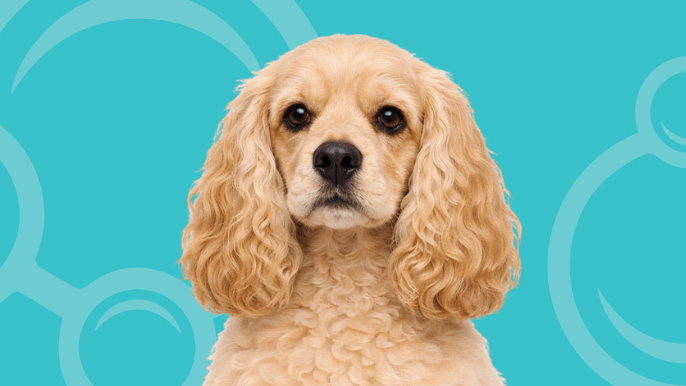 Introduction: The Merry Little Sporting Dog
Cocker Spaniel Temperament is what happens when boundless enthusiasm, genuine sweetness, and a tireless sporting drive combine in a compact, beautifully feathered package that has been one of the world's most beloved companion and sporting breeds for over a century.
Originally bred to flush woodcock from dense cover, the Cocker Spaniel earned its name from its quarry and its reputation from the irrepressible joy it brings to everything it does.
Understanding Cocker Spaniel Temperament starts with recognising that this is a sporting breed whose happiness is expressed through constant motion, enthusiastic tail wagging, and an eagerness to please that makes it one of the most trainable and affectionate dogs in the spaniel family.
These dogs are genuinely happy. Cocker Spaniel Temperament includes an optimism and zest for life that is infectious. They greet every person, every walk, and every meal with the same wholehearted enthusiasm, and their expressive eyes and perpetually wagging tail communicate a joy that is impossible to resist.
The feathered long double coat is the breed's most stunning visual feature and its most demanding grooming requirement. The silky outer coat with luxurious feathering on the ears, chest, legs, and belly, supported by a protective undercoat , creates a dog that is breathtaking when well-maintained and a matted mess when neglected.
Cocker Spaniel Temperament and coat care connect positively because this eager-to-please breed typically cooperates well during grooming, though the coat's demands are significant and consistent.
Let me tell you what you are really getting with a Cocker Spaniel, because the beautiful coat comes with a grooming commitment that surprises many first-time owners.
This is one of the happiest dogs you will ever meet. Cocker Spaniel Temperament is built on joy, eagerness, and an almost desperate desire to please the people it loves. These dogs live to make you happy, and they express their own happiness with an exuberance that fills every room they enter. They are social, affectionate, and adaptable in ways that have made them one of the most popular breeds worldwide for good reason.

Now let's talk grooming. Honestly.
The feathered long double coat on this breed is high-maintenance. There is no way around it. The silky feathering on the ears, chest, legs, and belly tangles readily, mats quickly when brushing is skipped, and collects every piece of debris the dog encounters during outdoor activity. The undercoat adds density that produces moderate shedding year-round with heavier seasonal blow. Brushing two to three times per week is the minimum, with daily attention to the ear feathering.
Cocker Spaniel Temperament makes grooming sessions cooperative, but the volume of coat work is real. Many owners choose to keep the coat in a shorter trim for practicality. A Cocker in a short pet trim uses the Medium Plush Double Coat kit rather than the Feathered Long Double Coat kit, as the Long Coat Carding Rake and Deshedding Comb are designed for coat lengths that no longer apply. The underlying coat structure and undercoat are still present and still need managing, just with tools scaled to the length being maintained.
This breed is NOT for you if:
- You want a low-maintenance coat that takes care of itself
- You cannot commit to frequent, thorough brushing sessions
- You want an independent dog that does not need constant companionship
- You are unprepared for a dog that sheds and requires regular professional grooming
- You want a calm, low-energy household companion
Because Cocker Spaniel Temperament includes:
- Luxurious feathering that tangles and mats without consistent brushing
- High social needs that do not tolerate extended isolation
- Energy that requires daily exercise and mental stimulation
- An undercoat that sheds across the feathered areas
- Ear structure that is highly susceptible to infection
This breed IS for you if:
- You want a joyful, affectionate, eager-to-please companion
- You enjoy grooming as bonding time or are willing to maintain a professional schedule
- You appreciate a versatile breed that excels in sport, therapy, and family life
- You can provide daily exercise and social interaction
- You want a dog whose happiness is contagious
Cocker Spaniel Temperament rewards attentive, loving owners with a companion that is endlessly joyful, deeply devoted, and brings an infectious energy to every moment of life together. Celebrate the joy. Maintain the coat without shortcuts. Handle with the warmth this breed gives back tenfold. Do that, and you will share your life with one of the most genuinely happy, beautifully coated, and wholeheartedly devoted sporting breeds in existence, a dog that does not just love you but shows it with every fibre of its being, every single day.
Breed Handling Profile
| Trait | Level | Notes |
|---|---|---|
| Emotional sensitivity | High | Very responsive to tone and mood; thrives with gentle, positive handling |
| Handling tolerance | High | Generally cooperative and eager to please during grooming |
| Grooming commitment | High | Feathered long double coat requires extensive, consistent maintenance |
| Exercise needs | Moderate to High | Active sporting breed; needs daily exercise and mental engagement |
| Alone time tolerance | Low | Bonds deeply; struggles with extended isolation |
| Best fit household | Active individuals or families who can provide daily exercise, social interaction, and consistent coat maintenance |
Breed Purpose and Why It Matters for Cocker Spaniel Temperament
The Cocker Spaniel was developed in England and later refined in North America as a flushing dog specialising in woodcock and other upland game birds. The breed's job required a small, agile dog that could penetrate dense undergrowth, locate game birds by scent, flush them into flight for the hunter's shot, and retrieve the downed birds.
This work demanded enthusiasm, responsiveness to handler direction, and the physical stamina to work all day in challenging terrain.
Cocker Spaniel Temperament reflects this sporting heritage directly. The eagerness to please, the responsiveness to training, the enthusiasm for outdoor activity, and the tireless energy all trace to a breed that was valued for its willing partnership with the hunter.
When your Cocker Spaniel races into the garden with nose down and tail wagging frantically, quartering back and forth through the bushes, that is bird dog heritage expressing itself.
The breed's intense social nature also connects to its working context. Unlike independent hunting breeds that work at distance, the Cocker Spaniel worked close to its handler, maintaining constant communication through body language and responding to whistle and hand signals.
Cocker Spaniel Temperament includes this deep need for partnership and proximity, which manifests in domestic life as a dog that wants to be near you, involved in your activities, and responsive to your direction at all times.
FurHQ Coat Type Breakdown
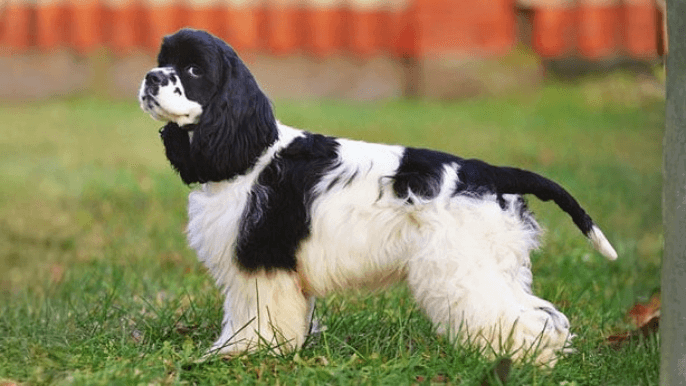
The Cocker Spaniel wears a Feathered Long Double Coat as classified in the FurHQ seven-coat system. This coat type features a silky to slightly wavy outer coat with luxurious feathering on the ears, chest, legs, belly, and tail, supported by a protective undercoat.
The Cocker Spaniel's coat is among the most profuse in the feathered long double coat classification. The ear feathering is particularly long and dense, the chest carries a substantial apron, and the leg feathering can extend to the ground on dogs in full show coat. The undercoat provides insulation for field work and adds the density that contributes to tangling and shedding.
The Long-Pinned Slicker Brush penetrates the silky coat to reach and lift dead undercoat without damaging the fine feathering. The Undercoat Depth Comb verifies thorough undercoat removal by confirming smooth passage from skin to tip. The Deshedding Comb provides active undercoat extraction in the denser areas. The Long Coat Carding Rake targets compacted undercoat in the heaviest zones. The Rubber Curry serves as a bathing tool for thorough lathering.
Kit note: The correct kit depends on the coat length being maintained. A Cocker in full coat uses the FurHQ Starter Grooming Kit: Feathered Long Double Coat. A Cocker in a short pet trim uses the FurHQ Starter Grooming Kit: Medium Plush Double Coat, as the tools in that kit are scaled to the coat length actually being managed. The undercoat is still present in a trimmed Cocker and still needs managing, just with the shorter carding rake appropriate for that length.
FurHQ Starter Grooming Kit: Feathered Long Double Coat (full coat)FurHQ Starter Grooming Kit: Medium Plush Double Coat (short pet trim)
Not Sure About Your Dog's Coat Type?
Not every dog fits neatly into one coat category, and that is completely normal. Coat type determines the correct tools, products, and techniques for effective grooming, and getting it right matters for coat health and comfort. This is especially true for mixed breeds or dogs whose coat may vary from expectations.
Use the FurHQ AI Coat Identifier to find out your dog's coat type and get matched to the right FurHQ Starter Grooming Kit. Simply upload a photo and receive an accurate classification with a personalised kit recommendation.
Puppy Coat to Adult Coat Transition
Cocker Spaniel puppies are born with a shorter, softer coat that begins developing feathering between 4 and 8 months. The adult coat fills in progressively over 12 to 18 months, with the ear feathering, chest apron, and leg furnishings extending gradually. The undercoat density increases during this period. Some Cockers do not achieve their full adult coat until close to age 2.
During the transition, the lengthening feathering becomes increasingly prone to tangling, particularly behind the ears, in the armpits, and where the leg feathering develops. The incoming undercoat can trap shedding puppy fur, creating compaction in areas where density is increasing. This transition period is when many owners first realise the grooming commitment this breed requires.
Cocker Spaniel Temperament in puppyhood is enthusiastic and receptive, making this an excellent window for establishing grooming habits. Start gentle brushing from 8 weeks. The breed's eagerness to please means most Cocker puppies accept grooming readily when positive associations are established. Use Pawfect Finish Coat Spray before drying and when dry brushing during the transition. The FurHQ 5-Step Method provides structure for building the routine.
The FurHQ 5-Step Grooming Method: Technical Reality
The FurHQ 5-Step Method (Audit, Prep, Bath, Dry, Finish) applies to this coat type with emphasis on managing the dense undercoat while protecting the longer guard coat and feathering from damage.
"Learn the Method. Follow the Protocol. Complete the Mission."
Setup and Stability
Secure the dog using the Stay Put System (suction cup anchor + safety lead). For anxious dogs, the Zen Wrap provides calming compression. Feathered long double coats require the most thorough grooming sessions of all coat types, so patience and a calm environment are essential.
Tools and Technique
Audit: Begin every session by running your hands over the entire body, parting the coat to check for mats at the skin level. Focus on behind the ears, armpits, groin, chest ruff, hindquarter feathering, and any areas where friction occurs. The long coat hides mats effectively, so hands-on assessment is non-negotiable.
Prep: Mist with Pawfect Finish Coat Spray before any tool touches the coat. Use the Long-Pinned Slicker Brush to line brush section by section, working from the skin outward through both the undercoat and the longer guard coat. Verify every section with the Undercoat Depth Comb. If the comb catches, go back to the slicker. Use the Deshedding Comb for undercoat removal on alternating weeks. Use the Long Coat Carding Rake once every two weeks for dead undercoat, alternating weeks with the Deshedding Comb.
Bath: Use Rubber Curry during bathing for skin stimulation and to work shampoo through the dense coat. Full saturation to the skin is critical and takes time on a coat this dense. Rinse thoroughly, working water through the full length.
Dry: Towel dry without rubbing. Use a dryer with a brush-through, lifting and separating the coat as it dries. Apply Pawfect Finish Coat Spray pre-dry for protection. Significant undercoat blows out during this step. The coat should be dried thoroughly to the skin, and the feathering should be straightened during drying.
Finish: Final comb-through with the Undercoat Depth Comb to verify the coat is free of tangles, dry to the skin, and the feathering is smooth and draping naturally. Assess overall coat condition.
Blow-out season is where the real coat work lives. Stay ahead of undercoat release early, and the rest of the year stays easy.
Chemistry and Coat Care
Deep Clean Delight Shampoo provides a deep cleanse that penetrates the dense double coat to the skin.
Coat-Quench Conditioner provides slip, moisture, and tangle prevention for the longer guard coat and feathering, supporting easier brushing and reducing breakage.
The Coat Release Method (Condensed)
Feathered long double coats carry dense undercoat that releases seasonally in significant volume. During the Bath step, after full saturation and shampoo application, use controlled airflow in the tub while the coat is still lathered. The lubrication allows dead undercoat to release safely without friction or skin trauma. Rinse, then apply a second shampoo with the Rubber Curry to complete the release. This keeps dead coat contained in the tub rather than spread across your home. For the full step-by-step process, see The Coat Release Method for Dogs with Undercoat in Related Reading.
FurHQ Starter Grooming Kit Breakdown
The FurHQ Starter Grooming Kit: Feathered Long Double Coat is recommended for the Cocker Spaniel in full coat.
Standard Items (included in all FurHQ kits):
- Stay Put System (suction cup anchor + safety lead)
- Zen Wrap
- Rubber Curry (for bathing and skin stimulation)
- Ear Wipes
- Pawfect Finish Coat Spray
Coat-Specific Items:
- Deep Clean Delight Shampoo
- Coat-Quench Conditioner
- Long-Pinned Slicker Brush
- Undercoat Depth Comb
- Deshedding Comb
- Long Coat Carding Rake
Total: 11 items
Cocker Spaniel in short pet trim: Use the FurHQ Starter Grooming Kit: Medium Plush Double Coat. The undercoat is still present and still needs managing, but at a shorter coat length the Medium Plush tools are correctly scaled for the job. The Long Coat Carding Rake and Deshedding Comb are designed for coat lengths that a pet-trimmed Cocker no longer carries.
Each kit includes step-by-step video tutorials and informational PDFs so you know exactly how to use every tool and product for the Cocker Spaniel coat.
 Cocker Spaniel Temperament: Superpowers and Kryptonite
Superpowers
🌟 Infectious joy: Cocker Spaniel Temperament radiates happiness. These dogs approach life with an enthusiasm and optimism that lifts the mood of everyone around them. The perpetually wagging tail and expressive eyes communicate a joy that is genuine and constant.
🌟 Eager trainability: The desire to please makes Cocker Spaniel Temperament one of the most trainable in the sporting group. These dogs respond enthusiastically to positive training methods and learn quickly, making them excellent candidates for obedience, agility, and therapy work.
🌟 Versatile companion: The Cocker Spaniel excels in multiple roles: field work, competitive obedience, agility, therapy, and family companionship. Cocker Spaniel Temperament adapts to a wide range of activities and lifestyles.
🌟 Excellent grooming cooperation: The breed's eager-to-please nature and enjoyment of attention make grooming sessions cooperative and pleasant. Cocker Spaniel Temperament turns coat maintenance into positive bonding time.
🌟 Social adaptability: These dogs are genuinely friendly with people, children, and other dogs. Cocker Spaniel Temperament includes a social warmth that makes the breed welcome in diverse settings.
🌟 Beautiful coat: When properly maintained, the Cocker Spaniel's flowing feathered coat is one of the most stunning in the dog world. The silky texture and luxurious feathering create a visually spectacular companion.
Kryptonite
⚠️ High grooming demands: The feathered long double coat requires extensive, consistent maintenance. Cocker Spaniel Temperament may be cooperative during grooming, but the coat itself is demanding. Neglecting brushing leads rapidly to painful matting that compromises the dog's comfort and health.
⚠️ Ear infection susceptibility: The long, heavy, pendulous ears restrict airflow to the ear canal, creating a warm, moist environment that encourages bacterial and yeast infections. Regular ear cleaning is non-negotiable with this breed. Cocker Spaniel Temperament is patient during ear care once the routine is established.
⚠️ Separation sensitivity: Cocker Spaniel Temperament bonds deeply and does not handle extended isolation well. These dogs can develop separation anxiety, destructive behaviour, and excessive barking when left alone too long or too frequently.
⚠️ Submissive urination: Some Cockers, particularly younger dogs, exhibit submissive urination during greetings or when overwhelmed by excitement. Cocker Spaniel Temperament is so eager to please that the excitement of reunion can trigger this response. Patience and calm greetings help manage this tendency.
⚠️ Resource guarding potential: Some lines of Cocker Spaniels show resource guarding tendencies that require early, positive management. Awareness and consistent training from puppyhood prevent this from becoming problematic.
⚠️ Never shave this coat: Shaving a double coated breed damages the coat structure, removes temperature regulation, and the coat may never grow back properly. Proper undercoat removal through brushing and the Coat Release Method is the correct approach.
FurHQ's Lifestyle Lens and Pro Insights
The pattern we see repeatedly is owners who fall in love with the beautiful coat, underestimate the maintenance, and end up with a matted dog that needs to be clipped down. Cocker Spaniel Temperament makes the dog easy to work with. The coat is what makes the job demanding. If you want to maintain the full feathered coat, you must brush two to three times per week minimum, with daily attention to the ears. There is no shortcut.
The ears are the critical focus area. The long, heavy ear leather combined with the dense ear feathering creates the perfect environment for ear infections. Every grooming session must include ear checks with Ear Wipes, and every brushing session must include the ear feathering. Mats behind the ears form faster on a Cocker Spaniel than on nearly any other breed. Pawfect Finish Coat Spray before every brush session provides the slip that prevents tangling.
Living with a Cocker Spaniel means living with a dog that wants to be part of everything you do. Cocker Spaniel Temperament does not include an off switch. These dogs are enthusiastic participants in daily life, from morning walks to evening cuddles, and they expect to be included. The grooming routine becomes part of this inclusion. Schedule it as regular quality time, and both you and the dog benefit from the structured, calm interaction it provides. A tired Cocker from a good walk grooms more quietly than a restless one, so exercise before grooming is always the best approach.
Keep the ear feathering trimmed to a manageable length if you are not showing. You do not need to maintain floor-length ear hair to have a beautiful Cocker. Trimming the ear feathering to a moderate length reduces tangling by half, improves air circulation to the ear canal, and makes daily ear maintenance faster and easier.
Health and Lifespan: The FurHQ Touch Test
The Cocker Spaniel typically lives 10 to 14 years. Regular health monitoring through grooming provides valuable early detection across this rewarding lifespan.
Regular grooming sessions serve as health assessments when you incorporate the FurHQ Touch Test into your routine. The profuse coat can conceal skin conditions, lumps, and changes beneath the feathering, making hands-on evaluation during grooming an essential complement to veterinary checks.
Ear infections are the most common health issue, and every grooming session should include a thorough ear check for odour, discharge, redness, and sensitivity using Ear Wipes. Eye conditions including cataracts, progressive retinal atrophy, and cherry eye are breed concerns, and gentle face handling during grooming allows observation of eye clarity and comfort.
Cocker Spaniel Temperament may mask eye discomfort, so changes in how the dog reacts to face handling are worth noting. Hip dysplasia occurs in the breed, and monitoring movement and comfort during grooming provides early indicators.
Skin conditions including seborrhoea are common and may manifest as changes in coat texture, excessive oiliness, or odour detected during grooming. Autoimmune conditions affect some Cockers, and the Audit step provides structured opportunity to check the entire body for skin changes.
Every grooming session is a conversation with your dog's body. The FurHQ 5-Step Method builds that conversation into your routine.
Related Breed Comparisons
If you are considering a Cocker Spaniel, these breeds share some characteristics but differ in important ways:
- English Springer Spaniel Temperament: Close relative with similar feathered coat and sporting drive but larger and more energetic. Shares the eager temperament but with higher exercise demands and a more driven working style.
- Cavalier King Charles Spaniel Temperament: Similar spaniel heritage with a calmer, more lap-oriented temperament. Shares the affectionate nature but with lower energy and a gentler approach to daily life.
- Irish Setter Temperament: Comparable sporting enthusiasm and feathered coat in a much larger, more energetic package. Shares the joyful temperament but with significantly higher exercise demands.
- Miniature Poodle Temperament: Similar size and intelligence with a completely different coat type. Shares the trainability and social nature but with a non-shedding curly coat that requires different maintenance.
The Bottom Line
Cocker Spaniel Temperament delivers infectious joy, eager devotion, and genuine sporting heritage in a beautifully feathered package that has earned its place as one of the world's most beloved breeds. This breed rewards attentive, active owners with a companion that is endlessly enthusiastic, deeply loyal, and brings warmth and energy to every moment of life together. The coat demands serious commitment. The ears demand daily attention. The social needs demand your presence. But the return on that investment is a dog that loves you with its entire being and shows it every single day.
If you are keeping the full coat, the FurHQ Starter Grooming Kit: Feathered Long Double Coat gives you every tool and product you need. If your Cocker is in a short pet trim, the FurHQ Starter Grooming Kit: Medium Plush Double Coat is correctly scaled for the coat length you are managing. Either way, you have a system that works.
Learn the Method. Follow the Protocol. Complete the Mission.
You got this. And we've got you. 🐾
Related Reading
Feathered Long Double Coat Grooming
Bathing and Drying
- How to Dry a Dog After a Bath
- How to Introduce Your Dog to a Dryer
- High Velocity Dryer for Dogs
- Stand Dryer for Dogs
Comfort and Safety
- Dog Grooming Desensitisation
Matting and Coat Health
Tools and Products
Related Breed Blogs
- English Springer Spaniel Temperament
- Cavalier King Charles Spaniel Temperament
- Irish Setter Temperament
- Miniature Poodle Temperament
Variation Clarity Statement
Every dog is an individual. While this profile describes typical breed characteristics, your specific dog may vary based on genetics, breeding, socialisation, and individual temperament. Coat type can also vary within breeds.
If you are unsure about your dog's coat type, use the FurHQ AI Coat Identifier to get accurate identification and the right kit recommendation.
FAQs
What coat type does the Cocker Spaniel have according to FurHQ's classification system?
The Cocker Spaniel has a Feathered Long Double Coat as classified in the FurHQ seven-coat system. This coat type features a silky to slightly wavy outer coat with luxurious feathering on the ears, chest, legs, belly, and tail, supported by a protective undercoat underneath.
The Cocker Spaniel's coat is among the most profuse in the Feathered Long Double Coat classification — the ear feathering is particularly long and dense, the chest carries a substantial apron, and the leg feathering can extend to the ground on dogs in full show coat.
The undercoat provides insulation and adds the density that contributes to both tangling and shedding. It is a stunning coat when properly maintained and a challenging one when it is not.
The correct FurHQ kit for a Cocker Spaniel in full coat is the FurHQ Starter Grooming Kit: Feathered Long Double Coat. For Cockers in a short pet trim or puppy cut, the FurHQ Starter Grooming Kit: Medium Plush Double Coat is the correctly scaled option.
How often should I bathe my Cocker Spaniel?
Every 4 to 6 weeks is the standard bathing frequency for a Cocker Spaniel in full coat, timed to align with professional grooming appointments. At home between baths, the focus is brushing rather than bathing — two to three full brush sessions per week with daily attention to the ear feathering.
Bathing too frequently strips the natural oils that keep the silky outer coat healthy and the feathering supple, which makes tangling worse over time rather than better. During seasonal coat blow when the undercoat is releasing heavily, a targeted bath using the Coat Release Method helps contain the shed coat in the tub rather than across your home.
The bath is also the moment to use the Rubber Curry to work shampoo through the dense coat to the skin, and the dryer during the Dry step will blow significant undercoat out of the coat as it dries. Always ensure the coat is fully brushed and as tangle-free as possible before bathing because water sets mats and makes them significantly harder to remove.
Why do Cocker Spaniels in puppy cuts need a different grooming kit?
The kit recommendation is based on the coat length actually being managed at home, not the breed's genetic coat type. A Cocker Spaniel is always a Feathered Long Double Coat by genetics and structure — the undercoat is still present, the double coat structure is still there, and it still sheds and still needs regular maintenance. But the tools in the Feathered Long Double Coat kit are designed for coat lengths that a short-trimmed Cocker no longer has. The Long Coat Carding Rake is built for long coat that extends well past the skin. The Deshedding Comb is designed to work through significant feathering length.
On a dog in a puppy cut or short pet trim, those tools are working on coat that is too short to need them, and the shorter carding rake in the Medium Plush Double Coat kit is the correctly scaled tool for the length being maintained. The undercoat still needs managing.
The brushing routine still applies. The frequency does not change. What changes is the tool selection — and using the right tool for the actual coat length you are dealing with makes the job easier and more effective. Once the coat grows back to full length, you go back to the Feathered Long Double Coat kit.
Why do Cocker Spaniels have so many ear problems?
Cocker Spaniels have long, heavy ear flaps that hang down and cover the ear canal. This creates a warm, moist environment perfect for bacterial and yeast growth. Daily ear care, including combing through the feathering and checking inside the ear, helps prevent infections. Chronic ear infections may indicate underlying allergies.
How do I prevent ear infections in my Cocker Spaniel?
Daily ear care is essential. Comb through the ear feathering daily with a Coat-Specific Metal Comb, check inside the ear canal for odour or discharge, use Ear Wipes to keep ears clean, and ensure ears dry completely after bathing or swimming. Consider using a snood during meals.
Should I keep my Cocker Spaniel in a full coat or a shorter clip?
This depends on your lifestyle and grooming commitment. Full coats are beautiful but require daily brushing and significant time investment. Shorter clips (puppy cut, sporting clip) dramatically reduce grooming demands while keeping your Cocker comfortable and attractive. Both are valid choices. Remember each style requires a different kit.
How often should my Cocker Spaniel see a professional groomer?
Cocker Spaniels benefit from professional grooming every 4 to 6 weeks, whether maintaining a full coat or a shorter clip. Professional groomers can properly maintain the coat, ensure ears are completely dry, and address areas you may miss. Cocker Spaniel Temperament typically makes them cooperative grooming clients.
Do Cocker Spaniels shed?
Cocker Spaniels shed moderately year-round with some seasonal increase. The feathered areas require regular brushing to remove loose hair and prevent matting. Regular grooming manages shedding effectively. Their silky coat texture means loose hair often gets caught in the coat rather than falling to the floor.
What tools do I need to groom a Cocker Spaniel?
The FurHQ Starter Grooming Kit: Feathered Long Double Coat contains 11 items for a Cocker in full coat. The standard items included in every FurHQ kit are the Stay Put System (suction cup anchor and safety lead), the Zen Wrap, Rubber Curry for bathing and skin stimulation, Ear Wipes, and Pawfect Finish Coat Spray. The coat-specific items are Deep Clean Delight Shampoo, Coat-Quench Conditioner, Long-Pinned Slicker Brush, Undercoat Depth Comb, Deshedding Comb, and Long Coat Carding Rake.
The Ear Wipes deserve a special mention on this breed specifically. The Cocker Spaniel's long, heavy, pendulous ear leather restricts airflow to the ear canal, creating the warm, moist environment that bacteria and yeast thrive in. Ear checks at every single grooming session are non-negotiable on this breed. The Ear Wipes make that check quick, easy, and part of the routine rather than a separate task.
For a Cocker in a short pet trim, the FurHQ Starter Grooming Kit: Medium Plush Double Coat contains 10 items with the shorter carding rake and medium-pinned slicker correctly scaled to the coat length being managed.
Every kit includes step-by-step video tutorials and informational PDFs so you know exactly how to use each tool on your Cocker Spaniel's coat.
What is the Touch Test and why is it important for Cocker Spaniels?
The FurHQ Touch Test is a hands-on health check performed during grooming. For Cocker Spaniels, the Touch Test is particularly important for checking ear health (critical for this breed), monitoring eye condition, detecting skin issues hidden under the coat, and tracking body condition.
Are Cocker Spaniels good family dogs?
Cocker Spaniel Temperament makes them excellent family dogs. They are typically merry, affectionate, and good with children. However, their high grooming needs require family commitment, and their sensitive nature means they do best in calm, positive households. Some individuals may have resource guarding tendencies.
Why are Cocker Spaniels called "merry" dogs?
Cocker Spaniel Temperament is characterised by a perpetually cheerful disposition. The breed standard describes them as "merry," referring to their enthusiastic tail wag, bright expression, and eager approach to life. This happy nature is one of the breed's most endearing qualities.
What exercise do Cocker Spaniels need?
Cocker Spaniels are sporting dogs who need daily exercise. Plan for at least 30 to 60 minutes of activity daily, including walks, play sessions, and mental stimulation. They excel at activities like agility, nose work, and dock diving. A tired Cocker is a well-behaved Cocker.
What are the health concerns for Cocker Spaniels?
Cocker Spaniels may be prone to ear infections, eye conditions (cataracts, cherry eye, progressive retinal atrophy), hip dysplasia, autoimmune diseases, allergies, and obesity. Regular veterinary care and the FurHQ Touch Test during grooming help with early detection.
What is the difference between American and English Cocker Spaniels?
American and English Cocker Spaniels are separate breeds. American Cockers are smaller (13 to 16 inches) with more profuse coats and rounder heads. English Cockers are larger (15 to 17 inches) with leaner builds and less coat. Both have similar temperaments and the dual-kit grooming approach applies to both.
Where can I get everything I need to groom my Cocker Spaniel at home?
For full feathered coats, the FurHQ Starter Grooming Kit: Feathered Coat includes every tool and product needed. For trimmed styles, the FurHQ Starter Grooming Kit: Curly Coat is the appropriate choice. Each kit comes with educational content, technique videos, and ongoing support. Visit the FurHQ Store for complete kits or individual products.
How does the FurHQ 5-Step Method work for the Cocker Spaniel?
The FurHQ 5-Step Method (Audit, Prep, Bath, Dry, Finish) gives every grooming session a clear structure and ensures nothing gets missed on a coat this profuse. Exercise your dog before the session — a tired Cocker grooms more quietly than a restless one, and Cocker Spaniel Temperament does not include an off switch.
Audit is your full body check before any tool touches the coat. Run your hands over the entire body, parting the coat to feel for mats at the skin level. Focus on behind the ears, armpits, groin, chest ruff, and hindquarter feathering. The long coat hides mats effectively and what looks fine to the eye can be a solid tangle at the skin. Include an ear check using Ear Wipes at this step — check for odour, discharge, redness, and sensitivity. Check nails, teeth, and eyes while you are there.
Prep is where the brushing work happens. Mist the entire coat with Pawfect Finish Coat Spray before any tool touches the coat. Use the Long-Pinned Slicker Brush to line brush section by section, working from the skin outward through both the undercoat and the longer guard coat and feathering. Verify every section with the Undercoat Depth Comb — if it catches, go back to the slicker. Use the Deshedding Comb for undercoat removal on alternating weeks and the Long Coat Carding Rake once every two weeks, alternating with the Deshedding Comb. Any mats must be fully resolved during Prep before the bath because water sets mats and makes them significantly harder to remove.
Bath uses Deep Clean Delight Shampoo and Coat-Quench Conditioner. Use the Rubber Curry during bathing to work shampoo through the dense coat to the skin. Full saturation takes time on a coat this dense — work it through thoroughly. During seasonal blow, follow the Coat Release Method during the bath step to contain shed coat in the tub rather than across your home.
Dry requires patience on this breed. Towel dry without rubbing first, then use a dryer working through the coat, lifting and separating as it dries. Apply Pawfect Finish Coat Spray pre-dry for protection. Significant undercoat releases during this step. Straighten the feathering as it dries so it sits correctly once finished. The coat must be dried completely to the skin.
Finish is the final verification pass. Comb through the entire coat with the Undercoat Depth Comb to confirm everything is tangle-free, dry to the skin, and the feathering is smooth and draping naturally. Assess overall coat condition. A full Cocker Spaniel session on a well-maintained coat typically runs 45 to 60 minutes. Stay consistent with the routine and the sessions stay manageable.
What FurHQ Starter Grooming Kits are available?
FurHQ offers seven coat-specific kits: FurHQ Starter Grooming Kit: Smooth Single Coat, FurHQ Starter Grooming Kit: Short Double Coat, FurHQ Starter Grooming Kit: Medium Plush Double Coat, FurHQ Starter Grooming Kit: Feathered Long Double Coat, FurHQ Starter Grooming Kit: Wire Coat, FurHQ Starter Grooming Kit: Curly Wavy Coat, and FurHQ Starter Grooming Kit: Drop Coat. Use the FurHQ AI Coat Identifier for accurate classification or visit the FurHQ Store.