
Papillon Temperament and Grooming Considerations
Table of Contents
- Introduction: The Butterfly That Outthinks You
- Breed Handling Profile
- Breed Purpose and Why It Matters for Papillon Temperament
- FurHQ Coat Type Breakdown
- Not Sure About Your Dog's Coat Type?
- Puppy Coat to Adult Coat Transition
- The FurHQ 5-Step Grooming Method: Technical Reality
- FurHQ Starter Grooming Kit Breakdown
- Superpowers and Kryptonite
- FurHQ's Lifestyle Lens and Pro Insights
- Health and Lifespan: The FurHQ Touch Test
- Related Breed Comparisons
- Related Reading
- The Bottom Line
- Variation Clarity Statement
- FAQs
 Introduction: The Butterfly That Outthinks You
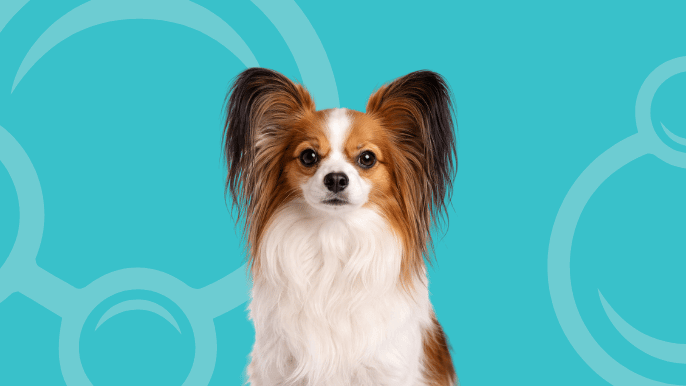
Papillon Temperament is what happens when one of the most intelligent breeds in existence gets packaged in an elegant, butterfly-eared, five-pound body that most people underestimate on sight. The name means "butterfly" in French, referring to the breed's spectacular fringed ears that spread like wings, and the comparison is fitting in more ways than one. This dog is delicate in appearance, remarkably agile, and far more complex than its decorative exterior suggests.
Understanding Papillon Temperament means understanding that this is not a typical toy breed. Papillons consistently rank among the top ten most intelligent dog breeds, outperforming many working and herding breeds in obedience trials, agility competitions, and problem-solving tests. Papillon Temperament combines the eagerness to please of a sporting dog with the portability of a toy breed, creating a companion that is simultaneously sophisticated, athletic, and genuinely trainable.
The silky drop coat is beautiful and surprisingly manageable. Unlike many long-coated breeds, the Papillon has no undercoat , which means no seasonal coat blow and no dense undercoat to manage. The single-layer drop coat flows elegantly from the body but requires consistent brushing to prevent tangles in the ear fringes, chest feathering , and leg furnishings . Papillon Temperament and coat care connect because a dog this smart will remember every grooming session, positive or negative.
 Let me tell you the truth about the Papillon - because this is the breed that surprises almost everyone who meets one.
If you are picturing a delicate lap dog who sits quietly and requires nothing but cuddles… you may want to adjust your expectations.
Papillon Temperament includes an activity level and mental sharpness that catches new owners completely off guard.
These dogs want to learn.
They want to work.
They want to engage with you on a level most toy breeds simply do not offer.
Papillons are not decorative companions - they are performers, athletes, and thinkers wrapped in a ten-pound frame.
They are competitive agility dogs.
They are obedience champions.
They are therapy dogs, trick dogs, and problem-solvers who actively look for challenges.
Living with a Papillon feels less like owning a toy breed and more like partnering with a miniature working dog who just happens to come in a very portable size.
They are alert, responsive, and deeply bonded - thriving on mental stimulation as much as physical interaction.
But let’s talk grooming - honestly - because this is where many people get pleasantly surprised.
If you want a lower-grooming long-coated toy breed, the Papillon is actually a reasonable choice.
The drop coat has no undercoat, which means:
No seasonal coat blow
No dense undercoat release
Far less matting than double-coated breeds
The coat is silky, light, and relatively easy to maintain with consistent brushing.
That said — the furnishings still matter.
The iconic ear fringes, leg feathering, and tail plume require regular attention to prevent tangling and preserve the flowing texture that defines the breed’s elegant silhouette.
Neglect the furnishings, and small tangles form quickly.
Maintain them, and the coat remains beautifully manageable.
So let’s talk alignment.
This breed is NOT for you if:
You want a passive lap dog
You cannot provide mental stimulation
You prefer low-interaction companions
You expect toy breeds to be low-drive
Because Papillon Temperament includes:
High intelligence
Strong trainability
Competitive working ability
Constant engagement needs
This breed IS for you if:
You want a small dog with big capability
You enjoy training and skill-building
You appreciate agility and performance sports
You want a deeply bonded companion
You value intelligence over ornamentation
Papillon Temperament rewards engaged owners with one of the most impressive small-dog partnerships available - a breed that consistently exceeds expectations in both ability and devotion.
Exercise the mind.
Maintain the furnishings.
Challenge the intelligence.
Do that, and you will share your life with one of the most dynamic, trainable, and astonishingly capable companions in the toy breed world - proof that brilliance is not measured in kilograms.
Breed Handling Profile
| Trait | Level | Notes |
|---|---|---|
| Emotional sensitivity | Moderate to High | Intelligent and perceptive. Responds strongly to tone and handling quality. |
| Handling tolerance | Moderate to High | Cooperative when trust is established. Remembers rough or impatient handling. |
| Grooming commitment | Moderate | Drop coat without undercoat. Regular brushing of fringes and furnishings needed. |
| Exercise needs | Moderate to High | Surprisingly athletic for size. Needs daily play, walks, and mental stimulation. |
| Alone time tolerance | Low to Moderate | Bonds closely with owner. Prefers company but not as separation-prone as some toy breeds. |
| Best fit household | Active individuals or families | Thrives with owners who enjoy training and engagement. Adaptable to apartments and houses. |
Breed Purpose and Why It Matters for Papillon Temperament
The Papillon's ancestors appear in European paintings dating back to the 1500s, depicted as small spaniels in the laps of nobility. The breed evolved from the Continental Toy Spaniel, originally with drooping ears (the Phalene variety), with the erect butterfly ears developing as a separate variety over the centuries. The breed was a favourite of European courts, particularly in France and Spain, where it was valued for its beauty, intelligence, and companionship.
Unlike breeds developed for hunting or guarding, Papillon Temperament was shaped by centuries of selection for intelligence, trainability, and charm. The aristocratic environment demanded a dog that was beautiful, well-behaved, and capable of learning tricks and manners. This heritage explains why Papillon Temperament remains so remarkably trainable and socially sophisticated. The breed was literally bred to impress people, and it still does.
The athletic capability that surprises so many people has roots in the breed's spaniel ancestry. Despite its refinement as a companion, the Papillon retains the agility, coordination, and drive of its sporting origins. This combination of companionship breeding and athletic heritage creates the unique Papillon Temperament balance of elegance and energy.
FurHQ Coat Type Breakdown
The Papillon carries a Drop Coat. Within the FurHQ seven-coat system, this coat type features silky, flowing hair that falls naturally from the body. The Papillon drop coat is single-layered with no undercoat, which makes it significantly easier to maintain than many other drop coat breeds.
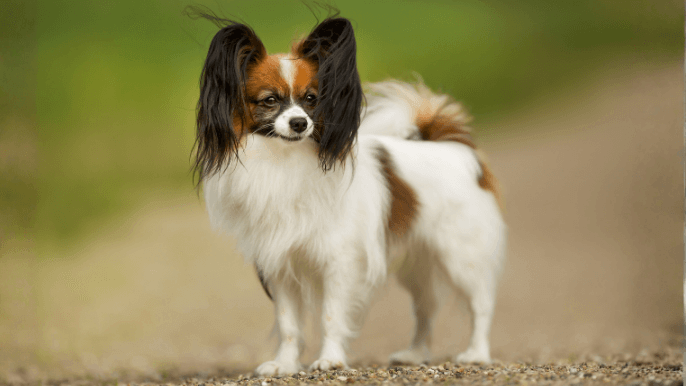
The signature ear fringes are the breed's most dramatic coat feature, flowing from the large, erect ears in a butterfly wing pattern. The chest carries a frill of longer hair, and the legs have delicate feathering. The tail plumes elegantly over the back. Between these furnishings, the body coat is shorter and lies relatively flat.
The Long-Pinned Slicker Brush works through the longer fringes and furnishings without damaging the silky texture. The Pin Brush provides gentle daily maintenance for the body coat and light detangling. The FurHQ Detail Comb verifies that brushing has reached the skin and catches any developing tangles in the ear fringes and furnishings.
The recommended kit is the FurHQ Starter Grooming Kit: Drop Coat.
Not Sure About Your Dog's Coat Type?
Not every dog fits neatly into one coat category, and that is completely normal. Coat type determines the correct tools, products, and techniques for effective grooming, but identifying it is not always straightforward, especially with mixed breeds or puppies still developing their adult coat.
Use the FurHQ AI Coat Identifier to find out your dog's coat type and get matched to the right FurHQ Starter Grooming Kit. Simply upload a photo, and the tool provides a personalised kit recommendation based on your dog's actual coat.
Puppy Coat to Adult Coat Transition
Papillon puppies are born with a shorter, finer coat that gradually develops into the full adult drop coat over 12 to 18 months. The ear fringes are the most dramatic development, growing from small tufts into the full butterfly fringe pattern that gives the breed its name. Chest frill, leg feathering, and tail plume develop progressively during this period.
The transition is gradual rather than dramatic because the Papillon has no undercoat to develop. Brushing frequency should increase as the fringes and furnishings lengthen, moving from once or twice weekly for young puppies to two to three times weekly as the coat reaches adult length. Papillon Temperament benefits from positive early grooming experiences, particularly gentle ear handling that establishes comfort with fringe brushing. The FurHQ 5-Step Method provides structure during this period, with the Audit step helping you track fringe development and catch any tangles early.
The FurHQ 5-Step Grooming Method: Technical Reality
The FurHQ 5-Step Method (Audit, Prep, Bath, Dry, Finish) applies to this coat type with emphasis on protecting strand integrity and maintaining natural drape throughout every grooming step.
Learn the Method. Follow the Protocol. Complete the Mission.
Setup and Stability
Secure the dog using the Stay Put System (suction cup anchor + safety lead). For anxious dogs, the Hush Pup Wrap provides calming compression. This coat type benefits from a calm, predictable environment where the dog can stand quietly while the coat is worked through methodically.
Tools and Technique
Audit: Begin every session by running your hands over the entire body, parting the coat to check for mats at the skin level. Drop coats mat where friction occurs: behind the ears, armpits, between the legs, and under the collar. The coat can look smooth on the surface while hiding mats at the skin.
Prep: Mist with Pawfect Finish Coat Spray before any tool touches the coat. Never brush a drop coat dry. Use the Pin Brush for general smoothing and the Long-Pinned Slicker Brush for any areas with tangles or density. Verify every section with the FurHQ Detail Comb. If the comb catches, there is more work to do.
Bath: Use Rubber Curry during bathing for skin stimulation only. Do not use the Rubber Curry for dry brushing on a drop coat. Rinse thoroughly, working water through the full length of the coat.
Dry: Towel dry gently without rubbing, which causes tangles and breakage. Use a dryer with a gentle brush-through as the coat dries, working in the direction of coat growth to maintain drape. Dry thoroughly to the skin.
Finish: Final comb-through with the FurHQ Detail Comb to verify the entire coat is tangle-free and draping naturally. Apply Pawfect Finish Coat Spray for moisture, protection, and lustre.
Chemistry and Coat Care
Shimmer and Shine Shampoo is formulated for drop coats, providing thorough cleaning while maintaining the coat's natural drape and lustre. Coat-Quench Conditioner provides essential slip, moisture, and tangle prevention for the full length of the coat. Use Pawfect Finish Coat Spray at every brush session to protect strands from friction damage and maintain coat health.
FurHQ Starter Grooming Kit Breakdown
The FurHQ Starter Grooming Kit: Drop Coat contains 10 items:
Coat-Specific Items (5):
- Shimmer and Shine Shampoo: Formulated for drop coat cleaning and lustre
- Coat-Quench Conditioner: Slip, moisture, and tangle prevention
- Long-Pinned Slicker Brush: Working through fringes and furnishings
- Pin Brush: Daily body coat maintenance and light detangling
- FurHQ Detail Comb: Skin-level verification and tangle detection
Standard Items (5, included in every kit):
- Stay Put System (suction cup anchor + safety lead + training tips)
- Hush Pup Wrap
- Rubber Curry (for bathing and dry brushing/skin stimulation)
- Ear Wipes
- Pawfect Finish Coat Spray
 Superpowers and Kryptonite
Superpowers
🌟 Exceptional intelligence: Papillon Temperament includes cognitive ability that consistently places this breed in the top ten most intelligent dogs worldwide. They learn quickly, retain what they learn, and apply it creatively.
🌟 Athletic agility: Despite their toy classification, Papillons are remarkable athletes. They excel in agility trials, often outperforming much larger breeds with their speed, precision, and enthusiasm.
🌟 Eager to please: Unlike many toy breeds that prioritise independence, Papillon Temperament includes a genuine desire to make their owner happy. This makes training rewarding for both dog and handler.
🌟 Moderate grooming: The drop coat without an undercoat is easier to maintain than many long-coated breeds. No seasonal coat blow, no dense undercoat management, and the silky texture responds beautifully to proper care.
🌟 Portable brilliance: Small enough for apartment living and travel but mentally engaged enough to be a genuine companion rather than an accessory. Papillon Temperament delivers a big-dog experience in a portable package.
🌟 Social confidence: Well-socialised Papillons are friendly, outgoing, and comfortable in various social situations. Their confidence is based on intelligence and experience rather than aggression.
Kryptonite
⚠️ Fragility: Papillons are very small dogs with delicate bone structure. They can be injured by rough handling, jumping from heights, or interactions with larger dogs. This fragility requires constant awareness.
⚠️ Ear fringe tangles: The signature butterfly ears are also the primary grooming challenge. The long fringes tangle easily and require regular brushing to prevent mats that can pull painfully on the delicate ear leather.
⚠️ Separation sensitivity: Papillon Temperament includes a strong bond with their owner that can develop into separation anxiety without proper conditioning. These dogs prefer to be with their person at all times.
⚠️ Barking tendency: The alertness and intelligence that make Papillons excellent companions also make them vocal. They notice everything and have opinions about most of it, expressed through barking.
⚠️ Cold sensitivity: The drop coat without an undercoat provides limited insulation. Papillons need protection in cold weather and may shiver or refuse to go outside in winter.
⚠️ Overestimation of ability: Papillon Temperament includes the confidence to attempt things that the body cannot safely handle. Jumping from furniture, confronting larger dogs, and leaping for toys can result in injuries in a dog this small.
FurHQ's Lifestyle Lens and Pro Insights
These are the details that experienced Papillon owners and professional groomers know. They address real-world Papillon Temperament traits that make the difference between struggling and thriving with this breed.
The Ear Fringe Strategy
The butterfly ears are the Papillon's signature and its primary grooming vulnerability. The long, silky fringes tangle at the base of the ear, behind the ear, and where the fringe meets the head. Establish a daily routine of running the FurHQ Detail Comb through the ear fringes. This takes less than a minute per ear and prevents the kind of matting that would require cutting out sections of the fringe that took months to grow. Papillon Temperament accepts this routine easily when it becomes part of the daily rhythm.
The Intelligence Factor in Grooming
Papillon Temperament means this dog learns grooming patterns quickly. If you always brush the ears first, the dog will present its ears. If you always end with a treat, the dog will anticipate the reward and cooperate to get there. Use this intelligence to your advantage by creating a consistent grooming routine that the dog can predict and participate in. A Papillon that understands the grooming sequence is remarkably cooperative.
The Exercise Surprise
New Papillon owners are often surprised by the breed's energy level. Papillon Temperament includes an athletic drive that exceeds what most people expect from a toy breed. These dogs genuinely enjoy long walks, active play sessions, and structured activities like agility. Providing adequate exercise makes the dog calmer during grooming sessions and prevents the restlessness that can make handling difficult.
The Phalene Variation
Some Papillons have drop ears rather than the erect butterfly ears. These are called Phalene, meaning "moth" in French. The coat type and grooming requirements are identical regardless of ear carriage. Papillon Temperament is the same in both varieties. The only grooming difference is that drop-eared Phalenes may need additional attention to ear hygiene because the folded ears trap more moisture and debris.
Dental Connection
Like many toy breeds, Papillons are prone to dental issues. Tooth decay and gum disease can cause pain that affects Papillon Temperament during grooming, particularly face handling. Regular dental care supports grooming cooperation by preventing the oral pain that makes dogs head-shy.
Brush the ear fringes gently but consistently - that’s where tangles start first. Protect the Papillon Temperamentfurnishings, and the rest of the coat stays easy.
Health and Lifespan: The FurHQ Touch Test
The Papillon typically lives 14 to 16 years, making it one of the longest-lived breeds. This impressive longevity means grooming and health monitoring span many rewarding years.
Regular grooming sessions double as health checks when you use the FurHQ Touch Test. Run your hands systematically across the body during every grooming session, feeling for lumps, bumps, skin changes, heat spots, or areas of tenderness. The drop coat can hide skin issues in the longer feathered areas, making hands-on assessment important where visual inspection alone is insufficient.
Common health concerns that intersect with grooming include patellar luxation which affects standing comfort during grooming, progressive retinal atrophy requiring awareness during face handling, dental issues that cause face sensitivity, and open fontanelles (soft spots on the skull) in some Papillons that require gentle head handling during ear grooming.
Papillon Temperament makes health monitoring through grooming particularly effective because these dogs welcome handling and the routine physical contact that grooming provides.
Related Breed Comparisons
If you are considering a Papillon, these breeds share some characteristics but differ in important ways:
- Maltese Temperament: Similar drop coat and toy size but with a calmer, more relaxed temperament and less athletic drive. Higher grooming commitment due to denser coat.
- Yorkshire Terrier Temperament: Shares the drop coat classification and small size but with a terrier personality that is more independent and feisty. Similar grooming requirements.
- Cavalier King Charles Spaniel Temperament: Similar companion focus and gentle nature but larger, calmer, and with a different coat type. Less athletically driven than the Papillon.
- Pomeranian Temperament: Similar bold personality in a small package but with a double coat requiring significantly different grooming. More vocal and less trainable than the Papillon.
Related Reading
Drop Coat Grooming
Bathing and Drying
Matting and Coat Health
Tools and Products
Related Breed Blogs
- Maltese Temperament
- Yorkshire Terrier Temperament
- Cavalier King Charles Spaniel Temperament
- Pomeranian Temperament
The Bottom Line
Papillon Temperament is brilliance wrapped in butterflies. This breed delivers intelligence, athleticism, devotion, and elegance in one of the smallest packages in the dog world. The drop coat is beautiful when maintained and manageable when you have the right tools and routine. Papillon Temperament makes grooming a cooperative, even enjoyable experience because these dogs learn the routine and participate willingly.
If you are ready for a companion that will impress you with its mind and charm you with its beauty, the FurHQ Starter Grooming Kit: Drop Coat gives you every tool and product needed to keep the silky coat flowing and healthy. You do not need to be a professional groomer. You need the right system, a consistent routine, and the Pawfect Finish Coat Spray before every brush.
You got this. And we've got you. 🐾
Variation Clarity Statement
Every dog is an individual. While this profile describes typical breed characteristics, your specific dog may vary based on genetics, breeding, socialisation, and individual temperament. Coat type can also vary within breeds. If you are unsure about your dog's coat type, use the FurHQ AI Coat Identifier to get accurate identification and the right kit recommendation.
FAQs
What coat type does a Papillon have according to the FurHQ system?
The Papillon has a Drop Coat. FurHQ classifies all dog coats into seven types:
- The Papillon has a Drop Coat in the FurHQ system. The silky, single-layer coat flows naturally from the body with signature ear fringes, chest frill, leg feathering, and tail plume. The absence of undercoat makes this a more manageable drop coat than many breeds in the same category. FurHQ classifies all dog coats into seven types: Smooth Single Coat, Short Double Coat, Medium Plush Double Coat, Feathered Long Double Coat, Wire Coat, Curly Wavy Coat, and Drop Coat.
Do Papillons shed a lot?
Papillons shed lightly to moderately. Because the drop coat has no undercoat, there is no seasonal coat blow or heavy shedding period. The shedding is continuous but manageable. Regular brushing with the Pin Brush and Long-Pinned Slicker removes dead hair before it ends up on your furniture. Papillon Temperament cooperates well with brushing routines.
How often should I brush my Papillon?
Two to three times per week for regular maintenance. Focus on the ear fringes, chest frill, and leg feathering where tangles develop first. Always use Pawfect Finish Coat Spray at every session and post bath. Verify with the FurHQ Detail Comb after every session. Papillon Temperament makes brushing sessions cooperative and often enjoyable.
Why do my Papillon's ear fringes tangle so easily?
Brush the ear fringes gently from the tips upward, working out tangles with the FurHQ Detail Comb before moving toward the base. Use Pawfect Finish Coat Spray for slip. Check the base of the ears where tangles form most easily. Papillon Temperament cooperates with ear grooming when the handling is consistently gentle.
Is the Papillon really that intelligent?
Yes. Papillon Temperament includes cognitive ability that consistently ranks in the top ten most intelligent breeds worldwide. They learn commands quickly, retain what they learn, and apply their intelligence creatively. Papillons regularly compete and win in agility, obedience, and trick competitions against much larger breeds. This intelligence also means they need mental stimulation to prevent boredom.
What is the difference between a Papillon and a Phalene?
The Papillon has erect, fringed ears that spread like butterfly wings. The Phalene has dropped ears like a moth at rest. They are varieties of the same breed, and Papillon Temperament is identical in both. The coat type, grooming requirements, and kit recommendation are the same. The only grooming difference is that drop-eared Phalenes may need additional ear hygiene attention because folded ears trap more moisture.
Can I trim my Papillon's coat?
You can trim the coat for easier maintenance, particularly the body hair and paw pads. However, trimming the ear fringes removes the breed's most distinctive feature and takes months to grow back. Most Papillon owners maintain the fringes and trim only the body coat if desired. Papillon Temperament cooperates well with trimming when introduced positively.
Are Papillons good for first-time dog owners?
Papillon Temperament makes them one of the better toy breeds for first-time owners. Their eagerness to please, cooperative nature, and trainability make the learning curve gentler than with more independent toy breeds. The grooming commitment is moderate and manageable with the right tools. First-time owners should be prepared for the intelligence factor, which means the dog needs mental stimulation alongside basic care.
Do Papillons need exercise beyond what I would expect for a toy breed?
Yes. Papillon Temperament includes an athletic drive that exceeds typical toy breed expectations. These dogs enjoy and benefit from active play, walks of moderate length, and structured activities like agility. While they do not need the vigorous exercise of a sporting breed, they do need more than casual indoor play to be mentally and physically satisfied.
How do I bathe a Papillon properly?
Use the Stay Put System for security. Apply Shimmer and Shine Shampoo with the Rubber Curry, working through the coat gently. Rinse thoroughly and apply Coat-Quench Conditioner, focusing on the ear fringes, chest ruff, and leg furnishings where tangles form most easily. Rinse completely. Towel dry gently by squeezing rather than rubbing the drop coat. Complete drying with low heat and brush through with the Pin Brush as you dry.
My Papillon has a sparse coat. Is something wrong?
Papillon coat density varies between individuals. Some dogs develop thick, luxurious coats while others have lighter coverage. Papillon Temperament and health are not determined by coat density. However, a coat that was once thick and has become thin may indicate a health issue such as hypothyroidism or nutritional deficiency. The FurHQ Touch Test during grooming helps monitor coat condition changes over time.
Does FurHQ have products for Papillons?
Yes. The FurHQ Starter Grooming Kit: Drop Coat is designed specifically for drop coat breeds like the Papillon. Each kit includes step-by-step video tutorials and informational PDFs so you know exactly how to use every tool and product. You can also find additional products and add-on kits, including the Nail Kit, in the FurHQ Store.
What tools are in the FurHQ Starter Grooming Kit: Drop Coat?
The FurHQ Starter Grooming Kit: Drop Coat contains 10 items: Shimmer and Shine Shampoo, Coat-Quench Conditioner, Long-Pinned Slicker Brush, Pin Brush, FurHQ Detail Comb, Stay Put System, Hush Pup Wrap, Rubber Curry, Ear Wipes, and Pawfect Finish Coat Spray. Every tool serves a specific function in the FurHQ 5-Step Method.