

FurHQ offers seven coat-specific kits: FurHQ Starter Grooming Kit: Smooth Single Coat, FurHQ Starter Grooming Kit: Short Double Coat, FurHQ Starter Grooming Kit: Medium Plush Double Coat, FurHQ Starter Grooming Kit: Feathered Long Double Coat, FurHQ Starter Grooming Kit: Wire Coat, FurHQ Starter Grooming Kit: Curly Wavy Coat, and FurHQ Starter Grooming Kit: Drop Coat. Use the FurHQ AI Coat Identifier for accurate classification or visit the FurHQ Store.
Flat-Coated Retriever Temperament and Grooming
By Mondo Fluffarino | FurHQ Blog Author & Chief Education Officer
Table of Contents
- Introduction: The Peter Pan of Retrievers
- Breed Handling Profile
- Breed Purpose and Why It Matters for Flat-Coated Retriever Temperament
- FurHQ Coat Type Breakdown
- Not Sure About Your Dog's Coat Type?
- Puppy Coat to Adult Coat Transition
- The FurHQ 5-Step Grooming Method: Technical Reality
- FurHQ Starter Grooming Kit Breakdown
- Flat-Coated Retriever Temperament: Superpowers and Kryptonite
- FurHQ's Lifestyle Lens and Pro Insights
- Health and Lifespan: The FurHQ Touch Test
- Related Breed Comparisons
- Related Reading
- The Bottom Line
- Variation Clarity Statement
- FAQs
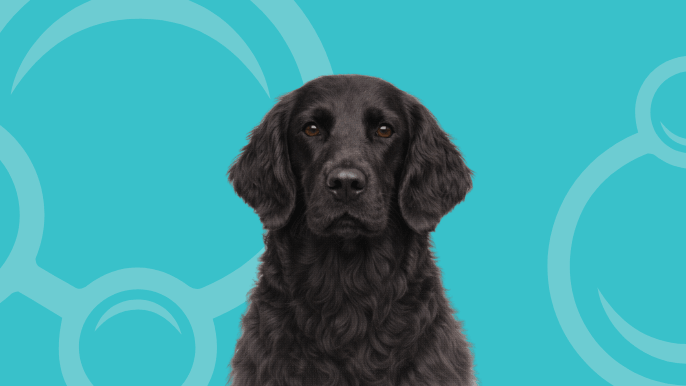
Flat-Coated Retriever Temperament is what happens when eternal optimism, tireless enthusiasm, and an unshakeable joy for life combine in an elegant, athletically built retriever that never truly grows up. Known affectionately as the "Peter Pan" of the dog world, the Flat-Coated Retriever retains its puppy-like exuberance and playful spirit well into maturity.
Understanding Flat-Coated Retriever Temperament starts with recognising that this is a sporting breed whose defining characteristic is not just ability but attitude, an infectious, tail-wagging optimism that colours every moment of its life.
These dogs are exuberantly happy. Flat-Coated Retriever Temperament includes a joy and enthusiasm that goes beyond the cheerfulness of other retriever breeds. They are effervescent, playful, and endlessly entertaining, approaching every situation with a positive energy that is genuinely uplifting to be around.
The flat-lying, moderately long coat with feathering on the ears, chest, legs, and tail, supported by a weather-resistant undercoat , creates a sleek, elegant appearance. Flat-Coated Retriever Temperament and coat care connect because the breed's cooperative, people-oriented nature makes grooming sessions enthusiastic affairs, though the exuberance may require settling before detailed work begins.
Let me tell you what you are really getting with a Flat-Coated Retriever, because this breed's personality is its greatest gift and its most demanding requirement.
This is the retriever that never grows old in spirit. Flat-Coated Retriever Temperament is built on a joy so persistent and a playfulness so enduring that owners of this breed describe living with a perpetual puppy in an adult dog's body.
These dogs are happy. Not content, not satisfied, but actively, enthusiastically, infectiously happy. They greet every morning, every walk, every meal, and every person with the same wholehearted enthusiasm, and that energy does not diminish with age.
Now let's talk grooming. Honestly.
The feathered long double coat is moderate in maintenance. The flat-lying body coat is dense and sleek rather than profuse, and the feathering on the ears, chest, legs, and tail is moderate.
Brushing two to three times per week prevents tangling in the feathered areas and manages the moderate shedding. Flat-Coated Retriever Temperament makes grooming cooperative and often entertaining, though the breed's persistent playfulness means exercise before grooming is essential.
This breed is NOT for you if:
- You want a calm, sedate household companion
- You cannot provide daily vigorous exercise well into the dog's senior years
- You want a dog that matures into quiet composure
- You are unprepared for persistent puppy-like energy in an adult dog
- You cannot handle the emotional reality of a breed with a shorter average lifespan
Because Flat-Coated Retriever Temperament includes:
- Persistent puppy-like energy that does not fade with age
- High exercise demands throughout the dog's entire life
- A feathered coat requiring regular brushing and feathering care
- An unfortunately higher cancer rate that shortens average lifespan
- A slow maturation that means adult behaviour may not settle until age 3 to 5
This breed IS for you if:
- You want the most joyful, optimistic dog you will ever meet
- You lead an active lifestyle and enjoy a playful, energetic companion
- You appreciate a moderate-maintenance coat on an elegant sporting dog
- You can commit to daily exercise and mental engagement for the dog's entire life
- You value personality and spirit above all other breed qualities
Flat-Coated Retriever Temperament rewards active, joyful owners with a companion that makes every single day feel like the best day, because as far as the Flat-Coat is concerned, it is.
Embrace the joy. Maintain the elegant coat with consistent care. Match the energy with an active life.
Do that, and you will share your life with the happiest, most optimistic, and most life-affirming dog you will ever know.
Breed Handling Profile
| Trait | Level | Notes |
|---|---|---|
| Emotional sensitivity | Moderate | Resilient and optimistic; responsive to positive methods |
| Handling tolerance | High | Cooperative and enthusiastic; may need settling before detailed grooming |
| Grooming commitment | Moderate | Feathered long double coat requires regular but manageable maintenance |
| Exercise needs | High | Needs vigorous daily exercise throughout its entire life |
| Alone time tolerance | Low | Profoundly people-oriented; struggles with isolation |
| Best fit household | Active families or individuals who appreciate persistent energy and can provide lifelong exercise and companionship |
Breed Purpose and Why It Matters for Flat-Coated Retriever Temperament
The Flat-Coated Retriever was developed in England during the mid-19th century as a dual-purpose retriever for both upland game and waterfowl. The breed incorporated Newfoundland, Setter, and Collie-type stock to create a versatile gundog with a flat-lying, water-resistant coat.
The Flat-Coat was the most popular retriever in England before being overtaken by the Labrador and Golden, and it has since remained a breed of dedicated enthusiasts rather than mainstream popularity.
Flat-Coated Retriever Temperament reflects this sporting heritage directly. The enthusiasm for work, the natural retrieving instinct, the willingness to plunge into cold water, and the tireless energy all trace to a breed valued for versatile field ability.
When your Flat-Coated Retriever launches itself into water with abandon, retrieves with joyful precision, and immediately looks for the next throw, that is purpose-bred sporting heritage at its most exuberant.
The breed's persistent youthful spirit was preserved because the Flat-Coat avoided the extreme popularity pressures that altered other retrievers.
Flat-Coated Retriever Temperament remained closer to the original working retriever personality, retaining the enthusiasm and drive alongside the warmth and sociability that made them beloved companions.
FurHQ Coat Type Breakdown
The Flat-Coated Retriever wears a Feathered Long Double Coat as classified in the FurHQ seven-coat system. This coat type features a moderately long, dense, flat-lying body coat with feathering on the ears, chest, legs, and tail, supported by a weather-resistant undercoat.
The Flat-Coated Retriever's coat is sleek and elegant rather than profuse. The body coat lies flat against the body, creating a streamlined silhouette. The feathering is moderate, and the overall coat volume is less than breeds like the Golden Retriever or English Setter.
The Long-Pinned Slicker Brush penetrates the flat coat to reach and lift dead undercoat. The Undercoat Depth Combverifies thorough undercoat removal. The Deshedding Comb provides active undercoat extraction. The Long Coat Carding Rake targets compacted undercoat. The Rubber Curry serves as a bathing tool.
The recommended kit is the FurHQ Starter Grooming Kit: Feathered Long Double Coat.
Not Sure About Your Dog's Coat Type?
Not every dog fits neatly into one coat category, and that is completely normal. Coat type determines the correct tools, products, and techniques for effective grooming, and getting it right matters for coat health and comfort. This is especially true for mixed breeds or dogs whose coat may vary from expectations.
Use the FurHQ AI Coat Identifier to find out your dog's coat type and get matched to the right FurHQ Starter Grooming Kit. Simply upload a photo and receive an accurate classification with a personalised kit recommendation.
Puppy Coat to Adult Coat Transition
Flat-Coated Retriever puppies are born with a softer coat that begins developing its adult characteristics between 5 and 10 months. The flat body coat and feathering fill in progressively over 12 to 24 months. Given the breed's slow maturation, the full adult coat may not be fully established until age 2 to 3.
During the transition, developing feathering becomes prone to tangling behind the ears and in the leg furnishings . Regular brushing prevents tangles from becoming mats.
Flat-Coated Retriever Temperament in puppyhood is exuberant and enthusiastic. Start gentle brushing from 8 weeks. Exercise before grooming helps settle the puppy. Use Pawfect Finish Coat Spray before drying and when dry brushing. The FurHQ 5-Step Method provides structure for building the routine.
The FurHQ 5-Step Grooming Method: Technical Reality
The FurHQ 5-Step Method (Audit, Prep, Bath, Dry, Finish) applies to this coat type with emphasis on managing the dense undercoat while protecting the longer guard coat and feathering from damage.
Learn the Method. Follow the Protocol. Complete the Mission.
Setup and Stability
Secure the dog using the Stay Put System (suction cup anchor + safety lead). For anxious dogs, the Hush Pup Wrap provides calming compression. Feathered long double coats require the most thorough grooming sessions of all coat types, so patience and a calm environment are essential.
Tools and Technique
Audit: Begin every session by running your hands over the entire body, parting the coat to check for mats at the skin level. Focus on behind the ears, armpits, groin, chest ruff, hindquarter feathering, and any areas where friction occurs. The long coat hides mats effectively, so hands-on assessment is non-negotiable.
Prep: Mist with Pawfect Finish Coat Spray before any tool touches the coat. Use the Long-Pinned Slicker Brush to line brush section by section, working from the skin outward through both the undercoat and the longer guard coat.
Verify every section with the Undercoat Depth Comb. If the comb catches, go back to the slicker. Use the Deshedding Comb for undercoat removal on alternating weeks. Use the Long Coat Carding Rake once every two weeks for dead undercoat, alternating weeks with the Deshedding Comb.
Bath: Use Rubber Curry during bathing for skin stimulation and to work shampoo through the dense coat. Full saturation to the skin is critical and takes time on a coat this dense. Rinse thoroughly, working water through the full length.
Dry: Towel dry without rubbing. Use a dryer with a brush-through, lifting and separating the coat as it dries. Apply Pawfect Finish Coat Spray pre-dry for protection. Significant undercoat blows out during this step. The coat should be dried thoroughly to the skin, and the feathering should be straightened during drying.
Finish: Final comb-through with the Undercoat Depth Comb to verify the coat is free of tangles, dry to the skin, and the feathering is smooth and draping naturally. Assess overall coat condition.
Blow-out season is where the real coat work lives. Stay ahead of undercoat release early, and the rest of the year stays easy.
Chemistry and Coat Care
Deep Clean Delight Shampoo provides a deep cleanse that penetrates the dense double coat to the skin. Coat-Quench Conditioner provides slip, moisture, and tangle prevention for the longer guard coat and feathering, supporting easier brushing and reducing breakage.
The Coat Release Method (Condensed)
Feathered long double coats carry dense undercoat that releases seasonally in significant volume. During the Bath step, after full saturation and shampoo application, use controlled airflow in the tub while the coat is still lathered.
The lubrication allows dead undercoat to release safely without friction or skin trauma. Rinse, then apply a second shampoo with the Rubber Curry to complete the release. This keeps dead coat contained in the tub rather than spread across your home.
For the full step-by-step process, see The Coat Release Method for Dogs with Undercoat in Related Reading.
FurHQ Starter Grooming Kit Breakdown
The FurHQ Starter Grooming Kit: Feathered Long Double Coat is recommended for the Flat-Coated Retriever.
Standard Items (included in all FurHQ kits):
- Stay Put System (suction cup anchor + safety lead + training tips)
- Hush Pup Wrap
- Rubber Curry (for bathing)
- Ear Wipes
- Pawfect Finish Coat Spray
Coat-Specific Items:
- Deep Clean Delight Shampoo
- Coat-Quench Conditioner
- Long-Pinned Slicker Brush
- Undercoat Depth Comb
- Deshedding Comb
- Long Coat Carding Rake
Total: 11 items
Each kit includes step-by-step video tutorials and informational PDFs so you know exactly how to use every tool and product for the Flat-Coated Retriever coat.
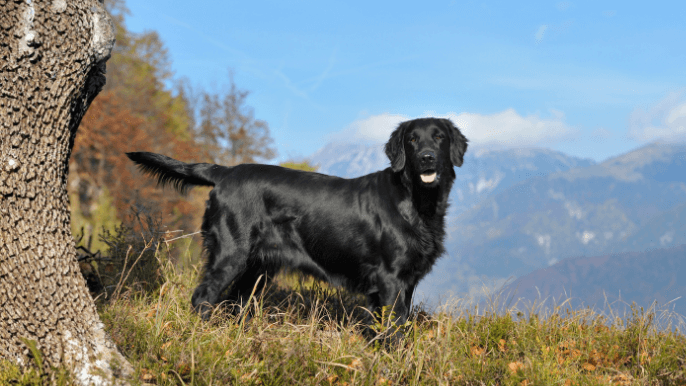 Flat-Coated Retriever Temperament: Superpowers and Kryptonite
Superpowers
🌟 Infectious joy: Flat-Coated Retriever Temperament radiates a happiness so persistent and genuine that it elevates the mood of everyone around the dog. Living with a Flat-Coat means living with optimism made physical.
🌟 Eternal youthfulness: The "Peter Pan" quality means Flat-Coated Retriever Temperament retains playful energy and enthusiasm well into the senior years, keeping the relationship fresh and fun throughout the dog's life.
🌟 Versatile sporting ability: The breed excels in retrieving, agility, obedience, and therapy work. Flat-Coated Retriever Temperament brings enthusiasm to every activity.
🌟 Elegant, moderate coat: The flat-lying coat with moderate feathering creates a sleek, beautiful appearance without extreme grooming demands.
🌟 Social warmth: Flat-Coated Retrievers are genuinely friendly with virtually everyone. Flat-Coated Retriever Temperament includes a universal friendliness that makes the breed an outstanding therapy and family dog.
🌟 Water enthusiasm: The breed is a natural and joyful swimmer with a water-resistant coat built for cold-water retrieving.
Kryptonite
⚠️ Cancer risk: The Flat-Coated Retriever has an unfortunately high incidence of cancer, particularly histiocytic sarcoma, which shortens the breed's average lifespan to approximately 8 to 10 years. This is the breed's most significant health reality.
⚠️ Persistent energy: Flat-Coated Retriever Temperament does not mellow with age the way other retriever breeds do. The puppy-like energy continues throughout life, demanding lifelong exercise commitment.
⚠️ Slow maturation: The breed matures slowly. Flat-Coated Retriever Temperament may not settle into anything resembling calm until age 3 to 5, and even then the "calm" is relative.
⚠️ Separation difficulty: Flat-Coated Retriever Temperament is profoundly people-oriented and does not tolerate extended isolation.
⚠️ Not a guard dog: The universal friendliness means this breed offers zero protective value. Every person is greeted as a potential friend.
⚠️ Never shave this coat: Shaving a double coated breed damages the coat structure and removes temperature regulation. Proper undercoat removal through brushing and the Coat Release Method is the correct approach.
FurHQ's Lifestyle Lens and Pro Insights
Flat-Coated Retrievers are a joy to groom because they bring genuine enthusiasm to the session. Flat-Coated Retriever Temperament on the grooming table is enthusiastic, cooperative, and often playful. Exercise before grooming is essential because a Flat-Coat that has not been exercised treats every tool as a potential toy.
The coat is one of the more manageable among feathered retriever breeds. The flat-lying body coat does not tangle the way more profuse coats do, and the moderate feathering requires less intensive attention than a Setter or Springer. The ears and chest are the priority areas. Pawfect Finish Coat Spray before every brush session keeps the feathering flowing.
Living with a Flat-Coated Retriever means embracing a dog that lives at full volume. Flat-Coated Retriever Temperament does not include a quiet mode. The grooming routine becomes a valuable bonding opportunity precisely because it is one of the few structured, calm moments in the daily rhythm.
The cancer risk is the conversation every prospective owner must have honestly. Flat-Coated Retriever Temperament is extraordinary, and losing that joy earlier than expected is the reality many owners face. Knowing this going in allows owners to appreciate every day fully. Regular grooming with thorough health monitoring becomes even more important for this breed, as early detection of lumps or changes can make a meaningful difference.
Focus brushing on the feathering - chest, legs, tail, and ears - where tangles form fastest. Regular comb checks keep the silky coat flowing and prevent hidden mats from forming near the skin.
Health and Lifespan: The FurHQ Touch Test
The Flat-Coated Retriever typically lives 8 to 10 years, shorter than most retriever breeds due to a high incidence of cancer. Regular health monitoring through grooming is especially important.
Regular grooming sessions serve as health assessments when you incorporate the FurHQ Touch Test. The feathered coat can conceal lumps and changes, making hands-on evaluation during every grooming session critical for this breed.
Cancer, particularly histiocytic sarcoma and lymphosarcoma, is the breed's most significant health concern. Monitoring for lumps, swellings, unexplained weight loss, and changes in energy during grooming provides early detection opportunity.
Flat-Coated Retriever Temperament typically masks discomfort with continued cheerfulness, making proactive monitoring essential. Hip dysplasia occurs in the breed, and monitoring gait provides early indicators.
Eye conditions including progressive retinal atrophy (PRA) and cataracts are concerns. Bloat is a risk in this deep-chested breed. Ear infections require regular monitoring with Ear Wipes. Patellar luxation affects some individuals.
Every grooming session is a conversation with your dog's body. The FurHQ 5-Step Method builds that conversation into your routine.
Related Breed Comparisons
If you are considering a Flat-Coated Retriever, these breeds share some characteristics but differ in important ways:
- Golden Retriever Temperament: Similar feathered coat and friendly temperament with a calmer, more settled adult personality. Shares the retrieving ability but with more coat volume and a longer average lifespan.
- Labrador Retriever Temperament: Comparable energy and friendliness with a short double coat requiring less grooming. Shares the sporting versatility but with a different coat type and more widely available breeding.
- Irish Setter Temperament: Similar elegance and energy with a comparable feathered coat. Shares the exuberant personality but with a pointer's heritage rather than a retriever's.
- Gordon Setter Temperament: Comparable coat type in a more serious, loyal temperament. Shares the elegance and feathering but with a calmer, more reserved personality.
Related Reading
Feathered Long Double Coat Grooming
Bathing and Drying
Comfort and Safety
- Dog Grooming Desensitisation
Matting and Coat Health
Tools and Products
Related Breed Blogs
- Golden Retriever Temperament
- Labrador Retriever Temperament
- Irish Setter Temperament
- Gordon Setter Temperament
The Bottom Line
Flat-Coated Retriever Temperament delivers infectious joy, eternal youthfulness, and genuine sporting ability in an elegant, sleekly coated package that rewards active owners with the happiest dog they will ever know. The energy demands are lifelong. The cancer risk demands honest acknowledgment. The coat demands consistent care. But the return is a companion whose joy is so genuine, so persistent, and so freely given that every day feels brighter for sharing it with this remarkable breed.
If you are ready for the commitment, the FurHQ Starter Grooming Kit: Feathered Long Double Coat gives you every tool and product you need. You have a system that works.
Learn the Method. Follow the Protocol. Complete the Mission.
You got this. And we've got you.
Variation Clarity Statement
Every dog is an individual. While this profile describes typical breed characteristics, your specific dog may vary based on genetics, breeding, socialisation, and individual temperament. Coat type can also vary within breeds. If you are unsure about your dog's coat type, use the FurHQ AI Coat Identifier to get accurate identification and the right kit recommendation.
FAQs
What is the Flat-Coated Retriever's coat type according to FurHQ?
The Flat-Coated Retriever is classified as a Feathered Long Double Coat in the FurHQ seven-coat system. The seven coat types are Smooth Single Coat, Short Double Coat, Medium Plush Double Coat, Feathered Long Double Coat, Wire Coat, Curly Wavy Coat, and Drop Coat. The flat-lying body coat with moderate feathering and weather-resistant undercoat places it in the feathered long double coat classification.
How often should I brush my Flat-Coated Retriever?
Brush two to three times per week with the Long-Pinned Slicker Brush. Use the Long Coat Carding Rake every two weeks alternating with the Deshedding Comb. During seasonal blow, increase to daily brushing. Exercise the dog first for best cooperation.
What tools does the FurHQ Starter Grooming Kit: Feathered Long Double Coat include?
The kit includes 11 items total. Standard items included in all FurHQ kits are the Stay Put System, Hush Pup Wrap, Rubber Curry, and Ear Wipes. Coat-specific products include Deep Clean Delight Shampoo, Coat-Quench Conditioner, and Pawfect Finish Coat Spray. Coat-specific tools include the Long-Pinned Slicker Brush, Coat-Appropriate Metal Comb, Deshedding Comb, and Long Coat Carding Rake.
Is the Flat-Coated Retriever good with children?
Flat-Coated Retriever Temperament is excellent with children. Their perpetual playfulness, sturdy build, and patient nature make them outstanding family dogs for households with children of all ages. The breed's youthful energy means they remain engaged playmates throughout their lives rather than losing interest as they age. Supervision is recommended with very young children due to the breed's exuberant nature, as their enthusiasm can accidentally knock over small children.
How much exercise does a Flat-Coated Retriever need daily?
The Flat-Coated Retriever requires at least 60 to 90 minutes of vigorous exercise daily, including running, swimming, retrieving games, and active play. This is a working retriever that maintains high energy throughout its life. Flat-Coated Retriever Temperament deteriorates without adequate exercise, manifesting as destructive behaviour, mouthiness, and restless energy. Swimming is an ideal activity, and participation in dog sports like agility, flyball, and dock diving provides excellent physical and mental stimulation.
Do Flat-Coated Retrievers shed a lot?
Yes, the undercoat produces moderate shedding year-round with increased volume during seasonal transitions. During seasonal coat blow, this is where the real coat work happens. The Coat Release Method for Dogs with Undercoat provides the most efficient approach.
How often should I bathe my Flat-Coated Retriever?
Every 4 to 6 weeks is appropriate for most Flat-Coats, using Deep Clean Delight Shampoo and Coat-Quench Conditioner. Active dogs that swim frequently should be rinsed with clean water after each swim, with full shampoo baths on the regular schedule. Always apply Pawfect Finish Coat Spray after bathing to maintain the flat-lying quality and protect the feathering.
Are Flat-Coated Retrievers easy to train?
Flat-Coated Retriever Temperament makes them intelligent, eager learners who respond enthusiastically to positive training methods. They are highly trainable but their perpetual puppy mentality means they can be easily distracted and slow to develop the focus of more serious breeds. Short, fun, varied training sessions produce the best results. The breed excels in obedience, agility, rally, and fieldwork when training is kept engaging.
What is the cancer risk in Flat-Coated Retrievers?
The Flat-Coated Retriever has a significantly elevated risk of cancer, particularly histiocytic sarcoma and hemangiosarcoma. Studies suggest the breed's cancer rate is among the highest of any dog breed, and these cancers contribute to the shorter average lifespan of 8 to 10 years. Regular veterinary monitoring, ideally every six months, and consistent at-home Touch Test checks for lumps, masses, or changes are essential. Prospective owners must understand and accept this reality before choosing the breed.
What health issues are common in the Flat-Coated Retriever?
Beyond the elevated cancer risk, the breed can experience hip dysplasia, patellar luxation, progressive retinal atrophy, glaucoma, bloat, and epilepsy. Regular veterinary examinations, health screening by reputable breeders, and the FurHQ Touch Test between visits support proactive health management. The breed's characteristically cheerful demeanour can mask pain and illness, making regular hands-on monitoring particularly important.
Why do Flat-Coated Retrievers never calm down?
The perpetual youthfulness is a fundamental characteristic of Flat-Coated Retriever Temperament, not a training failure or behavioural problem. The breed was developed for sustained, enthusiastic work in the field, and that drive and exuberance persist throughout their lives. Most breeds mellow significantly between ages three and five. The Flat-Coat maintains puppy-like enthusiasm well into senior years. This is the breed's defining trait and owners need to appreciate it as a feature rather than expect it to change.
How do I prevent matting in the feathered areas?
Prevention requires consistent line brushing with the Long-Pinned Slicker Brush through all feathered areas at every grooming session, followed by comb verification with the Coat-Appropriate Metal Comb. Apply Pawfect Finish Coat Spray before every dry brushing session. Pay particular attention to where the feathering transitions to the body coat, as this zone is where mats develop most readily on the Flat-Coat.
Is the Flat-Coated Retriever a good first dog?
Flat-Coated Retriever Temperament can work for dedicated first-time owners who are genuinely active and committed to training, but the breed's perpetual high energy and never-calming nature can overwhelm inexperienced handlers. The cancer risk also requires emotional preparedness that some first-time owners may find challenging. Active first-time owners who are committed to training classes and consistent exercise often do well. Those seeking a calmer introduction to dog ownership should consider a Golden Retriever or Labrador.
How is the Flat-Coated Retriever different from a Golden Retriever?
While both are feathered retrievers with people-oriented temperaments, key differences exist. Flat-Coated Retriever Temperament maintains puppy-like energy throughout life, while Goldens typically mellow with age. The Flat-Coat's coat lies flat and is slightly less demanding to maintain than the Golden's heavier furnishings. The Flat-Coat is generally more exuberant and slower to mature behaviourally. Unfortunately, the Flat-Coat also carries significantly higher cancer risk and a shorter average lifespan. Both breeds are excellent family dogs, but the Flat-Coat requires owners who embrace the forever-young personality.
How do I introduce my Flat-Coat puppy to grooming?
Use the breed's natural enthusiasm to your advantage. Flat-Coated Retriever Temperament during puppyhood is curious and food-motivated, making grooming introduction enjoyable. Keep sessions short and exciting with plenty of treats. Let the puppy investigate the tools. Use the Stay Put System for secure positioning and pair every grooming step with rewards. Channel the puppy's energy rather than fighting it. The breed's eagerness to engage makes grooming conditioning straightforward when sessions feel like a fun activity rather than a chore.
Where can I get the right grooming kit and education for my Flat-Coated Retriever?
Start with the FurHQ Starter Grooming Kit: Feathered Long Double Coat, which contains every tool and product your Flat-Coated Retriever needs. All FurHQ kits come with access to coat-type-specific video education that teaches you exactly how to use each tool and product with step-by-step guidance. You can explore all seven coat-type kits, individual products, and educational resources at the FurHQ Store:
How does Flat-Coated Retriever Temperament affect grooming?
Flat-Coated Retriever Temperament is cooperative and enthusiastic but requires exercise before grooming. A tired Flat-Coat settles quickly. A fresh one treats grooming as playtime. Use the Stay Put System for stability and keep sessions efficient.
How often should I bathe my Flat-Coated Retriever?
Bathe every 4 to 6 weeks using Deep Clean Delight Shampoo followed by Coat-Quench Conditioner. Always complete the Audit and Prep steps first, and dry thoroughly.
What tools and products are in the FurHQ Starter Grooming Kit: Feathered Long Double Coat?
The FurHQ Starter Grooming Kit: Feathered Long Double Coat contains 11 items. Coat-specific items: Deep Clean Delight Shampoo, Coat-Quench Conditioner, Long-Pinned Slicker Brush, Undercoat Depth Comb, Deshedding Comb, and Long Coat Carding Rake. Standard items: Stay Put System, Hush Pup Wrap, Rubber Curry, Ear Wipes, and Pawfect Finish Coat Spray.
How does the FurHQ 5-Step Method work for the Flat-Coated Retriever?
The FurHQ 5-Step Method (Audit, Prep, Bath, Dry, Finish) provides structured grooming with emphasis on health monitoring. Audit checks for lumps, skin changes, and debris. Prep uses the Long-Pinned Slicker Brush, Long Coat Carding Rake, Deshedding Comb, and Undercoat Depth Comb. Bath uses Deep Clean Delight Shampoo and Coat-Quench Conditioner. Finish applies Pawfect Finish Coat Spray before drying and during brush sessions.