
Labrador Retriever Temperament and Grooming Considerations
Table of Contents
- Introduction: The World's Most Popular Dog
- Breed Handling Profile
- Breed Purpose and Why It Matters for Labrador Retriever Temperament
- FurHQ Coat Type Breakdown
- Not Sure About Your Dog's Coat Type?
- Puppy Coat to Adult Coat Transition
- The FurHQ 5-Step Grooming Method: Technical Reality
- FurHQ Starter Grooming Kit Breakdown
- Labrador Retriever Temperament: Superpowers and Kryptonite
- FurHQ's Lifestyle Lens and Pro Insights
- Health and Lifespan: The FurHQ Touch Test
- Related Breed Comparisons
- Related Reading
- The Bottom Line
- Variation Clarity Statement
- FAQs
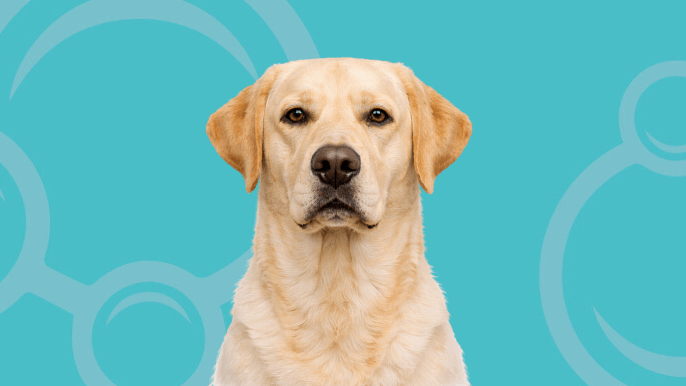 Introduction: The World's Most Popular Dog
Labrador Retriever Temperament is what happens when genuine friendliness, tireless enthusiasm, and a cooperative, biddable nature combine in the world's most popular breed for good reason.
Developed in Newfoundland, Canada, as a fisherman's working companion and later refined in England as a gundog, the Labrador Retriever is a breed whose temperament has made it the top choice for families, service work, search and rescue, and virtually every role where a reliable, friendly, willing dog is needed.
Understanding Labrador Retriever Temperament starts with recognising that the breed's popularity is earned by a genuinely outstanding temperament, not marketing.
These dogs are enthusiastically friendly. Labrador Retriever Temperament includes a genuine love of people, a cheerful willingness to cooperate, and an energy that sustains well into middle age. They greet everyone with tail-wagging enthusiasm, retrieve with inexhaustible joy, and approach life with an optimism that is both infectious and, during adolescence, occasionally exhausting.
The dense, short double coat is one of the breed's most practical features. Labrador Retriever Temperament and coat care connect because the manageable coat frees the owner to focus on exercise, training, and the breed's considerable food drive, while the dense undercoat produces shedding that is genuinely substantial and surprises many first-time Lab owners.

Let me tell you what you are really getting with a Labrador Retriever, because the breed's popularity means many people acquire Labs without understanding the full picture.
The Labrador Retriever is an outstanding dog. Labrador Retriever Temperament is genuinely friendly, cooperative, and willing. There is a reason this breed dominates service work, therapy, search and rescue, and family companionship. The temperament is excellent. What surprises new owners is the energy, the shedding, and the food obsession.
Now let's talk grooming . Honestly.
The short double coat on this breed looks simple but sheds more than most people expect. Dense, water-resistant outer coat lying close to a thick undercoat. The coat sheds constantly at a moderate level year-round and then produces two seasonal blows that are genuinely substantial. For a breed marketed as "low-maintenance," the shedding reality catches many owners off guard. Brushing two to three times per week with the Medium-Pinned Slicker Brush. Short-Medium Coat Carding Rake every two weeks. During blow, daily sessions are necessary.
This breed is NOT for you if:
- You cannot provide 60 to 90 minutes of vigorous daily exercise
- You want a low-shedding or hypoallergenic breed
- You cannot manage a food-obsessed dog around food access
- You expect calm behaviour before age 2 to 3
- You want a guard dog or protective breed
Because Labrador Retriever Temperament includes:
- High energy requiring substantial daily exercise well into middle age
- Significant year-round shedding with two major seasonal blows
- A food obsession that creates obesity risk without strict management
- Prolonged adolescence with sustained boisterous energy
- Zero guard dog instinct (friendly with absolutely everyone)
This breed IS for you if:
- You want the most reliably friendly, cooperative family dog in the world
- You are active and want an enthusiastic exercise, swimming, and retrieving partner
- You can manage the shedding with consistent grooming
- You appreciate a trainable, willing, genuinely good-natured companion
- You want a breed that excels at virtually any task from service work to field sports
Labrador Retriever Temperament rewards active, engaged owners with a companion whose friendliness is legendary, whose willingness is genuine, and whose enthusiastic, joyful approach to life makes every day better.
Provide the exercise. Manage the food. Maintain the coat through the blow.
Do that, and you will share your life with the breed that earned its place as the most popular dog in the world through genuine merit.
Breed Handling Profile
| Trait | Level | Notes |
|---|---|---|
| Emotional sensitivity | Moderate | Resilient and good-natured; responsive to positive training |
| Handling tolerance | Very High | Among the most cooperative breeds during grooming |
| Grooming commitment | Moderate | Short double coat manageable but sheds substantially |
| Exercise needs | High to Very High | Needs 60 to 90 minutes of vigorous daily exercise |
| Alone time tolerance | Moderate | Social but tolerates reasonable alone time |
| Best fit household | Active families committed to daily exercise and weight management |
Breed Purpose and Why It Matters for Labrador Retriever Temperament
The Labrador Retriever was developed from the St. John's Water Dog of Newfoundland, Canada, where fishermen used the breed to retrieve fish, haul nets, and assist in the fishing trade. English sportsmen imported the dogs in the early 19th century and refined the breed as a gundog for retrieving shot game, particularly waterfowl. The water-resistant double coat was developed for working in the cold North Atlantic waters.
Labrador Retriever Temperament reflects this water-retrieving working heritage directly. The enthusiasm for water, the soft mouth, the cooperative willingness, the tireless energy, and the genuine desire to work with a handler all trace to a breed designed to work alongside humans in demanding conditions. When your Labrador retrieves with inexhaustible joy, swims with powerful enthusiasm, and carries objects gently in a soft mouth, that is North Atlantic working heritage expressing itself.
FurHQ Coat Type Breakdown
The Labrador Retriever wears a Short Double Coat as classified in the FurHQ seven-coat system. This coat type features a short, dense, water-resistant outer coat lying close to a thick, insulating undercoat.
The Labrador Retriever's coat is among the densest in the short double coat category. The water-resistant outer coat has a slightly harsh, weather-proof texture. The undercoat is thick, soft, and designed for insulation in cold water. This combination produces the substantial shedding that surprises many first-time owners. The coat comes in three colours: black, yellow (ranging from cream to fox-red), and chocolate.
The Medium-Pinned Slicker Brush maintains the body coat and lifts dead undercoat. The Undercoat Depth Combverifies thorough undercoat removal. The Short-Medium Coat Carding Rake extracts dead undercoat. The Rubber Curry serves as a bathing tool and provides excellent dead coat removal during bathing.
The recommended kit is the FurHQ Starter Grooming Kit: Short Double Coat.
Not Sure About Your Dog's Coat Type?
Not every dog fits neatly into one coat category, and that is completely normal. Coat type determines the correct tools, products, and techniques for effective grooming, and getting it right matters for coat health and comfort. This is especially true for mixed breeds or dogs whose coat may vary from expectations.
Use the FurHQ AI Coat Identifier to find out your dog's coat type and get matched to the right FurHQ Starter Grooming Kit. Simply upload a photo and receive an accurate classification with a personalised kit recommendation.
Puppy Coat to Adult Coat Transition
Labrador Retriever puppies develop their adult double coat between 6 and 14 months. The undercoat density increases progressively, and shedding patterns establish as the adult coat fills in. The coat transition is relatively straightforward compared to longer-coated breeds, though increased brushing helps manage the developing undercoat.
Start gentle handling from 8 weeks. Labrador Retriever Temperament in puppyhood is enthusiastic and mouthy. Use Pawfect Finish Coat Spray after bathing and when dry brushing. The FurHQ 5-Step Method provides structure for building the routine.
The FurHQ 5-Step Grooming Method: Technical Reality
The FurHQ 5-Step Method (Audit, Prep, Bath, Dry, Finish) applies to this coat type with emphasis on undercoat management and consistent shedding control through regular maintenance sessions.
Learn the Method. Follow the Protocol. Complete the Mission.
Setup and Stability
Secure the dog using the Stay Put System (suction cup anchor + safety lead). For anxious dogs, the Hush Pup Wrap provides calming compression. Short double coats benefit from efficient, consistent sessions that manage the dense undercoat before it becomes packed.
Tools and Technique
Audit: Begin every session by running your hands over the entire body. Feel for areas of packed undercoat, particularly along the hindquarters, ruff, and behind the ears. Check for skin irritation beneath the dense coat.
Prep: Use the Medium-Pinned Slicker Brush to work through the coat section by section, lifting and brushing through to the skin. Use the Rubber Curry for loosening surface coat. Apply Pawfect Finish Coat Spray before drying to provide slip and protect the coat. Use the Undercoat Depth Comb to verify brushing has reached the skin. The Short to Medium Coat Carding Rake removes dead undercoat efficiently, used once every two weeks maximum.
Bath: Use Rubber Curry during bathing for thorough skin stimulation and to loosen compacted undercoat. Full saturation to the skin is critical on a dense short double coat. Rinse thoroughly.
Dry: Towel dry thoroughly. Use a dryer to blow out remaining loose undercoat as it dries. Apply Pawfect Finish Coat Spray pre-dry for protection. A brush-through during drying removes significant additional undercoat.
Finish: Final pass with the Undercoat Depth Comb to verify the coat is free of loose undercoat and dry to the skin. Assess overall coat condition and skin health.
Blow-out season is where the real coat work lives. Stay ahead of undercoat release early, and the rest of the year stays easy.
Chemistry and Coat Care
Deep Clean Delight Shampoo provides a deep cleanse that reaches through the dense undercoat to the skin. Coat-Quench Conditioner supports skin comfort and coat health without over-softening the guard coat.
The Coat Release Method (Condensed)
Short double coats carry dense undercoat that releases seasonally in significant volume. During the Bath step, after full saturation and shampoo application, use controlled airflow in the tub while the coat is still lathered.
The lubrication allows dead undercoat to release safely without friction or skin trauma. Rinse, then apply a second shampoo with the Rubber Curry to complete the release. This keeps dead coat contained in the tub rather than spread across your home. For the full step-by-step process, see The Coat Release Method for Dogs with Undercoat in Related Reading.
FurHQ Starter Grooming Kit Breakdown
The FurHQ Starter Grooming Kit: Short Double Coat is recommended for the Labrador Retriever.
Standard Items (included in all FurHQ kits):
- Stay Put System (suction cup anchor + safety lead + training tips)
- Hush Pup Wrap
- Rubber Curry (for bathing)
- Ear Wipes
- Pawfect Finish Coat Spray
Coat-Specific Items:
- Deep Clean Delight Shampoo
- Coat-Quench Conditioner
- Medium-Pinned Slicker Brush
- Undercoat Depth Comb
- Short-Medium Coat Carding Rake
Total: 10 items
Each kit includes step-by-step video tutorials and informational PDFs so you know exactly how to use every tool and product for the Labrador Retriever coat.
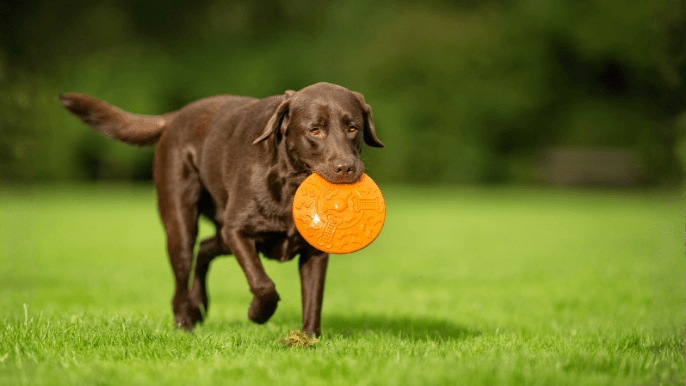 Labrador Retriever Temperament: Superpowers and Kryptonite
Superpowers
🌟 Legendary friendliness: Labrador Retriever Temperament is the gold standard for genuine, reliable friendliness with people, children, other dogs, and virtually every living thing.
🌟 Outstanding trainability: The breed's willingness to cooperate and eagerness to please make training straightforward and rewarding for owners of all experience levels.
🌟 Versatile capability: Excels at family companionship, service work, therapy, search and rescue, field sports, and virtually any role requiring a reliable, willing dog.
🌟 Water excellence: The water-resistant coat and powerful swimming ability make the Lab an outstanding water companion.
🌟 Cooperative grooming: Labrador Retriever Temperament is among the most cooperative of any breed during grooming.
🌟 Resilient good nature: The breed's cheerful, optimistic temperament is remarkably consistent and resilient.
Kryptonite
⚠️ Substantial shedding: The dense double coat sheds year-round and produces two major seasonal blows. Lab hair on everything is a lifestyle reality.
⚠️ Food obsession: Labrador Retriever Temperament includes an insatiable appetite. Obesity is the breed's most common health problem and requires strict food management.
⚠️ Prolonged adolescence: The breed retains boisterous puppy energy through age 2 to 3. The large body and sustained enthusiasm can be overwhelming.
⚠️ Mouthy behaviour: Labrador Retriever Temperament includes a need to carry and chew. Destructive chewing without appropriate outlets is common through adolescence.
⚠️ Exercise demands: The breed needs 60 to 90 minutes of vigorous daily exercise well into middle age.
⚠️ Never shave this coat: Shaving a double coated breed damages the coat structure and removes water resistance and temperature regulation. Proper undercoat removal is the correct approach.
FurHQ's Lifestyle Lens and Pro Insights
Labrador Retrievers are groomed more than any other breed because they are the most popular breed in the world and appear on grooming tables constantly. Labrador Retriever Temperament is consistently the most cooperative, the most cheerful, and the most good-natured of any breed. They wiggle with happiness, accept everything, and make the session easy.
The shedding surprises every first-time Lab owner. The short coat looks manageable, and between blows it is. Then the seasonal blow arrives and the undercoat releases in volumes that fill vacuum bags. During blow, groom outside when possible. The Rubber Curry is particularly effective during bathing because it releases enormous amounts of dead undercoat while the water opens the coat.
The weight check is the most important part of the Audit step for every Lab. Feel the ribs. If they cannot be felt easily with light pressure, the dog is overweight. Labrador Retriever Temperament includes a food obsession that is genuine and relentless. Obesity is the single most common health problem in Labs and it shortens lives significantly. Every grooming session should include a body condition assessment.
During bathing, the Rubber Curry releases extraordinary amounts of dead undercoat while the water opens the coat. This combination removes more dead coat in one bath than several dry brushing sessions.
Health and Lifespan: The FurHQ Touch Test
The Labrador Retriever typically lives 10 to 12 years. Regular health monitoring through grooming supports early detection.
Regular grooming sessions serve as health assessments when you incorporate the FurHQ Touch Test. The short coat makes the body accessible. Labrador Retriever Temperament is cooperative during examinations.
Obesity is the breed's most common health concern and the most important condition to monitor during grooming through body condition assessment. Hip and elbow dysplasia are significant breed concerns. Exercise-induced collapse (EIC) is a breed-specific condition causing weakness after intense exercise. Progressive retinal atrophy and cataracts are eye concerns. Ear infections require monitoring due to the pendant ears. Bloat (GDV) is a concern in deep-chested dogs. Laryngeal paralysis may affect older Labs. Cancer, particularly lymphoma and mast cell tumours, occurs at higher rates in Labs than many breeds.
Every grooming session is a conversation with your dog's body. The FurHQ 5-Step Method builds that conversation into your routine.
Related Breed Comparisons
If you are considering a Labrador Retriever, these breeds share some characteristics but differ in important ways:
- Golden Retriever Temperament: Comparable friendly sporting breed with a longer coat. Shares the friendliness and trainability but with a feathered long double coat requiring more grooming.
- German Shorthaired Pointer Temperament: Similar athletic sporting breed with comparable energy. Shares the enthusiasm but with more independence and higher exercise demands.
- Flat-Coated Retriever Temperament: Similar retriever with a longer coat and more exuberant temperament. Shares the friendliness but with more sustained puppy-like energy and a feathered coat.
- English Springer Spaniel Temperament: Comparable friendly sporting breed in a smaller package. Shares the enthusiasm and trainability but with a feathered coat and slightly less size.
Related Reading
Short Double Coat Grooming
Comfort and Safety
- Dog Grooming Desensitisation
Tools and Products
Related Breed Blogs
- Golden Retriever Temperament
- German Shorthaired Pointer Temperament
- Flat-Coated Retriever Temperament
- English Springer Spaniel Temperament
The Bottom Line
Labrador Retriever Temperament delivers legendary friendliness, outstanding trainability, and genuine versatility in the breed that earned its place as the world's most popular dog through merit. The shedding is substantial. The food obsession requires strict management. The prolonged adolescence demands patience. But the return is a companion whose friendliness is the gold standard, whose willingness makes every activity a shared joy, and whose cheerful, optimistic nature makes life genuinely better.
If you are ready for the commitment, the FurHQ Starter Grooming Kit: Short Double Coat gives you every tool and product you need. You have a system that works.
Learn the Method. Follow the Protocol. Complete the Mission.
You got this. And we've got you.
Variation Clarity Statement
Every dog is an individual. While this profile describes typical breed characteristics, your specific dog may vary. The Labrador Retriever comes in three colours: black, yellow, and chocolate. All three share the same coat type and grooming needs. Field-bred (working) Labs tend to be leaner and higher-energy than show-bred Labs. If you are unsure about your dog's coat type, use the FurHQ AI Coat Identifier to get accurate identification and the right kit recommendation.
FAQs
What coat type does the Labrador Retriever have?
The Labrador Retriever has a Short Double Coat in the FurHQ seven-coat system. The seven coat types are Smooth Single Coat, Short Double Coat, Medium Plush Double Coat, Feathered Long Double Coat, Wire Coat, Curly Wavy Coat, and Drop Coat.
What is Labrador Retriever Temperament like?
Labrador Retriever Temperament is friendly, outgoing, and eager to please. They are social dogs who generally get along well with everyone, including strangers, children, and other animals. Their trainability and good nature have made them the most popular breed in many countries and excellent choices for service, therapy, and family companionship.
How often should I brush my Labrador Retriever?
Brush two to three times per week with the Medium-Pinned Slicker Brush. Use the Short-Medium Coat Carding Rake every two weeks. During seasonal blow, daily sessions are necessary. Labrador Retriever Temperament is cooperative throughout.
Do Labrador Retrievers shed a lot?
Yes, Labrador Retrievers shed heavily. Their dense double coat sheds year-round with dramatic seasonal blows twice yearly. Regular brushing manages shedding but does not eliminate it. Expect to find yellow, black, or chocolate hair on furniture, clothing, and throughout your home. Good vacuuming habits are essential.
How long do Labrador Retrievers live?
Labrador Retrievers typically live 10 to 12 years when properly cared for. Maintaining healthy weight is particularly important for longevity, as obesity exacerbates joint problems and other health issues. Regular exercise, appropriate diet, and veterinary care support a long, healthy life.
Are Labrador Retrievers good with children?
Labrador Retrievers are generally excellent family dogs who are patient and playful with children. Their friendly, gentle nature makes them wonderful companions for kids of all ages. Supervision with young children is recommended due to their size and enthusiasm, as they may accidentally knock over small children during play.
Do Labrador Retrievers need a lot of exercise?
Yes, Labrador Retrievers have high exercise needs. They require one to two hours of vigorous activity daily, including running, swimming, fetching, or other active play. Without adequate exercise, they may become destructive, hyperactive, or obese. Their exercise needs decrease somewhat with age but remain substantial throughout life.
How big do Labrador Retrievers get?
Adult Labrador Retrievers typically weigh 55 to 80 pounds (25 to 36 kg), with males generally larger than females. Height at the shoulder ranges from 21.5 to 24.5 inches (55 to 62 cm). English (show) type Labs tend to be stockier, while American (field) type Labs tend to be leaner.
Are Labrador Retrievers easy to train?
Yes, Labrador Retrievers are highly trainable due to their intelligence and eagerness to please. They respond excellently to positive reinforcement methods and are quick learners. Their trainability makes them top choices for service work, search and rescue, and competitive obedience. Consistent training from puppyhood yields excellent results.
Are Labrador Retrievers good apartment dogs?
Labrador Retrievers can adapt to apartment living if their substantial exercise needs are met. However, their size, energy level, and shedding make houses with yards more suitable. Apartment dwellers must commit to multiple daily exercise sessions and accept significant shedding in limited space.
Do Labrador Retrievers bark a lot?
Labrador Retrievers are not typically excessive barkers. They may bark to alert to visitors or during play, but they are generally quieter than many breeds. Some Labs are more vocal than others. A well-exercised Lab with adequate attention is usually a calm household member.
Why do Labrador Retrievers need ear care?
Labrador Retrievers have floppy ears that trap moisture, especially after swimming. This warm, moist environment is prone to bacterial and yeast infections. Regular ear cleaning with Ear Wipes and thorough drying after water exposure are essential. Signs of ear problems include odour, discharge, scratching, and head shaking.
What colours do Labrador Retrievers come in?
Labrador Retrievers come in three recognised colours: black, yellow, and chocolate. Yellow Labs range from pale cream to rich fox red. All three colours can appear in the same litter depending on genetic factors. The colour does not affect temperament or ability.
Do Labrador Retrievers like water?
Yes, most Labrador Retrievers love water. They were bred as water retrievers and have webbed feet, water-resistant coats, and otter-like tails that aid swimming. Many Labs will seek out any water opportunity. This means frequent wet dog situations and the importance of proper drying, especially of the ears.
How does Labrador Retriever Temperament affect grooming?
Labrador Retriever Temperament is among the most cooperative of any breed during grooming. The breed is cheerful, willing, and good-natured. Exercise before grooming reduces the wiggly enthusiasm.
How often should I bathe my Labrador Retriever?
Bathe every 6 to 8 weeks using Deep Clean Delight Shampoo followed by Coat-Quench Conditioner. Use the Rubber Curry during bathing for maximum dead coat removal.
What tools and products are in the FurHQ Starter Grooming Kit: Short Double Coat?
The FurHQ Starter Grooming Kit: Short Double Coat contains 10 items. Coat-specific items: Deep Clean Delight Shampoo, Coat-Quench Conditioner, Medium-Pinned Slicker Brush, Undercoat Depth Comb, and Short-Medium Coat Carding Rake. Standard items: Stay Put System, Hush Pup Wrap, Rubber Curry, Ear Wipes, and Pawfect Finish Coat Spray.
How does the FurHQ 5-Step Method work for the Labrador Retriever?
The FurHQ 5-Step Method (Audit, Prep, Bath, Dry, Finish) requires exercise first. Audit includes body condition assessment (rib check). Prep uses the Medium-Pinned Slicker Brush, Short-Medium Coat Carding Rake, and Undercoat Depth Comb. Bath uses Deep Clean Delight Shampoo and Coat-Quench Conditioner with the Rubber Curry. Finish applies Pawfect Finish Coat Spray.
What FurHQ Starter Grooming Kits are available?
FurHQ offers seven coat-specific kits: FurHQ Starter Grooming Kit: Smooth Single Coat, FurHQ Starter Grooming Kit: Short Double Coat, FurHQ Starter Grooming Kit: Medium Plush Double Coat, FurHQ Starter Grooming Kit: Feathered Long Double Coat, FurHQ Starter Grooming Kit: Wire Coat, FurHQ Starter Grooming Kit: Curly Wavy Coat, and FurHQ Starter Grooming Kit: Drop Coat. Use the FurHQ AI Coat Identifier for accurate classification or visit the FurHQ Store.