

FurHQ offers seven coat-specific kits to match every coat type: FurHQ Starter Grooming Kit: Smooth Single Coat, FurHQ Starter Grooming Kit: Short Double Coat, FurHQ Starter Grooming Kit: Medium Plush Double Coat, FurHQ Starter Grooming Kit: Feathered Long Double Coat, FurHQ Starter Grooming Kit: Wire Coat, FurHQ Starter Grooming Kit: Curly Wavy Coat, and FurHQ Starter Grooming Kit: Drop Coat. If you are unsure which kit is right for your dog, use the FurHQ AI Coat Identifier to get a personalised recommendation, or visit the FurHQ Store to explore all options.
American Akita Temperament and Grooming Considerations
By Mondo Fluffarino | FurHQ Blog Author & Chief Education Officer
Table of Contents
- Introduction: Power, Loyalty, and Unshakeable Conviction
- Breed Handling Profile
- Breed Purpose and Why It Matters for American Akita Temperament
- FurHQ Coat Type Breakdown
- Not Sure About Your Dog's Coat Type?
- Puppy Coat to Adult Coat Transition
- The FurHQ 5-Step Grooming Method: Technical Reality
- FurHQ Starter Grooming Kit Breakdown
- Superpowers 🦸
- Kryptonite ⚠️
- FurHQ's Lifestyle Lens and Pro Insights
- Health and Lifespan: The FurHQ Touch Test
- Related Breed Comparisons
- Related Reading
- The Bottom Line
- Important Note About Individual Dogs
- FAQs
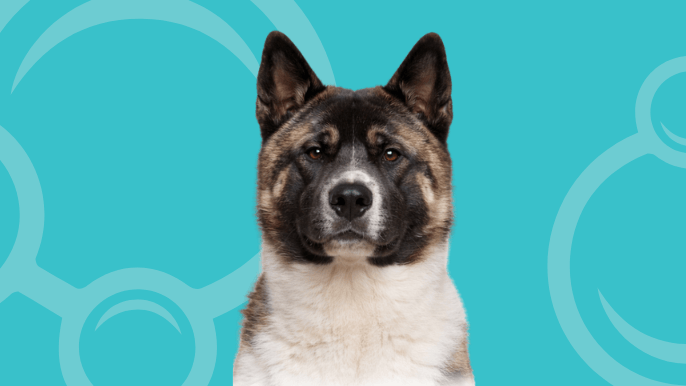
Introduction: Power, Loyalty, and Unshakeable Conviction
American Akita Temperament is what happens when a powerful Japanese guardian breed crosses the Pacific and is selectively bred for size, substance, and an even more formidable presence.
Descended from the ancient Akita Inu of Japan but developed along a distinctly different path in North America, the American Akita is larger, heavier-boned, and broader-headed than its Japanese counterpart, with a temperament that matches that physical intensity.
Understanding American Akita Temperament begins with accepting that this is a guardian breed to its core. The American Akita was not designed to be universally friendly.
It was designed to protect, to assess threats with calm intelligence, and to act decisively when it determines action is warranted. That protective wiring influences every interaction this dog has with the world, from how it greets strangers to how it responds to grooming tools.
American Akita Temperament is not for owners who want an easygoing companion that loves everyone. The dense medium plush double coat sheds heavily year-round with dramatic seasonal blowouts that require serious commitment.
The combination of guardian instinct, physical power, independent thinking, and demanding coat maintenance creates a breed that rewards experienced, confident ownership with a loyalty so deep it becomes the defining relationship of your household. Owners who understand what they are getting into find the American Akita unmatched. Those who underestimate the commitment find themselves overwhelmed.
This is Mondo, and I need you to hear something about the American Akita before we go any further.
This dog will lay down its life for you. That is not hyperbole. That is the defining characteristic of American Akita Temperament, and everything else about this breed flows from that single truth. The loyalty of an American Akita is absolute, unwavering, and directed with laser precision at the family it has claimed as its own.
When an Akita decides you are its person, you have a protector, a companion, and a presence in your home that changes the energy of every room it enters. There is a weight to the bond this breed forms that is difficult to describe until you have experienced it. It is quiet. It is constant. It is fierce.
The emotional reward of living with an American Akita is profound. These dogs communicate with a subtlety that demands you pay attention. The slight shift in posture when a stranger approaches. The soft lean against your leg when the household settles for the evening.
The steady, calm gaze that says more than most dogs communicate in an entire day of barking and tail-wagging. American Akita Temperament does not deal in excess. Every gesture is measured, intentional, and meaningful. Earning the trust of an Akita is not something that happens quickly or easily, and that is precisely what makes it valuable.
But here is the reality that too many new owners discover too late. That same fierce loyalty creates a dog that does not tolerate threats, real or perceived, with patience. American Akita Temperament includes a same-sex aggression tendency that is not a training flaw but a breed characteristic that requires lifelong management.
The protectiveness that makes this dog extraordinary also means it is naturally suspicious of strangers and may not welcome guests the way you expect. The independence that gives the Akita its dignified bearing also means this dog does not take orders from people it does not respect. You will not bully an American Akita into compliance. You will earn cooperation through consistency, fairness, and the kind of calm leadership that this breed recognises and respects.
Which brings us to grooming.
American Akita Temperament during grooming reflects the breed's core personality: cooperative when trust exists, resistant when it does not. These dogs do not enjoy being fussed over, and they have the size and strength to make their displeasure known.
But an Akita that trusts its owner and has been properly introduced to the grooming routine will stand with remarkable patience through even extended sessions. The key is building that trust early, maintaining consistent routines, and never turning a grooming session into a power struggle.
The dense medium plush double coat demands regular attention, and American Akita Temperament means that how you approach grooming matters as much as how often you do it.
So let's talk about alignment.
This breed is not for you if:
- You are a first-time dog owner without guardian breed experience
- You want a dog that is friendly and welcoming to all visitors
- You have small animals in your home that cannot be safely separated
- You are not prepared for significant daily grooming and seasonal blowout marathons
- You need a dog that responds immediately and eagerly to every command
This breed is for you if:
- You have experience with large, powerful, independent breeds
- You value unwavering loyalty over universal friendliness
- You can provide calm, confident leadership without relying on force
- You are committed to daily coat management as a non-negotiable
- You understand that this breed's protectiveness is a feature that requires responsible management
Now that you understand the temperament foundation, let's look at what this really means day to day.
Breed Handling Profile
| Trait | Level | Notes |
|---|---|---|
| Emotional sensitivity | Low to Moderate | Confident and self-possessed. Not reactive to handler mood. |
| Handling tolerance | Moderate | Tolerates grooming from trusted family. May resist strangers. |
| Grooming commitment | High | Dense medium plush double coat. Heavy seasonal blows. Regular maintenance. |
| Exercise needs | Moderate | Needs daily activity but not extreme endurance exercise. |
| Alone time tolerance | High | Independent breed comfortable with reasonable solitude. |
| Best fit household | Experienced owners with guardian breed knowledge. Single-dog or opposite-sex pairs. |
Breed Purpose and Why It Matters for American Akita Temperament
The American Akita descends from the Akita Inu of Japan, a breed that served as a guardian of nobility and a hunter of large game including bears, boar, and elk. After World War II, American servicemen brought Akitas home, and American breeders developed a larger, more heavily boned dog than the Japanese original. The American Akita became a distinct breed with an emphasis on size, power, and guardian capability.
This heritage shapes every aspect of American Akita Temperament. The guardian instinct is not trained, it is inherited. The independence reflects a dog that was bred to make life-or-death decisions about threats. The same-sex dog aggression reflects a breed with strong pack hierarchy instincts. The coat is a practical survival system designed for harsh climates.
FurHQ Coat Type Breakdown
The American Akita carries a Medium Plush Double Coat. Within the FurHQ seven-coat system, this coat type features a dense, plush coat that stands off the body with a thick undercoat packed against the skin.
The Medium-Pinned Slicker Brush reaches through the dense coat to the skin. The Undercoat Depth Comb verifies brushing and manages the thick undercoat. The Short-Medium Coat Carding Rake removes bulk undercoat during seasonal blows.
The recommended kit is the FurHQ Starter Grooming Kit: Medium Plush Double Coat.
Not Sure About Your Dog's Coat Type?
Not every dog fits neatly into one coat category, and that is completely normal. Some American Akitas from certain lines carry a longer coat known as a "woolly" or "long coat" Akita, which may qualify as Feathered Long Double Coat. Standard coat Akitas are Medium Plush Double Coat.
Use the FurHQ AI Coat Identifier to find out your dog's coat type and get matched to the right FurHQ Starter Grooming Kit. Simply upload a photo, and the tool provides a personalised kit recommendation based on your dog's actual coat.
Puppy Coat to Adult Coat Transition
American Akita puppies are born with a softer, fluffier coat that begins transitioning to the dense adult double coat between 6 and 14 months. The undercoat thickens significantly during the first winter, and the first seasonal coat blow can be dramatic. The adult coat is denser, coarser, and stands off the body more prominently.
Begin regular brushing during the transition to establish the habit and manage the increasing undercoat density. American Akita Temperament during puppyhood is more receptive to handling than in adulthood, making this the critical window for positive grooming experiences. The FurHQ 5-Step Method provides essential structure during this period. Establishing grooming trust early prevents the resistance that develops when an adult Akita encounters grooming for the first time.
The FurHQ 5-Step Grooming Method: Technical Reality
The FurHQ 5-Step Method (Audit, Prep, Bath, Dry, Finish) applies to this coat type with emphasis on managing the plush, standoff coat and preventing undercoat from compacting against the skin.
Learn the Method. Follow the Protocol. Complete the Mission.
Setup and Stability
Secure the dog using the Stay Put System (suction cup anchor + safety lead). For anxious dogs, the Zen Wrap provides calming compression. Medium plush double coats require thorough sessions that work through the dense, standoff texture to the skin.
Tools and Technique
Audit: Begin every session with a full hands-on health check. Run your hands over the entire body feeling for lumps, bumps, and skin changes. Check nail condition and length. For breeds prone to dental issues, check the teeth and gums. Check inside the ears for redness, odour, or buildup.
Then assess coat condition. The plush texture can feel full and healthy on the surface while hiding compacted undercoat beneath. Part the coat and feel at the skin level, particularly along the hindquarters, ruff, chest, and behind the ears.
Prep: Brush through the coat to remove loose coat and tangles before the bath. Use the Medium-Pinned Slicker Brush to work through any areas of resistance identified during the Audit.
Bath: Use Rubber Curry during bathing for skin stimulation and to work shampoo through the dense coat. Full saturation to the skin is critical because the plush coat repels water. Rinse thoroughly.
Dry: Towel dry thoroughly. Use a dryer with a brush-through to lift and separate the coat as it dries. Significant undercoat blows out during this step. Dry thoroughly to the skin.
Finish: This is where the detailed tool work happens. Use the Medium-Pinned Slicker Brush to work through the entire coat section by section. Apply Pawfect Finish Coat Spray for slip and protection.
Use the Short to Medium Coat Carding Rake to remove dead undercoat, once every two weeks maximum. Verify with the Undercoat Depth Comb to confirm the coat is free of loose undercoat, dry to the skin, and standing off the body properly. Assess overall coat condition.
Blow-out season is where the real coat work lives. Stay ahead of undercoat release early, and the rest of the year stays easy.
Chemistry and Coat Care
Deep Clean Delight Shampoo provides a deep cleanse that penetrates the dense plush coat to the skin. Coat-Quench Conditioner supports skin comfort and coat health while maintaining the coat's natural standoff texture. Pawfect Finish Coat Spray is a natural formulation that protects, nourishes, and conditions the hair, leaving it soft, shiny.
On medium plush double coats, it serves as an anti-static spray that controls flyaway hair during shedding, decreases drying times, and repels dirt. Use it during the Finish step for slip and protection, and between grooming sessions to keep the coat fresh.
The Coat Release Method (Condensed)
The Coat Release Method is an 8-step process built into the Bath phase that removes trapped undercoat while the coat is lubricated, keeping dead coat contained in the tub rather than spread across your home.
Steps 1 to 3 — Saturation, Shampoo, and Release: Thoroughly wet the coat to the skin. Apply coat-matched shampoo, focusing on skin contact rather than surface foam. With shampoo still in the coat, use controlled airflow in the tub, working section by section. The lubrication allows dead undercoat to release safely without friction or skin trauma. This airflow phase is the core of the Coat Release Method.
Step 4 — Rinse: Rinse thoroughly to flush out all released coat, shampoo, and debris before continuing.
Steps 5 and 6 — Second Shampoo and Rinse: Apply shampoo again with controlled mechanical assist. Use the Rubber Curry as the default tool to move shampoo to the skin and encourage final release. If dense coat remains and additional help is needed, a slicker brush with feather-light pressure and short, controlled strokes can be used. If skin begins to pink, stop immediately. Rinse completely until the coat is clean and residue-free.
Steps 7 and 8 — Condition and Final Rinse: Condition the coat with placement adjusted by coat type. Release without restore equals damage. Rinse thoroughly until the coat feels clean and balanced, not slick.
For the full step-by-step process, see The Coat Release Method for Dogs with Undercoat in Related Reading.
FurHQ Starter Grooming Kit Breakdown
The FurHQ Starter Grooming Kit: Medium Plush Double Coat contains 10 items:
Coat-Specific Items (5):
- Deep Clean Delight Shampoo: Thorough cleaning for medium plush double coats
- Coat-Quench Conditioner: Skin hydration and undercoat conditioning
- Medium-Pinned Slicker Brush: Working through the plush double coat
- Undercoat Depth Comb: Undercoat release verification and density checks
- Short-Medium Coat Carding Rake: Dead undercoat removal
Standard Items (5, included in every kit):
- Stay Put System (suction cup anchor + safety lead)
- Zen Wrap
- Rubber Curry (for bathing and dry brushing/skin stimulation)
- Ear Wipes
- Pawfect Finish Coat Spray
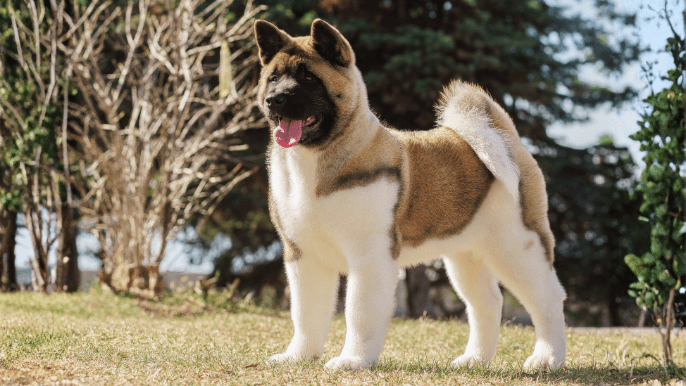 Superpowers 🦸
🛡️ Unmatched Loyalty and Protection American Akita Temperament produces one of the most devoted guardian bonds in the dog world. When an Akita claims you as family, the commitment is total. These dogs will position themselves between you and anything they perceive as a threat without hesitation. The loyalty is not performative. It is instinctive, absolute, and operates around the clock.
🧠 Calm, Calculating Intelligence American Akita Temperament includes an intelligence that is observational and strategic rather than performative. These dogs assess situations with a calmness that belies the power behind it. They watch, process, and respond with deliberate precision. The intelligence is not about learning tricks. It is about reading environments and making decisions with remarkable accuracy.
🤫 Dignified Quiet Unlike many large breeds, American Akita Temperament is naturally reserved and quiet. These dogs do not bark excessively or demand attention through noise. When an Akita does bark, it means something. The quiet confidence creates a household presence that is calming rather than chaotic, and many owners describe the Akita as bringing a sense of grounded stability to their home.
🐻 Imposing Physical Presence The American Akita's size, broad head, and confident bearing create a visual deterrent that requires no aggression. American Akita Temperament paired with this physical presence means your home has a natural security system that operates simply by existing. The breed's reputation precedes it, and the reality matches.
🐈 Cat-Like Cleanliness American Akita Temperament includes a fastidious self-grooming habit that surprises many new owners. These dogs actively clean themselves, avoid puddles and messes when possible, and maintain a personal dignity about their appearance. This self-cleaning instinct means the Akita requires less frequent bathing than many comparably sized breeds.
❄️ Weather Resilience That dense medium plush double coat is not just a grooming commitment. It is a superpower in cold weather. American Akita Temperament in winter conditions is joyful and energetic, with the breed thriving in temperatures that send other dogs scrambling indoors.
Kryptonite ⚠️
⚔️ Same-Sex Dog Aggression American Akita Temperament includes a same-sex aggression tendency that is one of the most significant breed characteristics owners must manage. Many Akitas, particularly males, will not tolerate other dogs of the same sex. This is not a socialisation failure. It is deep breed wiring that requires lifelong management, secure separation systems, and honest assessment of multi-dog household viability.
👤 Stranger Wariness American Akita Temperament is naturally reserved and suspicious with unfamiliar people. While proper socialisation helps the Akita distinguish between normal visitors and genuine threats, these dogs will never be the type to greet every stranger with enthusiasm. Guests in your home need to be introduced properly, and the Akita needs to make the decision to accept them on its own timeline.
💪 Size and Strength Challenges A mature American Akita male can weigh 45 to 60 kilograms of dense muscle and bone. American Akita Temperament combined with this physical power means a dog that can overpower an unprepared handler. Leash reactivity, unexpected prey drive triggers, or confrontations with other dogs become serious management situations when the dog weighs as much as many adults.
💇 Heavy Shedding Reality The medium plush double coat sheds constantly with seasonal blowouts that produce extraordinary volumes of undercoat. American Akita Temperament during extended blowout grooming sessions requires patience from both owner and dog. Daily sessions of 20 to 40 minutes during blowout season are the minimum. Hair will be on every surface in your home regardless of how diligently you groom.
🚫 Not for Novice Owners American Akita Temperament requires experienced handling. The combination of guardian instinct, same-sex aggression, physical power, independent thinking, and sensitivity to handling creates a breed that punishes mistakes and rewards competence. First-time dog owners who choose an American Akita often find themselves overwhelmed by the management demands within the first year.
🎯 Strong Prey Drive American Akita Temperament includes a prey drive that can be intense, particularly toward small animals. Cats, rabbits, and small dogs may trigger predatory responses even in Akitas that have been raised with small animals from puppyhood. The prey drive operates instinctively and can activate without warning, requiring constant management in mixed-species households.
FurHQ's Lifestyle Lens and Pro Insights
The Guardian Management Reality
American Akita Temperament is guardian temperament, and that requires proactive management rather than reactive correction. Proper socialisation during the critical puppy period (8 to 16 weeks) is essential but does not eliminate the guardian instinct. It teaches the Akita to discriminate between normal and threatening situations.
Throughout the dog's life, controlled positive exposure to people, places, and situations maintains social skills. Owners must accept that their Akita will always be watchful and reserved with strangers rather than trying to create a universally friendly dog.
The Multi-Dog Household Reality
American Akita Temperament in multi-dog households requires honest assessment. Same-sex pairings frequently fail, sometimes catastrophically. Opposite-sex pairings have better success rates but still require supervision and management.
Dog parks are generally not appropriate for Akitas due to the unpredictable dynamics and the breed's low tolerance for rude or confrontational behaviour from other dogs. If you have multiple dogs, invest in robust separation systems and never assume that harmony today guarantees harmony tomorrow.
The Grooming Session Structure
American Akita Temperament responds best to structured, predictable grooming sessions. Groom at the same time, in the same space, with the same routine. Start with Pawfect Finish Coat Spray, work through the coat section by section with the Medium-Pinned Slicker Brush, verify with the Undercoat Depth Comb, and use the Short-Medium Coat Carding Rake for undercoat removal. Keep sessions focused and efficient. An Akita that knows the routine cooperates. An Akita subjected to unpredictable, chaotic grooming sessions resists.
Exercise Without Confrontation
American Akita Temperament demands daily exercise but the exercise environment must be carefully selected. Secure, fenced areas for off-lead activity are essential because the prey drive and same-sex aggression make dog parks and shared spaces risky. Structured walks, hiking on lead, and controlled play in your own garden are safer alternatives.
The Akita does not require the marathon exercise of sporting breeds but does need daily physical activity and mental stimulation to prevent the boredom that leads to destructive behaviour.
The Veterinary Relationship
American Akita Temperament with unfamiliar handlers can be challenging, and this extends to veterinary visits. Building a positive relationship with your veterinarian from puppyhood is important.
Muzzle training should begin early as a safety precaution for situations where the dog may be in pain or stressed. A well-socialised Akita that has been positively exposed to veterinary handling from a young age is dramatically easier to work with than one that only sees the veterinarian during emergencies.
Condition your Akita early to accept thorough brushing during coat blow - waiting until shedding season is a losing battle. Use structured, calm grooming sessions with a powerful dryer to release undercoat efficiently while respecting the breed’s independent temperament.
Health and Lifespan: The FurHQ Touch Test
American Akitas have an average lifespan of 10 to 14 years. Regular grooming sessions provide an opportunity to monitor your dog's health through the FurHQ Touch Test, which integrates health checks into your normal grooming routine.
Key monitoring points for American Akitas:
Hip dysplasia is a significant concern in the breed, and grooming provides an ideal opportunity to monitor joint function. Pay attention to how your Akita positions itself during grooming, whether it shifts weight away from one hip, resists standing for extended periods, or shows stiffness when rising from rest. American Akita Temperament tends to mask discomfort, so subtle changes during grooming may be early indicators.
Hypothyroidism is relatively common in the breed and directly affects coat quality. Unexplained changes in coat texture, density, or shedding patterns, particularly a coat that becomes thin, dull, or brittle, warrant thyroid testing. The daily grooming routine gives you baseline awareness of your dog's normal coat condition, making changes easier to detect.
Eye conditions including progressive retinal atrophy and autoimmune eye diseases occur in the breed. During grooming sessions, check for cloudiness, discharge, redness, or changes in how your dog tracks movement.
Bloat (gastric dilatation-volvulus) is a risk in this deep-chested breed. While not directly grooming-related, awareness of this life-threatening condition is essential for all Akita owners. Know the signs and have an emergency plan.
Skin conditions beneath the dense double coat require regular monitoring. Hot spots, bacterial infections, and irritation from compacted undercoat are common when grooming is inconsistent. The daily brushing routine provides the opportunity to part the coat and examine the skin directly, catching issues early before they become serious.
Related Breed Comparisons
If you are researching the American Akita, you may also want to explore these related breeds:
- Japanese Akita Temperament and Grooming Considerations (the original Japanese version, smaller and more refined with similar guardian temperament)
- Alaskan Malamute Temperament and Grooming Considerations (similar size and coat demands, Arctic working heritage rather than guardian temperament)
- Chow Chow Temperament and Grooming Considerations (similar independence and guardian instinct, ancient Asian heritage)
- German Shepherd Temperament and Grooming Considerations (guardian breed with more biddable temperament and similar coat maintenance)
- Rottweiler Temperament and Grooming Considerations (similar guardian drive and loyalty with lower coat maintenance)
Related Reading
Double Coat Grooming
- Understanding Double Coats: Why They Shed and How to Manage It
- Coat Release Method for Dogs
- How to Dry a Dog After a Bath
- Dog Shedding: What Every Owner Should Know
Coat Type Education
- Dog Coat Types: The Complete FurHQ Guide
- Medium Plush Double Coat: What You Need to Know
Tools and Technique
- How to Use a Slicker Brush on a Dog
- Carding for Dogs: What It Is and How It Works
- Dog Grooming Desensitisation: How to Help Your Dog Love Grooming
Related Breeds
- Japanese Akita Temperament and Grooming Considerations
- Alaskan Malamute Temperament and Grooming Considerations
- Chow Chow Temperament and Grooming Considerations
The Bottom Line
American Akita Temperament is built for owners who understand that the greatest canine loyalty comes with the greatest responsibility. This breed does not compromise, does not pretend, and does not offer half measures. The protection is real. The devotion is absolute. The grooming commitment is significant. And the reward for meeting every one of those demands is a partnership unlike anything else in the dog world.
The FurHQ Starter Grooming Kit: Medium Plush Double Coat provides the complete system built specifically for your Akita's coat type. Each kit includes video training and step-by-step guidance so you never have to guess.
Learn the Method. Follow the Protocol. Complete the Mission.
You got this. And we've got you. 🐾
Important Note About Individual Dogs
Every dog is an individual. While this profile describes typical breed characteristics, your specific dog may vary based on genetics, breeding, socialisation, and individual temperament. Coat type can also vary within breeds.
If you are unsure about your dog's coat type, use the FurHQ AI Coat Identifier to get accurate identification and the right kit recommendation.
FAQs
What coat type does an American Akita have according to the FurHQ system?
The American Akita typically has a Medium Plush Double Coat in the FurHQ system. The dense, plush coat stands off the body with a thick undercoat. Some Akitas carry a longer "woolly" coat that may qualify as Feathered Long Double Coat. Use the FurHQ AI Coat Identifier to confirm. FurHQ classifies all dog coats into seven types: Smooth Single Coat, Short Double Coat, Medium Plush Double Coat, Feathered Long Double Coat, Wire Coat, Curly Wavy Coat, and Drop Coat.
What is American Akita Temperament like?
American Akita Temperament is loyal, dignified, and protective. They bond deeply with their family while remaining reserved with strangers. They are independent thinkers who make their own decisions rather than seeking constant approval. They are typically calm and quiet but will protect their family when necessary. They may have same-sex dog aggression tendencies.
How often should I groom my American Akita?
Two to three times weekly with the Medium-Pinned Slicker Brush. Card once every two weeks with the Short-Medium Coat Carding Rake. Verify with the Undercoat Depth Comb. Use Pawfect Finish Coat Spray post bath and during dry brushing. During seasonal blows, carding frequency increases as part of the Coat Release Method.
Do American Akitas shed a lot?
Yes. American Akitas shed moderately year-round and heavily during twice-yearly coat blows. During shedding season, you will remove substantial amounts of undercoat. Regular grooming manages shedding effectively, but expect fur to be a regular presence in your home.
How long do American Akitas live?
The American Akita typically lives 10 to 13 years. Regular grooming sessions that include the FurHQ 5-Step Method Audit step provide valuable health monitoring, particularly for hip issues and autoimmune conditions.
Are American Akitas good family dogs?
For the right families, yes. American Akita Temperament is protective and loyal to family members. However, their size, strength, and independent nature require experienced handling. They may not be suitable for families with young children or other dogs, particularly same-sex dogs.
Are American Akitas easy to train?
American Akitas are intelligent but independent. American Akita Temperament means they may consider commands rather than automatically complying. They respond best to fair, consistent training that respects their intelligence. Harsh methods are counterproductive. They are not dogs that live to please.
How big do American Akitas get?
American Akitas typically weigh 70 to 130 pounds (32 to 59 kg) and stand 24 to 28 inches (61 to 71 cm) at the shoulder. Males are larger than females. This is a powerful breed requiring confident handling.
Are American Akitas aggressive?
American Akitas are protective and reserved with strangers but not typically aggressive without cause. Many have same-sex dog aggression. Proper socialisation helps them distinguish between genuine threats and normal activity. They require experienced handling and management.
Should I shave my American Akita in summer?
No. Never shave an American Akita's double coat. The coat provides insulation against both cold and heat, and shaving can cause permanent damage to coat texture and disrupt temperature regulation. Keep your Akita cool with access to shade, water, and air conditioning.
What tools do I need for American Akita grooming?
Can American Akitas live with other dogs?
Many American Akitas have same-sex dog aggression. Multi-dog households work best with opposite-sex pairings. Careful management and supervision are required around other dogs. Some Akitas do well with other dogs when properly socialised.
What is the difference between American and Japanese Akitas?
American Akitas are larger and heavier with a wider range of acceptable colours. Japanese Akitas are smaller and lighter with a more restricted colour palette. Both share guardian temperament and grooming needs. They are considered separate breeds in most countries.
Does FurHQ have products for American Akitas?
Yes. The FurHQ Starter Grooming Kit: Medium Plush Double Coat is designed for Medium Plush Double Coat breeds like the American Akita. Each kit includes step-by-step video tutorials and informational PDFs. You can also find additional products and add-on kits, including the Nail Kit, in the FurHQ Store.