
Chow Chow Temperament and Grooming Considerations
Table of Contents
- Introduction: The Lion Dog with the Independent Soul
- Breed Handling Profile
- Breed Purpose and Why It Matters for Chow Chow Temperament
- FurHQ Coat Type Breakdown
- Not Sure About Your Dog's Coat Type?
- Puppy Coat to Adult Coat Transition
- The FurHQ 5-Step Grooming Method: Technical Reality
- FurHQ Starter Grooming Kit Breakdown
- Chow Chow Temperament: Superpowers and Kryptonite
- FurHQ's Lifestyle Lens and Pro Insights
- Health and Lifespan: The FurHQ Touch Test
- Related Breed Comparisons
- Related Reading
- The Bottom Line
- Variation Clarity Statement
- FAQs
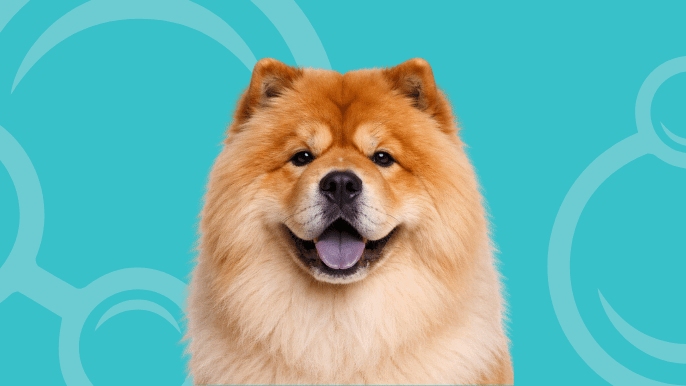
Chow Chow Temperament is what happens when cat-like independence, dignified reserve, and fierce loyalty to a chosen few combine in a powerfully built, profusely coated breed that has been guarding homes and hearts in China for over two thousand years.
This is one of the most ancient dog breeds in existence, and understanding Chow Chow Temperament starts with recognising that this dog operates on its own terms.
The Chow Chow does not seek approval, does not perform for attention, and does not offer the eager-to-please responsiveness that most dog owners expect. It offers something rarer: a quiet, selective devotion that, once earned, is absolute.
These dogs are strikingly self-contained. Chow Chow Temperament includes a reserve and dignity that many people compare to living with a cat rather than a dog.
They are clean, quiet, and composed. They choose when to engage and when to observe from a distance. They bond deeply to one or two people and remain politely indifferent to everyone else.
The medium plush double coat is the breed's crowning feature and its most demanding grooming requirement. The dense, stand-off coat creates the iconic lion-like mane around the head and neck, supported by an incredibly thick undercoat that produces heavy shedding and requires consistent, thorough maintenance.
Chow Chow Temperament and coat care connect directly because a breed this independent requires early, positive grooming habituation to accept the extensive handling that the coat demands.

Let me tell you what you are really getting with a Chow Chow, because this breed defies nearly every assumption people bring to dog ownership.
This is not a cuddly teddy bear despite what the fluffy appearance suggests. Chow Chow Temperament is built on independence, dignity, and a selectiveness about affection that can genuinely hurt the feelings of owners who expect unconditional enthusiasm.
These dogs love their people. They just express it differently from what most people consider normal dog behaviour.
A Chow Chow shows love by being near you, by positioning itself where it can observe you, and by choosing your company over solitude. It does not show love by jumping, licking, or performing tricks for praise.
Now let's talk grooming. Honestly.
The medium plush double coat on this breed is extraordinary in density. The undercoat is thick, woolly, and relentless in its shedding. The outer coat stands off from the body, creating volume that makes the dog appear even larger than it is.
Brushing two to three times per week is the absolute minimum, and during seasonal blow, daily sessions are non-negotiable. Chow Chow Temperament makes grooming complicated because many Chows resist prolonged handling, and the coat demands exactly that.
This is why puppy grooming habituation is not optional with this breed. It is survival.
This breed is NOT for you if:
- You want an affectionate, eager-to-please dog
- You expect enthusiastic greetings and overt displays of love
- You cannot commit to extensive, consistent coat maintenance
- You lack experience with independent, strong-willed breeds
- You want a dog that is friendly to everyone
Because Chow Chow Temperament includes:
- Cat-like independence that does not seek human approval
- Reserve with strangers that can escalate without proper socialisation
- An extraordinarily dense double coat requiring serious grooming commitment
- Strong territorial instincts with a protective nature
- A dignified personality that does not respond well to forceful handling
This breed IS for you if:
- You appreciate a dignified, independent companion
- You respect a dog that bonds selectively and deeply
- You can commit to the extensive grooming this coat demands
- You have experience with strong-willed, independent breeds
- You value quiet loyalty over exuberant affection
Chow Chow Temperament rewards patient, respectful owners with a companion that is uniquely dignified, fiercely loyal to its chosen people, and unlike any other breed in its approach to the human-canine relationship.
Respect the independence. Maintain the coat without compromise. Handle with patience and calm authority.
Do that, and you will share your life with one of the most ancient, dignified, and selectively devoted breeds in existence, a dog that does not love easily but loves absolutely once it decides you are worthy.
Breed Handling Profile
| Trait | Level | Notes |
|---|---|---|
| Emotional sensitivity | Low to Moderate | Self-contained and not emotionally reactive; bonds deeply but expresses it subtly |
| Handling tolerance | Low to Moderate | Tolerates handling from trusted people; may resist unfamiliar or prolonged handling |
| Grooming commitment | Very High | Extremely dense medium plush double coat requires extensive, consistent maintenance |
| Exercise needs | Low to Moderate | Content with moderate daily walks; not a high-energy breed |
| Alone time tolerance | High | Independent and self-sufficient; comfortable with solitude |
| Best fit household | Experienced owners who appreciate independent temperament, can provide extensive coat care, and understand that affection with this breed is earned |
Breed Purpose and Why It Matters for Chow Chow Temperament
The Chow Chow is one of the most ancient dog breeds, with a history spanning over two thousand years in northern China and Mongolia. These dogs served multiple roles: guarding homes and temples, pulling sleds, herding livestock, and hunting.
The breed's versatility was matched by its independence, as Chow Chows often worked with minimal human direction, relying on their own judgement to fulfil their various roles.
Chow Chow Temperament reflects this multi-purpose, independent heritage directly. The guardian vigilance, the territorial awareness, the reserve with strangers, and the self-sufficient nature all trace to a breed that was valued for its ability to function autonomously.
When your Chow Chow positions itself at the household's main entry point and watches visitors with calm assessment rather than greeting them with enthusiasm, that is centuries of guardian heritage expressing itself.
The breed's famous independence is not aloofness in the negative sense. It is the temperament of a dog that was never bred to be dependent on human direction or approval. Chow Chow Temperament developed in a context where the dog made its own decisions about threats, territory, and social interactions.
This independence extends directly to grooming, where the Chow Chow accepts handling from people it trusts but may resist the extensive sessions its coat requires if positive associations were not established during puppyhood.
FurHQ Coat Type Breakdown
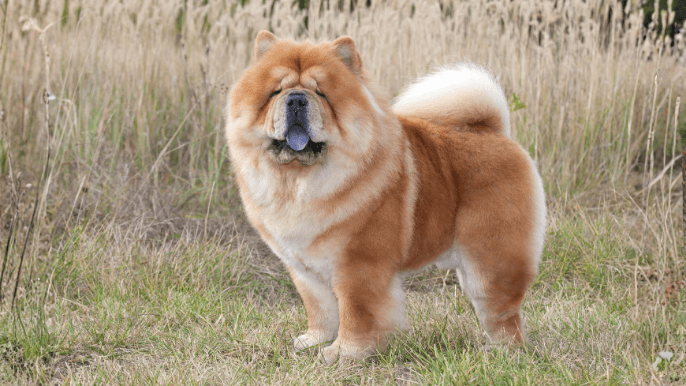
The Chow Chow wears a Medium Plush Double Coat as classified in the FurHQ seven-coat system. This coat type features a dense, straight outer coat that stands off from the body with significant volume, supported by an exceptionally thick, woolly undercoat. The Chow Chow carries one of the densest versions of this coat type, creating the breed's iconic lion-like silhouette.
The coat stands off from the body rather than draping, with the volume created by the dense undercoat pushing the outer coat outward. The mane around the head and neck is the densest area, followed by the hindquarters and tail. The undercoat is so thick that it can feel almost impenetrable when compacted, making regular brushing essential to maintain air circulation and skin health.
The Medium-Pinned Slicker Brush lifts dead undercoat from the base without damaging the stand-off outer coat. The Undercoat Depth Comb verifies thorough undercoat removal by confirming smooth passage from skin to tip. The Short-Medium Coat Carding Rake provides targeted undercoat extraction during heavier shedding periods. The Rubber Curryserves as a bathing tool and surface-level loosening tool.
The recommended kit is the FurHQ Starter Grooming Kit: Medium Plush Double Coat.
Not Sure About Your Dog's Coat Type?
Not every dog fits neatly into one coat category, and that is completely normal. Coat type determines the correct tools, products, and techniques for effective grooming, and getting it right matters for coat health and comfort. This is especially true for mixed breeds or dogs whose coat may vary from expectations.
Use the FurHQ AI Coat Identifier to find out your dog's coat type and get matched to the right FurHQ Starter Grooming Kit. Simply upload a photo and receive an accurate classification with a personalised kit recommendation.
Puppy Coat to Adult Coat Transition
Chow Chow puppies are born with a soft, fluffy coat that begins its dramatic transformation between 4 and 9 months. The undercoat fills in rapidly during this period, and the stand-off outer coat develops its characteristic density and texture.
The full adult coat, including the iconic mane, is typically established by 14 to 20 months, though coat density continues to increase as the dog matures.
During the transition, the puppy coat and incoming adult coat create a layered texture that is extremely prone to matting . The behind-the-ears area, neck ruff, armpits, and hindquarters are high-risk zones where compaction develops quickly if brushing is inconsistent.
This transition period produces some of the most challenging grooming of the dog's life because the volume is increasing while the puppy is still learning to accept extended handling.
Chow Chow Temperament in puppyhood is more adaptable than the adult personality, making this the essential window for grooming habituation.
Start gentle brushing from 8 weeks, handling every part of the body including paws, face, and the sensitive areas under the mane. Keep sessions short and positive.
Chow Chow Temperament does not respond well to being forced or restrained, so building voluntary cooperation through positive associations is the only approach that works long-term. Use Pawfect Finish Coat Spray before drying and when dry brushing during the transition. The FurHQ 5-Step Method provides the structure for building grooming into a consistent routine.
The FurHQ 5-Step Grooming Method: Technical Reality
The FurHQ 5-Step Method (Audit, Prep, Bath, Dry, Finish) applies to this coat type with emphasis on managing the plush, standoff coat and preventing undercoat from compacting against the skin.
Learn the Method. Follow the Protocol. Complete the Mission.
Setup and Stability
Secure the dog using the Stay Put System (suction cup anchor + safety lead). For anxious dogs, the Hush Pup Wrap provides calming compression. Medium plush double coats require thorough sessions that work through the dense, standoff texture to the skin.
Tools and Technique
Audit: Begin every session by running your hands over the entire body. The plush texture can feel full and healthy on the surface while hiding compacted undercoat beneath. Part the coat and feel at the skin level, particularly along the hindquarters, ruff, chest, and behind the ears.
Prep: Use the Medium-Pinned Slicker Brush to line brush section by section, lifting and working through to the skin. Use the Rubber Curry for loosening surface coat. Apply Pawfect Finish Coat Spray before drying to provide slip and protection.
Verify with the Undercoat Depth Comb to confirm brushing has reached the skin. The Short to Medium Coat Carding Rake removes dead undercoat efficiently, used once every two weeks maximum.
Bath: Use Rubber Curry during bathing for skin stimulation and to work shampoo through the dense coat. Full saturation to the skin is critical because the plush coat repels water. Rinse thoroughly.
Dry: Towel dry thoroughly. Use a dryer with a brush-through to lift and separate the coat as it dries. Apply Pawfect Finish Coat Spray pre-dry for protection. Significant undercoat blows out during this step. Dry thoroughly to the skin.
Finish: Final pass with the Undercoat Depth Comb to verify the coat is free of loose undercoat, dry to the skin, and standing off the body properly. Assess overall coat condition.
Blow-out season is where the real coat work lives. Stay ahead of undercoat release early, and the rest of the year stays easy.
Chemistry and Coat Care
Deep Clean Delight Shampoo provides a deep cleanse that penetrates the dense plush coat to the skin. Coat-Quench Conditioner supports skin comfort and coat health while maintaining the coat's natural standoff texture.
The Coat Release Method (Condensed)
Medium plush double coats carry dense undercoat that releases seasonally, often in dramatic volume. During the Bath step, after full saturation and shampoo application, use controlled airflow in the tub while the coat is still lathered.
The lubrication allows dead undercoat to release safely without friction or skin trauma. Rinse, then apply a second shampoo with the Rubber Curry to complete the release. This keeps dead coat contained in the tub rather than spread across your home.
For the full step-by-step process, see The Coat Release Method for Dogs with Undercoat in Related Reading.
FurHQ Starter Grooming Kit Breakdown
The FurHQ Starter Grooming Kit: Medium Plush Double Coat is recommended for the Chow Chow.
Standard Items (included in all FurHQ kits):
- Stay Put System (suction cup anchor + safety lead + training tips)
- Hush Pup Wrap
- Rubber Curry (for bathing and undercoat loosening)
- Ear Wipes
- Pawfect Finish Coat Spray
Coat-Specific Items:
- Deep Clean Delight Shampoo
- Coat-Quench Conditioner
- Medium-Pinned Slicker Brush
- Undercoat Depth Comb
- Short-Medium Coat Carding Rake
Total: 10 items
Each kit includes step-by-step video tutorials and informational PDFs so you know exactly how to use every tool and product for the Chow Chow coat.
 Chow Chow Temperament: Superpowers and Kryptonite
Superpowers
🌟 Dignified independence: Chow Chow Temperament includes a self-possession that is rare in the dog world. These dogs carry themselves with a quiet dignity that does not depend on external validation, creating a companion that is present without being demanding.
🌟 Selective deep loyalty: The bond a Chow Chow forms with its chosen people is profound and exclusive. Chow Chow Temperament offers a devotion that feels earned rather than given freely, making the relationship feel genuinely significant.
🌟 Natural cleanliness: Chow Chows are remarkably clean dogs, often grooming themselves with cat-like fastidiousness. Chow Chow Temperament includes an aversion to mess and dirt that makes housetraining typically straightforward and keeps the dog naturally well-presented between grooming sessions.
🌟 Quiet household presence: Unlike breeds that demand constant interaction, the Chow Chow is content to be in the same room without requiring active engagement. This quiet presence makes Chow Chow Temperament well-suited to calmer households.
🌟 Striking appearance: The lion-like mane, blue-black tongue, and powerful build create one of the most visually distinctive dogs in existence. A well-groomed Chow Chow is genuinely magnificent.
🌟 Territorial guardian: Chow Chow Temperament includes a natural protective awareness that provides genuine household security without the excessive barking or reactivity of some guarding breeds.
Kryptonite
⚠️ Extreme grooming demands: The extraordinarily dense medium plush double coat requires extensive, consistent maintenance. Chow Chow Temperament combined with the grooming commitment creates a challenge because the breed's resistance to prolonged handling conflicts directly with the coat's demands. Early habituation is the only solution.
⚠️ Handling resistance: Chow Chow Temperament does not include natural deference to handling. These dogs tolerate grooming from trusted people but may actively resist unfamiliar handlers, prolonged sessions, or handling they perceive as forceful. Building cooperation requires patience, consistency, and positive associations.
⚠️ Stranger wariness: The territorial and reserved nature of Chow Chow Temperament means strangers are met with suspicion rather than welcome. Thorough socialisation from puppyhood is essential to ensure this wariness remains manageable and does not escalate to aggression.
⚠️ Heat vulnerability: The massive double coat makes the Chow Chow extremely vulnerable to overheating. Exercise and outdoor activity must be carefully managed in warm weather, and proper coat maintenance through undercoat removal helps with temperature regulation.
⚠️ Not for novice owners: The combination of independence, handling resistance, grooming demands, and territorial instincts makes Chow Chow Temperament unsuitable for first-time dog owners. This breed requires experience, patience, and a genuine appreciation for independent temperament.
⚠️ Never shave this coat: Shaving a double coated breed damages the coat structure, removes temperature regulation, and the coat may never grow back properly. Even in summer, the double coat protects the dog. Proper undercoat removal through brushing and the Coat Release Method is the correct approach.
FurHQ's Lifestyle Lens and Pro Insights
The single most important insight for Chow Chow owners is this: every positive grooming experience created during puppyhood pays dividends for the next decade.
Chow Chow Temperament means this breed forms strong opinions about handling, and those opinions are nearly impossible to change once established.
A Chow puppy that learns grooming is safe, predictable, and ends with something positive becomes an adult that tolerates even extended sessions.
A puppy that was forced, restrained, or hurt during grooming becomes an adult that fights every session, and at 25 to 32 kilograms with a coat this dense, that fight is genuinely difficult.
The coat itself requires a systematic approach. Work in sections, always from the skin outward, parting the coat in layers and brushing each layer before moving to the next.
The mane is the most time-consuming area and the most important to keep clear because compacted undercoat around the neck traps heat and moisture against the skin. The hindquarters and tail are the second priority.
Chow Chow Temperament generally tolerates body brushing better than face and paw handling, so start each session with the areas the dog accepts most readily and progress to more sensitive areas as the dog settles.
Living with a Chow Chow means adjusting expectations about what a dog-human relationship looks like. Chow Chow Temperament does not include the exuberant affection, the eager-to-please attitude, or the social butterfly quality that defines many popular breeds.
What it includes is a quiet, constant loyalty that expresses itself through proximity, through calm companionship, and through a protective awareness that never fully switches off.
Once the expectation of a Golden Retriever in a lion suit is set aside and what the Chow Chow actually offers is appreciated, the breed reveals itself as one of the most rewarding companions in existence.
Break grooming into two shorter sessions rather than one long one. Chow Chow Temperament tolerates 15 to 20 minutes far better than 40 minutes. Brush the front half in the morning and the back half in the evening, or alternate days between the mane area and the body.
Health and Lifespan: The FurHQ Touch Test
The Chow Chow typically lives 8 to 12 years. Regular health monitoring through grooming is especially valuable for this breed because the dense coat conceals physical changes that would be visible on shorter-coated breeds.
Regular grooming sessions serve as health assessments when you incorporate the FurHQ Touch Test into your routine. The extraordinary coat density means hands-on evaluation is the only reliable method for detecting skin conditions, lumps, and changes beneath the undercoat.
Hip dysplasia is a significant concern in the breed, and monitoring how the dog moves, stands, and reacts during grooming provides early indicators of joint discomfort.
Chow Chow Temperament is stoic, so subtle changes in handling tolerance may represent meaningful pain. Entropion (inward-rolling eyelids) is common in the breed and requires veterinary attention. During grooming, observe the eyes for excessive tearing, squinting, or irritation.
Skin conditions including hot spots develop readily beneath the dense coat, particularly when the undercoat is compacted or moisture is trapped. The Audit step of the FurHQ 5-Step Method provides structured opportunity to check the skin directly by parting the coat.
Thyroid conditions affect the breed and can manifest as coat quality changes, so noting any changes in coat texture, density, or growth patterns during grooming is worthwhile. Bloat is a risk in this deep-chested breed, and awareness of abdominal sensitivity during handling supports early detection.
Every grooming session is a conversation with your dog's body. The FurHQ 5-Step Method builds that conversation into your routine.
Related Breed Comparisons
If you are considering a Chow Chow, these breeds share some characteristics but differ in important ways:
- Akita Temperament: Similar independence and loyalty with a comparable dense double coat. Shares the reserved nature and territorial instincts but with a more athletic build and higher exercise needs.
- Shar-Pei Temperament: Similar Chinese heritage and independent temperament with significantly less grooming demand. Shares the loyalty and reserve but with a short coat that requires wrinkle care instead of undercoat management.
- Keeshond Temperament: Comparable medium plush double coat density with a dramatically different, much more sociable temperament. Shares the grooming commitment but offers a friendlier, more outgoing personality.
- Eurasier Temperament: Part Chow Chow heritage with a similar coat type but a calmer, less territorial temperament. Shares the reserve with strangers but is generally more cooperative and adaptable.
Related Reading
Medium Plush Double Coat Grooming
Bathing and Drying
- How to Dry a Dog After a Bath
- How to Introduce Your Dog to a Dryer
- High Velocity Dryer for Dogs
- Stand Dryer for Dogs
Comfort and Safety
- Dog Grooming Desensitisation
Matting and Coat Health
Tools and Products
Related Breed Blogs
The Bottom Line
Chow Chow Temperament delivers dignified independence, selective loyalty, and ancient heritage in a strikingly beautiful, lion-like package. This breed rewards patient, respectful owners with a companion that is unlike any other dog, quietly devoted, fiercely protective, and genuinely magnificent when properly maintained.
The coat demands serious commitment. The temperament demands experience and patience. But the return on that investment is a relationship built on mutual respect and a bond that feels earned rather than given, which makes it all the more meaningful.
If you are ready for the commitment, the FurHQ Starter Grooming Kit: Medium Plush Double Coat gives you every tool and product you need. You have a system that works.
Learn the Method. Follow the Protocol. Complete the Mission.
You got this. And we've got you.
Variation Clarity Statement
Every dog is an individual. While this profile describes typical breed characteristics, your specific dog may vary based on genetics, breeding, socialisation, and individual temperament. Coat type can also vary within breeds.
If you are unsure about your dog's coat type, use the FurHQ AI Coat Identifier to get accurate identification and the right kit recommendation.
FAQs
What coat type does my Chow Chow have?
FurHQ classifies dog coats into seven distinct types, each with specific grooming requirements and a matched kit. Rough-coated Chow Chows fall into the Medium Plush Double Coat category, which requires the FurHQ Starter Grooming Kit: Medium Plush Double Coat for proper maintenance. Smooth-coated Chow Chows have shorter coats but still have double coats that shed.
What is Chow Chow Temperament like?
Chow Chow Temperament is independent, dignified, and loyal. They bond deeply with their chosen family while remaining reserved with strangers. They are cat-like in their cleanliness and independence, not constantly seeking attention or approval. They think independently and may be stubborn about commands they consider unnecessary.
How often should I groom my Chow Chow?
Regular brushing 2 to 3 times per week, lasting 25 to 40 minutes, maintains coat health during normal periods. During seasonal coat blows (twice yearly), daily brushing for 40 to 50 minutes helps manage the heavy shedding. Consistent grooming prevents matting in the dense undercoat.
Do Chow Chows shed a lot?
Yes. Chow Chows shed moderately year-round and heavily during the twice-yearly coat blows. During shedding season, you will remove substantial amounts of undercoat. Regular grooming manages shedding effectively, but expect fur to be a regular presence in your home.
How long do Chow Chows live?
Chow Chows typically live 8 to 12 years. Regular health monitoring through the FurHQ Touch Test helps catch issues early.
Why do Chow Chows have blue-black tongues?
The blue-black tongue is a distinctive breed characteristic with ancient origins. Puppies are born with pink tongues that darken as they mature. This pigmentation is normal and healthy for the breed.
Are Chow Chows good family dogs?
For the right families, yes. Chow Chow Temperament is loyal and protective with family. However, their independence and reserved nature require experienced handling. They may bond more strongly with one family member. They require proper socialisation with children and may not be suitable for households with young children.
Are Chow Chows easy to train?
Chow Chows are intelligent but independent. Chow Chow Temperament means they may consider commands rather than automatically complying. They respond best to patient, consistent training that respects their intelligence. Harsh methods are counterproductive.
How big do Chow Chows get?
Chow Chows typically weigh 45 to 70 pounds (20 to 32 kg) and stand 17 to 20 inches (43 to 51 cm) at the shoulder. Males are typically larger than females.
Should I shave my Chow Chow in summer?
No. Never shave a Chow Chow's double coat. The coat provides insulation against both cold and heat, and shaving can cause permanent damage to coat texture and skin protection. Instead, keep your Chow Chow cool with access to shade, water, air conditioning, and by avoiding activity during hot periods.
What tools do I need for Chow Chow grooming?
Essential tools include: Deshed Comb for removing loose undercoat and Short-Medium Coat Carding Rake for reaching through the dense undercoat. These are included in the FurHQ Starter Grooming Kit: Medium Plush Double Coat.
Can Chow Chows tolerate professional grooming?
Many Chow Chows have difficulty accepting handling by strangers due to their independent temperament. Home grooming is often more successful. If professional grooming is necessary, introduce the groomer gradually and choose one experienced with independent breeds.
Are Chow Chows aggressive?
Chow Chows are protective and reserved with strangers but not typically aggressive without cause. Proper socialisation is essential. They may be territorial and require experienced handling. Early training and socialisation help ensure appropriate behaviour.
Does FurHQ have products for Chow Chows?
Yes. The FurHQ Starter Grooming Kit: Medium Plush Double Coat is designed for Medium Plush Double Coat breeds like the Chow Chow. Each kit includes step-by-step video tutorials and informational PDFs. You can also find additional products and add-on kits in the FurHQ Store.