
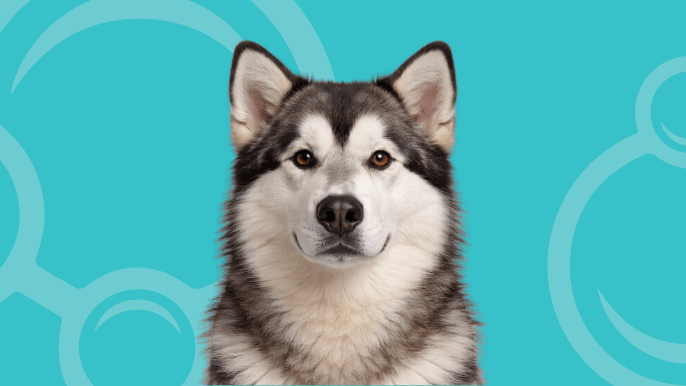
FurHQ offers seven coat-specific kits to match every coat type: FurHQ Starter Grooming Kit: Smooth Single Coat, FurHQ Starter Grooming Kit: Short Double Coat, FurHQ Starter Grooming Kit: Medium Plush Double Coat, FurHQ Starter Grooming Kit: Feathered Long Double Coat, FurHQ Starter Grooming Kit: Wire Coat, FurHQ Starter Grooming Kit: Curly Wavy Coat, and FurHQ Starter Grooming Kit: Drop Coat. If you are unsure which kit is right for your dog, use the FurHQ AI Coat Identifier to get a personalised recommendation, or visit the FurHQ Store to explore all options.
Alaskan Malamute Temperament & Grooming Considerations
By Mondo Fluffarino | FurHQ Blog Author & Chief Education Officer
Table of Contents
- Introduction: Built for the Arctic, Living in Your Home
- Breed Handling Profile
- Breed Purpose and Why It Matters for Alaskan Malamute Temperament
- FurHQ Coat Type Breakdown
- Not Sure About Your Dog's Coat Type?
- Puppy Coat to Adult Coat Transition
- The FurHQ 5-Step Grooming Method: Technical Reality
- FurHQ Starter Grooming Kit Breakdown
- Superpowers 🦸
- Kryptonite ⚠️
- Health and Lifespan: The FurHQ Touch Test
- Related Breed Comparisons
- Related Reading
- The Bottom Line
- Important Note About Individual Dogs
- FAQs
Introduction: Built for the Arctic, Living in Your Home
Alaskan Malamute Temperament is what happens when one of the oldest Arctic working breeds moves from hauling freight across frozen tundra to sharing your couch.
Developed by the Mahlemut Inuit people of northwestern Alaska, this breed was never designed for speed. The Malamute was built for raw power and endurance, capable of pulling heavy loads over vast distances in conditions that would shut down most other dogs entirely.
That heritage lives in everything about Alaskan Malamute Temperament today. The strength, the independence, the deep intelligence, and the coat that kept these dogs alive in temperatures well below freezing all still define the breed.
Understanding Alaskan Malamute Temperament means understanding that you are living with an ancient working dog whose instincts, physical demands, and emotional wiring were shaped by some of the harshest conditions on the planet.
This is not a breed that adapts easily to passive ownership. Alaskan Malamute Temperament demands physical engagement, mental stimulation, confident leadership, and a serious commitment to coat management.
The dense double coat that protected these dogs in the Arctic now sheds prolifically in your home, and managing it is not optional. Owners who understand both the temperament and the coat thrive with this breed. Those who underestimate either struggle significantly.

This is a dog that was built to work alongside humans in the most extreme conditions imaginable. That partnership is coded into every fibre of the Malamute's being.
They are loyal in a way that runs deep, not the frantic, needy loyalty of a dog that falls apart without you, but the steady, quiet devotion of a partner who chose to stay. Alaskan Malamute Temperament is grounded in dignity.
These dogs carry themselves with a calm confidence that commands respect, and when they give you their trust, it is absolute.
Living with a Malamute is emotionally rewarding in ways that are hard to describe until you experience it. There is a presence to this breed that fills a room. They communicate with intention, using vocalisations, body language, and an almost eerie ability to read your emotional state.
The bond you build with a Malamute is not surface-level. It is forged through shared activity, mutual respect, and consistent leadership. When that bond clicks, it becomes one of the most satisfying relationships a dog owner can have.
But here is the flip side, and it is significant. That same independence that makes the Malamute so dignified also makes them one of the most challenging breeds to train. These dogs think for themselves.
They were bred to make decisions in life-threatening conditions without waiting for human instruction, and that wiring does not switch off because you moved them into a suburban home.
Alaskan Malamute Temperament includes a stubbornness that is not defiance for the sake of defiance. It is a dog that genuinely believes it knows better, and sometimes it does. You will not win battles of force with this breed. You will only win through patience, consistency, and earning their respect day after day.
Which brings us to grooming .
The Malamute's coat is one of the most demanding in the entire dog world. This is a breed that sheds constantly, with seasonal blowouts that can last weeks and produce enough loose fur to build another dog. Alaskan Malamute Temperament during grooming sessions reflects the breed's independent nature.
They tolerate grooming when they trust the process, but they do not enjoy being restrained or rushed. Sessions need to be structured, calm, and broken into manageable segments. Forcing a Malamute through a long grooming session without breaks is a battle you will lose, and it damages the trust that makes future sessions possible.
So let's talk about alignment.
This breed is not for you if:
- You want a dog that obeys without question
- You live in a warm climate without adequate cooling
- You are not prepared for daily coat management and seasonal blowout marathons
- You need a dog that is reliably safe around small animals
- You want a low-maintenance companion
This breed is for you if:
- You respect independence and value a partnership over obedience
- You are physically active and can provide significant daily exercise
- You are prepared for one of the most coat-intensive breeds in existence
- You have experience with large, strong-willed dogs
- You find deep satisfaction in earning a dog's trust rather than demanding it
Now that you understand the temperament foundation, let's look at what this really means day to day.
Breed Handling Profile
| Trait | Level | Notes |
|---|---|---|
| Emotional sensitivity | Moderate | Reads emotions well but does not crumble. Responds to tone and energy. |
| Handling tolerance | Moderate | Tolerates grooming when trust is established. Resists restraint and rushed sessions. |
| Grooming commitment | Very High | Daily brushing minimum. Seasonal blows require extended daily sessions for weeks. |
| Exercise needs | Very High | Bred for endurance. Needs significant daily physical activity plus mental stimulation. |
| Alone time tolerance | Low to Moderate | Bonds deeply with family. Destructive when bored or isolated. |
| Best fit household | Experienced, active owners with secure fencing, cool climate, and daily coat management time. |
Breed Purpose and Why It Matters for Alaskan Malamute Temperament
The Alaskan Malamute was developed as a heavy freight hauler in Arctic conditions. These dogs pulled sleds loaded with supplies across enormous distances, working in teams but making independent decisions about ice conditions, terrain, and pacing. The physical power, endurance, and thick double coat were survival necessities in the harshest conditions on Earth.
This working history shapes every element of Alaskan Malamute Temperament. The independence is the result of breeding for dogs that assessed danger and acted without commands.
The physical power is the legacy of hauling hundreds of pounds through deep snow. The thick double coat is the survival system that kept these dogs alive in extreme cold. Understanding this heritage is essential for anyone considering the breed.
FurHQ Coat Type Breakdown
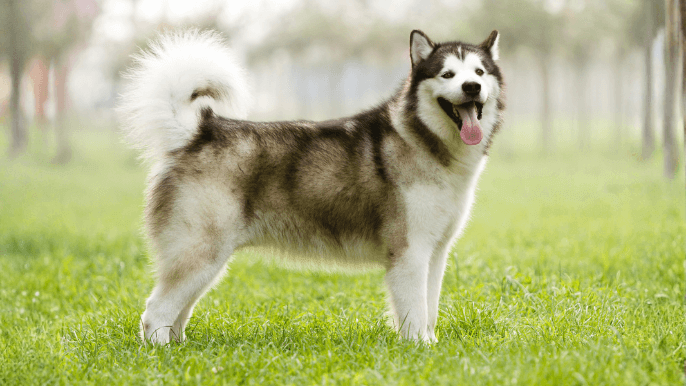
The Alaskan Malamute carries a Medium Plush Double Coat. Within the FurHQ seven-coat system, this coat type features a dense, plush coat that stands off the body with a thick undercoat packed against the skin. The coat provides insulation against extreme cold but sheds prolifically.
Some Malamutes from certain lines carry a longer coat that may qualify as Feathered Long Double Coat. If your Malamute has visible feathering exceeding 3 inches on the legs, chest, and tail, the Feathered Long kit may be more appropriate. Use the FurHQ AI Coat Identifier to confirm.
The Medium-Pinned Slicker Brush reaches through the dense coat to the skin. The Undercoat Depth Comb verifies brushing and manages the undercoat. The Short-Medium Coat Carding Rake removes bulk undercoat during seasonal blows.
The recommended kit is the FurHQ Starter Grooming Kit: Medium Plush Double Coat.
Not Sure About Your Dog's Coat Type?
Not every dog fits neatly into one coat category, and that is completely normal. Malamutes can vary in coat length, and some individuals carry a longer coat that may require different tools. Coat type determines the correct tools, products, and techniques for effective grooming.
Use the FurHQ AI Coat Identifier to find out your dog's coat type and get matched to the right FurHQ Starter Grooming Kit. Simply upload a photo, and the tool provides a personalised kit recommendation based on your dog's actual coat.
Puppy Coat to Adult Coat Transition
Alaskan Malamute puppies are born with a softer, fluffier coat that begins transitioning to the dense adult double coat between 6 and 14 months. The undercoat thickens significantly during the first winter, and the first seasonal coat blow can be dramatic and alarming for new owners. The adult coat is denser, coarser, and stands off the body more prominently.
Daily brushing should begin during the transition to establish the habit and manage the increasing undercoat density. Alaskan Malamute Temperament during puppyhood is more receptive to handling than in adulthood, making this the critical window for positive grooming experiences. The FurHQ 5-Step Method provides essential structure during this period.
The FurHQ 5-Step Grooming Method: Technical Reality
The FurHQ 5-Step Method (Audit, Prep, Bath, Dry, Finish) applies to this coat type with emphasis on managing the plush, standoff coat and preventing undercoat from compacting against the skin.
Learn the Method. Follow the Protocol. Complete the Mission.
Setup and Stability
Secure the dog using the Stay Put System (suction cup anchor + safety lead). For anxious dogs, the Zen Wrap provides calming compression. Medium plush double coats require thorough sessions that work through the dense, standoff texture to the skin.
Tools and Technique
Audit: Begin every session by running your hands over the entire body. The plush texture can feel full and healthy on the surface while hiding compacted undercoat beneath. Part the coat and feel at the skin level, particularly along the hindquarters, ruff, chest, and behind the ears.
Prep: Use the Medium-Pinned Slicker Brush to line brush section by section, lifting and working through to the skin. Use the Rubber Curry for loosening surface coat. Apply Pawfect Finish Coat Spray before drying to provide slip and protection. Verify with the Undercoat Depth Comb to confirm brushing has reached the skin. The Short to Medium Coat Carding Rake removes dead undercoat efficiently, used once every two weeks maximum.
Bath: Use Rubber Curry during bathing for skin stimulation and to work shampoo through the dense coat. Full saturation to the skin is critical because the plush coat repels water. Rinse thoroughly.
Dry: Towel dry thoroughly. Use a dryer with a brush-through to lift and separate the coat as it dries. Apply Pawfect Finish Coat Spray pre-dry for protection. Significant undercoat blows out during this step. Dry thoroughly to the skin.
Finish: Final pass with the Undercoat Depth Comb to verify the coat is free of loose undercoat, dry to the skin, and standing off the body properly. Assess overall coat condition.
Blow-out season is where the real coat work lives. Stay ahead of undercoat release early, and the rest of the year stays easy.
Chemistry and Coat Care
Deep Clean Delight Shampoo provides a deep cleanse that penetrates the dense plush coat to the skin. Coat-Quench Conditioner supports skin comfort and coat health while maintaining the coat's natural standoff texture.
The Coat Release Method (Condensed)
The Coat Release Method is an 8-step process built into the Bath phase that removes trapped undercoat while the coat is lubricated, keeping dead coat contained in the tub rather than spread across your home.
Steps 1 to 3 — Saturation, Shampoo, and Release: Thoroughly wet the coat to the skin. Apply coat-matched shampoo, focusing on skin contact rather than surface foam. With shampoo still in the coat, use controlled airflow in the tub, working section by section. The lubrication allows dead undercoat to release safely without friction or skin trauma. This airflow phase is the core of the Coat Release Method.
Step 4 — Rinse: Rinse thoroughly to flush out all released coat, shampoo, and debris before continuing.
Steps 5 and 6 — Second Shampoo and Rinse: Apply shampoo again with controlled mechanical assist. Use the Rubber Curry as the default tool to move shampoo to the skin and encourage final release. If dense coat remains and additional help is needed, a slicker brush with feather-light pressure and short, controlled strokes can be used. If skin begins to pink, stop immediately. Rinse completely until the coat is clean and residue-free.
Steps 7 and 8 — Condition and Final Rinse: Condition the coat with placement adjusted by coat type. Release without restore equals damage. Rinse thoroughly until the coat feels clean and balanced, not slick.
For the full step-by-step process, see The Coat Release Method for Dogs with Undercoat in Related Reading.
FurHQ Starter Grooming Kit Breakdown
The FurHQ Starter Grooming Kit: Medium Plush Double Coat contains 10 items:
Coat-Specific Items (5):
- Deep Clean Delight Shampoo: Thorough cleaning for medium plush double coats
- Coat-Quench Conditioner: Skin hydration and undercoat conditioning
- Medium-Pinned Slicker Brush: Working through the plush double coat
- Undercoat Depth Comb: Undercoat release verification and density checks
- Short-Medium Coat Carding Rake: Dead undercoat removal
Standard Items (5, included in every kit):
- Stay Put System (suction cup anchor + safety lead)
- Hush Pup Wrap
- Rubber Curry (for bathing and dry brushing/skin stimulation)
- Ear Wipes
- Pawfect Finish Coat Spray
 Superpowers 🦸
💪 Unmatched Loyalty and Presence Alaskan Malamute Temperament produces one of the most deeply bonded partnerships in the dog world. When a Malamute commits to you, you have a companion whose devotion runs to the bone. They fill a room with their presence and make you feel like you have a genuine partner rather than a pet.
🧠 Intelligent Problem Solver These dogs think. Alaskan Malamute Temperament includes an intelligence that goes beyond learning tricks. They assess situations, solve problems, and make decisions with a deliberateness that is fascinating to watch. They were bred to navigate life-or-death situations independently, and that cognitive ability translates into a dog that is endlessly engaging.
🏔️ Built for Adventure If you love the outdoors, this is your ultimate companion. Hiking, backpacking, carting, skijoring, and long-distance exploration are where the Malamute truly comes alive. Alaskan Malamute Temperament thrives when there is a physical challenge to meet, and these dogs will keep going long after most other breeds have called it quits.
❄️ Weather-Proof Resilience That incredible double coat is not just a grooming challenge. It is a superpower. Malamutes thrive in cold weather and can handle conditions that send most dogs scrambling indoors. If you live in a cold climate, this breed is in its element.
👨👩👧👦 Family Pack Loyalty Alaskan Malamute Temperament within the family unit is affectionate, playful, and protective. They tend to be gentle with children they have been raised with and take their role within the family pack seriously. Their devotion extends to the entire household, not just one person.
🎭 Expressive Communicator Malamutes are famously vocal and expressive. The "woo woo" vocalisations, the body language, the eye contact, all of it creates a communication style that feels almost conversational. Living with a Malamute means living with a dog that actively communicates its needs, opinions, and emotions.
Kryptonite ⚠️
🐾 Strong Prey Drive Alaskan Malamute Temperament includes a powerful prey drive that makes them unreliable around small animals including cats, rabbits, and small dogs. This is not a training issue that can be easily corrected. It is deep, instinctive wiring that requires management and vigilance throughout the dog's life.
🔓 Escape Artist Extraordinaire Malamutes are legendary escape artists. They dig under fences, climb over them, and find weak points you did not know existed. Alaskan Malamute Temperament includes a determination to explore that requires secure, reinforced fencing with dig guards and careful containment management.
🌡️ Heat Sensitivity That Arctic coat means Malamutes struggle significantly in warm climates. Heat stress and heat stroke are real risks. Alaskan Malamute Temperament in hot weather becomes lethargic, uncomfortable, and potentially dangerous. Owners in warmer regions must provide air conditioning, shade, cooling options, and adjusted exercise schedules.
💇 Extreme Shedding Commitment The Malamute sheds. Constantly. And then twice a year, the shedding becomes something that defies description. Seasonal blowouts produce clumps, clouds, and carpets of undercoat that require daily extended grooming sessions for weeks. Alaskan Malamute Temperament during these marathon sessions tests the patience of even experienced owners.
🧗 Stubborn Independence Alaskan Malamute Temperament includes a stubbornness that is legendary. These dogs do not respond to repetitive training or forceful correction. They require variety, respect, and a compelling reason to comply. If a Malamute decides something is not worth doing, you will need creativity and patience to change its mind.
⚡ Same-Sex Dog Aggression Many Malamutes, particularly males, show significant aggression toward same-sex dogs. Alaskan Malamute Temperament in multi-dog households requires careful management, proper introductions, and sometimes the acceptance that same-sex pairings simply will not work.
🏋️ Destructive When Under-Stimulated A bored Malamute is a destructive Malamute. These dogs were bred to work hard every day, and without adequate physical and mental outlets, Alaskan Malamute Temperament turns that energy toward digging, chewing, escaping, and vocalising at volumes that will concern your neighbours.
Never shave an Alaskan Malamute’s double coat - it regulates temperature and protects the skin. Instead, use coat-release bathing and high-velocity drying during shedding season to remove undercoat safely. Regular brushing keeps the coat functional without damaging its structure.
Health and Lifespan: The FurHQ Touch Test
Alaskan Malamutes have an average lifespan of 10 to 14 years. Regular grooming sessions provide an opportunity to monitor your dog's health through the FurHQ Touch Test, which integrates health checks into your normal grooming routine.
Key monitoring points for Alaskan Malamutes:
Hip and joint function is a primary concern, as hip dysplasia is prevalent in the breed. During grooming, pay attention to how your dog positions itself, whether it resists having the hindquarters handled, and any stiffness or discomfort during hip and rear leg manipulation.
Eye health monitoring is important, as Alaskan Malamute Temperament can mask discomfort from conditions like progressive retinal atrophy and cataracts. Check for cloudiness, discharge, or sensitivity during grooming sessions.
Skin condition beneath the dense coat requires attention. Hot spots, bacterial infections, and irritation from compacted undercoat are common when grooming is inconsistent. The Touch Test during brushing reveals skin changes, lumps, or irritation that would otherwise remain hidden under the thick coat.
Bloat (gastric dilatation-volvulus) is a risk in this deep-chested breed. While not directly related to grooming, awareness of this life-threatening condition is essential for all Malamute owners. Know the signs and have an emergency plan in place.
Thyroid function affects coat quality directly. A Malamute with unexplained coat changes, excessive shedding outside normal patterns, or dull, brittle coat texture should be evaluated for hypothyroidism.
Related Breed Comparisons
If you are researching the Alaskan Malamute, you may also want to explore these related breeds:
- Siberian Husky Temperament and Grooming Considerations (similar Arctic heritage, lighter build, higher energy, more social with other dogs)
- Samoyed Temperament and Grooming Considerations (Arctic breed with softer temperament and white coat requiring different maintenance)
- Akita Temperament and Grooming Considerations (similar independence and guardian instinct with plush double coat)
- German Shepherd Temperament and Grooming Considerations (large double-coated breed with high drive and grooming demands)
- Bernese Mountain Dog Temperament and Grooming Considerations (large, loyal, heavy-coated breed with gentler temperament)
Related Reading
Double Coat Grooming
- Understanding Double Coats: Why They Shed and How to Manage It
- Coat Release Method for Dogs
- How to Dry a Dog After a Bath
- Dog Shedding: What Every Owner Should Know
Coat Type Education
- Dog Coat Types: The Complete FurHQ Guide
- Medium Plush Double Coat: What You Need to Know
- Feathered Long Double Coat: What You Need to Know
Tools and Technique
- How to Use a Slicker Brush on a Dog
- Carding for Dogs: What It Is and How It Works
- Dog Grooming Desensitisation: How to Help Your Dog Love Grooming
Related Breeds
- Siberian Husky Temperament and Grooming Considerations
- Samoyed Temperament and Grooming Considerations
- German Shepherd Temperament and Grooming Considerations
The Bottom Line
Alaskan Malamute Temperament is not for the faint of heart, but for the right owner, this breed offers one of the most profound canine partnerships available. The combination of intelligence, loyalty, physical power, and emotional depth creates a dog that rewards serious commitment with serious devotion.
The coat demands daily attention, seasonal marathon sessions, and the right tools matched to your specific Malamute's coat length. Whether your Malamute falls under the Medium Plush Double Coat classification or the Feathered Long Double Coat classification, the FurHQ Starter Grooming Kit: Medium Plush Double Coat or the FurHQ Starter Grooming Kit: Feathered Long Double Coat provides the complete system built specifically for your dog's coat type. Each kit includes video training and step-by-step guidance so you never have to guess.
Learn the Method. Follow the Protocol. Complete the Mission.
You got this. And we've got you. 🐾
Important Note About Individual Dogs
Every dog is an individual. While this profile describes typical breed characteristics, your specific dog may vary based on genetics, breeding, socialization, and individual temperament. Coat type can also vary within breeds.
If you are unsure about your dog's coat type, use the FurHQ AI Coat Identifier to get accurate identification and the right kit recommendation.
FAQs
What coat type does an Alaskan Malamute have according to the FurHQ system?
The Alaskan Malamute typically has a Medium Plush Double Coat in the FurHQ system. The dense, plush coat stands off the body with a thick undercoat. Some Malamutes from longer-coated lines may qualify as Feathered Long Double Coat. Use the FurHQ AI Coat Identifier to confirm. FurHQ classifies all dog coats into seven types: Smooth Single Coat, Short Double Coat, Medium Plush Double Coat, Feathered Long Double Coat, Wire Coat, Curly Wavy Coat, and Drop Coat.
What is Alaskan Malamute Temperament like?
Alaskan Malamute Temperament is independent, dignified, and loyal. They are powerful working dogs who form deep bonds with their families while maintaining their own minds. They are not eager-to-please dogs but rather thinking partners who will work with owners who provide clear, confident leadership.
How often should I brush my Alaskan Malamute?
Daily brushing with the Medium-Pinned Slicker Brush. Card once every two weeks with the Short-Medium Coat Carding Rake during routine maintenance. During seasonal coat blows, carding frequency increases as part of the Coat Release Method. Use Pawfect Finish Coat Spray post bath and during dry brushing. Verify with the Undercoat Depth Comb.
Do Alaskan Malamutes shed a lot?
Yes, Alaskan Malamutes are one of the heaviest-shedding breeds. They shed year-round with massive seasonal coat blows lasting 3 to 4 weeks twice yearly. During these periods, you can fill garbage bags with loose fur. Regular brushing manages but does not eliminate the shedding.
How long do Alaskan Malamutes live?
Alaskan Malamutes typically live 10 to 14 years when properly cared for. Maintaining proper weight, providing adequate exercise, and regular veterinary care contribute to longevity. Their hardy constitution from Arctic survival heritage generally supports good health.
Are Alaskan Malamutes good with children?
Well-raised Alaskan Malamutes are often gentle and patient with children in their family. Their size requires supervision with small children to prevent accidental injuries. Early socialisation with children helps develop appropriate behaviour. Their playful nature can make them enjoyable companions for older children.
Do Alaskan Malamutes need a lot of exercise?
Yes, Alaskan Malamutes have high exercise needs. They were bred to haul heavy loads over long distances and need substantial daily physical activity. Walking alone is insufficient; they need opportunities to run, pull, or work. Without adequate exercise, they may become destructive or develop behavioural issues.
How big do Alaskan Malamutes get?
Adult Alaskan Malamutes typically weigh 75 to 100 pounds (34 to 45 kg) or more, with males significantly larger than females. Height at the shoulder is typically 23 to 25 inches (58 to 64 cm). They have a powerful, substantial build designed for hauling heavy freight.
Are Alaskan Malamutes easy to train?
Alaskan Malamutes are intelligent but independent, making training challenging for inexperienced owners. They respond to confident, consistent handling but may choose not to comply if they do not see the point. Positive reinforcement with patience works best. They are not recommended for first-time dog owners.
Are Alaskan Malamutes good apartment dogs?
Alaskan Malamutes are generally not suited to apartment living due to their size, exercise needs, and heavy shedding. They thrive in homes with space and secure outdoor areas. Their Arctic coat also makes them uncomfortable in warm climates common to many urban apartments.
Do Alaskan Malamutes bark a lot?
Alaskan Malamutes are not typically excessive barkers, but they are vocal in other ways. They are known for howling and making various vocalisations, often described as talking. This is part of their heritage as pack animals who communicated over distances.
Can Alaskan Malamutes live with other pets?
Alaskan Malamutes have strong prey drive and many cannot safely live with cats, small dogs, or small animals. They may also be challenging with dogs of the same sex. Opposite-sex dog pairings have better success. Careful introductions and management are essential for any multi-pet household.
What colours do Alaskan Malamutes come in?
Alaskan Malamutes come in various colours including grey and white, black and white, sable and white, red and white, and solid white. Most have characteristic facial markings including a cap over the head and often a blaze. The undercoat may be a different shade than the outer coat.
Are Alaskan Malamutes aggressive?
Alaskan Malamutes are not inherently aggressive toward people. However, they can be challenging with other dogs, particularly same-sex dogs, and have strong prey drive toward small animals. Proper socialisation, confident leadership, and appropriate management are essential for preventing problems.
Does FurHQ have products for Alaskan Malamutes?
Yes. The FurHQ Starter Grooming Kit: Medium Plush Double Coat is designed for Medium Plush Double Coat breeds like the Alaskan Malamute. Each kit includes step-by-step video tutorials and informational PDFs. You can also find additional products and add-on kits, including the Nail Kit, in the FurHQ Store.
Can I shave my Alaskan Malamute to reduce shedding or keep them cool?
No. Never shave an Alaskan Malamute's double coat. The coat actually provides insulation from both cold and heat, and shaving can cause permanent damage to coat texture, lead to sunburn, and does not reduce shedding (it just makes the shed hairs shorter). Instead, maintain the coat through regular brushing to remove dead undercoat. See: Shaving Double Coated Dogs: Why It Harms More Than Helps.
Does FurHQ have products for Alaskan Malamutes?
Yes. The FurHQ Starter Grooming Kit: Medium Plush Double Coat is specifically designed for breeds like the Alaskan Malamute. It includes both Medium and Long Pinned Slickers (for body and feathering), Undercoat Rake, Carding Rake, metal comb, appropriate shampoo and conditioner, Pawfect Finish Coat Spray, Stay Put System, Hush Pup Wrap, and Ear Wipes. Visit the FurHQ Store for all available products.
What tools are in the FurHQ Starter Grooming Kit: Medium Plush Double Coat?
How long do Alaskan Malamutes live?
The Alaskan Malamute typically lives 10 to 14 years. Regular grooming sessions that include the FurHQ 5-Step Method Audit step provide valuable health monitoring, particularly for hot spots and hip issues.