
Rottweiler Temperament and Grooming Considerations
Table of Contents
- Introduction: The Confident Guardian
- Breed Handling Profile
- Breed Purpose and Why It Matters for Rottweiler Temperament
- FurHQ Coat Type Breakdown
- Not Sure About Your Dog's Coat Type?
- Puppy Coat to Adult Coat Transition
- The FurHQ 5-Step Grooming Method: Technical Reality
- FurHQ Starter Grooming Kit Breakdown
- Rottweiler Temperament: Superpowers and Kryptonite
- FurHQ's Lifestyle Lens and Pro Insights
- Health and Lifespan: The FurHQ Touch Test
- Related Breed Comparisons
- Related Reading
- The Bottom Line
- Variation Clarity Statement
- FAQs
 Introduction: The Confident Guardian
Rottweiler Temperament is what happens when calm confidence, powerful loyalty, and natural protective instinct combine in a robust, muscular working breed that has served humanity as a drover, guardian, and companion for centuries.
Developed in the German town of Rottweiller as a cattle drover and butcher's dog, the Rottweiler is a breed whose quiet strength and measured temperament have made it one of the most popular and capable working breeds in the world. Understanding Rottweiler Temperament starts with recognizing that this is a profoundly loyal, naturally protective breed whose confidence is genuine, whose intelligence is sharp, and whose devotion to its family runs deep.
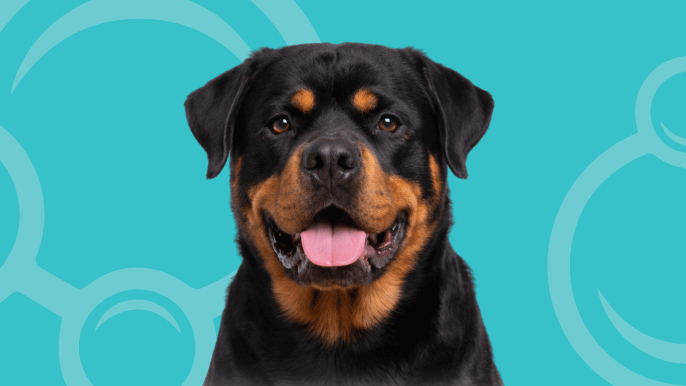
These dogs are quietly powerful. Rottweiler Temperament includes a calm, self-assured confidence that does not need to prove itself through aggression or bravado. They are watchful, intelligent, and carry their substantial strength with a measured composure that commands respect naturally.
The short double coat with its dense, flat outer layer and moderate undercoat is the working dog's practical jacket : protective, weather-resistant, and requiring consistent but manageable maintenance. Rottweiler Temperament and coat care connect because the breed's trainable, responsive nature makes grooming sessions productive, and the short coat makes the powerful body accessible for health monitoring.

Let me tell you what you are really getting with a Rottweiler, because this breed's reputation creates assumptions in both directions that need correcting.
The Rottweiler is not the aggressive danger that sensationalised media portrays, and it is not a casual pet for inexperienced owners. Rottweiler Temperament is built on genuine confidence, powerful loyalty, and natural protectiveness that requires knowledgeable, consistent ownership. These dogs are calm, intelligent, and devoted when properly raised, trained, and socialised. Without those things, the breed's natural protective instinct and physical power create genuine risk.
Now let's talk grooming. Honestly.
The short double coat on this breed is practical and manageable. The dense, flat outer coat lies close to the muscular body with a moderate undercoat. Brushing two to three times per week with the Medium-Pinned Slicker Brush keeps the coat healthy. The Short-Medium Coat Carding Rake extracts dead undercoat. Rottweiler Temperament during grooming is typically calm and cooperative because these intelligent dogs learn routines quickly and respond well to confident handling.
This breed is NOT for you if:
- You are a first-time dog owner without professional guidance
- You cannot provide consistent training and clear boundaries
- You cannot commit to thorough socialisation from puppyhood
- You want a dog that is friendly with every stranger
- You cannot manage a powerful, strong-willed breed physically and mentally
Because Rottweiler Temperament includes:
- Natural protective instinct that requires training and management
- Substantial physical power requiring confident handling
- Strong will that tests boundaries without consistent leadership
- Stranger reserve that can escalate without socialisation
- A short double coat with moderate shedding
This breed IS for you if:
- You are experienced with working breeds or have professional guidance
- You can provide consistent training and clear, fair boundaries
- You want a deeply loyal, protective, intelligent companion
- You can commit to thorough socialisation from puppyhood
- You appreciate a manageable coat on a powerful, capable breed
Rottweiler Temperament rewards experienced, confident owners with a companion whose loyalty is profound, whose intelligence is impressive, and whose calm, measured protectiveness provides genuine security.
Provide the leadership. Commit to the socialisation. Maintain the coat with consistent care.
Do that, and you will share your life with one of the most capable, loyal, and genuinely devoted working breeds in the world.
Breed Handling Profile
| Trait | Level | Notes |
|---|---|---|
| Emotional sensitivity | Moderate | Responsive to fair, consistent handling; perceptive to owner's confidence |
| Handling tolerance | High | Calm and cooperative when trust is established |
| Grooming commitment | Moderate | Short double coat with moderate shedding requires consistent maintenance |
| Exercise needs | Moderate to High | Needs daily exercise including walks and mental stimulation |
| Alone time tolerance | Moderate | Bonded but not clingy; handles reasonable alone time |
| Best fit household | Experienced owners who can provide consistent leadership, thorough socialisation, and daily exercise |
Breed Purpose and Why It Matters for Rottweiler Temperament
The Rottweiler was developed in the German town of Rottweil as a cattle drover, cart puller, and guardian. The breed drove cattle to market, pulled carts loaded with meat for butchers, and guarded the proceeds. Later, the Rottweiler served in police, military, and search-and-rescue roles. The breed's versatility, intelligence, and physical power made it one of the most capable working breeds in history.
Rottweiler Temperament reflects this multipurpose working heritage directly. The calm confidence, the physical power, the trainability, the protectiveness, and the willingness to work all trace to a breed that was valued for its reliability, intelligence, and capability across demanding roles. When your Rottweiler positions itself between you and a perceived threat, responds to training with focused precision, and watches over the household with quiet vigilance, that is Rottweil working heritage expressing itself.
FurHQ Coat Type Breakdown
The Rottweiler wears a Short Double Coat as classified in the FurHQ seven-coat system. This coat type features a dense, flat outer coat that lies close to the muscular body, supported by a moderate undercoat, particularly on the neck and thighs.
The Rottweiler's coat is practical and weather-resistant. The undercoat provides insulation without creating the profuse shedding volume of heavier double-coated breeds, though seasonal shedding is still notable.
The Medium-Pinned Slicker Brush maintains the body coat and lifts dead undercoat. The Undercoat Depth Combverifies thorough undercoat removal. The Short-Medium Coat Carding Rake extracts compacted undercoat. The Rubber Curry serves as a bathing tool.
The recommended kit is the FurHQ Starter Grooming Kit: Short Double Coat.
Not Sure About Your Dog's Coat Type?
Not every dog fits neatly into one coat category, and that is completely normal. Coat type determines the correct tools, products, and techniques for effective grooming, and getting it right matters for coat health and comfort. This is especially true for mixed breeds or dogs whose coat may vary from expectations.
Use the FurHQ AI Coat Identifier to find out your dog's coat type and get matched to the right FurHQ Starter Grooming Kit. Simply upload a photo and receive an accurate classification with a personalised kit recommendation.
Puppy Coat to Adult Coat Transition
Rottweiler puppies are born with a softer coat that begins developing its adult density between 4 and 8 months. The dense outer coat and moderate undercoat establish over 12 to 18 months. The full adult coat is typically established by age 18 months.
Start gentle handling from 8 weeks. Rottweiler Temperament in puppyhood is curious and responsive. Early grooming habituation builds the trust and cooperation that makes adult grooming straightforward. Use Pawfect Finish Coat Sprayafter bathing and when dry brushing. The FurHQ 5-Step Method provides structure for building the routine.
The FurHQ 5-Step Grooming Method: Technical Reality
The FurHQ 5-Step Method (Audit, Prep, Bath, Dry, Finish) applies to this coat type with emphasis on undercoat management and consistent shedding control through regular maintenance sessions.
Learn the Method. Follow the Protocol. Complete the Mission.
Setup and Stability
Secure the dog using the Stay Put System (suction cup anchor + safety lead). For anxious dogs, the Hush Pup Wrap provides calming compression. Short double coats benefit from efficient, consistent sessions that manage the dense undercoat before it becomes packed.
Tools and Technique
Audit: Begin every session by running your hands over the entire body. Feel for areas of packed undercoat, particularly along the hindquarters, ruff, and behind the ears. Check for skin irritation beneath the dense coat.
Prep: Use the Medium-Pinned Slicker Brush to work through the coat section by section, lifting and brushing through to the skin. Use the Rubber Curry for loosening surface coat. Apply Pawfect Finish Coat Spray before drying to provide slip and protect the coat. Use the Undercoat Depth Comb to verify brushing has reached the skin. The Short to Medium Coat Carding Rake removes dead undercoat efficiently, used once every two weeks maximum.
Bath: Use Rubber Curry during bathing for thorough skin stimulation and to loosen compacted undercoat. Full saturation to the skin is critical on a dense short double coat. Rinse thoroughly.
Dry: Towel dry thoroughly. Use a dryer to blow out remaining loose undercoat as it dries. Apply Pawfect Finish Coat Spray pre-dry for protection. A brush-through during drying removes significant additional undercoat.
Finish: Final pass with the Undercoat Depth Comb to verify the coat is free of loose undercoat and dry to the skin. Assess overall coat condition and skin health.
Blow-out season is where the real coat work lives. Stay ahead of undercoat release early, and the rest of the year stays easy.
Chemistry and Coat Care
Deep Clean Delight Shampoo provides a deep cleanse that reaches through the dense undercoat to the skin. Coat-Quench Conditioner supports skin comfort and coat health without over-softening the guard coat.
The Coat Release Method (Condensed)
Short double coats carry dense undercoat that releases seasonally in significant volume. During the Bath step, after full saturation and shampoo application, use controlled airflow in the tub while the coat is still lathered. The lubrication allows dead undercoat to release safely without friction or skin trauma.
Rinse, then apply a second shampoo with the Rubber Curry to complete the release. This keeps dead coat contained in the tub rather than spread across your home. For the full step-by-step process, see The Coat Release Method for Dogs with Undercoat in Related Reading.
FurHQ Starter Grooming Kit Breakdown
The FurHQ Starter Grooming Kit: Short Double Coat is recommended for the Rottweiler.
Standard Items (included in all FurHQ kits):
- Stay Put System (suction cup anchor + safety lead + training tips)
- Hush Pup Wrap
- Rubber Curry (for bathing)
- Ear Wipes
- Pawfect Finish Coat Spray
Coat-Specific Items:
- Deep Clean Delight Shampoo
- Coat-Quench Conditioner
- Medium-Pinned Slicker Brush
- Undercoat Depth Comb
- Short-Medium Coat Carding Rake
Total: 10 items
Each kit includes step-by-step video tutorials and informational PDFs so you know exactly how to use every tool and product for the Rottweiler coat.
Rottweiler Temperament: Superpowers and Kryptonite
Superpowers
🌟 Calm confidence: Rottweiler Temperament carries a genuine, quiet self-assurance that does not need aggression to command respect.
🌟 Profound loyalty: The breed's devotion to its family is deep, consistent, and unwavering.
🌟 Trainable intelligence: Rottweiler Temperament is highly responsive to training and excels in obedience, tracking, and working roles.
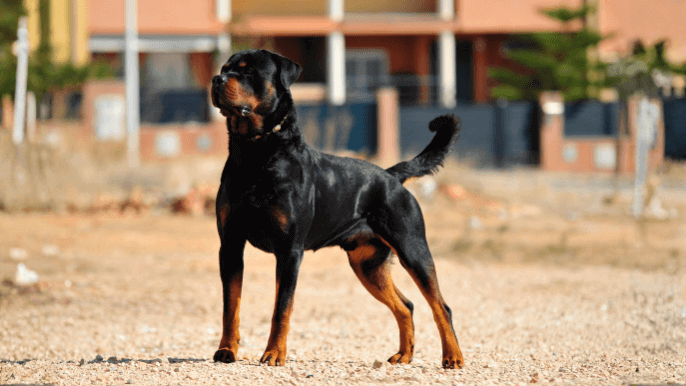
🌟 Practical coat: The short double coat provides weather protection with manageable maintenance, making the powerful body accessible for health monitoring.
🌟 Versatile capability: The breed excels in obedience, tracking, carting, therapy work, and service roles.
🌟 Natural protectiveness: Rottweiler Temperament provides genuine protective capability through presence, intelligence, and measured response.
Kryptonite
⚠️ Ownership responsibility: Rottweiler Temperament requires experienced, consistent ownership. Without proper training and socialisation, the breed's natural protectiveness and physical power create risk.
⚠️ Breed-specific legislation: Some regions have breed restrictions. Research local laws before acquiring a Rottweiler.
⚠️ Stranger reserve: Rottweiler Temperament is naturally reserved with strangers. Without thorough socialisation, this reserve can become problematic.
⚠️ Strong will: Rottweiler Temperament tests boundaries. Consistent leadership and fair boundaries are essential from puppyhood.
⚠️ Joint health vulnerability: The breed's size and weight create susceptibility to hip and elbow dysplasia and cruciate ligament injuries.
⚠️ Insurance considerations: Some insurers apply restrictions. Research before acquiring the breed.
FurHQ's Lifestyle Lens and Pro Insights
Rottweilers respond best to calm confidence on the grooming table, and in return, Rottweiler Temperament is calm, cooperative, and often gentler than the breed's reputation suggests. The short coat makes sessions efficient, typically 15 to 20 minutes for a thorough groom. The health check is the most valuable part of the session.
The neck and thigh area carry the densest undercoat. The elbows and hocks develop calluses from lying on hard surfaces, and these should be monitored during grooming for cracking or infection. The muscular body is straightforward to assess, and the short coat reveals lumps, skin changes, and weight fluctuations readily.
Living with a Rottweiler means providing leadership. Rottweiler Temperament respects confident, fair leadership and becomes anxious, uncertain, or pushy without it. These are not dogs that thrive in permissive households.
They are working dogs that need structure, boundaries, and consistent expectations. Socialisation from puppyhood is non-negotiable. Expose the puppy to diverse people, environments, and situations early and consistently, because a well-socialised Rottweiler is a calm, confident, trustworthy companion, while an unsocialised one becomes reactive and unpredictable with the physical power to make that a serious problem.
That short coat still sheds big time—use a rubber curry regularly to lift dead undercoat and keep the coat sleek and shiny.
Health and Lifespan: The FurHQ Touch Test
The Rottweiler typically lives 9 to 10 years. Regular health monitoring through grooming supports early detection within this shorter lifespan.
Regular grooming sessions serve as health assessments when you incorporate the FurHQ Touch Test. The short coat makes the body fully accessible.
Hip and elbow dysplasia are significant concerns in this heavy breed. Osteosarcoma (bone cancer) is a major breed concern. Cruciate ligament tears occur due to the breed's weight and activity level. Bloat is a risk in this deep-chested breed. Subaortic stenosis is a cardiac concern. Hypothyroidism may affect some individuals and can manifest as coat quality changes. Entropion can occur.
Every grooming session is a conversation with your dog's body. The FurHQ 5-Step Method builds that conversation into your routine.
Related Breed Comparisons
If you are considering a Rottweiler, these breeds share some characteristics but differ in important ways:
- Doberman Pinscher Temperament: Similar protective loyalty with a smoother coat and more athletic build. Shares the intelligence and protectiveness but with more energy and a leaner frame.
- German Shepherd Temperament: Comparable working intelligence and protectiveness with a heavier coat. Shares the versatility but with more handler sensitivity and a different coat type.
- Cane Corso Temperament: Similar guardian presence with a shorter coat. Shares the protective instinct and physical power but with a different temperament style.
- Bernese Mountain Dog Temperament: Comparable Swiss heritage with a gentler, more profusely coated companion temperament. Shares the loyalty but with less protective edge.
Related Reading
Short Double Coat Grooming
Comfort and Safety
- Dog Grooming Desensitisation
Tools and Products
Related Breed Blogs
- Doberman Pinscher Temperament
- German Shepherd Temperament
- Cane Corso Temperament
- Bernese Mountain Dog Temperament
The Bottom Line
Rottweiler Temperament delivers calm confidence, profound loyalty, and genuine protective capability in a powerful, practical package that demands experienced, consistent ownership. The responsibility is real. The training commitment is non-negotiable. The socialisation must start early. But the return is a companion whose loyalty is unshakeable, whose intelligence is impressive, and whose quiet, measured presence provides a security and devotion that few breeds can match.
If you are ready for the commitment, the FurHQ Starter Grooming Kit: Short Double Coat gives you every tool and product you need. You have a system that works.
Learn the Method. Follow the Protocol. Complete the Mission.
You got this. And we've got you.
Variation Clarity Statement
Every dog is an individual. While this profile describes typical breed characteristics, your specific dog may vary based on genetics, breeding, socialisation, and individual temperament. Coat type can also vary within breeds. If you are unsure about your dog's coat type, use the FurHQ AI Coat Identifier to get accurate identification and the right kit recommendation.
FAQs
What coat type does my Rottweiler have?
The Rottweiler is classified as a Short Double Coat in the FurHQ seven-coat system. The seven coat types are Smooth Single Coat, Short Double Coat, Medium Plush Double Coat, Feathered Long Double Coat, Wire Coat, Curly Wavy Coat, and Drop Coat.
What is Rottweiler Temperament like?
Rottweiler Temperament is confident, calm, and deeply loyal. They are natural guardians who form strong bonds with their families while maintaining a watchful, protective presence. Well-bred and properly socialised Rottweilers are gentle and affectionate with family members, including children, while being appropriately reserved with strangers.
How often should I brush my Rottweiler?
Brush two to three times per week with the Medium-Pinned Slicker Brush. Use the Short-Medium Coat Carding Rake every two weeks. During seasonal blow, daily brushing is recommended. Rottweiler Temperament makes sessions calm and cooperative.
Do Rottweilers shed a lot?
Rottweilers shed moderately year-round with increased shedding during seasonal blow. The short coat makes shedding less visually dramatic than longer-coated breeds but the undercoat still releases notably during seasonal transitions.
How long do Rottweilers live?
Rottweilers typically live 8 to 10 years, which is shorter than many breeds due to their large size and predisposition to certain health conditions. Maintaining proper weight, providing appropriate exercise, and regular veterinary care contribute to longevity. Their shorter lifespan is an important consideration when choosing this breed.
Are Rottweilers good with children?
Well-bred and properly socialised Rottweilers can be excellent family dogs who are gentle and protective with children. Their calm, steady temperament makes them patient companions. However, their size means supervision with young children is important, as they may accidentally knock over small children. Teaching both dog and children appropriate interaction is essential.
Do Rottweilers need a lot of exercise?
Rottweilers have moderate to high exercise needs, requiring daily activity but not the demanding levels of herding breeds. Daily walks, play sessions, and mental stimulation keep them healthy and content. Without adequate exercise, they may become restless or develop behavioural issues. They enjoy activities like walking, swimming, and training exercises.
How big do Rottweilers get?
Adult Rottweilers typically weigh 80 to 135 pounds (36 to 61 kg), with males generally larger than females. Height at the shoulder ranges from 22 to 27 inches (56 to 69 cm). They have a powerful, muscular build that reflects their working heritage. Proper diet and exercise maintain their substantial but fit physique.
Are Rottweilers easy to train?
Rottweilers are intelligent and generally eager to please, making them highly trainable with the right approach. They respond best to consistent, positive training methods with a confident handler. Early training is essential due to their size and strength. A well-trained Rottweiler is a pleasure to live with and showcases the breed's natural intelligence.
Are Rottweilers good apartment dogs?
Rottweilers can adapt to apartment living if their exercise needs are met, but they are better suited to homes with more space. Their size makes smaller living spaces challenging, and many apartments have breed restrictions that prohibit Rottweilers. If apartment living is necessary, owners must commit to multiple daily exercise sessions and be prepared for potential housing limitations.
Do Rottweilers bark a lot?
Rottweilers are not typically excessive barkers. They tend to bark purposefully to alert their owners to something noteworthy rather than barking without reason. Their natural guardian instincts mean they will announce visitors or unusual activity. A well-exercised Rottweiler with adequate mental stimulation is usually a quiet household member.
Are Rottweilers aggressive?
Rottweilers are not inherently aggressive, but they are powerful dogs with strong protective instincts. Aggression is typically the result of poor breeding, inadequate socialisation, or improper training rather than breed characteristics. Well-bred, properly socialised, and trained Rottweilers are confident and calm, not aggressive. Responsible ownership is essential for this powerful breed.
What colours do Rottweilers come in?
Rottweilers come in only one colour pattern: black with clearly defined rust to mahogany markings. The markings appear above the eyes, on the cheeks, muzzle, chest, legs, and beneath the tail. The AKC breed standard specifies this colouring, and variations are considered faults. The rich contrast between black and rust is a hallmark of the breed.
Do Rottweilers have health problems?
Rottweilers are predisposed to several health conditions including hip and elbow dysplasia, aortic stenosis (a heart condition), osteosarcoma (bone cancer), and bloat. Responsible breeders screen for these conditions. Regular veterinary care and maintaining proper weight help manage health risks. Their shorter lifespan reflects these health predispositions.
How does Rottweiler Temperament affect grooming?
Rottweiler Temperament responds to calm, confident handling during grooming. Once the routine is established, sessions are cooperative and efficient. Trust-building from puppyhood is important.
How often should I bathe my Rottweiler?
Bathe every 6 to 10 weeks using Deep Clean Delight Shampoo followed by Coat-Quench Conditioner. Always complete Audit and Prep steps first.
What tools and products are in the FurHQ Starter Grooming Kit: Short Double Coat?
The FurHQ Starter Grooming Kit: Short Double Coat contains 10 items. Coat-specific items: Deep Clean Delight Shampoo, Coat-Quench Conditioner, Medium-Pinned Slicker Brush, Undercoat Depth Comb, and Short-Medium Coat Carding Rake. Standard items: Stay Put System, Hush Pup Wrap, Rubber Curry, Ear Wipes, and Pawfect Finish Coat Spray.
How does the FurHQ 5-Step Method work for the Rottweiler?
The FurHQ 5-Step Method (Audit, Prep, Bath, Dry, Finish) emphasises health monitoring. Audit checks for lumps, joint sensitivity, and elbow/hock calluses. Prep uses the Medium-Pinned Slicker Brush, Short-Medium Coat Carding Rake, and Undercoat Depth Comb. Bath uses Deep Clean Delight Shampoo and Coat-Quench Conditioner. Finish applies Pawfect Finish Coat Spray.
What FurHQ Starter Grooming Kits are available?
FurHQ offers seven coat-specific kits: FurHQ Starter Grooming Kit: Smooth Single Coat, FurHQ Starter Grooming Kit: Short Double Coat, FurHQ Starter Grooming Kit: Medium Plush Double Coat, FurHQ Starter Grooming Kit: Feathered Long Double Coat, FurHQ Starter Grooming Kit: Wire Coat, FurHQ Starter Grooming Kit: Curly Wavy Coat, and FurHQ Starter Grooming Kit: Drop Coat. Use the FurHQ AI Coat Identifier for accurate classification or visit the FurHQ Store.