
Sussex Spaniel Temperament and Grooming Considerations
Table of Contents
- Introduction: The Steady Worker with the Golden Coat
- Breed Handling Profile
- Breed Purpose and Why It Matters for Sussex Spaniel Temperament
- FurHQ Coat Type Breakdown
- Not Sure About Your Dog's Coat Type?
- Puppy Coat to Adult Coat Transition
- The FurHQ 5-Step Grooming Method: Technical Reality
- FurHQ Starter Grooming Kit Breakdown
- Sussex Spaniel Temperament: Superpowers and Kryptonite
- FurHQ's Lifestyle Lens and Pro Insights
- Health and Lifespan: The FurHQ Touch Test
- Related Breed Comparisons
- Related Reading
- The Bottom Line
- Variation Clarity Statement
- FAQs
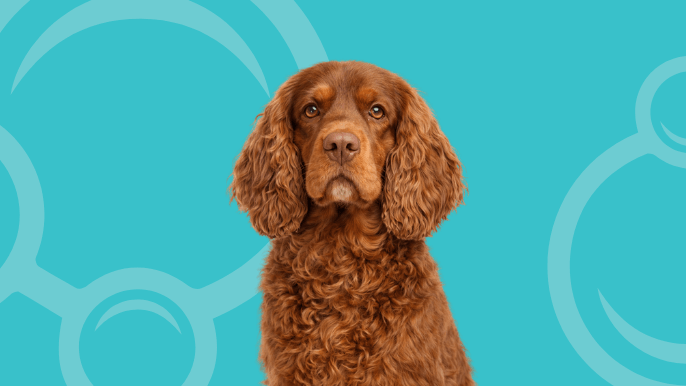
Sussex Spaniel Temperament is what happens when steady determination, cheerful devotion, and a uniquely vocal hunting style combine in one of the rarest and most distinctive sporting spaniels in the world.
Developed in Sussex, England, during the late 18th century for hunting in the dense hedgerows and heavy cover of the Sussex countryside, the Sussex Spaniel is the only spaniel breed that gives tongue (bays) while working, a trait that allowed hunters to track the dog through impenetrable cover by sound.
Understanding Sussex Spaniel Temperament starts with recognising that this is a rare, slow-paced, methodical working spaniel whose cheerful, steady nature and distinctive golden liver coat make it utterly unique among sporting breeds.
These dogs are cheerfully persistent. Sussex Spaniel Temperament includes a steady, determined work ethic combined with a cheerful, affectionate nature that makes this rare breed one of the most endearing spaniels when you can find one.
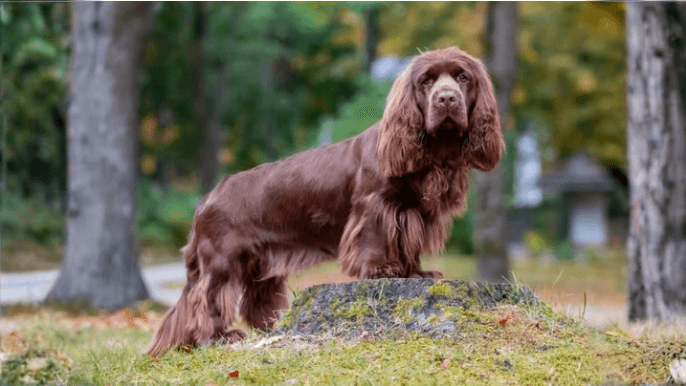
The rich golden liver feathered long double coat with its heavy body feathering , ear feathering, and profuse undercoat is the breed's visual signature. Sussex Spaniel Temperament and coat care connect because the breed's cooperative, willing nature makes grooming sessions pleasant, though the heavy feathering requires consistent attention.

Let me tell you what you are really getting with a Sussex Spaniel, because this breed is so rare that most people have never encountered one.
The Sussex is the slow, steady, vocal spaniel. Where Cockers and Springers work at speed, Sussex Spaniel Temperament operates at a deliberate, methodical pace, working through heavy cover with persistent determination while baying to let the hunter know its location. The breed's rarity makes it one of the most endangered native British breeds, and owning one is an act of breed stewardship.
Now let's talk grooming. Honestly.
The feathered long double coat on this breed is beautiful and demanding. Rich golden liver colour with heavy feathering on the body, ears, chest, and legs, supported by a dense undercoat. Brushing two to three times per week with the Long-Pinned Slicker Brush. Carding rake every two weeks alternating with the Deshedding Comb. The ear feathering is the primary maintenance focus because the heavy, low-set ears are prone to matting and infection.
This breed is NOT for you if:
- You want a high-energy, fast-paced sporting dog
- You cannot tolerate a vocal, baying dog
- You want immediate availability (breeders are extremely rare)
- You want a quiet household companion
- You cannot commit to consistent coat maintenance
Because Sussex Spaniel Temperament includes:
- A distinctive baying voice used liberally
- A slow, deliberate pace that frustrates owners expecting spaniel speed
- Heavy feathered coat requiring consistent maintenance
- Low-set ears prone to infection
- Rare breed availability challenges
This breed IS for you if:
- You appreciate a steady, cheerful, devoted sporting companion
- You value rare breed stewardship
- You enjoy the distinctive golden liver coat and vocal nature
- You want a calmer, more methodical spaniel than the high-energy breeds
- You can commit to regular coat care and ear monitoring
Sussex Spaniel Temperament rewards patient, appreciative owners with a companion whose steady cheerfulness, devoted affection, and distinctive character make it one of the most unique and endearing sporting breeds in the world.
Appreciate the pace. Maintain the golden coat. Embrace the voice.
Do that, and you will share your life with one of the rarest and most characterful spaniels in existence.
Breed Handling Profile
| Trait | Level | Notes |
|---|---|---|
| Emotional sensitivity | Moderate | Cheerful and steady; responsive to positive methods |
| Handling tolerance | High | Cooperative and willing during grooming |
| Grooming commitment | High | Heavy feathered coat with ear feathering requires consistent maintenance |
| Exercise needs | Moderate | Needs daily walks; works at a deliberate pace |
| Alone time tolerance | Low to Moderate | Cheerful and bonded; prefers companionship |
| Best fit household | Appreciative owners who value rare breed stewardship and enjoy a calmer, vocal sporting companion |
Breed Purpose and Why It Matters for Sussex Spaniel Temperament
The Sussex Spaniel was developed by Augustus Elliott Fuller at Rosehill Park in Sussex, England, during the late 18th and early 19th centuries. The breed was specifically designed for hunting through the dense, heavy hedgerows of the Sussex landscape where faster spaniels were impractical. The Sussex was bred to work at a slow, methodical pace, pushing steadily through thick cover while baying to signal its location.
Sussex Spaniel Temperament reflects this slow, vocal hunting heritage directly. The deliberate pace, the persistent determination, the distinctive baying, and the willingness to push through dense cover all trace to a breed designed for a specific landscape and hunting style. When your Sussex Spaniel moves through undergrowth with steady persistence, gives voice enthusiastically, and works methodically rather than frantically, that is Sussex hedgerow hunting heritage expressing itself.
FurHQ Coat Type Breakdown
The Sussex Spaniel wears a Feathered Long Double Coat as classified in the FurHQ seven-coat system. This coat type features a flat or slightly wavy outer coat in the distinctive golden liver colour with heavy feathering on the body, ears, chest, and legs, supported by a dense undercoat.
The Sussex Spaniel's coat is distinctive in both colour and texture. The golden liver is unique to this breed. The heavy body feathering and profuse ear feathering are the primary grooming focus areas.
The Long-Pinned Slicker Brush penetrates the heavy coat. The Undercoat Depth Comb verifies thorough undercoat removal. The Deshedding Comb provides active undercoat extraction. The Long Coat Carding Rake targets compacted undercoat. The Rubber Curry serves as a bathing tool.
The recommended kit is the FurHQ Starter Grooming Kit: Feathered Long Double Coat.
Not Sure About Your Dog's Coat Type?
Not every dog fits neatly into one coat category, and that is completely normal. Coat type determines the correct tools, products, and techniques for effective grooming, and getting it right matters for coat health and comfort. This is especially true for mixed breeds or dogs whose coat may vary from expectations.
Use the FurHQ AI Coat Identifier to find out your dog's coat type and get matched to the right FurHQ Starter Grooming Kit. Simply upload a photo and receive an accurate classification with a personalised kit recommendation.
Puppy Coat to Adult Coat Transition
Sussex Spaniel puppies develop the golden liver coat colour and feathering progressively between 6 and 18 months. The heavy body and ear feathering fills in over the first two years. The full adult coat with mature feathering is typically established by age 2.
Start gentle handling from 8 weeks, including ear feathering. Sussex Spaniel Temperament in puppyhood is cheerful and cooperative. Use Pawfect Finish Coat Spray before drying and when dry brushing. The FurHQ 5-Step Method provides structure for building the routine.
The FurHQ 5-Step Grooming Method: Technical Reality
The FurHQ 5-Step Method (Audit, Prep, Bath, Dry, Finish) applies to this coat type with emphasis on managing the dense undercoat while protecting the longer guard coat and feathering from damage.
Learn the Method. Follow the Protocol. Complete the Mission.
Setup and Stability
Secure the dog using the Stay Put System (suction cup anchor + safety lead). For anxious dogs, the Hush Pup Wrap provides calming compression. Feathered long double coats require the most thorough grooming sessions of all coat types, so patience and a calm environment are essential.
Tools and Technique
Audit: Begin every session by running your hands over the entire body, parting the coat to check for mats at the skin level. Focus on behind the ears, armpits, groin, chest ruff, hindquarter feathering, and any areas where friction occurs. The long coat hides mats effectively, so hands-on assessment is non-negotiable.
Prep: Mist with Pawfect Finish Coat Spray before any tool touches the coat. Use the Long-Pinned Slicker Brush to line brush section by section, working from the skin outward through both the undercoat and the longer guard coat. Verify every section with the Undercoat Depth Comb. If the comb catches, go back to the slicker. Use the Deshedding Comb for undercoat removal on alternating weeks. Use the Long Coat Carding Rake once every two weeks for dead undercoat, alternating weeks with the Deshedding Comb.
Bath: Use Rubber Curry during bathing for skin stimulation and to work shampoo through the dense coat. Full saturation to the skin is critical and takes time on a coat this dense. Rinse thoroughly, working water through the full length.
Dry: Towel dry without rubbing. Use a dryer with a brush-through, lifting and separating the coat as it dries. Apply Pawfect Finish Coat Spray pre-dry for protection. Significant undercoat blows out during this step. The coat should be dried thoroughly to the skin, and the feathering should be straightened during drying.
Finish: Final comb-through with the Undercoat Depth Comb to verify the coat is free of tangles, dry to the skin, and the feathering is smooth and draping naturally. Assess overall coat condition.
Blow-out season is where the real coat work lives. Stay ahead of undercoat release early, and the rest of the year stays easy.
Chemistry and Coat Care
Deep Clean Delight Shampoo provides a deep cleanse that penetrates the dense double coat to the skin. Coat-Quench Conditioner provides slip, moisture, and tangle prevention for the longer guard coat and feathering, supporting easier brushing and reducing breakage.
The Coat Release Method (Condensed)
Feathered long double coats carry dense undercoat that releases seasonally in significant volume. During the Bath step, after full saturation and shampoo application, use controlled airflow in the tub while the coat is still lathered. The lubrication allows dead undercoat to release safely without friction or skin trauma. Rinse, then apply a second shampoo with the Rubber Curry to complete the release. This keeps dead coat contained in the tub rather than spread across your home. For the full step-by-step process, see The Coat Release Method for Dogs with Undercoat in Related Reading.
FurHQ Starter Grooming Kit Breakdown
The FurHQ Starter Grooming Kit: Feathered Long Double Coat is recommended for the Sussex Spaniel.
Standard Items (included in all FurHQ kits):
- Stay Put System (suction cup anchor + safety lead + training tips)
- Hush Pup Wrap
- Rubber Curry (for bathing)
- Ear Wipes
- Pawfect Finish Coat Spray
Coat-Specific Items:
- Deep Clean Delight Shampoo
- Coat-Quench Conditioner
- Long-Pinned Slicker Brush
- Undercoat Depth Comb
- Deshedding Comb
- Long Coat Carding Rake
Total: 11 items
Each kit includes step-by-step video tutorials and informational PDFs so you know exactly how to use every tool and product for the Sussex Spaniel coat.
 Sussex Spaniel Temperament: Superpowers and Kryptonite
Superpowers
🌟 Steady cheerfulness: Sussex Spaniel Temperament brings a consistent, upbeat, cheerful energy that is endearing and reliable.
🌟 Unique vocal character: The breed's baying is distinctive among spaniels and adds character that Sussex enthusiasts adore.
🌟 Calmer pace: Sussex Spaniel Temperament operates at a more relaxed pace than most sporting spaniels, making it manageable for less active owners.
🌟 Cooperative grooming: The breed's willing, pleasant nature makes coat maintenance sessions enjoyable.
🌟 Rare breed distinction: Owning a Sussex Spaniel contributes to preserving one of the rarest and most endangered native British sporting breeds.
🌟 Distinctive beauty: The golden liver coat colour is unique to this breed and genuinely beautiful.
Kryptonite
⚠️ Vocal nature: Sussex Spaniel Temperament includes liberal use of its distinctive baying voice. This is charming to some and challenging to others, particularly in close neighbourhoods.
⚠️ Slow pace: The methodical working speed can frustrate owners expecting typical spaniel energy and responsiveness.
⚠️ Ear health vulnerability: The heavy, low-set ears trap moisture and debris, making ear infections a persistent concern.
⚠️ Extreme rarity: Finding a Sussex Spaniel puppy requires patience, long waitlists, and willingness to travel. Reputable breeders are very few.
⚠️ Weight management: The breed gains weight easily, and obesity worsens the low-slung body's joint stress.
⚠️ Never shave this coat: Shaving a double coated breed damages the coat structure. Proper undercoat removal through the Coat Release Method is the correct approach.
FurHQ's Lifestyle Lens and Pro Insights
I have groomed very few Sussex Spaniels because the breed is genuinely rare, but when I do, Sussex Spaniel Temperament on my table is the most pleasant of any spaniel I work with. These dogs settle cheerfully, accept handling willingly, and seem to enjoy the attention. The feathered coat work is similar to other sporting spaniels but the golden liver colour makes the coat unusually beautiful.
The ears are the primary health monitoring priority. The heavy, low-set ears drape over the ear canal, creating a warm, moist environment perfect for infection. Clean with Ear Wipes at every session, dry thoroughly after bathing or wet weather, and check for redness, odour, and discharge. Ear infections are the most common health issue I see in this breed.
Living with a Sussex means appreciating its unique character. Sussex Spaniel Temperament is not the high-energy spaniel that most people expect. It is slower, steadier, more vocal, and more distinctive. For the right owner, these qualities are the breed's greatest charm.
After bathing or swimming, dry inside each ear thoroughly. Ear infections caught early are easily treated; chronic infections cause lasting damage.
Health and Lifespan: The FurHQ Touch Test
The Sussex Spaniel typically lives 13 to 15 years. The breed's rarity means health data is limited but some patterns are established.
Regular grooming sessions serve as health assessments when you incorporate the FurHQ Touch Test.
Ear infections are the most common health concern due to the heavy ear flaps. Intervertebral disc disease can occur due to the breed's long, low body. Heart conditions including pulmonic stenosis have been documented. Hip dysplasia is a concern. Hypothyroidism may affect some individuals. The breed's small gene pool means responsible breeding practices are essential.
Every grooming session is a conversation with your dog's body. The FurHQ 5-Step Method builds that conversation into your routine.
Related Breed Comparisons
If you are considering a Sussex Spaniel, these breeds share some characteristics but differ in important ways:
- Clumber Spaniel Temperament: Comparable slow-paced, heavy spaniel with similar coat demands. Shares the calmer working style but with a white coat and different build.
- English Springer Spaniel Temperament: Similar feathered coat with much higher energy. Shares the hunting heritage but works at a dramatically faster pace.
- English Cocker Spaniel Temperament: Comparable feathered sporting spaniel with more energy. Shares the feathered coat and hunting purpose but with a livelier temperament.
- Field Spaniel Temperament: Similar rare, moderate-paced sporting spaniel. Shares the calmer temperament and feathered coat but with a different build and colour.
Related Reading
Feathered Long Double Coat Grooming
Comfort and Safety
- Dog Grooming Desensitisation
Tools and Products
Related Breed Blogs
- Clumber Spaniel Temperament
- English Springer Spaniel Temperament
- English Cocker Spaniel Temperament
- Field Spaniel Temperament
The Bottom Line
Sussex Spaniel Temperament delivers steady cheerfulness, distinctive vocal character, and rare breed charm in one of the most unique and endangered sporting spaniels in the world. The baying voice is constant. The pace is slow. The rarity creates availability challenges. But the return is a companion whose cheerful devotion is unwavering, whose golden liver beauty is unique in the dog world, and whose steady, characterful nature represents a piece of British sporting heritage worth preserving.
If you are ready for the commitment, the FurHQ Starter Grooming Kit: Feathered Long Double Coat gives you every tool and product you need. You have a system that works.
Learn the Method. Follow the Protocol. Complete the Mission.
You got this. And we've got you.
Variation Clarity Statement
Every dog is an individual. While this profile describes typical breed characteristics, your specific dog may vary based on genetics, breeding, socialisation, and individual temperament. Coat type can also vary within breeds. If you are unsure about your dog's coat type, use the FurHQ AI Coat Identifier to get accurate identification and the right kit recommendation.
FAQs
What is the Sussex Spaniel's coat type according to FurHQ?
The Sussex Spaniel is classified as a Feathered Long Double Coat in the FurHQ seven-coat system. The seven coat types are Smooth Single Coat, Short Double Coat, Medium Plush Double Coat, Feathered Long Double Coat, Wire Coat, Curly Wavy Coat, and Drop Coat.
Why is the Sussex Spaniel's belly feathering such a grooming priority?
The Sussex Spaniel's low body means the belly feathering is in constant contact with the ground. Grass, twigs, mud, and moisture accumulate in the belly coat throughout the day, and without daily attention this debris compacts into solid mats.
What tools does the FurHQ Starter Grooming Kit: Feathered Long Double Coat include?
The FurHQ Starter Grooming Kit: Feathered Long Double Coat contains 11 items. Coat-specific items: Deep Clean Delight Shampoo, Coat-Quench Conditioner, Long-Pinned Slicker Brush, Undercoat Depth Comb, Deshedding Comb, and Long Coat Carding Rake. Standard items: Stay Put System, Hush Pup Wrap, Rubber Curry, Ear Wipes, and Pawfect Finish Coat Spray.
Is the Sussex Spaniel good with children?
Sussex Spaniel Temperament is generally good with children. The breed's calm, steady nature and sturdy build make it a patient companion for respectful children. The Sussex Spaniel is less excitable than many sporting breeds, which can be an advantage with young children. As with any breed, supervision is recommended with very young children, and teaching mutual respect between dog and child is essential. The breed's moderate energy level means it is less likely to overwhelm small children during play.
How much exercise does a Sussex Spaniel need daily?
The Sussex Spaniel requires approximately 30 to 60 minutes of daily exercise, making it one of the lower-energy sporting breeds. Sussex Spaniel Temperament is satisfied with steady walks, moderate play, and opportunities for nose work rather than the intense activity demanded by higher-drive sporting breeds. The breed benefits from mental stimulation through scent games and puzzle activities as much as physical exercise.
Do Sussex Spaniels shed a lot?
Yes. The dense double coat sheds year-round with heavier seasonal coat blows in spring and autumn. Regular grooming with the Long-Pinned Slicker Brush, Deshedding Comb, and Long Coat Carding Rake manages shedding by removing dead undercoat before it drops. The Coat Release Method during bathing is particularly effective for managing seasonal shedding.
How often should I bathe my Sussex Spaniel?
Every 6 to 8 weeks is appropriate for most Sussex Spaniels. Use Deep Clean Delight Shampoo and Coat-Quench Conditioner. The double-shampoo method with the Rubber Curry during both shampoo phases releases trapped undercoat. Always apply Pawfect Finish Coat Spray before every dry brushing session and after bathing.
How rare is the Sussex Spaniel?
The Sussex Spaniel is one of the rarest sporting breeds, with annual registrations often numbering fewer than 100 in many countries. Sussex Spaniel Temperament and the breed's unique characteristics make it worth the search, but prospective owners should expect waiting lists from reputable breeders. The breed's rarity means each owner plays a role in the conservation of this historic British spaniel.
How do I prevent matting in the feathered areas?
Consistent line brushing with the Long-Pinned Slicker Brush through all feathered areas at every session, followed by verification with the Coat-Appropriate Metal Comb. Apply Pawfect Finish Coat Spray before every dry brushing session for slip and protection. Focus on the belly feathering, ear feathering, armpits, and the back of the hind legs. For the Sussex Spaniel specifically, daily belly checks are essential given the breed's low body.
What health issues are common in the Sussex Spaniel?
The most commonly reported health concerns include ear infections, intervertebral disc disease and other spinal conditions related to the long, low body, hip dysplasia, heart conditions, eye conditions including entropion, and obesity. Reputable breeders screen for hip dysplasia, eye conditions, and heart health. Regular veterinary examinations, weight management, and the FurHQ Touch Test between visits support proactive health management.
Are Sussex Spaniels easy to train?
Sussex Spaniel Temperament makes training a unique experience. The breed is intelligent but independently minded. Standard repetitive training approaches often produce poor results because the Sussex Spaniel loses interest in exercises that seem pointless. Short, varied, reward-based sessions that engage the breed's natural curiosity produce the best results. Patience and creativity are more important than repetition with this breed.
How often should I brush my Sussex Spaniel?
Three to four times per week minimum for the full coat, with daily attention to the belly feathering and ear feathering. Use the Long-Pinned Slicker Brush for line brushing, followed by the Coat-Appropriate Metal Comb for verification. The Deshedding Comb and Long Coat Carding Rake should be used weekly for undercoat management.
How do I prevent ear infections in my Sussex Spaniel?
Weekly ear cleaning is the minimum, with checks after every swim, bath, and wet outdoor activity. Keep the ear feathering clean and tangle-free with regular brushing and combing. Use Ear Wipes for routine cleaning. Watch for signs of infection including redness, discharge, odour, head shaking, or ear scratching. The long, heavy ears restrict airflow and trap moisture, making prevention far more effective than treatment.
Is the Sussex Spaniel a good apartment dog?
The Sussex Spaniel's moderate size and lower energy level make apartment living more viable than with most sporting breeds, provided daily exercise and mental stimulation are provided. Sussex Spaniel Temperament adapts well to various living situations as long as the dog receives regular outdoor activity and has sufficient space for grooming sessions.
How do I introduce my Sussex Spaniel puppy to grooming?
Start early with short, positive sessions. Sussex Spaniel Temperament during puppyhood is curious and responsive to positive reinforcement. Begin with brief handling exercises and gentle brushing for just a few minutes, paired with treats and praise. Gradually increase session length. The Stay Put System provides secure positioning, and the Hush Pup Wrap helps settle puppies who find grooming overstimulating. Establishing positive grooming habits before the full adult coat arrives is particularly important with this breed.
How does the FurHQ 5-Step Method work for the Sussex Spaniel?
The FurHQ 5-Step Method (Audit, Prep, Bath, Dry, Finish) focuses on ear health and feathering maintenance. Audit checks ear condition and feathering tangles. Prep uses all four tools working through body and ear feathering. Bath uses Deep Clean Delight Shampoo and Coat-Quench Conditioner with thorough ear drying. Finish applies Pawfect Finish Coat Spray.
What FurHQ Starter Grooming Kits are available?
FurHQ offers seven coat-specific kits: FurHQ Starter Grooming Kit: Smooth Single Coat, FurHQ Starter Grooming Kit: Short Double Coat, FurHQ Starter Grooming Kit: Medium Plush Double Coat, FurHQ Starter Grooming Kit: Feathered Long Double Coat, FurHQ Starter Grooming Kit: Wire Coat, FurHQ Starter Grooming Kit: Curly Wavy Coat, and FurHQ Starter Grooming Kit: Drop Coat. Use the FurHQ AI Coat Identifier for accurate classification or visit the FurHQ Store.