
Siberian Husky Temperament and Grooming Considerations
Table of Contents
- Introduction: The Arctic Athlete
- Breed Handling Profile
- Breed Purpose and Why It Matters for Siberian Husky Temperament
- FurHQ Coat Type Breakdown
- Not Sure About Your Dog's Coat Type?
- Puppy Coat to Adult Coat Transition
- The FurHQ 5-Step Grooming Method: Technical Reality
- FurHQ Starter Grooming Kit Breakdown
- Siberian Husky Temperament: Superpowers and Kryptonite
- FurHQ's Lifestyle Lens and Pro Insights
- Health and Lifespan: The FurHQ Touch Test
- Related Breed Comparisons
- Related Reading
- The Bottom Line
- Variation Clarity Statement
- FAQs
 Introduction: The Arctic Athlete
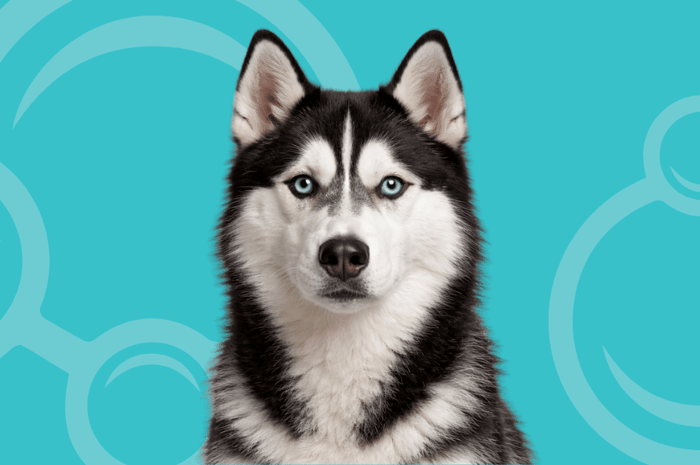
Siberian Husky Temperament and grooming considerations must be understood through the lens of a breed developed for endurance sledding in one of the harshest climates on earth. Originating with the Chukchi people of northeastern Siberia, these dogs were bred to pull light loads over vast frozen distances while conserving energy and surviving on minimal food. This is a breed that combines remarkable athleticism, independent thinking, and a stunning appearance that continues to captivate dog lovers worldwide.
These dogs are known for their friendly, mischievous, and free-spirited nature. Siberian Husky Temperament is marked by an outgoing personality, incredible stamina, and a certain independence that can be both charming and challenging. They are not dogs that live to please their owners in the traditional sense. They are partners who decide for themselves whether a request makes sense.
Their coat is the quintessential medium plush double coat, developed to provide insulation against Arctic temperatures. The dense undercoat and medium-length topcoat require regular maintenance, particularly during the dramatic seasonal shedding events that Husky owners know all too well. This profile exists to give you an honest understanding of this striking breed so you can determine if it matches your lifestyle and grooming commitment.

Let me give you one of the most honest breed introductions you will ever hear.
The Siberian Husky is exactly what it looks like - a breathtaking, wolf-like athlete built for endurance, independence, and movement.
And I say that with deep admiration.
Because Siberian Husky Temperament is friendly, social, entertaining, and genuinely joyful to live with.
But the independence?
That is the defining feature - the one new owners either respect… or struggle with immediately.
There is no middle ground.
This breed was not created to wait for instructions.
It was bred to run for miles across frozen terrain, make decisions in harsh environments, and work in teams where independent thinking meant survival.
So when your Husky ignores a recall, negotiates a command, or decides that running is more important than listening… it is not being difficult.
It is behaving exactly as designed.
Living with this breed means accepting that independence is part of its genetic blueprint — not something you train out completely.
Primary Coat Type: Medium Plush Double Coat
But let’s talk grooming - honestly - because the coat is where lifestyle reality shows up fast.
A dense, soft undercoat sits beneath a weather-resistant topcoat, creating a system that regulates temperature beautifully - and sheds dramatically.
Twice yearly, Siberian Huskies release their undercoat in heavy seasonal coat blows that cover homes, clothing, and furniture in astonishing volume.
Routine brushing manages loose coat throughout the year, but shedding season requires far more commitment.
This is not light fluff.
This is full undercoat release.
Siberian Husky Temperament during grooming is generally cooperative - but rarely quiet.
They vocalise.
They wiggle.
They perform dramatic protest songs about brushing injustice.
Keep sessions structured, efficient, and upbeat, and most Huskies tolerate grooming well — sometimes even enjoying the attention.
So let’s talk alignment.
This breed is NOT for you if:
You want a low-energy household companion
You expect reliable off-leash obedience
You cannot provide daily exercise
You are unprepared for heavy seasonal shedding
You prefer quiet, compliant dogs
Because Siberian Husky Temperament includes independence, stamina, and coat volume that require real lifestyle compatibility.
This breed IS for you if:
You enjoy active outdoor living
You appreciate personality and humour
You can provide structured exercise daily
You are willing to brush through seasonal coat blows
You want a social, adventurous companion
Siberian Husky Temperament rewards aligned owners with loyalty, playfulness, and a partnership that feels more like sharing life with an equal than managing a pet.
Respect the independence.
Exercise the body.
Maintain the coat.
Do that, and you will share your life with one of the most charismatic, resilient, and visually unforgettable companions in the working dog world - a breed that does not just live beside you… it runs beside you.
Breed Handling Profile
| Trait | Level | Notes |
|---|---|---|
| Emotional sensitivity | Moderate | Pack-driven and social; sensitive to isolation, resilient in other contexts |
| Handling tolerance | Moderate | Cooperative when exercised; can be resistant and dramatic when restless |
| Grooming commitment | High to Very High | Dense double coat with legendary seasonal blow |
| Exercise needs | Extreme | Among the highest-energy breeds; 60 to 90+ minutes vigorous daily |
| Alone time tolerance | Low | Pack-driven; isolation creates howling, destruction, and escape attempts |
| Best fit household | Extremely active, experienced owners with secure fencing and tolerance for shedding and independence |
Breed Purpose and Why It Matters for Siberian Husky Temperament
The Siberian Husky was developed by the Chukchi people of the Chukotka Peninsula in northeastern Siberia as a long-distance sled dog. The breed pulled light loads at moderate speeds over extreme distances in sub-zero temperatures. The Chukchi valued endurance over sprint speed, and the dogs lived as family companions sharing the home with children when not working. The breed gained international fame during the 1925 serum run to Nome, Alaska, when sled dog teams relayed diphtheria antitoxin across 1,085 kilometres in five and a half days, saving the isolated town from an epidemic.
Siberian Husky Temperament reflects this Chukchi sled dog heritage directly. The tireless endurance, the pack social drive, the independent decision-making on the trail, the cold weather resilience, and the friendly nature with people all trace to a breed that worked in teams, lived with families, and survived the most extreme conditions on earth. When your Husky runs with inexhaustible energy, socialises enthusiastically with other dogs, howls in pack communication, and plans elaborate escapes with engineering precision, that is Chukchi sled dog heritage expressing itself at full intensity.
FurHQ Coat Type Breakdown
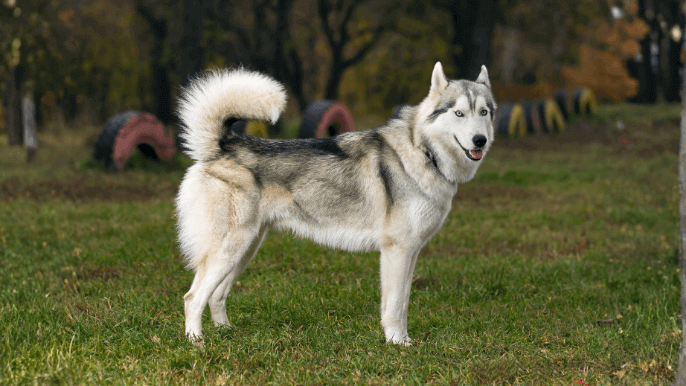
The Siberian Husky wears a Medium Plush Double Coat as classified in the FurHQ seven-coat system. This coat type features a medium-length, straight outer coat that stands off from the athletic body, supported by a thick, soft undercoat.
The Siberian Husky's coat is dense and weather-resistant. The outer coat provides protection while the undercoat provides insulation. The coat comes in a spectacular range of colours and markings including black, grey, red, sable, agouti, and white.
The Medium-Pinned Slicker Brush maintains the standoff coat and lifts dead undercoat. The Undercoat Depth Combverifies thorough undercoat removal. The Short-Medium Coat Carding Rake extracts compacted undercoat. The Rubber Curry serves as a bathing tool.
The recommended kit is the FurHQ Starter Grooming Kit: Medium Plush Double Coat.
Not Sure About Your Dog's Coat Type?
Not every dog fits neatly into one coat category, and that is completely normal. Coat type determines the correct tools, products, and techniques for effective grooming, and getting it right matters for coat health and comfort. This is especially true for mixed breeds or dogs whose coat may vary from expectations.
Use the FurHQ AI Coat Identifier to find out your dog's coat type and get matched to the right FurHQ Starter Grooming Kit. Simply upload a photo and receive an accurate classification with a personalised kit recommendation.
Puppy Coat to Adult Coat Transition
Siberian Husky puppies develop their adult coat between 6 and 14 months. The softer puppy coat transitions to the harsher outer coat and denser undercoat progressively. The full adult coat is typically established by 12 to 18 months. The first major blow usually occurs during this transition period.
Start gentle handling from 8 weeks. Siberian Husky Temperament in puppyhood is playful, social, and mouthy. Use Pawfect Finish Coat Spray before drying and when dry brushing. The FurHQ 5-Step Method provides structure for building the routine.
The FurHQ 5-Step Grooming Method: Technical Reality
The FurHQ 5-Step Method (Audit, Prep, Bath, Dry, Finish) applies to this coat type with emphasis on managing the plush, standoff coat and preventing undercoat from compacting against the skin.
Learn the Method. Follow the Protocol. Complete the Mission.
Setup and Stability
Secure the dog using the Stay Put System (suction cup anchor + safety lead). For anxious dogs, the Hush Pup Wrap provides calming compression. Medium plush double coats require thorough sessions that work through the dense, standoff texture to the skin.
Tools and Technique
Audit: Begin every session by running your hands over the entire body. The plush texture can feel full and healthy on the surface while hiding compacted undercoat beneath. Part the coat and feel at the skin level, particularly along the hindquarters, ruff, chest, and behind the ears.
Prep: Use the Medium-Pinned Slicker Brush to line brush section by section, lifting and working through to the skin. Use the Rubber Curry for loosening surface coat. Apply Pawfect Finish Coat Spray before drying to provide slip and protection. Verify with the Undercoat Depth Comb to confirm brushing has reached the skin. The Short to Medium Coat Carding Rake removes dead undercoat efficiently, used once every two weeks maximum.
Bath: Use Rubber Curry during bathing for skin stimulation and to work shampoo through the dense coat. Full saturation to the skin is critical because the plush coat repels water. Rinse thoroughly.
Dry: Towel dry thoroughly. Use a dryer with a brush-through to lift and separate the coat as it dries. Apply Pawfect Finish Coat Spray pre-dry for protection. Significant undercoat blows out during this step. Dry thoroughly to the skin.
Finish: Final pass with the Undercoat Depth Comb to verify the coat is free of loose undercoat, dry to the skin, and standing off the body properly. Assess overall coat condition.
Blow-out season is where the real coat work lives. Stay ahead of undercoat release early, and the rest of the year stays easy.
Chemistry and Coat Care
Deep Clean Delight Shampoo provides a deep cleanse that penetrates the dense plush coat to the skin. Coat-Quench Conditioner supports skin comfort and coat health while maintaining the coat's natural standoff texture.
The Coat Release Method (Condensed)
Medium plush double coats carry dense undercoat that releases seasonally, often in dramatic volume. During the Bath step, after full saturation and shampoo application, use controlled airflow in the tub while the coat is still lathered. The lubrication allows dead undercoat to release safely without friction or skin trauma. Rinse, then apply a second shampoo with the Rubber Curry to complete the release. This keeps dead coat contained in the tub rather than spread across your home. For the full step-by-step process, see The Coat Release Method for Dogs with Undercoat in Related Reading.
FurHQ Starter Grooming Kit Breakdown
The FurHQ Starter Grooming Kit: Medium Plush Double Coat is recommended for the Siberian Husky.
Standard Items (included in all FurHQ kits):
- Stay Put System (suction cup anchor + safety lead + training tips)
- Hush Pup Wrap
- Rubber Curry (for bathing)
- Ear Wipes
- Pawfect Finish Coat Spray
Coat-Specific Items:
- Deep Clean Delight Shampoo
- Coat-Quench Conditioner
- Medium-Pinned Slicker Brush
- Undercoat Depth Comb
- Short-Medium Coat Carding Rake
Total: 10 items
Each kit includes step-by-step video tutorials and informational PDFs so you know exactly how to use every tool and product for the Siberian Husky coat.
 Siberian Husky Temperament: Superpowers and Kryptonite
Superpowers
🌟 Tireless athletic endurance: Siberian Husky Temperament provides energy and stamina that matches the most active outdoor lifestyles.
🌟 Striking beauty: The dramatic markings, spectacular eye colours (including heterochromia), and wolf-like appearance make the Husky one of the most visually stunning breeds.
🌟 Pack sociability: Siberian Husky Temperament thrives with other dogs and humans, creating lively, social household dynamics.
🌟 Natural cleanliness: The breed is fastidious, self-grooming, and requires less frequent bathing than many breeds.
🌟 Cold weather excellence: The dense double coat makes the Husky genuinely happy and comfortable in extreme cold.
🌟 Friendly nature: Siberian Husky Temperament is friendly with virtually everyone, making it an outstanding social companion.
Kryptonite
⚠️ Extreme exercise demands: Siberian Husky Temperament requires 60 to 90 minutes of vigorous daily exercise. Walking is insufficient. Running, pulling, and active play are necessary.
⚠️ Legendary escape artistry: The breed climbs, digs, squeezes, and engineers escapes with remarkable intelligence. Secure, escape-proof fencing is non-negotiable.
⚠️ Extraordinary shedding: The seasonal blow produces undercoat in volumes that are difficult to overstate. Year-round shedding is constant.
⚠️ Independent intelligence: Siberian Husky Temperament understands commands perfectly and chooses to ignore them. Obedience is offered selectively.
⚠️ Heat sensitivity: The dense double coat creates significant heat sensitivity. The breed suffers in hot climates.
⚠️ Never shave this coat: Shaving a double coated breed damages the coat structure and removes temperature regulation. The double coat insulates from both cold and heat. Proper undercoat removal through the Coat Release Method is the correct approach.
FurHQ's Lifestyle Lens and Pro Insights
Siberian Huskies are best groomed after exercise because Siberian Husky Temperament before exercise is a negotiation best avoided. After a run, these dogs are significantly more cooperative. The coat work during blow is extensive but the breed's natural cleanliness means the coat between blows is surprisingly low-maintenance.
The hindquarters and ruff release undercoat first and most heavily during blow. Start there. Work section by section with the Carding Rake and verify with the Undercoat Depth Comb. During blow, groom outside when possible because the volume of undercoat released is remarkable and settles on every indoor surface.
Living with a Siberian Husky means accepting a lifestyle of extreme activity, secure containment, constant fur, and pack dynamics. Siberian Husky Temperament thrives with other dogs and wilts alone. These dogs are happiest in active, multi-dog households with owners who run, hike, bike, or sled and can provide the physical outlet the breed was built for over thousands of years.
Exercise for 60 minutes before grooming and start the hindquarters during blow season. The single most important thing before grooming a Siberian Husky is a thorough run. After exercise, start at the hindquarters during blow because the dense undercoat releases most heavily there and matting occurs fastest.
Health and Lifespan: The FurHQ Touch Test
The Siberian Husky typically lives 12 to 14 years. The breed is generally robust.
Regular grooming sessions serve as health assessments when you incorporate the FurHQ Touch Test. The dense coat can conceal changes.
Eye conditions are the breed's most notable health concerns. Cataracts (juvenile cataracts appearing as early as 3 months), corneal dystrophy, and progressive retinal atrophy are all breed concerns. Hip dysplasia occurs at moderate rates. Hypothyroidism may affect some individuals. Zinc-responsive dermatosis is a breed-specific skin condition that can affect coat quality and requires dietary zinc supplementation. The breed is generally healthy and robust.
Every grooming session is a conversation with your dog's body. The FurHQ 5-Step Method builds that conversation into your routine.
Related Breed Comparisons
If you are considering a Siberian Husky, these breeds share some characteristics but differ in important ways:
- Alaskan Malamute Temperament: Larger sled dog with similar double coat and more power. Shares the sled heritage but bred for heavy loads at slower speeds rather than endurance at speed.
- Samoyed Temperament: Comparable sled dog with a white coat and more handler attachment. Shares the sled heritage and shedding but with more sociability and less independence.
- Shiba Inu Temperament: Similar independent spitz breed in a smaller package. Shares the independence and seasonal blow but with less energy and a more compact size.
- German Shepherd Temperament: Comparable athletic working breed with a double coat. Shares the energy and shedding but with dramatically more handler focus and trainability.
Related Reading
Medium Plush Double Coat Grooming
Comfort and Safety
- Dog Grooming Desensitisation
Tools and Products
Related Breed Blogs
The Bottom Line
Siberian Husky Temperament delivers tireless athletic endurance, striking beauty, and pack-driven sociability in one of the most athletic and most misunderstood working breeds in the world. The exercise demands are extreme. The escape artistry is legendary. The shedding is extraordinary. T
he independence is real. But the return is a companion whose energy matches the most active lifestyles, whose striking beauty turns heads everywhere, and whose pack-driven, social nature creates a household dynamic that is lively, engaging, and deeply connected to one of the most remarkable working breed histories in the dog world.
If you are ready for the commitment, the FurHQ Starter Grooming Kit: Medium Plush Double Coat gives you every tool and product you need. You have a system that works.
Learn the Method. Follow the Protocol. Complete the Mission.
You got this. And we've got you.
Variation Clarity Statement
Every dog is an individual. While this profile describes typical breed characteristics, your specific dog may vary based on genetics, breeding, socialisation, and individual temperament. The Siberian Husky is a separate breed from the Alaskan Malamute and the Alaskan Husky (which is a type rather than a breed). If you are unsure about your dog's coat type, use the FurHQ AI Coat Identifier to get accurate identification and the right kit recommendation.
FAQs
What coat type does my Siberian Husky have?
The Siberian Husky is classified as a Medium Plush Double Coat in the FurHQ seven-coat system. The seven coat types are Smooth Single Coat, Short Double Coat, Medium Plush Double Coat, Feathered Long Double Coat, Wire Coat, Curly Wavy Coat, and Drop Coat.
What is Siberian Husky Temperament like?
Siberian Husky Temperament is friendly, independent, and adventurous. They are outgoing dogs who typically welcome everyone, including strangers, with enthusiasm. They are intelligent but independent thinkers who may not see the point of repetitive commands. They bond with their families while maintaining a free-spirited nature that reflects their heritage as working sled dogs.
How often should I brush my Siberian Husky?
Brush two to three times per week with the Medium-Pinned Slicker Brush. Use the Short-Medium Coat Carding Rake every two weeks. During seasonal blow, daily sessions of 30 to 45 minutes are typical. Siberian Husky Temperament is more cooperative after exercise.
Do Siberian Huskies shed a lot?
Yes. Siberian Huskies are heavy shedders, particularly during the twice-yearly coat blows when they lose their undercoat. During these periods, you will remove large amounts of hair daily for 2 to 4 weeks. Year-round shedding is moderate but still requires regular brushing. Be prepared for hair on clothing, furniture, and everywhere else.
How long do Siberian Huskies live?
Siberian Huskies typically live 12 to 14 years, which is good longevity for a medium to large breed. Regular health monitoring through the FurHQ Touch Test helps catch issues early and supports a long, healthy life.
Are Siberian Huskies good with children?
Generally yes. Siberian Husky Temperament is typically friendly and playful, making them good companions for active children. However, their high energy and size require supervision with young children. They are pack-oriented dogs who often do well in family settings when properly exercised.
Are Siberian Huskies easy to train?
Not typically. Siberian Husky Temperament includes independence and a tendency to question commands. They are intelligent but not motivated to please in the way some breeds are. Training requires patience, creativity, and realistic expectations. Many owners find that Huskies train their owners as much as the reverse.
How big do Siberian Huskies get?
Siberian Huskies typically weigh 35 to 60 pounds (16 to 27 kg) and stand 20 to 24 inches (51 to 61 cm) at the shoulder. Males are generally larger than females. This medium-large size combines with their athletic build to create a powerful but manageable dog.
Do Siberian Huskies need a lot of exercise?
Yes. Siberian Huskies were bred for endurance and need substantial daily exercise. Plan for at least one to two hours of activity daily, including running or other vigorous exercise. Without adequate exercise, they become destructive, vocal, and difficult to manage.
Are Siberian Huskies good apartment dogs?
Generally no. While they can adapt to apartment living if their substantial exercise needs are met, their size, energy level, shedding, and tendency to howl make apartment living challenging. Siberian Husky Temperament is better suited to homes with secure yards and active owners.
Why do Siberian Huskies howl?
Howling is a natural behaviour for Huskies, rooted in their pack communication heritage. They howl to communicate, in response to sounds, when excited, when lonely, and sometimes seemingly for entertainment. This vocalization is part of Siberian Husky Temperament and should be expected rather than trained away entirely.
Can Siberian Huskies be trusted off-leash?
Rarely. Siberian Husky Temperament includes strong prey drive and independent thinking that makes reliable off-leash behaviour uncommon. Most experienced owners never trust their Huskies off-leash in unsecured areas. Secure fencing and leash control are essential for safety.
Should I shave my Siberian Husky in summer?
No. Never shave a Siberian Husky's double coat. The coat provides insulation against both cold and heat, and shaving can cause permanent damage to coat texture. Instead, keep your Husky cool with access to shade, cool surfaces, water, and air conditioning. Avoid exercise during hot periods.
How much does a Siberian Husky shed?
The Siberian Husky is among the heaviest shedding breeds. Constant moderate shedding year-round with two massive seasonal blows. During blow, the undercoat releases in volumes that are genuinely extraordinary.
How does Siberian Husky Temperament affect grooming?
Siberian Husky Temperament is more cooperative after exercise. Without prior exercise, the breed can be restless and resistant. Some individuals are dramatic during grooming. Early habituation and exercise-first approach are essential.
How often should I bathe my Siberian Husky?
Bathe every 6 to 10 weeks using Deep Clean Delight Shampoo followed by Coat-Quench Conditioner. The breed's natural cleanliness means less frequent bathing.
What tools and products are in the FurHQ Starter Grooming Kit: Medium Plush Double Coat?
The FurHQ Starter Grooming Kit: Medium Plush Double Coat contains 10 items. Coat-specific items: Deep Clean Delight Shampoo, Coat-Quench Conditioner, Medium-Pinned Slicker Brush, Undercoat Depth Comb, and Short-Medium Coat Carding Rake. Standard items: Stay Put System, Hush Pup Wrap, Rubber Curry, Ear Wipes, and Pawfect Finish Coat Spray.
How does the FurHQ 5-Step Method work for the Siberian Husky?
The FurHQ 5-Step Method (Audit, Prep, Bath, Dry, Finish) requires exercise first. Audit checks beneath the dense coat for health changes. Prep uses the Medium-Pinned Slicker Brush, Short-Medium Coat Carding Rake, and Undercoat Depth Comb starting at the hindquarters during blow. Bath uses Deep Clean Delight Shampoo and Coat-Quench Conditioner with thorough rinsing. Finish applies Pawfect Finish Coat Spray.
What FurHQ Starter Grooming Kits are available?
FurHQ offers seven coat-specific kits: FurHQ Starter Grooming Kit: Smooth Single Coat, FurHQ Starter Grooming Kit: Short Double Coat, FurHQ Starter Grooming Kit: Medium Plush Double Coat, FurHQ Starter Grooming Kit: Feathered Long Double Coat, FurHQ Starter Grooming Kit: Wire Coat, FurHQ Starter Grooming Kit: Curly Wavy Coat, and FurHQ Starter Grooming Kit: Drop Coat. Use the FurHQ AI Coat Identifier for accurate classification or visit the FurHQ Store.