
Shiba Inu Temperament and Grooming Considerations
Table of Contents
- Introduction: The Ancient Japanese Spirit Dog
- Breed Handling Profile
- Breed Purpose and Why It Matters for Shiba Inu Temperament
- The FurHQ 5-Step Grooming Method: Technical Reality
- FurHQ Starter Grooming Kit Breakdown
- Shiba Inu Temperament: Superpowers and Kryptonite
- FurHQ's Lifestyle Lens and Pro Insights
- Health and Lifespan: The FurHQ Touch Test
- Related Breed Comparisons
- Related Reading
- The Bottom Line
- Variation Clarity Statement
- FAQs
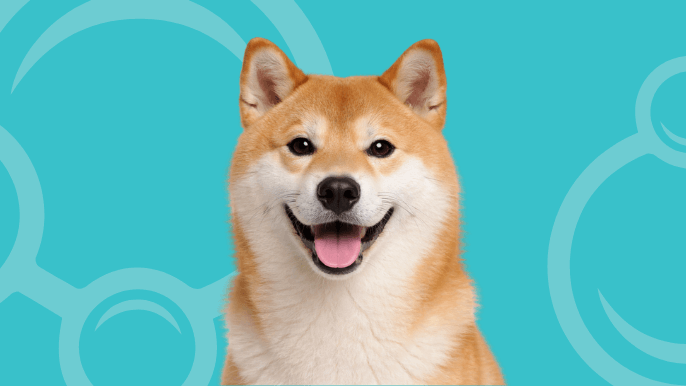
Shiba Inu Temperament is what happens when fierce independence, cat-like fastidiousness, and an ancient, spirited dignity combine in Japan's oldest, smallest, and most popular native breed.
Developed in the mountainous regions of Japan for hunting small game and birds in dense brush, the Shiba Inu is a breed whose independence, alertness, and bold confidence reflect centuries of working alongside Japanese hunters in rugged terrain.
Understanding Shiba Inu Temperament starts with recognizing that this is not a conventional companion breed that aims to please. The Shiba Inu is a primitive breed that operates on its own terms, forms bonds on its own schedule, and carries a dignified self-possession that many owners describe as more feline than canine.
These dogs are fiercely independent. Shiba Inu Temperament includes a self-contained confidence, a cat-like cleanliness, and a stubborn determination that makes this breed one of the most characterful and challenging small-to-medium breeds in the world. They do not seek approval. They offer affection selectively and on their own terms.
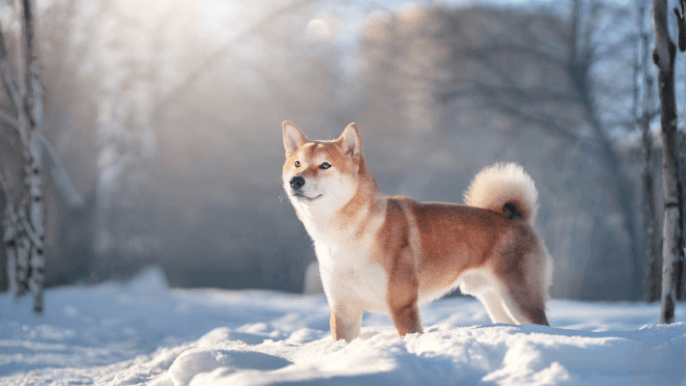
The crisp, clean medium plush double coat that stands off from the compact, muscular body is one of the breed's most appealing features. Shiba Inu Temperament and coat care connect because the breed's natural fastidiousness keeps the coat remarkably clean, and the dense double coat requires consistent maintenance particularly during the dramatic seasonal blow.

Let me tell you what you are really getting with a Shiba Inu, because the internet-famous fox face, the compact size, and the meme popularity attract owners who are entirely unprepared for the reality.
The Shiba Inu is the most independent small breed I work with. Shiba Inu Temperament is not difficult because the dog is unintelligent or poorly bred. It is difficult because the breed was designed to think independently, make its own decisions in rugged terrain, and operate with minimal handler direction. These dogs are brilliant, but their brilliance serves their own agenda. Obedience is offered selectively and usually on their terms.
The Shiba scream is real. When these dogs object to handling, restraint, or anything they find disagreeable, they produce a high-pitched, bloodcurdling scream that sounds like genuine distress and alarms everyone within earshot. It is breed behaviour, not pain. It is dramatic protest.
Now let's talk grooming . Honestly.
The medium plush double coat on this breed is dense, clean, and surprisingly manageable between blows. The harsh outer coat stands off from the body, supported by a thick, soft undercoat . The Shiba's natural fastidiousness means the coat stays remarkably clean. The breed grooms itself almost like a cat. Brushing two to three times per week. Carding rake every two weeks. Then the seasonal blow arrives and the undercoat releases in extraordinary volume for a dog this size.
This breed is NOT for you if:
- You want an obedient, eager-to-please companion
- You cannot manage the Shiba scream during handling
- You want a reliable off-lead dog
- You expect conventional training responsiveness
- You want a dog that craves your affection constantly
Because Shiba Inu Temperament includes:
- Fierce independence that ignores commands it deems unnecessary
- The Shiba scream during disagreeable handling
- Extreme prey drive and unreliable recall
- Possessive resource guarding tendencies
- A dramatic seasonal blow producing extraordinary undercoat volume
This breed IS for you if:
- You appreciate a dignified, cat-like, self-possessed companion
- You respect independence and are comfortable with a breed that operates on its own terms
- You can provide secure fencing and always use a lead
- You appreciate the ancient Japanese breed heritage
- You enjoy the clean, fox-like beauty and natural fastidiousness
Shiba Inu Temperament rewards patient, respectful owners who accept the breed's independence with a companion whose dignified loyalty is earned rather than freely given, whose ancient spirit is captivating, and whose compact, clean beauty has made it one of the most admired breeds in the world.
Respect the independence. Expect the scream. Maintain the coat through the blow.
Do that, and you will share your life with one of the most ancient, most characterful, and most distinctly Japanese breeds in existence.
Breed Handling Profile
| Trait | Level | Notes |
|---|---|---|
| Emotional sensitivity | Low to Moderate | Self-contained and resilient; not emotionally needy |
| Handling tolerance | Low to Moderate | May resist restraint with the Shiba scream; requires patient, early habituation |
| Grooming commitment | Moderate to High | Clean between blows but dramatic seasonal shedding demands significant effort |
| Exercise needs | Moderate to High | Needs daily vigorous walks and mental stimulation |
| Alone time tolerance | High | Among the most independent small breeds; handles alone time well |
| Best fit household | Experienced, patient owners who respect independence and can provide secure containment |
Breed Purpose and Why It Matters for Shiba Inu Temperament
The Shiba Inu was developed in the mountainous regions of Japan, with origins tracing back thousands of years. The breed hunted small game including birds, rabbits, and boar in dense, brushy mountainous terrain.
The name "Shiba" may reference the brushwood in which the dog hunted, the small size, or the autumn colour of the brushwood that matches the breed's red coat. The breed nearly became extinct during World War Two and was preserved through dedicated breeding efforts using surviving bloodlines from remote mountain regions.
Shiba Inu Temperament reflects this ancient Japanese hunting heritage directly. The independence, the alertness, the bold confidence, the prey drive, and the self-possessed dignity all trace to a breed that worked in rugged terrain with minimal handler direction.
When your Shiba Inu makes independent decisions, ignores commands it considers unnecessary, pursues prey with focused intensity, and carries itself with a dignified self-possession, that is thousands of years of Japanese mountain hunting heritage expressing itself.
The FurHQ 5-Step Grooming Method: Technical Reality
The FurHQ 5-Step Method (Audit, Prep, Bath, Dry, Finish) applies to this coat type with emphasis on managing the plush, standoff coat and preventing undercoat from compacting against the skin.
Learn the Method. Follow the Protocol. Complete the Mission.
Setup and Stability
Secure the dog using the Stay Put System (suction cup anchor + safety lead). For anxious dogs, the Hush Pup Wrap provides calming compression. Medium plush double coats require thorough sessions that work through the dense, standoff texture to the skin.
Tools and Technique
Audit: Begin every session by running your hands over the entire body. The plush texture can feel full and healthy on the surface while hiding compacted undercoat beneath. Part the coat and feel at the skin level, particularly along the hindquarters, ruff, chest, and behind the ears.
Prep: Use the Medium-Pinned Slicker Brush to line brush section by section, lifting and working through to the skin. Use the Rubber Curry for loosening surface coat. Apply Pawfect Finish Coat Spray before drying to provide slip and protection. Verify with the Undercoat Depth Comb to confirm brushing has reached the skin. The Short to Medium Coat Carding Rake removes dead undercoat efficiently, used once every two weeks maximum.
Bath: Use Rubber Curry during bathing for skin stimulation and to work shampoo through the dense coat. Full saturation to the skin is critical because the plush coat repels water. Rinse thoroughly.
Dry: Towel dry thoroughly. Use a dryer with a brush-through to lift and separate the coat as it dries. Apply Pawfect Finish Coat Spray pre-dry for protection. Significant undercoat blows out during this step. Dry thoroughly to the skin.
Finish: Final pass with the Undercoat Depth Comb to verify the coat is free of loose undercoat, dry to the skin, and standing off the body properly. Assess overall coat condition.
Blow-out season is where the real coat work lives. Stay ahead of undercoat release early, and the rest of the year stays easy.
Chemistry and Coat Care
Deep Clean Delight Shampoo provides a deep cleanse that penetrates the dense plush coat to the skin. Coat-Quench Conditioner supports skin comfort and coat health while maintaining the coat's natural standoff texture.
The Coat Release Method (Condensed)
Medium plush double coats carry dense undercoat that releases seasonally, often in dramatic volume. During the Bath step, after full saturation and shampoo application, use controlled airflow in the tub while the coat is still lathered. The lubrication allows dead undercoat to release safely without friction or skin trauma. Rinse, then apply a second shampoo with the Rubber Curry to complete the release. This keeps dead coat contained in the tub rather than spread across your home. For the full step-by-step process, see The Coat Release Method for Dogs with Undercoat in Related Reading.
FurHQ Starter Grooming Kit Breakdown
The FurHQ Starter Grooming Kit: Medium Plush Double Coat is recommended for the Shiba Inu.
Standard Items (included in all FurHQ kits):
- Stay Put System (suction cup anchor + safety lead + training tips)
- Hush Pup Wrap
- Rubber Curry (for bathing)
- Ear Wipes
- Pawfect Finish Coat Spray
Coat-Specific Items:
- Deep Clean Delight Shampoo
- Coat-Quench Conditioner
- Medium-Pinned Slicker Brush
- Undercoat Depth Comb
- Short-Medium Coat Carding Rake
Total: 10 items
Each kit includes step-by-step video tutorials and informational PDFs so you know exactly how to use every tool and product for the Shiba Inu coat.
 Shiba Inu Temperament: Superpowers and Kryptonite
Superpowers
🌟 Cat-like cleanliness: Shiba Inu Temperament includes a natural fastidiousness. The breed grooms itself, avoids dirt, and housetrains easily.
🌟 Compact, manageable size: The medium-small build provides a dignified, ancient breed in a size that suits most living situations.
🌟 Independent self-sufficiency: Shiba Inu Temperament handles alone time better than most companion breeds.
🌟 Clean coat between blows: The natural fastidiousness keeps the coat remarkably clean with minimal bathing.
🌟 Alert, striking appearance: The fox-like face, erect ears, and curled tail create one of the most visually striking of all breeds.
🌟 Ancient breed heritage: The Shiba Inu connects you to thousands of years of Japanese breed tradition.
Kryptonite
⚠️ The Shiba scream: A high-pitched, bloodcurdling vocalisation produced during disagreeable handling. Dramatic, alarming, and breed-specific. Not indicative of pain.
⚠️ Fierce independence: Shiba Inu Temperament evaluates every command and complies selectively. Conventional obedience expectations produce frustration.
⚠️ Resource guarding: Shiba Inu Temperament includes possessive tendencies with food, toys, and spaces. Management and early training are essential.
⚠️ Unreliable recall: The prey drive makes off-lead in unfenced areas dangerous. A Shiba in pursuit will not respond.
⚠️ Dramatic seasonal blow: The compact body produces surprising undercoat volume during blow, requiring daily removal sessions.
⚠️ Never shave this coat: Shaving a double coated breed damages the coat structure and removes temperature regulation. Proper undercoat removal through the Coat Release Method is the correct approach.
FurHQ's Lifestyle Lens and Pro Insights
Shiba Inus require a realistic expectation of the Shiba scream because Shiba Inu Temperament on the grooming table divides cleanly between dogs that were conditioned from puppyhood and dogs that were not. The conditioned Shibas are cooperative, efficient, and surprisingly pleasant. The unconditioned ones scream. There is very little middle ground, which is why early grooming habituation deserves more emphasis for this breed than almost any other.
The coat between blows is genuinely low-maintenance. The natural cleanliness means the coat stays remarkably clean without frequent bathing. The stiff outer coat resists dirt and the breed's self-grooming behaviour handles much of the surface maintenance. During blow, the volume is remarkable for the size. Work section by section with the Carding Rake and verify with the Undercoat Depth Comb.
Living with a Shiba means accepting a companion that is more partner than follower. Shiba Inu Temperament does not worship its people. It respects them, tests them, and offers loyalty on its own terms. For owners who appreciate this independence, the bond is deeply satisfying precisely because it is earned.
The single most important thing you can do for a Shiba Inu's grooming future is conditioning the puppy to accept handling of the face, paws, ears, belly, and tail before the independent adult temperament solidifies. A Shiba that learned grooming acceptance as a puppy is cooperative for life.
Health and Lifespan: The FurHQ Touch Test
The Shiba Inu typically lives 13 to 16 years. The breed is generally robust and healthy.
Regular grooming sessions serve as health assessments when you incorporate the FurHQ Touch Test. The dense coat can conceal changes.
Patellar luxation is a significant breed concern. Allergies (atopic dermatitis) are common and can affect coat health. Hip dysplasia occurs at moderate rates. Eye conditions including glaucoma and cataracts are breed concerns. Hypothyroidism may affect some individuals. The breed is generally one of the healthier medium-sized breeds with fewer inherited conditions than many purebred dogs.
Every grooming session is a conversation with your dog's body. The FurHQ 5-Step Method builds that conversation into your routine.
Related Breed Comparisons
If you are considering a Shiba Inu, these breeds share some characteristics but differ in important ways:
- Akita Temperament: Larger Japanese breed with similar independence and double coat. Shares the Japanese heritage and guardian instinct but with significantly more size and intensity.
- Basenji Temperament: Similar independent, primitive breed with cat-like cleanliness. Shares the independence and self-grooming but with a smooth single coat and different vocalisation.
- Finnish Spitz Temperament: Comparable spitz with a similar standoff coat and fox-like appearance. Shares the double coat and alertness but with a more vocal, friendlier temperament.
- Korean Jindo Temperament: Similar Asian spitz with comparable independence and double coat. Shares the fierce loyalty and prey drive but with more size and intensity.
Related Reading
Medium Plush Double Coat Grooming
Comfort and Safety
- Dog Grooming Desensitisation
Tools and Products
Related Breed Blogs
The Bottom Line
Shiba Inu Temperament delivers fierce independence, cat-like fastidiousness, and ancient Japanese spirit in one of the most characterful and visually striking breeds in the world. The independence challenges conventional training.
The Shiba scream challenges conventional handling. The seasonal blow challenges conventional patience. But the return is a companion whose earned loyalty is deeply satisfying, whose natural cleanliness is remarkable, and whose dignified, fox-like presence carries thousands of years of Japanese mountain heritage in a compact, captivating package.
If you are ready for the commitment, the FurHQ Starter Grooming Kit: Medium Plush Double Coat gives you every tool and product you need. You have a system that works.
Learn the Method. Follow the Protocol. Complete the Mission.
You got this. And we've got you.
Variation Clarity Statement
Every dog is an individual. While this profile describes typical breed characteristics, your specific dog may vary based on genetics, breeding, socialisation, and individual temperament.
If you are unsure about your dog's coat type, use the FurHQ AI Coat Identifier to get accurate identification and the right kit recommendation.
FAQs
What coat type does the Shiba Inu have?
The Shiba Inu is classified as a Medium Plush Double Coat in the FurHQ seven-coat system. The seven coat types are Smooth Single Coat, Short Double Coat, Medium Plush Double Coat, Feathered Long Double Coat, Wire Coat, Curly Wavy Coat, and Drop Coat.
What is the "Shiba Scream"?
It is a high-pitched vocalization unique to the breed, used when they are stressed, excited, or protesting something (like having their nails clipped).
Is the Shiba Inu temperament good for first-time owners?
Generally, no. Their independence, stubbornness, and low biddability make them a challenge for those not used to "primitive" breed behaviours.
How much exercise do they need?
They need about 60 minutes of daily activity, but mental stimulation (like puzzle toys) is equally important.
Do they shed?
Yes. They shed year-round and "blow" their entire undercoat twice a year. During these times, daily carding is required.
Can I let my Shiba Inu off-leash?
Almost never. Their high prey drive and independent nature mean they are likely to ignore your recall if they see something to hunt.
Are they good with cats?
Often yes, if raised with them, though they may still view strange cats outside as prey.
Why do they hate having their paws touched?
It is a hallmark of the Shiba Inu temperament. They are very "body-conscious" and often view paw-handling as a threat or a loss of control.
What is "Urajiro"?
It refers to the white ventral markings found on the sides of the muzzle, cheeks, underside of the jaw, neck, chest, and stomach.
Can they live in an apartment?
Yes. They are quiet indoors, very clean, and generally well-behaved in small spaces as long as they get their daily walks.
Is Shiba Inu temperament suitable for first time dog owners?
No. Shiba Inu temperament requires experience, emotional confidence, and respect for autonomy.
Are Shiba Inus good with children?
They can be tolerant but do not enjoy unpredictable handling. Supervision is mandatory.
How often should I brush my Shiba Inu?
Brush two to three times per week with the Medium-Pinned Slicker Brush. Use the Short-Medium Coat Carding Rake every two weeks. During seasonal blow, daily sessions are essential. Shiba Inu Temperament is cooperative when conditioned from puppyhood.
Does Shiba Inu temperament allow for frequent visitors?
No. This breed is suspicious of unfamiliar presence and does not seek social interaction.
How does Shiba Inu Temperament affect grooming?
Shiba Inu Temperament creates a stark divide: dogs conditioned from puppyhood are cooperative and efficient. Dogs without early habituation resist with the Shiba scream. Early conditioning is the single most important grooming investment.
Is Shiba Inu temperament aggressive?
It is reserved and reactive, not aggressive by default. Mismanagement creates risk.
How often should I bathe my Shiba Inu?
Bathe every 6 to 10 weeks using Deep Clean Delight Shampoo followed by Coat-Quench Conditioner. The breed's natural cleanliness means less frequent bathing than most breeds.
What tools and products are in the FurHQ Starter Grooming Kit: Medium Plush Double Coat?
The FurHQ Starter Grooming Kit: Medium Plush Double Coat contains 10 items. Coat-specific items: Deep Clean Delight Shampoo, Coat-Quench Conditioner, Medium-Pinned Slicker Brush, Undercoat Depth Comb, and Short-Medium Coat Carding Rake. Standard items: Stay Put System, Hush Pup Wrap, Rubber Curry, Ear Wipes, and Pawfect Finish Coat Spray.
How does the FurHQ 5-Step Method work for the Shiba Inu?
The FurHQ 5-Step Method (Audit, Prep, Bath, Dry, Finish) requires patient handling suited to the breed's independence. Audit checks beneath the dense coat. Prep uses the Medium-Pinned Slicker Brush, Short-Medium Coat Carding Rake, and Undercoat Depth Comb. Bath uses Deep Clean Delight Shampoo and Coat-Quench Conditioner with thorough rinsing. Finish applies Pawfect Finish Coat Spray.
What FurHQ Starter Grooming Kits are available?
FurHQ offers seven coat-specific kits: FurHQ Starter Grooming Kit: Smooth Single Coat, FurHQ Starter Grooming Kit: Short Double Coat, FurHQ Starter Grooming Kit: Medium Plush Double Coat, FurHQ Starter Grooming Kit: Feathered Long Double Coat, FurHQ Starter Grooming Kit: Wire Coat, FurHQ Starter Grooming Kit: Curly Wavy Coat, and FurHQ Starter Grooming Kit: Drop Coat. Use the FurHQ AI Coat Identifier for accurate classification or visit the FurHQ Store.