
The FurHQ 5-Step Grooming Method is Audit, Prep, Bath, Dry, Finish. It provides structure for every grooming session so nothing gets missed. The tagline is: Learn the Method. Follow the Protocol. Complete the Mission.
Puppy Coat Transitions Explained - Can Coat Types Change?
By Mondo Fluffarino | FurHQ Blog Author & Chief Education Officer
Table of Contents
- Introduction
- The FurHQ 5-Step Grooming Method: Technical Reality
- Understanding Puppy Coat vs Adult Coat
- When Puppy Coat Transitions Happen
- Physical Changes During Puppy Coat Transitions
- The Shedding Reality
- High-Risk Matting Areas During Puppy Coat Transitions
- Breed-Specific Considerations
- Nutrition and Coat Health
- When to Worry: Normal vs Concerning Signs
- Supporting Your Puppy Through the Transition
- Professional Grooming During Puppy Coat Transitions
- Related Reading
- The Bottom Line
- FAQs
Introduction
Puppy coat transitions confuse and worry new dog owners who watch their soft, fluffy puppy suddenly start shedding heavily, developing coarser texture, or changing colour as the adult coat grows in. The timing varies by breed, the transformation can take months, and grooming needs shift dramatically during the transition.
This leaves pet parents unsure whether what they are seeing is normal or a sign of health problems. The good news: in most cases, the changes are completely normal and temporary.
This guide explains when puppy coat transitions happen, what physical changes to expect, how long the process takes, and how to adjust grooming routines to support healthy adult coat development. Understanding what is coming helps you prepare rather than panic when your puppy's coat starts transforming.
The FurHQ 5-Step Grooming Method: Technical Reality
Every phase of the FurHQ 5-Step Grooming Method (Audit, Prep, Bath, Dry, Finish) shifts during the puppy coat transitions window.
"Learn the Method. Follow the Protocol. Complete the Mission."
Audit
Start every grooming session with a full health check, even on puppies. Run your hands over the entire body. Check for lumps, bumps, and any changes in skin condition. Check the ears for signs of infection, smell, or buildup. Look at the nails for overgrowth or splitting. Check teeth and gums for tartar or inflammation.
Then assess the coat. Feel for areas where soft puppy fur is tangling with incoming coarser adult hair. Part the coat to check for compressed dead puppy coat against the skin. These tangles form the foundation of mats during puppy coat transitions. Assess whether the transition has begun and which coat type is emerging.
Prep
Daily brushing during the transition prevents the two textures from bonding into mats. Mist Pawfect Finish Coat Spraybefore brushing on Curly Wavy and Drop coats for slip that helps separate loosening puppy coat from tighter adult growth. Never dry brush without misting first on these coat types.
Use the Long-Pinned Slicker Brush for Curly Wavy, Drop, and feathered areas. Use the Medium-Pinned Slicker Brush for Short Double, Medium Plush, and Wire coat types. Use the Boar Bristle Brush for Smooth Single coats.
Bath
Bathe only when necessary during puppy coat transitions to avoid stripping natural oils from developing coat. Use the shampoo appropriate to the emerging coat type: Texture-Tastic Shampoo for Curly Wavy and Wire coats, Shimmer and Shine Shampoo for Drop coats, Deep Clean Delight Shampoo for all others. Coat-Quench Conditioner supports both textures during the transition.
Brush thoroughly before bathing. Never bathe a tangled coat because wet puppy fur felts with incoming adult coat and becomes impossible to separate without shaving.
Dry
Never air dry during puppy coat transitions. HV drying separates the loosening puppy coat from the incoming adult coat and blows out enormous amounts of dead puppy fur. Wait until 90 percent dry before brushing with the dryer and brush combination. This is essential for Curly Wavy and Drop coats during this period.
Finish
FurHQ Detail Comb for Curly Wavy, Drop, and Wire coats. Undercoat Depth Comb for Short Double, Medium Plush, and Feathered Long Double coats. During puppy coat transitions, the comb catches more frequently because of the two-texture tangle. If the comb does not glide through, dead puppy coat remains.
You got this.
Understanding Puppy Coat vs Adult Coat
Puppies are born with a single-layer coat that differs significantly from the double or textured coats many breeds develop as adults.
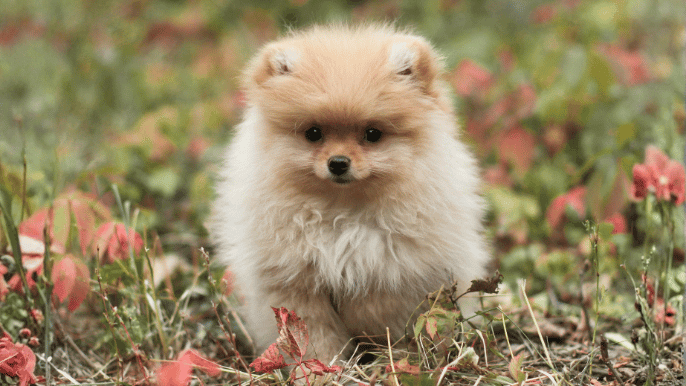
Puppy coats are softer and finer in texture than adult hair. They consist of a single layer without a distinct undercoat . The colour is often lighter than the adult coat will be. This coat is designed for warmth and protection during early development but lacks the weather-resistant properties of a mature coat.
Adult coats feature coarser, stronger guard hairs. Double-coated breeds develop a distinct undercoat beneath the outer layer. The final colour and pattern become fully expressed. Weather-resistant properties develop fully, and the texture matches what the breed standard describes.
The transition between these two coat types is gradual. Puppy fur sheds out and is replaced by adult hair growing from the same follicles. This process creates the heavy shedding, texture changes, and sometimes dramatic colour shifts that surprise new owners.
If your puppy suddenly starts matting and you feel like you are doing something wrong, you are not. Puppy coat transitions are temporary, but the habits you build during this period shape how manageable your dog's coat will be for life.
When Puppy Coat Transitions Happen
Timing varies significantly based on breed, size, and individual genetics, but most puppies experience the transition within a predictable window.
Timeline by Size
Small breeds under 9 kg (20 lb) typically begin between 4 and 6 months. Medium breeds 9 to 23 kg (20 to 50 lb) begin between 4 and 8 months. Large breeds 23 to 41 kg (50 to 90 lb) begin between 6 and 12 months. Giant breeds over 41 kg (90 lb) begin between 10 and 18 months.
Larger breeds tend to mature more slowly overall, which extends the timeline. Some breeds with continuously growing hair like Poodles, Bichons, and some terriers show more gradual transitions that are less dramatic than heavy-shedding breeds.
Duration of the Transition
The actual shedding and regrowth process typically takes two to six months from start to finish. You will notice increased shedding as puppy fur loosens, then gradual replacement with coarser adult hair. The coat may look patchy, uneven, or change texture in stages.
The messy middle stage is temporary.
Physical Changes During Puppy Coat Transitions
The transformation involves multiple visible changes that can surprise owners unfamiliar with the process.
Texture Changes
Soft, fluffy puppy fur becomes coarser and less downy. Double-coated breeds develop distinct guard hairs and dense undercoat. Wire-coated breeds develop harsh, weather-resistant texture. Curly breeds show tighter, more defined curls as the adult coat establishes.
Colour Changes
Many puppies lighten or darken significantly as adult coat grows in. Pattern clarity improves as spots and markings become more defined. Some breeds experience complete colour transformation.
Golden Retrievers often darken from light cream to deep gold. German Shepherds see tan and black patterns intensify and clarify. Poodles may lighten significantly (black to silver, brown to cafe au lait). Yorkshire Terriers transition from black and tan to blue and gold. Dalmatians see spots become darker and more defined.
Volume and Density Changes
Overall coat volume often increases as undercoat develops. Feathering appears on legs, tail, and ears in feathered breeds. Furnishings (beard, eyebrows, leg hair) grow in on wire-coated breeds. What was once a sleek puppy may become a much fluffier adult.
The Shedding Reality
Puppy coat transitions involve the heaviest shedding period many dogs experience outside of seasonal coat blows in double-coated breeds.
You will see significantly increased loose hair for two to six months. Hair will appear everywhere despite regular brushing. You may notice patchy spots as adult coat grows unevenly. There will be visible texture differences between remaining puppy fur and new adult hair. Without regular brushing, the loose hair creates matting as it tangles with incoming adult coat.
The volume of shedding can be alarming, but it indicates healthy coat transition rather than a problem. Your vacuum cleaner will work overtime. This is temporary, and it means your puppy's coat is developing exactly as it should.
High-Risk Matting Areas During Puppy Coat Transitions
The combination of soft puppy fur and coarser adult hair creates perfect conditions for mats, especially in longer-coated or curly breeds. These zones require daily attention even if you skip the rest of the body.
Behind and under the ears mats from head movement and collar friction. Armpits and groin mat from leg movement friction. Under the collar and harness mats from constant rubbing. Tail base and rear end mat from sitting friction. Between toes and paw pads collect moisture and debris.
Remove collars and harnesses regularly to brush underneath. Keep hair trimmed short in chronic mat zones during transition if needed.
Breed-Specific Considerations
Different breeds experience puppy coat transitions in unique ways that require specific preparation.
Double-Coated Breeds
Huskies, Golden Retrievers, German Shepherds, Samoyeds, and Corgis experience dramatic increases in coat volume and density as the undercoat develops. Daily brushing with appropriate tools becomes essential. The transition can take four to eight months with significant shedding.
FurHQ Starter Grooming Kit: Medium Plush Double Coat for breeds like Huskies, Samoyeds, and Shiba Inus. FurHQ Starter Grooming Kit: Feathered Long Double Coat for breeds like Golden Retrievers and Australian Shepherds where feathering develops. FurHQ Starter Grooming Kit: Short Double Coat for breeds like Labradors, Beagles, and Corgis.
Curly and Wavy Coats
Poodles, Bichons, Doodles, and Portuguese Water Dogs face the highest matting risk during puppy coat transitions. Daily brushing and regular professional grooming prevent severe matting. Coat texture tightens significantly as adult curls establish. Between 6 and 14 months is the highest-risk matting period for Doodle breeds. See Goldendoodle Generations Explained and Labradoodle Generations Explained for generation-specific coat transition information.
Wire-Coated Breeds
Schnauzers, Wire Fox Terriers, and Airedales develop harsh, weather-resistant texture during transition. Regular carding with the Short-Medium Coat Carding Rake maintains proper coat texture as adult coat develops.
Drop-Coated Breeds
Yorkshire Terriers, Maltese, and Shih Tzus see length increase as the coat grows continuously. Colour often changes dramatically. Line brushing prevents matting as texture transitions.
Smooth-Coated Breeds
Boxers, Whippets, Dobermans, and similar breeds experience the least dramatic puppy coat transitions. The transition is shorter and less noticeable. Increased shedding is manageable with regular brushing using the Boar Bristle Brush.
Nutrition and Coat Health
Proper nutrition supports healthy puppy coat transitions and strong adult coat development.
High-quality animal protein from meat, fish, and eggs provides the building blocks for hair growth and strength. Omega-3 and omega-6 fatty acids from fish oil and flaxseed support skin and coat health. Biotin from eggs and liver and zinc from meat and shellfish enable healthy follicle function. Vitamins A and E promote skin health and coat shine.
Continue feeding puppy-formulated food through the transition period. Ensure adequate caloric intake for growth and coat development. Consult your veterinarian before adding supplements.
Poor nutrition during puppy coat transitions can result in dull, brittle adult coat and prolonged transition periods. If your puppy's coat seems excessively dry or dull, discuss diet with your veterinarian. The FurHQ Touch Test helps monitor coat and skin health throughout the transition.
When to Worry: Normal vs Concerning Signs
Most changes during puppy coat transitions are completely normal, but some signs indicate potential health issues requiring veterinary attention.
Heavy shedding lasting several months is normal. Texture and colour changes are normal. Temporary patchiness as adult coat grows unevenly is normal. Increased grooming needs are normal.
Concerning signs that warrant a veterinary visit include complete bald patches that do not regrow within a few weeks, red, inflamed, or crusty skin, excessive scratching or visible discomfort, foul odour from skin or coat, symmetrical hair loss patterns (same pattern on both sides), and coat changes accompanied by lethargy, appetite loss, or behavioural changes.
Some skin conditions and hormonal issues appear during the puppy coat transitions window. If you notice concerning signs, consult your veterinarian for proper diagnosis.
Supporting Your Puppy Through the Transition
Physical changes can cause discomfort, and increased grooming needs can stress puppies unfamiliar with extensive handling.
Keep grooming sessions short and positive. Use treats and praise to create positive associations with brushing. Address any skin irritation promptly with veterinary guidance. Ensure your puppy is not too hot as coat volume increases, especially during warm months.
Puppy coat transitions provide excellent opportunities to establish lifelong grooming habits. Use increased grooming time to practise handling tolerance. Teach your puppy to accept brushing, nail trimming, and ear cleaning. Establish routines that will continue through adulthood. Build positive relationships with professional groomers early. The Stay Put System(suction cup anchor and safety lead) helps create a secure grooming setup for puppies learning to stand for grooming.
Patient, positive grooming experiences during puppy coat transitions create dogs who tolerate and even enjoy grooming throughout their lives.
Professional Grooming During Puppy Coat Transitions
Professional groomers are valuable partners during this period.
Professional deshedding treatments remove massive amounts of loose puppy fur more efficiently than home brushing alone. Groomers can identify and address matting before it becomes severe. They establish positive grooming relationships that continue throughout your dog's life.
For curly and long-coated breeds, professional maintenance every four to six weeks during puppy coat transitions prevents serious matting. Do not wait until matting is severe. Regular maintenance is easier, more comfortable for your puppy, and less expensive than emergency dematting.
Every puppy coat goes through an ugly phase. The mats are not your fault, the shedding is not a health crisis, and the patchy look is temporary. Brush daily, stay patient, and the adult coat will reward you for showing up.
Related Reading
Coat Type Education
Doodle Generations
- Goldendoodle Generations Explained
- Labradoodle Generations Explained
- Bernedoodle Generations Explained
Grooming Techniques
- Line Brushing Technique
- How to Dry a Dog After a Bath
- Dog Grooming Brushes: A Complete Guide by Coat Type
- The FurHQ Touch Test
- How to Use Pawfect Finish Coat Spray
Related Topics
The Bottom Line
Puppy coat transitions are a normal developmental process that requires increased grooming attention and adjusted techniques. The Audit identifies where transition is occurring. Prep increases to daily brushing with the correct tools for the emerging coat type. The Bath phase uses gentle products with thorough pre-brushing. The Dry phase uses HV to separate loosening puppy coat from incoming adult growth. The Finish comb check catches the two-texture tangles that define this period.
Understanding when and how the transition happens for your dog's coat type helps you prepare rather than panic. The messy middle stage is temporary. The adult coat that emerges is worth the effort.
The right kit for your puppy's emerging coat type makes the transition dramatically easier. Use the FurHQ AI Coat Identifier once the adult coat begins establishing to confirm coat type and get the right kit recommendation.
You got this. And we've got you. 🐾
FAQs
At what age does puppy coat change happen?
Puppy coat change typically happens between 4 and 18 months depending on breed size. Small breeds (under 20 lbs) transition at 4 to 6 months, medium breeds at 4 to 8 months, large breeds at 6 to 12 months, and giant breeds at 10 to 18 months. The actual shedding and regrowth process takes 2 to 6 months from start to finish, with larger breeds maturing more slowly overall.
How long does puppy coat change last?
The puppy coat change process typically lasts 2 to 6 months from when you first notice increased shedding until the adult coat is fully grown in. During this period, you'll see heavy shedding as puppy fur loosens and falls out, followed by gradual replacement with coarser adult hair. The coat may look patchy or uneven in stages, but this is completely normal during the transition.
Will my puppy's colour change when they lose their puppy coat?
Yes, many puppies experience significant colour changes during puppy coat change. Golden Retrievers often darken from light cream to deep gold, German Shepherds' tan and black patterns intensify, Yorkshire Terriers transition from black and tan to blue and gold, and Dalmatian spots become darker and more defined. Some breeds lighten while others darken, and pattern clarity typically improves as the adult coat develops.
Why is my puppy shedding so much suddenly?
Sudden heavy shedding in puppies aged 4 to 18 months is typically caused by puppy coat change, when the soft single-layer puppy fur sheds out to make room for coarser adult coat growth. This is the heaviest shedding period many dogs experience outside of seasonal coat blows. The increased shedding lasts 2 to 6 months and is completely normal, though the volume of loose hair can be alarming for first-time puppy owners.
How do I prevent matting during puppy coat change?
Prevent matting during puppy coat change by brushing daily, especially in high-risk areas like behind ears, armpits, groin, tail base, and between toes. Remove loose puppy fur before it tangles with incoming adult coat, use detangling spray on longer coats, keep hair trimmed short in chronic mat zones, and never let your puppy air-dry after baths. Brush completely before and after bathing to catch loose hair.
Should I brush my puppy more during coat change?
Yes, increase brushing to daily sessions during puppy coat change, particularly during heavy shedding phases. Use appropriate tools for your breed's developing coat type and focus on areas prone to matting. Daily brushing removes loose puppy fur before it spreads throughout your home or tangles with adult coat, prevents painful mats, and supports healthy adult coat growth.
Can I shave my puppy during coat change to manage shedding?
Never shave double-coated breeds during puppy coat change, as this can permanently damage the adult coat's ability to grow properly and disrupt temperature regulation. For other coat types, shaving should only be done by professional groomers who understand breed-specific requirements. Instead, manage shedding through daily brushing, professional deshedding treatments, and appropriate grooming tools matched to your puppy's coat type.
What tools do I need for puppy coat change?
Tools needed for puppy coat change depend on your breed's adult coat type. Add an undercoat rake for double-coated breeds, transition to slicker brushes for longer or curlier coats, use rubber curry brushes for smooth coats, and consider shedding blades during heavy shedding phases. Continue using breed-appropriate tools and avoid over-brushing, which can damage new adult coat growth.
Is it normal for my puppy to have bald spots during coat change?
Temporary patchy or slightly uneven areas during puppy coat change are normal as adult coat grows in unevenly over 2 to 6 months. However, complete bald patches that don't regrow, symmetrical hair loss patterns, or bald spots accompanied by red, inflamed, or crusty skin require veterinary attention. These signs may indicate skin conditions or hormonal issues rather than normal coat transition.
Does diet affect puppy coat change?
Yes, proper nutrition directly affects puppy coat change and adult coat quality. High-quality protein supports hair growth and strength, omega-3 and omega-6 fatty acids promote skin and coat health, and biotin and zinc support healthy follicle function. Continue feeding puppy-formulated food through the transition period, ensure adequate caloric intake, and consult your veterinarian before adding supplements. Poor nutrition during this period can result in dull, brittle adult coat.
How often should I brush my puppy during coat change?
Daily brushing is recommended during puppy coat change, especially for curly, long, or double-coated breeds. Focus on high-risk matting areas: behind ears, armpits, groin, under collar, and tail base. Removing loose puppy fur before it tangles with incoming adult coat prevents painful matting. Even smooth-coated breeds benefit from increased brushing frequency.