

FurHQ offers seven coat-specific kits: FurHQ Starter Grooming Kit: Smooth Single Coat, FurHQ Starter Grooming Kit: Short Double Coat, FurHQ Starter Grooming Kit: Medium Plush Double Coat, FurHQ Starter Grooming Kit: Feathered Long Double Coat, FurHQ Starter Grooming Kit: Wire Coat, FurHQ Starter Grooming Kit: Curly Wavy Coat, and FurHQ Starter Grooming Kit: Drop Coat. Use the FurHQ AI Coat Identifier for accurate classification or visit the FurHQ Store.
Chesapeake Bay Retriever Temperament and Grooming
By Mondo Fluffarino | FurHQ Blog Author & Chief Education Officer
Table of Contents
- Introduction: The Toughest Retriever on the Water
- Breed Handling Profile
- Breed Purpose and Why It Matters for Chesapeake Bay Retriever Temperament
- FurHQ Coat Type Breakdown
- Not Sure About Your Dog's Coat Type?
- Puppy Coat to Adult Coat Transition
- The FurHQ 5-Step Grooming Method: Technical Reality
- FurHQ Starter Grooming Kit Breakdown
- Chesapeake Bay Retriever Temperament: Superpowers and Kryptonite
- FurHQ's Lifestyle Lens and Pro Insights
- Health and Lifespan: The FurHQ Touch Test
- Related Breed Comparisons
- Related Reading
- The Bottom Line
- Variation Clarity Statement
- FAQs
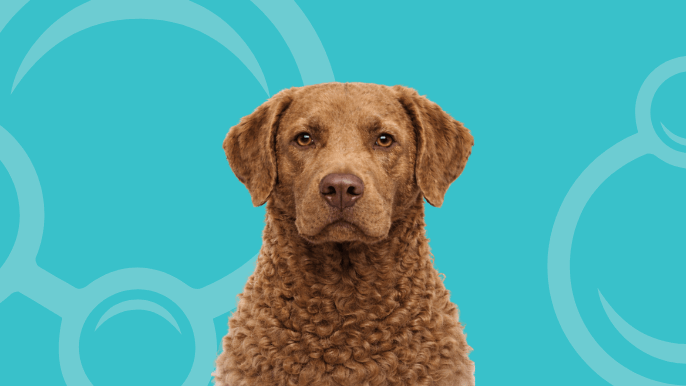 Introduction: The Toughest Retriever on the Water
Chesapeake Bay Retriever Temperament is what happens when relentless determination, rugged endurance, and a fierce loyalty combine in a powerful, weather-proof retriever that was purpose-built to work the icy, rough waters of Chesapeake Bay under conditions that would break lesser dogs.
This is not your typical friendly, easygoing retriever. Understanding Chesapeake Bay Retriever Temperament starts with recognizing that this breed was forged in some of the harshest waterfowl hunting conditions in North America, and that toughness, independence, and protective loyalty set it apart from its more sociable retriever cousins.
These dogs are serious workers. Chesapeake Bay Retriever Temperament includes a single-minded determination during work that borders on obsessive.
In the field, they retrieve in freezing water, powerful currents, and harsh weather with a stamina and willingness that is legendary among waterfowl hunters. That drive does not disappear at home. It channels into loyalty, protectiveness, and an intensity that demands experienced handling.
The short double coat is the breed's functional masterpiece. The oily, water-resistant outer coat and dense, woolly undercoat create a virtually waterproof barrier that allows the Chesapeake to work in icy water and emerge relatively dry.
Chesapeake Bay Retriever Temperament and coat care connect because this unique coat requires specific handling that preserves its water-resistant properties while managing the heavy shedding the dense undercoat produces.
Let me tell you what you are really getting with a Chesapeake Bay Retriever, because if you are expecting a Labrador or Golden Retriever experience in a different colour, you are in for a surprise.
This breed was not built for universal friendliness. Chesapeake Bay Retriever Temperament was shaped by ice, wind, and the demands of retrieving hundreds of ducks per day from rough, freezing water. The dogs that survived and thrived were tough, determined, and loyal to their handler above all others. That selective heritage produced a retriever that is devoted to its family, protective of its territory, and reserved with strangers in ways that other retrievers simply are not.
Now let's talk grooming . Honestly.
The short double coat on this breed is deceptively dense. The outer coat is oily and harsh, designed to repel water. The undercoat is thick, woolly, and insulating. Together they create a coat that sheds heavily year-round and produces serious seasonal blow. At 25 to 36 kilograms, the shedding volume is substantial.
Brushing two to three times per week keeps the coat managed, but during seasonal blow, daily sessions are necessary. The critical rule with this coat is that you must preserve the natural oils that give it water resistance. Over-bathing strips these oils and compromises the coat's functional purpose.
This breed is NOT for you if:
- You want a universally friendly, easygoing retriever
- You lack experience with strong-willed, protective sporting breeds
- You cannot provide daily vigorous exercise, including water access
- You want a low-shedding dog with minimal coat maintenance
- You expect immediate compliance without earning respect
Because Chesapeake Bay Retriever Temperament includes:
- A protective streak uncommon in retriever breeds
- Strong will and determination that challenges inexperienced handlers
- Heavy shedding from a dense, oily double coat
- High exercise demands including a strong drive for water work
- Loyalty that is earned through respect, not given freely
This breed IS for you if:
- You want a tough, loyal, protective sporting companion
- You have experience with determined, independent-minded breeds
- You enjoy waterfowl hunting, swimming, or water-based activities
- You can commit to regular brushing and seasonal undercoat management
- You want a retriever with genuine guardian instincts
Chesapeake Bay Retriever Temperament rewards experienced, active owners with a companion that is fiercely loyal, relentlessly capable, and uniquely devoted among the retriever family.
Respect the toughness. Maintain the coat without over-bathing. Handle with confident consistency.
Do that, and you will share your life with the most rugged, devoted, and water-capable retriever breed in existence, a dog that does not just retrieve but commits to you with an intensity that no other retriever matches.
Breed Handling Profile
| Trait | Level | Notes |
|---|---|---|
| Emotional sensitivity | Moderate | Not as soft as other retrievers; responds to confident, fair handling |
| Handling tolerance | Moderate | Cooperative with trusted handlers; may resist unfamiliar handling or perceived unfair correction |
| Grooming commitment | Moderate to High | Dense oily double coat requires regular brushing; over-bathing must be avoided |
| Exercise needs | Very High | Powerful sporting breed; requires daily vigorous exercise including water access when possible |
| Alone time tolerance | Moderate | More independent than other retrievers but still bonds closely to family |
| Best fit household | Experienced, active owners who appreciate a tough sporting companion, enjoy outdoor and water activities, and can provide confident, consistent leadership |
Breed Purpose and Why It Matters for Chesapeake Bay Retriever Temperament
The Chesapeake Bay Retriever was developed in the 19th century along the Chesapeake Bay region of Maryland and Virginia, where commercial market hunters needed a dog that could retrieve hundreds of waterfowl per day from the bay's icy, rough waters.
The legend traces the breed's origin to two Newfoundland-type puppies rescued from a shipwreck in 1807, which were crossed with local retrieving dogs to produce a breed uniquely adapted to the bay's punishing conditions.
Chesapeake Bay Retriever Temperament reflects this demanding working heritage directly. The endurance to work all day in freezing water, the determination to retrieve in powerful currents and harsh weather, the toughness to shake off cold that would incapacitate other breeds, and the loyalty to return every bird to the same handler all persist in the modern breed.
When your Chesapeake fixates on a task and refuses to quit until it is complete, that is market hunter heritage expressing itself.
The breed's protective nature also traces to its working context. Chesapeake Bay Retriever Temperament was shaped by dogs that guarded their handler's boat, equipment, and daily catch from theft. Unlike retrievers bred primarily for gentlemanly sport, the Chesapeake developed a territorial, protective quality that distinguishes it from Labradors and Goldens.
This protectiveness extends to family and home, giving the Chesapeake a guardian dimension that other retrievers lack. This protective nature also affects grooming, as Chesapeake Bay Retriever Temperament responds best to handlers who have earned trust through consistent, fair interaction rather than strangers or casual acquaintances.
FurHQ Coat Type Breakdown
The Chesapeake Bay Retriever wears a Short Double Coat as classified in the FurHQ seven-coat system. This coat type features a short, harsh, oily outer coat that lies close to the body, supported by a dense, woolly undercoat that provides insulation and water resistance.
The Chesapeake's coat is unique among short double-coated breeds because of its high oil content. The natural oils in the outer coat create the water-resistant barrier that allows the breed to work in icy water and emerge relatively dry.
This oily quality gives the coat a slightly wavy texture, particularly along the neck, back, and hindquarters. The coat should feel harsh and oily to the touch, never soft or dry.
The Medium-Pinned Slicker Brush lifts dead undercoat from the base without stripping the natural oils from the outer coat. The Undercoat Depth Comb verifies thorough undercoat removal by confirming smooth passage from skin to tip. The Short-Medium Coat Carding Rake provides targeted undercoat extraction during heavier shedding periods. The Rubber Curry serves as a bathing tool and surface-level loosening tool that distributes the coat's natural oils.
The recommended kit is the FurHQ Starter Grooming Kit: Short Double Coat.
Not Sure About Your Dog's Coat Type?
Not every dog fits neatly into one coat category, and that is completely normal. Coat type determines the correct tools, products, and techniques for effective grooming, and getting it right matters for coat health and comfort. This is especially true for mixed breeds or dogs whose coat may present differently than expected.
Use the FurHQ AI Coat Identifier to find out your dog's coat type and get matched to the right FurHQ Starter Grooming Kit. Simply upload a photo and receive an accurate classification with a personalised kit recommendation.
Puppy Coat to Adult Coat Transition
Chesapeake Bay Retriever puppies are born with a softer, less oily coat that begins transitioning to the adult double coat between 4 and 8 months. The undercoat density increases progressively, and the characteristic oily quality of the outer coat develops as the dog matures.
The full adult coat with its water-resistant properties is typically established by 12 to 18 months, though coat density and oil production continue to develop as the dog reaches full physical maturity around age 2.
During the transition, the incoming undercoat can trap shedding puppy fur in the denser areas of the neck, chest, and hindquarters. Regular brushing with the Medium-Pinned Slicker Brush during this phase prevents compaction and establishes the grooming routine.
Shedding patterns for this breed establish during this period, and the transition is often when owners first notice the volume of undercoat this breed produces.
Start gentle brushing from 8 weeks. Chesapeake Bay Retriever Temperament in puppyhood is more malleable than the adult personality, making this the ideal window for building grooming cooperation. Use Pawfect Finish Coat Spray after bathing during the transition to maintain coat health without stripping natural oils. The FurHQ 5-Step Method provides structure for building grooming into a consistent routine.
The FurHQ 5-Step Grooming Method: Technical Reality
The FurHQ 5-Step Method (Audit, Prep, Bath, Dry, Finish) applies to this coat type with emphasis on undercoat management and consistent shedding control through regular maintenance sessions.
Learn the Method. Follow the Protocol. Complete the Mission.
Setup and Stability
Secure the dog using the Stay Put System (suction cup anchor + safety lead). For anxious dogs, the Hush Pup Wrap provides calming compression. Short double coats benefit from efficient, consistent sessions that manage the dense undercoat before it becomes packed.
Tools and Technique
Audit: Begin every session by running your hands over the entire body. Feel for areas of packed undercoat, particularly along the hindquarters, ruff, and behind the ears. Check for skin irritation beneath the dense coat.
Prep: Use the Medium-Pinned Slicker Brush to work through the coat section by section, lifting and brushing through to the skin. Use the Rubber Curry for loosening surface coat.
Apply Pawfect Finish Coat Spray before drying to provide slip and protect the coat. Use the Undercoat Depth Comb to verify brushing has reached the skin. The Short to Medium Coat Carding Rake removes dead undercoat efficiently, used once every two weeks maximum.
Bath: Use Rubber Curry during bathing for thorough skin stimulation and to loosen compacted undercoat. Full saturation to the skin is critical on a dense short double coat. Rinse thoroughly.
Dry: Towel dry thoroughly. Use a dryer to blow out remaining loose undercoat as it dries. Apply Pawfect Finish Coat Spray pre-dry for protection. A brush-through during drying removes significant additional undercoat.
Finish: Final pass with the Undercoat Depth Comb to verify the coat is free of loose undercoat and dry to the skin. Assess overall coat condition and skin health.
Blow-out season is where the real coat work lives. Stay ahead of undercoat release early, and the rest of the year stays easy.
Chemistry and Coat Care
Deep Clean Delight Shampoo provides a deep cleanse that reaches through the dense undercoat to the skin. Coat-Quench Conditioner supports skin comfort and coat health without over-softening the guard coat.
The Coat Release Method (Condensed)
Short double coats carry dense undercoat that releases seasonally in significant volume. During the Bath step, after full saturation and shampoo application, use controlled airflow in the tub while the coat is still lathered.
The lubrication allows dead undercoat to release safely without friction or skin trauma. Rinse, then apply a second shampoo with the Rubber Curry to complete the release. This keeps dead coat contained in the tub rather than spread across your home.
For the full step-by-step process, see The Coat Release Method for Dogs with Undercoat in Related Reading.
FurHQ Starter Grooming Kit Breakdown
The FurHQ Starter Grooming Kit: Short Double Coat is recommended for the Chesapeake Bay Retriever.
Standard Items (included in all FurHQ kits):
- Stay Put System (suction cup anchor + safety lead + training tips)
- Hush Pup Wrap
- Rubber Curry (for bathing and oil distribution)
- Ear Wipes
- Pawfect Finish Coat Spray
Coat-Specific Items:
- Deep Clean Delight Shampoo
- Coat-Quench Conditioner
- Medium-Pinned Slicker Brush
- Undercoat Depth Comb
- Short-Medium Coat Carding Rake
Total: 10 items
Each kit includes step-by-step video tutorials and informational PDFs so you know exactly how to use every tool and product for the Chesapeake Bay Retriever coat.
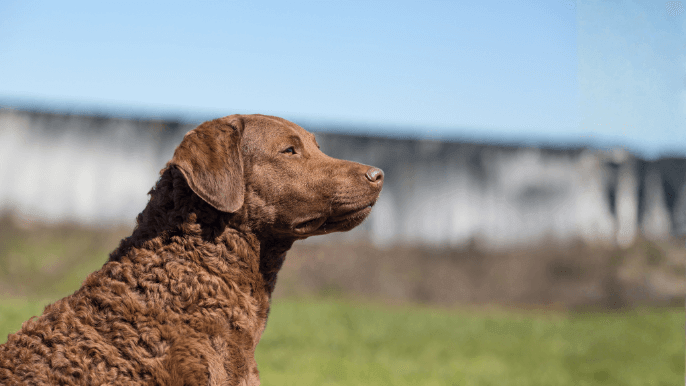 Chesapeake Bay Retriever Temperament: Superpowers and Kryptonite
Superpowers
🌟 Unmatched water capability: Chesapeake Bay Retriever Temperament includes a water drive and cold-water endurance that is unmatched among retriever breeds. The waterproof coat, powerful build, and tireless determination create a water dog without equal.
🌟 Fierce loyalty: The bond a Chesapeake forms with its handler is deep, exclusive, and unwavering. Chesapeake Bay Retriever Temperament includes a devotion that is more intense and personal than the broadly social affection of other retrievers.
🌟 Protective instinct: Unlike other retrievers, Chesapeake Bay Retriever Temperament includes a genuine protective quality that extends to family, property, and possessions. This guardian dimension adds a layer of security that Labradors and Goldens do not provide.
🌟 Relentless determination: Once a Chesapeake commits to a task, it will not quit. This determination makes the breed exceptional in the field and in any working context that rewards persistence and endurance.
🌟 Weather-proof coat: The oily, water-resistant double coat is a functional masterpiece that allows the dog to work in conditions that would compromise other breeds. The coat sheds water, insulates against cold, and dries quickly.
🌟 Rugged constitution: Chesapeake Bay Retriever Temperament comes in a powerful, athletic body built for endurance. These dogs are robust, healthy, and physically capable of sustained demanding work.
Kryptonite
⚠️ Not the typical friendly retriever: Chesapeake Bay Retriever Temperament includes reserve with strangers and a protective quality that can surprise people expecting universal retriever friendliness. Thorough socialisation from puppyhood is essential to ensure the protectiveness remains appropriate.
⚠️ Strong will requires experienced handling: The determination that makes this breed exceptional in the field also makes it challenging for inexperienced owners. Chesapeake Bay Retriever Temperament does not include automatic deference, and training requires fair, consistent, confident handling.
⚠️ Heavy shedding from a dense coat: The thick undercoat beneath the oily outer coat produces significant shedding year-round with heavy seasonal blow. The coat's oily quality means shed hair can be particularly noticeable on furniture and clothing.
⚠️ High exercise demands: This breed requires daily vigorous exercise and thrives with water access. Chesapeake Bay Retriever Temperament without adequate physical output results in restlessness, destructive behaviour, and frustration.
⚠️ Over-bathing damages the coat: The natural oil content that makes this coat functional is easily stripped by frequent bathing. Owners must resist the urge to bathe frequently and instead rely on brushing to maintain coat health.
⚠️ Never shave this coat: Shaving a double coated breed damages the coat structure, removes temperature regulation and water resistance, and the coat may never grow back with its original texture. Proper undercoat removal through brushing and the Coat Release Method is the correct approach.
FurHQ's Lifestyle Lens and Pro Insights
Chesapeake Bay Retrievers come with one critical rule every owner needs to hear first: do not over-bathe this dog. Chesapeake Bay Retriever Temperament comes in a coat that is designed to be oily.
That oily texture is not dirt. It is not poor hygiene. It is the coat functioning as intended. Every unnecessary bath strips the oils that make this coat water-resistant, and it takes weeks for the coat to recover its natural protective quality.
Bathe only when the dog is genuinely dirty, and rely on brushing and the Rubber Curry to maintain the coat between baths.
The grooming relationship with a Chesapeake is different from other retrievers. Chesapeake Bay Retriever Temperament is not the easygoing, universally cooperative temperament of a Labrador or Golden.
These dogs respect handlers who are fair and consistent, and they may push back against handling they perceive as unnecessary or heavy-handed. Keep grooming sessions efficient and purposeful.
The Chesapeake appreciates structured activity, and grooming fits that preference when it is approached as a routine task rather than an extended fussing session.
Living with a Chesapeake means living with a dog that needs water. Chesapeake Bay Retriever Temperament thrives with regular swimming access, and the coat's water-resistant design means the dog dries quickly after water work.
Without regular water access, substantial alternative exercise is required to compensate. The breed's intense drive also benefits from structured activities like retrieving drills, dock diving, or field training. A mentally and physically satisfied Chesapeake is cooperative, calm, and content at home. An under-exercised Chesapeake is restless, destructive, and difficult.
Use the Rubber Curry as your primary between-bath maintenance tool. Two to three minutes of circular Rubber Curry work across the coat distributes the natural oils that keep this coat water-resistant, loosens dead undercoat from the surface, and stimulates healthy skin circulation.
Health and Lifespan: The FurHQ Touch Test
The Chesapeake Bay Retriever typically lives 10 to 13 years. This solid lifespan means grooming and health monitoring span many active, rewarding years.
Regular grooming sessions serve as health assessments when you incorporate the FurHQ Touch Test into your routine. The dense coat can conceal skin changes, lumps, and injuries beneath its oily surface, making hands-on evaluation during grooming an important detection tool.
Hip dysplasia is a significant concern in the breed, and monitoring how the dog moves, stands, and reacts during grooming provides early indicators of joint discomfort. Chesapeake Bay Retriever Temperament is tough and stoic, so subtle changes in behaviour during handling often represent meaningful discomfort that the dog is not otherwise showing.
Progressive retinal atrophy (PRA) is a breed-specific eye concern, and gentle face handling during grooming allows observation of eye clarity and comfort. Exercise-induced collapse (EIC) affects some Chesapeakes, and awareness of the dog's recovery patterns after exercise provides important context.
Bloat is a risk in this deep-chested breed, and noting any abdominal sensitivity during handling is worthwhile. The oily coat can mask skin conditions, and parting the coat during the Audit step to check the skin directly is particularly important for this breed.
Every grooming session is a conversation with your dog's body. The FurHQ 5-Step Method builds that conversation into your routine.
Related Breed Comparisons
If you are considering a Chesapeake Bay Retriever, these breeds share some characteristics but differ in important ways:
- Labrador Retriever Temperament: Similar short double coat and retrieving heritage but with a significantly more sociable, people-friendly temperament. Shares the exercise needs but lacks the Chesapeake's protective quality and reserve.
- Golden Retriever Temperament: Comparable retrieving drive with a longer coat requiring more grooming. Much more universally friendly and less protective than the Chesapeake, with a softer, more biddable temperament.
- Curly-Coated Retriever Temperament: Similar independence and reserve among the retriever breeds, with a distinctive curly coat. Shares the tougher temperament but with different coat care requirements.
- Irish Water Spaniel Temperament: Comparable water drive and retriever capability with a curly coat. Shares the clownish personality streak but with significantly different grooming needs.
Related Reading
Short Double Coat Grooming
Bathing and Drying
- How to Dry a Dog After a Bath
- How to Introduce Your Dog to a Dryer
- High Velocity Dryer for Dogs
- Stand Dryer for Dogs
Comfort and Safety
- Dog Grooming Desensitisation
Matting and Coat Health
Tools and Products
Related Breed Blogs
- Labrador Retriever Temperament
- Golden Retriever Temperament
- Curly-Coated Retriever Temperament
- Irish Water Spaniel Temperament
The Bottom Line
Chesapeake Bay Retriever Temperament delivers fierce loyalty, relentless determination, and unmatched water capability in a rugged, powerful package that stands apart from every other retriever breed.
This breed rewards experienced, active owners with a companion that is protective, devoted, and built for demanding work. The coat requires consistent brushing and restrained bathing to preserve its functional water resistance.
The temperament requires confident, fair handling from an experienced owner. But the return is a retriever that bonds to you with an intensity other retrievers cannot match and performs in conditions no other retriever can match either.
If you are ready for the commitment, the FurHQ Starter Grooming Kit: Short Double Coat gives you every tool and product you need. You have a system that works.
Learn the Method. Follow the Protocol. Complete the Mission.
You got this. And we've got you.
Variation Clarity Statement
Every dog is an individual. While this profile describes typical breed characteristics, your specific dog may vary based on genetics, breeding, socialisation, and individual temperament. Coat type can also vary within breeds.
If you are unsure about your dog's coat type, use the FurHQ AI Coat Identifier to get accurate identification and the right kit recommendation.
FAQs
What is the Chesapeake Bay Retriever's coat type according to FurHQ?
The Chesapeake Bay Retriever is classified as a Short Double Coat in the FurHQ seven-coat system. The seven coat types are Smooth Single Coat, Short Double Coat, Medium Plush Double Coat, Feathered Long Double Coat, Wire Coat, Curly Wavy Coat, and Drop Coat. The short, harsh, oily outer coat with a dense woolly undercoat places it in the short double coat classification.
How often should I brush my Chesapeake Bay Retriever?
Brush two to three times per week with the Medium-Pinned Slicker Brush, and use the Short-Medium Coat Carding Rake every two weeks. During seasonal blow, daily brushing is necessary. Use the Rubber Curry between sessions to distribute the coat's natural oils and loosen surface hair. Chesapeake Bay Retriever Temperament responds well to efficient, purposeful grooming sessions.
What tools does the FurHQ Starter Grooming Kit: Short Double Coat include?
The FurHQ Starter Grooming Kit: Short Double Coat contains 10 items. Coat-specific items: Deep Clean Delight Shampoo, Coat-Quench Conditioner, Medium-Pinned Slicker Brush, Undercoat Depth Comb, and Short-Medium Coat Carding Rake. Standard items: Stay Put System, Hush Pup Wrap, Rubber Curry, Ear Wipes, and Pawfect Finish Coat Spray.
Is the Chesapeake Bay Retriever good with children?
Chesapeake Bay Retriever Temperament can be excellent with children in their own family, particularly when the dog has been raised with children and properly socialised. They are protective and loyal to family members of all ages. However, their protective nature means supervision is essential, especially around visiting children whom the dog may view as outsiders. Teaching children to interact respectfully with this strong, confident breed is critical. The Chessie is not the universally tolerant family dog that some retrievers are, and mutual respect between dog and children must be established.
How much exercise does a Chesapeake Bay Retriever need daily?
The Chesapeake Bay Retriever requires at least 60 to 90 minutes of vigorous exercise daily, with swimming being the ideal activity. This is an endurance breed that thrives with sustained physical activity rather than short bursts. Hiking, retrieving games, dock diving, and long runs supplement the exercise routine well. Chesapeake Bay Retriever Temperament becomes problematic without adequate exercise, manifesting as destructive behaviour, excessive barking, and increased territorial aggression.
Does the Chesapeake Bay Retriever shed a lot?
Yes, the dense woolly undercoat produces significant shedding year-round with heavy seasonal blow in spring and autumn. During seasonal coat blow, this is where the real coat work happens. The Coat Release Method for Dogs with Undercoat provides the most efficient approach to managing the volume.
How often should I bathe my Chesapeake Bay Retriever?
Every 4 to 6 weeks is appropriate for most Chesapeakes, using Deep Clean Delight Shampoo. The breed's oily coat produces a distinctive odour, and regular bathing manages this without stripping the oils that make the coat waterproof. If your Chessie swims frequently, rinse with clean water after each swim but save full shampoo baths for the regular schedule. Apply Pawfect Finish Coat Spray lightly after bathing.
Is the Chesapeake Bay Retriever easy to train?
Chesapeake Bay Retriever Temperament makes them intelligent and capable learners, but they are not the easiest breed to train. They learn quickly but evaluate whether compliance serves their interests. Fair, consistent, reward-based training with clear expectations produces the best results. Harsh or repetitive training methods create resistance. The key is earning the Chessie's respect through competent, confident handling rather than demanding obedience through force.
Why does my Chesapeake Bay Retriever smell?
The distinctive Chesapeake odour comes from the natural oils in the coat that provide waterproofing. This is a functional feature, not a flaw. Regular bathing with Deep Clean Delight Shampoo manages the intensity, and consistent undercoat removal with the Short-Medium Coat Carding Rake prevents trapped dead coat from amplifying the smell. Accepting some degree of coat odour is part of owning this breed.
What health issues are common in the Chesapeake Bay Retriever?
The most commonly reported health concerns include hip dysplasia, elbow dysplasia, progressive retinal atrophy, cataracts, hypothyroidism, bloat, and exercise-induced collapse in some lines. Reputable breeders screen for hip and elbow dysplasia, eye conditions, and other hereditary concerns. Regular veterinary examinations, the FurHQ Touch Test, and awareness of bloat symptoms are essential for proactive health management.
Is the Chesapeake Bay Retriever aggressive?
Chesapeake Bay Retriever Temperament is protective, not inherently aggressive. However, without proper socialisation, training, and experienced handling, their protective instincts and strong-willed nature can develop into problematic behaviour. Same-sex dog aggression is reported in some individuals. Early, extensive socialisation combined with confident, consistent leadership produces a stable, discerning dog that is protective when appropriate and calm when not.
How is the Chesapeake different from a Labrador Retriever?
While both are retrieving breeds with short double coats, the temperamental differences are significant. The Labrador is generally more universally friendly, eager to please, and forgiving of handler mistakes. Chesapeake Bay Retriever Temperament is more independent, protective, selective in affection, and demanding of competent handling. The Chesapeake's coat is oilier and more waterproof than the Labrador's. The Chessie requires a more experienced handler and offers a deeper but more complex bond than the typically easygoing Labrador.
Can the Chesapeake Bay Retriever live in an apartment?
While not ideal, apartment living is possible if the owner is extremely committed to providing daily vigorous exercise outside the home, including swimming access when possible. The breed's moderate size makes the physical space manageable, but their exercise needs and territorial nature make apartments challenging. Chesapeake Bay Retriever Temperament requires adequate space and activity to remain stable. A house with a securely fenced yard is strongly preferred.
How do I manage the heavy seasonal shedding?
During seasonal coat blows, increase brushing to daily sessions using the Medium-Pinned Slicker Brush and Short-Medium Coat Carding Rake. The Coat Release Method during bathing is highly effective for loosening and removing bulk undercoat. Use the Rubber Curry during bathing to work shampoo deep into the undercoat and help release dead hair. The heavy shedding typically lasts two to four weeks, and consistent daily removal shortens this period.
How do I introduce my Chesapeake puppy to grooming?
Start early with short, positive sessions that build trust. Chesapeake Bay Retriever Temperament during puppyhood is more amenable to new experiences than in adulthood, making this the critical window for establishing grooming acceptance. Use treats and calm praise throughout. Let the puppy explore the tools before using them. The Stay Put System provides secure positioning as the puppy learns to stand for grooming. Build duration gradually and end every session on a positive note. A Chessie that learns to trust the grooming process as a puppy will cooperate reliably as an adult.
Where can I get the right grooming kit and education for my Chesapeake Bay Retriever?
Start with the FurHQ Starter Grooming Kit: Short Double Coat, which contains every tool and product your Chesapeake Bay Retriever needs. All FurHQ kits come with access to coat-type-specific video education that teaches you exactly how to use each tool and product with step-by-step guidance. You can explore all seven coat-type kits, individual products, and educational resources at the FurHQ Store:
- FurHQ Starter Grooming Kit: Curly Wavy Coat
- FurHQ Starter Grooming Kit: Drop Coat
- FurHQ Starter Grooming Kit: Wire Coat
- FurHQ Starter Grooming Kit: Smooth Single Coat
- FurHQ Starter Grooming Kit: Short Double Coat
- FurHQ Starter Grooming Kit: Medium Plush Double Coat
- FurHQ Starter Grooming Kit: Feathered Long Double Coat
How does Chesapeake Bay Retriever Temperament affect grooming?
Chesapeake Bay Retriever Temperament cooperates with trusted handlers but may resist unfamiliar handling. Keep sessions efficient and purposeful rather than prolonged. Exercise before grooming improves cooperation. Use the Stay Put System for stability and the Hush Pup Wrap for calming support if needed.
What is the Coat Release Method and does my Chesapeake need it?
The Coat Release Method systematically removes trapped undercoat using a slicker brush to lift, carding rake to extract, and comb to verify complete removal. It is essential during seasonal blow when the dense woolly undercoat releases in significant volume. Learn the full technique in the Coat Release Method for Dogs with Undercoat or the Coat Release Method Without an HV Dryer.
How does the FurHQ 5-Step Method work for the Chesapeake Bay Retriever?
The FurHQ 5-Step Method (Audit, Prep, Bath, Dry, Finish) keeps grooming efficient and coat-functional. Audit checks for mats, skin changes, and debris. Prep uses the Medium-Pinned Slicker Brush, Short-Medium Coat Carding Rake, and Undercoat Depth Comb. Bath uses Deep Clean Delight Shampoo and Coat-Quench Conditioner sparingly. Finish applies Pawfect Finish Coat Spray after bathing and when dry brushing.