
Bloodhound Temperament and Grooming Considerations
Table of Contents
- Introduction: The World's Greatest Nose
- Breed Handling Profile
- Breed Purpose and Why It Matters for Bloodhound Temperament
- FurHQ Coat Type Breakdown
- Not Sure About Your Dog's Coat Type?
- Puppy Coat to Adult Coat Transition
- The FurHQ 5-Step Grooming Method: Technical Reality
- FurHQ Starter Grooming Kit Breakdown
- Superpowers and Kryptonite
- FurHQ's Lifestyle Lens and Pro Insights
- Health and Lifespan: The FurHQ Touch Test
- Related Breed Comparisons
- Related Reading
- The Bottom Line
- Variation Clarity Statement
- FAQs
 Introduction: The World's Greatest Nose
Bloodhound Temperament is what happens when a breed has been refined for over a thousand years with a single purpose: to follow a scent trail with absolute dedication.
The Bloodhound is not named for its tracking of blood but rather for being a "blooded" (purebred) hound, bred by monks at the Monastery of Saint-Hubert in Belgium since the seventh century. No other breed on earth possesses a nose this powerful.
Bloodhound trailing evidence is the only animal evidence admissible in a court of law, and individuals have followed trails over 300 hours old across more than 200 kilometres.
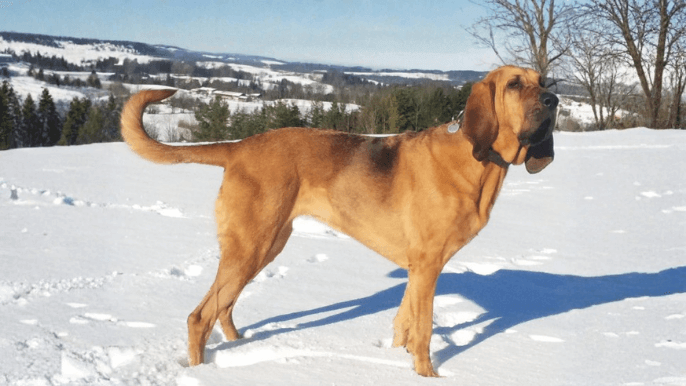
Understanding Bloodhound Temperament means understanding a breed that exists to follow scent. At 80 to 110 pounds, the Bloodhound is a large, powerful, loose-skinned hound with the most sensitive nose in the animal kingdom.
These dogs are gentle, dignified, and profoundly stubborn, moving through life at their own determined pace and following every scent trail with a single-mindedness that overrides everything else.
Bloodhound Temperament and coat care connect because the short double coat is the simplest part of Bloodhound ownership. The massive ears, abundant wrinkles, excessive drool, and powerful hound odour create maintenance demands that far exceed the coat's minimal requirements.

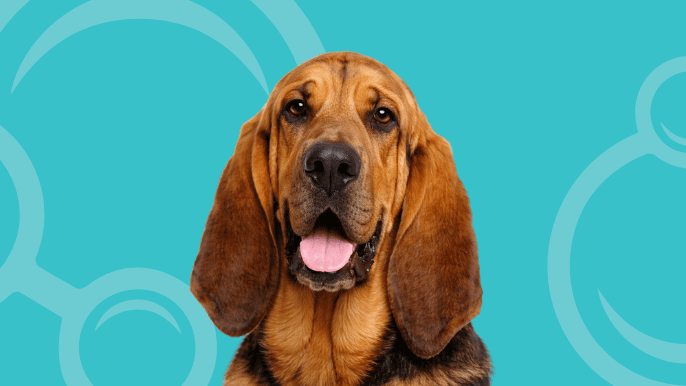
This is Mondo, and the Bloodhound is the breed with the most powerful nose on the planet. Full stop.
Bloodhound Temperament is gentle, dignified, and absolutely, immovably stubborn. These dogs are not disobedient. They are so consumed by scent that your commands simply do not register. The nose is not a feature. It is the entire operating system. Everything else, including you, is secondary to whatever trail the nose has locked onto.
Now let's talk grooming . Honestly.
The short double coat is simple. Five minutes with a rubber curry and slicker brush. Done. But Bloodhound Temperament and grooming become complicated when you factor in the rest. Those enormous ears must be cleaned daily or infections are guaranteed. The facial wrinkles trap moisture, food, and debris and need daily cleaning. The drool is legendary. The hound odour is the strongest of any breed. The coat is the easiest five minutes of a much longer maintenance routine.
This breed is NOT for you if:
- You are sensitive to dog odour, drool, and mess
- You have close neighbours who will not tolerate deep baying
- You want a dog that responds promptly to commands
- You cannot provide daily ear, wrinkle, and eye maintenance
- You want a clean, low-maintenance companion
Because Bloodhound Temperament includes:
- The most powerful nose in the animal kingdom that overrides all input
- Stubbornness so complete it transcends the word
- Drool production that is genuinely extraordinary
- The strongest hound odour of any breed
- Ears and wrinkles requiring daily cleaning
This breed IS for you if:
- You appreciate a gentle, noble companion with extraordinary capability
- You find the stubbornness and single-mindedness endearing
- You can commit to daily ear, wrinkle, and eye maintenance
- You have space, patience, and a sense of humour
- You want a dog whose trailing ability is unmatched in the animal kingdom
Bloodhound Temperament rewards patient, dedicated owners with one of the most gentle, noble, and uniquely capable companions in the dog world.
Accept the drool. Clean the ears and wrinkles daily. Marvel at the nose.
When you stop fighting the Bloodhound's nature and work with it, you gain a companion whose gentle dignity and extraordinary ability are unlike anything else.
Breed Handling Profile
| Trait | Level | Notes |
|---|---|---|
| Emotional sensitivity | Low to Moderate | Gentle and easygoing. Not easily stressed. |
| Handling tolerance | High | Patient and cooperative. Gentle during grooming. |
| Grooming commitment | Moderate to High | Simple coat. Ears, wrinkles, eyes, and drool are the real commitment. |
| Exercise needs | Moderate | Daily walks with extensive scent enrichment. Not a high-energy breed. |
| Alone time tolerance | Moderate | Social but independent. May bay when lonely. |
| Best fit household | Patient owners with space, tolerance for mess, and dedication to maintenance. |
Breed Purpose and Why It Matters for Bloodhound Temperament
The Bloodhound was developed by monks at the Monastery of Saint-Hubert in Belgium over a thousand years ago for the single purpose of following scent trails. The breed was refined to have the most sensitive nose possible, combined with the endurance to follow trails for days and the determination to never give up. The loose skin and long ears funnel scent toward the nose, and the massive nasal cavity contains approximately 300 million scent receptors.
This heritage shapes every aspect of Bloodhound Temperament. The nose supremacy comes from a millennium of selective breeding for scenting ability. The stubbornness comes from needing to follow a trail regardless of obstacles. The gentle nature comes from working cooperatively with handlers. The loose skin and long ears are functional scenting equipment.
FurHQ Coat Type Breakdown
The Bloodhound carries a Short Double Coat. Within the FurHQ seven-coat system, this coat type features a dense topcoat over a soft undercoat . The coat is thin and loose on the head and ears, thicker on the body.
The Medium-Pinned Slicker Brush removes loosened undercoat. The Undercoat Depth Comb verifies thorough undercoat removal. The Short-Medium Coat Carding Rake addresses dense undercoat during shedding.
The recommended kit is the FurHQ Starter Grooming Kit: Short Double Coat.
Not Sure About Your Dog's Coat Type?
Not every dog fits neatly into one coat category, and that is completely normal. The Bloodhound's coat is clearly a short double coat.
Use the FurHQ AI Coat Identifier to find out your dog's coat type and get matched to the right FurHQ Starter Grooming Kit. Simply upload a photo, and the tool provides a personalised kit recommendation based on your dog's actual coat.
Puppy Coat to Adult Coat Transition
Bloodhound puppies have a softer coat that gradually develops the denser adult texture between 6 and 14 months. The wrinkles, ears, and loose skin become more pronounced during this period, and maintenance habits must be established early.
Begin daily ear and wrinkle cleaning during puppyhood. Bloodhound Temperament during puppyhood is more adaptable and cooperative, making this the essential window for establishing the extensive handling routine. The FurHQ 5-Step Method provides structure. Handle every fold, every ear, and every wrinkle during puppyhood so the adult dog accepts maintenance without resistance.
The FurHQ 5-Step Grooming Method: Technical Reality
The FurHQ 5-Step Method (Audit, Prep, Bath, Dry, Finish) applies to this coat type with emphasis on undercoat management and consistent shedding control through regular maintenance sessions.
Learn the Method. Follow the Protocol. Complete the Mission.
Setup and Stability
Secure the dog using the Stay Put System (suction cup anchor + safety lead). For anxious dogs, the Zen Wrap provides calming compression. Short double coats benefit from efficient, consistent sessions.
Tools and Technique
Audit: Begin every session with a full hands-on health check. Run your hands over the entire body feeling for lumps, bumps, and skin changes. Check nail condition and length. For breeds prone to dental issues, check the teeth and gums.
Check inside the ears for redness, odour, or buildup. Feel for areas of packed undercoat, particularly along the hindquarters, ruff, and behind the ears. Check for skin irritation beneath the dense coat.
Prep: Short double coats do not require a full brush-out before bathing. The Audit is your Prep.
Bath: Use Rubber Curry during bathing for thorough skin stimulation and to loosen compacted undercoat. Full saturation to the skin is critical on a dense short double coat. Rinse thoroughly.
Dry: Towel dry thoroughly. Use a dryer to blow out remaining loose undercoat as it dries. A brush-through during drying removes significant additional undercoat. Dry thoroughly to the skin.
Finish: This is where the detailed tool work happens. Use the Medium-Pinned Slicker Brush to work through the coat section by section. Apply Pawfect Finish Coat Spray for slip and protection. Use the Short to Medium Coat Carding Rake to remove dead undercoat, once every two weeks maximum. Verify with the Undercoat Depth Comb to confirm the coat is free of loose undercoat and clear to the skin.
Blow-out season is where the real coat work lives. Stay ahead of undercoat release early, and the rest of the year stays easy.
Chemistry and Coat Care
Deep Clean Delight Shampoo provides a deep cleanse that reaches through the dense undercoat to the skin. Coat-Quench Conditioner supports skin comfort and coat health without over-softening the guard coat. Pawfect Finish Coat Spray is a natural formulation that protects, nourishes, and conditions the hair, leaving it soft, shiny.
On short double coats, it serves as an anti-static spray that controls flyaway hair during shedding, decreases drying times, and repels dirt. Use it during the Finish step for slip and protection, and between grooming sessions to keep the coat fresh.
The Coat Release Method (Condensed)
The Coat Release Method is an 8-step process built into the Bath phase that removes trapped undercoat while the coat is lubricated, keeping dead coat contained in the tub rather than spread across your home.
Steps 1 to 3 — Saturation, Shampoo, and Release: Thoroughly wet the coat to the skin. Apply coat-matched shampoo, focusing on skin contact rather than surface foam. With shampoo still in the coat, use controlled airflow in the tub, working section by section. The lubrication allows dead undercoat to release safely without friction or skin trauma. This airflow phase is the core of the Coat Release Method.
Step 4 — Rinse: Rinse thoroughly to flush out all released coat, shampoo, and debris before continuing.
Steps 5 and 6 — Second Shampoo and Rinse: Apply shampoo again with controlled mechanical assist. Use the Rubber Curry as the default tool to move shampoo to the skin and encourage final release. If dense coat remains and additional help is needed, a slicker brush with feather-light pressure and short, controlled strokes can be used. If skin begins to pink, stop immediately. Rinse completely until the coat is clean and residue-free.
Steps 7 and 8 — Condition and Final Rinse: Condition the coat with placement adjusted by coat type. Release without restore equals damage. Rinse thoroughly until the coat feels clean and balanced, not slick.
For the full step-by-step process, see The Coat Release Method for Dogs with Undercoat in Related Reading.
FurHQ Starter Grooming Kit Breakdown
The FurHQ Starter Grooming Kit: Short Double Coat contains 10 items:
Coat-Specific Items (5):
- Deep Clean Delight Shampoo: Thorough double coat cleaning
- Coat-Quench Conditioner: Slip, moisture, and undercoat support
- Medium-Pinned Slicker Brush: Loosened undercoat removal
- Undercoat Depth Comb: Skin-level verification and undercoat management
- Short-Medium Coat Carding Rake: Dense undercoat removal during shedding
Standard Items (5, included in every kit):
- Stay Put System (suction cup anchor + safety lead + training tips)
- Zen Wrap
- Rubber Curry (for bathing and dry brushing/skin stimulation)
- Ear Wipes
- Pawfect Finish Coat Spray
 Superpowers and Kryptonite
Every breed has strengths and challenges. Understanding Bloodhound Temperament means recognising both sides honestly.
Superpowers 🦸
🐾 Gentlest giant: Bloodhound Temperament includes a sweetness that belies their size. These dogs are remarkably gentle with children, other animals, and strangers alike. Their patient, tolerant nature makes them one of the softest large breeds.
🐾 Unmatched tracking ability: The most powerful nose in the canine world is not just a novelty. It provides extraordinary scent-based enrichment opportunities that keep these dogs mentally satisfied in ways that physical exercise alone cannot achieve.
🐾 Therapy dog natural: Bloodhound Temperament includes a calm, intuitive empathy that makes them exceptional therapy and emotional support animals. Their gentle presence and patience in various environments is a genuine superpower.
🐾 Loyal devotion: Once bonded, a Bloodhound's loyalty runs deep. They form profound attachments to their families and show their affection with a warmth that is impossible to fake.
🐾 Impressive patience: Bloodhound Temperament includes a level of patience that makes them tolerant of grooming sessions, veterinary examinations, and the general chaos of family life. When they decide to cooperate, they cooperate thoroughly.
🐾 Social harmony: These dogs generally get along well with other dogs and household pets. Their pack-oriented heritage means they understand social dynamics and tend toward peaceful coexistence.
Kryptonite 💥
💥 The drool situation: Bloodhound Temperament comes packaged with drool on a scale that must be experienced to be believed. Walls, ceilings, clothing, guests, and every surface within head-shaking range will be decorated. This is non-negotiable.
💥 Stubborn determination: The same determination that makes them extraordinary trailers makes them extraordinarily stubborn about anything they have decided. Training a Bloodhound requires patience measured in months and years, not days and weeks. Bloodhound Temperament does not include a strong desire to please.
💥 Skin fold maintenance: Those magnificent wrinkles that trap scent particles also trap moisture, bacteria, and yeast. Daily wrinkle cleaning is not optional. Neglecting this leads to painful skin infections that significantly impact quality of life.
💥 Ear infections: The longest ears in the dog world create an ideal environment for infections. Bloodhound Temperament is tested during ear cleaning of already-sore ears. Prevention through weekly cleaning is far easier than treating chronic infections.
💥 Separation distress: Bloodhounds form deep bonds and suffer genuinely when left alone for extended periods. Destructive behaviour, baying, and refusal to eat can result from inadequate companionship. Bloodhound Temperament includes a need for presence that some owners underestimate.
💥 Escape capability: A Bloodhound on a scent trail will go through, over, or under obstacles that would stop most breeds. Secure fencing rated for determined large dogs is essential. Bloodhound Temperament means a hot trail overrides all other considerations including your fence.
💥 Short lifespan reality: Bloodhounds typically live 10 to 12 years, which is shorter than many breeds of comparable size. Bloat, hip dysplasia, and ear infections are common health challenges. This reality affects the grooming and health monitoring commitment.
FurHQ's Lifestyle Lens and Pro Insights
Wrinkle Care Is the Real Grooming Job
Understanding Bloodhound Temperament and grooming means accepting that the coat is the easy part. Wrinkle care is where the real commitment lives. Every fold on that magnificent face needs to be cleaned, checked, and dried daily. Not weekly. Daily.
Moisture trapped in those folds creates the perfect environment for bacterial and yeast infections that cause pain, odour, and veterinary bills. A simple routine of wiping between each fold with a clean cloth and ensuring the skin is completely dry takes five minutes and prevents the majority of skin issues this breed faces.
The Drool Management Strategy
Bloodhound Temperament includes drool as a permanent feature. Rather than fighting it, develop a management system. Keep towels in every room, wipe the mouth and dewlap after meals and drinking, and protect surfaces you care about.
During grooming, drool increases because the handling stimulates saliva production. Have towels ready. The drool itself contributes to skin fold moisture, so incorporating a dewlap wipe into your daily wrinkle care routine handles both issues simultaneously.
Scent Enrichment Over Physical Exhaustion
Many Bloodhound owners try to tire their dogs through physical exercise alone and wonder why 90 minutes of walking does not seem to be enough. Bloodhound Temperament is nose-driven, and mental enrichment through scent work satisfies them more deeply than extra miles on the trail. Hide treats around the house.
Create scent trails in the garden. Invest in snuffle mats. Twenty minutes of structured scent work can tire a Bloodhound more effectively than an hour of walking because it engages the part of their brain that was built for exactly this purpose.
Grooming as Health Monitoring
With a breed prone to skin fold infections, ear infections, bloat, and joint issues, regular grooming sessions serve as your primary health monitoring system. Bloodhound Temperament makes them tolerant of thorough hands-on examination when it is part of a positive routine.
Every grooming session is an opportunity to check wrinkle condition, ear health, skin changes, joint comfort, and overall body condition. The earlier you catch changes, the better the outcome.
The biggest mistake Bloodhound owners make is treating wrinkle care as optional and coat care as the priority. Flip that completely. Your Bloodhound's coat will manage with basic weekly brushing. Those wrinkles will not manage themselves at all.
Health and Lifespan: The FurHQ Touch Test
Bloodhounds typically live 10 to 12 years. During regular grooming sessions, use the FurHQ Touch Test to monitor your dog's health through hands-on observation.
Run your hands over the entire body during grooming, paying attention to changes in skin texture, unusual lumps or bumps, areas of tenderness, and changes in coat quality. Bloodhound Temperament makes this monitoring relatively straightforward because they tend to accept hands-on attention calmly.
Common health considerations to monitor during grooming:
- Skin fold infections (redness, moisture, odour, warmth between wrinkles)
- Ear infections (redness, discharge, odour, head shaking, sensitivity to touch)
- Hip and elbow dysplasia (reluctance to stand for grooming, changes in gait)
- Bloat risk (as a deep-chested breed, monitor abdominal changes and post-meal behaviour)
- Eye conditions (entropion, ectropion, cherry eye)
- Weight monitoring (Bloodhounds gain weight easily, which worsens joint issues)
Regular grooming sessions give you consistent baseline observations so you notice changes early. The short double coat allows reasonably good visual inspection, though the loose skin folds require deliberate checking.
Related Breed Comparisons
If you are considering a Bloodhound, you may also want to explore other hound breeds.
- Black and Tan Coonhound Temperament and Grooming Considerations: Similar trailing heritage in a slightly lighter build. Less extreme wrinkling and drool. Smooth single coat requiring simpler care.
- Basset Hound Temperament and Grooming Considerations: Similar scent hound heritage in a smaller, lower-to-ground body. Comparable wrinkle and ear care needs. Smooth single coat with simpler grooming requirements.
- Redbone Coonhound Temperament and Grooming Considerations: Similar hound heritage with a smoother coat and less pronounced wrinkling. Generally easier to maintain physically.
- Saint Bernard Temperament and Grooming Considerations: Similar size and gentle temperament with significant drool. Different coat type and grooming requirements.
- Mastiff Temperament and Grooming Considerations: Similar gentle giant temperament with comparable drool production. Smooth single coat but different breed-specific challenges.
Related Reading
Short Double Coat Grooming:
Grooming Techniques:
Related Breed Blogs:
- Black and Tan Coonhound Temperament and Grooming Considerations
- Basset Hound Temperament and Grooming Considerations
- Redbone Coonhound Temperament and Grooming Considerations
- Saint Bernard Temperament and Grooming Considerations
- Labrador Retriever Temperament and Grooming Considerations
- Beagle Temperament and Grooming Considerations
The Bottom Line
Bloodhound Temperament comes down to understanding what this legendary trailing hound truly offers and requires. This is a dog with a gentle soul, an extraordinary nose, a stubborn streak as wide as its ears, and enough drool to require dedicated cleanup towels in every room of your house.
The short double coat requires regular undercoat management with the Medium-Pinned Slicker, Undercoat Depth Comb, and Short-Medium Coat Carding Rake during shedding seasons. But the coat is genuinely the easy part. Wrinkle care, ear care, and drool management define the daily reality of Bloodhound ownership.
The FurHQ Starter Grooming Kit: Short Double Coat gives you the tools and products for the coat, while the step-by-step video tutorials teach you how to use each tool effectively.
Bloodhound Temperament rewards owners who embrace the mess, respect the nose, and understand that a dog bred for centuries to follow trails across counties will not stop following trails just because you called its name.
Provide the wrinkle care, ear attention, exercise, and scent enrichment this breed requires, and you will have a companion of extraordinary gentleness and devotion.
You got this. And we've got you. 🐾
Variation Clarity Statement
Every dog is an individual. While this profile describes typical breed characteristics, your specific dog may vary based on genetics, breeding, socialisation, and individual temperament. Coat type can also vary within breeds.
If you are unsure about your dog's coat type, use the FurHQ AI Coat Identifier to get accurate identification and the right kit recommendation.
FAQs
What coat type does a Bloodhound have according to the FurHQ system?
The Bloodhound has a Short Double Coat in the FurHQ system. The dense topcoat over a soft undercoat is thin on the head and ears, thicker on the body. FurHQ classifies all dog coats into seven types: Smooth Single Coat, Short Double Coat, Medium Plush Double Coat, Feathered Long Double Coat, Wire Coat, Curly Wavy Coat, and Drop Coat.
How often should I groom my Bloodhound?
Brush two to three times weekly with the Medium-Pinned Slicker Brush and Rubber Curry. Card once every two weeks with the Short-Medium Coat Carding Rake. Verify with the Undercoat Depth Comb. Clean ears and wrinkles daily. Use Pawfect Finish Coat Spray post bath and during dry brushing.
How do I manage Bloodhound drool?
Drool management is a daily reality with this breed. Keep towels in every room, wipe the mouth and dewlap after meals and drinking, and protect surfaces you value. During grooming, have extra towels ready because handling stimulates drool production. Incorporate a dewlap wipe into your daily wrinkle care routine to manage both moisture and drool simultaneously. Bloodhound Temperament means they are unbothered by face wiping when it becomes routine.
How do I clean Bloodhound wrinkles?
Use a clean, dry cloth to wipe between each wrinkle fold on the face. Ensure all moisture is removed completely after cleaning. Check for redness, heat, unusual odour, or discharge which indicate infection. Clean wrinkles daily, not weekly. After swimming or bathing, dry the wrinkles thoroughly as trapped moisture is the primary cause of skin fold infections. Bloodhound Temperament generally allows wrinkle care when it is part of a positive, predictable routine established in puppyhood.
Do Bloodhounds shed a lot?
Bloodhounds shed moderately year-round with heavier seasonal shedding in spring and autumn when the undercoat releases. Regular use of the Rubber Curry to loosen dead coat, followed by the Medium-Pinned Slicker and Short-Medium Coat Carding Rake during shedding seasons, manages the undercoat effectively. Bloodhound Temperament is patient during thorough deshedding sessions when the tools are used with appropriate pressure.
How do I clean a Bloodhound's ears?
Use Ear Wipes from your FurHQ kit to gently clean the visible ear canal and inside of the ear flap. Clean weekly at minimum and after any water exposure. Check for redness, odour, discharge, or excessive wax. The long, heavy ears restrict airflow and trap moisture, making ear infections common. Lift the ears regularly to allow air circulation. Bloodhound Temperament is tested when sore ears need handling, so prevention through regular cleaning is always preferable to treatment.
Are Bloodhounds good family dogs?
Yes, with appropriate expectations. Bloodhound Temperament includes remarkable gentleness with children and other family members. Their patient, tolerant nature makes them excellent family companions. However, their size, drool, and exercise needs require families who can accommodate a large, messy, active hound. Supervision with young children is important simply due to the breed's size, not temperament.
How much exercise does a Bloodhound need?
A minimum of 60 to 90 minutes of daily exercise is essential. Bloodhound Temperament responds particularly well to scent-based enrichment combined with physical exercise. Twenty minutes of scent work can tire them more effectively than an hour of walking because it engages their strongest instinct. Trail walks where they can follow natural scent paths provide both physical and mental stimulation.
Can Bloodhounds be left alone?
Extended alone time is not recommended for this breed. Bloodhound Temperament includes deep bonding that manifests as genuine distress during prolonged separation. Destructive behaviour, baying, and refusal to eat are common signs of separation distress. A canine companion helps significantly. If alone time is unavoidable, gradual conditioning and environmental enrichment help manage the situation, but this breed does best in homes where someone is present most of the time.
How stubborn are Bloodhounds really?
Very. Bloodhound Temperament includes determination that was bred into them over centuries to keep them on a trail when lesser dogs would quit. This translates to a dog that makes independent decisions and follows through on them regardless of your preferences. Training requires patience, consistency, positive reinforcement, and realistic expectations. They can learn. They just choose when to demonstrate their knowledge.
How bad is the Bloodhound smell?
Bloodhounds have a natural hound odour that is stronger than most breeds, amplified by the oily coat, skin folds, and ear oils. Regular bathing with Deep Clean Delight Shampoo helps manage the odour without stripping oils that would cause overproduction. Daily wrinkle cleaning reduces the bacterial odour component. Clean ears reduce the yeast and bacteria contribution. The odour will never disappear entirely. It is part of the breed.
What tools do I need for a Bloodhound?
How do I handle Bloodhound skin fold infections?
Prevention through daily wrinkle cleaning is the best approach. If you notice redness, warmth, odour, or discharge between wrinkles, consult your veterinarian. Do not apply products to infected folds without veterinary guidance. Maintain the cleaning routine to prevent the infection from worsening while awaiting veterinary care. Bloodhound Temperament during skin fold infections often includes sensitivity to touch in affected areas.
Is the Short-Medium Coat Carding Rake necessary?
Yes, particularly during seasonal shedding periods. The Carding Rake addresses the dense undercoat that the Rubber Curry and Medium-Pinned Slicker cannot fully reach during heavy coat release. It mechanically removes dead undercoat without damaging the topcoat. During non-shedding periods, you may use it less frequently, but during spring and autumn coat transitions, it becomes essential. It is included in the FurHQ Starter Grooming Kit: Short Double Coat.
How do I bathe a dog this large?
Bathing a Bloodhound requires planning and space. A walk-in shower, utility tub, or outdoor bathing station works best. Use the Rubber Curry during bathing to work Deep Clean Delight Shampoo to the skin through the dense coat. Pay particular attention to wrinkles, ear bases, and the dewlap. Rinse thoroughly because residue irritates this breed's sensitive skin. Follow with Coat-Quench Conditioner. Dry wrinkles completely after bathing. Bloodhound Temperament is typically cooperative during bathing when the water temperature is comfortable.
Does FurHQ have products for Bloodhounds?
Yes. The FurHQ Starter Grooming Kit: Short Double Coat is designed specifically for short double coat breeds like the Bloodhound. Each kit includes step-by-step video tutorials and informational PDFs so you know exactly how to use every tool and product. You can also find additional products and add-on kits, including the Nail Kit, in the FurHQ Store.
How long do Bloodhounds live?
The Bloodhound typically lives 10 to 12 years. Regular grooming sessions that include the FurHQ 5-Step Method Audit step provide valuable health monitoring, particularly for bloat awareness and ear health.
Which FurHQ Starter Grooming Kit is right for my dog?
FurHQ offers seven coat-specific kits to match every coat type: FurHQ Starter Grooming Kit: Smooth Single Coat, FurHQ Starter Grooming Kit: Short Double Coat, FurHQ Starter Grooming Kit: Medium Plush Double Coat, FurHQ Starter Grooming Kit: Feathered Long Double Coat, FurHQ Starter Grooming Kit: Wire Coat, FurHQ Starter Grooming Kit: Curly Wavy Coat, and FurHQ Starter Grooming Kit: Drop Coat. If you are unsure which kit is right for your dog, use the FurHQ AI Coat Identifier to get a personalised recommendation, or visit the FurHQ Store to explore all options.