
Short Double Coat Dogs: The Shed Machine That Shocks Owners
Table of Contents
- Introduction: The Dog That Sheds More Than You Expected
- Meet Your Ambassador: Dougie Double Coat
- What Defines Short Double Coat
- Breeds With Short Double Coats
- Never Shave a Short Double Coat
- The FurHQ Starter Grooming Kit: Short Double Coat
- The FurHQ 5-Step Method for Short Double Coats
- The Coat Release Method rather than fighting against it, helping the undercoat release efficiently without damaging guard hairs.
- Weekly Maintenance Routine
- Bathing Short Double Coat Dogs
- Common Myths About Short Double Coat Dogs
- Temperature Regulation and the Double Coat
- Common Problem Areas
- Not Sure If Your Dog Has a Short Double Coat?
- The Bottom Line
- Related Reading
- Variation Clarity Statement
- FAQs
Introduction
Short double coat dogs fool people constantly. That Labrador looks like a low-maintenance short-haired dog. That Beagle seems like minimal grooming would suffice. That Pug appears to have a simple coat requiring little attention. And then shedding season arrives and your furniture, clothes, floors, and car are covered in a layer of fur you never expected from a "short-haired" dog.
The confusion comes from appearances. Short double coat dogs have short outer hair that lies relatively flat against the body, creating the visual impression of a simple coat. What you cannot see, until it starts falling out everywhere, is the dense undercoat hidden beneath that smooth exterior.
Understanding short double coat dogs means understanding that coat length does not determine shedding volume. A Labrador with 2.5 cm (1 in) hair can shed more than a Golden Retriever with 10 cm (4 in) hair because both have dense undercoats, and the Lab's shorter outer coat does nothing to reduce undercoat density. Once you understand this coat structure, the shedding makes sense and becomes manageable.
Meet Your Ambassador: Dougie Double Coat
Dougie Double Coat, a Labrador Retriever, is the FurHQ ambassador for short double coat dogs. You will see Dougie in the FurHQ video training, demonstrating proper deshedding techniques and showing you exactly why you should NEVER shave a double coat. With his dense, plush coat that sheds impressively every season, Dougie helps you understand how to manage undercoat removal and keep that fur under control.
The FurHQ 5-Step Grooming Method: Technical Reality
The FurHQ 5-Step Grooming Method (Audit, Prep, Bath, Dry, Finish) provides structure for every grooming session with short double coat dogs so nothing gets missed.
"Learn the Method. Follow the Protocol. Complete the Mission."
Audit
Start every grooming session with a full health check. Run your hands over the entire dog. Check for lumps, bumps, and any changes in skin condition. Check the ears for signs of infection, smell, or buildup. Look at the nails for overgrowth or splitting. Check teeth and gums for tartar or inflammation.
Then assess the coat. Part the coat on the back, sides, and rump to assess how much dead undercoat is present. Feel for areas that are dense or packed. Check for hot spots or irritation. Short double coat dogs can look fine on the surface while dead undercoat compacts against the skin underneath.
Prep
Short double coat dogs do not require extensive prep brushing. An optional quick pass with the Medium-Pinned Slicker Brush removes surface loose hair before the bath. This step is not crucial for this coat type but helps reduce hair in the tub and drain.
Bath
Use Deep Clean Delight Shampoo and work through the dense coat using the Rubber Curry for bathing and skin stimulation. The Rubber Curry helps work product to the skin and loosens undercoat during the bath.
Rinse extremely thoroughly. The dense undercoat traps shampoo residue. Rinse until you think you are done, then rinse more.
Apply Coat-Quench Conditioner sparingly. A light application supports coat health without weighing it down. Rinse completely.
Dry
Towel dry thoroughly. High-velocity drying blows out massive amounts of loosened undercoat. This is why professional deshedding treatments work so well. Mist with Pawfect Finish Coat Spray before any post-bath brushing for slip and static reduction.
Brush during drying with the Medium-Pinned Slicker Brush to remove undercoat that loosened during bathing. Follow with the Short-Medium Coat Carding Rake once the coat is fully dry.
Finish
Run the Undercoat Depth Comb through the entire coat to verify all dead undercoat has been removed. The comb should glide through every section without catching.
You got this.
The Coat Release Method for Short Double Coat Dogs
Short double coat dogs accumulate dead undercoat that does not release naturally. The Coat Release Method helps loosen and remove this trapped coat efficiently.
During the bath phase, full saturation with warm water opens the hair follicle and loosens dead coat at the root. Deep Clean Delight Shampoo worked through the coat with thorough lather provides the lubrication needed for dead hair to separate from living coat. Mechanical action during the shampoo phase, using the Rubber Curry to work product through the coat, lifts and loosens undercoat that hand removal alone cannot reach.
After rinsing, the dead coat is primed for removal. HV drying blows out significant amounts of loosened undercoat. Follow with carding using the Short-Medium Coat Carding Rake while the coat is fully dry. The combination of bath loosening and post-bath carding removes more dead coat in one session than weeks of dry brushing alone.
For the complete step-by-step process, see The Coat Release Method and Coat Release Method Without an HV Dryer in Related Reading.
What Defines Short Double Coat Dogs
Short double coat dogs have a specific two-layer coat structure that creates their distinctive shedding pattern.
The Two-Layer Structure
The outer coat (guard hairs) consists of short, straight hairs that lie relatively flat against the body. These guard hairs provide weather protection, repelling water and shielding the undercoat beneath. Length is typically under 5 cm (2 in).
The undercoat is dense, soft, fluffy fur beneath the outer coat. This layer provides insulation, keeping dogs warm in winter and, contrary to popular belief, helping regulate temperature in summer as well. The undercoat is what sheds so dramatically.
Understanding Undercoat Shedding
The undercoat grows and sheds in response to daylight changes. As days shorten in fall, the undercoat grows denser in preparation for cold weather. As days lengthen in spring, the thick winter undercoat releases to allow a lighter summer coat. This is called "blowing coat" and involves massive shedding over several weeks. Fall brings another heavy shedding period as the summer coat releases to make way for winter undercoat growth.
Dogs living primarily indoors with artificial lighting may shed more steadily year-round rather than in dramatic seasonal bursts.
The short outer coat does not reduce undercoat density. It merely makes the undercoat less visible until it starts falling out. When that dense undercoat releases, without regular removal it falls out naturally covering your house in fur, compacts against the skin creating discomfort, traps heat rather than allowing air circulation, and can contribute to skin issues.
Short hair does not mean low shed. It means compact shed. If undercoat is not released routinely, it packs tight and shows up on your floors instead of in your brush.
Short Double Coat Dog Breeds
Short double coat dogs are common, especially in sporting and working breeds developed for outdoor work.
Labrador Retriever has a dense, short, hard coat with weather-resistant undercoat and is one of the heaviest shedding breeds. Beagle has a hard coat of medium length with dense undercoat that sheds steadily year-round with seasonal increases. Basset Hound has a short, hard, dense coat with undercoat that sheds seasonally. Rottweiler has a straight, coarse, dense outer coat with undercoat on neck and thighs.
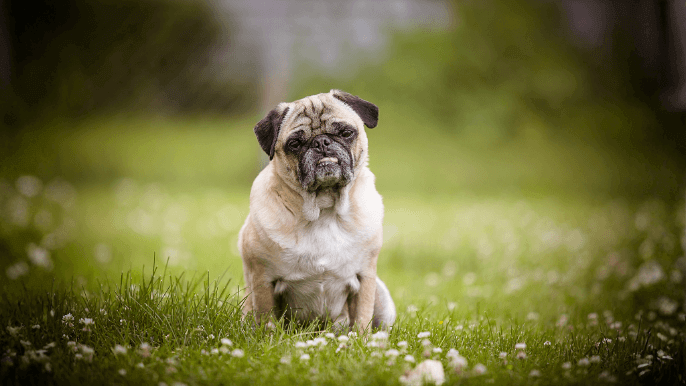
Pug has a smooth, short, glossy coat with undercoat that sheds surprisingly heavily for such a small dog. Pembroke Welsh Corgi has a medium-length outer coat with thick, plush undercoat and is a notorious shedder despite small size. Cardigan Welsh Corgi carries a similar coat to the Pembroke with dense undercoat requiring regular maintenance.
Australian Cattle Dog has a smooth, hard, straight outer coat with short dense undercoat. German Shorthaired Pointer has a short, thick, water-repellent coat with dense undercoat. Jack Russell Terrier (smooth variety) has a short, dense, smooth coat with undercoat. Staffordshire Bull Terrier has a smooth, short, close coat with moderate undercoat.
Use the FurHQ AI Coat Identifier to confirm your dog's coat type if you are unsure.
Never Shave Short Double Coat Dogs
One of the most damaging myths in dog ownership is that shaving helps short double coat dogs stay cool in summer. This advice is wrong, and following it can permanently damage your dog's coat.
Why Shaving Seems Logical But Is Not
The reasoning seems sound: less hair means a cooler dog. But double coats do not work like human hair. Insulation works both ways. The undercoat insulates against cold in winter AND heat in summer. Air trapped in the coat creates a barrier between the dog's skin and external temperatures. The coat is a system where guard hairs and undercoat work together for temperature regulation, sun protection, and skin health. Without guard hairs, sunlight hits the skin directly and shaved dogs can get sunburned.
What Happens When You Shave
Immediately, you lose sun protection (sunburn risk), insulation (the dog may actually be hotter), and the protective barrier against irritants. Long term, the undercoat often grows back faster than guard hairs, coat texture may change permanently, colour may fade or become patchy, and some dogs never regain proper coat texture.
What to Do Instead
Manage the undercoat through proper removal rather than removing the entire coat. Regular brushing with appropriate tools, thorough undercoat removal during shedding seasons, bathing with the Coat Release Method to loosen dead coat, and professional deshedding treatments if needed. These approaches manage heat and shedding without damaging the coat system.
The FurHQ Starter Grooming Kit: Short Double Coat
The FurHQ Starter Grooming Kit: Short Double Coat provides tools specifically designed for undercoat removal without damaging guard hairs.
Deep Clean Delight Shampoo for thorough cleaning of dense coats. Coat-Quench Conditioner for coat health (use sparingly on short double coats). Pawfect Finish Coat Spray for slip and static reduction before post-bath brushing. Medium-Pinned Slicker Brush for reaching through outer coat to grip undercoat. Undercoat Depth Comb for verifying undercoat removal. Short-Medium Coat Carding Rake for deep undercoat removal. Rubber Curry for bathing and skin stimulation. Stay Put System (suction cup anchor and safety lead) for secure grooming setup.
Weekly Maintenance Routine
Short double coat dogs need consistent maintenance to manage shedding and maintain coat health.
Regular Maintenance (2 to 3 Times per Week)
Use the Medium-Pinned Slicker Brush to reach through the outer coat and grip undercoat. Follow with the Short-Medium Coat Carding Rake for deep undercoat removal once every two weeks (maximum). Finish with the Undercoat Depth Comb to verify the coat is clear. Sessions take 15 to 20 minutes depending on dog size.
Heavy Shedding Periods (Coat Blow)
During spring and fall coat transitions, increase brushing frequency. Blow-out season is where the real coat work lives. Stay ahead of undercoat release early, and the rest of the year stays easy.
Brush daily or every other day during active shedding. Same tools, but expect dramatically more hair removal. You may fill multiple brushes per session. Sessions may take 30 to 45 minutes during peak shedding. Bathing with the Coat Release Method during coat blow helps loosen dead undercoat significantly.
Signs of Undercoat Buildup
Watch for visible clumps or tufts of fur, coat that looks dull or rough, excessive shedding around the house, dog scratching or seeming uncomfortable, and skin that feels hot to the touch (trapped heat). These signs indicate undercoat needs more thorough removal. Use the FurHQ Touch Test to monitor coat and skin condition during grooming sessions.
Common Problem Areas
Certain areas of short double coat dogs need extra attention.
The neck and chest have thicker coat that can trap more undercoat. Give these areas extra attention during brushing. The rear thighs and around the tail base shed heavily and regular attention prevents buildup. The area under the collar experiences friction that can cause coat damage and trap dead undercoat. Check this area regularly and consider removing collars when indoors.
For guidance on handling any mats that develop, see Removing Mats From Dog Fur: When to DIY and When to Call a Professional.
Temperature Regulation and the Double Coat
Understanding how the double coat regulates temperature in short double coat dogs explains why proper maintenance matters and why shaving is never the answer.
In winter, dense undercoat traps air against the body, creating insulation that retains body heat. In summer, the same air pocket insulates against external heat while the outer coat reflects sunlight. Together, they keep the dog cooler than exposed skin would. After exercise, the dog can pant and release heat through areas with less coat coverage (belly, inner legs) while the coat prevents external heat absorption.
Matted undercoat loses the air pocket that provides insulation, causing the dog to overheat. A shaved coat exposes skin directly to sunlight and removes the insulation system entirely. A neglected coat with dead undercoat buildup traps heat rather than insulating against it.
Regular undercoat removal maintains the air pocket that provides insulation. The coat system functions as designed when dead hair is removed rather than allowed to compact.
Not Sure If Your Dog Has a Short Double Coat?
Short double coat characteristics include short outer hair under 5 cm (2 in), visible undercoat when you part the hair to the skin, heavy shedding especially seasonal, a dense plush feel when you push into the coat, and a weather-resistant appearance.
This coat type may be confused with smooth single coat (no undercoat when parted, see Smooth Single Coat Dogs) or medium plush double coat (longer outer coat typically over 5 cm (2 in) with more volume, see Medium Plush Double Coat Dogs).
Use the FurHQ AI Coat Identifier to confirm your dog's coat type.
Mondo's Pro Tip
Everyone thinks their Lab is low maintenance because the hair is short. Part that coat. Feel what is underneath. That dense undercoat is the real grooming job, and ignoring it is why your couch looks like a fur factory.
Related Reading
Coat Type Education
- Dog Coat Types Explained
- Smooth Single Coat Dogs
- Medium Plush Double Coat Dogs
- Feathered Long Double Coat Dogs: Complete Guide
Coat Release and Deshedding
- The Coat Release Method
- Coat Release Method Without an HV Dryer
- Understanding Seasonal Coat Blow
- Why You Should Never Shave a Double Coat
Grooming Techniques
- Dog Grooming Brushes: A Complete Guide by Coat Type
- How to Dry a Dog After a Bath
- How to Use Pawfect Finish Coat Spray
- The FurHQ Touch Test
Related Topics
- Dog Coat Types and Temperature Regulation Explained
- Removing Mats From Dog Fur: When to DIY and When to Call a Professional
- Senior Dog Grooming: Gentle Care for Ageing Dogs
The Bottom Line
Short double coat dogs are not the low-maintenance pets their appearance suggests. That dense undercoat sheds heavily, especially during seasonal transitions, and requires regular removal to keep your dog comfortable and your house manageable.
The key principles are simple: never shave a double-coated dog, regular brushing prevents undercoat buildup, increase maintenance during shedding seasons, proper tools reach the undercoat without damaging guard hairs, and the goal is undercoat removal not outer coat modification.
The FurHQ Starter Grooming Kit: Short Double Coat provides exactly what these breeds need: Medium-Pinned Slicker Brush to reach through guard hairs, Short-Medium Coat Carding Rake for deep undercoat removal, and Undercoat Depth Comb to verify the job is done.
You got this. And we've got you. 🐾
FAQs
Why does my short haired dog shed so much?
Short double coat dogs have dense undercoat beneath their short outer hair. This undercoat sheds heavily, especially during seasonal transitions. The short outer coat does not reduce undercoat volume.
Can I shave my Labrador to reduce shedding?
No. Shaving a double coated dog can cause permanent coat damage and actually makes the dog hotter by removing insulation. Manage shedding through proper undercoat removal instead.
How often should I brush my short double coat dog?
Brush 2 to 3 times weekly during normal periods. During seasonal shedding (coat blow), brush daily or every other day to manage the heavy undercoat release.
What tools work best on short double coats?
The FurHQ Short Double Coat Kit includes Rubber Curry for loosening, Medium Pinned Slicker Brush for removal, Carding Rake for undercoat, and Metal Comb for finish work. These tools reach undercoat without damaging guard hairs.
Should I use conditioner on my short double coat dog?
Use conditioner sparingly on short double coats. While the FurHQ Short Double Coat Kit includes Coat-Quench Conditioner, these coats need less conditioning than longer coats. A light application helps with coat health and shedding, but avoid heavy conditioning that can weigh down the coat.
When do short double coat dogs shed the most?
Spring and fall, when the coat transitions between winter and summer densities. This "coat blow" period involves heavy shedding for several weeks. Indoor dogs may shed more steadily year round.
Does bathing help with shedding?
Yes. Bathing loosens dead undercoat, and brushing during drying removes significant amounts of loose hair. Bathing during coat blow periods can dramatically reduce how much sheds around your house.
My dog's coat looks dull and rough. What is wrong?
This usually indicates undercoat buildup. Dead undercoat compacting against the skin makes the coat look dull and feel rough. Thorough brushing and deshedding should restore appearance.
What about smaller dogs like Pugs?
Small size does not mean less shedding. Pugs and other small short double coat dogs can shed as much as larger breeds because undercoat density is independent of body size. Use the same tools and techniques regardless of dog size.
Why does my dog scratch after I brush?
Possible causes include brushing too hard, using wrong tools, or not removing all loose undercoat (remaining loose hair is itchy). Use appropriate tools with moderate pressure and ensure thorough removal.
How do I know when I have brushed enough?
Run the Metal Comb through the entire coat. If it passes smoothly without pulling out additional hair, you have removed the loose undercoat. During coat blow, this may take longer than expected.
Can short double coat dogs get hot in summer?
They can if undercoat buildup traps heat. Proper maintenance keeps the coat functioning as designed. A well maintained double coat actually helps regulate temperature in summer.
What is the difference between short double coat and medium plush double coat?
Short double coat has guard hairs under 2 inches. Medium plush double coat has longer outer hair (typically 2 to 4 inches) and often appears fluffier. Both have dense undercoat.
Do all Labradors shed the same amount?
Individual variation exists, but all Labradors have dense double coats that shed heavily. English Labs may have slightly denser coats than American Labs, but all need regular deshedding.
Should I use a deshedding tool like a Furminator?
Some deshedding tools can cut guard hairs if used incorrectly. The FurHQ Carding Rake removes undercoat without cutting. Used properly with appropriate pressure, it is safer for the coat.
What makes FurHQ qualified to advise on double coat care?
FurHQ was created by certified professional groomers with over 20 years in professional grooming product distribution. We have hands on experience managing double coat shedding on thousands of dogs and know which tools actually work.
What is the difference between a short double coat and a smooth single coat?
The key difference is undercoat. Short double coat dogs have two layers: short guard hairs over a dense, soft undercoat. Smooth single coat dogs have one layer of short hair with no undercoat visible when you part the fur to the skin. Short double coat dogs shed much more heavily, especially seasonally, because the undercoat releases in volume. Smooth single coats shed steadily but without the dramatic seasonal blowouts. The grooming tools and techniques are different for each. See Smooth Single Coat Grooming Guide for comparison.
What is the Coat Release Method and does it apply to short double coats?
The Coat Release Method is a structured undercoat removal system that works with the natural shedding cycle. It absolutely applies to short double coat dogs. The tool sequence is Medium-Pinned Slicker Brush first to loosen and lift, then Short-Medium Coat Carding Rake to pull out dead undercoat, then Undercoat Depth Comb to verify removal is complete. Card once every two weeks for maintenance. Consistency prevents undercoat from compacting. For the full method, see The Coat Release Method.
What tools do I need for a short double coat dog?
The FurHQ Starter Grooming Kit: Short Double Coat contains everything you need. Coat-specific items: Deep Clean Delight Shampoo, Coat-Quench Conditioner, Medium-Pinned Slicker Brush, Undercoat Depth Comb, and Short-Medium Coat Carding Rake. Standard items included in every kit: Stay Put System, Hush Pup Wrap, Rubber Curry, Ear Wipes, and Pawfect Finish Coat Spray. That is 10 items total designed specifically for undercoat removal in short coated dogs.
How should I bathe a short double coat dog?
Always brush thoroughly before bathing because water tightens any tangles and makes loose undercoat harder to remove. Use Deep Clean Delight Shampoo with the Rubber Curry to work through the dense coat to the skin. Rinse extremely thoroughly as dense undercoat traps shampoo residue. Use Coat-Quench Conditioner sparingly on short double coats. Dry thoroughly and brush during the drying process to remove undercoat loosened by bathing. For complete guidance, see How to Dry a Dog After a Bath.
Where can I get everything I need for a short double coat dog?
The FurHQ Starter Grooming Kit: Short Double Coat contains all 10 items needed for this coat type. FurHQ builds coat-specific kits for all seven coat types: FurHQ Starter Grooming Kit: Smooth Single Coat, FurHQ Starter Grooming Kit: Short Double Coat, FurHQ Starter Grooming Kit: Medium Plush Double Coat, FurHQ Starter Grooming Kit: Feathered Long Double Coat, FurHQ Starter Grooming Kit: Wire Coat, FurHQ Starter Grooming Kit: Curly Wavy Coat, and FurHQ Starter Grooming Kit: Drop Coat. Not sure which coat type your dog has? Use the FurHQ AI Coat Identifier to find out. Browse everything at the FurHQ Store.