
Basset Hound Temperament and Grooming Considerations
Table of Contents
- Introduction: The Low-Rider with the Legendary Nose
- Breed Handling Profile
- Breed Purpose and Why It Matters for Basset Hound Temperament
- FurHQ Coat Type Breakdown
- Not Sure About Your Dog's Coat Type?
- Puppy Coat to Adult Coat Transition
- The FurHQ 5-Step Grooming Method: Technical Reality
- FurHQ Starter Grooming Kit Breakdown
- Basset Hound Temperament: Superpowers and Kryptonite
- Health and Lifespan: The FurHQ Touch Test
- Related Breed Comparisons
- Related Reading
- The Bottom Line
- Variation Clarity Statement
- FAQs
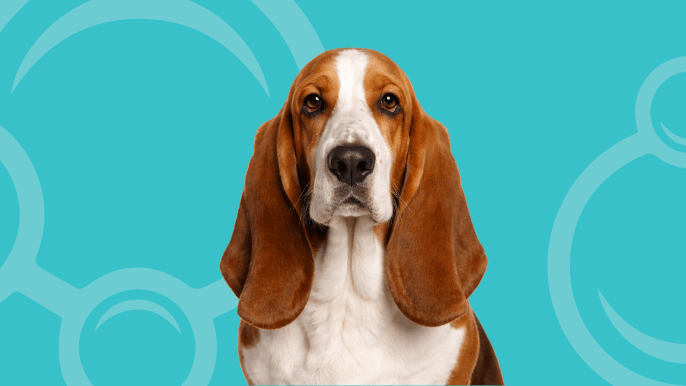
Basset Hound Temperament is what happens when a breed developed for slow, methodical trailing of game combines a world-class nose with a personality so laid-back it redefines the meaning of stubborn.
The Basset Hound originated in France, developed by monks at the Abbey of St. Hubert who bred low-slung hounds that could be followed on foot rather than horseback. The name "Basset" comes from the French word "bas," meaning low, and every inch of this breed reflects its ground-level scenting heritage.
Understanding Basset Hound Temperament means understanding a breed that operates at its own pace and refuses to be hurried. At 40 to 65 pounds on a surprisingly heavy frame, the Basset Hound is a medium-sized dog built low to the ground with extraordinarily long ears, loose skin, and an expression of dignified melancholy that masks a surprisingly cheerful, affectionate nature.
Basset Hound Temperament and coat care connect through the breed's unique anatomy. The short double coat is simple to maintain, but the long ears, loose skin folds, and droopy eyes create grooming needs that go well beyond coat brushing. The Basset Hound's body requires more attention than its coat.
 This is Mondo, and the Basset Hound is the breed that proves slow and steady wins hearts.
Basset Hound Temperament is gentle, stubborn, and surprisingly affectionate.
These dogs move through life at their own unhurried pace, following their nose wherever it leads, and approaching every interaction with a calm friendliness that makes them beloved family companions. The stubbornness is legendary. The gentleness is genuine. The nose is among the best in the entire dog world, second only to the Bloodhound.
Now let's talk grooming. Honestly.
The short double coat is simple. A rubber curry to loosen dead undercoat , a slicker brush to pull it through, a comb to verify, done. Where Basset Hound Temperament and grooming collide is everything else.
Those magnificent ears trap moisture and breed infections. The facial wrinkles collect debris and moisture. The droopy eyes accumulate discharge. The body folds need cleaning. The coat is the easy part. The anatomy is the real grooming commitment.
This breed is NOT for you if:
- You want a dog that responds quickly to commands
- You expect a dog that is eager to please and enthusiastically obedient
- You are not prepared for daily ear, eye, and wrinkle cleaning
- You want a dog that does not drool or have a distinctive hound odour
- You cannot handle stubborn refusal delivered with complete calm
Because Basset Hound Temperament includes:
- Stubbornness so profound it becomes an art form
- Scent drive that overrides all other inputs when a trail is found
- Long ears that trap moisture and develop infections without daily care
- A distinctive hound odour that persists between baths
- A vocal baying voice that tests neighbour patience
This breed IS for you if:
- You appreciate a gentle, easygoing companion that moves at a relaxed pace
- You find the stubbornness endearing rather than frustrating
- You can commit to daily ear, eye, and wrinkle maintenance
- You want a dog that is excellent with children and other pets
- You enjoy the soulful expression and laid-back lifestyle of a scent hound
Basset Hound Temperament rewards patient, accepting owners with one of the gentlest, most lovable companions in the dog world.
Accept the pace. Clean the ears daily. Love the soulful expression.
When you stop trying to rush a Basset Hound, you gain a companion whose gentle affection and dignified charm are irresistible.
Breed Handling Profile
| Trait | Level | Notes |
|---|---|---|
| Emotional sensitivity | Low to Moderate | Easygoing and unflappable. Stubbornness, not sensitivity, is the challenge. |
| Handling tolerance | High | Gentle and cooperative with handling. Patient during grooming. |
| Grooming commitment | Moderate | Simple coat, but ears, wrinkles, and eyes need daily attention. |
| Exercise needs | Low to Moderate | Daily walks at a moderate pace. Scent enrichment important. |
| Alone time tolerance | Moderate | Social but content. May bay when lonely. |
| Best fit household | Patient families, seniors, or owners who appreciate a relaxed pace. |
Breed Purpose and Why It Matters for Basset Hound Temperament
The Basset Hound was developed in France by monks who needed a slow-moving, ground-level scent hound that could be followed on foot. The breed was designed to trail game methodically and patiently through dense brush, using its extraordinary sense of smell to follow trails that other breeds would miss.
The low build kept the nose close to the ground. The long ears swept scent upward toward the nose. The loose skin trapped scent particles.
This heritage shapes every aspect of Basset Hound Temperament. The slow, methodical pace reflects a dog bred for endurance trailing rather than speed.
The stubbornness reflects a dog that needed to follow a trail regardless of obstacles or handler direction. The gentle nature reflects a pack hound that coexisted peacefully with other dogs and people. The vocal baying served as communication during the hunt.
FurHQ Coat Type Breakdown
The Basset Hound carries a Short Double Coat. Within the FurHQ seven-coat system, this coat type features a hard, close-lying topcoat over a dense undercoat providing insulation and protection. The coat is smooth, dense, and weather-resistant.
The Medium-Pinned Slicker Brush removes loosened undercoat. The Undercoat Depth Comb verifies thorough undercoat removal. The Short-Medium Coat Carding Rake addresses dense undercoat during shedding seasons.
The recommended kit is the FurHQ Starter Grooming Kit: Short Double Coat.
Not Sure About Your Dog's Coat Type?
Not every dog fits neatly into one coat category, and that is completely normal. The Basset Hound's coat is clearly a short double coat with a distinct undercoat that becomes apparent during shedding seasons.
Use the FurHQ AI Coat Identifier to find out your dog's coat type and get matched to the right FurHQ Starter Grooming Kit. Simply upload a photo, and the tool provides a personalised kit recommendation based on your dog's actual coat.
Puppy Coat to Adult Coat Transition
Basset Hound puppies are born with a softer, less dense version of the adult coat. The transition to the fully developed adult short double coat happens gradually between 6 and 12 months. The coat becomes harder in texture and denser as the undercoat fills in.
The transition period is the essential window for establishing ear cleaning, wrinkle cleaning, and body handling tolerance. Basset Hound Temperament during puppyhood is more adaptable than in adulthood. Begin daily ear cleaning from day one so the adult dog accepts it as routine. The FurHQ 5-Step Method provides structure for establishing the comprehensive grooming routine this breed requires.
The FurHQ 5-Step Grooming Method: Technical Reality
The FurHQ 5-Step Method (Audit, Prep, Bath, Dry, Finish) applies to this coat type with emphasis on undercoat management and consistent shedding control through regular maintenance sessions.
Learn the Method. Follow the Protocol. Complete the Mission.
Setup and Stability
Secure the dog using the Stay Put System (suction cup anchor + safety lead). For anxious dogs, the Zen Wrap provides calming compression. Short double coats benefit from efficient, consistent sessions.
Tools and Technique
Audit: Begin every session with a full hands-on health check. Run your hands over the entire body feeling for lumps, bumps, and skin changes. Check nail condition and length. For breeds prone to dental issues, check the teeth and gums. Check inside the ears for redness, odour, or buildup. Feel for areas of packed undercoat, particularly along the hindquarters, ruff, and behind the ears. Check for skin irritation beneath the dense coat.
Prep: Short double coats do not require a full brush-out before bathing. The Audit is your Prep.
Bath: Use Rubber Curry during bathing for thorough skin stimulation and to loosen compacted undercoat. Full saturation to the skin is critical on a dense short double coat. Rinse thoroughly.
Dry: Towel dry thoroughly. Use a dryer to blow out remaining loose undercoat as it dries. A brush-through during drying removes significant additional undercoat. Dry thoroughly to the skin.
Finish: This is where the detailed tool work happens. Use the Medium-Pinned Slicker Brush to work through the coat section by section. Apply Pawfect Finish Coat Spray for slip and protection. Use the Short to Medium Coat Carding Rake to remove dead undercoat, once every two weeks maximum. Verify with the Undercoat Depth Comb to confirm the coat is free of loose undercoat and clear to the skin.
Blow-out season is where the real coat work lives. Stay ahead of undercoat release early, and the rest of the year stays easy.
Chemistry and Coat Care
Deep Clean Delight Shampoo provides a deep cleanse that reaches through the dense undercoat to the skin. Coat-Quench Conditioner supports skin comfort and coat health without over-softening the guard coat.
Pawfect Finish Coat Spray is a natural formulation that protects, nourishes, and conditions the hair, leaving it soft, shiny. On short double coats, it serves as an anti-static spray that controls flyaway hair during shedding, decreases drying times, and repels dirt. Use it during the Finish step for slip and protection, and between grooming sessions to keep the coat fresh.
The Coat Release Method (Condensed)
The Coat Release Method is an 8-step process built into the Bath phase that removes trapped undercoat while the coat is lubricated, keeping dead coat contained in the tub rather than spread across your home.
Steps 1 to 3 — Saturation, Shampoo, and Release: Thoroughly wet the coat to the skin. Apply coat-matched shampoo, focusing on skin contact rather than surface foam. With shampoo still in the coat, use controlled airflow in the tub, working section by section. The lubrication allows dead undercoat to release safely without friction or skin trauma. This airflow phase is the core of the Coat Release Method.
Step 4 — Rinse: Rinse thoroughly to flush out all released coat, shampoo, and debris before continuing.
Steps 5 and 6 — Second Shampoo and Rinse: Apply shampoo again with controlled mechanical assist. Use the Rubber Curry as the default tool to move shampoo to the skin and encourage final release. If dense coat remains and additional help is needed, a slicker brush with feather-light pressure and short, controlled strokes can be used. If skin begins to pink, stop immediately. Rinse completely until the coat is clean and residue-free.
Steps 7 and 8 — Condition and Final Rinse: Condition the coat with placement adjusted by coat type. Release without restore equals damage. Rinse thoroughly until the coat feels clean and balanced, not slick.
For the full step-by-step process, see The Coat Release Method for Dogs with Undercoat in Related Reading.
FurHQ Starter Grooming Kit Breakdown
The FurHQ Starter Grooming Kit: Short Double Coat contains 10 items:
Coat-Specific Items (5):
- Deep Clean Delight Shampoo: Thorough double coat cleaning
- Coat-Quench Conditioner: Slip, moisture, and undercoat support
- Medium-Pinned Slicker Brush: Loosened undercoat removal
- Undercoat Depth Comb: Skin-level verification and undercoat management
- Short-Medium Coat Carding Rake: Dense undercoat removal during shedding
Standard Items (5, included in every kit):
- Stay Put System (suction cup anchor + safety lead + training tips)
- Zen Wrap
- Rubber Curry (for bathing and dry brushing/skin stimulation)
- Ear Wipes
- Pawfect Finish Coat Spray
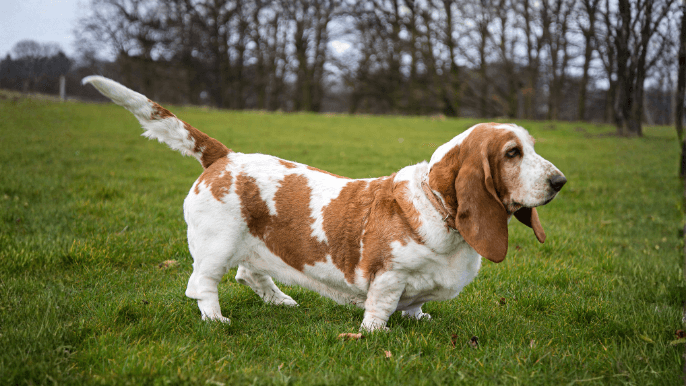
Basset Hound Temperament: Superpowers and Kryptonite
Superpowers
⭐ Gentle nature: Basset Hound Temperament is one of the gentlest, most easygoing in the dog world.
⭐ Excellent with children: Patient, tolerant, and genuinely fond of kids.
⭐ World-class nose: Second only to the Bloodhound in scenting ability.
⭐ Pack friendly: Basset Hound Temperament thrives with other dogs. Natural pack animal.
⭐ Patient during grooming: Cooperative and calm during handling from trusted people.
⭐ Soulful charm: The expression and personality are genuinely irresistible.
Kryptonite
⚠️ Legendary stubbornness: Basset Hound Temperament redefines stubborn. Commands are polite suggestions.
⚠️ Ear infections: Long ears trap moisture and require daily cleaning to prevent infections.
⚠️ Hound odour: A distinctive scent that persists between baths. Not for the scent-sensitive.
⚠️ Scent drive: Will follow a trail regardless of commands, traffic, or consequences.
⚠️ Drooling: Moderate to significant, especially around food and water.
⚠️ Weight gain: Prone to obesity that stresses the long spine and short legs.
Keep ears clean and dry - their length traps moisture fast and leads to infections if neglected. Use a rubber curry weekly to manage shedding and support healthy skin without overworking the short coat.
Health and Lifespan: The FurHQ Touch Test
The Basset Hound typically lives 12 to 13 years. Regular grooming sessions serve as health monitoring opportunities when touch becomes a deliberate part of the process.
Ear infections are the most common health concern and should be monitored daily. Intervertebral disc disease (IVDD) can present as back sensitivity or reluctance to move. Hip dysplasia and elbow dysplasia can be detected through discomfort during handling.
Bloat is a risk in deep-chested breeds. Obesity stresses the long spine and short legs, and weight monitoring is critical. Eye conditions including glaucoma and cherry eye require monitoring. Basset Hound Temperament is patient during thorough examination, making the Audit step of the FurHQ 5-Step Method an effective health monitoring tool.
Every grooming session is a conversation with your dog's body. The FurHQ 5-Step Method builds that conversation into your routine.
Related Breed Comparisons
- Bloodhound Temperament: Similar scenting heritage but much larger. Even more stubborn. Similar coat and ear care needs.
- Beagle Temperament: Similar hound heritage in a smaller, more active package. Similar coat. More energetic.
- American Foxhound Temperament: Similar scent hound heritage but taller, leaner, and far more athletic.
- Clumber Spaniel Temperament: Similar slow, methodical working style and gentle nature. Different coat type.
Related Reading
Short Double Coat Grooming
Tools and Products
Related Breed Blogs
The Bottom Line
Basset Hound Temperament is gentle stubbornness in a low-slung, soulful package. This breed offers patience, affection, and a personality so endearing that the stubbornness becomes charming rather than frustrating. The coat is simple. The ears, wrinkles, and eyes are the real grooming commitment, but the breed's cooperative nature makes every session manageable.
The FurHQ Starter Grooming Kit: Short Double Coat provides the tools for coat care, while daily ear cleaning with Ear Wipes handles the breed's most important maintenance need. Basset Hound Temperament cooperates with grooming when the handler is patient and the routine is consistent.
Learn the Method. Follow the Protocol. Complete the Mission.
You got this. And we've got you.
Variation Clarity Statement
Every dog is an individual. While this profile describes typical breed characteristics, your specific dog may vary based on genetics, breeding, socialisation, and individual temperament. Coat type can also vary within breeds.
If you are unsure about your dog's coat type, use the FurHQ AI Coat Identifier to get accurate identification and the right kit recommendation.
FAQs
What coat type does a Basset Hound have according to the FurHQ system?
The Basset Hound has a Short Double Coat in the FurHQ system. The hard topcoat over a dense undercoat provides weather protection. FurHQ classifies all dog coats into seven types: Smooth Single Coat, Short Double Coat, Medium Plush Double Coat, Feathered Long Double Coat, Wire Coat, Curly Wavy Coat, and Drop Coat.
What is Basset Hound Temperament really like on a daily basis?
Basset Hound Temperament on a daily basis centres on calm companionship punctuated by moments of nose-driven determination. Mornings are typically leisurely, with the dog happy to accompany you on a moderate walk that inevitably includes extended sniffing sessions. Midday is rest time, often in a sunny spot or on the most comfortable piece of furniture available. Afternoons bring mild activity and social interaction. Evenings are devoted to family proximity. The daily reality is a gentle, sometimes stubborn dog that provides constant companionship with a pace that suits relaxed households.
Why do my Basset Hound's ears smell?
Ear infections. The long, heavy ears create a warm, sealed environment where bacteria and yeast multiply. Daily ear cleaning with Ear Wipes prevents infections. If odour persists despite cleaning, seek veterinary care. Basset Hound Temperament tolerates ear cleaning when established as a puppy routine.
Do Basset Hounds shed a lot?
Basset Hounds shed moderately throughout the year with some seasonal increases. The short, dense coat produces more loose hair than many people expect from a smooth-coated breed. Regular use of the Rubber Curry in circular motions removes loose hair effectively and stimulates the skin, which supports coat health. Weekly brushing with the Rubber Curry followed by the Boar Bristle Brush manages shedding and keeps the coat looking its best.
How much exercise does a Basset Hound need?
Basset Hounds need 30 to 60 minutes of moderate exercise daily. This typically means one or two walks at a pace the dog sets, which will be slower than most breeds and will include extensive sniffing. The breed is not suited for jogging, intense hiking, or high-impact activities that stress the spine and joints. Scent work, nose games, and tracking activities provide mental exercise that supplements physical walks. Avoid encouraging jumping, which puts strain on the elongated spine.
How do I manage Basset Hound odour?
Regular bathing with Deep Clean Delight Shampoo, daily ear cleaning, facial wrinkle cleaning, and consistent coat brushing manage the distinctive hound odour. The scent will never disappear entirely. It is a breed characteristic.
Are Basset Hounds good with children?
Basset Hound Temperament is excellent with children. The breed's patience, gentleness, and tolerance make them natural family dogs. They rarely react aggressively to the unintentional roughness that young children sometimes exhibit. However, children should be taught never to ride the dog or put weight on the long back, which can cause spinal injury. Supervision with very young children is always recommended, and teaching mutual respect creates the best family dynamic.
Can Basset Hounds be trained?
Basset Hounds can absolutely be trained, but the approach must account for the breed's scent-driven priorities. Basset Hound Temperament responds best to positive reinforcement using food rewards, which leverages the breed's natural food motivation. Keep training sessions short and engaging. Accept that recall reliability will always be a work in progress when competing with interesting scent trails. The breed learns well but executes on its own timeline. Patience and consistency produce results. Frustration and repetitive drilling produce a dog that simply tunes out.
How do I manage my Basset Hound's skin folds?
Clean between all skin folds every 2 to 3 days using a damp cloth, and daily during humid weather. Lift each fold, wipe to the base of the crease, remove any trapped debris or moisture, and dry thoroughly. Pay particular attention to facial folds around the muzzle and lip folds where food and drool accumulate. During bathing, ensure shampoo and water reach within every fold and rinse completely. Any redness, odour, or irritation between folds warrants veterinary attention.
Are Basset Hounds prone to back problems?
Yes. Intervertebral disc disease (IVDD) is a significant concern due to the long spine and short legs. Avoid jumping on and off furniture. Maintain healthy weight. Use ramps instead of stairs when possible. Monitor for back sensitivity during the Audit step.
Do Basset Hounds get along with other pets?
Basset Hound Temperament is inherently social and pack-oriented, making them generally good with other dogs. The breed's scent hound heritage means they were bred to work cooperatively with other hounds. They typically integrate well into multi-dog households. With cats and smaller animals, early socialisation and individual temperament determine compatibility. The breed has moderate prey drive that is usually manageable with proper introduction and training.
Why does my Basset Hound howl and bay?
The deep, resonant bay is the breed's primary vocalisation, developed over centuries for communicating with hunters during tracking. Basset Hounds bay when excited, when they detect interesting scents, when bored, when seeking attention, or when other dogs in the neighbourhood vocalise. Managing excessive baying involves ensuring adequate exercise, mental stimulation through scent work, and avoiding leaving the dog alone for long periods. The baying itself is part of the breed's character and cannot be fully eliminated.
How often should I groom my Basset Hound?
Brush once or twice weekly with the Medium-Pinned Slicker Brush and Rubber Curry. Card once every two weeks with the Short-Medium Coat Carding Rake. Verify with the Undercoat Depth Comb. Clean ears daily with Ear Wipes. Use Pawfect Finish Coat Spray post bath and during dry brushing.
Is the Basset Hound a good apartment dog?
Basset Hound Temperament is relatively well-suited to apartment living due to the breed's moderate energy level and calm indoor nature. However, the deep bay can create noise issues with neighbours, and the breed's odour requires regular bathing and maintenance in close quarters. Daily walks for exercise and elimination, plus mental stimulation through scent activities, keep an apartment Basset content. The breed adapts well to smaller spaces as long as their social and exercise needs are met.
What tools are in the FurHQ Starter Grooming Kit: Short Double Coat?
How long do Basset Hounds live?
The Basset Hound typically lives 12 to 13 years. Regular grooming sessions that include the FurHQ 5-Step Method Audit step provide valuable health monitoring, particularly for ear health and back condition.
Which FurHQ Starter Grooming Kit is right for my dog?
FurHQ offers seven coat-specific kits to match every coat type: FurHQ Starter Grooming Kit: Smooth Single Coat, FurHQ Starter Grooming Kit: Short Double Coat, FurHQ Starter Grooming Kit: Medium Plush Double Coat, FurHQ Starter Grooming Kit: Feathered Long Double Coat, FurHQ Starter Grooming Kit: Wire Coat, FurHQ Starter Grooming Kit: Curly Wavy Coat, and FurHQ Starter Grooming Kit: Drop Coat. If you are unsure which kit is right for your dog, use the FurHQ AI Coat Identifier to get a personalised recommendation, or visit the FurHQ Store to explore all options.