
American Eskimo Dog Temperament and Grooming
Table of Contents
- Introduction: The Brilliant White Performer
- Breed Handling Profile
- Breed Purpose and Why It Matters for American Eskimo Dog Temperament
- FurHQ Coat Type Breakdown
- Not Sure About Your Dog's Coat Type?
- Puppy Coat to Adult Coat Transition
- The FurHQ 5-Step Grooming Method: Technical Reality
- FurHQ Starter Grooming Kit Breakdown
- Superpowers and Kryptonite
- Health and Lifespan: The FurHQ Touch Test
- Related Breed Comparisons
- Related Reading
- The Bottom Line
- Variation Clarity Statement
- FAQs
 Introduction: The Brilliant White Performer
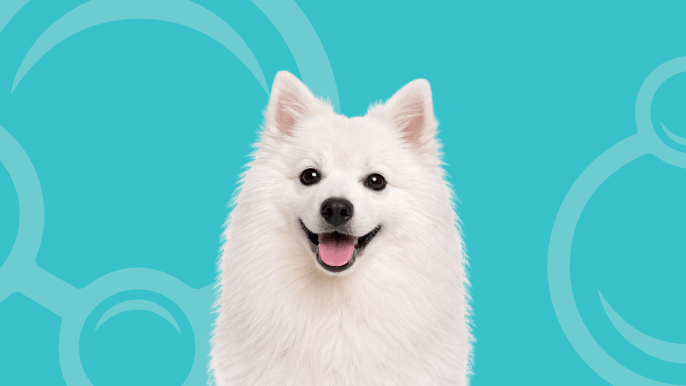
American Eskimo Dog Temperament is what happens when intelligence, beauty, and showmanship combine in a sparkling white package that sheds enough fur to insulate a small building. Despite the name, this breed has nothing to do with Alaska or Eskimo cultures.
The American Eskimo Dog descended from German Spitz breeds brought to America by European immigrants, and its name was changed during the First World War when anti-German sentiment made the original name commercially problematic.
Understanding American Eskimo Dog Temperament starts with understanding that this is a highly intelligent spitz breed with a performing heritage that shapes everything about its personality.
These dogs are brilliant. American Eskimo Dog Temperament includes a cognitive sharpness that placed them in travelling circuses in the early 1900s, where they performed tricks, walked tightropes, and captivated audiences with their ability to learn complex behaviours.
That intelligence persists today in a breed that learns quickly, remembers everything, and applies its problem-solving skills to every situation it encounters, including finding ways around rules you thought were clear.
The plush double coat is the breed's crowning glory and its most significant maintenance commitment. The dense undercoat combined with the longer topcoat creates the spectacular white cloud appearance that defines the breed, but it also produces heavy shedding, seasonal coat blow, and the need for consistent undercoat management.
American Eskimo Dog Temperament and coat care are connected because a dog this smart will form strong opinions about grooming very early.

This breed looks like a stuffed animal…
and behaves like a doctoral student.
If you want a quiet, low-energy companion that requires minimal engagement, this breed will run circles around your expectations - both literally and figuratively.
American Eskimo Dog Temperament includes energy, intelligence, and a constant desire for interaction that demands your participation.
These dogs do not do well sitting in a corner being decorative.
They need jobs.
They need games.
They need mental challenges.
And they absolutely need your attention.
Living with an Eskie feels like sharing your home with a bright, enthusiastic overachiever who wants involvement in everything you are doing - and preferably wants to do it faster and better.
They are alert, expressive, and deeply bonded - a breed that thrives on engagement rather than passive companionship.
But let’s talk grooming - honestly - because the coat is where commitment becomes real.
If you want a low-shedding dog, walk away now.
The medium plush double coat on this breed produces a shedding volume that fills vacuum canisters, coats dark clothing, and creates tumbleweeds of white fur in every corner of your home.
And during seasonal coat blows?
The volume becomes genuinely astonishing.
Routine brushing several times per week keeps the coat manageable, but during blow periods, daily undercoat removal becomes necessary to stay ahead of release.
The upside is that the coat is structurally functional - insulating, protective, and surprisingly dirt-resistant between baths.
So let’s talk alignment.
This breed is NOT for you if:
You want a quiet, low-energy dog
You cannot tolerate visible shedding
You lack time for mental engagement
You want minimal grooming commitment
Because American Eskimo Dog Temperament includes:
High intelligence
Strong alert barking tendencies
Constant need for interaction
Heavy seasonal coat release
This breed IS for you if:
You want an intelligent, trainable companion
You enjoy teaching tricks and advanced skills
You appreciate the beauty of a pristine white coat
You can commit to regular brushing
You want a deeply loyal family dog
American Eskimo Dog Temperament rewards engaged owners with a companion that is not only beautiful, but brilliantly responsive and emotionally devoted.
Exercise the mind.
Maintain the coat.
Channel the energy constructively.
Do that, and you will share your life with one of the most visually striking, intellectually capable, and proudly bonded companions in the spitz world - a breed that does not just live beside you… it studies you, learns you, and commits to you fully.
Breed Handling Profile
| Trait | Level | Notes |
|---|---|---|
| Emotional sensitivity | Moderate to High | Highly attuned to owner; thrives with positive reinforcement |
| Handling tolerance | High | Generally cooperative when trusting; responds well to routine |
| Grooming commitment | High | Dense double coat requires consistent brushing and undercoat management |
| Exercise needs | Moderate to High | Athletic and energetic; needs daily physical and mental activity |
| Alone time tolerance | Low to Moderate | Bonds strongly; can develop anxiety without proper conditioning |
| Best fit household | Active individuals or families who enjoy grooming and can provide daily mental stimulation |
Breed Purpose and Why It Matters for American Eskimo Dog Temperament
The American Eskimo Dog's ancestors were German Spitz breeds used as farm dogs, watchdogs, and general companions in northern Europe. These dogs were bred for alertness, trainability, and an all-purpose adaptability that made them valuable in multiple roles.
The spitz heritage, shared with Samoyeds, Pomeranians, and other northern breeds, gave the American Eskimo Dog its dense double coat, curled tail, and fox-like face.
In America, the breed found a unique niche in travelling circuses during the late 1800s and early 1900s.
American Eskimo Dog Temperament proved perfect for performance work because the breed combined intelligence, eagerness to learn, a love of attention, and a striking white appearance that captivated audiences. The famous "Pierre," an American Eskimo Dog, became one of the first dogs known to walk a tightrope.
This performing heritage directly shaped American Eskimo Dog Temperament. The love of learning, the desire for audience response, the ability to master complex sequences, and the craving for interaction all trace back to generations of dogs selected for their ability to engage, perform, and connect with humans in front of a crowd.
When your American Eskimo Dog performs an elaborate trick sequence for guests and then looks at you for applause, that is centuries of performing heritage expressing itself.
FurHQ Coat Type Breakdown
The American Eskimo Dog wears a Medium and Plush Double Coat as its primary classification in the FurHQ seven-coat system, with the Feathered Long Double Coat as an alternate classification for individuals with longer feathering .
The American Eskimo Dog sits close to the line between these two coat types. The primary classification is Medium and Plush Double Coat because the coat typically stands off from the body with volume created by the dense undercoat rather than draping with long feathering.
However, some American Eskimo Dogs, particularly Standard size individuals, develop longer feathering on the ears, chest, legs, and tail that tips the coat into feathered long double coat territory.
The general guideline: if the longest sections of your dog's coat measure under 3 inches, the Medium and Plush Double Coat kit is the right choice. If the feathering exceeds 3 inches, the Feathered Long Double Coat kit provides the additional tools needed for managing longer hair alongside the undercoat. Either kit will serve the American Eskimo Dog well.
The dense undercoat is the defining feature regardless of classification. It creates the spectacular plumed appearance, provides insulation, and produces the heavy shedding that is the breed's most significant grooming challenge.
For the primary Medium and Plush Double Coat classification, the Medium-Pinned Slicker lifts dead undercoat without damaging the topcoat. The Undercoat Depth Comb verifies thorough undercoat removal. The Short-Medium Coat Carding Rake provides targeted undercoat extraction during shedding seasons. The Rubber Curry serves double duty as a bathing tool and undercoat loosening tool.
The recommended primary kit is the FurHQ Starter Grooming Kit: Medium Plush Double Coat.
For dogs with longer feathering, the FurHQ Starter Grooming Kit: Feathered Long Double Coat includes the Long-Pinned Slicker, Deshedding Comb, and Long Coat Carding Rake designed for managing both the long feathering and the dense undercoat.
Not Sure About Your Dog's Coat Type?
Every dog is an individual, and coat types can sometimes surprise you. If you are unsure whether your American Eskimo Dog's coat is Medium and Plush Double Coat or Feathered Long Double Coat, use the FurHQ AI Coat Identifier. Simply upload a photo of your dog and get an accurate coat type classification with the right kit recommendation. No guessing required. Remember that either kit serves this breed well given how close to the line the coat sits.
Puppy Coat to Adult Coat Transition
American Eskimo Dog puppies are born with a soft, fluffy coat that begins transitioning to the adult double coat between 4 and 8 months. The undercoat thickens significantly during this period, and the guard hairs develop their characteristic texture. The full adult coat is typically established by 12 to 18 months, though the coat continues to fill out until around age 2.
During the transition, the puppy coat can mat where it tangles with the incoming adult coat. This is a higher-risk period for coat compaction, particularly behind the ears, in the armpit area, and around the hindquarters. Regular brushing during this phase prevents the matting that occurs when dead puppy coat gets trapped by the emerging adult coat.
Start gentle brushing with the Medium-Pinned Slicker from 8 weeks. American Eskimo Dog Temperament generally welcomes the attention, making this an ideal breed for establishing positive grooming associations early. Use Pawfect Finish Coat Spray before every brushing session and after bathing during the transition period to provide slip and prevent breakage.
The FurHQ 5-Step Grooming Method: Technical Reality
The FurHQ 5-Step Method (Audit, Prep, Bath, Dry, Finish) applies to this coat type with emphasis on managing the plush, standoff coat and preventing undercoat from compacting against the skin.
Learn the Method. Follow the Protocol. Complete the Mission.
Setup and Stability
Secure the dog using the Stay Put System (suction cup anchor + safety lead). For anxious dogs, the Zen Wrap provides calming compression. Medium plush double coats require thorough sessions that work through the dense, standoff texture to the skin.
Tools and Technique
Audit: Begin every session with a full hands-on health check. Run your hands over the entire body feeling for lumps, bumps, and skin changes. Check nail condition and length. For breeds prone to dental issues, check the teeth and gums. Check inside the ears for redness, odour, or buildup. Then assess coat condition. The plush texture can feel full and healthy on the surface while hiding compacted undercoat beneath. Part the coat and feel at the skin level, particularly along the hindquarters, ruff, chest, and behind the ears.
Prep: Brush through the coat to remove loose coat and tangles before the bath. Use the Medium-Pinned Slicker Brush to work through any areas of resistance identified during the Audit.
Bath: Use Rubber Curry during bathing for skin stimulation and to work shampoo through the dense coat. Full saturation to the skin is critical because the plush coat repels water. Rinse thoroughly.
Dry: Towel dry thoroughly. Use a dryer with a brush-through to lift and separate the coat as it dries. Significant undercoat blows out during this step. Dry thoroughly to the skin.
Finish: This is where the detailed tool work happens. Use the Medium-Pinned Slicker Brush to work through the entire coat section by section. Apply Pawfect Finish Coat Spray for slip and protection. Use the Short to Medium Coat Carding Rake to remove dead undercoat, once every two weeks maximum. Verify with the Undercoat Depth Comb to confirm the coat is free of loose undercoat, dry to the skin, and standing off the body properly. Assess overall coat condition.
Blow-out season is where the real coat work lives. Stay ahead of undercoat release early, and the rest of the year stays easy.
Chemistry and Coat Care
Deep Clean Delight Shampoo provides a deep cleanse that penetrates the dense plush coat to the skin. Coat-Quench Conditioner supports skin comfort and coat health while maintaining the coat's natural standoff texture.
Pawfect Finish Coat Spray is a natural formulation that protects, nourishes, and conditions the hair, leaving it soft, shiny. On medium plush double coats, it serves as an anti-static spray that controls flyaway hair during shedding, decreases drying times, and repels dirt. Use it during the Finish step for slip and protection, and between grooming sessions to keep the coat fresh.
The Coat Release Method (Condensed)
The Coat Release Method is an 8-step process built into the Bath phase that removes trapped undercoat while the coat is lubricated, keeping dead coat contained in the tub rather than spread across your home.
Steps 1 to 3 — Saturation, Shampoo, and Release: Thoroughly wet the coat to the skin. Apply coat-matched shampoo, focusing on skin contact rather than surface foam. With shampoo still in the coat, use controlled airflow in the tub, working section by section. The lubrication allows dead undercoat to release safely without friction or skin trauma. This airflow phase is the core of the Coat Release Method.
Step 4 — Rinse: Rinse thoroughly to flush out all released coat, shampoo, and debris before continuing.
Steps 5 and 6 — Second Shampoo and Rinse: Apply shampoo again with controlled mechanical assist. Use the Rubber Curry as the default tool to move shampoo to the skin and encourage final release. If dense coat remains and additional help is needed, a slicker brush with feather-light pressure and short, controlled strokes can be used. If skin begins to pink, stop immediately. Rinse completely until the coat is clean and residue-free.
Steps 7 and 8 — Condition and Final Rinse: Condition the coat with placement adjusted by coat type. Release without restore equals damage. Rinse thoroughly until the coat feels clean and balanced, not slick.
For the full step-by-step process, see The Coat Release Method for Dogs with Undercoat in Related Reading.
FurHQ Starter Grooming Kit Breakdown
Primary: Medium Plush Double Coat Kit
The FurHQ Starter Grooming Kit: Medium Plush Double Coat is recommended for most American Eskimo Dogs (coat under 3 inches).
Standard Items (included in all FurHQ kits):
- Stay Put System (suction cup anchor + safety lead + training tips)
- Zen Wrap
- Rubber Curry (for bathing and undercoat loosening)
- Ear Wipes
- Pawfect Finish Coat Spray
Coat-Specific Items:
- Deep Clean Delight Shampoo
- Coat-Quench Conditioner
- Medium-Pinned Slicker Brush
- Undercoat Depth Comb
- Short-Medium Coat Carding Rake
Total: 10 items
Alternate: Feathered Long Double Coat Kit
The FurHQ Starter Grooming Kit: Feathered Long Double Coat contains 11 items:
Coat-Specific Items (6):
- Deep Clean Delight Shampoo: Thorough cleaning for feathered long double coats
- Coat-Quench Conditioner: Skin hydration and undercoat conditioning
- Long-Pinned Slicker Brush: Penetrates the feathered long coat to reach skin level
- Undercoat Depth Comb: Undercoat release verification and density checks
- Deshedding Comb: Targeted undercoat removal on alternating weeks
- Long Coat Carding Rake: Dead undercoat removal through feathered long layers
Standard Items (5, included in every kit):
- Stay Put System (suction cup anchor + safety lead)
- Hush Pup Wrap
- Rubber Curry (for bathing and dry brushing/skin stimulation)
- Ear Wipes
- Pawfect Finish Coat Spray
Total: 11 Items
Each kit includes step-by-step video tutorials and informational PDFs so you know exactly how to use every tool and product for the American Eskimo Dog coat.
Superpowers and Kryptonite
Superpowers
🌟 Exceptional intelligence: American Eskimo Dog Temperament includes a cognitive ability that made this breed famous as circus performers. They learn quickly, retain complex sequences, and apply their intelligence creatively.
🌟 Stunning appearance: The brilliant white double coat, fox-like face, and plumed tail create one of the most visually striking dogs in existence. A well-groomed American Eskimo Dog turns heads everywhere.
🌟 Eager trainability: Unlike many spitz breeds that prioritise independence, American Eskimo Dog Temperament includes a genuine desire to learn and please. They respond enthusiastically to positive training methods.
🌟 Alert watchdog: American Eskimo Dog Temperament includes reliable alerting to unusual sounds and visitors. These dogs take home security seriously while remaining friendly once introductions are properly made.
🌟 Adaptable size range: Available in Toy (2.7 to 4.5 kg), Miniature (4.5 to 9 kg), and Standard (9 to 16 kg), the breed offers the same temperament and coat type across multiple sizes.
🌟 Devoted companion: The bond an American Eskimo Dog forms with its family is deep and genuine. These dogs are loyal, attentive, and committed to their people.
Kryptonite
⚠️ Heavy shedding: The dense double coat sheds constantly and produces seasonal coat blow that fills vacuum bags and coats every surface. The white hair is visible on everything. This is a permanent feature of the breed.
⚠️ Grooming commitment: The coat requires consistent brushing two to three times per week minimum, with daily sessions during coat blow. Neglected undercoat compacts against the skin causing discomfort and potential skin issues.
⚠️ Barking tendency: American Eskimo Dog Temperament includes a vocal nature that can become excessive without management. The alertness that makes them good watchdogs also means they bark at everything they find noteworthy, which is most things.
⚠️ Stranger wariness: Unlike universally social breeds, American Eskimo Dog Temperament can include reserve or shyness with strangers. Proper socialisation from puppyhood is essential to prevent this from becoming fearfulness or defensive behaviour.
⚠️ Separation sensitivity: These dogs bond deeply and can develop separation anxiety without proper conditioning. American Eskimo Dog Temperament thrives on companionship and struggles with extended periods alone.
⚠️ Never shave this coat: Shaving a double coated breed damages the coat structure, removes temperature regulation, and the coat may never grow back properly. Even in summer, the double coat protects the dog. Proper undercoat removal through brushing and the Coat Release Method is the correct approach.
Train the brain as much as you brush the coat. A mentally satisfied Eskie is far easier to manage everywhere — including the grooming table.
Health and Lifespan: The FurHQ Touch Test
The American Eskimo Dog typically lives 13 to 15 years. This longevity means grooming and health monitoring span many rewarding years.
Regular grooming sessions double as health checks when you use the FurHQ Touch Test. Run your hands systematically across the body during every grooming session, feeling for lumps, bumps, skin changes, heat spots, or areas of tenderness. The dense double coat can hide skin issues, lumps, and parasites, making hands-on assessment essential where visual inspection alone is insufficient.
Common health concerns that intersect with grooming include hip dysplasia which affects standing comfort during longer grooming sessions, progressive retinal atrophy requiring awareness during face handling, patellar luxation in smaller varieties, and diabetes which can affect coat quality and skin condition.
American Eskimo Dog Temperament makes health monitoring through grooming effective because these dogs generally welcome the handling and physical contact that grooming provides.
Related Breed Comparisons
If you are considering an American Eskimo Dog, these breeds share some characteristics but differ in important ways:
- Japanese Spitz Temperament: Very similar in appearance and coat type but generally calmer and less vocal. Also a medium and plush double coat that sits close to the feathered long double coat line.
- Samoyed Temperament: Larger version of a similar white spitz concept but with higher exercise needs and an even more demanding coat. Shares the friendly, intelligent temperament.
- Pomeranian Temperament: Smaller spitz relative with similar coat structure but a bolder, more independent personality. Similar grooming challenges at a smaller scale.
- Keeshond Temperament: Similar spitz temperament and double coat but without the white colouring. Comparable grooming requirements and intelligence.
Related Reading
Medium Plush Double Coat Grooming
Bathing and Drying
- How to Dry a Dog After a Bath
- How to Introduce Your Dog to a Dryer
- High Velocity Dryer for Dogs
- Stand Dryer for Dogs
Matting and Coat Health
Tools and Products
- FurHQ Starter Grooming Kit: Medium Plush Double Coat
- FurHQ Starter Grooming Kit: Feathered Long Double Coat
- FurHQ Store
Related Breed Blogs
The Bottom Line
American Eskimo Dog Temperament delivers intelligence, beauty, and devotion in a brilliant white package. This breed rewards committed owners with a companion that learns anything, loves deeply, and looks spectacular when properly groomed.
The coat demands attention. There is no shortcut around the shedding, the seasonal blow, or the brushing commitment. But the return on that investment is a dog that makes people stop and stare, a bond built through consistent care, and the satisfaction of maintaining one of the most beautiful coats in the dog world.
If you are ready for the commitment, the FurHQ Starter Grooming Kit: Medium Plush Double Coat gives you every tool and product you need. For dogs with longer feathering, the FurHQ Starter Grooming Kit: Feathered Long Double Coatprovides additional tools for managing the extra length. Either way, you have a system that works.
You got this. And we've got you. 🐾
Variation Clarity Statement
Every dog is an individual. While this profile describes typical breed characteristics, your specific dog may vary based on genetics, breeding, socialisation, and individual temperament. Coat type can also vary within breeds.
If you are unsure about your dog's coat type, use the FurHQ AI Coat Identifier to get accurate identification and the right kit recommendation.
FAQs
What coat type does an American Eskimo Dog have according to the FurHQ system?
The American Eskimo Dog has a Medium and Plush Double Coat as its primary classification, with Feathered Long Double Coat as an alternate for dogs with longer feathering. FurHQ classifies all dog coats into seven types:
- Curly Wavy Coat
- Drop Coat
- Wire Coat
- Smooth Single Coat
- Short Double Coat
- Medium and Plush Double Coat
- Feathered Long Double Coat
The American Eskimo Dog sits close to the line between the two double coat classifications. If the longest feathering measures under 3 inches, the Medium and Plush Double Coat kit is the right choice. Over 3 inches, the Feathered Long Double Coat kit provides the additional tools needed.
How much do American Eskimo Dogs really shed?
Significantly. American Eskimo Dog Temperament gets all the attention, but the shedding changes your daily life. The dense undercoat sheds continuously and produces seasonal coat blow twice a year that fills vacuum canisters with white fur. The white hairs are visible on every dark surface. Regular brushing two to three times per week, with daily sessions during coat blow, manages the volume without eliminating it.
Can I shave my American Eskimo Dog in summer?
Never shave a double coated breed. The double coat regulates temperature, providing insulation against both cold and heat. Shaving removes this protection, can cause sunburn, and the coat may never grow back with its original texture or density. American Eskimo Dog Temperament and coat health are best served by proper undercoat removal through brushing and the Coat Release Method, never shaving.
How often should I brush my American Eskimo Dog?
Two to three times per week during normal periods, daily during seasonal coat blow. Sessions of 15 to 20 minutes are typically sufficient. Always brush to the skin rather than skimming the surface. American Eskimo Dog Temperament cooperates well with regular grooming sessions that become part of the routine.
Is the American Eskimo Dog related to the Siberian Husky or Samoyed?
They are all spitz breeds sharing common ancestral characteristics including the double coat, curled tail, and erect ears, but they are separate breeds with different histories. The American Eskimo Dog descended from German Spitz breeds, not Arctic working dogs. American Eskimo Dog Temperament reflects companion and performing heritage rather than the working sled dog background of the Husky or Samoyed.
Which size variety of American Eskimo Dog sheds the most?
The Standard variety produces the most shed hair simply due to having more body surface area. However, all three sizes (Toy, Miniature, Standard) have the same coat structure and shedding patterns. American Eskimo Dog Temperament is consistent across sizes, and the grooming tools and techniques are identical.
Why is my American Eskimo Dog wary of strangers?
American Eskimo Dog Temperament can include reserve with unfamiliar people. This is a natural breed trait, not a behaviour problem. The breed's alertness and watchdog heritage contribute to this wariness. Proper socialisation from puppyhood with various people, environments, and experiences helps develop a confident, well-adjusted dog.
How do I keep the white coat clean between baths?
Regular brushing is more effective than frequent bathing for maintaining a white coat. Brushing removes dirt and debris before it becomes embedded. Spot cleaning with a damp cloth handles localised marks. Bathing every four to six weeks with Deep Clean Delight Shampoo keeps the coat bright. Over-bathing strips natural oils and can worsen coat condition.
Why does my American Eskimo Dog bark so much?
The watchdog heritage and high intelligence combine to make American Eskimo Dog Temperament naturally vocal. These dogs alert to sounds, visitors, and environmental changes with barking. Consistent training from puppyhood helps manage the volume, but expecting silence from an American Eskimo Dog is unrealistic. The breed was designed to alert, and it is very good at its job.
Are American Eskimo Dogs good for first-time owners?
American Eskimo Dog Temperament can work for dedicated first-time owners who understand the grooming commitment and activity needs. The breed's trainability and eagerness to please make the training learning curve manageable. However, the shedding volume, barking tendency, and socialisation needs may challenge owners who are not prepared for the reality behind the beautiful appearance.
How do I handle the seasonal coat blow?
Daily brushing during coat blow is essential. Use the Medium-Pinned Slicker and Short-Medium Coat Carding Rake to remove dead undercoat systematically. The Coat Release Method during bathing removes large volumes of dead coat efficiently. Plan for two to three weeks of intensive grooming per season. The effort pays off because thorough undercoat removal during blow prevents the compacting that causes problems between seasons.
Where can I get everything I need for American Eskimo Dog grooming?
The FurHQ Starter Grooming Kit: Medium Plush Double Coat includes every tool and product designed for this coat type, along with step-by-step video tutorials. For dogs with longer feathering, the FurHQ Starter Grooming Kit: Feathered Long Double Coat is the right choice. All seven FurHQ coat type kits are available at the FurHQ Store:
- FurHQ Starter Grooming Kit: Curly Wavy Coat
- FurHQ Starter Grooming Kit: Drop Coat
- FurHQ Starter Grooming Kit: Wire Coat
- FurHQ Starter Grooming Kit: Smooth Single Coat
- FurHQ Starter Grooming Kit: Short Double Coat
- FurHQ Starter Grooming Kit: Medium Plush Double Coat
- FurHQ Starter Grooming Kit: Feathered Long Double Coat
What tools do I need for an American Eskimo Dog?
For the primary Medium Plush Double Coat classification, the FurHQ Starter Grooming Kit: Medium Plush Double Coatprovides everything needed: Deep Clean Delight Shampoo for thorough cleansing, Coat-Quench Conditioner for coat health, Medium-Pinned Slicker Brush, Undercoat Depth Comb, Short-Medium Coat Carding Rake, plus all standard items. For dogs with longer feathering, the FurHQ Starter Grooming Kit: Feathered Long Double Coat includes the additional tools needed.