
Pomeranian Temperament and Grooming Considerations
Table of Contents
- Introduction: The Tiny Spitz with the Big Personality
- Breed Handling Profile
- Breed Purpose and Why It Matters for Pomeranian Temperament
- FurHQ Coat Type Breakdown
- Not Sure About Your Dog's Coat Type?
- Puppy Coat to Adult Coat Transition
- The FurHQ 5-Step Grooming Method: Technical Reality
- FurHQ Starter Grooming Kit Breakdown
- Pomeranian Temperament: Superpowers and Kryptonite
- FurHQ's Lifestyle Lens and Pro Insights
- Health and Lifespan: The FurHQ Touch Test
- Related Breed Comparisons
- Related Reading
- The Bottom Line
- Variation Clarity Statement
- FAQs
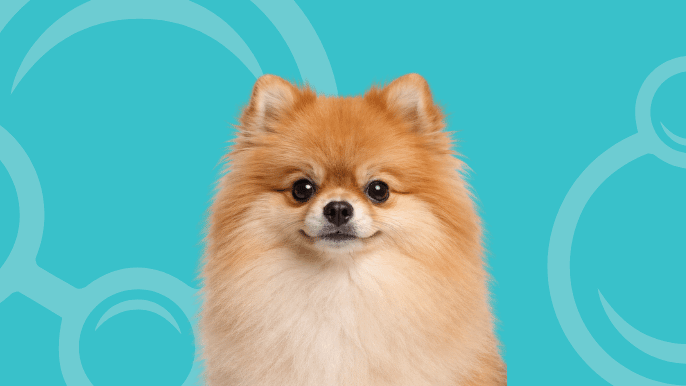
Pomeranian Temperament is what happens when bold confidence, spirited intelligence, and a spectacular profuse coat combine in the smallest member of the spitz family. Descended from large sled-pulling spitz breeds of the Arctic, the Pomeranian was selectively bred down to toy size while retaining the double coat, the foxy face, the plumed tail, and remarkably, much of the bold, confident temperament of its much larger ancestors.
Understanding Pomeranian Temperament starts with recognizing that this tiny dog has absolutely no awareness of its diminutive size and operates with the confidence of a breed ten times its weight.
These dogs are boldly spirited. Pomeranian Temperament includes an extroverted confidence, an alert intelligence, and a commanding presence that fills any room regardless of the tiny body producing it. They are vivacious, opinionated, and carry themselves with a pride that reflects their spitz heritage.
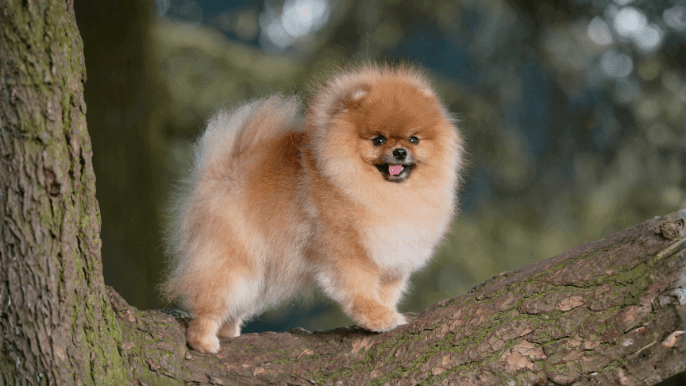
The profuse medium plush double coat that stands off from the body in a dramatic puffball silhouette is the breed's most iconic feature. Pomeranian Temperament and coat care connect because the dense double coat on this tiny frame requires consistent maintenance, and the breed's spirited, sometimes opinionated nature can make grooming sessions lively.

Let me tell you what you are really getting with a Pomeranian, because the tiny size and fluffy appearance create assumptions that this breed demolishes within days.
The Pomeranian is a spitz. A genuine, Arctic-heritage spitz whose ancestors pulled sleds. Pomeranian Temperament carries that spitz confidence, independence, and boldness compressed into a package weighing 1.4 to 3.2 kilograms. These dogs bark with authority, confront larger dogs without hesitation, and manage their households with an assertiveness that is simultaneously impressive and exhausting.
Now let's talk grooming. Honestly.
The medium plush double coat on this breed is profuse relative to the body size. Dense, harsh outer coat standing off from the body, supported by a thick, woolly undercoat . The dramatic puffball silhouette depends on healthy undercoat supporting the outer coat. Brushing two to three times per week with the Medium-Pinned Slicker Brush. Carding rake every two weeks. The tiny body means sessions are quick, typically 10 to 15 minutes, but the coat density per square centimetre is substantial.
This breed is NOT for you if:
- You want a quiet, calm, sedate companion
- You cannot manage persistent barking
- You have very young children who handle dogs roughly
- You expect a compliant, easy-to-train toy breed
- You want a low-shedding dog
Because Pomeranian Temperament includes:
- Alert barking that is persistent, high-pitched, and excessive without management
- A double coat that sheds constantly with seasonal blow
- Bold confidence that creates confrontations with larger dogs
- Stubborn independence that resists conventional training
- Fragile size vulnerable to injury
This breed IS for you if:
- You appreciate bold, spirited personality in the smallest package
- You can manage the barking with consistent training
- You enjoy the spectacular puffball coat and can maintain it
- You want a portable, confident, endlessly entertaining companion
- You understand spitz temperament in toy form
Pomeranian Temperament rewards engaged, consistent owners with a companion whose boldness is inspiring, whose personality is enormous, and whose spectacular coat properly maintained makes this tiny dog one of the most visually striking toy breeds in the world.
Manage the bark. Maintain the coat. Respect the spitz inside the puffball.
Do that, and you will share your life with the smallest and arguably the most personality-packed member of the spitz family.
Breed Handling Profile
| Trait | Level | Notes |
|---|---|---|
| Emotional sensitivity | Moderate | Bold and confident but responsive to tone |
| Handling tolerance | Moderate | Cooperative when trust is established; may resist if handled roughly |
| Grooming commitment | Moderate to High | Profuse double coat requires consistent maintenance |
| Exercise needs | Low to Moderate | Needs daily walks and play; manageable for small living spaces |
| Alone time tolerance | Low to Moderate | Social and alert; prefers companionship |
| Best fit household | Attentive owners who appreciate bold personality and can provide consistent grooming, training, and supervision |
Breed Purpose and Why It Matters for Pomeranian Temperament
The Pomeranian descends from large spitz-type sled dogs of the Arctic region, specifically from the Pomerania region of northeastern Europe (modern-day Poland and Germany). The breed was selectively bred down from these much larger working dogs during the 18th and 19th centuries, with Queen Victoria's patronage dramatically popularising the smaller size during the late 1800s. Her breeding programme reduced the breed's size by approximately half.
Pomeranian Temperament reflects this spitz heritage in miniature. The boldness, the alertness, the independence, the profuse double coat, and the confident bearing all trace to Arctic working dogs bred for endurance and self-sufficiency. When your Pomeranian alerts to every sound, confronts much larger dogs with apparent fearlessness, and carries itself with regal pride, that is Arctic spitz heritage expressing itself at remarkably reduced scale.
FurHQ Coat Type Breakdown
The Pomeranian wears a Medium Plush Double Coat as classified in the FurHQ seven-coat system. This coat type features a harsh outer coat that stands off from the body, supported by a dense, woolly undercoat that creates the breed's characteristic puffball silhouette.
The Pomeranian's coat stands off from the body rather than draping. The dense undercoat pushes the outer coat outward, creating the dramatic volume. The ruff around the neck and chest is especially heavy, and the plumed tail lies flat over the back.
Note: Some Pomeranians carry a longer, more flowing coat that may drape rather than stand off. These individuals may suit the FurHQ Starter Grooming Kit: Feathered Long Double Coat. Use the FurHQ AI Coat Identifier to confirm the best match for your individual dog.
The Medium-Pinned Slicker Brush maintains the standoff coat and lifts dead undercoat. The Undercoat Depth Comb verifies thorough undercoat removal. The Short-Medium Coat Carding Rake extracts compacted undercoat. The Rubber Curry serves as a bathing tool.
The recommended kit is the FurHQ Starter Grooming Kit: Medium Plush Double Coat.
Not Sure About Your Dog's Coat Type?
Not every dog fits neatly into one coat category, and that is completely normal. Coat type determines the correct tools, products, and techniques for effective grooming, and getting it right matters for coat health and comfort. This is especially true for mixed breeds or dogs whose coat may vary from expectations.
Use the FurHQ AI Coat Identifier to find out your dog's coat type and get matched to the right FurHQ Starter Grooming Kit. Simply upload a photo and receive an accurate classification with a personalised kit recommendation.
Puppy Coat to Adult Coat Transition
Pomeranian puppies go through a dramatic "puppy uglies" phase between 4 and 8 months when the puppy coat sheds and the adult coat grows in. The dog may look thin-coated and patchy during this transition. This is normal and temporary. The full adult coat with its characteristic volume is typically established by 12 to 18 months.
Start gentle brushing from 8 weeks. Pomeranian Temperament in puppyhood is spirited and opinionated. Use Pawfect Finish Coat Spray before drying and when dry brushing. The FurHQ 5-Step Method provides structure for building the routine.
The FurHQ 5-Step Grooming Method: Technical Reality
The FurHQ 5-Step Method (Audit, Prep, Bath, Dry, Finish) applies to this coat type with emphasis on managing the plush, standoff coat and preventing undercoat from compacting against the skin.
Learn the Method. Follow the Protocol. Complete the Mission.
Setup and Stability
Secure the dog using the Stay Put System (suction cup anchor + safety lead). For anxious dogs, the Hush Pup Wrap provides calming compression. Medium plush double coats require thorough sessions that work through the dense, standoff texture to the skin.
Tools and Technique
Audit: Begin every session by running your hands over the entire body. The plush texture can feel full and healthy on the surface while hiding compacted undercoat beneath. Part the coat and feel at the skin level, particularly along the hindquarters, ruff, chest, and behind the ears.
Prep: Use the Medium-Pinned Slicker Brush to line brush section by section, lifting and working through to the skin. Use the Rubber Curry for loosening surface coat. Apply Pawfect Finish Coat Spray before drying to provide slip and protection. Verify with the Undercoat Depth Comb to confirm brushing has reached the skin. The Short to Medium Coat Carding Rake removes dead undercoat efficiently, used once every two weeks maximum.
Bath: Use Rubber Curry during bathing for skin stimulation and to work shampoo through the dense coat. Full saturation to the skin is critical because the plush coat repels water. Rinse thoroughly.
Dry: Towel dry thoroughly. Use a dryer with a brush-through to lift and separate the coat as it dries. Apply Pawfect Finish Coat Spray pre-dry for protection. Significant undercoat blows out during this step. Dry thoroughly to the skin.
Finish: Final pass with the Undercoat Depth Comb to verify the coat is free of loose undercoat, dry to the skin, and standing off the body properly. Assess overall coat condition.
Blow-out season is where the real coat work lives. Stay ahead of undercoat release early, and the rest of the year stays easy.
Chemistry and Coat Care
Deep Clean Delight Shampoo provides a deep cleanse that penetrates the dense plush coat to the skin. Coat-Quench Conditioner supports skin comfort and coat health while maintaining the coat's natural standoff texture.
The Coat Release Method (Condensed)
Medium plush double coats carry dense undercoat that releases seasonally, often in dramatic volume. During the Bath step, after full saturation and shampoo application, use controlled airflow in the tub while the coat is still lathered. The lubrication allows dead undercoat to release safely without friction or skin trauma. Rinse, then apply a second shampoo with the Rubber Curry to complete the release. This keeps dead coat contained in the tub rather than spread across your home. For the full step-by-step process, see The Coat Release Method for Dogs with Undercoat in Related Reading.
FurHQ Starter Grooming Kit Breakdown
The FurHQ Starter Grooming Kit: Medium Plush Double Coat is recommended for the Pomeranian.
Standard Items (included in all FurHQ kits):
- Stay Put System (suction cup anchor + safety lead + training tips)
- Hush Pup Wrap
- Rubber Curry (for bathing)
- Ear Wipes
- Pawfect Finish Coat Spray
Coat-Specific Items:
- Deep Clean Delight Shampoo
- Coat-Quench Conditioner
- Medium-Pinned Slicker Brush
- Undercoat Depth Comb
- Short-Medium Coat Carding Rake
Total: 10 items
Each kit includes step-by-step video tutorials and informational PDFs so you know exactly how to use every tool and product for the Pomeranian coat.
 Pomeranian Temperament: Superpowers and Kryptonite
Superpowers
🌟 Outsized personality: Pomeranian Temperament packs more confidence, boldness, and personality into its tiny frame than seems physically possible.
🌟 Spectacular coat: The profuse puffball silhouette is one of the most visually striking of any toy breed when properly maintained.
🌟 Intelligent and trainable: Pomeranian Temperament responds enthusiastically to training, excelling in tricks, agility, and obedience.
🌟 Portable companionship: The tiny size allows the dog to accompany its owner almost anywhere.
🌟 Alert watchdog: Pomeranian Temperament provides alert barking that is reliable and persistent. Nothing passes unnoticed.
🌟 Long lifespan: Pomeranians are among the longest-lived breeds, frequently reaching 12 to 16 years.
Kryptonite
⚠️ Excessive barking: Pomeranian Temperament includes persistent, high-pitched alert barking. Without consistent management, the barking becomes the breed's most challenging trait.
⚠️ Fragile size: The tiny body is vulnerable to injury from falls, rough handling, being stepped on, and encounters with larger dogs.
⚠️ Coat maintenance: The profuse double coat requires consistent brushing and produces shedding disproportionate to the tiny body size.
⚠️ Small dog syndrome: Without consistent boundaries, Pomeranian Temperament develops demanding, possessive, and reactive behaviours that owners inadvertently reinforce.
⚠️ Dental vulnerability: Small breeds are highly prone to dental disease. Regular dental monitoring during grooming is essential.
⚠️ Never shave this coat: Shaving a Pomeranian damages the coat structure. The coat may not regrow correctly, resulting in permanent coat loss or altered texture (post-clipping alopecia). Proper undercoat removal is the correct approach.
FurHQ's Lifestyle Lens and Pro Insights
Pomeranians are groomed frequently because the breed's popularity puts them on grooming tables constantly. Pomeranian Temperament during grooming ranges from perfectly cooperative to dramatically resistant, often depending on whether proper handling started from puppyhood. The coat work is quick because of the tiny body, typically 10 to 15 minutes for a thorough session.
The ruff and hindquarters are the primary matting zones. The dense undercoat compacts at the skin in these areas. The dental check is important. Lift the lips at every session because small breed dental disease is extremely common in Pomeranians and is the health issue most frequently encountered in this breed.
Post-clipping alopecia is a real risk in this breed. Pomeranian Temperament does not protect against owners who shave the coat for convenience. The coat may not regrow correctly after shaving, resulting in patches, altered texture, or permanent thinning. Proper undercoat removal through brushing and the Coat Release Method maintains the coat safely.
Check the teeth at every grooming session and never shave the coat. Lift the lips and examine the teeth and gums for tartar, redness, loose teeth, and bad breath. Small breed dental disease is the most common health issue in Pomeranians, and early detection through grooming saves teeth and prevents pain.
Health and Lifespan: The FurHQ Touch Test
The Pomeranian typically lives 12 to 16 years. Regular health monitoring through grooming supports early detection across this long lifespan.
Regular grooming sessions serve as health assessments when you incorporate the FurHQ Touch Test. The tiny body makes thorough assessment quick.
Dental disease is the most common health concern. Patellar luxation is significant in this small breed. Tracheal collapse occurs, often worsened by collar pressure (use a harness). Alopecia X (black skin disease) causes progressive coat loss. Hypothyroidism may affect some individuals. Cataracts and distichiasis (misplaced eyelashes) are eye concerns. Open fontanelle (soft spot on the skull) is present in some individuals. Hypoglycaemia (low blood sugar) is a risk in very small individuals.
Every grooming session is a conversation with your dog's body. The FurHQ 5-Step Method builds that conversation into your routine.
Related Breed Comparisons
If you are considering a Pomeranian, these breeds share some characteristics but differ in important ways:
- Japanese Spitz Temperament: Similar spitz heritage with a white standoff coat in a slightly larger size. Shares the medium plush double coat and cheerful personality.
- Papillon Temperament: Comparable toy breed with butterfly ears and a different coat type. Shares the bold intelligence but with a single-layered coat and less shedding.
- Yorkshire Terrier Temperament: Similar bold personality in a tiny package with a dramatically different coat. Shares the outsized confidence but with a drop coat rather than double coat.
- Keeshond Temperament: Larger spitz relative with a similar standoff coat. Shares the spitz temperament and double coat but with more size and a calmer presence.
Related Reading
Medium Plush Double Coat Grooming
Comfort and Safety
- Dog Grooming Desensitisation
Tools and Products
Related Breed Blogs
The Bottom Line
Pomeranian Temperament delivers bold spitz confidence, spirited intelligence, and spectacular coat beauty in the smallest possible package. The barking demands management. The coat demands consistent care. The fragile size demands vigilance. But the return is a companion whose personality is genuinely enormous, whose confidence is inspiring, and whose profuse, properly maintained coat makes this tiny dog one of the most visually striking and entertaining breeds in the world.
If you are ready for the commitment, the FurHQ Starter Grooming Kit: Medium Plush Double Coat gives you every tool and product you need. You have a system that works.
Learn the Method. Follow the Protocol. Complete the Mission.
You got this. And we've got you.
Variation Clarity Statement
Every dog is an individual. While this profile describes typical breed characteristics, your specific dog may vary. Some Pomeranians carry a longer, more flowing coat that drapes rather than standing off, which may suit the FurHQ Starter Grooming Kit: Feathered Long Double Coat. Use the FurHQ AI Coat Identifier to get accurate identification and the right kit recommendation.
FAQs
What coat type does the Pomeranian have?
The Pomeranian is classified as a Medium Plush Double Coat in the FurHQ seven-coat system. The seven coat types are Smooth Single Coat, Short Double Coat, Medium Plush Double Coat, Feathered Long Double Coat, Wire Coat, Curly Wavy Coat, and Drop Coat. Some individuals with longer, draping coats may suit the Feathered Long Double Coat kit.
Are Pomeranians good with children?
They can be, but only with children who understand gentle handling. Rough play leads to injury and mistrust.
Is the Pomeranian good with other dogs and pets?
Pomeranians are often socially confident but can be territorial and vocal with other animals. Early socialisation and clear boundaries are required to prevent guarding and reactivity.
Is the Pomeranian suitable for apartment living?
Yes, with structure and routine, as their size and exercise needs can be managed in smaller spaces. Their alert nature and barking tendencies must be guided or noise complaints will become an issue.
Are Pomeranians high maintenance?
Yes, they require daily mechanical coat care. This is not optional and should be expected.
Do Pomeranians shed a lot?
Yes, they shed heavily during seasonal changes. The coat does not fall out cleanly and must be removed.
Is the puppy coat change difficult?
Yes, it is one of the hardest grooming phases. Matting escalates quickly during this transition.
Can Pomeranians be shaved?
No, shaving damages the coat structure and affects temperature regulation. It should be avoided.
Do Pomeranians bark a lot?
They are naturally alert and vocal. Barking must be guided, not punished.
Are they easy to train?
They are intelligent but independent. Training must be consistent and respectful.
Can Pomeranians be left alone?
Short periods are fine. Extended isolation leads to stress and vocalisation.
Do Pomeranians like grooming?
When introduced correctly, many enjoy it. When rushed or painful, resistance develops quickly.
Are Pomeranians fragile?
Structurally yes. They must be handled with care and supported physically.
Is the Pomeranian a good choice for first time dog owners?
They can be, if the owner is committed to grooming, structure, and consistent handling. They are not suitable for people seeking low maintenance or hands off care.
How often should I brush my Pomeranian?
Brush two to three times per week with the Medium-Pinned Slicker Brush. Use the Short-Medium Coat Carding Rake every two weeks. During seasonal blow, daily brushing is recommended. Sessions typically take 10 to 15 minutes.
Why does my Pomeranian's coat look fluffy but feel matted underneath?
This is undercoat compaction, one of the most common issues with double-coated breeds. Dead undercoat does not fall out naturally. It becomes trapped at the skin level and forms dense, felted layers while the outer coat continues to look fluffy. Regular line brushing with a slicker brush that reaches the skin, followed by a comb test, prevents this compaction.
What is the Pomeranian puppy uglies stage?
The "puppy uglies" is the common term for the coat transition between 4 and 18 months of age. During this phase, the soft puppy coat sheds into the incoming adult coat, causing the two textures to interlock at the skin. The coat looks patchy, uneven, and unkempt. This is normal but requires increased grooming frequency to prevent severe matting.
Are Pomeranians good for people with allergies?
No. Pomeranians are double-coated dogs that shed regularly and are not considered hypoallergenic. Their dense undercoat releases throughout the year with heavier shedding during seasonal changes. If you have dog allergies, consider a low-shedding breed from the Curly Coat category instead.
What is the Coat Release Method?
The Coat Release Method is the FurHQ technique for releasing dead undercoat during the bath rather than before. Water, shampoo, and HV dryer airflow work together to lubricate dead coat and allow it to slide out without pulling the skin. This keeps the mess contained in the tub, reduces friction and irritation, and protects your dog's emotional tolerance. Learn more in our Coat Release Method Guide.
How does Pomeranian Temperament affect grooming?
Pomeranian Temperament is cooperative when grooming habituation starts from puppyhood. Some individuals are dramatically resistant without early conditioning. Patient, gentle handling builds the trust that makes ongoing grooming manageable.
How often should I bathe my Pomeranian?
Bathe every 4 to 6 weeks using Deep Clean Delight Shampoo followed by Coat-Quench Conditioner. Always brush thoroughly before bathing.
What tools and products are in the FurHQ Starter Grooming Kit: Medium Plush Double Coat?
The FurHQ Starter Grooming Kit: Medium Plush Double Coat contains 10 items. Coat-specific items: Deep Clean Delight Shampoo, Coat-Quench Conditioner, Medium-Pinned Slicker Brush, Undercoat Depth Comb, and Short-Medium Coat Carding Rake. Standard items: Stay Put System, Hush Pup Wrap, Rubber Curry, Ear Wipes, and Pawfect Finish Coat Spray.
What is Alopecia X?
Alopecia X (also called black skin disease) is a condition affecting Pomeranians and some other breeds where the coat progressively thins and the skin darkens. The cause is not fully understood. It is cosmetic rather than painful but can be distressing for owners.
How does the FurHQ 5-Step Method work for the Pomeranian?
The FurHQ 5-Step Method (Audit, Prep, Bath, Dry, Finish) provides thorough grooming with attention to the dense undercoat and dental health. Audit checks for mats in the ruff and hindquarters, and includes a dental check. Prep uses the Medium-Pinned Slicker Brush, Short-Medium Coat Carding Rake, and Undercoat Depth Comb. Bath uses Deep Clean Delight Shampoo and Coat-Quench Conditioner. Finish applies Pawfect Finish Coat Spray.
What FurHQ Starter Grooming Kits are available?
FurHQ offers seven coat-specific kits: FurHQ Starter Grooming Kit: Smooth Single Coat, FurHQ Starter Grooming Kit: Short Double Coat, FurHQ Starter Grooming Kit: Medium Plush Double Coat, FurHQ Starter Grooming Kit: Feathered Long Double Coat, FurHQ Starter Grooming Kit: Wire Coat, FurHQ Starter Grooming Kit: Curly Wavy Coat, and FurHQ Starter Grooming Kit: Drop Coat. Use the FurHQ AI Coat Identifier for accurate classification or visit the FurHQ Store.