
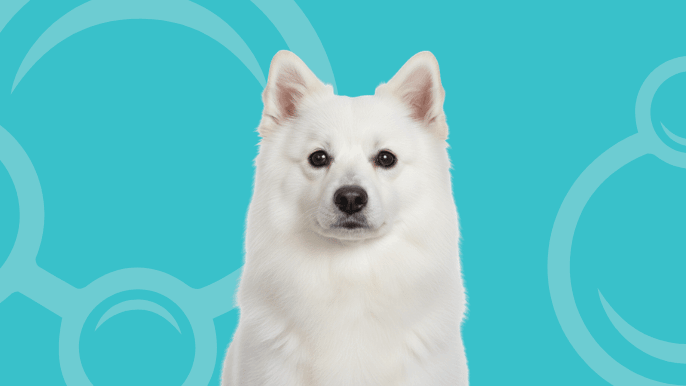

FurHQ offers seven coat-specific kits to match every coat type: FurHQ Starter Grooming Kit: Smooth Single Coat, FurHQ Starter Grooming Kit: Short Double Coat, FurHQ Starter Grooming Kit: Medium Plush Double Coat, FurHQ Starter Grooming Kit: Feathered Long Double Coat, FurHQ Starter Grooming Kit: Wire Coat, FurHQ Starter Grooming Kit: Curly Wavy Coat, and FurHQ Starter Grooming Kit: Drop Coat. If you are unsure which kit is right for your dog, use the FurHQ AI Coat Identifier to get a personalised recommendation, or visit the FurHQ Store to explore all options.
Japanese Spitz Temperament and Grooming Considerations
By Mondo Fluffarino | FurHQ Blog Author & Chief Education Officer
Table of Contents
- Introduction: The Cloud Companion
- Breed Handling Profile
- Breed Purpose and Why It Matters for Japanese Spitz Temperament
- FurHQ Coat Type Breakdown
- Not Sure About Your Dog's Coat Type?
- Puppy Coat to Adult Coat Transition
- The FurHQ 5-Step Grooming Method: Technical Reality
- FurHQ Starter Grooming Kit Breakdown
- Japanese Spitz Temperament: Superpowers and Kryptonite
- FurHQ's Lifestyle Lens and Pro Insights
- Health and Lifespan: The FurHQ Touch Test
- Related Breed Comparisons
- Related Reading
- The Bottom Line
- Variation Clarity Statement
- FAQs
Introduction: The Cloud Companion
Japanese Spitz Temperament is what happens when a breed is developed purely for companionship and perfected over decades into one of the most joyful, devoted, and strikingly beautiful family dogs in the spitz group.
Originating in Japan during the 1920s and 1930s through careful crossbreeding of white spitz-type dogs, the Japanese Spitz was refined with a single purpose: to be the ideal household companion.
There was no hunting instinct to manage, no guarding aggression to temper, and no working drive to exhaust. Japanese Spitz Temperament was designed from the start to be cheerful, affectionate, and deeply bonded to family life.
Understanding Japanese Spitz Temperament means recognising a breed that genuinely wants to be with you.
These dogs are not independent operators content to be left in the yard. They are engaged, emotionally responsive companions who participate in household life with visible enthusiasm.
The striking pure white medium plush double coat stands off from the body in a cloud-like silhouette that turns heads everywhere, but beneath that spectacular exterior lives a dog that needs inclusion, interaction, and consistent grooming to thrive.
Japanese Spitz Temperament makes this breed an excellent choice for families, couples, and individuals who want a devoted companion with moderate exercise needs and a cooperative nature.
The coat requires consistent maintenance with seasonal shedding that produces significant undercoat volume, and the breed's social needs mean prolonged isolation creates anxiety and behavioural issues. When these needs are met, Japanese Spitz Temperament delivers one of the most rewarding companion experiences available in any breed.
This is Mondo, and I want to talk to you about a breed that was literally created to make your life better.
The Japanese Spitz exists because someone decided the world needed a dog that combines the beauty of the spitz group with the temperament of a true companion. No hunting background. No guarding instinct. No working drive that needs an outlet. Just pure, purpose-bred companionship wrapped in a stunning white coat that looks like a walking cloud.
Now let's talk grooming. Honestly.
The medium plush double coat is gorgeous and it sheds. The white colour shows everything. The undercoat compacts if you skip brushing sessions. Seasonal coat blow produces dramatic volumes of dead undercoat that will cover your furniture, your clothes, and your life for two to four weeks twice a year. This coat requires commitment.
This breed is NOT for you if:
- You work long hours and your dog will be alone most of the day
- You prefer a low-interaction, independent companion
- You are unwilling to maintain a white double coat that sheds seasonally
- You want a quiet dog that rarely vocalises
- You live in an extremely hot climate without climate control
Because Japanese Spitz Temperament includes:
- Strong attachment to family that can become separation anxiety when isolated
- Social needs that require daily interaction and involvement
- A vocal nature that includes alert barking at visitors and unfamiliar sounds
- Heat sensitivity due to the dense double coat
- Emotional responsiveness that suffers when ignored or excluded
This breed IS for you if:
- You want a cheerful, affectionate companion who bonds closely with family
- You enjoy an engaged household dog that participates in daily life
- You appreciate a breed that is cooperative during grooming
- You are prepared to commit to regular coat maintenance
- You handle dogs with warmth and positive interaction
Japanese Spitz Temperament rewards attentive owners with one of the most joyful and devoted family companions in the spitz group, a dog that was literally created to brighten your days, wrapped in a stunning white coat that turns heads everywhere you go.
Respect the social needs. Maintain the coat consistently. Handle with warmth and patience.
When you commit to what the Japanese Spitz needs, this breed will commit to making every day better. That is not an exaggeration. That is what purpose-bred companionship looks like.
Breed Handling Profile
| Trait | Level | Notes |
|---|---|---|
| Emotional sensitivity | Moderate to High | Responsive to mood and tone. Thrives on positive interaction and praise. |
| Handling tolerance | High | Generally accepts handling well. Enjoys grooming as attention and bonding time. |
| Grooming commitment | Moderate to High | White double coat requires consistent maintenance to stay clean and mat-free. |
| Exercise needs | Moderate | Playful and active but adaptable. Enjoys walks and play sessions without extreme demands. |
| Alone time tolerance | Low to Moderate | Bonds strongly and prefers company. May develop separation anxiety if routinely isolated. |
| Best fit household | Most households | Adaptable to various living situations including apartments with adequate exercise and attention. |
Breed Purpose and Why It Matters for Japanese Spitz Temperament
The Japanese Spitz developed in Japan during the 1920s and 1930s as a companion breed. Breeders crossed various white spitz-type dogs, likely including the German Spitz, to create a small to medium companion with the beauty of the spitz family and the temperament of a dedicated household dog. The breed was recognised by the Japan Kennel Club in 1948 and has since become popular across Asia, Europe, and other regions.
This companion origin shapes every aspect of Japanese Spitz Temperament. Unlike breeds developed for hunting, herding, or guarding, the Japanese Spitz has no conflicting drives to manage. The breed's entire genetic history points toward being with people, and this makes them remarkably cooperative compared to other spitz breeds. Japanese Spitz Temperament is friendly where many spitz breeds are reserved, eager to please where others are independent, and social where others prefer selective bonding.
The lack of working heritage also means Japanese Spitz Temperament does not include the high-drive energy management challenges of sporting or herding breeds. These dogs are active and playful but not relentless. They enjoy exercise without demanding it obsessively, making them suitable for a wider range of households than many similar-looking breeds.
FurHQ Coat Type Breakdown
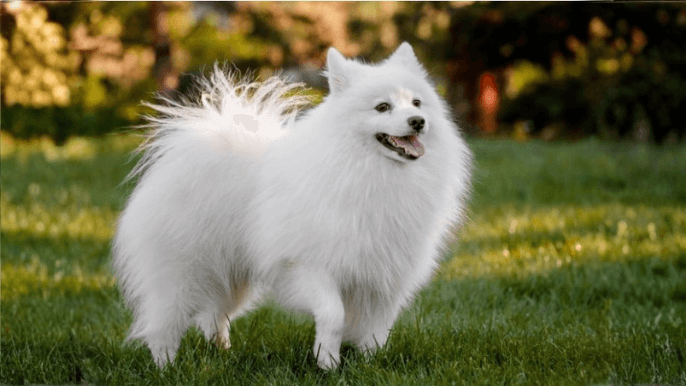
The Japanese Spitz carries a Medium Plush Double Coat. Within the FurHQ seven-coat system, this coat type creates the breed's characteristic fluffy white appearance with substantial undercoat beneath medium length guard hair. The coat stands off from the body, creating the signature cloud-like silhouette. The texture is soft yet dense. A notable mane or ruff develops around the neck and chest, and the tail is magnificently plumed and carried over the back.
The Japanese Spitz sits close to the line between Medium Plush Double Coat and Feathered Long Double Coat. The coat stands off from the body rather than draping, which places it firmly in the Medium Plush Double category. However, the longer furnishings around the neck, chest, and tail share characteristics with feathered long coats. Either kit would serve this breed well, but the Medium Plush Double Coat classification is the strongest fit.
The Medium-Pinned Slicker Brush works through the plush density to reach the undercoat without damaging the guard hair. The Undercoat Depth Comb verifies that brushing has reached the skin and detects any developing tangles. The Short-Medium Coat Carding Rake removes dead undercoat efficiently during regular maintenance and seasonal coat blow.
The recommended kit is the FurHQ Starter Grooming Kit: Medium Plush Double Coat.
Not Sure About Your Dog's Coat Type?
Not every dog fits neatly into one coat category, and that is completely normal. Coat type determines the correct tools, products, and techniques for effective grooming, but identifying it is not always straightforward, especially with mixed breeds, puppies still developing their adult coat, or breeds like the Japanese Spitz that sit close to the boundary between two coat types.
Use the FurHQ AI Coat Identifier to find out your dog's coat type and get matched to the right FurHQ Starter Grooming Kit. Simply upload a photo, and the tool provides a personalised kit recommendation based on your dog's actual coat.
Puppy Coat to Adult Coat Transition
Japanese Spitz puppies are born with a softer, less dense coat that gradually fills in as they mature. The undercoat begins to develop noticeably around 4 to 6 months, and the full adult coat, including the characteristic mane, tail plume, and stand-off texture, typically establishes between 10 and 18 months.
During this transition, Japanese Spitz Temperament typically makes puppies cooperative with increased handling, which is fortunate because brushing frequency should increase as undercoat density develops.
The transition period may bring increased shedding as puppy coat is replaced by adult coat. Mats can form more easily during this stage because the incoming adult undercoat tangles with the finer puppy coat.
Brushing two to three times per week during the transition, increasing to every other day during heavy shedding phases, prevents compaction at the skin.
The FurHQ 5-Step Method provides structure during this period, with the Audit step helping you track how the coat is developing and where density is increasing.
The FurHQ 5-Step Grooming Method: Technical Reality
The FurHQ 5-Step Method (Audit, Prep, Bath, Dry, Finish) applies to this coat type with emphasis on managing the plush, standoff coat and preventing undercoat from compacting against the skin.
Learn the Method. Follow the Protocol. Complete the Mission.
Setup and Stability
Secure the dog using the Stay Put System (suction cup anchor + safety lead). For anxious dogs, the Hush Pup Wrap provides calming compression. Medium plush double coats require thorough sessions that work through the dense, standoff texture to the skin.
Tools and Technique
Audit: Begin every session by running your hands over the entire body. The plush texture can feel full and healthy on the surface while hiding compacted undercoat beneath. Part the coat and feel at the skin level, particularly along the hindquarters, ruff, chest, and behind the ears.
Prep: Use the Medium-Pinned Slicker Brush to line brush section by section, lifting and working through to the skin. Use the Rubber Curry for loosening surface coat. Apply Pawfect Finish Coat Spray before drying to provide slip and protection. Verify with the Undercoat Depth Comb to confirm brushing has reached the skin. The Short to Medium Coat Carding Rake removes dead undercoat efficiently, used once every two weeks maximum.
Bath: Use Rubber Curry during bathing for skin stimulation and to work shampoo through the dense coat. Full saturation to the skin is critical because the plush coat repels water. Rinse thoroughly.
Dry: Towel dry thoroughly. Use a dryer with a brush-through to lift and separate the coat as it dries. Apply Pawfect Finish Coat Spray pre-dry for protection. Significant undercoat blows out during this step. Dry thoroughly to the skin.
Finish: Final pass with the Undercoat Depth Comb to verify the coat is free of loose undercoat, dry to the skin, and standing off the body properly. Assess overall coat condition.
Blow-out season is where the real coat work lives. Stay ahead of undercoat release early, and the rest of the year stays easy.
Chemistry and Coat Care
Deep Clean Delight Shampoo provides a deep cleanse that penetrates the dense plush coat to the skin. Coat-Quench Conditioner supports skin comfort and coat health while maintaining the coat's natural standoff texture.
The Coat Release Method (Condensed)
Medium plush double coats carry dense undercoat that releases seasonally, often in dramatic volume. During the Bath step, after full saturation and shampoo application, use controlled airflow in the tub while the coat is still lathered. The lubrication allows dead undercoat to release safely without friction or skin trauma. Rinse, then apply a second shampoo with the Rubber Curry to complete the release. This keeps dead coat contained in the tub rather than spread across your home. For the full step-by-step process, see The Coat Release Method for Dogs with Undercoat in Related Reading.
Learn the Method. Follow the Protocol. Complete the Mission.
FurHQ Starter Grooming Kit Breakdown
The FurHQ Starter Grooming Kit: Medium Plush Double Coat contains 10 items designed for this coat type:
Coat-Specific Items (5):
- Deep Clean Delight Shampoo: Thorough cleaning that penetrates the dense double coat
- Coat-Quench Conditioner: Coat health, slip, and undercoat management
- Medium-Pinned Slicker Brush: Working through plush density to reach the undercoat
- Undercoat Depth Comb: Skin-level verification and density checks
- Short-Medium Coat Carding Rake: Undercoat extraction and dead coat removal
Standard Items (5, included in every kit):
- Stay Put System (suction cup anchor + safety lead + training tips)
- Hush Pup Wrap
- Rubber Curry (for bathing and dry brushing/skin stimulation)
- Ear Wipes
- Pawfect Finish Coat Spray
Note: The Japanese Spitz sits close to the line between Medium Plush Double Coat and Feathered Long Double Coat. The FurHQ Starter Grooming Kit: Feathered Long Double Coat would also serve this breed well if your individual dog presents with longer, more flowing coat than the typical stand-off texture.
 Japanese Spitz Temperament: Superpowers and Kryptonite
Superpowers
⭐ Cheerful disposition: Japanese Spitz Temperament is naturally happy and optimistic, bringing genuine joy to daily life.
⭐ Family devotion: This breed bonds deeply with all family members, creating a companion that is emotionally invested in the household.
⭐ Cooperative grooming partner: Japanese Spitz Temperament typically makes grooming sessions enjoyable rather than stressful, as the breed appreciates attention and handling.
⭐ Adaptability: This breed suits apartments, houses, and various living situations when exercise and social needs are met.
⭐ Self-cleaning coat: The white coat texture repels dirt surprisingly well, with mud often falling off as the coat dries.
⭐ Moderate exercise needs: Japanese Spitz Temperament does not demand extreme physical activity, making the breed accessible to a wider range of owners.
Kryptonite
⚠️ Separation sensitivity: Japanese Spitz Temperament includes a strong need for companionship that can become separation anxiety when the dog is routinely isolated.
⚠️ Vocal nature: The breed can be barky, using vocalisation to alert, communicate, and express excitement, which requires training to manage.
⚠️ White coat visibility: Every stain, every speck of dirt, and every bit of debris shows prominently on the pure white coat.
⚠️ Seasonal shedding: The medium plush double coat produces significant undercoat volume during seasonal blow periods.
⚠️ Tear staining: The white face may show reddish-brown tear stains that require regular cleaning.
⚠️ Heat sensitivity: The dense double coat makes Japanese Spitz Temperament uncomfortable in extreme heat without access to climate control and shade.
FurHQ's Lifestyle Lens and Pro Insights
Japanese Spitz stand out for one reason every time: these dogs actually enjoy grooming. Where many breeds tolerate grooming at best, the Japanese Spitz leans into it. They like the attention. They settle on the table. They allow the work to proceed. Japanese Spitz Temperament genuinely makes them one of the easiest spitz breeds to groom, and that is saying something given the coat volume.
The daily reality of living with a Japanese Spitz is social. This breed wants to be near its people. If the family is in the kitchen, the dog is in the kitchen. When the household moves to the lounge, the dog follows. They are not clingy in a frantic way, but they are present, engaged, and happiest when included. A Japanese Spitz left alone for eight hours daily will develop problems, whether that is barking, destructive behaviour, or emotional withdrawal.
The grooming routine should aim for three to four brushing sessions per week during normal coat periods, increasing to daily during seasonal blow. Each session runs about 15 to 20 minutes. Always use Pawfect Finish Coat Spray before drying and when dry brushing. Always verify with the Undercoat Depth Comb. Japanese Spitz Temperament makes this routine a bonding experience rather than a chore when the process is consistent and positive.
Exercise-wise, this breed is wonderfully moderate. A good walk, some play in the yard, and interactive time with the family is sufficient. Marathon runs and hours of intense physical activity are not required. Mental stimulation through play, short training sessions, and social interaction matters as much as physical exercise.
Use a long-pin slicker and comb to work through the plush double coat without crushing the natural stand-off texture. During coat blows, increase brushing frequency and rely on airflow drying after baths to release undercoat efficiently before it packs in.
Health and Lifespan: The FurHQ Touch Test
The Japanese Spitz typically lives 12 to 16 years, providing many years of devoted companionship. Regular grooming sessions serve double duty as health monitoring opportunities when you make touch a deliberate part of the process.
Patellar luxation is a common concern in the breed, and you can feel for discomfort or swelling around the knee joints during grooming. Run your hands along the hindquarters and note any flinching or sensitivity. Eye issues including excessive tearing and runny eyes are common in
Japanese Spitz and become visible during face grooming when you notice staining or discharge. Skin allergies can affect the breed, presenting as redness, flaking, or hot spots that you detect through systematic touch during the Audit step of the FurHQ 5-Step Method.
Dental issues can be noticed during face handling if the dog shows reluctance around the muzzle area. Japanese Spitz Temperament generally tolerates thorough examination, making health monitoring through grooming effective and reliable.
Every grooming session is a conversation with your dog's body. The FurHQ 5-Step Method builds that conversation into your routine.
Related Breed Comparisons
- Pomeranian Temperament: Same spitz family with similar coat type but much smaller. More assertive personality in a tiny package. Comparable grooming needs relative to size.
- American Eskimo Dog Temperament: Same spitz family with similar plush coat in white. Comparable Japanese Spitz Temperament traits including friendliness and social nature. Slightly more reserved with strangers.
- Samoyed Temperament: Larger spitz breed with similar friendliness and plush white coat. Higher exercise needs but comparable grooming commitment. Similar people-oriented temperament.
- Keeshond Temperament: Same spitz family with similar coat density and structure. Different colouring but comparable grooming needs. Similar household companionship focus.
Related Reading
Medium Plush Double Coat Grooming
Bathing and Drying
Coat Release Method
Tools and Products
Related Breed Blogs
The Bottom Line
Japanese Spitz Temperament comes down to understanding and appreciating what this breed truly is: a purpose-bred companion with a spectacular coat, a joyful disposition, and social needs that cannot be minimised. This is a dog that was created to be with you, and it shows in every aspect of the breed's personality. The coat is stunning and requires consistent maintenance. The emotional bond is deep and requires your presence.
The FurHQ Starter Grooming Kit: Medium Plush Double Coat provides everything needed for proper Japanese Spitz coat care, including tools designed for the specific challenges of maintaining a dense, white, plush double coat.
Japanese Spitz Temperament makes them willing and often enthusiastic grooming partners who enjoy the attention. When owners understand that this breed offers exceptional companionship combined with grooming requirements that cannot be minimised, life with a Japanese Spitz becomes wonderfully rewarding.
Learn the Method. Follow the Protocol. Complete the Mission.
You got this. And we've got you.
Variation Clarity Statement
Every dog is an individual. While this profile describes typical breed characteristics, your specific dog may vary based on genetics, breeding, socialisation, and individual temperament. Coat type can also vary within breeds. The Japanese Spitz sits close to the line between Medium Plush Double Coat and Feathered Long Double Coat.
If you are unsure about your dog's coat type, use the FurHQ AI Coat Identifier to get accurate identification and the right kit recommendation.
FAQs
What coat type does a Japanese Spitz have according to the FurHQ system?
The Japanese Spitz is classified as a Medium Plush Double Coat in the FurHQ system. The coat stands off from the body rather than draping, which distinguishes it from the Feathered Long Double Coat category.
However, the Japanese Spitz sits close to the line between these two coat types due to its longer furnishings around the neck, chest, and tail. Either kit would serve this breed well. FurHQ classifies all dog coats into seven types: Smooth Single Coat, Short Double Coat, Medium Plush Double Coat, Feathered Long Double Coat, Wire Coat, Curly Wavy Coat, and Drop Coat.
How much do Japanese Spitz shed?
Japanese Spitz shed moderately year-round and heavily during seasonal coat blow periods in spring and autumn. During blow periods, the undercoat releases in dramatic volume for two to four weeks. Daily brushing during these periods is essential. The self-cleaning texture of the coat means surface dirt falls off, but undercoat management requires consistent effort. Japanese Spitz Temperament cooperates well with the increased brushing demands during shedding season.
Are Japanese Spitz good family dogs?
Japanese Spitz Temperament makes them excellent family dogs for households that can provide companionship and consistent grooming. The breed is typically patient with children, friendly with other pets, and adaptable to various living situations. The primary consideration is the breed's need for social interaction and the grooming commitment of the white double coat. Families where the dog will be alone for extended periods daily should consider a more independent breed.
How often should I brush my Japanese Spitz?
Three to four times per week during normal coat periods, daily during seasonal coat blow. Sessions of 15 to 20 minutes are typically sufficient. Always use Pawfect Finish Coat Spray before drying and when dry brushing. Always verify with the Undercoat Depth Comb after every session. Japanese Spitz Temperament generally makes brushing sessions a pleasant bonding experience.
Can Japanese Spitz live in apartments?
Yes, Japanese Spitz Temperament adapts well to apartment living provided exercise and social needs are met. The breed's moderate size and moderate exercise requirements make it physically suitable for apartment life. The main considerations are the barking tendency, which may disturb neighbours, and the shedding, which requires consistent management in smaller spaces. Adequate daily walks, play, and mental stimulation make apartment living workable for this breed.
Do Japanese Spitz bark a lot?
Japanese Spitz can be vocal dogs who use barking to alert, communicate, and express excitement. This tendency is manageable with consistent training but cannot be entirely eliminated. Teaching a "quiet" command early, providing adequate exercise and mental stimulation, and avoiding reinforcing alarm barking help manage the behaviour. Japanese Spitz Temperament responds well to positive training methods.
How do I keep a white coat clean?
The Japanese Spitz coat has a self-cleaning texture that repels dirt surprisingly well. Allow a muddy coat to dry completely, then brush out the dried debris. Regular bathing with Deep Clean Delight Shampoo and Coat-Quench Conditioner maintains cleanliness and coat health. Manage tear staining with regular face cleaning. Japanese Spitz Temperament generally cooperates with the bathing and grooming process.
Should I shave my Japanese Spitz in summer?
Never shave a double-coated breed. The medium plush double coat provides insulation against both cold and heat. Shaving destroys the coat structure, and the coat may not grow back correctly. Instead, manage heat through regular brushing to remove dead undercoat, providing shade and fresh water, and limiting outdoor activity during peak temperatures. Japanese Spitz Temperament is sensitive to heat, so climate management is important.
What tools are in the FurHQ Starter Grooming Kit: Medium Plush Double Coat?
The FurHQ Starter Grooming Kit: Medium Plush Double Coat contains 10 items: Deep Clean Delight Shampoo, Coat-Quench Conditioner, Medium-Pinned Slicker Brush, Undercoat Depth Comb, Short-Medium Coat Carding Rake, Stay Put System, Hush Pup Wrap, Rubber Curry, Ear Wipes, and Pawfect Finish Coat Spray. Every tool serves a specific function in the FurHQ 5-Step Method for maintaining a healthy, beautiful medium plush double coat.
How do I manage tear staining on a white face?
Tear staining appears as reddish-brown marks below the eyes and is common in Japanese Spitz. Clean the eye area daily with a damp cloth or specialised wipe. Keep the hair around the eyes trimmed to reduce moisture accumulation. Check with your veterinarian if staining is excessive, as underlying causes such as blocked tear ducts or allergies may need treatment. Japanese Spitz Temperament cooperates with gentle face cleaning when it is part of the regular routine.
What is the difference between the Japanese Spitz and the American Eskimo Dog?
Both breeds share spitz heritage and similar white coats, but Japanese Spitz Temperament is generally more laid-back and less demanding than the American Eskimo Dog. The American Eskimo Dog tends to be more energetic and vocal. The Japanese Spitz was developed specifically as a companion breed in Japan, while the American Eskimo Dog has a different lineage through European spitz breeds. Coat care requirements are comparable for both breeds.