
Cane Corso Temperament and Grooming Considerations
Table of Contents
- Introduction: The Ancient Guardian
- Breed Handling Profile
- Breed Purpose and Why It Matters
- FurHQ Coat Type Breakdown
- Not Sure About Your Dog's Coat Type?
- Puppy Coat to Adult Coat Transition
- The FurHQ 5-Step Grooming Method: Technical Reality
- FurHQ Starter Grooming Kit Breakdown
- Cane Corso Temperament: Superpowers and Kryptonite
- FurHQ's Lifestyle Lens and Pro Insights
- Health and Lifespan: The FurHQ Touch Test
- Related Breed Comparisons
- Not Sure Which Breed Is Right for You?
- Related Reading
- The Bottom Line
- Variation Clarity Statement
- FAQs
Introduction: The Ancient Guardian
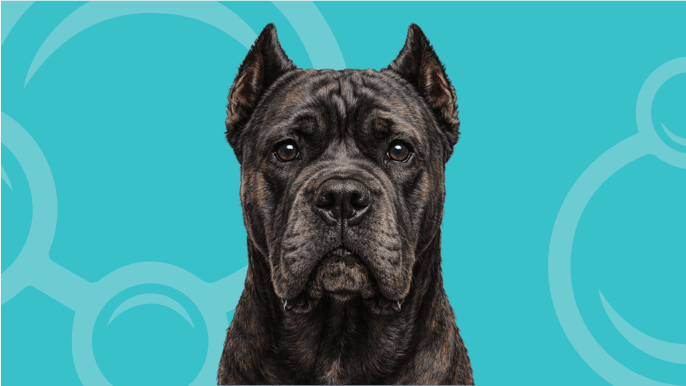
Cane Corso Temperament and grooming considerations must be understood through the lens of an ancient guardian breed whose lineage traces directly to Roman war dogs. The Cane Corso, also known as the Italian Mastiff, is a large to giant breed typically weighing 40 to 50 kg and standing 58 to 70 cm at the shoulder. The name translates roughly from Latin as "bodyguard dog," and that translation captures the breed's essential nature.
Cane Corso Temperament is defined by quiet confidence, unwavering loyalty, and a natural protective instinct that requires experienced handling and consistent socialisation. These dogs are not aggressive by nature. They are discerning. They assess situations, evaluate threats, and respond with measured authority. Cane Corso Temperament is reserved with strangers but deeply affectionate with family, creating a dog that is simultaneously imposing to outsiders and gentle with its people.
The short double coat is straightforward to maintain, with a dense undercoat that sheds seasonally. Understanding Cane Corso Temperament means preparing for a powerful, intelligent dog whose training and socialisation demands far exceed the modest grooming requirements.

This is Mondo, and the Cane Corso is one of the easiest grooms I do on one of the most serious dogs I handle.
Cane Corso Temperament during grooming is typically calm, cooperative, and patient. The short double coat is genuinely low-maintenance in terms of technique. A Rubber Curry and consistent weekly sessions keep the coat healthy. But the short double coat does have an undercoat that sheds, particularly during spring blow-out season.
Blow-out season is where the real coat work lives. Stay ahead of undercoat release early, and the rest of the year stays easy.
Now let's talk grooming. Honestly.
The short double coat requires basic care: Rubber Curry sessions two to three times per week, the Medium-Pinned Slicker Brush for working through the coat, and the Short-Medium Coat Carding Rake once every two weeks for undercoat removal. Verify with the Undercoat Depth Comb. During spring shedding season, increase Rubber Curry sessions to daily and add more frequent carding. Bathing only when necessary.
This breed is NOT for you if:
- You are a first-time dog owner without experience with large, powerful breeds
- You cannot commit to extensive socialisation from puppyhood onward
- You want a breed that is immediately friendly with every stranger and dog
- You cannot provide confident, consistent leadership
- You have very young children without the ability to supervise every interaction
Because Cane Corso Temperament includes:
- A natural protective instinct that must be properly channelled through training
- Reserved, sometimes suspicious behaviour toward strangers
- Potential same-sex aggression with other dogs
- A powerful 40 to 50 kg body that requires a handler capable of physical management
- A dominant nature that tests boundaries without firm, fair leadership
This breed IS for you if:
- You are experienced with large, powerful breeds and understand guardian temperament
- You can commit to early, extensive, ongoing socialisation
- You want a quiet, confident protector whose presence alone deters threats
- You appreciate a dog that is deeply bonded and affectionate with its family
- You can provide confident leadership and consistent training
Cane Corso Temperament rewards experienced, committed owners with one of the most loyal, impressive, and capable guardian companions in the canine world.
Keep reading.
Breed Handling Profile
| Trait | Level | Notes |
|---|---|---|
| Emotional sensitivity | Moderate | Confident and steady. Sensitive to harsh correction but not fragile. Responds best to firm, fair handling. |
| Handling tolerance | High | Generally calm and cooperative during grooming when properly socialised. Size requires confident handling. |
| Grooming commitment | Low to Moderate | Short double coat requires weekly brushing. Seasonal undercoat shedding increases demands. |
| Exercise needs | Moderate to High | Needs 45 to 60 minutes of daily exercise. Mental stimulation and a job to do equally important. |
| Alone time tolerance | Moderate | More independent than many breeds but prefers family presence. Can develop guarding behaviour when isolated. |
| Best fit household | Experienced owners, families with older children | Homes with confident handlers who understand guardian breed management. |
Breed Purpose and Why It Matters
The Cane Corso descends directly from Roman Molossian war dogs, bred for combat, guarding, and hunting large game. After the fall of Rome, the breed evolved on Italian farms as a versatile guardian protecting livestock, property, and family. The Cane Corso hunted wild boar, drove cattle, and served as the farmstead's primary security system for centuries.
This heritage shapes Cane Corso Temperament in ways that are non-negotiable. The breed's protective instinct, territorial awareness, and discerning nature toward strangers are deeply embedded.
These traits cannot be trained out. They must be trained into appropriate channels. Cane Corso Temperament includes a natural authority and confidence that requires an owner who matches it. A Cane Corso without clear leadership becomes a Cane Corso that makes its own decisions about threats.
The breed nearly went extinct in the mid-20th century as farming practices changed. Italian breed enthusiasts restored the Cane Corso in the 1970s and 1980s. The breed was recognised by the AKC in 2010 and has experienced one of the fastest rises in popularity of any breed since.
FurHQ Coat Type Breakdown
FurHQ Coat Division 🐕
Primary FurHQ Coat Type: Short Double Coat
The Cane Corso has a short, dense, double-layered coat with a stiff outer coat and a lighter undercoat. The undercoat becomes denser in colder climates and sheds seasonally, particularly in spring. This places the Cane Corso in the Short Double Coat category within the FurHQ classification system.
FurHQ Coat Types are a FurHQ-designed system created to help owners identify the correct tools, products, techniques, and education based on how a dog's coat actually behaves.
The recommended kit is the FurHQ Starter Grooming Kit: Short Double Coat.
Not Sure About Your Dog's Coat Type?
Use the FurHQ AI Coat Identifier. Upload a photo and get accurate coat identification and the right kit recommendation.
Puppy Coat to Adult Coat Transition
Cane Corso puppies have a softer coat that transitions to the coarser adult double coat between approximately 6 and 12 months. The transition is not dramatic but the undercoat becomes more pronounced as the adult coat develops.
What it means for grooming. Begin grooming routines early. Cane Corso Temperament benefits from early handling because establishing grooming acceptance in a 10 kg puppy is far easier than in a 45 kg adult that has never been brushed. Introduce the Rubber Curry during puppyhood. Handle ears, paws, and face regularly. Build positive associations that last a lifetime because this is a breed you do not want to fight on the grooming table at adult size.
The FurHQ 5-Step Grooming Method: Technical Reality
The FurHQ 5-Step Method (Audit, Prep, Bath, Dry, Finish) applies to this coat type with emphasis on undercoat management and consistent shedding control through regular maintenance sessions.
Learn the Method. Follow the Protocol. Complete the Mission.
Setup and Stability
Secure the dog using the Stay Put System (suction cup anchor + safety lead). For anxious dogs, the Hush Pup Wrap provides calming compression. Short double coats benefit from efficient, consistent sessions.
Tools and Technique
Audit: Begin every session with a full hands-on health check. Run your hands over the entire body feeling for lumps, bumps, and skin changes. Check nail condition and length. For breeds prone to dental issues, check the teeth and gums. Check inside the ears for redness, odour, or buildup. Feel for areas of packed undercoat, particularly along the hindquarters, ruff, and behind the ears. Check for skin irritation beneath the dense coat.
Prep: Short double coats do not require a full brush-out before bathing. The Audit is your Prep.
Bath: Use Rubber Curry during bathing for thorough skin stimulation and to loosen compacted undercoat. Full saturation to the skin is critical on a dense short double coat. Rinse thoroughly.
Dry: Towel dry thoroughly. Use a dryer to blow out remaining loose undercoat as it dries. A brush-through during drying removes significant additional undercoat. Dry thoroughly to the skin.
Finish: This is where the detailed tool work happens. Use the Medium-Pinned Slicker Brush to work through the coat section by section. Apply Pawfect Finish Coat Spray for slip and protection. Use the Short to Medium Coat Carding Rake to remove dead undercoat, once every two weeks maximum. Verify with the Undercoat Depth Comb to confirm the coat is free of loose undercoat and clear to the skin.
Blow-out season is where the real coat work lives. Stay ahead of undercoat release early, and the rest of the year stays easy.
Chemistry and Coat Care
Deep Clean Delight Shampoo provides a deep cleanse that reaches through the dense undercoat to the skin. Coat-Quench Conditioner supports skin comfort and coat health without over-softening the guard coat.
Pawfect Finish Coat Spray is a natural formulation that protects, nourishes, and conditions the hair, leaving it soft, shiny. On short double coats, it serves as an anti-static spray that controls flyaway hair during shedding, decreases drying times, and repels dirt. Use it during the Finish step for slip and protection, and between grooming sessions to keep the coat fresh.
The Coat Release Method (Condensed)
The Coat Release Method is an 8-step process built into the Bath phase that removes trapped undercoat while the coat is lubricated, keeping dead coat contained in the tub rather than spread across your home.
Steps 1 to 3 — Saturation, Shampoo, and Release: Thoroughly wet the coat to the skin. Apply coat-matched shampoo, focusing on skin contact rather than surface foam. With shampoo still in the coat, use controlled airflow in the tub, working section by section. The lubrication allows dead undercoat to release safely without friction or skin trauma. This airflow phase is the core of the Coat Release Method.
Step 4 — Rinse: Rinse thoroughly to flush out all released coat, shampoo, and debris before continuing.
Steps 5 and 6 — Second Shampoo and Rinse: Apply shampoo again with controlled mechanical assist. Use the Rubber Curry as the default tool to move shampoo to the skin and encourage final release. If dense coat remains and additional help is needed, a slicker brush with feather-light pressure and short, controlled strokes can be used. If skin begins to pink, stop immediately. Rinse completely until the coat is clean and residue-free.
Steps 7 and 8 — Condition and Final Rinse: Condition the coat with placement adjusted by coat type. Release without restore equals damage. Rinse thoroughly until the coat feels clean and balanced, not slick.
For the full step-by-step process, see The Coat Release Method for Dogs with Undercoat in Related Reading.
FurHQ Starter Grooming Kit Breakdown
The FurHQ Starter Grooming Kit: Short Double Coat includes everything you need for short double coat care:
- Coat-Specific Items (5):
- Deep Clean Delight Shampoo: Thorough cleaning for short double coats
- Coat-Quench Conditioner: Skin hydration and undercoat conditioning
- Medium-Pinned Slicker Brush: Working through the short double coat
- Undercoat Depth Comb: Undercoat release verification and density checks
- Short-Medium Coat Carding Rake: Dead undercoat removal
Standard Items (5, included in every kit):
- Stay Put System (suction cup anchor + safety lead)
- Hush Pup Wrap
- Rubber Curry (for bathing and dry brushing/skin stimulation)
- Ear Wipes
- Pawfect Finish Coat Spray
 Cane Corso Temperament: Superpowers and Kryptonite
Superpowers 🦸
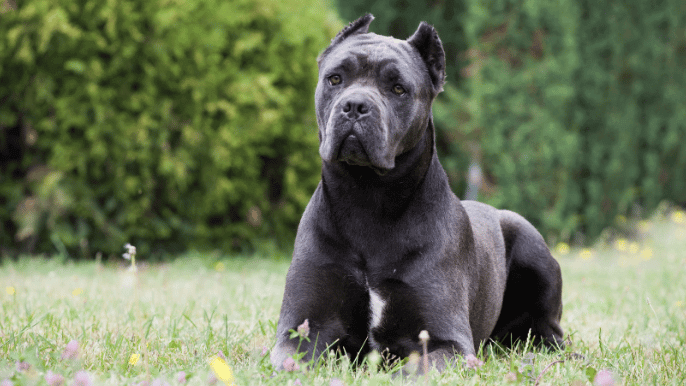
🌟 Natural guardian without training: Cane Corso Temperament includes an innate protective instinct that does not require guard dog training. Their presence alone deters most threats. The breed assesses situations with quiet intelligence and responds only when genuinely necessary.
🌟 Quiet confidence: Unlike many guardian breeds that bark excessively, Cane Corso Temperament is characteristically quiet. These dogs are not alarm barkers. When a Cane Corso alerts, there is a reason. This quiet authority is one of the breed's most valued traits.
🌟 Deep family bond: Cane Corso Temperament with family is affectionate, loyal, and surprisingly gentle. The same dog that presents an imposing figure to strangers is soft and devoted with its people. They follow their family from room to room and want to be involved in daily life.
🌟 Low-maintenance coat: The short double coat requires minimal technique. Weekly Rubber Curry sessions, seasonal deshedding attention, and occasional bathing maintain the coat effectively. No mats, no tangles, no complex styling.
🌟 Impressive athleticism: Despite their size, Cane Corso Temperament includes genuine athletic ability. These dogs are faster, more agile, and more capable than their massive appearance suggests. They excel at structured activities.
🌟 Trainable intelligence: Cane Corso Temperament responds well to consistent, fair training. The breed is intelligent, eager to work, and capable of learning complex commands when the handler establishes clear leadership.
Kryptonite ⚠️
⚠️ Requires experienced handling: Cane Corso Temperament includes a natural dominance and confidence that tests inexperienced owners. Without clear, consistent leadership, a Cane Corso will assume the leadership role and make decisions about threats independently. This is dangerous in a dog of this size and power.
⚠️ Socialisation is non-negotiable: Cane Corso Temperament is naturally reserved with strangers. Without extensive, early, ongoing socialisation, this reserve can escalate to aggression. The window for primary socialisation closes early. Starting late creates problems that are difficult to resolve in a 45 kg adult.
⚠️ Potential dog aggression: Cane Corso Temperament can include same-sex aggression and general dog selectivity. Some individuals do not coexist peacefully with other dogs. This must be managed through training, socialisation, and realistic expectations.
⚠️ Size creates liability: A 45 to 50 kg dog with guardian instincts carries inherent liability. Cane Corso Temperament that is improperly managed can result in incidents that have serious consequences. Insurance, breed-specific legislation, and housing restrictions may apply in some areas.
⚠️ Health concerns in a giant breed: Hip and elbow dysplasia, bloat, eyelid abnormalities (entropion, ectropion), and epilepsy are all concerns. The breed's lifespan of 9 to 12 years is typical for giant breeds. Healthcare costs are proportional to the dog's size.
⚠️ Not suited for all families: Cane Corso Temperament requires a specific type of owner. Very young children, elderly individuals, and first-time dog owners may find the breed's size, strength, and temperament overwhelming. Honest self-assessment is essential before committing.
FurHQ's Lifestyle Lens and Pro Insights
The Easiest Coat on a Serious Dog
Cane Corso Temperament on my grooming table is calm and cooperative. The coat takes minutes. But I spend more time talking to Cane Corso owners about socialisation, training, and management than I do about grooming. This breed's challenges are not coat-related. The grooming is straightforward. The responsibility of owning a powerful guardian breed is not.
The Socialisation Window
If you take one thing from this blog, take this: socialise your Cane Corso puppy extensively before 16 weeks and continue socialisation throughout the first two years. Cane Corso Temperament that is not properly socialised becomes a liability. The breed's natural reserve hardens into suspicion and aggression without positive exposure to diverse people, dogs, environments, and experiences.
The Shedding Cycle
The short double coat sheds moderately year-round with heavier shedding during spring. During blow-out season, increase Rubber Curry sessions to daily and use the Short-Medium Coat Carding Rake to remove the undercoat that is releasing. Verify with the Undercoat Depth Comb. The dead undercoat stays in the tub during baths if you use the Rubber Curry to work through the coat during the bath phase.
The Drool Factor
Some Cane Corsos drool, particularly after eating or drinking. Keep a cloth handy. Clean jowl folds regularly to prevent moisture-related skin issues.
The Rubber Curry in circular motions is all you need most of the year. During shedding season, add the Short-Medium Coat Carding Rake and verify with the Undercoat Depth Comb.
Health and Lifespan: The FurHQ Touch Test
Cane Corsos typically live 9 to 12 years. Regular grooming provides health monitoring through the FurHQ Touch Test.
What to monitor: Hip and elbow dysplasia are significant concerns in a giant breed. Bloat (gastric dilatation-volvulus) is life-threatening and common in deep-chested dogs. Eyelid abnormalities (entropion, ectropion, cherry eye) require veterinary attention. Epilepsy. Obesity compounds joint stress in an already large frame. Skin issues around jowl folds.
Cane Corso Temperament during health checks is calm and tolerant when established as routine. The short coat makes visual and tactile examination straightforward.
Related Breed Comparisons
- Bullmastiff Temperament and Grooming Considerations: Similar guardian temperament in a slightly different build. Less athletic, more laid-back.
- Rottweiler Temperament and Grooming Considerations: Similar short double coat with guardian temperament. Different breed history and energy level.
- Great Dane Temperament and Grooming Considerations: Larger breed with gentler temperament. Less guardian instinct, more gentle giant.
- Doberman Pinscher Temperament and Grooming Considerations: Similar guardian intelligence with smoother coat. Higher energy and different body type.
Not Sure Which Breed Is Right for You?
Use the FurHQ Breed Selector to compare breeds based on your lifestyle, grooming commitment, and activity level.
Related Reading
Short Double Coat Grooming:
- Short Double Coat Dogs: Complete Care Guide
Related Breed Blogs:
- Bullmastiff Temperament and Grooming Considerations
- Rottweiler Temperament and Grooming Considerations
Coat Type Education:
The Bottom Line
Cane Corso Temperament delivers ancient guardian loyalty, quiet confidence, and imposing presence in a powerful, athletic package with a straightforward coat. This is a breed for experienced owners who understand guardian temperament, commit to extensive socialisation, and can provide confident leadership. The grooming is simple. The responsibility is serious.
Start with the FurHQ Starter Grooming Kit: Short Double Coat and build your grooming routine from day one.
You got this. And we've got you. 🐾
Variation Clarity Statement
Every dog is an individual. Coat density, shedding patterns, skin sensitivity, and tolerance levels vary. When in doubt, consult a Certified Professional Groomer. Use the FurHQ AI Coat Identifier for accurate coat identification.
FAQs
What is a Cane Corso's coat type?
The Cane Corso has a Short Double Coat within the FurHQ classification system. The FurHQ Starter Grooming Kit: Short Double Coat contains the correct tools and products.
How often should I groom my Cane Corso?
Two to three Rubber Curry sessions per week, followed by the Medium-Pinned Slicker Brush and Boar Bristle Brush. Increase to daily during spring shedding season. Use the Short-Medium Coat Carding Rake every two weeks. Verify with the Undercoat Depth Comb. Bathe only when needed.
Do Cane Corsos shed?
Cane Corsos shed moderately year-round with heavier shedding during spring when the undercoat releases. Regular Rubber Curry sessions manage shedding. Blow-out season requires increased frequency and the Short-Medium Coat Carding Rake.
Is Cane Corso Temperament good with children?
Cane Corso Temperament can be gentle with children in its own family when properly socialised. Due to the breed's size and strength, supervision is essential. The breed is better suited for families with older children who understand how to interact respectfully with a large dog.
Are Cane Corsos aggressive?
Cane Corso Temperament is protective, not inherently aggressive. The breed is reserved with strangers and has strong guardian instincts. Without proper socialisation and training, this reserve can escalate. Experienced ownership and consistent socialisation prevent aggression.
How much exercise does a Cane Corso need?
Cane Corso Temperament requires 45 to 60 minutes of daily exercise plus mental stimulation. Structured walks, training sessions, and activities that engage the breed's intelligence satisfy both physical and mental needs.
What is blow-out season?
Blow-out season is the period, typically spring, when double-coated dogs shed their undercoat heavily. The Cane Corso's undercoat releases during this time, requiring increased grooming frequency and the Short-Medium Coat Carding Rake to manage the volume.
Why is socialisation so important for Cane Corsos?
Cane Corso Temperament includes natural reserve toward strangers. Without early, extensive socialisation (before 16 weeks and continuing through the first two years), this reserve can develop into suspicion and aggression. In a dog of this size and power, under-socialisation creates serious safety risks.
Do Cane Corsos drool?
Some individuals drool, particularly after eating or drinking. Regular cleaning of jowl folds prevents moisture-related skin irritation. Cane Corso Temperament accepts facial cleaning when introduced during puppyhood.
How big do Cane Corsos get?
Males typically weigh 45 to 50 kg and stand 64 to 70 cm. Females weigh 40 to 45 kg and stand 58 to 66 cm. Cane Corso Temperament in a dog of this size requires a handler capable of confident physical management.
What health problems do Cane Corsos have?
Hip and elbow dysplasia, bloat, eyelid abnormalities, epilepsy, and obesity are the primary concerns. Regular Touch Test sessions during grooming help detect early signs of health changes.
What is the FurHQ 5-Step Grooming Method?
The FurHQ 5-Step Grooming Method is Audit, Prep, Bath, Dry, Finish. It structures every grooming session so nothing gets missed. Learn the Method. Follow the Protocol. Complete the Mission.