
Pekingese Temperament and Grooming Considerations
Table of Contents
- Introduction: The Imperial Lion Dog
- Breed Handling Profile
- Breed Purpose and Why It Matters for Pekingese Temperament
- FurHQ Coat Type Breakdown
- Not Sure About Your Dog's Coat Type?
- Puppy Coat to Adult Coat Transition
- The FurHQ 5-Step Grooming Method: Technical Reality
- FurHQ Starter Grooming Kit Breakdown
- Superpowers 🦸
- Kryptonite ⚠️
- FurHQ's Lifestyle Lens and Pro Insights
- Health and Lifespan: The FurHQ Touch Test
- Related Breed Comparisons
- Related Reading
- The Bottom Line
- Important Note About Individual Dogs
- FAQs
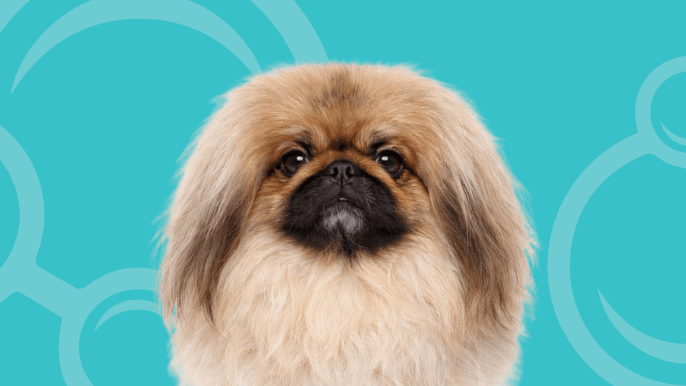 Introduction: The Imperial Lion Dog
Pekingese Temperament is what happens when a breed is developed over centuries within the imperial palaces of China, not as a working dog but as a living symbol of divine right, kept exclusively by royalty and guarded so fiercely that stealing one was punishable by death.
The Pekingese was never bred to please anyone. It was bred to be revered. That distinction shapes every element of Pekingese Temperament and separates this breed from virtually every other companion dog in existence.
Understanding Pekingese Temperament means accepting that this is a dog that carries itself with the authority of a breed that spent centuries being treated as sacred. The Pekingese is small, weighing just 3 to 6 kilograms, but the personality operates on an entirely different scale. These dogs are dignified, opinionated, and utterly convinced of their own importance, and they communicate that conviction with a quiet certainty that brooks no argument.
Pekingese Temperament is not for owners who want an eager-to-please lapdog. The feathered long double coat is one of the most demanding in the toy group, requiring daily attention to prevent matting and maintain the coat's health and function.
The brachycephalic facial structure adds daily cleaning requirements. The combination of imperial independence, significant grooming demands, and specific health considerations creates a breed that rewards patient, devoted ownership with a loyalty that is given on the dog's terms and is all the more meaningful for it.

This is Mondo, and I need you to understand something about the Pekingese before we go any further.
This dog does not think it is royalty. It knows it is royalty. Pekingese Temperament is not arrogance. It is the genuine self-assurance of a breed that was venerated for centuries as a living embodiment of the Chinese lion dog, carried in the sleeves of emperors, and protected by imperial edict. That heritage is not historical trivia. It is the operating system that runs every interaction this breed has with the world.
When a Pekingese bonds with you, what you receive is not the eager, enthusiastic devotion of a retriever or the anxious attachment of a velcro breed. It is a measured, deliberate decision by the dog that you are worthy of its companionship. The Pekingese chooses you. That choice, once made, is profound.
These dogs are deeply loyal to their inner circle, showing a tenderness and affection that is all the more powerful because it is never given carelessly. The quiet moments when a Pekingese settles against you, the soft gaze that communicates complete trust, the willingness to share its space with you, these are gifts from a breed that does not distribute them freely.
But here is the reality that comes with that regal temperament. Pekingese Temperament includes a stubbornness that is absolute rather than negotiable. These dogs do not defy you with terrier-style creativity.
They simply decline, with the full weight of their imperial heritage behind the refusal. Training a Pekingese requires an acceptance that compliance happens on the dog's schedule, not yours. The independence is not hostile.
It is dignified. Your Pekingese has considered your request and found it insufficiently compelling. Harsh corrections damage the bond irreparably with this breed. Raised voices, physical manipulation, and impatient handling are met with withdrawal rather than compliance. A Pekingese that loses trust in its handler becomes a Pekingese that tolerates your presence rather than welcoming it, and the difference is felt profoundly.
Which brings us to grooming.
Pekingese Temperament during grooming is where the imperial personality meets physical reality. The feathered long double coat is dense, flowing, and prone to matting if not maintained daily. The brachycephalic facial structure requires daily fold cleaning.
These dogs do not enjoy being fussed with, and they have the personality to make their displeasure known through passive resistance that is remarkably effective for a dog this size. But a Pekingese that trusts its handler and understands the grooming routine will tolerate sessions with the same quiet dignity it brings to everything else. The key is building that trust through gentle, consistent handling and never turning grooming into a confrontation.
So let's talk about alignment.
This breed is not for you if:
- You want an eager-to-please dog that follows commands enthusiastically
- You cannot commit to daily coat care and facial fold cleaning
- You need a dog that is active, energetic, and ready for outdoor adventure
- You expect obedience as a default rather than a concession
- You want a dog that is enthusiastic about meeting strangers
This breed is for you if:
- You appreciate quiet dignity and find selective devotion more meaningful than universal friendliness
- You are willing to invest daily time in coat and facial care as a non-negotiable
- You want a calm, low-energy companion that prefers comfort over activity
- You have the patience for a dog that operates on its own timeline
- You value the rare quality of a bond that is earned rather than given
Now that you understand the temperament foundation, let's look at what this really means day to day.
Breed Handling Profile
| Trait | Level | Notes |
|---|---|---|
| Emotional sensitivity | Moderate | Stoic exterior; genuinely sensitive to harsh handling and raised voices |
| Handling tolerance | Low to Moderate | Accepts grooming from trusted handler; resistant with strangers or rough technique |
| Grooming commitment | High | Feathered long double coat requires 15 to 30 minutes daily |
| Exercise needs | Low | Short walks; absolutely no vigorous exercise; extreme heat sensitivity |
| Alone time tolerance | Moderate | Independent breed; tolerates alone time better than most toy breeds |
| Best fit household | Calm households with patient owners committed to daily coat maintenance and respectful handling |
Breed Purpose and Why It Matters for Pekingese Temperament
The Pekingese was developed over two thousand years ago in the imperial palaces of China as a sacred companion to the royal family. Legend holds that the breed descended from the union of a lion and a marmoset, which is why the Pekingese is called the "lion dog." In reality, the breed was carefully cultivated to resemble a miniature lion, complete with the flowing mane and fearless spirit.
This imperial heritage directly shaped Pekingese Temperament. These dogs were not expected to work, hunt, or herd. They were expected to be dignified, loyal, and regally composed. They were carried in the sleeves of royalty, guarded by palace staff, and treated with reverence. The result is a breed that expects a certain standard of treatment and communicates displeasure when that standard is not met.
The guarding instinct is real despite the breed's small size. Pekingese were alert dogs within the palace, and that watchdog nature persists. Pekingese Temperament includes genuine bravery and a willingness to stand its ground against much larger dogs, which can create danger for a breed this small. The Pekingese does not know it is a small dog, and it does not behave like one.
FurHQ Coat Type Breakdown
The Pekingese carries a Feathered Long Double Coat as classified in the FurHQ seven-coat system.
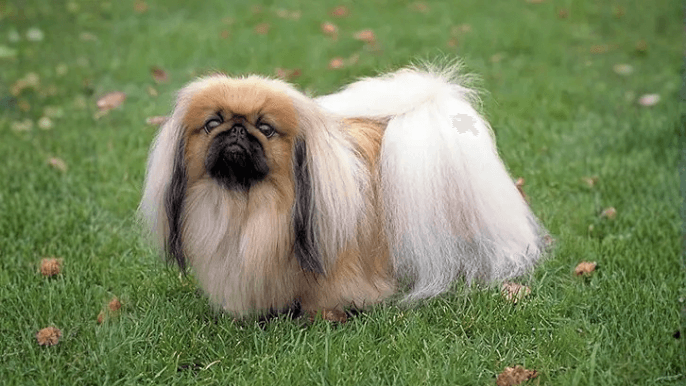
This consists of a long, profuse outer coat with abundant feathering on the ears, legs, tail, and chest, combined with a thick, dense undercoat . The combination creates the lion-like mane and flowing silhouette that defines the breed. The feathered long double coat sheds moderately year-round with heavier seasonal shedding during spring and autumn, and the undercoat compacts and mats quickly if not maintained daily.
The Long-Pinned Slicker Brush works through the long outer coat and reaches the dense undercoat beneath. The Undercoat Depth Comb verifies that all layers have been properly brushed through from root to tip. The Deshedding Comb provides active undercoat extraction. The Long Coat Carding Rake removes dead undercoat without damaging the long outer coat.
The recommended kit is the FurHQ Starter Grooming Kit: Feathered Long Double Coat.
Not Sure About Your Dog's Coat Type?
Every dog is an individual, and coat types can sometimes surprise you. Some Pekingese with less profuse coats may appear similar to drop coated breeds. If you are unsure whether your dog's coat is truly a feathered long double coat or something else, use the FurHQ AI Coat Identifier. Simply upload a photo of your dog and get an accurate coat type classification with the right kit recommendation. No guessing required.
Puppy Coat to Adult Coat Transition
Pekingese puppies are born with a shorter, softer coat that gradually develops into the full adult feathered long double coat. The transition typically begins around 6 to 8 months and continues until the coat reaches full maturity at approximately 18 to 24 months. During this transition, the undercoat thickens significantly and the feathering on the ears, legs, and tail grows in progressively.
The transition period is the most critical window for establishing grooming habits. Pekingese Temperament during puppyhood is more flexible than in adulthood, making this the ideal time to build positive associations with daily brushing. A Pekingese puppy that learns to accept and even enjoy grooming becomes an adult that cooperates rather than resists.
Start gentle brushing with the Long-Pinned Slicker Brush from 8 weeks. Introduce each tool gradually and associate every session with rewards. Pekingese Temperament responds to consistency and positive reinforcement during this formative period. The high-risk matting areas during coat transition are behind the ears, under the front legs, and around the rear feathering where the new adult coat tangles with the puppy coat.
The FurHQ 5-Step Grooming Method: Technical Reality
The FurHQ 5-Step Method (Audit, Prep, Bath, Dry, Finish) applies to this coat type with emphasis on managing the dense undercoat while protecting the longer guard coat and feathering from damage.
Learn the Method. Follow the Protocol. Complete the Mission.
Setup and Stability
Secure the dog using the Stay Put System (suction cup anchor + safety lead). For anxious dogs, the Hush Pup Wrap provides calming compression. Feathered long double coats require the most thorough grooming sessions of all coat types, so patience and a calm environment are essential.
Tools and Technique
Audit: Begin every session by running your hands over the entire body, parting the coat to check for mats at the skin level. Focus on behind the ears, armpits, groin, chest ruff, hindquarter feathering, and any areas where friction occurs. The long coat hides mats effectively, so hands-on assessment is non-negotiable.
Prep: Mist with Pawfect Finish Coat Spray before any tool touches the coat. Use the Long-Pinned Slicker Brush to line brush section by section, working from the skin outward through both the undercoat and the longer guard coat. Verify every section with the Undercoat Depth Comb. If the comb catches, go back to the slicker. Use the Deshedding Comb for undercoat removal on alternating weeks. Use the Long Coat Carding Rake once every two weeks for dead undercoat, alternating weeks with the Deshedding Comb.
Bath: Use Rubber Curry during bathing for skin stimulation and to work shampoo through the dense coat. Full saturation to the skin is critical and takes time on a coat this dense. Rinse thoroughly, working water through the full length.
Dry: Towel dry without rubbing. Use a dryer with a brush-through, lifting and separating the coat as it dries. Apply Pawfect Finish Coat Spray pre-dry for protection. Significant undercoat blows out during this step. The coat should be dried thoroughly to the skin, and the feathering should be straightened during drying.
Finish: Final comb-through with the Undercoat Depth Comb to verify the coat is free of tangles, dry to the skin, and the feathering is smooth and draping naturally. Assess overall coat condition.
Blow-out season is where the real coat work lives. Stay ahead of undercoat release early, and the rest of the year stays easy.
Chemistry and Coat Care
Deep Clean Delight Shampoo provides a deep cleanse that penetrates the dense double coat to the skin. Coat-Quench Conditioner provides slip, moisture, and tangle prevention for the longer guard coat and feathering, supporting easier brushing and reducing breakage.
The Coat Release Method (Condensed)
Feathered long double coats carry dense undercoat that releases seasonally in significant volume. During the Bath step, after full saturation and shampoo application, use controlled airflow in the tub while the coat is still lathered.
The lubrication allows dead undercoat to release safely without friction or skin trauma. Rinse, then apply a second shampoo with the Rubber Curry to complete the release. This keeps dead coat contained in the tub rather than spread across your home. For the full step-by-step process, see The Coat Release Method for Dogs with Undercoat in Related Reading.
FurHQ Starter Grooming Kit Breakdown
The FurHQ Starter Grooming Kit: Feathered Long Double Coat contains everything you need to maintain the Pekingese coat properly.
Standard Items (included in all FurHQ kits):
- Stay Put System (suction cup anchor + safety lead + training tips)
- Hush Pup Wrap
- Rubber Curry (for bathing and skin stimulation)
- Ear Wipes
- Pawfect Finish Coat Spray
Coat-Specific Items:
- Deep Clean Delight Shampoo
- Coat-Quench Conditioner
- Long-Pinned Slicker Brush
- Undercoat Depth Comb
- Deshedding Comb
- Long Coat Carding Rake
Total: 11 items
Each kit includes step-by-step video tutorials and informational PDFs so you know exactly how to use every tool and product for the Pekingese coat.
 Superpowers 🦸
👑 Regal Composure Pekingese Temperament carries a dignity and self-assurance that is genuinely unique in the dog world. These dogs do not seek validation, do not perform for approval, and do not compromise their bearing for anyone. The calm, grounded presence is profoundly settling in a household and creates a companion whose company feels like a privilege.
💕 Selective, Deep Loyalty When a Pekingese chooses you, the bond is profound. Pekingese Temperament does not distribute affection indiscriminately. The loyalty is directed, intentional, and expressed with a quiet tenderness that is all the more meaningful because it is never casual. These dogs love deeply and specifically.
🧘 Low Exercise Demands Pekingese Temperament is genuinely low-energy, making the breed ideal for less active owners, seniors, and apartment dwellers. Brief daily walks and indoor play satisfy the breed's exercise needs. There is no guilt-inducing demand for marathon walks or high-intensity activity.
🤫 Quiet Household Presence Pekingese Temperament is naturally quiet and calm indoors. These dogs do not bounce off walls, demand constant interaction, or fill the house with noise. They settle into their preferred spots and observe the household with composed interest. The calm presence is genuinely therapeutic.
🏠 Adaptable to Small Spaces The small size and low exercise needs make the Pekingese one of the most adaptable breeds for apartment living. Pekingese Temperament does not require a garden, extensive outdoor access, or large living spaces to be content.
🎭 Entertaining Independence Despite the regal bearing, Pekingese Temperament includes moments of playful, almost comedic behaviour that emerge unexpectedly with trusted family members. The contrast between the dignified public persona and these private moments of play is one of the breed's most endearing qualities.
Kryptonite ⚠️
💇 Demanding Coat Maintenance The feathered long double coat requires daily brushing and combing to prevent matting. Pekingese Temperament makes this more challenging than the coat alone would suggest because the breed's patience for being handled is limited. Missing even 2 to 3 days creates tangles that take significantly longer to resolve. The grooming commitment is substantial and non-negotiable.
🌡️ Severe Heat Sensitivity The brachycephalic facial structure makes the Pekingese extremely vulnerable to heat. Pekingese Temperament in warm weather becomes lethargic and potentially dangerous. Exercise must be severely limited in heat, air conditioning is essential, and owners must be vigilant about heat stress symptoms. This breed can overheat in conditions that other dogs handle without difficulty.
😤 Imperial Stubbornness Pekingese Temperament includes a resistance to direction that is not aggressive but is absolute. These dogs decline requests with a composure that is almost impressive in its finality. Training requires patience, creativity, and the acceptance that some requests will simply be declined regardless of your approach.
🩺 Brachycephalic Health Burden The flat facial structure creates chronic respiratory challenges, eye vulnerability, dental crowding, and skin fold issues that require ongoing management. Pekingese Temperament masks discomfort effectively, meaning health issues can progress before symptoms become obvious. Veterinary care costs are higher than for structurally sound breeds.
👁️ Eye Vulnerability The prominent eyes of the Pekingese are susceptible to injury, ulceration, and proptosis (displacement from the socket). Pekingese Temperament during play and daily life means the dog may not avoid situations that put the eyes at risk. Vigilance about eye health is a permanent requirement.
🚶 Limited Activity Partner Pekingese Temperament is not suited to owners who want a hiking, running, or outdoor adventure companion. The combination of low energy, heat sensitivity, and brachycephalic limitations means this breed cannot participate in the active lifestyle that many dog owners envision.
FurHQ's Lifestyle Lens and Pro Insights
The Daily Facial Fold Routine
Pekingese Temperament does not include enthusiasm for having its face cleaned, but facial fold care is a daily non-negotiable. The deep wrinkles around the flattened face trap moisture, food debris, and bacteria that lead to chronic infections if not addressed.
Wipe the folds daily with a clean, dry cloth or the Ear Wipes included in the kit. Check for redness, odour, or irritation. This takes 60 seconds and prevents problems that require veterinary intervention.
The Daily Coat Rhythm
Pekingese Temperament and coat health require daily grooming sessions of 15 to 30 minutes. Start with Pawfect Finish Coat Spray, work through the coat section by section with the Long-Pinned Slicker Brush, and verify every section with the Undercoat Depth Comb. Use the Deshedding Comb and Long Coat Carding Rake during seasonal blowouts. Never brush the coat dry.
Heat Management as Lifestyle
Pekingese Temperament in warm climates requires heat management as a daily lifestyle commitment, not an occasional consideration. Air conditioning is essential, not optional. Exercise must occur during the coolest parts of the day.
Outdoor time in temperatures above 25 degrees Celsius must be brief and monitored. Carry water on every outing. Learn the signs of heat distress and have an emergency cooling plan.
The Trim Option
Many pet Pekingese owners opt for a shorter trim that reduces daily grooming time while maintaining coat health. Pekingese Temperament is unaffected by coat length.
A shorter trim does not change the breed's personality or dignity, and it can significantly reduce the time burden of daily maintenance while improving comfort during warmer months.
Eye Protection Awareness
Pekingese Temperament during play, grooming, and daily life requires constant awareness of eye vulnerability. Avoid situations where the prominent eyes could be scratched, poked, or impacted. During grooming, work carefully around the face and never use tools near the eyes. Learn to recognise the signs of corneal ulceration, and have veterinary contact information readily available.
Start grooming routines early and keep them short but consistent - this breed cooperates best when it feels respected, not rushed. Focus daily attention on facial folds and feathering friction zones, because small maintenance prevents big matting and skin issues fast.
Health and Lifespan: The FurHQ Touch Test
Pekingese have an average lifespan of 12 to 14 years. Regular grooming sessions provide an opportunity to monitor health through the FurHQ Touch Test, which integrates health checks into your normal grooming routine.
Key monitoring points for Pekingese:
Brachycephalic obstructive airway syndrome affects the breed significantly. During grooming, listen for unusual respiratory sounds, excessive snoring, or laboured breathing. Note any changes in the dog's tolerance for activity or handling that might indicate worsening respiratory function.
Eye conditions including corneal ulcers, proptosis, and progressive retinal atrophy require vigilant monitoring. During grooming, check for cloudiness, discharge, redness, squinting, or any changes in eye appearance. The prominent eye position makes this breed particularly vulnerable.
Intervertebral disc disease is a concern due to the breed's long back and short legs. During grooming, note any sensitivity along the spine, reluctance to jump, or changes in how the dog moves or positions itself.
Skin fold infections require monitoring during every grooming session. Clean and inspect all facial folds daily. Redness, odour, or discharge warrant veterinary attention.
Patellar luxation affects small breeds including the Pekingese. Note any skipping gait or sensitivity when the knees are handled during grooming.
Related Breed Comparisons
If you are researching the Pekingese, you may also want to explore these related breeds:
- Shih Tzu Temperament and Grooming Considerations (similar brachycephalic structure with more sociable temperament)
- Lhasa Apso Temperament and Grooming Considerations (similar independent temperament with different coat classification)
- Japanese Chin Temperament and Grooming Considerations (similar imperial heritage with lighter coat demands)
- English Toy Spaniel Temperament and Grooming Considerations (similar calm temperament with different coat type)
- Cavalier King Charles Spaniel Temperament and Grooming Considerations (similar size with more outgoing temperament)
Related Reading
Double Coat Grooming
- Understanding Double Coats: Why They Shed and How to Manage It
- Coat Release Method for Dogs
- How to Dry a Dog After a Bath
- Dog Shedding: What Every Owner Should Know
Coat Type Education
- Dog Coat Types: The Complete FurHQ Guide
- Feathered Long Double Coat: What You Need to Know
Tools and Technique
- How to Use a Slicker Brush on a Dog
- Carding for Dogs: What It Is and How It Works
- Dog Grooming Desensitisation: How to Help Your Dog Love Grooming
Related Breeds
- Shih Tzu Temperament and Grooming Considerations
- Lhasa Apso Temperament and Grooming Considerations
- Japanese Chin Temperament and Grooming Considerations
The Bottom Line
Pekingese Temperament is not for everyone, and the breed has never aspired to mass appeal. This is a dog that was created for emperors, and it has not lowered its standards since. The grooming is demanding.
The independence is absolute. The health management is ongoing. And the reward for meeting every one of those demands is a bond with a dog whose loyalty, once earned, carries the weight of centuries.
The FurHQ Starter Grooming Kit: Feathered Long Double Coat provides the complete system built specifically for your Pekingese's coat type. Each kit includes video training and step-by-step guidance so you never have to guess.
Learn the Method. Follow the Protocol. Complete the Mission.
You got this. And we've got you. 🐾
Important Note About Individual Dogs
Every dog is an individual. While this profile describes typical breed characteristics, your specific dog may vary based on genetics, breeding, socialisation, and individual temperament. Coat type can also vary within breeds. If you are unsure about your dog's coat type, use the FurHQ AI Coat Identifier to get accurate identification and the right kit recommendation.
FAQs
What coat type does a Pekingese have according to the FurHQ system?
The Pekingese has a Feathered Long Double Coat. FurHQ classifies all dog coats into seven types:
- Smooth Single Coat
- Short Double Coat
- Medium Plush Double Coat
- Feathered Long Double Coat
- Wire Coat
- Curly Wavy Coat
- Drop Coat
The feathered long double coat consists of a long, profuse outer coat with abundant feathering combined with a thick, dense undercoat. This creates the lion-like mane that defines the breed.
How often should I brush my Pekingese?
Daily brushing is non-negotiable for the Pekingese. Plan for 15 to 30 minutes per session, working through the coat section by section with the Long-Pinned Slicker Brush followed by the Undercoat Depth Comb to verify each section is tangle-free from root to tip. Apply Pawfect Finish Coat Spray before drying and during dry brushing sessions. Pekingese Temperament cooperates best with efficient, confident handling.
Why does my Pekingese resist grooming?
Pekingese Temperament includes strong opinions about handling. These dogs were bred as imperial companions, not working dogs, and they did not evolve to accept direction willingly. Grooming resistance typically stems from either a lack of early positive experiences with grooming or a past negative experience that the dog remembers. Building trust through short, positive sessions and using the Hush Pup Wrap for calming support helps most Pekingese accept grooming over time.
Is a Pekingese coat really a double coat and not a drop coat?
Yes. Despite the long, flowing appearance, the Pekingese has a dense undercoat beneath the topcoat . This undercoat sheds seasonally and requires specific tools for management, including the Deshedding Comb and Long Coat Carding Rake. A true drop coat like a Maltese or Yorkshire Terrier has a single layer of hair that grows continuously. The Pekingese coat has two distinct layers that behave differently.
How do I handle the flat face during grooming?
The Pekingese flat face requires daily cleaning of the skin folds with a damp cloth followed by thorough drying. During bathing, protect the eyes and nostrils from water and shampoo. Never direct dryer airflow at the face. Clean the eye area gently with a warm damp cloth after bathing. Pekingese Temperament during face cleaning varies, but most dogs accept it when it becomes part of a daily routine started in puppyhood.
How do I manage Pekingese shedding?
The feathered long double coat sheds moderately year-round with heavier seasonal shedding during spring and autumn. Regular brushing with the Long-Pinned Slicker Brush and the Long Coat Carding Rake removes dead undercoat before it falls on your furniture. The Deshedding Comb provides targeted undercoat extraction during heavy shedding periods. During seasonal coat blow, this is where the real coat work happens.
What is the best age to start grooming a Pekingese puppy?
Start gentle grooming as early as 8 weeks with soft brushing and positive handling. The earlier you establish grooming as a normal, positive experience, the easier it becomes as the adult coat develops. Pekingese Temperament means first impressions matter enormously. A puppy that learns to enjoy or at least tolerate grooming will be dramatically easier to manage than an adult that has never been properly introduced to the process.
Why does my Pekingese snore and snort during grooming?
The brachycephalic (flat-faced) structure of the Pekingese means the airway is compromised. Snoring, snorting, and heavy breathing are normal for the breed but become more pronounced during stress, exertion, or when the dog is positioned in certain ways during grooming. Monitor breathing throughout every session and stop if the dog shows signs of distress. Keep grooming areas well ventilated and cool.
How do I prevent mats in the Pekingese feathering?
Consistent brushing is the only prevention. Mats in Pekingese feathering form quickly because the long hair catches on itself at friction points. The areas behind the ears, the chest, armpits, and hindquarters are the highest risk zones.
Using Pawfect Finish Coat Spray before every brushing session adds slip that helps the brush glide through the coat and reduces the friction that causes tangling.
Are Pekingese good with children?
Pekingese Temperament generally works best with older children who understand how to handle a small, dignified dog with respect. Young children who grab, squeeze, or handle the dog roughly will damage the trust relationship and may provoke a defensive response. Pekingese do not tolerate rough handling and will make their displeasure known.
Which FurHQ kit does my dog need?
For the Pekingese with its feathered long double coat, the FurHQ Starter Grooming Kit: Feathered Long Double Coat is the correct choice. FurHQ offers seven coat-specific kits to match every coat type:
- FurHQ Starter Grooming Kit: Smooth Single Coat
- FurHQ Starter Grooming Kit: Short Double Coat
- FurHQ Starter Grooming Kit: Medium Plush Double Coat
- FurHQ Starter Grooming Kit: Feathered Long Double Coat
- FurHQ Starter Grooming Kit: Wire Coat
- FurHQ Starter Grooming Kit: Curly Wavy Coat
- FurHQ Starter Grooming Kit: Drop Coat
Not sure which kit is right? Use the FurHQ AI Coat Identifier or browse the full range at the FurHQ Store.
What tools do I need for a Pekingese?
The FurHQ Starter Grooming Kit: Feathered Long Double Coat provides everything needed: Deep Clean Delight Shampoo for thorough cleaning, Coat-Quench Conditioner for essential moisture and slip, Long-Pinned Slicker Brush for daily brushing, Undercoat Depth Comb for verification, Deshedding Comb for undercoat extraction, Long Coat Carding Rake for dead undercoat removal, plus all standard items including the Stay Put System, Hush Pup Wrap, Rubber Curry, Ear Wipes, and Pawfect Finish Coat Spray.