

FurHQ offers seven coat-specific kits to match every coat type: FurHQ Starter Grooming Kit: Smooth Single Coat, FurHQ Starter Grooming Kit: Short Double Coat, FurHQ Starter Grooming Kit: Medium Plush Double Coat, FurHQ Starter Grooming Kit: Feathered Long Double Coat, FurHQ Starter Grooming Kit: Wire Coat, FurHQ Starter Grooming Kit: Curly Wavy Coat, and FurHQ Starter Grooming Kit: Drop Coat. If you are unsure which kit is right for your dog, use the FurHQ AI Coat Identifier to get a personalised recommendation, or visit the FurHQ Store to explore all options.
Japanese Chin Temperament and Grooming Considerations
By Mondo Fluffarino | FurHQ Blog Author & Chief Education Officer
Table of Contents
- Introduction: Purpose-Driven DNA
- Breed Handling Profile
- Breed Purpose and Why It Matters for Japanese Chin Temperament
- FurHQ Coat Type Breakdown
- Not Sure About Your Dog's Coat Type?
- Puppy Coat to Adult Coat Transition
- The FurHQ 5-Step Grooming Method: Technical Reality
- FurHQ Starter Grooming Kit Breakdown
- Superpowers and Kryptonite
- FurHQ's Lifestyle Lens and Pro Insights
- Health and Lifespan: The FurHQ Touch Test
- Related Breed Comparisons
- Related Reading
- The Bottom Line
- Variation Clarity Statement
- FAQs
Japanese Chin Temperament and grooming considerations must be understood through the lens of an ancient companion breed developed in the imperial courts of Japan as a living work of art.
Despite the name, the breed likely originated in China before being refined in Japan, where it was so highly valued that ownership was restricted to nobility and the dogs were often given as diplomatic gifts. The Japanese Chin was never a working dog. It was bred to charm, to grace, and to provide the kind of quiet, refined companionship that suited palace life.
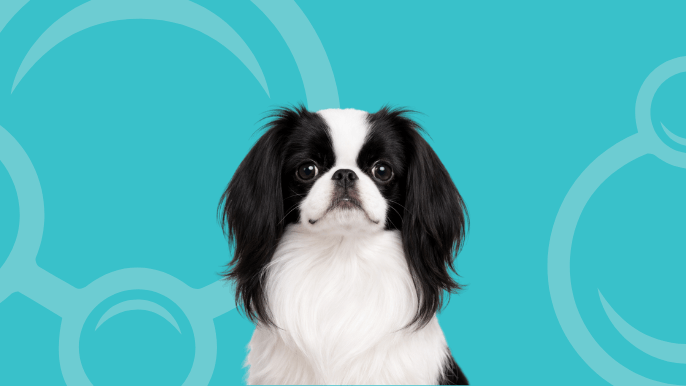
These dogs are known for their distinctly cat-like behaviour, their elegant, flowing coat, and a dignified independence that sets them apart from most toy breeds.
Japanese Chin Temperament is marked by a remarkable self-possession that combines genuine affection with an aloofness that surprises owners expecting a typical cuddly lap dog. They will sit in your lap when they choose to, not when you choose for them.
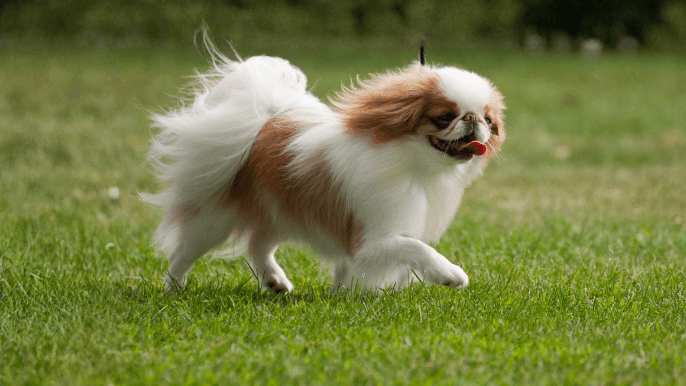
Their coat is a silky, flowing drop coat that creates a dramatic, profuse ruff around the neck and long feathering on the ears, legs, and tail. This single-coated breed carries no undercoat , and the hair grows continuously, creating a luxurious cascade that requires consistent care to prevent tangling and matting .
Let me be direct about Japanese Chin Temperament and what makes this breed genuinely unlike any other toy dog you will ever meet.
If you have owned other toy breeds before, the Japanese Chin will surprise you immediately. This is not a dog that demands constant attention, shadows your every step, or unravels emotionally when you leave the room. Japanese Chin Temperament is often described as cat-like - and that comparison is not poetic exaggeration. It is behavioural reality.
These dogs groom themselves.
They perch on high surfaces.
They observe more than they participate.
And they choose affection on their own terms, not yours.
Living with a Japanese Chin feels less like owning a dog and more like sharing space with a quiet, dignified roommate who happens to be extraordinarily beautiful.
But that independence directly affects grooming.
Because a Japanese Chin that decides grooming is unpleasant will not negotiate.
They will not melt for treats.
They will not perform for praise.
And they will not cooperate simply because you want them to.
Unlike eager-to-please toy breeds, you cannot train your way through resistance alone. You must make grooming genuinely acceptable to the dog - emotionally, physically, and environmentally. Japanese Chin Temperament demands respect for the dog’s preferences, boundaries, and pacing.
So let’s talk about fit.
Who this breed IS for:
Owners who appreciate an independent companion
People drawn to quiet, observant temperaments
Households that respect personal space - even in a dog
Anyone willing to work with the dog’s personality rather than impose control
Who this breed is NOT for:
Anyone wanting a demonstratively affectionate lap dog
Families with very young children expecting constant interaction
Owners who need eager-to-please grooming cooperation
People who equate independence with disobedience
Because that’s not what this is.
Japanese Chin Temperament is not difficult.
It is simply different.
Once you understand that grooming must feel respectful rather than forceful - collaborative rather than imposed - everything shifts. Trust builds. Cooperation increases. And the grooming process becomes something the dog tolerates with dignity instead of resists with quiet defiance.
When handled with that understanding, the Japanese Chin reveals itself to be one of the most elegant, emotionally balanced, and uniquely rewarding companions in the toy breed world.
Breed Handling Profile
| Trait | Level | Notes |
|---|---|---|
| Emotional sensitivity | High | Sensitive to tone and handling. Remembers negative experiences. |
| Handling tolerance | Moderate | Accepts handling from trusted people. Resistant with strangers or rough handlers. |
| Grooming commitment | Moderate (coat) / Daily (face) | Drop coat is manageable. Facial fold cleaning is daily non-negotiable. |
| Exercise needs | Low to Moderate | Content with short walks and indoor play. Not an athletic breed. |
| Alone time tolerance | Moderate | More independent than most toy breeds. Handles reasonable alone time. |
| Best fit household | Quiet households | Thrives in calm environments with gentle, patient owners. |
Breed Purpose and Why It Matters for Japanese Chin Temperament
The Japanese Chin was developed exclusively as a companion of royalty, refined over centuries in the Japanese imperial court where the breed was treated as a treasured possession rather than a working animal. These dogs were never sold, only gifted by nobility, and their care was entrusted to dedicated attendants. This aristocratic heritage shaped Japanese Chin Temperament into the refined, selective, dignified companion it remains today.
The imperial breeding purpose explains every aspect of Japanese Chin Temperament. The reserve with strangers reflects a dog that was raised in exclusive environments. The feline independence reflects a breed that was valued for elegance rather than obedience. The quiet dignity reflects centuries of selection for dogs that enhanced the atmosphere of a court rather than disrupting it.
FurHQ Coat Type Breakdown
The Japanese Chin in full coat carries a Drop Coat. Within the FurHQ seven-coat system, this coat type features long, silky, single-layered hair that flows naturally from the body. The Japanese Chin coat is lighter and less dense than many drop coat breeds, making it more manageable than breeds like the Maltese or Shih Tzu.
When kept in a shorter trim, the coat behaviour may shift toward a Curly Wavy Coat classification, though full body trims are less common for this breed than for other drop coat breeds because the natural coat does not grow as long and is not as maintenance-intensive.
The Long-Pinned Slicker Brush works through the silky fringes and furnishings . The Pin Brush provides gentle daily maintenance. The FurHQ Detail Comb verifies that brushing has reached the skin and catches tangles in the ear, chest, and leg furnishings.
The recommended kit is the FurHQ Starter Grooming Kit: Drop Coat.
Not Sure About Your Dog's Coat Type?
Not every dog fits neatly into one coat category, and that is completely normal. Coat type determines the correct tools, products, and techniques for effective grooming, but identifying it is not always straightforward, especially with mixed breeds or puppies still developing their adult coat.
Use the FurHQ AI Coat Identifier to find out your dog's coat type and get matched to the right FurHQ Starter Grooming Kit. Simply upload a photo, and the tool provides a personalised kit recommendation based on your dog's actual coat.
Puppy Coat to Adult Coat Transition
Japanese Chin puppies are born with a shorter, softer coat that gradually lengthens over 12 to 18 months. The signature ear fringes, chest furnishings, and leg feathering develop progressively during this period. The transition is gradual rather than dramatic because the breed has no undercoat to develop. Some additional shedding may occur as the puppy coat is replaced by the adult coat.
Brushing frequency should increase as the fringes lengthen, moving from once weekly for young puppies to two to three times weekly as the coat reaches adult length. Japanese Chin Temperament benefits from early positive grooming experiences, as the breed's sensitivity means negative associations with brushing or face handling create lasting resistance. The FurHQ 5-Step Method provides structure during this period, establishing the daily facial fold cleaning and coat brushing habits that will continue for life.
The FurHQ 5-Step Grooming Method: Technical Reality
The FurHQ 5-Step Method (Audit, Prep, Bath, Dry, Finish) applies to this coat type with emphasis on protecting strand integrity and maintaining natural drape throughout every grooming step.
Learn the Method. Follow the Protocol. Complete the Mission.
Setup and Stability
Secure the dog using the Stay Put System (suction cup anchor + safety lead). For anxious dogs, the Hush Pup Wrap provides calming compression. This coat type benefits from a calm, predictable environment where the dog can stand quietly while the coat is worked through methodically.
Tools and Technique
Audit: Begin every session by running your hands over the entire body, parting the coat to check for mats at the skin level. Drop coats mat where friction occurs: behind the ears, armpits, between the legs, and under the collar. The coat can look smooth on the surface while hiding mats at the skin.
Prep: Mist with Pawfect Finish Coat Spray before any tool touches the coat. Never brush a drop coat dry. Use the Pin Brush for general smoothing and the Long-Pinned Slicker Brush for any areas with tangles or density. Verify every section with the FurHQ Detail Comb. If the comb catches, there is more work to do.
Bath: Use Rubber Curry during bathing for skin stimulation only. Do not use the Rubber Curry for dry brushing on a drop coat. Rinse thoroughly, working water through the full length of the coat.
Dry: Towel dry gently without rubbing, which causes tangles and breakage. Use a dryer with a gentle brush-through as the coat dries, working in the direction of coat growth to maintain drape. Dry thoroughly to the skin.
Finish: Final comb-through with the FurHQ Detail Comb to verify the entire coat is tangle-free and draping naturally. Apply Pawfect Finish Coat Spray for moisture, protection, and lustre.
Chemistry and Coat Care
Shimmer and Shine Shampoo is formulated for drop coats, providing thorough cleaning while maintaining the coat's natural drape and lustre. Coat-Quench Conditioner provides essential slip, moisture, and tangle prevention for the full length of the coat. Use Pawfect Finish Coat Spray at every brush session to protect strands from friction damage and maintain coat health.
Wrinkle Care Protocol
The brachycephalic flat face requires daily fold cleaning. Moisture, debris, and bacteria accumulate in the facial folds around the nose and eyes. Clean daily with a damp cloth or specialised wipe, followed by thorough drying. Japanese Chin Temperament cooperates with face cleaning when it is established as part of the daily routine from puppyhood.
FurHQ Starter Grooming Kit Breakdown
The FurHQ Starter Grooming Kit: Drop Coat contains 10 items:
Coat-Specific Items (5):
- Shimmer and Shine Shampoo: Formulated for drop coat cleaning and lustre
- Coat-Quench Conditioner: Slip, moisture, and tangle prevention
- Long-Pinned Slicker Brush: Working through fringes and furnishings
- Pin Brush: Daily body coat maintenance
- FurHQ Detail Comb: Skin-level verification and tangle detection
Standard Items (5, included in every kit):
- Stay Put System (suction cup anchor + safety lead + training tips)
- Hush Pup Wrap
- Rubber Curry (for bathing and dry brushing/skin stimulation)
- Ear Wipes
- Pawfect Finish Coat Spray
 Superpowers and Kryptonite
⭐ Superpowers
🐾 Cat-like self-grooming. Japanese Chin Temperament includes a natural fastidiousness that means this breed does a surprising amount of self-maintenance. They lick their paws, clean their faces, and generally keep themselves tidier than most dogs. This supplements your grooming routine.
🐾 Quiet dignity during grooming. Unlike breeds that squirm, bark, or fight through grooming, a well-socialised Japanese Chin typically sits with remarkable composure. Japanese Chin Temperament lends itself to calm, cooperative grooming sessions once trust is established.
🐾 Low exercise needs reduce coat damage. The Japanese Chin's preference for lounging over running means less environmental damage to the coat. Less mud, fewer burrs, and fewer tangles from outdoor activity compared to active breeds.
🐾 Portable size. At 4 to 9 pounds, Japanese Chin Temperament and physical size make them one of the easiest breeds to groom anywhere. You can brush this dog in your lap while watching television.
🐾 Natural beauty requires minimal styling. The Japanese Chin's coat falls naturally into its characteristic look without complex grooming techniques. No clipping, no shaping, no blow-dry artistry required. Maintain the coat's health and it does the rest.
🐾 Independent enough for reasonable grooming schedules. Unlike breeds that need daily attention to prevent anxiety, Japanese Chin Temperament allows for every-two-to-three-day brushing schedules for maintained coats, which is manageable for most owners.
⚡ Kryptonite
💥 Stubbornness disguised as dignity. Japanese Chin Temperament includes a quiet refusal to cooperate when they have decided they are finished. Unlike a screaming terrier or a wriggling puppy, the Japanese Chin simply stops participating. They go limp, turn their head away, or walk off. This requires patience rather than force.
💥 Brachycephalic breathing affects grooming. The flat face means Japanese Chin can overheat quickly and struggle with breathing during stressful situations. Keep grooming areas cool, monitor breathing throughout, and stop if the dog shows signs of respiratory distress.
💥 Eye vulnerability from prominent eyes. The large, prominent eyes are susceptible to scratches, irritation, and injury. During face grooming, work carefully around the eyes. The eyes are the most vulnerable area during any grooming procedure.
💥 Fine coat mats quietly. The silky drop coat can develop mats close to the skin that are invisible from the surface. Only the comb test catches these hidden tangles. Surface brushing creates a dangerous illusion of thorough grooming.
💥 Heart conditions are breed-relevant. Japanese Chin are predisposed to heart murmurs and mitral valve disease. Monitor for coughing, exercise intolerance, or unusual fatigue during grooming.
💥 Tear staining on light-coloured dogs. The prominent eyes produce tears that can stain the surrounding coat, requiring daily cleaning to prevent discolouration and skin irritation.
FurHQ's Lifestyle Lens and Pro Insights
The Cat-Dog Experience
Japanese Chin Temperament is the closest thing to a cat in dog form. They perch on the backs of sofas, climb to high surfaces, and observe the household from elevated positions. This climbing behaviour means checking for tangles in unexpected places where the coat catches on furniture edges, chair legs, or shelving.
The Brachycephalic Grooming Reality
The flat face creates a grooming consideration that has nothing to do with the coat. Japanese Chin Temperament includes anxiety around breathing restriction, and any grooming position or product application that makes breathing more difficult will trigger resistance. Never hold the muzzle during grooming. Never blow air directly toward the face. Keep the room cool and monitor for laboured breathing throughout every session.
Face Grooming Priority
The Japanese Chin's prominent eyes, facial folds, and heavy ear feathering make face grooming the most important part of the routine. Clean the eye area daily to prevent tear staining and irritation. Check the facial folds for moisture and debris. Clean the ears regularly with Ear Wipes. Japanese Chin Temperament generally tolerates face handling well when introduced gently from puppyhood.
The Single-Dog Advantage
While Japanese Chin can live with other dogs, many thrive as the only dog in the household. Japanese Chin Temperament includes a preference for calm environments and can be overwhelmed by boisterous canine housemates. For grooming purposes, a single Japanese Chin is easier to maintain because there is no play-related coat damage from other dogs.
Here is what I tell every new Japanese Chin owner about grooming: respect the pause. When your Japanese Chin turns their head away or goes still during brushing, they are telling you they need a moment.
Health and Lifespan: The FurHQ Touch Test
The Japanese Chin typically lives 10 to 14 years. Japanese Chin Temperament generally allows for thorough health monitoring during grooming because the breed tolerates gentle handling well once trust is established.
Use the FurHQ Touch Test during every grooming session to monitor for changes.
Common health considerations to monitor during grooming:
- Heart murmurs and mitral valve disease: listen for coughing, monitor for unusual fatigue or laboured breathing
- Luxating patellas: feel for clicking or shifting in the knee joints during leg handling
- Eye injuries and irritation: check for cloudiness, excessive tearing, or scratches on the prominent eyes
- GM2 gangliosidosis: a progressive neurological condition, watch for coordination changes
- Brachycephalic concerns: monitor breathing throughout grooming, never restrict airflow
- Dental crowding: check teeth and gums, the small jaw creates alignment issues
- Ear infections from heavy ear feathering: inspect and clean ears regularly
Related Breed Comparisons
- Maltese Temperament and Grooming Considerations: Similar drop coat care in a more affectionate, people-pleasing package. Maltese bond more intensely and are less independent. Same daily brushing commitment.
- Shih Tzu Temperament and Grooming Considerations: Similar drop coat with the dual-kit consideration. Shih Tzu can be more stubborn but are less aloof. Similar grooming demands.
- Pekingese Temperament and Grooming Considerations: The closest temperament match with similar regal independence. Pekingese coat is denser and requires more intensive care. Same brachycephalic considerations.
- Havanese Temperament and Grooming Considerations: Similar drop coat classification but dramatically different temperament. The Havanese is the velcro dog to the Japanese Chin's independent cat.
- Cavalier King Charles Spaniel Temperament and Grooming Considerations: Another aristocratic companion breed with a much more eager-to-please temperament. Feathered long double coat requires different products and approach.
Related Reading
Drop Coat Grooming:
- Drop Coat Dogs: Complete Guide
- How to Line Brush Your Dog
- Dog Coat Types Explained: The Complete FurHQ Guide
Grooming Techniques:
- How to Dry a Dog After a Bath
- How to Introduce Dog to Dryer
- Stand Dryer for Dogs: Finishing Techniques
- How to Use Pawfect Finish Coat Spray
Monitoring and Health:
Related Breed Blogs:
- Maltese Temperament and Grooming Considerations
- Shih Tzu Temperament and Grooming Considerations
- Pekingese Temperament and Grooming Considerations
- Havanese Temperament and Grooming Considerations
- Cavalier King Charles Spaniel Temperament and Grooming Considerations
- Lhasa Apso Temperament and Grooming Considerations
- Yorkshire Terrier Temperament and Grooming Considerations
The Bottom Line
Japanese Chin Temperament comes down to understanding a companion breed that offers refinement, quiet devotion, and a cat-like independence that sets it apart from every other toy dog. The grooming commitment is real but manageable, and the breed's natural composure during handling makes sessions more pleasant than many owners expect.
The drop coat needs consistent care with the right products and tools. The FurHQ Starter Grooming Kit: Drop Coat gives you everything required for maintaining the coat's health and beauty. Remember: never brush dry, always use Pawfect Finish Coat Spray, and respect the pauses.
You got this. And we've got you. 🐾
Variation Clarity Statement
Every Japanese Chin is an individual. While this blog covers the breed's general temperament traits and grooming requirements, your specific dog may vary in coat density, coat texture, temperament during grooming, and overall independence level. Use the FurHQ AI Coat Identifier to confirm your dog's specific coat type classification, and adjust your grooming approach based on what your dog's coat actually does rather than what breed standards suggest it should do.
FAQs
What is a Japanese Chin coat type in the FurHQ system?
The Japanese Chin is classified as a Drop Coat. FurHQ recognises seven coat types across all breeds:
- Smooth Single Coat
- Curly Wavy Coat
- Drop Coat
- Wire Coat
- Short Double Coat
- Medium Plush Double Coat
- Feathered Long Double Coat
The Japanese Chin's single-layered, silky coat that falls naturally from the body places it in the Drop Coat category. This classification determines the correct products, tools, and techniques for maintaining the coat's health and beauty.
How often should I brush my Japanese Chin?
Two to three times per week for regular maintenance. Focus on the ear fringes, chest furnishings, and behind the ears where tangles develop. Always use Pawfect Finish Coat Spray at every session and post bath. Verify with the FurHQ Detail Comb. Japanese Chin Temperament cooperates with brushing when sessions are calm and predictable.
Why is Japanese Chin Temperament different from other toy breeds?
Japanese Chin Temperament is distinctly cat-like because the breed was developed in imperial Japanese courts for refined companionship rather than eager-to-please devotion. This creates a dog that is more independent, more self-possessed, and more selective about affection than breeds like the Havanese, Maltese, or Cavalier King Charles Spaniel. For grooming, this means working with the dog's willingness rather than expecting automatic cooperation.
Is the Japanese Chin really cat-like?
Yes, in observable behaviour. Japanese Chin climb to high surfaces, perch on furniture backs, groom themselves with paw-licking motions, and choose when to be affectionate rather than offering constant attention. Japanese Chin Temperament also includes a sensitivity to their environment and a preference for calm, quiet spaces that mirrors feline behaviour. This affects grooming because the breed responds best to gentle, unhurried sessions in quiet settings.
How do I handle the brachycephalic face during grooming?
Keep the grooming area cool. Never restrict airflow by holding the muzzle. Do not blow air directly toward the face. Monitor breathing throughout every session and stop immediately if you notice laboured breathing, excessive panting, or distress. The flat face means Japanese Chin overheat faster than longer-muzzled breeds. Brief, efficient sessions are better than prolonged ones.
What about the eye area and tear staining?
Daily cleaning of the eye area is recommended, especially for lighter-coloured Japanese Chin. Use a damp cloth or specialised eye wipe to gently clean around the prominent eyes. Check for scratches, irritation, or excessive discharge. The prominent eye structure makes this breed more vulnerable to eye injuries, so work carefully during face grooming and never use tools close to the eyes.
Does the Japanese Chin coat mat easily?
The silky drop coat mats primarily in friction areas: behind the ears, under the front legs, in the feathering on the back of the legs, and around the ruff. Regular brushing with Pawfect Finish Coat Spray prevents most matting. The comb test after every brushing session catches hidden mats that surface brushing misses. If you find mats, work them out gently with the Long-Pinned Slicker Brush and spray, never pull or cut.
Is the Japanese Chin good with children?
Japanese Chin Temperament can work with older children who understand gentle handling, but this breed is not recommended for families with toddlers or very young children. At 4 to 9 pounds, the Japanese Chin is physically fragile, and rough handling can cause injury. The breed's independent nature also means it may not tolerate the unpredictable energy of very young children.
How long do Japanese Chin live?
Japanese Chin typically live 10 to 14 years. Regular grooming sessions that include the FurHQ 5-Step Method Audit step provide valuable health monitoring throughout this lifespan. Japanese Chin Temperament generally tolerates thorough examination from trusted handlers.
Do Japanese Chin shed?
Japanese Chin shed minimally. As a single-coated drop coat breed, they do not have the heavy seasonal shed associated with double-coated breeds. Some loose hair is normal, especially during the puppy coat transition, but overall shedding is low. The trade-off for low shedding is the need for regular brushing to prevent matting in the long, silky coat.
Which FurHQ Starter Grooming Kit is right for my dog?
What tools are in the FurHQ Starter Grooming Kit: Drop Coat?
The FurHQ Starter Grooming Kit: Drop Coat contains 10 items: Shimmer and Shine Shampoo, Coat-Quench Conditioner, Long-Pinned Slicker Brush, Pin Brush, FurHQ Detail Comb, Stay Put System, Hush Pup Wrap, Rubber Curry, Ear Wipes, and Pawfect Finish Coat Spray. Every tool serves a specific function in the FurHQ 5-Step Method.