
Cardigan Welsh Corgi Temperament and Grooming Considerations
Table of Contents
- Introduction: The Ancient Herder with the Big Heart
- Breed Handling Profile
- Breed Purpose and Why It Matters for Cardigan Welsh Corgi Temperament
- FurHQ Coat Type Breakdown
- Not Sure About Your Dog's Coat Type?
- Puppy Coat to Adult Coat Transition
- The FurHQ 5-Step Grooming Method: Technical Reality
- FurHQ Starter Grooming Kit Breakdown
- Cardigan Welsh Corgi Temperament: Superpowers and Kryptonite
- FurHQ's Lifestyle Lens and Pro Insights
- Health and Lifespan: The FurHQ Touch Test
- Related Breed Comparisons
- Related Reading
- The Bottom Line
- Variation Clarity Statement
- FAQs
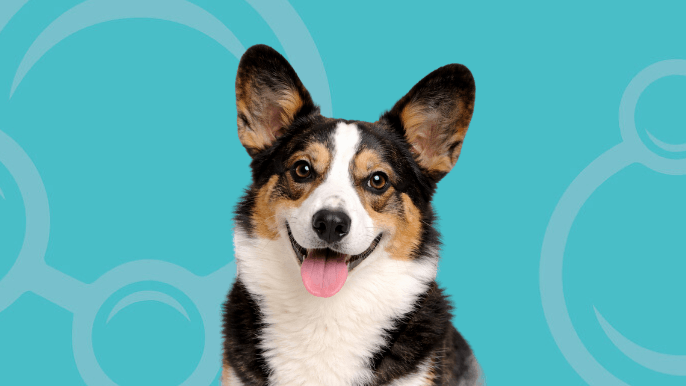 Introduction: The Ancient Herder with the Big Heart
Cardigan Welsh Corgi Temperament is what happens when sharp intelligence, steady loyalty, and a surprisingly powerful work ethic combine in a low-slung, long-bodied frame that has been moving cattle across Welsh hillsides for over three thousand years.
This is one of the oldest herding breeds in existence, and understanding Cardigan Welsh Corgi Temperament starts with recognising that the playful exterior conceals a serious working dog whose drive, intelligence, and independence were earned over millennia of practical service.
These dogs are smarter than most people expect. Cardigan Welsh Corgi Temperament includes a problem-solving intelligence that was honed by generations of herding work requiring the dog to make independent decisions about when to push, when to hold, and when to dodge a cow's kick.
They observe, calculate, and act with a deliberateness that can look like stubbornness but is actually the dog processing the situation before committing to a response.
The dense short double coat is built for Welsh weather and produces shedding that belies the coat's modest length. The thick undercoat creates insulation against cold and wet, but it also releases steadily year-round and dramatically during seasonal blow.
Cardigan Welsh Corgi Temperament and coat care connect because a dog this intelligent quickly forms opinions about grooming , making early positive associations essential for lifelong cooperation.

Let me tell you what you are really getting with a Cardigan Welsh Corgi, because the cute, low-riding appearance completely misrepresents the working dog that lives inside.
This is not a novelty breed. The Cardigan Welsh Corgi is an ancient herding dog whose ancestors drove cattle across Welsh hills long before most modern breeds existed. Cardigan Welsh Corgi Temperament is built on intelligence, adaptability, and a work ethic that does not take days off. These dogs think constantly, and they need you to give that intelligence something productive to work on.
Now let's talk grooming. Honestly.
The short double coat on this breed is deceptive. It looks manageable. It looks easy. Then you start brushing and realise the undercoat density rivals breeds twice this dog's size. The shedding is real, persistent, and impressive during seasonal blow periods.
Brushing two to three times per week keeps the coat under control between blow periods, but during spring and autumn coat release, daily brushing becomes necessary. The good news is that the short length makes each session efficient even when the volume is high.
This breed is NOT for you if:
- You want a low-shedding dog with minimal coat maintenance
- You cannot provide daily mental stimulation for a working intelligence
- You want a passive, low-energy companion
- You are unprepared for a dog that herds children, other pets, and visitors
- You underestimate small breeds and their exercise needs
Because Cardigan Welsh Corgi Temperament includes:
- Heavy shedding from a dense double coat on a long body
- Working intelligence that requires daily mental engagement
- Herding instincts that express through nipping and circling
- Energy that exceeds what the small body suggests
- Independence rooted in centuries of autonomous herding decisions
This breed IS for you if:
- You want an intelligent, trainable herding companion
- You enjoy a dog with personality, humour, and opinions
- You appreciate a versatile breed that excels in multiple activities
- You can commit to consistent brushing and undercoat management
- You want a loyal, devoted family dog with genuine working heritage
Cardigan Welsh Corgi Temperament rewards engaged, active owners with a companion that is brilliantly responsive, deeply loyal, and endlessly entertaining in its approach to daily life.
Channel the intelligence. Maintain the coat consistently. Handle with respect for the working mind.
Do that, and you will share your life with one of the most intelligent, devoted, and historically significant herding breeds in existence, a dog that does not just live with you but thinks alongside you, learns your patterns, and commits to your household with the same dedication its ancestors brought to Welsh cattle farms.
Breed Handling Profile
| Trait | Level | Notes |
|---|---|---|
| Emotional sensitivity | Moderate | Attuned to owner's mood and tone; responds well to positive handling |
| Handling tolerance | Moderate to High | Generally cooperative during grooming when trust is established early |
| Grooming commitment | Moderate to High | Dense double coat requires consistent brushing and seasonal undercoat management |
| Exercise needs | Moderate to High | Active herding breed; needs daily physical and mental exercise |
| Alone time tolerance | Moderate | More independent than some herding breeds but still bonds closely to family |
| Best fit household | Active individuals or families who can provide mental stimulation, daily exercise, and consistent grooming for the dense double coat |
Breed Purpose and Why It Matters for Cardigan Welsh Corgi Temperament
The Cardigan Welsh Corgi is one of the oldest herding breeds in Britain, with a lineage that stretches back roughly three thousand years to Celtic migrations into Wales. These dogs were cattle drovers, tasked with moving herds across open hillsides and common grazing lands.
Their low-slung build served a specific purpose: by working beneath the kick line of cattle, the Corgi could nip at heels and dodge retaliatory kicks that would have struck a taller dog. The breed also served as farm dog, vermin controller, and family guardian.
Cardigan Welsh Corgi Temperament reflects this multi-purpose heritage directly. The intelligence required to read cattle behaviour and make split-second decisions about when to press forward or retreat, the endurance needed for long days of droving, the alertness that made them effective farm watchdogs, and the versatility that allowed them to transition between roles all persist in the modern breed.
When your Cardigan circles guests, nips at running children's heels, or barks to alert you to movement outside, that is millennia of herding and farm dog heritage expressing itself.
The breed's independent streak traces directly to its working method. Unlike herding breeds that work under constant handler direction, the Corgi often worked at distance, making autonomous decisions about cattle management.
Cardigan Welsh Corgi Temperament includes this capacity for independent judgement, which manifests in daily life as a dog that processes requests before responding rather than reacting immediately. This independence extends to grooming, where cooperation is earned through consistent positive experience rather than assumed.
FurHQ Coat Type Breakdown
The Cardigan Welsh Corgi wears a Short Double Coat as classified in the FurHQ seven-coat system. This coat type features a short to medium-length, harsh outer coat lying flat against the body, supported by a thick, dense undercoat that provides significant insulation and weather protection.
The Cardigan Welsh Corgi's double coat is notably dense for the breed's size. The undercoat is thick and plush, producing shedding volume that surprises owners who expect a small, short-coated dog to be low-maintenance. The breed's long body also increases the total surface area relative to its height, meaning more coat to manage than the dog's compact appearance suggests.
The Medium-Pinned Slicker Brush lifts dead undercoat from the base without damaging the harsh topcoat . The Undercoat Depth Comb verifies thorough undercoat removal by confirming smooth passage from skin to tip. The Short-Medium Coat Carding Rake provides targeted undercoat extraction during heavier shedding periods. The Rubber Curry serves as a bathing tool and surface-level loosening tool that stimulates the skin and removes loose hair.
The recommended kit is the FurHQ Starter Grooming Kit: Short Double Coat.
Not Sure About Your Dog's Coat Type?
Not every dog fits neatly into one coat category, and that is completely normal. Coat type determines the correct tools, products, and techniques for effective grooming, and getting it right matters for coat health and comfort. This is especially true for mixed breeds or dogs whose coat may not match expectations.
Use the FurHQ AI Coat Identifier to find out your dog's coat type and get matched to the right FurHQ Starter Grooming Kit. Simply upload a photo and receive an accurate classification with a personalised kit recommendation.
Puppy Coat to Adult Coat Transition
Cardigan Welsh Corgi puppies are born with a soft, fluffy coat that begins transitioning to the adult double coat between 4 and 8 months.
The undercoat density increases significantly during this period, filling in the dense insulating layer that defines the adult coat. The full adult coat is typically established by 12 to 16 months, though undercoat density continues to develop as the dog matures.
During the transition, the incoming adult undercoat can trap shedding puppy fur, particularly along the back, hindquarters, and chest where the undercoat is thickest. Regular brushing with the Medium-Pinned Slicker Brush during this phase prevents compaction and matting as the denser adult coat emerges.
Shedding patterns establish during this period, and the transition is often the first time owners realise the volume of undercoat this breed produces.
Cardigan Welsh Corgi Temperament in puppyhood is curious and receptive, making this an excellent window for establishing positive grooming habits. Start gentle brushing sessions from 8 weeks.
The breed's intelligence means they learn grooming routines quickly, and positive associations formed during puppyhood create a foundation of cooperation that lasts through adulthood. Use Pawfect Finish Coat Spray after bathing during the transition to maintain coat health. The FurHQ 5-Step Method provides structure for consistent routine building.
The FurHQ 5-Step Grooming Method: Technical Reality
The FurHQ 5-Step Method (Audit, Prep, Bath, Dry, Finish) applies to this coat type with emphasis on managing the plush, standoff coat and preventing undercoat from compacting against the skin.
Learn the Method. Follow the Protocol. Complete the Mission.
Setup and Stability
Secure the dog using the Stay Put System (suction cup anchor + safety lead). For anxious dogs, the Hush Pup Wrap provides calming compression. Medium plush double coats require thorough sessions that work through the dense, standoff texture to the skin.
Tools and Technique
Audit: Begin every session by running your hands over the entire body. The plush texture can feel full and healthy on the surface while hiding compacted undercoat beneath. Part the coat and feel at the skin level, particularly along the hindquarters, ruff, chest, and behind the ears.
Prep: Use the Medium-Pinned Slicker Brush to line brush section by section, lifting and working through to the skin. Use the Rubber Curry for loosening surface coat.
Apply Pawfect Finish Coat Spray before drying to provide slip and protection. Verify with the Undercoat Depth Comb to confirm brushing has reached the skin. The Short to Medium Coat Carding Rake removes dead undercoat efficiently, used once every two weeks maximum.
Bath: Use Rubber Curry during bathing for skin stimulation and to work shampoo through the dense coat. Full saturation to the skin is critical because the plush coat repels water. Rinse thoroughly.
Dry: Towel dry thoroughly. Use a dryer with a brush-through to lift and separate the coat as it dries. Apply Pawfect Finish Coat Spray pre-dry for protection. Significant undercoat blows out during this step. Dry thoroughly to the skin.
Finish: Final pass with the Undercoat Depth Comb to verify the coat is free of loose undercoat, dry to the skin, and standing off the body properly. Assess overall coat condition.
Blow-out season is where the real coat work lives. Stay ahead of undercoat release early, and the rest of the year stays easy.
Chemistry and Coat Care
Deep Clean Delight Shampoo provides a deep cleanse that penetrates the dense plush coat to the skin. Coat-Quench Conditioner supports skin comfort and coat health while maintaining the coat's natural standoff texture.
The Coat Release Method (Condensed)
Medium plush double coats carry dense undercoat that releases seasonally, often in dramatic volume. During the Bath step, after full saturation and shampoo application, use controlled airflow in the tub while the coat is still lathered.
The lubrication allows dead undercoat to release safely without friction or skin trauma. Rinse, then apply a second shampoo with the Rubber Curry to complete the release. This keeps dead coat contained in the tub rather than spread across your home.
For the full step-by-step process, see The Coat Release Method for Dogs with Undercoat in Related Reading.
FurHQ Starter Grooming Kit Breakdown
The FurHQ Starter Grooming Kit: Short Double Coat is recommended for the Cardigan Welsh Corgi.
Standard Items (included in all FurHQ kits):
- Stay Put System (suction cup anchor + safety lead + training tips)
- Hush Pup Wrap
- Rubber Curry (for bathing and undercoat loosening)
- Ear Wipes
- Pawfect Finish Coat Spray
Coat-Specific Items:
- Deep Clean Delight Shampoo
- Coat-Quench Conditioner
- Medium-Pinned Slicker Brush
- Undercoat Depth Comb
- Short-Medium Coat Carding Rake
Total: 10 items
Each kit includes step-by-step video tutorials and informational PDFs so you know exactly how to use every tool and product for the Cardigan Welsh Corgi coat.
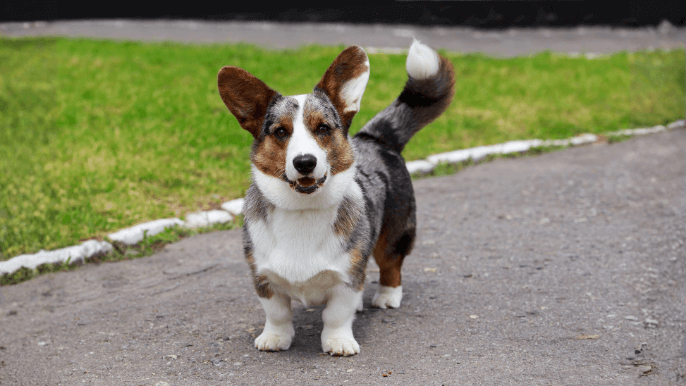 Cardigan Welsh Corgi Temperament: Superpowers and Kryptonite
Superpowers
🌟 Exceptional intelligence: Cardigan Welsh Corgi Temperament includes a working intelligence that makes this breed remarkably trainable and responsive. These dogs learn quickly, remember well, and apply their problem-solving ability to every challenge they encounter.
🌟 Loyal devotion: The bond a Cardigan Welsh Corgi forms with its family is deep, genuine, and enduring. These dogs are committed companions who remain attentive and emotionally connected throughout their lives. Cardigan Welsh Corgi Temperament is anchored in loyalty.
🌟 Versatile athlete: Despite the short legs, the Cardigan excels in a surprising range of activities including herding trials, agility, obedience, tracking, and rally. The breed's athleticism and willingness to work make it a competitive and enjoyable partner across multiple disciplines.
🌟 Adaptable size: At 11 to 17 kilograms, the Cardigan Welsh Corgi is large enough to be a substantial, rugged companion while remaining small enough for varied living situations. The breed adapts well to apartments, houses, and rural properties alike.
🌟 Alert watchdog: Cardigan Welsh Corgi Temperament includes a natural alertness that makes these dogs reliable household watchdogs. They notice and announce unusual activity without the excessive reactivity of some guarding breeds.
🌟 Long lifespan: The Cardigan Welsh Corgi typically lives 12 to 15 years, providing many rewarding years of companionship. This longevity means the investment in training, socialisation, and grooming routines pays dividends over an extended relationship.
Kryptonite
⚠️ Heavy shedding from a deceptive coat: The dense short double coat produces shedding volume that genuinely surprises owners who expected a small, short-coated dog to be low-maintenance. Cardigan Welsh Corgi Temperament comes with a coat that sheds year-round and produces dramatic seasonal blow despite its modest appearance.
⚠️ Herding instincts in daily life: The breed's herding heritage expresses through nipping at heels, circling moving children or pets, and attempting to control household movement patterns. Cardigan Welsh Corgi Temperament requires management and redirection of these instincts, particularly in homes with young children.
⚠️ Barking tendency: Alert barking is built into this breed's working heritage. Cardigan Welsh Corgi Temperament includes a vocal nature that announces visitors, wildlife, passing vehicles, and anything the dog deems noteworthy. Training helps manage volume and frequency but does not eliminate the tendency.
⚠️ Back health vulnerability: The long spine and short legs create a predisposition to intervertebral disc disease (IVDD). Weight management and preventing high-impact activities like jumping from furniture are essential for protecting the Cardigan's structural health.
⚠️ Independent thinking: The autonomous working heritage means Cardigan Welsh Corgi Temperament includes a tendency to process requests before responding rather than complying immediately. This can look like stubbornness but is actually the dog applying its intelligence to the situation.
⚠️ Never shave this coat: Shaving a double coated breed damages the coat structure, removes temperature regulation, and the coat may never grow back properly. Even in summer, the double coat protects the dog. Proper undercoat removal through brushing and the Coat Release Method is the correct approach.
FurHQ's Lifestyle Lens and Pro Insights
The first thing every new Cardigan Welsh Corgi owner needs to hear is that the coat will shock them. Every single person who gets a Cardigan expecting a low-shedding small dog ends up asking what they can do about the hair within three months.
The answer is consistent brushing and accepting that this breed sheds like a dog twice its size. Cardigan Welsh Corgi Temperament makes grooming sessions productive because these dogs are smart enough to learn the routine quickly, but do not expect immediate enthusiasm. Most Cardigans cooperate because they understand the pattern, not because they love being brushed.
The grooming table tip for this breed is to work systematically from front to back, giving extra attention to the chest ruff, the hindquarters, and the area behind the ears where the undercoat is densest.
The Short-Medium Coat Carding Rake every two weeks makes the biggest difference in managing the undercoat between seasonal blow periods. During blow periods, daily brushing with the Medium-Pinned Slicker is essential, and each session will produce a surprising volume of undercoat from this compact frame.
Living with a Cardigan Welsh Corgi means sharing a home with a dog that is always thinking. Cardigan Welsh Corgi Temperament needs mental engagement as much as physical exercise. Training sessions, puzzle feeders, scent work, and structured activities satisfy the working mind that lives inside this breed.
A mentally satisfied Cardigan is calmer, more cooperative during grooming, and significantly less likely to develop the barking and herding behaviours that frustrate owners. Schedule grooming sessions after exercise or mental work when the dog is settled and ready for quiet one-on-one time.
Brush the belly. Most owners forget the underside, but the Cardigan Welsh Corgi carries dense undercoat along the entire belly and chest, and because the dog sits low to the ground, this area collects moisture, debris, and compacted undercoat faster than the topline.
Health and Lifespan: The FurHQ Touch Test
The Cardigan Welsh Corgi typically lives 12 to 15 years. This excellent lifespan means grooming and health monitoring span many active, rewarding years with this intelligent breed.
Regular grooming sessions serve as health assessments when you incorporate the FurHQ Touch Test into your routine. The dense double coat can conceal skin conditions, lumps, and changes beneath its thick undercoat, making hands-on evaluation during grooming an essential complement to visual checks.
Intervertebral disc disease (IVDD) is the breed's most significant structural health concern, and while not directly detectable through grooming, monitoring how the dog moves onto and off the grooming surface, any reluctance to stand, and any sensitivity along the spine during brushing provides valuable early indicators.
Cardigan Welsh Corgi Temperament is generally stoic, so subtle changes in behaviour during grooming may represent meaningful discomfort. Progressive retinal atrophy (PRA) is a breed-specific eye concern, and gentle face handling during grooming allows observation of eye clarity and comfort.
Hip dysplasia occurs in the breed, and attention to how the dog stands and shifts weight during grooming sessions can reveal developing joint issues. Degenerative myelopathy is a progressive spinal condition that affects some Cardigans, and noting any changes in hind-end strength or coordination during grooming provides early monitoring.
Every grooming session is a conversation with your dog's body. The FurHQ 5-Step Method builds that conversation into your routine.
Related Breed Comparisons
If you are considering a Cardigan Welsh Corgi, these breeds share some characteristics but differ in important ways:
- Pembroke Welsh Corgi Temperament: Close relative with similar coat type and herding heritage but without the tail and with a generally more outgoing, less reserved temperament. Shares the intelligence and shedding challenges in a slightly more compact frame.
- Swedish Vallhund Temperament: Similar low-slung herding build with a comparable double coat and working temperament. Shares the intelligence and versatility but with a slightly different energy profile.
- Australian Cattle Dog Temperament: Similar herding drive and intelligence in a taller, more athletic frame. Shares the independence and work ethic but with significantly higher exercise demands.
- Shetland Sheepdog Temperament: Comparable intelligence and herding heritage but with a longer, more demanding coat. More sensitive and responsive than the Cardigan, with similar devotion to family.
Related Reading
Short Double Coat Grooming
Bathing and Drying
- How to Dry a Dog After a Bath
- How to Introduce Your Dog to a Dryer
- High Velocity Dryer for Dogs
- Stand Dryer for Dogs
Comfort and Safety
- Dog Grooming Desensitisation
Matting and Coat Health
Tools and Products
Related Breed Blogs
- Pembroke Welsh Corgi Temperament
- Swedish Vallhund Temperament
- Australian Cattle Dog Temperament
- Shetland Sheepdog Temperament
The Bottom Line
Cardigan Welsh Corgi Temperament delivers sharp intelligence, steadfast loyalty, and ancient herding heritage in a low-slung, long-bodied package that punches well above its weight class.
This breed rewards engaged, active owners with a companion that thinks alongside you, trains with enthusiasm, and brings a working dog's dedication to everything from daily walks to competitive sport. The coat demands attention. There is no shortcut around the shedding, the seasonal blow, or the brushing commitment.
But the return on that investment is a brilliantly responsive, deeply loyal companion with a personality that has been captivating herders and families for three thousand years.
If you are ready for the commitment, the FurHQ Starter Grooming Kit: Short Double Coat gives you every tool and product you need. You have a system that works.
Learn the Method. Follow the Protocol. Complete the Mission.
You got this. And we've got you.
Variation Clarity Statement
Every dog is an individual. While this profile describes typical breed characteristics, your specific dog may vary based on genetics, breeding, socialisation, and individual temperament. Coat type can also vary within breeds. If you are unsure about your dog's coat type, use the FurHQ AI Coat Identifier to get accurate identification and the right kit recommendation.
FAQs
What coat type does my Cardigan Welsh Corgi have?
The Cardigan Welsh Corgi is classified as a Short Double Coat in the FurHQ seven-coat system. This system recognises seven distinct coat types, each with specific tools, products, and techniques: Smooth Single Coat, Short Double Coat, Medium Plush Double Coat, Feathered Long Double Coat, Wire Coat, Curly Wavy Coat, and Drop Coat. The Cardigan's short to medium-length harsh outer coat with a thick, dense undercoat places it firmly in the short double coat classification. Understanding coat type ensures you select the correct tools and products for effective grooming.
What is Cardigan Welsh Corgi Temperament like?
Cardigan Welsh Corgi Temperament is intelligent, loyal, and sensible. They are devoted to their families while maintaining a practical, level-headed approach to life. They are alert watchdogs with strong herding instincts and an independent streak that comes from their working heritage.
How often should I brush my Cardigan Welsh Corgi?
Regular maintenance requires 2 to 3 sessions per week, lasting 20 to 30 minutes each. During seasonal shedding in spring and fall, daily brushing for 20 to 35 minutes helps manage the heavy undercoat release.
Do Cardigan Welsh Corgis shed a lot?
Yes. Cardigan Welsh Corgis have a double coat that sheds year-round with heavier seasonal blows in spring and fall. Regular brushing manages shedding, but some fur on furniture and clothing is inevitable.
How long do Cardigan Welsh Corgis live?
Cardigan Welsh Corgis typically live 12 to 15 years, a good lifespan for their size. Regular health monitoring through the FurHQ Touch Test and veterinary care supports longevity.
Are Cardigan Welsh Corgis good with children?
Yes, with supervision. Cardigan Welsh Corgi Temperament is generally patient and playful with children. However, their herding instincts may lead them to nip at heels, which requires training to manage.
What is the difference between Cardigan and Pembroke Corgis?
Cardigans have long tails, larger rounded ears, are slightly larger overall, and come in more colour varieties including blue merle. Pembrokes have no tail (or very short), smaller pointed ears, and are typically red, sable, or tricolour. They are separate breeds with different origins.
How big do Cardigan Welsh Corgis get?
Cardigan Welsh Corgis typically weigh 25 to 38 pounds (11 to 17 kg) and stand 10.5 to 12.5 inches (27 to 32 cm) at the shoulder. Males are generally larger than females.
Are Cardigan Welsh Corgis easy to train?
Yes and no. Cardigan Welsh Corgi Temperament is highly intelligent and capable of learning quickly, but they are independent thinkers who may question commands. Positive, reward-based training methods work best with this breed.
Do Cardigan Welsh Corgis have back problems?
They can be prone to intervertebral disc disease due to their long spine. Preventing obesity, avoiding jumping from heights, and using ramps can help protect their backs.
Are Cardigan Welsh Corgis good apartment dogs?
They can adapt to apartment living with adequate exercise and mental stimulation. Their alert nature may lead to barking that requires management. A house with a yard provides more natural exercise opportunities.
Do Cardigan Welsh Corgis bark a lot?
They can be vocal. Cardigan Welsh Corgi Temperament includes alertness that makes them excellent watchdogs, but this can translate to barking at perceived threats. Training helps manage excessive barking.
What tools do I need for Cardigan Welsh Corgi grooming?
The FurHQ Starter Grooming Kit: Short Double Coat contains 10 items. Coat-specific items: Deep Clean Delight Shampoo, Coat-Quench Conditioner, Medium-Pinned Slicker Brush, Undercoat Depth Comb, and Short-Medium Coat Carding Rake. Standard items: Stay Put System, Hush Pup Wrap, Rubber Curry, Ear Wipes, and Pawfect Finish Coat Spray.
How much exercise does a Cardigan Welsh Corgi need?
Moderate daily exercise including walks, play sessions, and mental stimulation keeps them healthy and happy. They were bred to work all day, so they have stamina, but they do not require extreme amounts of exercise.
What colours do Cardigan Welsh Corgis come in?
Cardigans come in red, sable, brindle, blue merle, and black, often with white markings on the chest, neck, feet, face, and tail tip. The blue merle colouring is distinctive to Cardigans and not found in Pembrokes.
Does FurHQ have products for Cardigan Welsh Corgis?
Yes. The FurHQ Starter Grooming Kit: Medium Plush Double Coat is designed for Medium Plush Double Coat breeds like the Cardigan Welsh Corgi. Each kit includes step-by-step video tutorials and informational PDFs. You can also find additional products and add-on kits, including the Nail Kit, in the FurHQ Store.
What FurHQ Starter Grooming Kits are available?
FurHQ offers seven coat-specific kits: FurHQ Starter Grooming Kit: Smooth Single Coat, FurHQ Starter Grooming Kit: Short Double Coat, FurHQ Starter Grooming Kit: Medium Plush Double Coat, FurHQ Starter Grooming Kit: Feathered Long Double Coat, FurHQ Starter Grooming Kit: Wire Coat, FurHQ Starter Grooming Kit: Curly Wavy Coat, and FurHQ Starter Grooming Kit: Drop Coat. Use the FurHQ AI Coat Identifier for accurate classification or visit the FurHQ Store.
How often should I bathe my Cardigan Welsh Corgi?
Bathe every 4 to 8 weeks using Deep Clean Delight Shampoo followed by Coat-Quench Conditioner. Always complete the Audit and Prep steps first to remove trapped undercoat. Dry thoroughly, as moisture trapped in the dense undercoat can cause skin irritation.
Why does my Cardigan Welsh Corgi shed so much?
The dense undercoat was designed for Welsh weather insulation and produces heavy shedding year-round with two major seasonal blow periods. During seasonal coat blow, this is where the real coat work happens. The Coat Release Method for Dogs with Undercoat provides the most efficient approach to managing it.