
Shetland Sheepdog Temperament and Grooming Considerations
Table of Contents
- Introduction: The Miniature Collie with a Big Coat
- Breed Handling Profile
- Breed Purpose and Why It Matters
- FurHQ Coat Type Breakdown
- Not Sure About Your Dog's Coat Type?
- Puppy Coat to Adult Coat Transition
- The FurHQ 5-Step Grooming Method: Technical Reality
- The Coat Release Method
- FurHQ Starter Grooming Kit Breakdown
- Shetland Sheepdog Temperament: Superpowers and Kryptonite
- FurHQ's Lifestyle Lens and Pro Insights
- Health and Lifespan: The FurHQ Touch Test
- Related Breed Comparisons
- Not Sure Which Breed Is Right for You?
- Related Reading
- The Bottom Line
- Variation Clarity Statement
- FAQs
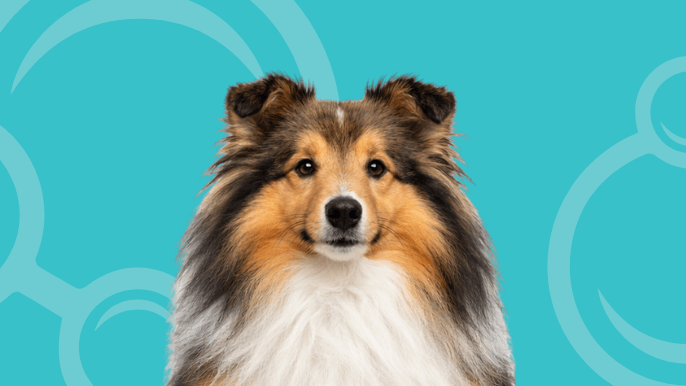
Shetland Sheepdog Temperament and grooming considerations must be understood through the lens of an intelligent herding breed whose stunning coat demands serious grooming commitment. The Shetland Sheepdog, affectionately known as the Sheltie, was developed on the Shetland Islands of Scotland, typically weighing 6 to 12 kg and standing 33 to 41 cm at the shoulder.
Shetland Sheepdog Temperament is defined by exceptional intelligence, eager trainability, gentle sensitivity, and a deep devotion to family. These dogs are often described as the ideal small herding breed, combining the beauty and brains of the Rough Collie in a more manageable size. Shelties are responsive, obedient, and remarkably attuned to their owner's emotions. They excel in obedience, agility, and virtually every structured activity because their desire to work with their handler is genuine and deeply ingrained.
The feathered long double coat is one of the most grooming-intensive coat types in the FurHQ classification system. The dramatic mane, the profuse leg feathering , and the dense undercoat create a coat that is stunning when maintained and disastrous when neglected. Understanding Shetland Sheepdog Temperament means preparing for a sensitive, intelligent companion whose coat care is a serious commitment.

If you want one of the most intelligent, trainable, beautiful small dogs available, understanding Shetland Sheepdog Temperament is where you start. This breed delivers exceptional companionship in a manageable size with a coat that turns heads everywhere you go.
Now let's talk grooming, honestly.
Shetland Sheepdog Temperament makes them cooperative grooming partners who generally accept handling well. The sensitivity that defines the breed means gentle, positive grooming experiences build lifelong acceptance. But the coat itself is genuinely demanding.
The feathered long double coat requires serious care:
- Brushing with the Long-Pinned Slicker Brush two to three times per week
- Pawfect Finish Coat Spray before every session
- Verification with the Undercoat Depth Comb after every session
- Long Coat Carding Rake once every two weeks, alternating weeks with the Deshedding Comb
- Professional grooming every six to eight weeks
- Attention to the mane, chest, leg feathering, and behind-the-ear areas
Blow-out season is where the real coat work lives. Stay ahead of undercoat release early, and the rest of the year stays easy.
This breed is NOT for you if:
- You want a low-maintenance coat on a small dog
- You cannot commit to two to three thorough brushing sessions per week minimum
- You are sensitive to barking because Shelties are vocal communicators
- You want a calm, quiet companion with minimal activity needs
- You cannot handle the undercoat blow-out that occurs twice yearly
Because Shetland Sheepdog Temperament includes:
- A feathered long double coat that mats rapidly when sessions are skipped
- A dense undercoat that sheds heavily twice per year requiring intensive management
- A vocal nature inherited from herding work that includes alert barking and excitement barking
- Sensitivity that requires gentle handling during grooming and training
- Herding instinct that may include nipping at heels and chasing moving objects
This breed IS for you if:
- You want an intelligent, trainable companion in a manageable size
- You appreciate a stunning coat and enjoy grooming as a bonding activity
- You want a dog that excels in obedience, agility, and structured activities
- You value sensitivity and emotional responsiveness in a companion
- You are committed to the grooming schedule that maintains the breed's beauty
Shetland Sheepdog Temperament rewards dedicated owners with one of the most beautiful, intelligent, and responsive companions available in a small to medium package.
Keep reading.
Breed Handling Profile
| Trait | Level | Notes |
|---|---|---|
| Emotional sensitivity | Very High | Extremely attuned to owner emotions, tone of voice, and body language. Gentle handling essential. |
| Handling tolerance | High | Cooperative when properly handled. Sensitivity means rough or impatient grooming creates lasting anxiety. |
| Grooming commitment | High | Feathered long double coat requires consistent, thorough maintenance. Sessions take 30 to 45 minutes. |
| Exercise needs | Moderate to High | Needs 45 to 60 minutes of daily exercise plus mental stimulation. Thrives on structured activities. |
| Alone time tolerance | Low to Moderate | Bonds deeply and prefers company. Can develop anxiety when left alone for extended periods. |
| Best fit household | Active families, couples, individuals wanting a trainable companion | Homes willing to invest in grooming and mental stimulation. |
Breed Purpose and Why It Matters
The Shetland Sheepdog was developed on the Shetland Islands of Scotland as a small herding and farm dog. Working in harsh, windy conditions with limited resources, the Sheltie evolved as a smaller, hardier version of the working Collie, herding sheep, guarding the croft, and alerting to intruders. The breed's intelligence, responsiveness, and vocal nature all served practical purposes on the isolated island farms.
This heritage shapes Shetland Sheepdog Temperament profoundly. The breed's extraordinary trainability comes from generations of working closely with handlers in demanding conditions. The sensitivity comes from reading livestock and handler cues. The barking comes from alerting to predators and intruders. The herding instinct comes from the breed's core purpose.
The feathered long double coat is a survival adaptation. The harsh outer coat sheds rain and wind while the dense undercoat provides insulation against the brutal Shetland Island weather. This functional coat is now primarily aesthetic in companion dogs, but it retains the density, feathering, and shedding patterns of its working ancestors.
FurHQ Coat Type Breakdown
FurHQ Coat Division 🐕
Primary FurHQ Coat Type: Feathered Long Double Coat
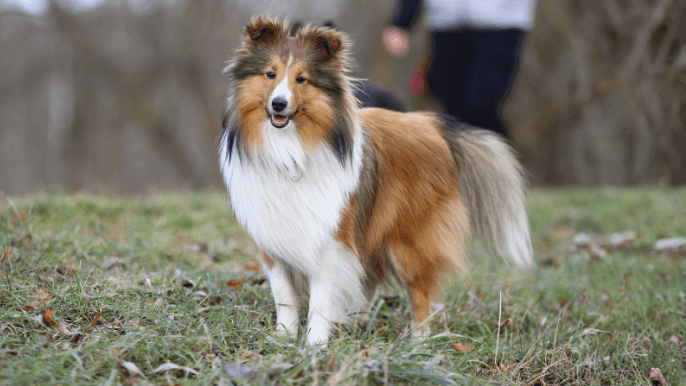
The Shetland Sheepdog has a dramatic double coat with a long, harsh outer coat and a dense, soft undercoat. The coat features a profuse mane and frill around the chest, abundant feathering on the legs, and a full tail. Males typically carry more coat than females. This places the Sheltie firmly in the Feathered Long Double Coat category within the FurHQ classification system.
FurHQ Coat Types are a FurHQ-designed system created to help owners identify the correct tools, products, techniques, and education based on how a dog's coat actually behaves.
The recommended kit is the FurHQ Starter Grooming Kit: Feathered Long Double Coat.
Not Sure About Your Dog's Coat Type?
Use the FurHQ AI Coat Identifier. Upload a photo and get accurate coat identification and the right kit recommendation.
Puppy Coat to Adult Coat Transition
Shetland Sheepdog puppies have a softer, fluffier coat that transitions to the full adult double coat between approximately 8 and 18 months. The adult coat develops gradually, with the mane, feathering, and full undercoat filling in over the first two years.
What you will see. The puppy coat becomes denser and longer. The undercoat thickens significantly. The mane and chest frill develop. Leg feathering becomes more profuse. Matting potential increases dramatically as the coat fills in.
High risk areas. Behind the ears, in the mane, under the chest, armpits, groin, and on the leg feathering.
What it means for grooming. Increase brushing frequency as the adult coat develops. The Long-Pinned Slicker Brushand Pawfect Finish Coat Spray are essential from puppyhood. Introduce the Undercoat Depth Comb gradually as the undercoat thickens. Shetland Sheepdog Temperament is cooperative during grooming when positive associations are built early. The FurHQ 5-Step Method provides structure for building habits that make lifelong coat maintenance successful.
The FurHQ 5-Step Grooming Method: Technical Reality
The FurHQ 5-Step Method (Audit, Prep, Bath, Dry, Finish) applies to this coat type with emphasis on managing the dense undercoat while protecting the longer guard coat and feathering from damage.
Learn the Method. Follow the Protocol. Complete the Mission.
Setup and Stability
Secure the dog using the Stay Put System (suction cup anchor + safety lead). For anxious dogs, the Hush Pup Wrap provides calming compression. Feathered long double coats require the most thorough grooming sessions of all coat types, so patience and a calm environment are essential.
Tools and Technique
Audit: Begin every session by running your hands over the entire body, parting the coat to check for mats at the skin level. Focus on behind the ears, armpits, groin, chest ruff, hindquarter feathering, and any areas where friction occurs. The long coat hides mats effectively, so hands-on assessment is non-negotiable.
Prep: Mist with Pawfect Finish Coat Spray before any tool touches the coat. Use the Long-Pinned Slicker Brush to line brush section by section, working from the skin outward through both the undercoat and the longer guard coat. Verify every section with the Undercoat Depth Comb. If the comb catches, go back to the slicker. Use the Deshedding Comb for undercoat removal on alternating weeks. Use the Long Coat Carding Rake once every two weeks for dead undercoat, alternating weeks with the Deshedding Comb.
Bath: Use Rubber Curry during bathing for skin stimulation and to work shampoo through the dense coat. Full saturation to the skin is critical and takes time on a coat this dense. Rinse thoroughly, working water through the full length.
Dry: Towel dry without rubbing. Use a dryer with a brush-through, lifting and separating the coat as it dries. Apply Pawfect Finish Coat Spray pre-dry for protection. Significant undercoat blows out during this step. The coat should be dried thoroughly to the skin, and the feathering should be straightened during drying.
Finish: Final comb-through with the Undercoat Depth Comb to verify the coat is free of tangles, dry to the skin, and the feathering is smooth and draping naturally. Assess overall coat condition.
Blow-out season is where the real coat work lives. Stay ahead of undercoat release early, and the rest of the year stays easy.
Chemistry and Coat Care
Deep Clean Delight Shampoo provides a deep cleanse that penetrates the dense double coat to the skin. Coat-Quench Conditioner provides slip, moisture, and tangle prevention for the longer guard coat and feathering, supporting easier brushing and reducing breakage.
The Coat Release Method (Condensed)
Feathered long double coats carry dense undercoat that releases seasonally in significant volume. During the Bath step, after full saturation and shampoo application, use controlled airflow in the tub while the coat is still lathered. The lubrication allows dead undercoat to release safely without friction or skin trauma. Rinse, then apply a second shampoo with the Rubber Curry to complete the release. This keeps dead coat contained in the tub rather than spread across your home. For the full step-by-step process, see The Coat Release Method for Dogs with Undercoat in Related Reading.
The Coat Release Method
Feathered long double coat dogs are one of the coat types that benefit from the Coat Release Method . This system works with the natural shedding cycle rather than fighting against it. The method uses strategic bathing with the Rubber Curry during the bath phase to release dead undercoat that is ready to come out. The combination of warm water, shampoo, and mechanical agitation loosens undercoat more effectively than dry brushing alone. During blow-out season, the Coat Release Method dramatically reduces the volume of loose hair and shortens the duration of heavy shedding.
FurHQ Starter Grooming Kit Breakdown
The FurHQ Starter Grooming Kit: Feathered Long Double Coat contains 11 items:
Coat-Specific Items (6):
- Deep Clean Delight Shampoo: Thorough cleaning for feathered long double coats
- Coat-Quench Conditioner: Skin hydration and undercoat conditioning
- Long-Pinned Slicker Brush: Penetrates the feathered long coat to reach skin level
- Undercoat Depth Comb: Undercoat release verification and density checks
- Deshedding Comb: Targeted undercoat removal on alternating weeks
- Long Coat Carding Rake: Dead undercoat removal through feathered long layers
Standard Items (5, included in every kit):
- Stay Put System (suction cup anchor + safety lead)
- Hush Pup Wrap
- Rubber Curry (for bathing and dry brushing/skin stimulation)
- Ear Wipes
- Pawfect Finish Coat Spray
 Shetland Sheepdog Temperament: Superpowers and Kryptonite
Superpowers 🦸
🌟 Exceptional intelligence: Shetland Sheepdog Temperament includes one of the highest canine intelligence rankings. They learn quickly, retain reliably, and solve problems with impressive creativity. Training is a joy because they genuinely want to understand what you are asking.
🌟 Eager trainability: Shetland Sheepdog Temperament is built for working with a handler. The combination of intelligence and desire to please creates a dog that excels in obedience, agility, rally, and virtually every structured activity. They are consistent high performers in competitive settings.
🌟 Manageable size with big-dog personality: At 6 to 12 kg, the Sheltie delivers herding breed intelligence, beauty, and athleticism in a package that fits most living situations. They are substantial enough for outdoor activities but compact enough for apartment living with adequate exercise.
🌟 Stunning beauty: The feathered long double coat in sable, tri-colour, blue merle, or bi-black is genuinely striking when properly maintained. A well-groomed Sheltie commands attention and admiration. The coat rewards the grooming investment.
🌟 Emotional attunement: Shetland Sheepdog Temperament is remarkably responsive to human emotions. They sense mood changes, offer comfort during difficult times, and celebrate joyful moments. This sensitivity makes them exceptional therapy dogs and emotional companions.
🌟 Gentle family nature: Shetland Sheepdog Temperament is gentle with children when properly socialised, good with other dogs, and generally adaptable to multi-pet households. Their herding nature means they watch over family members with quiet attention.
Kryptonite ⚠️
⚠️ Grooming demands are real: The feathered long double coat requires consistent, thorough maintenance. Two to three sessions per week of 30 to 45 minutes are the minimum. Skipping sessions leads to matting that can require professional intervention. This is not a coat for casual groomers.
⚠️ Vocal communication: Shetland Sheepdog Temperament includes barking as a primary communication tool. Alert barking, excitement barking, demand barking, and herding barking are all part of the package. This is manageable with training but never fully eliminated. Apartment living requires dedicated bark management.
⚠️ Sensitivity requires gentle handling: Shetland Sheepdog Temperament is highly sensitive to harsh tones, rough handling, and negative experiences. A single frightening grooming session can create lasting anxiety. Patience and gentleness are essential in every interaction.
⚠️ Undercoat blow-out is intense: Twice yearly, the Sheltie's dense undercoat releases in dramatic volume. During blow-out season, daily grooming becomes necessary. The amount of hair that comes out of a small dog is genuinely surprising. The Coat Release Method helps manage the volume.
⚠️ Herding instinct persists: Shetland Sheepdog Temperament may include nipping at heels, chasing moving objects, and attempting to herd children, other pets, and even adults. This behaviour requires redirection through training and appropriate outlets.
⚠️ Shyness without socialisation: Shetland Sheepdog Temperament can lean toward shyness and nervousness without early, positive socialisation. The breed's natural reserve must be balanced with exposure to diverse people, environments, and experiences to produce a confident adult.
FurHQ's Lifestyle Lens and Pro Insights
The Coat Investment
Shetland Sheepdog Temperament on the grooming table is one of the most rewarding experiences available. They are cooperative, sensitive to praise, and genuinely seem to enjoy the attention when sessions are positive. But the coat demands respect. The mane alone can take 10 minutes to work through properly. Behind the ears mats within days of a missed session. The leg feathering catches debris and tangles. Every section needs the slicker, the spray, and the comb test. There are no shortcuts.
The Barking Reality
Every Sheltie owner needs to have this conversation. The barking is part of the breed. Shetland Sheepdog Temperament uses vocalisation the way other breeds use body language. A "quiet" command and redirection can be trained, but expecting a silent Sheltie is expecting the breed to be something it is not. If barking is a deal-breaker, this is not the right breed.
The Blow-Out Strategy
During blow-out season, switch to daily 15-minute sessions. Use the Long Coat Carding Rake and Deshedding Comb strategically. A bath using the Coat Release Method at the start of blow-out season releases the bulk of the dying undercoat in one session. Then daily maintenance manages what remains.
The Training Advantage
Shetland Sheepdog Temperament makes grooming training easy. Use treats, praise, and short positive sessions to build acceptance. The breed's intelligence means they learn grooming routines quickly and remember them. A Sheltie that learns to enjoy grooming at six months will be a cooperative partner for life.
Work the mane first. It is the densest section and the most prone to hidden mats. Spray, slicker, comb test. Then move to behind the ears. Then the leg feathering. Then the body. Build a consistent order and follow it every session. Shetland Sheepdog Temperament thrives on routine.
Health and Lifespan: The FurHQ Touch Test
Shetland Sheepdogs typically live 12 to 14 years. Regular grooming provides health monitoring through the FurHQ Touch Test.
What to monitor: Collie eye anomaly (inherited eye condition requiring screening). Progressive retinal atrophy. Hip dysplasia (less common than in larger breeds but present). Von Willebrand disease (bleeding disorder). Thyroid conditions affecting coat quality and energy. Dermatomyositis (inflammatory skin condition). MDR1 gene sensitivity (medication sensitivity common in herding breeds, critical for veterinary awareness).
Shetland Sheepdog Temperament during health checks is cooperative and patient. The grooming sessions provide regular opportunities to feel for lumps, monitor skin health beneath the dense coat, and catch changes early.
Related Breed Comparisons
- Rough Collie Temperament and Grooming Considerations: The larger breed the Sheltie resembles. Same coat type with a calmer, less vocal temperament.
- Australian Shepherd Temperament and Grooming Considerations: Similar intelligence and herding drive with a different coat structure. Higher energy.
- Border Collie Temperament and Grooming Considerations: Similar intelligence with more intense energy and drive. Different coat maintenance.
- Cavalier King Charles Spaniel Temperament and Grooming Considerations: Similar size with gentler, calmer temperament. Different coat type.
Not Sure Which Breed Is Right for You?
Use the FurHQ Breed Selector to compare breeds based on your lifestyle, grooming commitment, and activity level.
Related Reading
Feathered Long Double Coat Grooming:
- Feathered Long Double Coat Dogs: Complete Care Guide
- How to Line Brush Your Dog
Safety and Comfort:
Coat Type Education:
The Bottom Line
Shetland Sheepdog Temperament delivers exceptional intelligence, eager trainability, and gentle sensitivity in a beautiful package with a coat that demands serious commitment. This is a breed for owners who appreciate the grooming as part of the bonding experience and who can provide the mental stimulation and exercise that a herding breed intelligence requires.
Start with the FurHQ Starter Grooming Kit: Feathered Long Double Coat and build your grooming confidence from day one.
You got this. And we've got you. 🐾
Variation Clarity Statement
Every dog is an individual. Coat density, shedding patterns, skin sensitivity, and tolerance levels vary. When in doubt, consult a Certified Professional Groomer. Use the FurHQ AI Coat Identifier for accurate coat identification.
FAQs
What is a Shetland Sheepdog's coat type?
The Shetland Sheepdog has a Feathered Long Double Coat within the FurHQ classification system. The FurHQ Starter Grooming Kit: Feathered Long Double Coat contains the correct tools including 11 items.
How often should I groom my Sheltie?
Brush two to three times per week with the Long-Pinned Slicker Brush and verify with the Undercoat Depth Comb. Use the Long Coat Carding Rake every two weeks, alternating with the Deshedding Comb. Always use Pawfect Finish Coat Spray. Sessions take 30 to 45 minutes.
Do Shelties shed a lot?
Yes. The dense undercoat sheds moderately year-round with heavy blow-outs twice yearly. Regular grooming manages the shedding. During blow-out season, daily sessions and the Coat Release Method manage the volume.
Do Shelties bark a lot?
Shetland Sheepdog Temperament includes vocalisation as a primary communication tool. Barking is part of the breed's herding heritage and cannot be fully eliminated. Training a "quiet" command and providing adequate exercise and mental stimulation help manage the barking.
Is Shetland Sheepdog Temperament good with children?
Shetland Sheepdog Temperament is generally gentle with children when properly socialised. The herding instinct may include nipping at heels of running children, which requires training to redirect. The breed's sensitivity means gentle, respectful interactions from children are important.
How do I manage blow-out season?
Switch to daily 15-minute sessions. Use the Long Coat Carding Rake and Deshedding Comb. A bath using the Coat Release Method at the start of blow-out season releases the bulk of dying undercoat. Blow-out season is where the real coat work lives. Stay ahead of undercoat release early, and the rest of the year stays easy.
Are Shelties easy to train?
Shetland Sheepdog Temperament is among the easiest to train. Their intelligence and desire to please create a highly responsive partner. Positive reinforcement methods are essential because the breed's sensitivity makes harsh correction counterproductive.
What shampoo should I use on my Sheltie?
Deep Clean Delight Shampoo cleans through the dense double coat. Always brush and verify with the comb before bathing. Follow with Coat-Quench Conditioner focusing on feathered areas for slip.
What is the MDR1 gene?
MDR1 is a genetic mutation common in herding breeds including Shelties that causes sensitivity to certain medications. Affected dogs can have severe adverse reactions to common drugs. Testing is available and recommended. Inform your veterinarian that your Sheltie may carry this gene.
Can Shelties live in apartments?
Shetland Sheepdog Temperament can adapt to apartment living with adequate exercise and mental stimulation. The primary concern is barking, which requires dedicated management in shared living spaces. Daily exercise of 45 to 60 minutes plus training activities keeps them content.
Should I shave my Sheltie in summer?
Never shave a double-coated breed. The double coat provides insulation from both heat and cold. Shaving removes this protection and can damage the coat permanently, causing irregular regrowth. Maintain regular grooming to keep the coat healthy and functional.
What is the FurHQ 5-Step Grooming Method?
The FurHQ 5-Step Grooming Method is Audit, Prep, Bath, Dry, Finish. It structures every grooming session so nothing gets missed. Learn the Method. Follow the Protocol. Complete the Mission.