
Belgian Groenendael Temperament and Grooming Considerations
Table of Contents
- Introduction: The Black Jewel of Belgium
- Breed Handling Profile
- Breed Purpose and Why It Matters for Belgian Groenendael Temperament
- FurHQ Coat Type Breakdown
- Not Sure About Your Dog's Coat Type?
- Puppy Coat to Adult Coat Transition
- The FurHQ 5-Step Grooming Method: Technical Reality
- FurHQ Starter Grooming Kit Breakdown
- Belgian Groenendael Temperament: Superpowers and Kryptonite
- Health and Lifespan: The FurHQ Touch Test
- Related Breed Comparisons
- Related Reading
- The Bottom Line
- Variation Clarity Statement
- FAQs
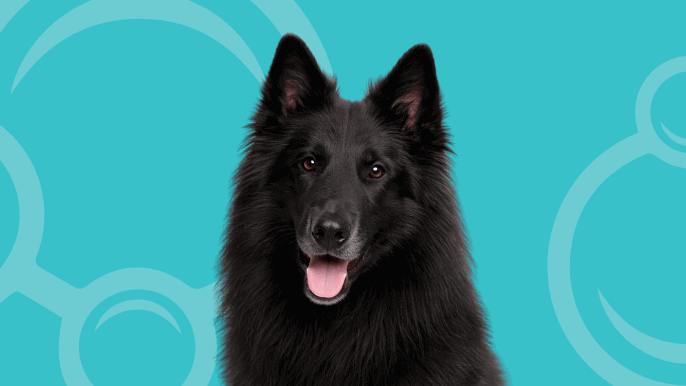
Belgian Groenendael Temperament is what happens when intense herding intelligence, unwavering handler devotion, and striking beauty combine in a flowing black coat.
The Groenendael is one of four Belgian Shepherd varieties, distinguished by its long, luxurious black coat. Named after the village of Groenendael near Brussels, the breed was developed by breeder Nicolas Rose in the late 1800s as both a herding dog and a versatile working companion. In North America, this variety is often simply called the Belgian Sheepdog.
Understanding Belgian Groenendael Temperament means understanding a breed that combines the intensity of a working herding dog with the elegance of a show dog.
At 45 to 75 pounds, the Groenendael is a medium to large dog with a proud, alert bearing and a flowing black coat that drapes with natural grace. These dogs are intelligent, sensitive, and deeply bonded to their handler, approaching work with focused intensity and family with devoted affection.
Belgian Groenendael Temperament and coat care connect because the stunning black feathered long double coat requires significant maintenance. The long guard hairs, dense undercoat , and abundant feathering on legs, chest, and tail create a coat that mats when neglected and sheds heavily during seasonal blows. The beauty demands commitment.

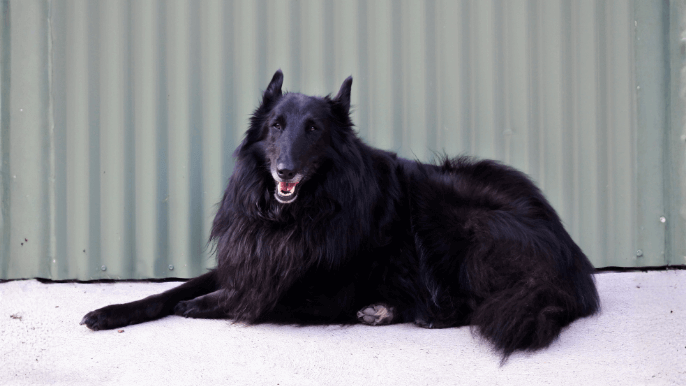
This is Mondo, and the Belgian Groenendael is the breed that proves elegance and intensity can coexist in perfect black harmony.
Belgian Groenendael Temperament is sensitive, brilliant, and deeply devoted. These dogs read their handler with an awareness that borders on uncanny. A change in your mood, posture, or tone registers immediately and influences their behaviour.
This sensitivity makes them extraordinarily responsive in training but also means harsh methods cause lasting damage to the working relationship.
Now let's talk grooming . Honestly.
The feathered long double coat is beautiful and demanding. The flowing black coat mats behind the ears, in the leg feathering, around the collar area, and at the base of the tail. Brushing two to three times weekly is the baseline.
During seasonal blows, daily sessions are necessary. The abundant feathering requires extra attention with the comb. The black coat shows every speck of dust and debris but also hides mats until they are significant.
Belgian Groenendael Temperament generally cooperates with grooming because the handler-focused nature views it as valuable one-on-one time.
This breed is NOT for you if:
- You cannot provide 60 to 90 minutes of daily exercise and mental work
- You want a calm, low-energy companion that relaxes most of the day
- You are not prepared for significant coat maintenance and seasonal blows
- You use harsh training methods or lack patience with sensitive breeds
- You want a dog that is friendly and outgoing with all strangers
Because Belgian Groenendael Temperament includes:
- Intense sensitivity that amplifies both positive and negative handling
- High energy and drive requiring daily physical and mental outlets
- A feathered long double coat that mats and sheds significantly
- Reserve with strangers that requires proper socialisation
- Potential for anxiety when under-stimulated or handled harshly
This breed IS for you if:
- You want a deeply bonded, responsive working partner
- You enjoy training, dog sports, or structured activities with your dog
- You appreciate a strikingly beautiful breed and can maintain the coat
- You use positive, patient training methods that respect sensitivity
- You want a versatile dog that excels at multiple disciplines
Belgian Groenendael Temperament rewards gentle, active, dedicated owners with a partnership of extraordinary depth, responsiveness, and mutual devotion.
Respect the sensitivity. Exercise mind and body daily. Maintain the flowing black coat.
When you earn a Groenendael's trust through gentle consistency, you gain a partner whose devotion and responsiveness are unmatched.
Breed Handling Profile
| Trait | Level | Notes |
|---|---|---|
| Emotional sensitivity | Very High | Reads handler with uncanny awareness. Sensitive to correction. |
| Handling tolerance | High (trust-based) | Cooperative with trusted handlers. Responds poorly to rough handling. |
| Grooming commitment | High | Feathered long double coat. Heavy seasonal blows. Abundant feathering. |
| Exercise needs | Very High | Minimum 60-90 minutes daily vigorous exercise plus mental stimulation. |
| Alone time tolerance | Low | Handler-bonded. Develops anxiety when routinely isolated. |
| Best fit household | Active, experienced owners who use positive methods. Dog sport enthusiasts. |
Breed Purpose and Why It Matters for Belgian Groenendael Temperament
The Belgian Groenendael was developed as a versatile herding and working dog in Belgium. The breed herded livestock, guarded property, and later served in police work, military roles, and search and rescue.
The Groenendael needed intelligence to manage livestock, sensitivity to read subtle handler cues across distance, courage for protection work, and endurance for all-day herding.
This heritage shapes every aspect of Belgian Groenendael Temperament. The handler sensitivity comes from reading subtle directional cues during herding.
The intelligence comes from managing unpredictable livestock.
The reserve with strangers reflects a dog that distinguished between family and outsiders. The high energy comes from working dawn to dusk. The long double coat provided protection against Belgian weather.
FurHQ Coat Type Breakdown
The Belgian Groenendael carries a Feathered Long Double Coat. Within the FurHQ seven-coat system, this coat type features long guard hairs over a dense undercoat, with abundant feathering on the legs, chest, belly, and tail. The coat is solid black and naturally elegant.
The Long-Pinned Slicker Brush works through the long coat to the skin. The Undercoat Depth Comb verifies brushing and manages the dense undercoat. The Deshedding Comb removes loose undercoat during routine weeks. The Long Coat Carding Rake removes bulk undercoat during seasonal blows. Card once every two weeks, alternating weeks with the Deshedding Comb.
The recommended kit is the FurHQ Starter Grooming Kit: Feathered Long Double Coat.
Not Sure About Your Dog's Coat Type?
Not every dog fits neatly into one coat category, and that is completely normal. Most Belgian Groenendaels have the characteristic feathered long double coat, though coat density and feathering can vary between individuals and lines.
Use the FurHQ AI Coat Identifier to find out your dog's coat type and get matched to the right FurHQ Starter Grooming Kit. Simply upload a photo, and the tool provides a personalised kit recommendation based on your dog's actual coat.
Puppy Coat to Adult Coat Transition
Belgian Groenendael puppies are born with a shorter, softer coat that begins transitioning to the full adult feathered coat between 8 and 18 months. The feathering develops gradually on the legs, chest, belly, and tail.
The undercoat thickens significantly during the first winter, and the first seasonal coat blow can be dramatic.
Begin regular brushing during the transition to manage the increasing length and density. Belgian Groenendael Temperament during puppyhood is exceptionally receptive and eager to bond, making this the ideal window for positive grooming experiences.
The FurHQ 5-Step Method provides essential structure. Use gentle, positive handling throughout and pair grooming with calm praise.
The FurHQ 5-Step Grooming Method: Technical Reality
The FurHQ 5-Step Method (Audit, Prep, Bath, Dry, Finish) applies to this coat type with emphasis on managing the dense undercoat while protecting the longer guard coat and feathering from damage.
Learn the Method. Follow the Protocol. Complete the Mission.
Setup and Stability
Secure the dog using the Stay Put System (suction cup anchor + safety lead). For anxious dogs, the Zen Wrap provides calming compression. Feathered long double coats require the most thorough grooming sessions of all coat types, so patience and a calm environment are essential.
Tools and Technique
Audit: Begin every session with a full hands-on health check. Run your hands over the entire body feeling for lumps, bumps, and skin changes. Check nail condition and length. For breeds prone to dental issues, check the teeth and gums.
Check inside the ears for redness, odour, or buildup. Then assess coat condition, parting the coat to check for mats at the skin level. Focus on behind the ears, armpits, groin, chest ruff, hindquarter feathering, and any areas where friction occurs. The long coat hides mats effectively, so hands-on assessment is non-negotiable.
Prep: Brush through the coat to remove loose coat and tangles before the bath. Mist with Pawfect Finish Coat Spray before any tool touches the coat. Use the Long-Pinned Slicker Brush to work through any areas of resistance identified during the Audit, particularly the feathering.
Bath: Use Rubber Curry during bathing for skin stimulation and to work shampoo through the dense coat. Full saturation to the skin is critical and takes time on a coat this dense. Rinse thoroughly, working water through the full length.
Dry: Towel dry without rubbing. Use a dryer with a brush-through, lifting and separating the coat as it dries. Significant undercoat blows out during this step. The coat should be dried thoroughly to the skin, and the feathering should be straightened during drying.
Finish: This is where the detailed tool work happens. Use the Long-Pinned Slicker Brush to work through the entire coat section by section. Apply Pawfect Finish Coat Spray for slip and protection. Use the Deshedding Comb for undercoat removal on alternating weeks.
Use the Long Coat Carding Rake once every two weeks for dead undercoat, alternating weeks with the Deshedding Comb. Verify with the Undercoat Depth Comb to confirm the coat is free of tangles, dry to the skin, and the feathering is smooth and draping naturally. Assess overall coat condition.
Blow-out season is where the real coat work lives. Stay ahead of undercoat release early, and the rest of the year stays easy.
Chemistry and Coat Care
Deep Clean Delight Shampoo provides a deep cleanse that penetrates the dense double coat to the skin. Coat-Quench Conditioner provides slip, moisture, and tangle prevention for the longer guard coat and feathering, supporting easier brushing and reducing breakage. Pawfect Finish Coat Spray is a natural formulation that protects, nourishes, and conditions the hair, leaving it soft, shiny.
On feathered long double coats, it serves as a brushing spray that makes dry or wet combing a breeze, an anti-static spray that controls frizz and flyaway hair in the feathering, and a leave-in conditioner that facilitates detangling. It also repels dirt, decreases drying times, and keeps the coat fresh between full grooming sessions.
The Coat Release Method (Condensed)
The Coat Release Method is an 8-step process built into the Bath phase that removes trapped undercoat while the coat is lubricated, keeping dead coat contained in the tub rather than spread across your home.
Steps 1 to 3 — Saturation, Shampoo, and Release: Thoroughly wet the coat to the skin. Apply coat-matched shampoo, focusing on skin contact rather than surface foam. With shampoo still in the coat, use controlled airflow in the tub, working section by section. The lubrication allows dead undercoat to release safely without friction or skin trauma. This airflow phase is the core of the Coat Release Method.
Step 4 — Rinse: Rinse thoroughly to flush out all released coat, shampoo, and debris before continuing.
Steps 5 and 6 — Second Shampoo and Rinse: Apply shampoo again with controlled mechanical assist. Use the Rubber Curry as the default tool to move shampoo to the skin and encourage final release. If dense coat remains and additional help is needed, a slicker brush with feather-light pressure and short, controlled strokes can be used. If skin begins to pink, stop immediately. Rinse completely until the coat is clean and residue-free.
Steps 7 and 8 — Condition and Final Rinse: Condition the coat with placement adjusted by coat type. Release without restore equals damage. Rinse thoroughly until the coat feels clean and balanced, not slick.
For the full step-by-step process, see The Coat Release Method for Dogs with Undercoat in Related Reading.
FurHQ Starter Grooming Kit Breakdown
The FurHQ Starter Grooming Kit: Feathered Long Double Coat contains 11 items:
Coat-Specific Items (6):
- Deep Clean Delight Shampoo: Thorough long coat cleaning
- Coat-Quench Conditioner: Slip, moisture, and feathering support
- Long-Pinned Slicker Brush: Working through long coat to the skin
- Undercoat Depth Comb: Skin-level verification and undercoat management
- Deshedding Comb: Routine undercoat maintenance on alternating weeks
- Long Coat Carding Rake: Bulk undercoat removal during seasonal blows
Standard Items (5, included in every kit):
- Stay Put System (suction cup anchor + safety lead + training tips)
- Zen Wrap
- Rubber Curry (for bathing and dry brushing/skin stimulation)
- Ear Wipes
- Pawfect Finish Coat Spray
 Belgian Groenendael Temperament: Superpowers and Kryptonite
Superpowers
⭐ Extraordinary handler bond: Belgian Groenendael Temperament creates one of the deepest handler connections in the dog world.
⭐ Brilliant intelligence: Quick learner that excels at complex tasks and multiple disciplines.
⭐ Striking beauty: The flowing black coat is one of the most elegant in the dog world.
⭐ Versatile worker: Excels at herding, obedience, agility, tracking, and protection work.
⭐ Athletic grace: Powerful and agile with natural elegance in movement.
⭐ Loyal devotion: Belgian Groenendael Temperament offers a depth of commitment that is profound.
Kryptonite
⚠️ Extreme sensitivity: Amplifies both positive and negative handling. Harsh methods cause lasting damage.
⚠️ High energy demands: Requires daily vigorous exercise and mental stimulation without exception.
⚠️ Coat maintenance: The feathered long double coat demands significant grooming commitment.
⚠️ Stranger reserve: Not naturally outgoing with unfamiliar people. Requires socialisation.
⚠️ Anxiety potential: Under-stimulation, isolation, or harsh handling create anxiety issues.
⚠️ Not for novices: Belgian Groenendael Temperament requires experienced, patient handling.
The black coat hides mats. You cannot see them forming the way you can on a lighter coat.
Health and Lifespan: The FurHQ Touch Test
The Belgian Groenendael typically lives 12 to 14 years. Regular grooming sessions serve as health monitoring opportunities when touch becomes a deliberate part of the process.
Hip and elbow dysplasia can be detected through discomfort during handling. Epilepsy is more common in Belgian Shepherds than many breeds. Eye conditions including progressive retinal atrophy and cataracts require monitoring. Hypothyroidism may present as coat quality changes. Cancer risk increases with age in the breed. Belgian Groenendael Temperament communicates discomfort through subtle behaviour changes, making attentive observation during the Audit step of the FurHQ 5-Step Method essential.
Every grooming session is a conversation with your dog's body. The FurHQ 5-Step Method builds that conversation into your routine.
Related Breed Comparisons
- Belgian Tervuren Temperament: Same breed, different colour. Fawn to mahogany with black overlay. Identical coat type and grooming needs.
- Belgian Malinois Temperament: Same breed family but short double coat. More intense drive and less coat maintenance.
- German Shepherd Temperament: Similar size and working versatility. Less sensitive. Different coat type.
- Belgian Laekenois Temperament: Same breed family but wire coat. Rarest variety.
Related Reading
Feathered Long Double Coat Grooming
Coat Release Method
Bathing and Drying
Tools and Products
Related Breed Blogs
The Bottom Line
Belgian Groenendael Temperament is sensitive brilliance in a flowing black coat. This breed offers one of the deepest handler bonds in the dog world, combined with striking beauty and versatile working ability.
The coat demands significant commitment, and the temperament demands gentle, patient handling, but both investments return a partnership of extraordinary depth and mutual devotion.
The FurHQ Starter Grooming Kit: Feathered Long Double Coat provides every tool needed for proper Groenendael coat care. Belgian Groenendael Temperament turns grooming into a bonding experience when the handler is calm, gentle, and consistent.
Learn the Method. Follow the Protocol. Complete the Mission.
You got this. And we've got you.
Variation Clarity Statement
Every dog is an individual. While this profile describes typical breed characteristics, your specific dog may vary based on genetics, breeding, socialisation, and individual temperament. Coat type can also vary within breeds.
If you are unsure about your dog's coat type, use the FurHQ AI Coat Identifier to get accurate identification and the right kit recommendation.
FAQs
What coat type does a Belgian Groenendael have according to the FurHQ system?
What coat type does my Belgian Groenendael have?
The Belgian Groenendael has a Feathered Long Double Coat in the FurHQ system. The long guard hairs over a dense undercoat with abundant feathering on legs, chest, and tail create a striking and demanding coat. FurHQ classifies all dog coats into seven types: Smooth Single Coat, Short Double Coat, Medium Plush Double Coat, Feathered Long Double Coat, Wire Coat, Curly Wavy Coat, and Drop Coat.
What is Belgian Groenendael Temperament like?
Belgian Groenendael Temperament is sensitive, intelligent, and deeply devoted. They are often considered the most emotionally sensitive of the Belgian shepherd varieties. They bond profoundly with their handler and are highly attuned to human emotions. They are quick learners who thrive with positive, consistent handling.
How often should I brush my Belgian Groenendael?
Two to three times weekly with the Long-Pinned Slicker Brush. Card once every two weeks with the Long Coat Carding Rake. On alternating weeks, use the Deshedding Comb. Verify with the Undercoat Depth Comb. Use Pawfect Finish Coat Spray pre-dry and during dry brushing. During seasonal blows, carding frequency increases as part of the Coat Release Method.
Do Belgian Groenendaels shed a lot?
Yes, Belgian Groenendaels shed substantially. They shed moderately year round and heavily during seasonal coat blow in spring and autumn. During these periods, expect significant undercoat release that requires daily management with the Deshedding Comb and Carding Rake (Long). The black hair is visible on everything.
How big do Belgian Groenendaels get?
Belgian Groenendaels are a medium to large breed. Females typically weigh 45 to 60 pounds (20 to 27 kg), while males commonly range from 55 to 75 pounds (25 to 34 kg). Height ranges from 22 to 26 inches (56 to 66 cm) at the shoulder. They are athletic and elegant without being bulky.
Are Belgian Groenendaels good with children?
Belgian Groenendaels can be excellent with children when properly socialized and when children understand how to interact respectfully with dogs. Belgian Groenendael Temperament includes strong bonding with family members. Their sensitivity means they may not tolerate rough handling, so supervision and teaching children appropriate behaviour is essential.
What coat type do Belgian Groenendaels have?
Belgian Groenendaels have a Feathered Long Double Coat with dense undercoat and longer black outer coat of 3 to 4 inches (7.5 to 10 cm), with distinctive feathering on ears, legs, chest, and tail. The FurHQ Feathered Long Double Coat Kit contains all the tools needed for this coat type.
How do I prevent matting on my Belgian Groenendael?
Prevent matting by brushing two to three times weekly with the Long Pinned Slicker Brush, always using Pawfect Finish Coat Spray to reduce friction and static. Pay special attention to the feathering on ears, legs, chest, and tail, behind the ears, and in the mane area. Complete every session with the comb test using the Coat-Specific Metal Comb. For matting prevention techniques, see How to Remove Mats Safely.
What is the comb test and why does it matter?
The comb test is the verification step after brushing. Run your Coat-Specific Metal Comb through the coat from skin to tip. If the comb glides through without catching, the coat is open and undercoat has been properly removed. If it catches, more brushing is needed. This test ensures grooming is complete to the skin, not just addressing the surface.
How long do Belgian Groenendaels live?
Belgian Groenendaels typically live 12 to 14 years. Regular grooming sessions provide opportunity for the Touch Test to monitor health between veterinary visits. Their working heritage has maintained generally robust health in the breed.
Are Belgian Groenendaels good for first time dog owners?
No, Belgian Groenendaels are not recommended for first time dog owners. Belgian Groenendael Temperament requires experience with sensitive, high drive breeds. The combination of their emotional sensitivity, exercise needs, and grooming requirements makes them suitable for experienced owners who understand and appreciate their unique nature.
What health problems do Belgian Groenendaels have?
Belgian Groenendaels may be prone to hip and elbow dysplasia, epilepsy, progressive retinal atrophy, and some thyroid conditions. Their long coat can hide developing problems, which is why regular hands-on examination during grooming is essential. The Touch Test during grooming allows you to monitor for lumps, swelling, and changes.
Can I let my Belgian Groenendael air dry after a bath?
Air drying is not recommended for Belgian Groenendaels. Their dense, long double coat traps moisture against the skin, which can cause hot spots and skin infections. Proper drying with a high velocity dryer is essential. See How to Dry a Dog After a Bath for complete guidance.
What tools do I need to groom a Belgian Groenendael?
Essential tools include: Long Pinned Slicker Brush, Coat-Appropriate Metal Comb, Deshed Comb, and Long Coat Carding Rake. These are included in the FurHQ Starter Grooming Kit: Feathered Long Double Coat.
What is the difference between Belgian Groenendael and other Belgian shepherds?
All four Belgian shepherd varieties share the same foundation and similar temperaments. The difference is coat type and colour: Groenendaels have long black coats, Tervurens have long fawn to mahogany coats with black overlay, Malinois have short fawn coats with black mask, and Laekenois have wire coats. Groenendaels are often considered the most elegant variety.
Should I shave my Belgian Groenendael in summer?
No. Never shave a Belgian Groenendael's double coat. The coat provides insulation against both cold and heat, and shaving can cause permanent damage. Keep your dog cool with access to shade, water, and air conditioning.
How much exercise does a Belgian Groenendael need?
Belgian Groenendaels need substantial daily exercise, typically 1 to 2 hours of physical activity plus mental stimulation. They excel in dog sports, herding, and various working activities. Inadequate exercise leads to behavioural problems. Belgian Groenendael Temperament requires this outlet for physical and mental energy.
Does FurHQ have products for Belgian Groenendaels?
Yes. The FurHQ Starter Grooming Kit: Feathered Long Double Coat is designed for Feathered Long Double Coat breeds like the Belgian Groenendael. Each kit includes step-by-step video tutorials and informational PDFs. You can also find additional products and add-on kits, including the Nail Kit, in the FurHQ Store.
What tools are in the FurHQ Starter Grooming Kit: Feathered Long Double Coat?
The FurHQ Starter Grooming Kit: Feathered Long Double Coat contains 11 items: Deep Clean Delight Shampoo, Coat-Quench Conditioner, Long-Pinned Slicker Brush, Undercoat Depth Comb, Deshedding Comb, Long Coat Carding Rake, Stay Put System, Hush Pup Wrap, Rubber Curry, Ear Wipes, and Pawfect Finish Coat Spray.
How long do Belgian Groenendaels live?
The Belgian Groenendael typically lives 12 to 14 years. Regular grooming sessions that include the FurHQ 5-Step Method Audit step provide valuable health monitoring, particularly for eye conditions and joint health.
Which FurHQ Starter Grooming Kit is right for my dog?
FurHQ offers seven coat-specific kits to match every coat type: FurHQ Starter Grooming Kit: Smooth Single Coat, FurHQ Starter Grooming Kit: Short Double Coat, FurHQ Starter Grooming Kit: Medium Plush Double Coat, FurHQ Starter Grooming Kit: Feathered Long Double Coat, FurHQ Starter Grooming Kit: Wire Coat, FurHQ Starter Grooming Kit: Curly Wavy Coat, and FurHQ Starter Grooming Kit: Drop Coat. If you are unsure which kit is right for your dog, use the FurHQ AI Coat Identifier to get a personalised recommendation, or visit the FurHQ Store to explore all options.