
Wire Coat Dogs: Complete Home Maintenance Guide
Table of Contents
- Introduction
- The FurHQ 5-Step Grooming Method: Technical Reality
- The Coat Release Method for Wire Coat Dogs
- Understanding Wire Coat Structure
- What Happens When You Clip Wire Coat Dogs
- Wire Coat Conditioner and Coat Spray Protocol
- Wire Coat Breed Examples
- Hand-Stripping: Traditional Technique for Wire Coat Dogs
- Carding: Practical Maintenance for Wire Coat Dogs at Home
- Clipper Maintenance: Convenience vs Coat Quality
- Furnishings Care: Beard, Eyebrows, and Leg Hair
- Skin Health in Wire Coat Dogs
- Common Wire Coat Mistakes
- Choosing Your Approach for Wire Coat Dogs
- Related Reading
- The Bottom Line
- Variation Clarity Statement
- FAQs
 Introduction
Wire coat dogs need specialised grooming techniques that most pet parents have never heard of. Using the wrong methods destroys the coat's protective texture, leaving your dog vulnerable to skin issues and temperature regulation problems.
Breeds like Wire Fox Terriers, Schnauzers, and Airedales developed harsh, weather-resistant coats for specific working purposes. Clipping instead of hand-stripping or carding softens the texture permanently and compromises the coat's natural function.
This guide explains how to maintain wire coat dogs properly, whether you choose traditional hand-stripping, regular carding, or clipper maintenance. Make informed decisions about your dog's grooming based on lifestyle, coat quality, and realistic time commitment.
The FurHQ 5-Step Grooming Method: Technical Reality
Maintaining wire coat dogs follows the FurHQ 5-Step Grooming Method (Audit, Prep, Bath, Dry, Finish) adapted for the unique needs of harsh, textured coats.
"Learn the Method. Follow the Protocol. Complete the Mission."
Audit
Run your hands over the entire dog. Check for lumps, bumps, and any changes in skin condition. Check the ears for signs of infection, smell, or buildup. Look at the nails for overgrowth or splitting. Check teeth and gums for tartar or inflammation.
Then assess the coat. Part the coat and check for dead guard hairs that have loosened at the root. Feel for soft, cottony patches indicating dead hair buildup. Check furnishings (beard, eyebrows, leg hair) for tangles. Use the FurHQ Detail Comb through furnishings to identify any mats forming.
Prep
Wire coat dogs need a quick line brush through furnishings before the bath, focusing on the beard, legs, and eyebrows. Mist Pawfect Finish Coat Spray lightly onto leg furnishings and beard before brushing for slip. Use the Medium-Pinned Slicker Brush through furnishings only.
Never dry brush wire coat dogs without misting first. The body jacket does not need prep brushing, just furnishings where tangles form.
Bath (Every 6 to 8 Weeks)
Use Texture-Tastic Shampoo formulated for harsh, textured coats. Work the shampoo thoroughly through the coat to the skin.
Apply Coat-Quench Conditioner SELECTIVELY to furnishings, friction areas, and undercoat ONLY. Never apply conditioner to the jacket, saddle , or backline. Conditioner softens the harsh wire texture that provides weather resistance and breed-standard appearance. Rinse thoroughly.
Dry
Dry the coat completely. Moisture trapped in the dense coat causes skin issues. High velocity drying blows out significant amounts of loosened undercoat.
Never strip or card a wet coat. The hair must be completely dry before any stripping or carding technique.
Finish
Run the FurHQ Detail Comb through all furnishings to verify they are tangle-free. Run your hands over the body coat checking for remaining dead hair. The coat should feel harsh and tight against the body when properly maintained.
You got this.
The Coat Release Method for Wire Coat Dogs
Wire coat dogs accumulate dead undercoat that does not release naturally. The Coat Release Method helps loosen and remove this trapped coat efficiently.
During the bath phase, full saturation with warm water opens the hair follicle and loosens dead coat at the root. Texture-Tastic Shampoo worked through the coat with thorough lather provides the lubrication needed for dead hair to separate from living coat. Mechanical action during the shampoo phase, using the Rubber Curry to work product through the coat, lifts and loosens undercoat that hand removal alone cannot reach.
After rinsing, the dead coat is primed for removal. HV drying blows out significant amounts of loosened undercoat. Follow immediately with carding using the Short-Medium Coat Carding Rake while the coat is fully dry. The combination of bath loosening and post-bath carding removes more dead coat in one session than weeks of dry carding alone.
For the complete step-by-step process, see The Coat Release Method and Coat Release Method Without an HV Dryer in Related Reading.
Understanding Wire Coat Structure
Wire coat dogs have a unique double-layer system that requires different care than smooth, curly, or drop coats. Understanding this structure is essential for proper grooming.
The two-layer system: The outer coat consists of coarse, dense, wiry guard hairs that repel water and protect against weather, debris, and brambles. Beneath that sits the undercoat, a soft, dense, insulating layer that regulates temperature and provides warmth.
This structure only maintains its protective qualities when groomed correctly. Improper techniques change the coat permanently.
Guard hairs grow to a certain length, die, and loosen at the root but do not shed naturally like other coat types. Dead hairs stay trapped in the follicle, creating a dull, soft texture and blocking new growth.
Removing dead hair through hand-stripping or carding allows fresh, harsh guard hairs to grow in and maintains the coat's intended texture and colour.
What Happens When You Clip Wire Coat Dogs
Clippers cut the hair shaft mid-strand rather than removing it at the root. The cut hair continues growing from the same follicle, but the texture changes permanently.
After one to two clipper cycles, the texture begins softening. After two to three cycles, the coat becomes noticeably soft and cottony. Over multiple clips, colour fading occurs where blacks turn grey and reds become dull. Weather resistance disappears entirely and matting tendency increases.
Clipping wire coat dogs is convenient but irreversibly alters coat quality. Understanding this trade-off helps you make an informed decision about your maintenance approach.
Wire Coat Conditioner and Coat Spray Protocol
This is one of the most misunderstood aspects of grooming wire coat dogs. The harsh texture of the body coat must be preserved, which means product application requires precision.
Coat-Quench Conditioner: Selective Application
Coat-Quench Conditioner is included in the FurHQ Starter Grooming Kit: Wire Coat because wire coat dogs DO need conditioning, but only in specific areas.
Apply conditioner to furnishings (beard, eyebrows, leg hair, chest furnishings), friction areas (behind ears, under collar, between legs), and the undercoat (the soft insulating layer beneath guard hairs).
Never apply conditioner to the jacket (the body coat over the ribs and back), the saddle area, or the backline. Conditioner softens coat texture. On furnishings and undercoat, softness is desirable because it prevents matting and breakage. On the body jacket, softness destroys the harsh wire texture.
Pawfect Finish Coat Spray: Light on Furnishings
Pawfect Finish Coat Spray is used lightly on leg furnishings before every brush session to provide slip and reduce breakage. Do not spray the body jacket. The spray is a maintenance tool for the softer furnishing areas that need detangling support, not for the harsh body coat that should remain dry and textured between baths.
Wire Coat Breed Examples
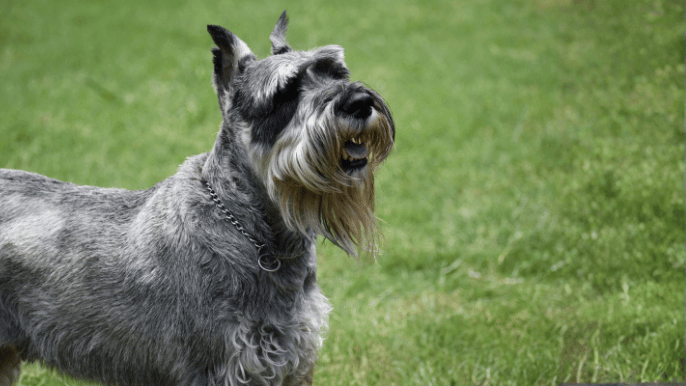
Many breeds have wire coats, each with slightly different grooming needs based on coat density and furnishing weight. Miniature Schnauzers, Standard Schnauzers, and Giant Schnauzers all carry dense, harsh outer coats with heavy furnishings including beard, eyebrows, and leg hair.
Wire Fox Terriers and Welsh Terriers have dense, wiry, broken coats with moderate furnishings. Airedale Terriers carry hard, dense, wiry coats with moderate to heavy furnishings. Border Terriers have harsh, dense, weatherproof coats with minimal furnishings.
Scottish Terriers, West Highland White Terriers, Irish Terriers, and Lakeland Terriers all fall into the wire coat dogs category. Norfolk and Norwich Terriers have hard, wiry, straight coats with minimal furnishings.
Sporting breeds like the Wirehaired Pointing Griffon and German Wirehaired Pointer also carry harsh, flat-lying coats with moderate furnishings including beard and eyebrows. Even the Wirehaired Dachshund has a short, harsh, tight coat with light furnishings.
Use the FurHQ AI Coat Identifier to confirm your dog's coat type if you are unsure.
Hand-Stripping: Traditional Technique for Wire Coat Dogs
Hand-stripping is the traditional method for maintaining true wire coat texture. It involves pulling dead guard hairs out by hand or with a stripping knife, removing hair at the root and encouraging new harsh growth.
Hand-stripping preserves natural coat texture and colour, maintains weather-resistant properties, prevents skin issues caused by trapped dead hair, keeps the coat lying flat and tight to the body, and is required for show dogs in most wire coat breeds.
Full strips take two to four hours depending on coat condition and dog size. The technique requires practice to avoid pain or skin damage and must be done every eight to twelve weeks for maintenance.
Work on a clean, dry coat. Pull small sections of hair in the direction of growth. Hold skin taut with one hand while pulling with the other. Use a stripping knife or stone to grip hair if needed. Work systematically across the body, focusing on one section at a time.
Hand-stripping should not cause pain when done correctly on a coat that is ready. If your dog shows discomfort, the hair may not be ready to release, or technique needs adjustment. Consider professional instruction before attempting at home.
Carding: Practical Maintenance for Wire Coat Dogs at Home
Carding removes loose, dead undercoat and some guard hairs using the Short-Medium Coat Carding Rake, maintaining coat health without the time commitment of full hand-stripping. This is the most practical approach for most pet homes with wire coat dogs.
Hold the Short-Medium Coat Carding Rake at a 45-degree angle to the skin. Use short, smooth strokes in the direction of hair growth. Let the tool catch and remove loose hair without pressing hard.
Work systematically from neck to tail, then legs. Focus on areas where undercoat builds up: neck, shoulders, and hindquarters. Follow with the Medium-Pinned Slicker Brush to remove loosened hair. Finish with the FurHQ Detail Comb to check for remaining dead coat.
Maximum carding frequency for wire coat dogs is once per week to prevent over-removal. Carding does not fully preserve wire texture like hand-stripping, but it is significantly better than clipping and realistic for most pet parents.
The FurHQ Starter Grooming Kit: Wire Coat includes the appropriate tools and guidance for effective carding at home.
Clipper Maintenance: Convenience vs Coat Quality
Many wire coat dogs are maintained with clippers for convenience, especially in pet homes where preserving show-quality texture is not a priority.
Clipping makes sense for senior dogs who find stripping uncomfortable, dogs with skin sensitivities that make stripping painful, pet parents without time for regular hand-stripping, mixed-breed dogs where coat texture is not breed-standard, and situations with budget constraints.
Long-term effects include permanent texture change after two to three clipper cycles, colour fading, loss of weather resistance, and increased matting tendency.
If you choose to clip wire coat dogs, commit to regular carding between haircuts to maintain some coat health and reduce matting as the texture softens. This hybrid approach provides convenience while minimising negative effects.
Furnishings Care: Beard, Eyebrows, and Leg Hair
Many wire coat dogs have furnishings, the longer, softer hair on legs, beard, chest, and eyebrows, that require different care than the body coat.
Wipe the beard after meals, comb daily with the FurHQ Detail Comb to prevent mats, and wash weekly. Comb eyebrows to keep hair out of eyes and trim carefully if obstructing vision. Brush leg furnishings with the Medium-Pinned Slicker Brush and comb daily, checking for mats between toes.
Bearded wire coat dogs are prone to facial staining from food, water, and saliva. Wipe the beard after every meal with a damp cloth. Use a raised water bowl to keep the beard drier. Wash the beard weekly with gentle cleanser and keep it trimmed to a manageable length.
For more on tear and facial staining prevention, see Dog Tear Stains: Causes, Cleaning, and Prevention.
Skin Health in Wire Coat Dogs
Wire coat dogs are prone to specific skin issues, especially when grooming is inadequate or improper.
Sebaceous cysts develop from trapped dead hair in follicles. Regular carding or stripping prevents this by keeping follicles clear. Hot spots form from moisture trapped in dense undercoat. Proper undercoat removal and thorough drying prevent this entirely.
Folliculitis occurs when hair follicles become infected due to improper stripping technique. Correct technique and clean tools prevent infection. Dry, flaky skin results from over-bathing or harsh products. Bathing wire coat dogs every six to eight weeks with Texture-Tastic Shampoo prevents this.
Regular carding or stripping prevents most skin issues by keeping follicles clear and allowing air circulation to the skin. Use the FurHQ Touch Test to monitor skin health during regular grooming sessions.
Common Wire Coat Mistakes
Bathing wire coat dogs too frequently softens texture. Stick to every six to eight weeks unless visibly dirty.
Using conditioner on the body coat destroys harsh texture. Apply Coat-Quench Conditioner only to furnishings, friction areas, and undercoat. Never the jacket, saddle, or backline.
Ignoring the undercoat causes skin issues even if guard hairs look fine. Card regularly with the Short-Medium Coat Carding Rake to remove dead undercoat.
Waiting too long between maintenance makes wire coat dogs difficult to strip and painful to card. Maintain a consistent schedule.
Clipping without carding creates soft, matted coats. Card between clips to maintain coat health even when using clippers.
Stripping too aggressively pulls live hairs, causing pain and skin damage. Only strip hair that releases easily at the root.
Choosing Your Approach for Wire Coat Dogs
Deciding between hand-stripping, carding with clipping, or clipper-only maintenance depends on honest assessment of your priorities, time, and commitment level.
Choose hand-stripping if you show your dog or plan to breed, if preserving breed-standard texture matters, if you have time for professional grooming every eight to twelve weeks, and if you are willing to learn the technique.
Choose carding with clipping if you want better coat health than clipping alone, can commit to weekly home maintenance, are comfortable using carding tools, and value convenience but want to minimise texture damage.
Choose clipper-only if you have a senior dog or one with skin sensitivities, have limited time and budget, accept permanent coat texture changes, and prioritise convenience above coat quality.
No choice is wrong if it matches your lifestyle and meets your dog's needs. Honest self-assessment prevents frustration and ensures wire coat dogs stay comfortable and healthy.
If the comb slides through the furnishings but catches on the body coat, that is dead undercoat talking. Card it out before it causes problems underneath.
Related Reading
Coat Type Education
- Curly Wavy Coat Dogs: Complete Grooming Guide
- Drop Coat Dogs: Complete Grooming Guide
- Dog Coat Types Explained
- Feathered Long Double Coat Dogs: Complete Guide
- Medium Plush Double Coat Dogs
- Short Double Coat Dogs
- Smooth Single Coat Dogs
Grooming Techniques
- The Coat Release Method
- Coat Release Method Without an HV Dryer
- Dog Grooming Brushes: Complete Guide by Coat Type
- Line Brushing Technique
- The FurHQ Touch Test
- How to Dry a Dog After a Bath
Related Topics
- Dog Shampoo Ingredients: What to Avoid and What to Look For
- Dog Tear Stains: Causes, Cleaning, and Prevention
- Senior Dog Grooming: Gentle Care for Ageing Dogs
The Bottom Line
Wire coat dogs require specialised grooming knowledge that goes beyond brushing and bathing. Whether you choose traditional hand-stripping to preserve breed-standard texture, regular carding for practical maintenance, or clipping for convenience, understanding how each method affects coat quality and health helps you make informed decisions.
The FurHQ Starter Grooming Kit: Wire Coat provides the tools and training for effective carding at home, making proper coat maintenance accessible without professional grooming expertise.
Commit to consistent grooming regardless of method, use quality tools designed for wire coat dogs, and prioritise your dog's skin health alongside coat appearance.
You got this. And we've got you. 🐾
Variation Clarity Statement
Every dog is an individual. Coat harshness, furnishing density, stripping readiness, and grooming tolerance vary even within the same breed. The information in this blog represents general guidance for wire coat dogs. When in doubt, consult a Certified Professional Groomer. If you are unsure about your dog's coat type, use the FurHQ AI Coat Identifierto get accurate identification and the right kit recommendation.
FAQs
What coat type do wire coat dogs have?
FurHQ classifies all dog coats into seven types:
- Curly Wavy Coat
- Drop Coat
- Wire Coat
- Smooth Single Coat
- Short Double Coat
- Medium and Plush Double Coat
- Feathered Long Double Coat
These breeds fall under the Wire Coat classification. Wire coats feature a harsh, coarse outer layer of guard hairs over a soft, dense undercoat. The guard hairs provide weather resistance and the characteristic rough texture. Breeds in this category include Schnauzers, Wire Fox Terriers, Airedales, Border Terriers, and other breeds with bristly, textured coats.
What breeds are wire coat dogs?
Wire coat dogs include Wire Fox Terriers, Airedale Terriers, Schnauzers (Standard, Miniature, and Giant), Welsh Terriers, Lakeland Terriers, Irish Terriers, Border Terriers, and Wirehaired Pointing Griffons. These breeds have harsh, dense outer guard hairs with a softer undercoat designed for weather resistance and protection. All wire coat breeds require specialized grooming to maintain proper coat texture and function.
What is the difference between hand-stripping and carding?
Hand-stripping removes dead guard hairs at the root using a stripping knife or fingers, preserving natural wire texture and encouraging new harsh growth. Carding uses specialized tools to rake out loose dead undercoat and some guard hairs without fully stripping the coat. Hand-stripping takes 2 to 4 hours and maintains true breed texture, while carding takes 20 to 45 minutes and offers practical maintenance between professional grooms.
Does clipping ruin a wire coat permanently?
Yes, clipping permanently changes wire coat texture after 2 to 3 clipper cycles. Clippers cut the hair shaft mid-strand rather than removing it at the root, causing the coat to soften into a cottony texture that mats easily and loses weather resistance. Colour often fades as well. The only way to restore wire texture after clipping is to let the coat grow out completely and begin hand-stripping, which can take 6 to 12 months.
How often should I card my wire coat dog?
Carding should be done maximum once per week using the Short-Medium Coat Carding Rake. Over-carding removes too much coat and can thin the undercoat excessively. Between carding sessions, maintain the coat with daily furnishing brushing using the Medium-Pinned Slicker Brush and regular combing with the FurHQ Detail Comb. During heavier shedding periods, weekly carding becomes especially important to prevent undercoat buildup.
Can I bathe my wire coat dog regularly?
Wire coat dogs need minimal bathing, only every 6 to 8 weeks unless visibly dirty. Frequent bathing strips natural oils that maintain the harsh texture and weather resistance. Avoid conditioning products or use very sparingly, as conditioner softens wire coats. For bearded breeds, clean the face and beard daily with water to prevent staining, but limit full baths to maintain proper coat texture.
What tools do I need for wire coat maintenance?
Essential wire coat tools include a carding knife or stripping stone for removing dead undercoat, stripping knives in fine, medium, and coarse grades if hand-stripping, a slicker brush for daily maintenance, a metal comb for checking coat condition, and thinning shears for blending. The FurHQ Wire Coat Kit provides carding tools and guidance for at-home maintenance. Quality metal tools designed specifically for wire coats work significantly better and last longer than cheap alternatives.
Why does my wire coat dog have skin problems?
Wire coat dogs develop skin issues when dead hair traps moisture and blocks follicles, causing sebaceous cysts, hot spots, and folliculitis. Inadequate grooming allows undercoat buildup that prevents air circulation to the skin. Over-bathing strips protective oils and creates dry, flaky skin. Regular carding or hand-stripping keeps follicles clear and prevents most skin problems. If your wire coat dog has persistent skin issues despite proper grooming, consult your veterinarian, as coat maintenance directly affects skin health in these breeds.
Should I use conditioner on my wire coat dog?
Yes, but only in specific areas. Coat-Quench Conditioner should be applied to furnishings (beard, eyebrows, leg hair), friction areas (behind ears, under collar), and undercoat only. Never apply conditioner to the jacket, saddle, or backline because it softens the harsh wire texture that provides weather resistance and breed-standard appearance. This selective application keeps furnishings manageable while preserving body coat quality.
How should I use Pawfect Finish Coat Spray on wire coat dogs?
Apply Pawfect Finish Coat Spray lightly to leg furnishings before brushing to provide slip and prevent breakage. Do not apply to the body jacket. The spray helps the Medium-Pinned Slicker Brush glide through longer furnishing hair without pulling, and helps the FurHQ Detail Comb pass through beard and leg hair smoothly. Use sparingly as wire coats do not need the same level of spray application as curly or drop coats.
What shampoo should I use for wire coat dogs?
Use Texture-Tastic Shampoo which is specifically formulated for harsh, textured coats. It cleans thoroughly without softening the wire texture. Avoid moisturising shampoos, heavy conditioners on the body coat, and products containing silicones or coat softeners. Bathe only every 6 to 8 weeks unless your dog is visibly dirty, as frequent bathing contributes to texture softening.
How do I care for my wire coat dog's beard?
Bearded breeds need daily beard maintenance. Wipe the beard after every meal with a damp cloth to prevent food buildup and staining. Comb through daily with the FurHQ Detail Comb to prevent mats from forming in the softer furnishing hair. Wash the beard weekly with gentle cleanser. Keep the beard trimmed to a manageable length. Use a raised water bowl to minimise water saturation. Beard staining from food, water, and saliva is common but manageable with consistent daily care.
What is the Coat Release Method and does it apply to wire coat dogs?
The Coat Release Method uses warm water saturation and shampoo lubrication during bathing to loosen dead undercoat at the root, making it easier to remove through post-bath carding. This method is particularly effective for wire coat dogs because their dead undercoat does not shed naturally. The warm water opens follicles, the shampoo loosens dead hair, and the subsequent HV drying and carding removes significantly more dead coat than dry carding alone. See the full Coat Release Method guide.
Can I maintain my wire coat dog's grooming at home?
Yes. While hand-stripping requires professional skill, carding is very home-friendly. The FurHQ Starter Grooming Kit: Wire Coat includes the Short-Medium Coat Carding Rake for weekly undercoat removal, the Medium-Pinned Slicker Brush for daily furnishing care, and the FurHQ Detail Comb for verification. Weekly carding sessions take 20 to 45 minutes depending on dog size. Professional clipping every 6 to 8 weeks combined with home carding provides excellent coat maintenance.
Why does my wire coat dog's colour look faded?
Colour fading is almost always caused by clipping rather than stripping. When guard hairs are cut mid-shaft by clippers, the regrowth lacks the pigment concentration of naturally grown wire hair. Black coats gradually turn grey, and red or tan coats become dull and washed out. Hand-stripping preserves colour because new guard hairs grow from the root with full pigment. If your dog has been clipped for years, the colour change may be permanent.
Where can I get the right tools and education for wire coat dogs?
The FurHQ Starter Grooming Kit: Wire Coat includes the Medium-Pinned Slicker Brush, FurHQ Detail Comb, Short-Medium Coat Carding Rake, Texture-Tastic Shampoo, Coat-Quench Conditioner, Pawfect Finish Coat Spray, and accompanying video training specific to this coat type. FurHQ also provides coat type guides, carding tutorials, and the FurHQ 5-Step Method education to help you build confidence and technique. Visit the FurHQ Store to explore all seven coat-specific kits:
- FurHQ Starter Grooming Kit: Curly Wavy Coat
- FurHQ Starter Grooming Kit: Drop Coat
- FurHQ Starter Grooming Kit: Wire Coat
- FurHQ Starter Grooming Kit: Smooth Single Coat
- FurHQ Starter Grooming Kit: Short Double Coat
- FurHQ Starter Grooming Kit: Medium and Plush Double Coat
- FurHQ Starter Grooming Kit: Feathered Long Double Coat