
The FurHQ Starter Grooming Kit: Medium Plush Double Coat contains all 10 items needed for this coat type. FurHQ builds coat-specific kits for all seven coat types: FurHQ Starter Grooming Kit: Smooth Single Coat, FurHQ Starter Grooming Kit: Short Double Coat, FurHQ Starter Grooming Kit: Medium Plush Double Coat, FurHQ Starter Grooming Kit: Feathered Long Double Coat, FurHQ Starter Grooming Kit: Wire Coat, FurHQ Starter Grooming Kit: Curly Wavy Coat, and FurHQ Starter Grooming Kit: Drop Coat. Not sure which coat type your dog has? Use the FurHQ AI Coat Identifier to find out. Browse everything at the FurHQ Store.
Medium Plush Double Coat Dogs - The Fluffy Shedders
By Mondo Fluffarino | FurHQ Blog Author & Chief Education Officer
Table of Contents
- Introduction
- Meet Your Ambassador: Lady Shediva
- The FurHQ 5-Step Grooming Method: Technical Reality
- The Coat Release Method for Medium Plush Double Coat Dogs
- What Defines Medium Plush Double Coat Dogs
- Medium Plush Double Coat Dog Breeds
- Never Shave Medium Plush Double Coat Dogs
- The FurHQ Starter Grooming Kit: Medium Plush Double Coat
- Weekly Maintenance Routine
- Temperature Regulation and the Double Coat
- Common Problem Areas
- Not Sure If Your Dog Has a Medium Plush Double Coat?
- Mondo's Pro Tip
- Related Reading
- The Bottom Line
- Variation Clarity Statement
- FAQs
Introduction
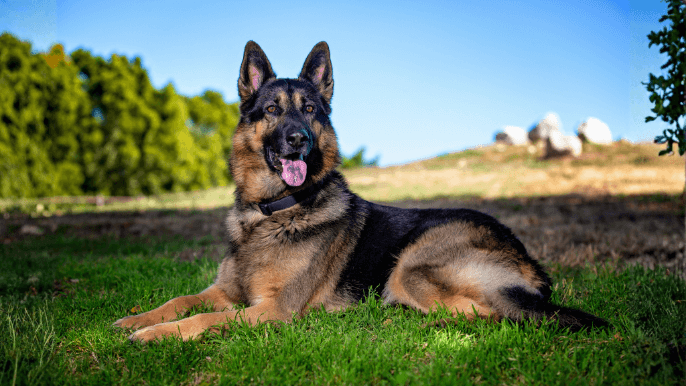
Medium plush double coat dogs are some of the most beautiful breeds in existence. That thick, luxurious fur on a Siberian Husky, German Shepherd, Samoyed, or Akita creates an impressive appearance that draws people to these breeds. The plush coat looks like something you want to bury your hands in, and when properly maintained, it genuinely is that soft and satisfying.
What new owners do not always expect is the shedding. Medium plush double coat dogs do not just shed. They produce extraordinary volumes of loose fur that can feel like a second full-time job to manage. During seasonal coat blow, you can brush out enough fur to build a second dog, day after day, for weeks on end.
This coat type is not for everyone. The maintenance commitment is real and substantial. But for owners who understand what they are getting into and who maintain the coat properly, these dogs reward that effort with stunning appearance, functional temperature regulation, and coats that do their job as nature intended.
Meet Your Ambassador: Lady Shediva
Lady Shediva, a Siberian Husky, is the FurHQ ambassador for medium plush double coat dogs. You will see Lady Shediva in the FurHQ video training, demonstrating exactly how to manage the most impressive shedding in the dog world. With her thick, plush coat that blows dramatically every season, Lady Shediva shows you proper undercoat removal techniques and why you should NEVER shave these magnificent coats.
The FurHQ 5-Step Grooming Method: Technical Reality
The FurHQ 5-Step Grooming Method (Audit, Prep, Bath, Dry, Finish) provides structure for every grooming session with medium plush double coat dogs so nothing gets missed.
"Learn the Method. Follow the Protocol. Complete the Mission."
Audit
Start every grooming session with a full health check. Run your hands deep into the plush coat. Check for lumps, bumps, and any changes in skin condition. Check the ears for signs of infection, smell, or buildup. Look at the nails for overgrowth or splitting. Check teeth and gums for tartar or inflammation.
Then assess the coat. Part the coat on the back, sides, and rump to assess undercoat density. Feel for undercoat compaction, matting behind ears and in the neck ruff, and any areas where the coat feels packed or hot. The Audit determines your session priorities.
Prep
Quick line brush to loosen surface coat. Mist Pawfect Finish Coat Spray onto each section before brushing. Never dry brush without misting first. Use the Medium-Pinned Slicker Brush to work through guard hairs to the undercoat. No comb check needed during Prep for medium plush double coat dogs.
Bath
Saturate thoroughly. The dense coat resists water penetration, so take time to ensure water reaches the skin. Use Deep Clean Delight Shampoo with the Rubber Curry for bathing and skin stimulation, working product through the entire coat to the undercoat.
Rinse extremely thoroughly. Product residue in the dense undercoat causes skin irritation and coat problems. Rinse until the water runs completely clear, then continue rinsing.
Apply Coat-Quench Conditioner generously through the guard hairs. The conditioning adds slip, reduces static, and makes brushing easier. Rinse completely.
Dry
High-velocity drying is ideal for medium plush double coat dogs because the force blows out massive amounts of loose undercoat. This is why professional deshedding treatments are so effective.
If no HV dryer is available, towel dry thoroughly, rubbing against the grain to reach undercoat. Then brush while air drying to remove loosened coat. Never air dry without brushing because wet undercoat that dries unbrushed will compact and mat.
Mist Pawfect Finish Coat Spray before post-bath brushing for slip and static reduction.
Properly bathing and drying a medium plush double coat dog can take one to two hours. Plan accordingly.
Finish
Run the Undercoat Depth Comb through the entire coat to verify all dead undercoat has been removed. Check behind ears, neck ruff, rear pants, and under the collar. The comb should glide through every section without catching.
You got this.
The Coat Release Method for Medium Plush Double Coat Dogs
Medium plush double coat dogs accumulate extraordinary amounts of dead undercoat that does not release naturally. The Coat Release Method works with the undercoat's natural release cycle rather than fighting against it.
During the bath phase, full saturation with warm water opens the hair follicle and loosens dead coat at the root. Deep Clean Delight Shampoo worked through the coat with thorough lather provides the lubrication needed for dead hair to separate from living coat. Mechanical action during the shampoo phase, using the Rubber Curry to work product through the coat, lifts and loosens undercoat that hand removal alone cannot reach.
After rinsing, the dead coat is primed for removal. HV drying blows out massive amounts of loosened undercoat. Follow with carding using the Short-Medium Coat Carding Rake while the coat is fully dry. The combination of bath loosening and post-bath carding removes more dead coat in one session than weeks of dry brushing alone.
For the complete step-by-step process, see The Coat Release Method and Coat Release Method Without an HV Dryer in Related Reading.
What Defines Medium Plush Double Coat Dogs
The Two-Layer Structure
The guard hairs (outer coat) are medium length, typically 2.5 to 7.5 cm (1 to 3 in), and stand away from the body creating the fluffy, voluminous appearance. Guard hairs provide weather protection and give the coat its colour and texture.
The undercoat is extremely dense, soft, fluffy fur packed tightly against the skin. This layer provides insulation. In medium plush double coat dogs, the undercoat is denser than in any other coat type, which explains both the impressive appearance and the massive shedding.
Understanding the Density
The undercoat density is remarkable. These breeds developed in cold climates where survival depended on coat insulation. The undercoat is so dense that you can barely see skin when parting the coat, the dog can lie in snow without it melting from body heat, water runs off rather than penetrating to the skin, and the coat stands away from the body creating visual volume.
The Coat Blow Phenomenon
Medium plush double coat dogs experience "coat blow" during seasonal transitions. In spring, the thick winter undercoat releases to allow a lighter summer coat over two to four weeks involving staggering amounts of fur. In fall, the summer coat releases to make way for winter undercoat growth in another significant shedding period.
During coat blow, you are not just removing loose hair. You are removing an entire layer of coat that has served its purpose and is being replaced.
Plush coats do not mat like curly coats. They compact instead. If undercoat is not released regularly, it stacks, suffocates skin, and explodes during seasonal shed.
Medium Plush Double Coat Dog Breeds
Medium plush double coat dogs are predominantly breeds developed in cold climates for cold-weather work.
Spitz-Type Breeds
Siberian Husky has a dense, medium-length double coat designed for extreme cold survival. Alaskan Malamute has a heavy, dense coat even thicker than the Husky, designed for Arctic conditions. Samoyed has a profuse, heavy, weather-resistant double coat where the white colour shows every bit of shed fur. American Eskimo Dog has a profuse double coat with longer guard hairs creating a mane effect.
Keeshond has an abundant double coat with distinct mane and profuse trousers. Finnish Spitz has a dense double coat with longer outer hair on neck, back of thighs, and tail. Japanese Spitz has a dense double coat with coat that stands off from the body rather than draping. Shiba Inu has a dense double coat that sheds heavily despite the smaller size. Norwegian Elkhound has a thick, hard, weather-resistant double coat designed for Nordic conditions.
Other Breeds
Akita has a dense double coat with undercoat that is thick, soft, and shorter than the outer coat. Chow Chow has an extremely dense double coat in two varieties (rough and smooth), both with heavy undercoat.
German Shepherd has a dense double coat in medium length and is one of the heaviest-shedding popular breeds. Belgian Tervuren has a long, straight double coat with dense undercoat.
Use the FurHQ AI Coat Identifier to confirm your dog's coat type if you are unsure.
Never Shave Medium Plush Double Coat Dogs
This message cannot be emphasised enough. Shaving a medium plush double coat dog is one of the most damaging things you can do to their coat and possibly their health.
Why People Shave
Owners see their fluffy dog panting in summer and assume the coat is making them hot. Dealing with coat blow is exhausting and shaving appears to eliminate the problem. Some groomers, unfortunately, recommend shaving as a solution rather than explaining proper coat maintenance.
Why Shaving Causes Harm
The double coat insulates against heat as well as cold. The air pocket created by guard hairs and undercoat prevents external heat from reaching the skin. A shaved dog has no protection and can actually be hotter. Guard hairs protect the skin from UV radiation, and shaved dogs can get painful sunburns, especially light-skinned breeds like Samoyeds.
The undercoat often grows back faster than guard hairs after shaving, creating texture problems, colour changes, and a coat that never looks right again. Some dogs develop "coat funk" where the coat never fully regrows, leaving permanent bald or thin patches. Shaving does not reduce shedding. The undercoat still grows and sheds. It just becomes shorter shed hair.
The only legitimate reason to shave these dogs is medical necessity: surgery preparation, treating severe skin conditions, or addressing such extreme matting that shaving is the only humane option.
What to Do Instead
Manage heat and shedding through proper grooming: regular thorough brushing to maintain air circulation, complete undercoat removal during coat blow using the Coat Release Method, access to shade and cool water in summer, and air conditioning during extreme heat. A well-maintained double coat with proper undercoat removal keeps dogs cooler than a shaved coat.
For more detail, see Why You Should Never Shave a Double Coat.
The FurHQ Starter Grooming Kit: Medium Plush Double Coat
The FurHQ Starter Grooming Kit: Medium Plush Double Coat provides professional-grade tools to manage these dense coats.
Deep Clean Delight Shampoo for thorough cleaning of dense coats. Coat-Quench Conditioner for slip and moisture on longer guard hairs. Pawfect Finish Coat Spray for pre-dry slip and static reduction. Medium-Pinned Slicker Brush for reaching through guard hairs to grip undercoat. Undercoat Depth Comb for verifying undercoat removal. Short-Medium Coat Carding Rake for deep undercoat removal. Rubber Curry for bathing and skin stimulation. Stay Put System (suction cup anchor and safety lead) for secure grooming setup.
Weekly Maintenance Routine
Medium plush double coat dogs need substantial regular maintenance.
Regular Maintenance (2 to 3 Times per Week)
Mist Pawfect Finish Coat Spray before brushing. Use the Medium-Pinned Slicker Brush to work through guard hairs to the undercoat. Use line brushing technique (part to skin, brush outward section by section) to ensure thorough coverage. Follow with the Short-Medium Coat Carding Rake for deep undercoat removal once every two weeks maximum. On alternate weeks, rely on the slicker brush and Undercoat Depth Comb for maintenance. Verify with the Undercoat Depth Comb to confirm the coat is clear. Sessions take 30 to 45 minutes.
Heavy Shedding Periods (Coat Blow)
During spring and fall transitions, maintenance becomes intensive. Blow-out season is where the real coat work lives. Stay ahead of undercoat release early, and the rest of the year stays easy.
Brush daily or every other day during peak coat blow. Same tools, but expect to fill multiple brushes per session. Sessions can take 45 minutes to an hour during peak shedding. During coat blow, you will remove more fur than seems physically possible. This is normal. Keep going until the tools stop filling with hair.
Bathing with the Coat Release Method during coat blow helps loosen dead undercoat significantly.
Signs of Undercoat Buildup
Watch for visible clumps or tufts of fur, coat that looks dull or rough, excessive shedding around the house, dog scratching or seeming uncomfortable, and skin that feels hot to the touch (trapped heat). These signs indicate undercoat needs more thorough removal. Use the FurHQ Touch Test to monitor coat and skin condition.
Temperature Regulation and the Double Coat
Understanding how the double coat regulates temperature explains why maintenance matters and why shaving harms.
The Air Pocket System
The guard hairs stand away from the body creating space. The undercoat fills that space with insulating fibres but still allows air pockets. This system traps warm air against the body in cold weather, prevents hot external air from reaching the body in warm weather, and allows body heat to dissipate through panting while protecting from external heat absorption.
When the System Fails
Matted undercoat eliminates air pockets. Dead undercoat that compacts instead of being removed traps heat against the body and the dog overheats. A shaved coat removes the insulation system entirely. External heat transfers directly to the body and sunlight hits the skin. A neglected coat with undercoat buildup prevents proper air circulation and the coat cannot function as designed.
Regular undercoat removal maintains the air pocket system. The coat insulates properly and the dog stays comfortable in both heat and cold when properly maintained.
Common Problem Areas
Certain areas of medium plush double coat dogs need extra attention.
Behind the ears, the dense coat mats from friction with collars and leashes. Check this area at every grooming session. The thick mane around the neck ruff traps undercoat and can hide mats. Lift sections and brush from skin outward.
The heavy coat on rear thighs (pants) collects debris and mats from movement friction. Regular combing prevents buildup. Under the collar, friction causes matting and coat damage. Consider removing collars when indoors.
For guidance on handling mats that develop, see Removing Mats From Dog Fur: When to DIY and When to Call a Professional.
Not Sure If Your Dog Has a Medium Plush Double Coat?
Medium plush double coat characteristics include outer coat 2.5 to 7.5 cm (1 to 3 in) that stands away from the body, very dense undercoat visible when parting the coat, fluffy plush appearance with volume, heavy seasonal shedding (coat blow), and weather-resistant outer coat.
This coat type may be confused with short double coat (guard hairs under 2.5 cm (1 in) with flatter appearance, see Short Double Coat Dogs) or feathered long double coat (longer guard hairs over 7.5 cm (3 in) with distinct feathering on legs and tail, see Feathered Long Double Coat Dogs).
Use the FurHQ AI Coat Identifier to confirm your dog's coat type.
Mondo's Pro Tip
If the comb drags instead of gliding, the undercoat is packed. That is not shedding waiting to happen. That is shedding that already happened and has nowhere to go. Card it out before it suffocates the skin underneath.
Related Reading
Coat Type Education
- Dog Coat Types Explained
- Short Double Coat Dogs: Complete Grooming Guide
- Feathered Long Double Coat Dogs: Complete Guide
- Dog Coat Types and Temperature Regulation Explained
Coat Release and Deshedding
- The Coat Release Method
- Coat Release Method Without an HV Dryer
- Understanding Seasonal Coat Blow
- Why You Should Never Shave a Double Coat
Grooming Techniques
- Line Brushing Technique
- Dog Grooming Brushes: A Complete Guide by Coat Type
- How to Dry a Dog After a Bath
- How to Use Pawfect Finish Coat Spray
- The FurHQ Touch Test
Related Topics
- Removing Mats From Dog Fur: When to DIY and When to Call a Professional
- Senior Dog Grooming: Gentle Care for Ageing Dogs
The Bottom Line
Medium plush double coat dogs have the most impressive and most demanding coats of any coat type. The thick, plush fur that makes these breeds so beautiful requires substantial maintenance to keep functional and healthy.
Never shave these dogs. Regular brushing prevents undercoat compaction. Intensive maintenance during coat blow is unavoidable. Proper tools reach the undercoat without damaging guard hairs. The coat system regulates temperature when properly maintained.
This coat type is not for owners seeking low maintenance. It is for owners who appreciate these magnificent breeds enough to commit to their care requirements.
The FurHQ Starter Grooming Kit: Medium Plush Double Coat provides professional-grade tools: Medium-Pinned Slicker Brush for systematic undercoat work, Short-Medium Coat Carding Rake for deep removal, and Undercoat Depth Comb to verify the job is complete.
You got this. And we've got you. 🐾
Variation Clarity Statement
Every dog is an individual. While this guide describes typical medium plush double coat characteristics, your specific dog may vary based on genetics, breeding, socialisation, and individual coat density. Coat type can also vary within breeds. If you're unsure about your dog's coat type, use the FurHQ AI Coat Identifier to get accurate identification and the right kit recommendation.
FAQs
Why do medium plush double coat dogs shed so much?
The extremely dense undercoat that provides insulation releases during seasonal transitions. The volume exists because the undercoat is so dense. There is simply a lot of fur to shed when the coat regenerates.
Can I shave my Husky to keep them cool in summer?
No. Shaving removes the insulation system that actually helps regulate temperature. Shaved dogs can be hotter, get sunburned, and suffer permanent coat damage. Manage heat through proper undercoat removal instead.
How often should I brush my medium plush double coat dog?
Brush 2 to 3 times weekly minimum during normal periods. During coat blow (spring and fall), brush daily or every other day to manage the heavy undercoat release.
What is coat blow?
Coat blow is the seasonal release of undercoat during spring and fall transitions. The entire undercoat layer sheds over 2 to 4 weeks, producing massive volumes of loose fur.
How long does bathing a medium plush double coat dog take?
Plan 1 to 2 hours for thorough bathing and drying. The dense coat requires time to saturate, rinse, and dry properly. Rushing leads to residue buildup and poor results.
Does high velocity drying really help with shedding?
Yes, dramatically. HV dryers blow out loose undercoat more effectively than any brush. This is why professional deshedding treatments work so well. If you have access to an HV dryer, it is worth the investment for this coat type.
My dog's coat looks matted near the skin. What happened?
Dead undercoat that was not removed has compacted against the skin. This happens when brushing only reaches the surface. Use line brushing technique and appropriate tools to reach the undercoat level.
Is my German Shepherd a medium plush double coat or something else?
Most German Shepherds are medium plush double coat. Some lines have longer coats that may be closer to feathered long double coat. Use the AI Coat Identifier if unsure.
How do I know when I have removed enough undercoat?
Run the metal comb through the entire coat. When it passes smoothly without collecting additional hair, you have removed the loose undercoat. During coat blow, this takes much longer than during normal periods.
Can indoor dogs skip coat blow?
Indoor dogs with artificial lighting may shed more steadily year round rather than in dramatic seasonal bursts. The total volume is similar, just distributed differently.
Why does my dog seem hot even with a full coat?
If undercoat is compacted or matted, it traps heat rather than insulating. Proper undercoat removal restores the air pocket system that regulates temperature. Check for undercoat buildup.
What is the Carding Rake and how does it differ from the Deshedding Comb?
Both remove undercoat, but differently. The Carding Rake uses teeth that grab and pull dead coat. The Deshedding Comb has specific design for separating and removing loose undercoat. Using both provides thorough removal.
My dog resists brushing. How do I make it easier?
Start with short positive sessions. Use the Hush Pup Wrap to calm anxious dogs. The Rubber Curry feels like massage and is good for building positive associations. Never force long sessions on a resistant dog.
How does the Rubber Curry help with double coats?
The Rubber Curry loosens undercoat through massage action. It can be used during bathing to work shampoo deep into the coat, or used dry as a preliminary brushing tool that feels good to most dogs.
What makes FurHQ qualified to advise on medium plush double coat care?
FurHQ was created by certified professional groomers and educators with over 20 years in professional grooming product distribution. We have managed coat blow on thousands of dogs and know which tools actually handle this demanding coat type.
What is the difference between medium plush double coat and short double coat?
The key differences are guard hair length and volume. Short double coat dogs have guard hairs under 1 inch that lie relatively flat against the body, creating a sleek appearance. Medium plush double coat dogs have guard hairs 1 to 3 inches that stand away from the body, creating the characteristic fluffy, plush look. The undercoat in medium plush coats is also denser, which means more dramatic shedding and longer grooming sessions. Both use the same tool types but medium plush coats require more time and frequency. See Short Double Coat Grooming Guide for comparison.
What is the difference between medium plush double coat and feathered long double coat?
Medium plush double coat dogs have relatively uniform texture across the body with guard hairs 1 to 3 inches. Feathered long double coat dogs have guard hairs 3 inches or longer on the body with distinctly different, finer, longer hair (feathering) on the ears, legs, chest, and tail. Feathered long double coats require more tools (11 items versus 10) because you need both body zone undercoat tools AND feathering maintenance tools. Medium plush coats are one texture throughout. See Feathered Long Double Coat Grooming Guide for comparison.
What is the Coat Release Method and does it apply to medium plush double coats?
The Coat Release Method is a structured undercoat removal system that works with the natural shedding cycle. Medium plush double coat dogs benefit enormously from this method. The tool sequence is Medium-Pinned Slicker Brush first to loosen and separate, then Short-Medium Coat Carding Rake to pull out dead undercoat, then Undercoat Depth Comb to verify removal is complete. Card once every two weeks for regular maintenance. During coat blow, increase carding frequency. For the full method, see The Coat Release Method.
How do I bathe a medium plush double coat dog?
Always brush thoroughly before bathing because wet undercoat is harder to remove. Saturate the coat completely as the dense coat resists water penetration. Use Deep Clean Delight Shampoo with the Rubber Curry to work through to the skin. Rinse until water runs completely clear, then rinse more because dense undercoat traps residue. Apply Coat-Quench Conditioner to the guard hairs. Dry thoroughly and brush during drying. Never air dry without brushing as wet undercoat that dries unattended will mat and compact. Plan 1 to 2 hours for the complete bath and dry process. See How to Dry a Dog After a Bath for complete guidance.
What tools do I need for a medium plush double coat dog?
The FurHQ Starter Grooming Kit: Medium Plush Double Coat contains everything you need. Coat-specific items: Deep Clean Delight Shampoo, Coat-Quench Conditioner, Medium-Pinned Slicker Brush, Undercoat Depth Comb, and Short-Medium Coat Carding Rake. Standard items included in every kit: Stay Put System, Hush Pup Wrap, Rubber Curry, Ear Wipes, and Pawfect Finish Coat Spray. That is 10 items total designed specifically for dense plush undercoat management.