
The FurHQ 5-Step Grooming Method is Audit, Prep, Bath, Dry, Finish. It provides structure for every grooming session so nothing gets missed. The Audit assesses the coat before you start. The Prep phase removes loose coat and addresses tangles. The Bath phase handles cleansing. The Dry phase removes moisture. The Finish phase completes the groom with a final assessment and comb check.
Dog Tear Stains: Causes and How to Remove Them
By Mondo Fluffarino | FurHQ Blog Author & Chief Education Officer
Table of Contents
- Introduction
- What Causes Dog Tear Stains
- Breeds Most Affected
- Medical Causes of Excessive Tearing
- The FurHQ 5-Step Grooming Method: Technical Reality
- FurHQ Recommends: Sotaria Tear Stain Solutions
- Safe Daily Cleaning Methods
- Grooming Techniques to Reduce Staining
- Building a Daily Maintenance Routine
- Dietary Approaches
- Environmental Factors
- Common Myths About Dog Tear Stains
- Realistic Expectations
- When Dog Tear Stains Indicate Serious Problems
- Mondo's Pro Tip
- Related Reading
- The Bottom Line
- FAQs
 Introduction
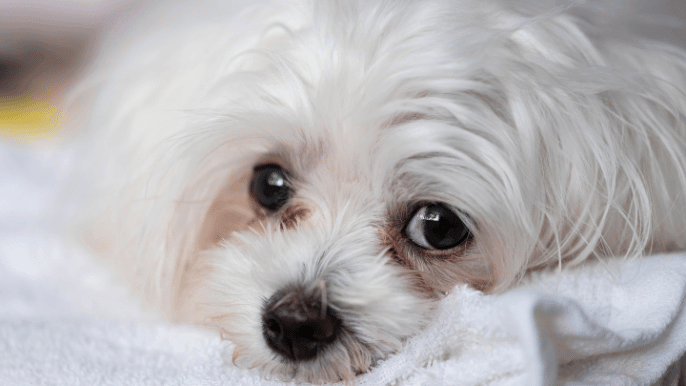
Dog tear stains frustrate owners of light-coloured breeds like Maltese, Poodles, and Bichons who notice reddish-brown streaks developing under their dog's eyes despite regular grooming .
These stains are caused by porphyrin pigments in tears that oxidise when exposed to air, creating persistent discolouration that regular bathing does not remove. Excessive tearing can also signal underlying health problems requiring veterinary attention rather than just cosmetic concern.
This guide explains what causes dog tear stains, distinguishes between normal cosmetic staining and excessive tearing indicating medical issues, teaches effective cleaning techniques, identifies prevention strategies, and clarifies when staining requires veterinary examination.
What Causes Dog Tear Stains
Porphyrin Pigments
Dog tear stains result primarily from porphyrin, iron-containing molecules produced when the body breaks down red blood cells. Porphyrins are excreted in tears, saliva, and urine.
When tears containing porphyrin sit on fur and are exposed to air and sunlight, the molecules oxidise and turn reddish-brown, creating the characteristic stain.
Why Some Dogs Stain More Than Others
| Factor | Why It Causes More Staining |
|---|---|
| Light-coloured coats | White, cream, and light dogs show staining more visibly |
| Facial structure | Flat-faced breeds and shallow eye sockets cause tear overflow |
| Hair around eyes | Long facial hair wicks moisture and holds it against skin |
| Individual variation | Some dogs naturally produce more porphyrin |
Normal vs Excessive Tearing
All dogs produce tears to lubricate and protect eyes. Normal tear production may cause mild staining in light-coloured breeds. Excessive tearing (epiphora) produces heavy, constant wetness and indicates underlying problems.
Breeds Most Affected
Certain breeds experience more visible dog tear stains due to coat colour, facial structure, or both.
Light-coloured breeds: Maltese, Bichon Frise, Poodles (Toy and Miniature), Cocker Spaniels (light colours), Shih Tzus (white and cream), West Highland White Terriers, Samoyeds, and white Bulldogs.
Flat-faced breeds: Pugs, French Bulldogs, English Bulldogs, Pekingese, and Shih Tzus. These breeds have shallow eye sockets and facial structures that allow tears to overflow onto fur.
Small breeds with hair near eyes: Yorkies, Havanese, and similar breeds have long facial hair that wicks tears and holds moisture against the skin.
Medical Causes of Excessive Tearing
While mild staining is often cosmetic, heavy or sudden tearing may indicate health problems.
Eye Problems
| Condition | Description |
|---|---|
| Blocked tear ducts | Tears cannot drain normally and overflow onto face |
| Eyelid abnormalities | Entropion (rolling inward) or ectropion (rolling outward) |
| Ingrown eyelashes | Hair growing toward the eye causing irritation |
| Corneal ulcers or scratches | Painful injuries increasing tear production |
| Conjunctivitis | Infection or inflammation of eye tissues |
| Glaucoma | Increased eye pressure causing discomfort and tearing |
Other Medical Causes
Ear infections can cause increased tearing on the same side as the infected ear. Allergies (environmental or food) trigger excessive tearing. Poor diet or food sensitivities may increase porphyrin production. Teething in puppies causes temporary increases during tooth eruption.
When to Seek Veterinary Care
Consult your veterinarian if your dog experiences sudden onset of heavy tearing, thick yellow or green discharge instead of clear tears, squinting or pawing at eyes, redness or swelling around the eyes, cloudiness in the eye, changes in vision, or dog tear stains that worsen despite consistent cleaning.
The FurHQ 5-Step Grooming Method: Technical Reality
Facial hygiene and dog tear stain monitoring fit within the FurHQ 5-Step Grooming Method (Audit, Prep, Bath, Dry, Finish).
"Learn the Method. Follow the Protocol. Complete the Mission."
Audit
Start every grooming session with a full health check. Run your hands over the entire dog. Check for lumps, bumps, and any changes in skin condition. Check the ears for signs of infection, smell, or buildup. Look at the nails for overgrowth or splitting. Check teeth and gums for tartar or inflammation.
For eyes specifically, check the eye area for staining severity, moisture buildup, redness, discharge, or irritation. Compare to the previous session. Is staining getting worse despite cleaning?
The FurHQ Touch Test formalises this assessment so nothing gets missed.
Prep
Facial cleaning happens during Prep, before the bath. Gently clean tear-stained areas with appropriate products. If using the Sotaria Brightening Mask for existing stains, apply during Prep on clean coat before proceeding.
Bath
Use gentle, tear-free products near the face. Be careful not to get shampoo in the eyes, which increases tearing and worsens staining.
Dry
Dry the face thoroughly. Any moisture left in the facial hair after bathing creates exactly the conditions that cause dog tear stains. Pay particular attention to the folds and creases around the eyes.
Finish
Final facial check. Apply Sotaria Coat Defense Serum to clean, dry facial hair around the eyes and beard to prevent new stains from penetrating the coat.
You got this.
FurHQ Recommends: Sotaria Tear Stain Solutions
FurHQ recommends the Sotaria tear stain line because it takes a three-pronged approach that targets the problem at the source, prevents new staining, and lifts existing discolouration, all without antibiotics, bleach, peroxide, or harsh chemicals.
Many tear stain products take a single approach. Supplements containing antibiotics carry risks including antibiotic resistance. Clay and paste-based products dry out the coat, causing breakage. Peroxide and bleach-based products damage hair with repeated use.
The Sotaria Three-Step System
Step 1: Sotaria BerryChic Superfood Supplement (address the source). BerryChic is a daily supplement formulated with natural superfoods including goji berries, blueberries, and cranberries that help reduce stain-producing microbes without antibiotics. The formula is high in prebiotics that feed beneficial digestive microbiome bacteria. These beneficial bacteria help fight harmful microbes that contribute to excessive staining.
BerryChic also boosts the immune system and increases antioxidants, improving overall health beyond stain reduction. This supplement works from the inside out.
Step 2: Sotaria Coat Defense Serum (prevent new staining). While BerryChic works internally, the Coat Defense Serum prevents new stains externally. Apply a thin layer to affected areas around eyes and beard on clean coat.
This moisturising formula creates a barrier around each hair strand to prevent stains from penetrating the hair shaft without drying the hair or causing discolouration. The serum applies clear without chalky residue and is gentle enough for daily use. It also doubles as a mat detangler.
Step 3: Sotaria Brightening Mask (lift existing stains). For dog tear stains already set into the coat, the Brightening Mask is an overnight treatment using whitened activated charcoal.
Wet the coat with warm water, towel dry, then apply and work into the coat. Leave for a minimum of 2 hours (overnight for best results), then rinse thoroughly with warm water. Follow with Coat Defense Serum to seal the hair shaft. For long beards, tie or wrap during treatment. External use only. Avoid contact with eyes, mouth, and ears.
Why the Three-Step Approach Works
Using all three products together means you are reducing stain-producing microbes at the source, preventing new stains from penetrating the coat, and lifting existing stains that have already set in. Visible results typically appear within 6 to 8 weeks of consistent use.
Sotaria products are available in the FurHQ Store. For more information, visit sotaria.ca/collections/tear-stain-solutions.
Safe Daily Cleaning Methods
Regular, gentle cleaning prevents dog tear stains from setting and maintains facial hygiene.
Daily Cleaning Routine
Clean your dog's face daily to remove fresh tears before they oxidise and stain.
Use a soft, clean cloth, cotton ball, or Ear Wipes. Dampen with lukewarm water or tear stain remover product. Gently wipe from the inner corner of the eye outward. Use a fresh section for each pass. Dry the area thoroughly with a clean, dry cloth.
Products to Avoid Near Eyes
Hydrogen peroxide (too harsh, can damage eyes). Bleach or whitening products (dangerous near eyes). Vinegar or lemon juice (irritating, unsafe). Products containing alcohol (stinging, drying). Human makeup remover or facial cleansers.
Never apply any product directly into your dog's eyes. Clean only the fur and skin around the eyes.
Grooming Techniques to Reduce Staining
Trimming Hair Around Eyes
Long hair around eyes wicks tears and holds moisture against the skin, creating worse staining. Carefully trim using thinning shears for gradual, safe removal near the face.
Thinning shears are more forgiving than straight shears near sensitive areas. For dogs that hold still reliably, curved shears follow the natural brow contour. Never use straight shears near the eyes.
Before Any Shear Work Near Eyes
Rate your dog's temperament: does your dog hold still? Has your dog completed desensitisation for face handling? If your dog flinches or mouths at tools, build tolerance first.
Rate your own energy: if you feel nervous, your dog mirrors your mood. If you feel anxious about trimming near the eyes, use thinning shears or leave this work to a professional groomer.
Keeping the Face Dry
Dry your dog's face after drinking water. Use Ear Wipes to quickly remove moisture throughout the day. Avoid water bowls that submerge the entire face. Consider using a water bottle or narrow bowl for long-eared, hairy-faced breeds.
Building a Daily Maintenance Routine
Morning
Check for overnight tear accumulation. Gently wipe face with Ear Wipes or damp cloth. Dry thoroughly. Apply Sotaria Coat Defense Serum to clean facial hair.
Throughout the Day
Keep wipes accessible for quick cleaning after drinking. Monitor for excessive tearing. Wipe away visible moisture before it dries and stains.
Evening
Thorough cleaning with appropriate products. Check skin under stains for irritation or infection. Ensure face is completely dry before bedtime.
Dietary Approaches
Some dogs experience reduced tearing and lighter staining with diet changes.
High-Quality Diet
Feed premium dog food with quality protein sources and minimal fillers, grains, and artificial additives. Some dogs produce less porphyrin on higher-quality diets, though results vary.
Food Sensitivities
Common allergens like chicken, beef, wheat, corn, and soy may trigger increased tearing. An elimination diet under veterinary guidance can identify problematic ingredients.
Filtered Water
Minerals in tap water may contribute to staining in some dogs. Try filtered or bottled water to see if staining improves over several weeks.
Supplements
The Sotaria BerryChic Superfood Supplement targets stain-producing microbes using natural prebiotics and antioxidants without antibiotics.
Many oral supplements claim to eliminate dog tear stains, but some contain antibiotics (like tylosin) that carry risks including antibiotic resistance. Never use antibiotic-based products without veterinary guidance.
Environmental Factors
Allergens
Environmental allergies to pollen, dust, mould, or chemicals increase tearing. Reduce exposure through regular cleaning, HEPA air filters, limiting outdoor time during high pollen counts, and washing bedding frequently.
Dry Air
Low humidity irritates eyes and may increase tearing. Use humidifiers during dry seasons, especially in winter.
Irritants
Cigarette smoke, strong perfumes, cleaning chemicals, and air fresheners irritate eyes and cause increased tearing. Eliminate these from your dog's environment.
Common Myths About Dog Tear Stains
| Myth | Reality |
|---|---|
| "Tear stains mean my dog is sick" | Mild staining is normal in many breeds and does not indicate illness |
| "Antibiotics cure tear stains" | Some products temporarily lighten staining but carry risks including antibiotic resistance |
| "White vinegar in water eliminates stains" | No scientific evidence supports this; acidic solutions may irritate eyes |
| "Stainless steel bowls prevent stains" | Bowl material does not affect porphyrin production (though clean bowls prevent bacterial growth) |
| "Tear stains are caused by yeast" | Yeast can grow in moist areas and worsen discolouration, but porphyrin causes initial staining |
Realistic Expectations
What You Can Control
Keeping the area clean and dry through daily maintenance. Reducing staining severity through proper grooming and quality products like the Sotaria system. Identifying and treating medical causes of excessive tearing. Preventing infections from moisture buildup.
What You Cannot Control
Your dog's natural porphyrin production levels. Genetic facial structure that causes tear overflow. Coat colour that makes staining more visible. Normal, healthy tear production.
Complete elimination is rare. Most light-coloured, flat-faced, or small breeds will always have some degree of staining regardless of care. The goal is management and reduction, not perfection.
When Dog Tear Stains Indicate Serious Problems
Sudden increase in tearing after years of minimal staining. Thick, coloured discharge (yellow, green, white) instead of clear tears. Swelling, redness, or visible eye abnormalities. Obvious pain or discomfort (squinting, pawing). Changes in eye appearance (cloudiness, redness, size changes). Behavioural changes (reluctance to be touched, hiding, decreased appetite).
These symptoms suggest infections, injuries, glaucoma, or other conditions requiring immediate veterinary attention.
Mondo's Pro Tip
If the staining is the same as it has always been, it is cosmetic. Manage it, keep it clean, keep it dry. If the staining suddenly gets worse, or the discharge changes colour, that is the dog telling you something changed. Stop cleaning and start calling the vet.
Related Reading
Breed Guides
Grooming Techniques
Coat Type Guides
The Bottom Line
Dog tear stains result from porphyrin pigments in tears that oxidise when exposed to air. They are most visible on light-coloured breeds like Maltese, Poodles, and Bichons.
Within the FurHQ 5-Step Grooming Method (Audit, Prep, Bath, Dry, Finish), the Audit checks the eye area for staining severity, moisture, and discharge. The Prep phase handles facial cleaning. The Dry phase ensures no moisture remains. The Finish phase applies Sotaria Coat Defense Serum to protect clean coat.
FurHQ recommends the Sotaria tear stain system. The BerryChic Superfood Supplement reduces stain-producing microbes from the inside. The Coat Defense Serum prevents new stains from penetrating the coat. The Brightening Mask lifts existing stains. Using all three produces visible results within 6 to 8 weeks. Products available in the FurHQ Store. Visit sotaria.ca/collections/tear-stain-solutions for full details.
Daily gentle cleaning prevents stains from setting. Trimming hair around the eyes reduces moisture accumulation. High-quality diets with filtered water may reduce tearing.
Distinguish between normal mild staining and excessive tearing with thick discharge, redness, or sudden changes that require veterinary attention.
You got this. And we've got you. 🐾
FAQs
What causes dog tear stains?
Dog tear stains are caused by porphyrin, iron-containing molecules produced when the body breaks down red blood cells. Porphyrins are excreted in tears, saliva, and urine.
When tears containing porphyrin sit on fur and are exposed to air and sunlight, they oxidize and turn reddish-brown, creating characteristic staining most visible on white and light-colored breeds like Maltese, Poodles, and Bichons.
How do I remove dog tear stains?
Remove dog tear stains through daily gentle cleaning with FurHQ eye wipes, soft cloths dampened with lukewarm water, or professional products like Sotaria tear stain solutions.
Wipe from the inner corner of the eye outward using fresh sections for each pass, then dry thoroughly.
Clean daily before stains set, as dried, oxidized staining is harder to remove than fresh tears. Trim hair around eyes to reduce moisture accumulation.
Are dog tear stains a health problem?
Mild dog tear stains are typically cosmetic rather than medical concerns, especially in light-colored, flat-faced, or small breeds predisposed to staining.
However, excessive tearing with thick yellow or green discharge, sudden increases in tearing, eye redness, swelling, pain, or cloudiness indicate infections, blocked tear ducts, corneal ulcers, or other conditions requiring immediate veterinary attention beyond cosmetic treatment.
What breeds get dog tear stains most?
Breeds most affected by dog tear stains include Maltese, Bichon Frise, Poodles (Toy and Miniature), Shih Tzus, Cocker Spaniels, West Highland White Terriers, Pugs, French Bulldogs, and English Bulldogs.
Light-colored coats show staining more visibly, while flat-faced breeds with shallow eye sockets have structural tear overflow. Small breeds with long facial hair wick and hold moisture against skin, worsening staining.
Can diet reduce dog tear stains?
High-quality diets with minimal fillers and artificial additives may reduce dog tear stains in some dogs by decreasing porphyrin production, though results vary individually.
Food sensitivities to chicken, beef, wheat, corn, or soy can trigger increased tearing in sensitive dogs. Filtered water instead of mineral-heavy tap water sometimes helps. Discuss elimination diets with your veterinarian before making major dietary changes.
Do FurHQ eye wipes help with tear stains?
Yes, FurHQ eye wipes are designed for safe, convenient daily cleaning of facial areas affected by dog tear stains.
Pre-moistened wipes remove fresh tears before they oxidize and stain, making them ideal for quick maintenance throughout the day, especially after drinking water.
Consistent daily use with FurHQ eye wipes prevents stain buildup that becomes harder to remove once dried and set.
What are Sotaria products for dog tear stains?
Sotaria offers professional-grade tear stain solutions specifically formulated to address chronic staining in light-colored breeds where dog tear stains are persistent and visible.
Available through the FurHQ Store, Sotaria products contain gentle cleansers that break down porphyrin staining without harsh chemicals that might irritate eyes.
They're designed for breeds like Maltese, Poodles, and Bichons where staining is an ongoing management issue.
Should I use hydrogen peroxide on dog tear stains?
Never use hydrogen peroxide on dog tear stains. It's too harsh for delicate facial skin, can damage eyes if contact occurs, and may cause chemical burns. Use only products specifically formulated for dogs like FurHQ eye wipes, Sotaria tear stain solutions, lukewarm water, or veterinary-approved cleaners.
Avoid bleach, vinegar, lemon juice, alcohol, and human products near your dog's eyes.
How often should I clean my dog's tear stains?
Clean dog tear stains daily to remove fresh tears before they oxidize and discolor fur. Use FurHQ eye wipes or damp cloths each morning and evening, plus quick wipes after drinking water throughout the day.
Consistent daily cleaning prevents buildup that becomes harder to remove.
For chronic staining, apply products like Sotaria tear stain solutions as directed alongside daily wipe maintenance.
Can I completely eliminate dog tear stains?
While complete elimination of dog tear stains can be challenging in predisposed breeds with light coats, flat faces, or small size, diligent daily care using quality products produces dramatic improvement and even elimination in many dogs.
Consistent cleaning with FurHQ eye wipes combined with Sotaria tear stain solutions has shown excellent results in reducing and often eliminating visible staining when used as part of a comprehensive routine including proper grooming and quality diet.
Success requires patience and consistency, with most owners seeing significant improvement within 2 to 4 weeks of daily maintenance.
Though you cannot control natural porphyrin production or genetic facial structure, the right products and commitment to daily care can achieve results that exceed expectations.
How long does the Sotaria system take to show results?
With consistent use of all three products (BerryChic supplement daily, Coat Defense Serum applied regularly, Brightening Mask used as a treatment for existing stains), most dogs show visible improvement within 6 to 8 weeks. Results vary by individual dog, severity of staining, and consistency of use.