
Feathered Long Double Coat Dogs: Complete Care Guide
Table of Contents
- Introduction: The Coat With Multiple Personalities
- Meet Your Ambassador: Mondo Fluffarino
- Understanding the Feathered Long Double Coat Structure
- Breeds With Feathered Long Double Coats
- The Zone Approach to Grooming
- The Never Shave Rule Applies
- The FurHQ Starter Grooming Kit: Feathered Long Double Coat
- The Coat Release Method
- Managing Seasonal Shedding
- Common Problem Areas
- Bathing Feathered Long Double Coats
- Not Sure If Your Dog Is Feathered Long Double Coat?
- The Bottom Line
- Related Reading
- Variation Clarity Statement
- FAQs
 Introduction: The Coat With Multiple Personalities
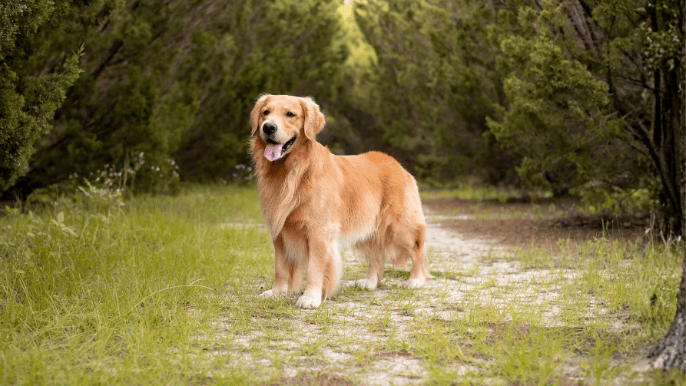
Feathered long double coat dogs present a unique grooming challenge: they do not have one coat type. They have several. The body wears a dense double coat with substantial undercoat . The ears sport long, silky feathering . The legs have flowing furnishings . The tail waves a flag of long hair. The chest displays a ruff of dense fur.
Each of these zones has different texture, different tangle tendencies, and different tool requirements. What works on the body fails on the feathering. What maintains the furnishings does nothing for the undercoat. Grooming feathered long double coat dogs means understanding that you are essentially grooming several coat types on one dog.
Golden Retrievers, Australian Shepherds, Border Collies, and similar breeds fall into this category. These are among the most popular family dogs, and their owners often struggle with coat care because generic grooming advice assumes a uniform coat. The reality is more complex but manageable once you understand the zone approach.
 Meet Your Ambassador: Mondo Fluffarino
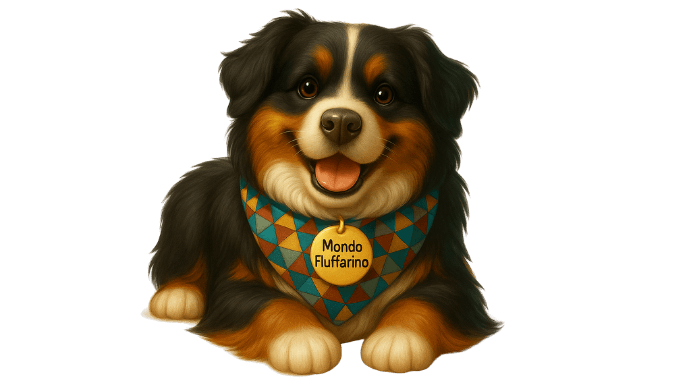
Mondo Fluffarino, an Australian Shepherd, is the FurHQ ambassador for feathered long double coats. You will see Mondo in the FurHQ video training, demonstrating the zone-by-zone approach that these multi-textured coats require. With his gorgeous combination of dense body coat and flowing feathering, Mondo shows you how to manage both the double coat shedding AND the feathering maintenance that makes these breeds so stunning.
Don’t let the feathers fool you - this coat sheds like a double and tangles like a long coat. Line brushing and undercoat release are your power moves.
Understanding the Feathered Long Double Coat Structure
Feathered long double coat dogs combine two distinct coat characteristics on different body areas.
The Double Coat Zones
Body coat: Dense double coat with medium to long guard hairs (3 inches or more) over thick undercoat. This is similar to Medium Plush Double Coat but with longer guard hairs.
Back: Often the densest area, with heavy undercoat beneath longer guard hairs.
Neck and chest ruff: Dense, often longer coat forming a "mane" or ruff around the neck and chest.
The Feathered Zones
Ear feathering: Long, often silky hair framing the ears. Texture is usually finer than body coat.
Leg furnishings: Long hair on the backs of front legs and thighs of rear legs. Creates the "pants" or "britches" look on rear legs.
Chest feathering: Longer, often wavy hair on the chest that blends into the ruff.
Tail: Long, flowing hair creating a plume or flag. Often the longest hair on the dog.
Belly fringe: Longer hair along the underside that can mat easily.
Why the Difference Matters
The feathered areas and the body coat have different needs:
Feathering tangles easily: The longer, finer texture catches and mats, especially in high friction areas like behind ears, in armpits, and between back legs.
Body coat sheds heavily: The double coat underneath the guard hairs releases seasonally, requiring undercoat removal techniques.
Different tools for different zones: A deshedding rake works great on the body but can damage delicate ear feathering. A fine comb perfect for feathering does little for body undercoat removal.
For more on how double coat structure affects temperature regulation, see Dog Coat Types and Temperature Regulation Explained.
Breeds With Feathered Long Double Coats
These breeds share the combination of double coat body with feathered areas.
Retriever Type
Golden Retriever: The classic example. Dense, water resistant body coat with abundant feathering on ears, chest, legs, and tail. Heavy seasonal shedding.
Flat-Coated Retriever: Similar structure to Golden with shiny, flat lying coat and moderate feathering.
Herding Dogs
Australian Shepherd: Medium length double coat with feathering on ears, legs, and chest. Mane around neck in males. Significant seasonal shedding.
Border Collie: Comes in rough and smooth varieties. Rough coat has abundant feathering and dense undercoat.
Rough Collie: Very heavy coat with abundant mane, feathering, and undercoat. Dramatic seasonal shedding.
Shetland Sheepdog: Similar to Rough Collie in miniature. Heavy coat relative to body size with full mane and feathering.
Spaniel and Setter Type
English Springer Spaniel: Moderate length double coat with heavy feathering on ears, chest, legs, and belly.
Irish Setter: Long, silky coat with extensive feathering. Less undercoat than some in this category.
Gordon Setter: Heavy coat with abundant feathering. Dense undercoat requires attention.
Cavalier King Charles Spaniel: Silky coat with feathering on ears, chest, legs, and tail. Smaller dog with similar zone challenges.
Working and Guardian
Bernese Mountain Dog: Very heavy coat with double coat body and abundant feathering. Significant grooming needs.
Great Pyrenees: Heavy double coat with feathering. Weather resistant texture.
The Zone Approach to Grooming
Feathered long double coat dogs require thinking about the coat in zones, each with specific techniques.
Zone 1: Body Coat (Double Coat Areas)
Areas: Back, sides, top of neck, upper thighs
Challenge: Dense undercoat that sheds heavily, especially seasonally
Tools: Long-Pinned Slicker Brush, Deshedding Comb, Long Coat Carding Rake
Technique: Work systematically using the slicker brush to penetrate through guard hairs to undercoat. Use the Deshedding Comb and Long Coat Carding Rake to remove loose undercoat, especially during seasonal sheds. Brush in sections, working from skin outward.
Frequency: 2 to 3 times weekly for maintenance, daily during coat blow
For detailed brushing technique, see How to Brush a Double Coated Dog.
Zone 2: Feathered Areas
Areas: Ears, backs of front legs, rear leg "pants," tail, chest, belly fringe
Tools: Long-Pinned Slicker Brush, Undercoat Depth Comb
Challenge: Fine texture tangles easily, especially in friction areas
Technique: Brush gently with slicker, then comb through to verify no tangles remain. Use Pawfect Finish Coat Spray for slip when working through tangles. Work tip to root on tangles, holding above to prevent pulling. Pay special attention to behind ears, armpits, groin area, and where collar or harness sits.
Frequency: 2 to 3 times weekly minimum, more for dogs with particularly fine feathering
For complete guidance on coat spray use, see How to Use Pawfect Finish Coat Spray.
Zone 3: High Friction Areas
Areas: Behind ears, armpits, groin, where legs meet body, under collar
Challenge: Mats form quickly from friction and moisture
Tools: Long-Pinned Slicker Brush, Undercoat Depth Comb
Technique: Check these areas at every grooming session. Small tangles here become mats within days. Brush and comb through completely, even when the rest of the coat seems fine. These are the areas where matting begins.
Frequency: Check with every grooming session
For guidance on handling mats, see Removing Mats From Dog Fur: When to DIY and When to Call a Professional.
Zone 4: Ruff and Mane
Areas: Around neck and chest
Challenge: Very dense, can hide mats, undercoat compacts if neglected
Tools: Long-Pinned Slicker Brush, Long Coat Carding Rake
Technique: Lift sections and brush from skin outward. The density here can conceal tangles and undercoat buildup. Do not be fooled by surface appearance.
Frequency: 2 to 3 times weekly
The Never Shave Rule Applies
Like all double coated dogs, feathered long double coat dogs should never be shaved except for medical necessity.
Why Shaving Damages These Coats
Double coat structure is destroyed: The body coat relies on guard hair and undercoat growing in balance. Shaving disrupts this.
Regrowth is often abnormal: Guard hairs and undercoat grow at different rates. The regrown coat may be fuzzy, patchy, or permanently changed in texture.
The coat may not fully recover: Some dogs, especially older dogs or those shaved repeatedly, never regain their original coat quality.
Temperature regulation is impaired: The double coat insulates in both heat and cold. Shaving removes this protection.
For more on why shaving damages double coats, see Why You Should Never Shave a Double Coat.
What About the Feathering?
Trimming feathering for neatness is fine and common. Many owners keep feathering trimmed shorter for easier maintenance. This is different from shaving the body coat.
Acceptable: Trimming ear feathering, shortening leg furnishings, tidying belly fringe, trimming around paws
Not acceptable: Shaving the body coat down to skin or near-skin length
The FurHQ Starter Grooming Kit: Feathered Long Double Coat
The FurHQ Starter Grooming Kit: Feathered Long Double Coat is designed for the multi-texture challenge of feathered double coats.
Kit Contents
Coat-Specific Items (6):
- Deep Clean Delight Shampoo: Thorough cleaning of dense coats
- Coat-Quench Conditioner: Slip on feathering and moisture for coat health
- Long-Pinned Slicker Brush: Reaching through long coat to undercoat and maintaining feathering
- Undercoat Depth Comb: Verifying thorough brushing and working through feathering
- Deshedding Comb: Removing loose undercoat efficiently
- Long Coat Carding Rake: Deep undercoat removal during seasonal sheds
Standard Items (5, included in every FurHQ kit):
- Stay Put System (suction cup anchor + safety lead + training tips)
- Hush Pup Wrap
- Rubber Curry (for bathing and body massage)
- Ear Wipes
- Pawfect Finish Coat Spray
Total Items: 11
Why Long Pins Matter
Feathered long double coat dogs need long pinned tools because:
Guard hairs are long: Standard pin lengths do not reach through 3+ inch guard hairs to the undercoat beneath.
Feathering needs thorough penetration: Fine feathering tangles deep. Short pins brush only the surface.
Undercoat hides beneath length: Without long pins reaching the skin, undercoat builds up while the surface looks groomed.
Why Conditioner Is Included
Unlike Short Double Coat dogs, feathered long double coat dogs benefit from conditioner because:
Feathering needs slip: The fine, long feathering tangles less when conditioned.
Longer hair needs moisture: Hair over 3 inches benefits from conditioning to prevent dryness and breakage.
Easier brushing: Conditioned feathering brushes through more easily with less breakage.
The Coat Release Method
Feathered long double coat dogs are one of the coat types that benefit from the Coat Release Method . This system works with the natural shedding cycle rather than fighting against it, using a structured approach to help the undercoat release efficiently without damaging guard hairs or delicate feathering.
The key is consistency: regular sessions that prevent undercoat from compacting, rather than marathon sessions once matting has already set in. On body zones, the Long Coat Carding Rake and Deshedding Comb do the heavy lifting. On feathered zones, the Long-Pinned Slicker Brush and Pawfect Finish Coat Spray keep things manageable.
For the complete step-by-step Coat Release Method, see The Coat Release Method. For guidance on the difference between body zone undercoat work and feathered zone maintenance, see Coat Release Method Without an HV Dryer.
Managing Seasonal Shedding
Feathered long double coat dogs experience dramatic seasonal shedding that requires intensive management. Blow-out season is where the real coat work happens.
When to Expect Heavy Shedding
Spring: The heaviest shed as winter undercoat releases
Fall: Secondary shed as summer coat transitions to winter
Shedding Season Strategy
Increase frequency: Move from 2 to 3 times weekly to daily sessions during peak shedding.
Focus on body undercoat: Use the Long Coat Carding Rake and Deshedding Comb extensively on body zones where undercoat is densest.
Do not neglect feathering: Even though feathering does not shed the same way, it can trap shed undercoat and tangle during this period.
Consider professional deshedding: A professional groomer with high velocity dryers can remove significant undercoat efficiently during peak shed.
For complete guidance on managing seasonal coat blow, see Understanding Seasonal Coat Blow.
Signs of Undercoat Buildup
Coat looks dull despite brushing: Compacted undercoat prevents proper air circulation and oil distribution.
Dog seems hot: Packed undercoat impairs temperature regulation.
Skin issues developing: Trapped moisture and poor air circulation lead to hot spots or irritation.
You see less shedding than expected: If a feathered long double coat dog seems to shed very little, undercoat may be compacting rather than releasing properly.
Use the FurHQ Touch Test to monitor coat and skin condition during grooming sessions.
Common Problem Areas
Certain areas of feathered long double coat dogs need extra attention.
Behind the Ears
The junction where ear feathering meets the head is a prime matting location. Hair rubs together, collar and leash contact creates friction, and moisture from ear cleaning can contribute. Check this area at every grooming session.
Armpits
Where front legs meet body creates constant friction. Mats here can restrict movement and cause discomfort. These mats often hide until severe. Part the hair and feel to verify this area is clear.
Rear "Pants"
The heavy feathering on rear thighs collects debris, gets wet during elimination, and mats from movement friction. Regular combing and occasional sanitary trimming helps.
Under Collar
Friction from collars causes matting in any long coated breed. Consider removing collars when indoors, using rolled leather collars that create less friction, or keeping the under-collar area trimmed shorter.
Between Paw Pads
Hair grows between paw pads in many feathered long double coat dogs. This hair collects debris, mats, and can cause discomfort. Regular trimming keeps paws comfortable.
Bathing Feathered Long Double Coats
Proper bathing supports coat health and makes brushing easier.
The Process
- Brush thoroughly before bathing to remove loose coat and tangles. Never bathe a matted coat because water tightens mats.
- Wet the coat completely. Dense double coats resist water penetration, so take your time.
- Apply Deep Clean Delight Shampoo and work through with the Rubber Curry to reach the skin.
- Rinse thoroughly. Incomplete rinsing leaves residue that dulls the coat.
- Apply Coat-Quench Conditioner, focusing on feathered areas. Work through with the Rubber Curry.
- Rinse 100 percent completely.
- Towel dry to remove excess water.
- Dry thoroughly. Dense coats hold moisture that can cause skin issues if left damp.
For complete drying guidance, see How to Dry a Dog After a Bath.
Not Sure If Your Dog Is Feathered Long Double Coat?
Distinguishing this coat type from others helps ensure proper care.
Feathered Long Double Coat Signs
- Dense undercoat visible when you part the body hair
- Guard hairs 3 inches or longer on body
- Distinct feathering on ears, legs, chest, and/or tail
- Seasonal shedding increases (body coat blows)
- Multiple textures on different body areas
Might Be Medium Plush Double Coat If
- Guard hairs 1 to 3 inches (shorter than feathered long)
- Less distinct feathering
- More uniform texture across body
- See Medium Plush Double Coat Grooming Guide for comparison.
Might Be Drop Coat If
- Single coat structure (no undercoat)
- Hair hangs straight down like curtain
- No seasonal shedding increase
- See Drop Coat Grooming Guide for comparison.
Use the FurHQ AI Coat Identifier to confirm your dog's coat type.
The Bottom Line
Feathered long double coat dogs require zone-by-zone thinking. The body coat needs undercoat management with deshedding tools. The feathering needs gentle maintenance with conditioning and careful detangling. High friction areas need constant vigilance against mat formation.
Never shave these dogs. Trimming feathering for manageability is fine, but the body coat should remain intact to function properly.
The FurHQ Starter Grooming Kit: Feathered Long Double Coat provides every tool needed for both the double coat zones and the feathered zones: Long-Pinned Slicker Brush for thorough brushing, Deshedding Comb and Long Coat Carding Rake for undercoat removal, Undercoat Depth Comb for feathering verification, and Coat-Quench Conditioner for slip and moisture.
Learn the Method. Follow the Protocol. Complete the Mission.
You got this. And we've got you. 🐾
Related Reading
Brushing and Coat Care
- How to Brush a Double Coated Dog
- How to Brush a Long Coated Dog
- How to Use Pawfect Finish Coat Spray
- How to Dry a Dog After a Bath
Coat Science and Safety
- Dog Coat Types and Temperature Regulation Explained
- Why You Should Never Shave a Double Coat
- Removing Mats From Dog Fur: When to DIY and When to Call a Professional
- The FurHQ Touch Test
- Understanding Seasonal Coat Blow
Coat Release Method
Other Coat Type Guides
- Medium Plush Double Coat Grooming Guide
- Short Double Coat Grooming Guide
- Drop Coat Grooming Guide
Explore All Seven FurHQ Coat Types
- Why Dog Coat Types Matter More Than Breed - Start here for the complete overview
- Curly Wavy Coat Grooming Guide - Doodles, Poodles, and curly coated breeds
- Wire Coat Grooming Guide - Harsh, bristly coats requiring special handling
- Drop Coat Grooming Guide - Long, flowing coats needing daily care
- Smooth Single Coat Grooming Guide - Short, sleek coats with simple maintenance
- Short Double Coat Grooming Guide - The surprising shedders
- Medium Plush Double Coat Grooming Guide - Fluffy coats that blow seasonally
Variation Clarity Statement
Every dog is an individual. While this guide describes typical feathered long double coat characteristics, your specific dog may vary based on genetics, breeding, socialisation, and individual coat density. Coat type can also vary within breeds. If you are unsure about your dog's coat type, use the FurHQ AI Coat Identifier to get accurate identification and the right kit recommendation.
FAQs
What makes feathered long double coat dogs different from other double coats?
Feathered long double coat dogs have multiple textures: dense double coat on the body plus fine, long feathering on ears, legs, chest, and tail. This combination requires different tools and techniques for different body zones, unlike uniform double coats.
How often should I groom my feathered long double coat dog?
During normal periods, groom 2 to 3 times weekly. During seasonal coat blows (spring and fall), increase to daily sessions. Feathered areas may need attention more frequently in dogs prone to tangling.
Can I shave my feathered long double coat dog in summer?
No. Shaving damages the double coat structure, and the coat may not regrow normally. The double coat actually helps regulate temperature. Trimming feathering for neatness is acceptable, but do not shave the body coat.
Why does my Golden Retriever mat behind the ears so quickly?
The area where ear feathering meets the head experiences friction from movement, collar contact, and moisture. This is a prime matting location that needs checking at every grooming session.
What is the difference between the carding rake and the deshedding comb?
The carding rake has longer teeth for deep undercoat removal in thick coats. The deshedding comb has finer spacing for moderate undercoat removal. Both remove loose undercoat, but the carding rake reaches deeper in very dense coats.
My dog's body looks groomed but I still find mats in the feathering. What am I doing wrong?
Body coat and feathering require different attention. Use the slicker brush and comb specifically on feathered areas (ears, legs, chest, tail) rather than assuming body brushing covered everything. Check friction areas especially carefully.
How do I manage shedding season with a feathered long double coat dog?
Increase grooming to daily sessions. Focus on undercoat removal using the carding rake and deshedding comb on body zones. Consider professional deshedding with high velocity drying for efficient loose coat removal.
Is it okay to trim the feathering shorter for easier maintenance?
Yes. Many owners trim ear feathering, leg furnishings, and belly fringe shorter for easier maintenance. This is different from shaving the body coat and is perfectly acceptable for pet dogs.
What causes the fuzzy, dull appearance my dog gets between grooming sessions?
Undercoat building up beneath the guard hairs creates this appearance. Use the deshedding comb and carding rake to remove loose undercoat from body zones, and brush feathering to prevent trapped shed hair.
How do I know if my dog's undercoat is compacted?
Signs include: coat looking dull despite surface brushing, dog seeming hot even in normal temperatures, skin irritation developing, and less visible shedding than expected. Part the coat to the skin and check for dense, packed undercoat that the brush is not penetrating.
Why do I need both a slicker brush and a comb for feathering?
The slicker brush works through tangles and loose hair. The comb verifies that brushing was thorough, catching any tangles the slicker missed. If the comb passes smoothly through feathering, you have brushed completely.
Can mixed breed dogs have feathered long double coats?
Yes. Any dog with retriever, herding breed, or setter heritage may inherit this coat type. Mixed breeds with visible feathering and dense body coat should follow feathered long double coat care protocols. Use the AI Coat Identifier to confirm.
What is the best way to dry my feathered long double coat dog after bathing?
Use a high velocity dryer if available to blow loose undercoat out while drying. Brush the body coat with the slicker while drying to prevent undercoat compaction. Brush feathering carefully as it dries to prevent tangles from setting.
Why should I trust FurHQ for feathered long double coat advice?
FurHQ was created by professional groomers and educators with over 20 years in professional grooming supply distribution. We groom these breeds daily and have tested every tool and technique on thousands of dogs. We know what actually works.
What is the difference between feathered long double coat and medium plush double coat?
The key difference is guard hair length and the presence of distinct feathering. Medium plush double coat dogs have guard hairs 1 to 3 inches with relatively uniform texture across the body. Feathered long double coat dogs have guard hairs 3 inches or longer on the body with distinctly different, finer, longer hair on the ears, legs, chest, and tail. The feathered long double coat also requires more tools (11 items versus 10) because you need both undercoat removal tools for the body AND feathering maintenance tools. See Medium Plush Double Coat Grooming Guide for comparison.
What is the Coat Release Method and does it apply to feathered long double coats?
The Coat Release Method is a structured undercoat removal system that works with the natural shedding cycle. It absolutely applies to feathered long double coat dogs. On body zones, you use the Long Coat Carding Rake once every two weeks, alternating with the Deshedding Comb on the other weeks. The Long-Pinned Slicker Brush is used at every session across all zones. The key is consistency rather than marathon sessions. For the full method, see The Coat Release Method.
Why does the feathered long double coat kit have more tools than other kits?
The FurHQ Starter Grooming Kit: Feathered Long Double Coat contains 11 items, more than any other FurHQ kit, because feathered long double coats are the most complex coat type. You need the Long-Pinned Slicker Brush for both body and feathering work. You need the Deshedding Comb and Long Coat Carding Rake for body zone undercoat removal. You need the Undercoat Depth Comb for verification across all zones. And you need Coat-Quench Conditioner for the feathering that other double coat types do not require as much. Each tool serves a specific zone and purpose.
What tools do I need for a feathered long double coat dog?
The FurHQ Starter Grooming Kit: Feathered Long Double Coat contains everything you need. Coat-specific items: Deep Clean Delight Shampoo, Coat-Quench Conditioner, Long-Pinned Slicker Brush, Undercoat Depth Comb, Deshedding Comb, and Long Coat Carding Rake. Standard items included in every kit: Stay Put System, Hush Pup Wrap, Rubber Curry, Ear Wipes, and Pawfect Finish Coat Spray. That is 11 items total, covering both body zone undercoat work and feathered zone maintenance.
How should I bathe a feathered long double coat dog?
Always brush thoroughly before bathing because water tightens mats. Use Deep Clean Delight Shampoo with the Rubber Curry to work through the dense coat to the skin. Rinse extremely thoroughly as the dense undercoat traps residue. Apply Coat-Quench Conditioner focusing on feathered areas for slip and moisture. Rinse completely. Dry thoroughly because dense coats that stay damp can develop hot spots and skin issues. High velocity drying is ideal for blowing out loose undercoat during the drying process. See How to Dry a Dog After a Bath for complete guidance.
How do I tell if my dog has undercoat buildup?
Part the coat on the body (back, sides, rump) and look at the base. Healthy coat shows distinct guard hairs over visible but not compacted undercoat. If the undercoat looks dense and packed, feels thick and woolly, or your fingers cannot easily reach the skin, there is buildup. Other signs include a dull coat despite regular brushing, the dog seeming hot in moderate temperatures, skin irritation, and surprisingly little shedding (undercoat is compacting instead of releasing). The FurHQ Touch Test helps you monitor coat and skin condition at every grooming session.
Where can I get everything I need for a feathered long double coat dog?
The FurHQ Starter Grooming Kit: Feathered Long Double Coat contains all 11 items needed for this coat type. FurHQ builds coat-specific kits for all seven coat types: FurHQ Starter Grooming Kit: Smooth Single Coat, FurHQ Starter Grooming Kit: Short Double Coat, FurHQ Starter Grooming Kit: Medium Plush Double Coat, FurHQ Starter Grooming Kit: Feathered Long Double Coat, FurHQ Starter Grooming Kit: Wire Coat, FurHQ Starter Grooming Kit: Curly Wavy Coat, and FurHQ Starter Grooming Kit: Drop Coat. Not sure which coat type your dog has? Use the FurHQ AI Coat Identifier to find out. Browse everything at the FurHQ Store.