
Wire Coat Dogs - The Complete Grooming Guide
Table of Contents
- Introduction
- Meet Your Ambassador: Betsy Bristle
- The FurHQ 5-Step Grooming Method: Technical Reality
- The Coat Release Method for Wire Coat Dogs
- What Makes Wire Coat Dogs Different
- Wire Coat Dog Breeds
- Hand Stripping: What Your Professional Groomer May Do
- Clipping Wire Coat Dogs: What You Should Know
- The FurHQ Starter Grooming Kit: Wire Coat
- Conditioner and Spray Protocol for Wire Coat Dogs
- Weekly Maintenance Routine
- Choosing Your Approach: Hand Strip or Clip?
- Not Sure If Your Dog Is Wire Coated?
- Related Reading
- The Bottom Line
- Variation Clarity Statement
- FAQs
Introduction
Wire coat dogs have a unique coat texture that confuses owners, frustrates groomers, and often gets damaged through well-intentioned but incorrect care. If you have a Schnauzer, any of the wire-haired terriers, an Airedale, or another breed with that distinctive harsh, bristly coat, you have likely noticed that something is different about your dog's fur. It does not feel like other dogs. It does not behave like other dogs. And it definitely does not respond to grooming the same way.
The harsh, bristly texture that defines wire coat dogs is not an accident. It developed over generations of breeding for specific working purposes. That wiry outer coat protected terriers digging through rough earth after vermin, shielded hunting dogs from brambles and brush, and provided weather resistance for dogs working in harsh conditions. The texture is functional, not decorative.
Maintaining that texture requires understanding that these dogs have fundamentally different grooming needs than any other coat type. What works for a Poodle will ruin a Schnauzer's coat. What maintains a Golden Retriever will destroy a Wire Fox Terrier's texture.
This guide explains what professionals do to maintain or style wire coats, what you can do at home to keep your dog comfortable and looking good between grooming appointments, and why the texture matters more than most people realise.
Meet Your Ambassador: Betsy Bristle
Betsy Bristle, an Airedale Terrier, is the FurHQ ambassador for wire coat dogs. You will see Betsy in the FurHQ video training, demonstrating proper maintenance techniques including carding to remove dead coat and keep the texture healthy between professional grooming sessions.
FurHQ focuses on home maintenance that any owner can do. For those who want to learn advanced techniques like hand stripping, stay tuned for future FurHQ education designed for real go-getters who want to take their skills to the next level.
FurHQ was created by accomplished professional groomers and educators with over 20 years supplying professional groomers through our e-commerce platform. We understand wire coats from direct professional experience, not internet research.
The FurHQ 5-Step Grooming Method: Technical Reality
Wire coat dogs have a unique two-zone system (body coat plus furnishings ) that requires different approaches within the same grooming session. The FurHQ 5-Step Grooming Method (Audit, Prep, Bath, Dry, Finish) adapts to this two-zone reality.
"Learn the Method. Follow the Protocol. Complete the Mission."
Audit
Start every grooming session with a full health check. Run your hands over the entire dog. Check for lumps, bumps, and any changes in skin condition. Check the ears for signs of infection, smell, or buildup. Look at the nails for overgrowth or splitting. Check teeth and gums for tartar or inflammation.
Then assess the coat. Part the body coat and check for trapped dead guard hairs. Dull, soft texture means dead coat needs removal. Check furnishings (beard, eyebrows, leg hair) for tangles and mats. Wire coat dogs can look fine on the surface while dead coat builds underneath.
Prep
Focus on furnishings only during Prep. Mist Pawfect Finish Coat Spray lightly onto leg furnishings and beard before brushing for slip. Never dry brush without misting first. Use the Medium-Pinned Slicker Brush through furnishings (legs, beard, eyebrows). The body jacket does not need prep brushing.
Do not apply spray to the body jacket, saddle , or backline. The harsh texture should remain dry and product-free between baths.
Bath (Every 6 to 8 Weeks)
Use Texture-Tastic Shampoo formulated to support harsh coat texture. Work through the coat reaching the undercoat . Rinse thoroughly.
Apply Coat-Quench Conditioner SELECTIVELY to furnishings (beard, eyebrows, leg hair), friction areas (armpits, inner thighs, behind ears), and undercoat ONLY. Never apply conditioner to the jacket, saddle, or backline. Conditioner softens the harsh texture that provides weather resistance and defines wire coat dogs.
Dry
Dry thoroughly. Moisture trapped in dense undercoat causes skin issues. High-velocity drying blows out significant amounts of loosened undercoat. Never strip or card a wet coat. The hair must be completely dry before any stripping or carding technique.
Finish
Run the FurHQ Detail Comb through all furnishings to verify they are tangle-free. Run your hands over the body coat checking for remaining dead hair. The coat should feel harsh and tight against the body when properly maintained.
You got this.
The Coat Release Method for Wire Coat Dogs
Wire coat dogs accumulate dead undercoat that does not release naturally. The Coat Release Method helps loosen and remove this trapped coat efficiently.
During the bath phase, full saturation with warm water opens the hair follicle and loosens dead coat at the root. Texture-Tastic Shampoo worked through the coat with thorough lather provides the lubrication needed for dead hair to separate from living coat. Mechanical action during the shampoo phase, using the Rubber Curry to work product through the coat, lifts and loosens undercoat that hand removal alone cannot reach.
After rinsing, the dead coat is primed for removal. HV drying blows out significant amounts of loosened undercoat. Follow immediately with carding using the Short-Medium Coat Carding Rake while the coat is fully dry. The combination of bath loosening and post-bath carding removes more dead coat in one session than weeks of dry carding alone.
For the complete step-by-step process, see The Coat Release Method and Coat Release Method Without an HV Dryer in Related Reading.
What Makes Wire Coat Dogs Different
The coat structure of wire coat dogs differs fundamentally from other coat types, and these differences determine everything about care requirements.
The Two-Layer Structure
Wire coat dogs have a double coat consisting of a harsh outer coat (guard hairs) and a soft undercoat. The guard hairs are thick, wiry, straight or slightly wavy, bristly to the touch, and lie relatively flat against the body while providing protection. The undercoat is dense and soft, sitting beneath the outer coat to provide insulation.
When properly maintained, the coat has a crisp, harsh texture with colour depth and weather resistance. When improperly maintained, the coat softens, colour fades, and the protective function diminishes.
How Wire Coat Hair Grows
Each hair goes through a growth cycle. The hair grows from the follicle, reaches its full length, dies, and eventually releases. In wire coat dogs, dead guard hairs do not shed out easily on their own. They stay in the follicle until physically removed.
Hand stripping removes dead guard hairs from the follicle, allowing new hairs to grow with the same harsh, wiry texture. Clipping cuts the hair rather than removing it from the follicle. The dead hair remains, and new growth comes in softer. Over time, repeated clipping causes the coat to lose its wire texture entirely.
Why Texture Matters
The harsh texture serves practical purposes beyond appearance. The wiry outer coat repels water and provides protection from rain, snow, and mud. Dirt, burrs, and debris brush off harsh coats more easily than soft coats. The crisp outer hairs protect the skin from scratches, irritation, and sun exposure. Harsh coats actually stay cleaner and require less bathing than soft coats because the texture releases dirt naturally.
A wire coat that has softened from repeated clipping loses these benefits while gaining the maintenance challenges of a soft coat. When dead wire coat is not removed, new coat cannot grow in properly. Regular stripping or carding keeps colour rich, texture crisp, and skin healthy.
Wire Coat Dog Breeds
Wire coat dogs span multiple breed groups, united by their distinctive harsh coat texture.
Terrier Group
Wire Fox Terrier is the classic example, with harsh jacket and softer furnishings on legs and face. Airedale Terrier is the largest terrier, with dense, wiry coat covering the body. Welsh Terrier is similar to Airedale in miniature, with typical wire terrier coat. Lakeland Terrier has a dense, wiry, weather-resistant coat bred for working in harsh Lake District conditions.
Border Terrier has a harsh, dense, wiry outer coat with close undercoat and distinctive loose, thick skin. Scottish Terrier has a hard, wiry outer coat with soft, dense undercoat and distinctive longer furnishings. West Highland White Terrier has a double coat with harsh outer layer, though softer than some terriers. Cairn Terrier has a profuse, harsh outer coat with soft, furry undercoat.
Norfolk Terrier and Norwich Terrier both have hard, wiry, straight coats lying close to the body. Irish Terrier has a dense, wiry coat with broken appearance that should be crisp to touch.
Schnauzer Group
Miniature Schnauzer has the classic wire coat with harsh outer layer, soft undercoat, and distinctive leg furnishings and facial hair. Standard Schnauzer carries the same coat type, just more of it. Giant Schnauzer has the same wire coat characteristics at a larger scale.
Other Wire-Coated Breeds
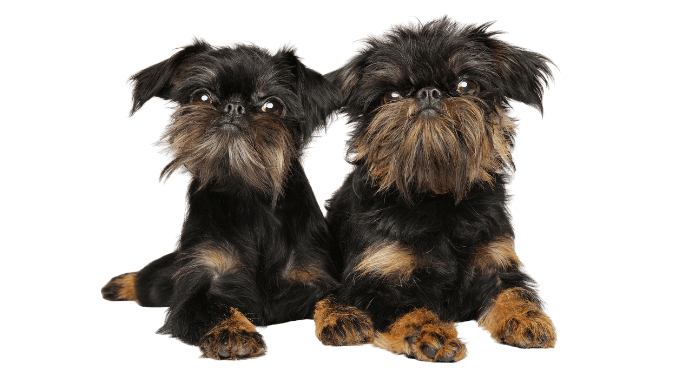
Wirehaired Pointing Griffon and German Wirehaired Pointer both have harsh, coarse outer coats designed for field protection in rough cover. Irish Wolfhound has a rough, harsh coat over the entire body, though less uniformly wiry than terriers. Brussels Griffon (rough coat variety) has a wiry, dense coat. Affenpinscher has a rough, harsh texture creating a distinctive monkey-like appearance. Spinone Italiano has a tough, thick, slightly wiry coat bred for hunting in difficult terrain.
Use the FurHQ AI Coat Identifier to confirm your dog's coat type if you are unsure.
Hand Stripping: What Your Professional Groomer May Do
Hand stripping is the traditional grooming method for wire coat dogs, developed alongside the breeds themselves. Understanding this technique helps you communicate better with your professional groomer.
Hand stripping means removing dead guard hairs by pulling them from the follicle rather than cutting them. The groomer grasps small amounts of hair between thumb and finger and pulls in the direction of hair growth. When done correctly on a coat that is ready (the hair is dead and releases easily), hand stripping is not painful. The dead hairs release from the follicle without pulling on live tissue.
Hand stripping is typically done in stages, called rolling the coat, where sections are stripped at different times to maintain continuous coat coverage while always having some mature hair and some new growth.
When you remove a dead hair by pulling it from the follicle, the follicle produces a replacement with the same harsh, wiry texture. This is why show dogs are always hand stripped. The texture can only be maintained through hand stripping.
FurHQ currently focuses on home maintenance techniques like carding that any owner can master. Hand stripping is best left to professional groomers or experienced owners. However, FurHQ has plans to offer advanced technique education in the future for those who want to learn more.
Clipping Wire Coat Dogs: What You Should Know
Most pet wire coat dogs are clipped rather than hand stripped because clipping is faster, less expensive, and more widely available. Understanding what clipping does to the coat helps you communicate with your professional groomer about your preferences.
The Softening Process
The first time a wire coat is clipped, you may not notice significant texture change. But the dead hair that was clipped rather than stripped remains in the follicle. With each subsequent clipping, more soft regrowth mixes with original harsh hair. Gradually, over several cycles, the coat transforms from crisp and harsh to soft and fluffy, often with colour changes.
This process is gradual. Some dogs maintain reasonable texture through several years of clipping. Others soften quickly. Individual genetics and clipping frequency both affect the rate of change.
Can Texture Be Restored After Clipping?
Once a wire coat has softened from repeated clipping, restoring the original texture is possible but requires professional help. Stop clipping entirely. A professional groomer experienced in wire coats strips out the softened coat, which may require multiple sessions. Allow regrowth, and new growth from cleared follicles will have the original harsh texture. Maintain with hand stripping going forward to prevent the cycle from repeating.
This restoration takes months and requires significant grooming expense and expertise. Many owners decide the original texture is not worth this investment, and that is a valid choice.
Talk to Your Groomer
Whether your dog is hand stripped, clipped, or maintained with a combination approach is a conversation to have with your professional groomer. Factors include your dog's tolerance, your budget, your preferences for texture versus convenience, and your groomer's expertise. FurHQ helps you understand the options so you can have an informed conversation.
The FurHQ Starter Grooming Kit: Wire Coat
The FurHQ Starter Grooming Kit: Wire Coat provides everything you need for proper home maintenance.
Texture-Tastic Shampoo formulated to support harsh coat texture. Coat-Quench Conditioner for selective application on furnishings and softer areas only. Pawfect Finish Coat Spray for brushing furnishings and friction zones.
Medium-Pinned Slicker Brush for body areas and furnishings. FurHQ Detail Comb for verifying tangle-free coat. Short-Medium Coat Carding Rake for removing dead undercoat. Rubber Curry for bathing and skin stimulation. Stay Put System (suction cup anchor and safety lead) for secure grooming setup.
Conditioner and Spray Protocol for Wire Coat Dogs
Wire coat dogs have specific product application rules that differ from every other coat type.
Coat-Quench Conditioner: Selective Application
Coat-Quench Conditioner is used selectively. Apply to furnishings (beard, eyebrows, leg hair), friction areas (armpits, inner thighs, behind ears), and undercoat only. Never apply conditioner to the jacket, saddle, or backline. Conditioner softens harsh texture in these areas, which compromises the weather-resistant function.
Pawfect Finish Coat Spray: Furnishings Only
Pawfect Finish Coat Spray follows the same rule. Mist lightly on leg furnishings and beard before every brush session for slip and breakage reduction. Do not spray the body jacket, saddle, or backline. The spray is a maintenance tool for the softer furnishing areas that need detangling support, not for the harsh body coat that should remain dry and textured between baths.
Weekly Maintenance Routine
Brushing (2 to 3 Times per Week)
Use the Medium-Pinned Slicker Brush for body areas and furnishings. Follow with the FurHQ Detail Comb through furnishings to verify no tangles remain. Mist Pawfect Finish Coat Spray on furnishings before brushing.
Carding (Maximum Once per Week)
Use the Short-Medium Coat Carding Rake to remove dead undercoat. Hold at a 45-degree angle to the skin. Use short, smooth strokes in the direction of hair growth. Let the tool catch and remove loose hair without pressing hard. Work systematically from neck to tail, then legs. Focus on areas where undercoat builds up: neck, shoulders, and hindquarters.
Carding is different from hand stripping. Carding removes dead undercoat and loose hair. Hand stripping removes dead guard hairs from the follicle. Both are valuable, but carding is the home maintenance technique any owner can do safely.
Furnishing Attention
The longer hair on legs, chest, face, and under the body is softer than the body jacket and requires more attention. These areas tangle more readily and need regular combing with the FurHQ Detail Comb to prevent mats.
Beard Care
Bearded wire coat dogs are prone to facial staining from food, water, and saliva. Wipe the beard after every meal with a damp cloth. Use a raised water bowl to keep the beard drier. Wash the beard weekly with a gentle cleanser. Keep the beard trimmed to a manageable length. For more on facial staining prevention, see Dog Tear Stains: Causes, Cleaning, and Prevention.
Choosing Your Approach: Hand Strip or Clip?
The decision between hand stripping and clipping is personal and depends on your priorities, your dog's tolerance, and your access to skilled groomers.
Consider hand stripping if you want to maintain the authentic harsh wire texture, your dog tolerates the process well, you have access to a groomer skilled in hand stripping, you are willing to pay premium prices for the time involved, or you value the practical benefits of harsh coat texture.
Consider clipping if your dog strongly dislikes hand stripping, maintaining original texture is not a priority, you want faster and less expensive grooming, hand stripping expertise is not available in your area, or your dog is a pet whose comfort matters more than coat texture.
Many owners choose a middle path: hand strip or card the back and sides where texture is most visible, clip the furnishings, legs, and belly where texture matters less, card regularly at home to remove dead coat between appointments, and accept some texture softening as the trade-off for reduced grooming time and cost.
Not Sure If Your Dog Is Wire Coated?
Wire coat texture is distinctive but not always obvious, especially in mixed breeds or dogs whose coats have already softened from clipping.
Signs of wire coat include harsh, bristly feel when you run your hand against the grain, hair that stands slightly away from the body rather than lying flat, visible difference between coarse outer hairs and soft underfur, and terrier or Schnauzer heritage.
Signs the coat has softened include soft, fluffy texture instead of harsh, colour that appears faded or washed out, coat that mats more easily than it used to, and increased shedding compared to when the dog was young.
Use the FurHQ AI Coat Identifier to determine your dog's coat type. Even if the texture has softened from clipping, identifying the original coat type helps you understand proper care going forward.
If the comb slides through the furnishings but catches on the body coat, that is dead undercoat talking. Card it out before it causes problems underneath.
Related Reading
Coat Type Education
- Dog Coat Types Explained
- Wire Coat Dogs: Maintain Texture and Health
- Curly Wavy Coat Dogs: Complete Care Guide
Grooming Techniques
- The Coat Release Method
- Coat Release Method Without an HV Dryer
- Dog Grooming Brushes: A Complete Guide by Coat Type
- Line Brushing Technique
- The FurHQ Touch Test
- How to Dry a Dog After a Bath
- How to Use Pawfect Finish Coat Spray
Related Topics
- Dog Tear Stains: Causes, Cleaning, and Prevention
- Dog Shampoo Ingredients: What to Avoid and What to Look For
- Senior Dog Grooming: Gentle Care for Ageing Dogs
The Bottom Line
Wire coat dogs have a unique coat type that requires understanding to maintain properly. The harsh, bristly texture is functional and protective. Professional groomers handle the hand stripping or clipping decisions. Your job as an owner is proper home maintenance between those professional sessions.
FurHQ focuses on the home maintenance skills every owner needs: regular carding to remove dead coat, brushing to maintain furnishings health, and proper product application that preserves texture where it matters. These are skills anyone can learn, and they make a real difference in your dog's comfort and appearance.
The FurHQ Starter Grooming Kit: Wire Coat provides the tools and products needed for effective home maintenance. Weekly brushing, regular carding, and attention to softer furnishings keeps your dog comfortable and looking good between professional grooming appointments.
You got this. And we've got you. 🐾
Variation Clarity Statement
Every dog is an individual. Wire coat density, texture, and grooming tolerance vary by breed and individual. Some dogs have softer or harsher coats than breed standard. The information in this blog represents general guidance for wire coat dogs. When in doubt, consult a Certified Professional Groomer experienced with wire coat breeds. If you are unsure about your dog's coat type, use the FurHQ AI Coat Identifier to get accurate identification and the right kit recommendation.
FAQs
What makes wire coat dogs different from other coat types?
Wire coat dogs have a double coat with harsh, bristly guard hairs over a soft undercoat. The wiry texture is functional, providing weather and debris protection. Unlike other coats, wire coats require either hand stripping to maintain texture or acceptance of gradual softening through clipping.
What is hand stripping and is it painful?
Hand stripping involves pulling dead guard hairs from the follicle rather than cutting them. When done correctly on coat that is ready (hair has died and releases easily), hand stripping is not painful. The dead hairs release without pulling on live tissue. Dogs properly introduced to hand stripping typically tolerate it well.
Why does clipping soften wire coat texture?
Clipping cuts the hair but leaves the dead portion in the follicle. When new hair grows, it often comes in softer than the original. Over multiple clipping cycles, soft regrowth dominates, and the harsh texture transforms to something soft and fluffy.
Can I restore harsh texture after my wire coat dog has been clipped?
Yes, but it requires commitment. Stop clipping entirely, have a skilled groomer strip out the softened coat over several sessions, allow new growth from cleared follicles, and maintain with hand stripping going forward. This process takes months and significant expense.
How often should wire coat dogs be groomed?
Professional grooming every 6 to 12 weeks depending on approach (hand stripping requires different scheduling than clipping). Home maintenance including brushing and carding should happen weekly. The harsh coat requires less frequent bathing than other coat types, typically every 4 to 8 weeks.
Is it cruel to clip a wire coat dog?
No. Clipping is a valid choice that many pet owners make for practical reasons. The coat softening is cosmetic, not harmful. What matters is that the dog is comfortable and the coat is maintained regularly, regardless of whether you strip or clip.
Why is hand stripping so expensive?
Hand stripping takes hours compared to the 45 minutes to an hour typical clipping requires. Professional groomers charge for their time. The skill required for proper hand stripping also commands premium pricing. Expect to pay significantly more for hand stripping than clipping.
8. What is carding and how does it help wire coat dogs?
Carding uses a carding tool or rake to remove dead undercoat and some dead guard hair without full hand stripping. Regular carding at home removes loose coat, maintains some texture, and keeps the coat comfortable between professional grooming appointments.
My wire coat dog hates being groomed. What should I do?
Start with short, positive sessions using treats. Never force extended grooming on a resistant dog. The Hush Pup Wrap included in FurHQ kits can help calm anxious dogs. Focus on gentle carding and brushing at home, and discuss grooming approach preferences with your professional groomer. If grooming has become severely stressful, professional help to reset the relationship may be needed.
Why does my wire coat dog's colour look faded?
Repeated clipping causes colour fading because the cut ends of the hair oxidize and bleach differently than freshly grown hair. Hand stripped coats maintain deeper, richer colour because new growth emerges with fresh pigment throughout the hair shaft.
Which areas of wire coat dogs need the most attention?
The softer furnishings on legs, chest, face, and under the body mat more readily than the harsh body jacket. These areas need regular combing to prevent tangles. The body coat needs brushing and carding but is naturally less prone to matting .
Does FurHQ teach hand stripping or clipping?
Currently, FurHQ focuses on home maintenance techniques like carding and brushing that any owner can master. Hand stripping and clipping are professional skills best left to your groomer. FurHQ has plans to offer advanced technique education in the future for DIY enthusiasts who want to learn more. For now, proper carding and brushing between professional appointments keeps your wire coat dog comfortable and looking good.
Can mixed breed dogs have wire coats?
Yes. Any dog with terrier or wire coated breed heritage can inherit wire coat texture. Mixed breeds with wire coats have the same maintenance needs as purebred wire coat dogs. Use the AI Coat Identifier to determine if your mixed breed has wire coat characteristics.
What is the Rubber Curry and why is it useful for wire coat dogs?
Use conditioner primarily on the furnishings (legs, face, chest) where the coat is softer and tangles more readily. Avoid heavy conditioning on the body jacket where you want to maintain harsh texture. Conditioner softens hair, which is counterproductive on the parts of the coat meant to be harsh.
What FurHQ kit should I get for my wire coat dog?
The FurHQ Wire Coat Kit is specifically designed for wire coated breeds. It includes Texture-Tastic Shampoo formulated for harsh coats, Coat-Quench Conditioner for furnishings, a Medium Pinned Slicker Brush, Coat-Specific Metal Comb, and Carding Rake for removing dead coat. All standard items (Stay Put System, Hush Pup Wrap, Rubber Curry, Ear Wipes) are also included.
What is the FurHQ 5-Step Grooming Method?
The FurHQ 5-Step Grooming Method is Audit, Prep, Bath, Dry, Finish. It provides structure for every grooming session so nothing gets missed. The tagline is: Learn the Method. Follow the Protocol. Complete the Mission.