
Scottish Deerhound Temperament and Grooming Considerations
Table of Contents
- Introduction: The Royal Dog of Scotland
- Breed Handling Profile
- Breed Purpose and Why It Matters for Scottish Deerhound Temperament
- FurHQ Coat Type Breakdown
- Not Sure About Your Dog's Coat Type?
- Puppy Coat to Adult Coat Transition
- The FurHQ 5-Step Grooming Method: Technical Reality
- FurHQ Starter Grooming Kit Breakdown
- Scottish Deerhound Temperament: Superpowers and Kryptonite
- FurHQ's Lifestyle Lens and Pro Insights
- Health and Lifespan: The FurHQ Touch Test
- Related Breed Comparisons
- Related Reading
- The Bottom Line
- Variation Clarity Statement
- FAQs
Introduction: The Royal Dog of Scotland
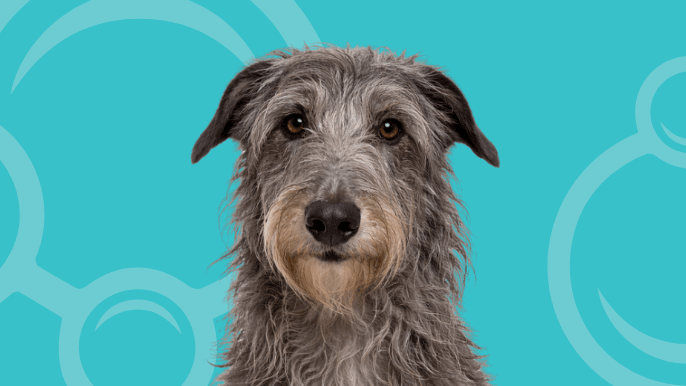
Scottish Deerhound Temperament is what happens when quiet dignity, gentle sensitivity, and ancient coursing ability combine in a tall, lean, elegantly built sighthound with a rough, wiry coat and centuries of Scottish aristocratic heritage.
Developed to course red deer in the Scottish Highlands, the Scottish Deerhound was once the exclusive companion of Scottish nobility, with ownership historically restricted to those of rank. Understanding Scottish Deerhound Temperament starts with recognising a breed that carries genuine aristocratic bearing without a trace of arrogance, a tall, gentle, quietly dignified dog that is polite, sensitive, and deeply attached to its people.
These dogs are quietly dignified. Scottish Deerhound Temperament includes a calm, polite, and gentle nature with a sensitivity and warmth that makes these large dogs surprisingly undemanding household companions. They are reserved without being aloof, gentle without being timid, and dignified without being cold.
The rough, wiry coat is crisp and harsh in texture, sitting close to the lean body with a softer undercoat beneath. Scottish Deerhound Temperament and coat care connect because the breed's calm, cooperative nature makes grooming sessions relaxed and efficient.

Let me tell you what you are really getting with a Scottish Deerhound, because this breed is one of the most refined and genuinely noble dogs you will ever encounter.
This is not a big Greyhound with a rough coat, though the resemblance is understandable. Scottish Deerhound Temperament carries a dignity and sensitivity that is distinct. These dogs are polite with a quiet warmth that develops slowly but runs deep. They do not demand attention. They accept it with grace. They do not push into your space. They settle nearby with calm presence. The result is a companionship that is subtle, consistent, and profoundly rewarding.
Now let's talk grooming. Honestly.
The wire coat on this breed is rough and crisp in texture with a softer undercoat. The coat lies close to the lean body without heavy furnishings . The beard and eyebrows are present but moderate. Brushing two to three times per week with the Medium-Pinned Slicker Brush and weekly attention with the Short-Medium Coat Carding Rake (maximum once per week) keeps the coat in excellent condition. Scottish Deerhound Temperament makes grooming sessions calm and cooperative.
This breed is NOT for you if:
- You want a boisterous, high-energy companion
- You cannot provide a secure fenced area for off-lead running
- You live in a small space unsuitable for a tall dog
- You want strong protective instincts
- You are unprepared for the shorter giant-breed lifespan
Because Scottish Deerhound Temperament includes:
- A strong chase instinct requiring secure fencing
- Giant size requiring adequate space
- A shorter lifespan (8 to 11 years) with associated health concerns
- No meaningful protective drive
- Sensitivity that does not thrive in chaotic environments
This breed IS for you if:
- You appreciate quiet dignity, gentle nature, and refined companionship
- You can provide secure fencing and regular running opportunities
- You have space for a tall, elegant dog
- You value calm, polite temperament above all
- You can commit to the health monitoring this breed requires
Scottish Deerhound Temperament rewards gentle, appreciative owners with a companion that is noble, calm, and brings a quality of companionship that is rare and deeply satisfying.
Appreciate the quiet dignity. Maintain the wire coat with consistent, gentle care. Provide running space and a warm, calm home.
Do that, and you will share your life with one of the most refined, gentle, and truly noble breeds in the world.
Breed Handling Profile
| Trait | Level | Notes |
|---|---|---|
| Emotional sensitivity | High | Gentle and sensitive; thrives in calm, positive environments |
| Handling tolerance | High | Patient and cooperative during grooming; gentle nature makes sessions easy |
| Grooming commitment | Moderate | Wire coat is manageable with consistent maintenance |
| Exercise needs | Moderate | Needs daily walks plus opportunity for off-lead running in secure areas |
| Alone time tolerance | Moderate | Calm and self-sufficient but bonds closely |
| Best fit household | Gentle, calm individuals or families who appreciate a dignified, quiet companion |
Breed Purpose and Why It Matters for Scottish Deerhound Temperament
The Scottish Deerhound was developed in Scotland to course red deer across the Highlands, a task requiring speed, stamina, and the courage to bring down an animal significantly larger than itself. The breed's history stretches back centuries, with ownership historically restricted to the Scottish nobility. The work demanded a dog that could sight deer at distance, pursue it at high speed across rough terrain, and possess the strength and determination to bring it to bay.
Scottish Deerhound Temperament reflects this coursing heritage in the breed's athletic ability and chase instinct. The speed, the keen sight, and the determination to pursue are all present. When your Scottish Deerhound spots movement in the distance and transforms from relaxed calm to rigid, focused attention, that is Highland deer-coursing heritage expressing itself.
The breed's gentle domestic nature was shaped by its aristocratic companion history. Scottish Deerhound Temperament was refined by centuries of living closely with noble families, creating a dog with polished social manners and a natural grace.
FurHQ Coat Type Breakdown
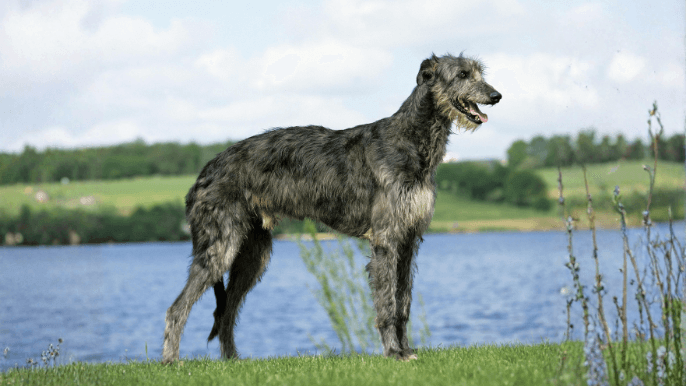
The Scottish Deerhound wears a Wire Coat as classified in the FurHQ seven-coat system. This coat type features a rough, crisp, harsh outer coat approximately 7 to 10 centimetres long on the body, with a softer undercoat beneath. The beard and eyebrows are moderate.
The Scottish Deerhound's coat is functional, providing protection against Scottish Highland weather and rough terrain. The harsh texture is slightly softer than terrier-type wires but maintains the characteristic crisp quality.
The Medium-Pinned Slicker Brush maintains the coat and lifts dead undercoat. The FurHQ Detail Comb works through the beard and eyebrow furnishings. The Short-Medium Coat Carding Rake extracts dead undercoat while preserving wire structure, used maximum once per week. The Rubber Curry serves as a bathing tool.
The recommended kit is the FurHQ Starter Grooming Kit: Wire Coat.
Not Sure About Your Dog's Coat Type?
Not every dog fits neatly into one coat category, and that is completely normal. Coat type determines the correct tools, products, and techniques for effective grooming, and getting it right matters for coat health and comfort. This is especially true for mixed breeds or dogs whose coat may vary from expectations.
Use the FurHQ AI Coat Identifier to find out your dog's coat type and get matched to the right FurHQ Starter Grooming Kit. Simply upload a photo and receive an accurate classification with a personalised kit recommendation.
Puppy Coat to Adult Coat Transition
Scottish Deerhound puppies are born with a softer coat that begins developing wire texture between 4 and 10 months. The adult coat establishes progressively, with the full harsh texture typically set by age 2.
Start gentle brushing from 8 weeks. Scottish Deerhound Temperament in puppyhood is gentle and receptive. Like the Irish Wolfhound, growth must be carefully managed. Use Pawfect Finish Coat Spray lightly on the legs. The FurHQ 5-Step Method provides structure for building the routine.
The FurHQ 5-Step Grooming Method: Technical Reality
The FurHQ 5-Step Method (Audit, Prep, Bath, Dry, Finish) applies to this coat type with emphasis on preserving the wire jacket texture while maintaining the softer furnishings and undercoat separately.
Learn the Method. Follow the Protocol. Complete the Mission.
Setup and Stability
Secure the dog using the Stay Put System (suction cup anchor + safety lead). For anxious dogs, the Hush Pup Wrap provides calming compression. Wire coats require patience during grooming, particularly around the face, beard, and leg furnishings where sensitivity is higher.
Tools and Technique
Audit: Begin every session by running your hands over the entire body. Check the jacket for blown (soft) coat, feel for undercoat density, and examine the furnishings for tangles. Check behind the ears, the beard, armpits, and leg furnishings where mats develop.
Prep: Use the Medium-Pinned Slicker Brush on furnishings and the Rubber Curry on the body coat. Use Pawfect Finish Coat Spray on furnishings before brushing. Verify furnishings with the FurHQ Detail Comb. Use the Short to Medium Coat Carding Rake on the body coat to remove dead undercoat and blown jacket, maximum once per week.
Bath: Use Rubber Curry during bathing for skin stimulation and to work shampoo through the dense coat. Rinse thoroughly, ensuring shampoo reaches the skin beneath the wire jacket.
Dry: Towel dry thoroughly. Use a dryer working with the coat's natural direction. The wire jacket should air up and maintain its texture as it dries.
Finish: Final comb-through of furnishings with the FurHQ Detail Comb. Assess the jacket texture and overall outline. Apply Pawfect Finish Coat Spray to furnishings only.
Chemistry and Coat Care
Texture-Tastic Shampoo cleanses while supporting the wire texture. Coat-Quench Conditioner and Pawfect Finish Coat Spray are applied selectively to the furnishings and undercoat only, never to the jacket or saddle . Over-conditioning the wire jacket softens the texture and compromises the coat's natural harsh structure. This selective conditioning approach is essential for maintaining proper wire coat integrity.
The Coat Release Method (Condensed)
Wire coats carry undercoat beneath the jacket that releases seasonally. During the Bath step, after full saturation and shampoo application, use controlled airflow in the tub while the coat is still lathered. The lubrication allows dead undercoat to release safely without friction or skin trauma. Rinse, then apply a second shampoo with the Rubber Curry to complete the release. This keeps dead coat contained in the tub rather than spread across your home. For the full step-by-step process, see The Coat Release Method for Dogs with Undercoat in Related Reading.
FurHQ Starter Grooming Kit Breakdown
The FurHQ Starter Grooming Kit: Wire Coat is recommended for the Scottish Deerhound.
Standard Items (included in all FurHQ kits):
- Stay Put System (suction cup anchor + safety lead + training tips)
- Hush Pup Wrap
- Rubber Curry (for bathing)
- Ear Wipes
- Pawfect Finish Coat Spray
Coat-Specific Items:
- Texture-Tastic Shampoo
- Coat-Quench Conditioner (selective application: undercoat areas only, NOT guard hairs)
- Medium-Pinned Slicker Brush
- FurHQ Detail Comb
- Short-Medium Coat Carding Rake
Total: 10 items
Each kit includes step-by-step video tutorials and informational PDFs so you know exactly how to use every tool and product for the Scottish Deerhound coat.
 Scottish Deerhound Temperament: Superpowers and Kryptonite
Superpowers
🌟 Quiet dignity: Scottish Deerhound Temperament carries a refined, noble quality that is genuinely calming. These dogs bring grace to every environment.
🌟 Gentle sensitivity: Scottish Deerhound Temperament is gentle, polite, and warmly sensitive without being fragile.
🌟 Calm household presence: Despite the tall build, these dogs are calm, unobtrusive indoor companions. Scottish Deerhound Temperament settles quietly and does not demand attention.
🌟 Manageable wire coat: The wire coat is straightforward to maintain with consistent care.
🌟 Athletic grace: The breed combines speed, agility, and endurance in a lean, elegant frame.
🌟 Good with children and other dogs: Scottish Deerhound Temperament is gentle with children and typically sociable with other dogs.
Kryptonite
⚠️ Chase instinct: Scottish Deerhound Temperament includes a strong prey drive that activates on sight of running animals. Secure fencing is essential and off-lead exercise in unfenced areas is risky.
⚠️ Shorter lifespan: Scottish Deerhounds typically live 8 to 11 years, shorter than smaller breeds.
⚠️ Heart disease: Dilated cardiomyopathy affects the breed. Regular cardiac monitoring is important.
⚠️ Bone cancer: Osteosarcoma occurs at elevated rates in this large sighthound.
⚠️ Sensitivity to harsh handling: Scottish Deerhound Temperament does not tolerate rough handling or chaotic environments. Patient, positive methods are essential.
⚠️ Bloat risk: Gastric dilatation-volvulus is a concern in this deep-chested breed.
FurHQ's Lifestyle Lens and Pro Insights
Scottish Deerhounds call for a gentle touch that matches their sensitive nature. Scottish Deerhound Temperament on the grooming table (or floor) is calm, cooperative, and quietly affectionate. These dogs accept grooming with the same quiet grace they apply to everything else.
The coat work is identical to other wire coats: Medium-Pinned Slicker across the body, FurHQ Detail Comb through the beard, Carding Rake maximum once per week, TextureTastic Shampoo, selective conditioner. The Deerhound's coat is slightly longer than the Irish Wolfhound's and carries a bit more wave, but the maintenance approach is the same.
Living with a Scottish Deerhound means appreciating subtlety. Scottish Deerhound Temperament does not demand or perform. It simply is. The quiet companionship, the gentle lean, the soft gaze, the polite presence nearby: these are the rewards of a breed that values quality of connection over quantity of activity.
Use a slicker and comb to keep the wire coat open and the furnishings tangle-free, especially around the beard, legs, and tail. Regular carding helps maintain the harsh texture and prevents the coat from softening or matting .
Health and Lifespan: The FurHQ Touch Test
The Scottish Deerhound typically lives 8 to 11 years. Regular health monitoring through grooming supports early detection.
Regular grooming sessions serve as health assessments when you incorporate the FurHQ Touch Test.
Dilated cardiomyopathy (DCM) is a significant breed concern. Osteosarcoma occurs at elevated rates. Bloat is a risk. Factor VII deficiency (a bleeding disorder) is documented in the breed. Cystinuria (a metabolic condition) occurs. Hypothyroidism may present as coat changes. Scottish Deerhound Temperament is sensitive and stoic, making grooming-based health checks particularly valuable.
Every grooming session is a conversation with your dog's body. The FurHQ 5-Step Method builds that conversation into your routine.
Related Breed Comparisons
If you are considering a Scottish Deerhound, these breeds share some characteristics but differ in important ways:
- Irish Wolfhound Temperament: Similar giant sighthound with comparable wire coat. Shares the gentle nature but is taller, heavier, and typically gentler with a shorter average lifespan.
- Greyhound Temperament: Similar sighthound heritage in a smaller, smooth-coated package. Shares the calm household nature and chase instinct but with less grooming and a longer lifespan.
- Borzoi Temperament: Comparable elegant sighthound with a silky feathered coat. Shares the aristocratic bearing but with a different coat type and temperament.
- Saluki Temperament: Similar ancient sighthound heritage with a feathered or smooth coat. Shares the dignified sensitivity but in a smaller, lighter frame.
Related Reading
Wire Coat Grooming
Comfort and Safety
- Dog Grooming Desensitisation
Tools and Products
Related Breed Blogs
The Bottom Line
Scottish Deerhound Temperament delivers quiet dignity, gentle sensitivity, and ancient aristocratic grace in a tall, lean, wire-coated package that brings a refined quality to every household. The chase instinct demands secure fencing. The health vulnerabilities require honest attention. The sensitivity demands gentle handling. But the return is a companion whose quiet nobility is genuine, whose gentle warmth runs deep, and whose dignified presence enriches every day with a subtle, profound companionship.
If you are ready for the commitment, the FurHQ Starter Grooming Kit: Wire Coat gives you every tool and product you need. You have a system that works.
Learn the Method. Follow the Protocol. Complete the Mission.
You got this. And we've got you.
Variation Clarity Statement
Every dog is an individual. While this profile describes typical breed characteristics, your specific dog may vary based on genetics, breeding, socialisation, and individual temperament. Coat type can also vary within breeds.
If you are unsure about your dog's coat type, use the FurHQ AI Coat Identifier to get accurate identification and the right kit recommendation.
FAQs
What is a Scottish Deerhound's coat type in the FurHQ system?
The Scottish Deerhound is classified as a Wire Coat in the FurHQ seven-coat system. The seven coat types are Smooth Single Coat, Short Double Coat, Medium Plush Double Coat, Feathered Long Double Coat, Wire Coat, Curly Wavy Coat, and Drop Coat. The rough, crisp outer coat with softer undercoat places it in the wire coat classification.
How often should I brush my Scottish Deerhound?
Brush two to three times per week with the Medium-Pinned Slicker Brush. Use the Short-Medium Coat Carding Rake maximum once per week. Comb the beard with the FurHQ Detail Comb. Scottish Deerhound Temperament makes sessions calm and cooperative.
Why should I never clip a Scottish Deerhound's coat?
Clipping cuts both the harsh guard hairs and the soft undercoat indiscriminately. When the coat regrows, the softer undercoat grows back dominant and the characteristic rough, weatherproof texture is permanently lost. Carding with the Short-Medium Coat Carding Rake removes dead undercoat mechanically while preserving the guard hairs and the functional protection. Scottish Deerhound Temperament is patient during carding sessions.
How long do Scottish Deerhounds live?
The typical lifespan is 8 to 11 years. Heart conditions, bone cancer, and bloat are significant health concerns. Regular veterinary monitoring and the FurHQ Touch Test during grooming sessions help with early detection. Scottish Deerhound Temperament creates deep bonds that make the shorter lifespan both precious and painful. Every year matters.
Are Scottish Deerhounds good family dogs?
For the right family. Scottish Deerhound Temperament includes genuine gentleness, patience, and quiet affection that can be wonderful in families with older, gentle children. The giant size, prey drive around small animals, space requirements, and shorter lifespan are important considerations. Families must be prepared for the emotional investment of a shorter partnership.
Do Scottish Deerhounds need a lot of exercise?
Scottish Deerhound Temperament requires daily opportunities to run in secure, fenced areas. Walking provides mental enrichment but does not satisfy the physical need to gallop. At home they are remarkably calm and quiet, content to rest between exercise sessions. The contrast between explosive outdoor athleticism and peaceful indoor calm defines the breed's daily rhythm.
Can Scottish Deerhounds live with cats or small dogs?
This is high risk. Scottish Deerhound Temperament includes prey drive refined by centuries of deer coursing. Small animals that run can trigger pursuit responses, and the size and speed of a Deerhound make the consequences serious. Some individuals raised with cats from puppyhood coexist peacefully, but the risk is always present.
How do I manage the Scottish Deerhound beard?
Use the Medium-Pinned Slicker gently through the beard weekly, followed by the Coat-Appropriate Metal Comb to check for tangles. Wipe the beard after meals to remove food debris. Apply a small amount of Pawfect Finish Coat Spray to the beard before brushing for slip. Scottish Deerhound Temperament is tolerant of facial grooming when handled gently.
What health problems do Scottish Deerhounds have?
Scottish Deerhounds can be prone to osteosarcoma, dilated cardiomyopathy, bloat, hypothyroidism, liver shunt, and joint issues. The limited lifespan makes regular health monitoring essential. Grooming sessions with the FurHQ Touch Test help catch early signs of changes. Scottish Deerhound Temperament makes health monitoring straightforward.
How big do Scottish Deerhounds get?
Males typically stand 30 to 32 inches at the shoulder and weigh 85 to 110 pounds. Females stand 28 to 30 inches and weigh 75 to 95 pounds. Scottish Deerhound Temperament in a dog of this size requires space, secure fencing, and realistic planning for the costs and logistics that accompany a giant breed.
Does FurHQ have products for Scottish Deerhounds?
Yes. The FurHQ Starter Grooming Kit: Wire Coat is designed specifically for wire coat breeds like the Scottish Deerhound. Each kit includes step-by-step video tutorials and informational PDFs so you know exactly how to use every tool and product. You can also find additional products and add-on kits, including the Nail Kit, in the FurHQ Store.
Does the Scottish Deerhound shed?
The undercoat sheds moderately without dramatic seasonal blow. The wire coat does not blow like plush double coats. Regular brushing and weekly carding manage shedding effectively.
How does Scottish Deerhound Temperament differ from the Irish Wolfhound?
Scottish Deerhound Temperament is slightly more independent and sensitive than the Irish Wolfhound. The Deerhound is lighter, leaner, and typically lives slightly longer (8-11 years vs 6-8). Both share gentle natures and wire coats. The Wolfhound is taller, heavier, and generally gentler.
How does Scottish Deerhound Temperament affect grooming?
Scottish Deerhound Temperament is calm, cooperative, and quietly accepting during grooming. The breed's sensitivity means gentle handling is important. Use calm, positive methods and avoid rushing.
How often should I bathe my Scottish Deerhound?
Bathe every 6 to 10 weeks using Texture-Tastic Shampoo with selective Coat-Quench Conditioner application. The wire coat is naturally self-cleaning.
What tools and products are in the FurHQ Starter Grooming Kit: Wire Coat?
The FurHQ Starter Grooming Kit: Wire Coat contains 10 items. Coat-specific items: Texture-Tastic Shampoo, Coat-Quench Conditioner (selective application), Medium-Pinned Slicker Brush, FurHQ Detail Comb, and Short-Medium Coat Carding Rake. Standard items: Stay Put System, Hush Pup Wrap, Rubber Curry, Ear Wipes, and Pawfect Finish Coat Spray.
How does the FurHQ 5-Step Method work for the Scottish Deerhound?
The FurHQ 5-Step Method (Audit, Prep, Bath, Dry, Finish) is efficient for the wire coat. Audit checks for lumps, bone sensitivity, and cardiac signs. Prep uses the Medium-Pinned Slicker Brush, FurHQ Detail Comb, and Short-Medium Coat Carding Rake. Bath uses Texture-Tastic Shampoo with selective Coat-Quench Conditioner. Finish applies Pawfect Finish Coat Spray lightly on legs.
What FurHQ Starter Grooming Kits are available?
FurHQ offers seven coat-specific kits: FurHQ Starter Grooming Kit: Smooth Single Coat, FurHQ Starter Grooming Kit: Short Double Coat, FurHQ Starter Grooming Kit: Medium Plush Double Coat, FurHQ Starter Grooming Kit: Feathered Long Double Coat, FurHQ Starter Grooming Kit: Wire Coat, FurHQ Starter Grooming Kit: Curly Wavy Coat, and FurHQ Starter Grooming Kit: Drop Coat. Use the FurHQ AI Coat Identifier for accurate classification or visit the FurHQ Store.