
Free Shipping over $99
FurHQ

Greyhound Temperament and Grooming Considerations

By Mondo Fluffarino | FurHQ Blog Author & Chief Education Officer

Table of Contents

Greyhound Temperament

Introduction: The Gentle Speedster

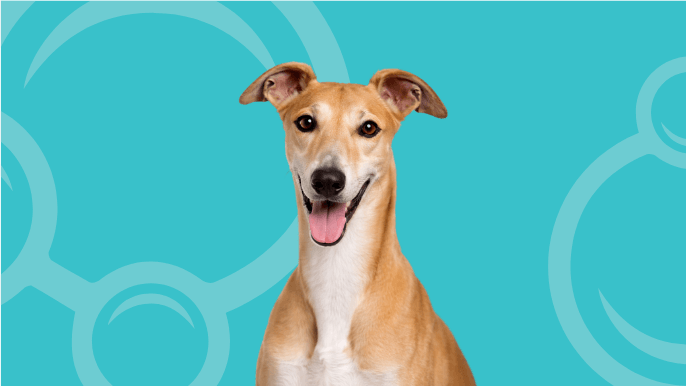
Greyhound Temperament is what happens when extraordinary athletic ability, quiet gentleness, and a surprisingly calm domestic nature combine in the fastest dog breed on earth. 

One of the oldest breeds in existence, the Greyhound has been valued for millennia as a coursing hound, yet the modern Greyhound's defining surprise is not its speed but its remarkable suitability as a quiet, low-energy household companion. 

Understanding Greyhound Temperament starts with recognising the paradox at the breed's core: a dog built for explosive speed that spends the vast majority of its life sleeping contentedly on a soft surface.

These dogs are quietly gentle. Greyhound Temperament includes a calm, sweet, and somewhat reserved nature that stands in stark contrast to the breed's athletic reputation. They are affectionate without being demanding, present without being intrusive, and content with a lifestyle that involves far more rest than activity.

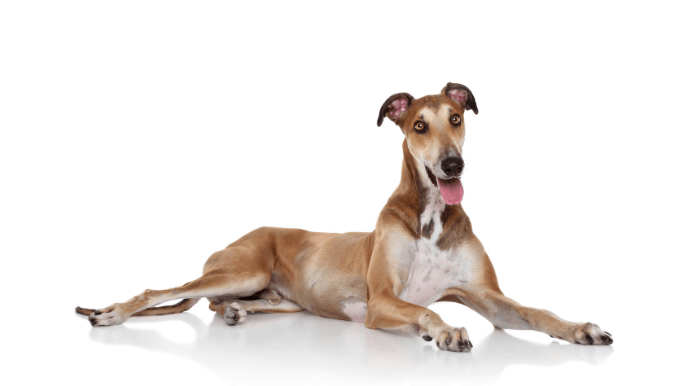
The smooth single coat is one of the thinnest, most practical coats in the dog world. The fine, short coat lies flat against the lean muscular body, requires minimal grooming effort, and makes the Greyhound one of the lowest-maintenance breeds from a coat perspective. 

Greyhound Temperament and coat care connect not through complexity but through the breed's thin skin and lean build, which require gentle handling during grooming.


Let me tell you what you are really getting with a Greyhound, because this breed surprises almost everyone.

People expect a dog that needs to run all day. What they get is the world's fastest couch potato. Greyhound Temperament at home is calm, quiet, and remarkably low-energy. These dogs sprint in explosive bursts and then rest. 

That is the pattern. A 20-minute walk and an opportunity to run in a secure area a few times per week satisfies the exercise needs of a dog that can reach 70 kilometres per hour. The rest of the time, they sleep.

Now let's talk grooming. Honestly.

The smooth single coat on this breed is about as easy as it gets. The fine, short hair lies flat against the body and requires a quick brush with the Boar Bristle Brush and Rubber Curry two to three times per week. 

There is no undercoat , no feathering , no seasonal blow. The only consideration is that Greyhound skin is thinner than most breeds, and the lean body has minimal fat padding over the bones. 

This means grooming requires a gentle touch with soft tools, and the dog should always have a padded surface to lie on.

This breed is NOT for you if:

  • You want a boisterous, high-energy daily companion
  • You want a dog that is enthusiastically friendly with everyone
  • You cannot provide a secure, fenced area for off-lead running
  • You have small animals that cannot be separated from the dog
  • You want a dog with a robust, cold-weather build

Because Greyhound Temperament includes:

  • A strong prey drive that endangers small animals
  • Thin skin and lean build requiring gentle handling and soft bedding
  • A reserved nature that warms slowly to new people
  • Cold sensitivity due to minimal body fat and thin coat
  • A quiet temperament that may be mistaken for depression by active-dog owners

This breed IS for you if:

  • You want a gentle, quiet, low-energy household companion
  • You appreciate an effortless coat on an elegant dog
  • You live in a calm environment suited to a sensitive breed
  • You can provide secure fenced running space and a warm, padded home
  • You are interested in adopting a retired racing Greyhound

Greyhound Temperament rewards gentle, calm owners with a companion that is elegantly quiet, surprisingly affectionate, and brings a peaceful presence to the household.

Honour the gentleness. Provide soft surfaces and warm shelter. Respect the prey drive with secure containment.

Do that, and you will share your life with one of the gentlest, most elegant, and most surprisingly easy-to-live-with dogs in existence.


Breed Handling Profile

TraitLevelNotes
Emotional sensitivityHighGentle and sensitive; thrives in calm, quiet environments
Handling toleranceModerate to HighCooperative but requires gentle touch due to thin skin and lean build
Grooming commitmentVery LowSmooth single coat requires minimal maintenance
Exercise needsLow to ModerateShort bursts of running; content with moderate daily walks
Alone time toleranceModerateCalm and independent; handles reasonable alone time
Best fit householdCalm, gentle individuals or families who appreciate a quiet, low-maintenance companion

Breed Purpose and Why It Matters for Greyhound Temperament

The Greyhound is one of the oldest dog breeds, with a history stretching back thousands of years across Egyptian, Greek, Roman, and medieval European civilisations. 

The breed was developed as a coursing hound, using its extraordinary speed and keen eyesight to pursue hare, deer, and other game across open terrain. The work required explosive acceleration, sustained top speed, and the visual acuity to track prey at distance.

Greyhound Temperament reflects this coursing heritage in specific ways. The explosive energy followed by extended rest mirrors the coursing pattern of intense chase followed by recovery. The keen prey drive remains strong. 

The reserved, quiet nature reflects a breed that was valued for athleticism rather than sociability. When your Greyhound spots a squirrel and transforms instantly from relaxed calm to rigid, focused intensity, that is thousands of years of coursing heritage activating.

The breed's gentle domestic nature was likely preserved because Greyhounds were historically kept by nobility and lived in close quarters with their owners. Greyhound Temperament was shaped by a life that alternated between intense field work and quiet household companionship.


FurHQ Coat Type Breakdown

The Greyhound wears a Smooth Single Coat as classified in the FurHQ seven-coat system. This coat type features a fine, short coat that lies flat against the lean muscular body with no undercoat.

The Greyhound's coat is among the finest and thinnest in the dog world. The skin beneath is thinner than most breeds, and the lean body has minimal fat padding. These physical characteristics mean grooming tools must be gentle and handling must be considerate.

The Boar Bristle Brush distributes natural oils, removes loose hair, and creates a healthy shine without irritating the thin skin. The Rubber Curry loosens dead hair gently and serves as a bathing tool.

The recommended kit is the FurHQ Starter Grooming Kit: Smooth Single Coat.


Not Sure About Your Dog's Coat Type?

Not every dog fits neatly into one coat category, and that is completely normal. Coat type determines the correct tools, products, and techniques for effective grooming, and getting it right matters for coat health and comfort. This is especially true for mixed breeds or dogs whose coat may vary from expectations.

Use the FurHQ AI Coat Identifier to find out your dog's coat type and get matched to the right FurHQ Starter Grooming Kit. Simply upload a photo and receive an accurate classification with a personalised kit recommendation.


Puppy Coat to Adult Coat Transition

Greyhound puppies are born with a coat similar to the adult coat. The transition is minimal and requires no special intervention. Most people acquire Greyhounds as adults, particularly through retired racing adoption programmes.

Start gentle handling from the earliest opportunity. Greyhound Temperament responds best to calm, positive grooming experiences. Retired racing Greyhounds may need gradual introduction to household grooming routines. Use Pawfect Finish Coat Spray lightly after bathing. The FurHQ 5-Step Method provides structure for building the routine.


The FurHQ 5-Step Grooming Method: Technical Reality

The FurHQ 5-Step Method (Audit, Prep, Bath, Dry, Finish) applies to this coat type with emphasis on skin health monitoring and efficient sessions that match the coat's low-maintenance structure.

Learn the Method. Follow the Protocol. Complete the Mission.

Setup and Stability

Secure the dog using the Stay Put System (suction cup anchor + safety lead). For anxious dogs, the Hush Pup Wrap provides calming compression. Smooth coats require shorter grooming sessions, so the setup routine should be quick and consistent.

Tools and Technique

Audit: Begin every session by running your hands over the entire body. On a smooth coat, you are checking skin condition more than coat condition. Feel for lumps, bumps, dry patches, irritation, and any changes. The short coat makes skin issues visible and detectable early, which is one of the advantages of this coat type.

Prep: Use the Boar Bristle Brush in the direction of coat growth to remove loose hair, distribute natural oils, and stimulate the skin. Smooth coats do not require coat spray during dry brushing, though a light application of Pawfect Finish Coat Spray adds shine.

Bath: Use Rubber Curry during bathing for thorough skin stimulation and to loosen dead coat. The short coat allows water and shampoo to reach the skin quickly. Rinse thoroughly.

Dry: Towel dry thoroughly. Smooth coats dry quickly due to their short length and lack of undercoat. A light brush-through with the Boar Bristle Brush during drying distributes oils and smooths the coat.

Finish: Final pass with the Boar Bristle Brush for a polished, smooth finish. A light mist of Pawfect Finish Coat Spray adds shine and skin protection.

Chemistry and Coat Care

Deep Clean Delight Shampoo provides a thorough cleanse suited to the smooth coat's direct skin contact. Coat-Quench Conditioner supports skin comfort and adds a healthy sheen. The smooth coat benefits from regular bathing on a consistent schedule because the short coat offers less natural protection from environmental exposure.


FurHQ Starter Grooming Kit Breakdown

The FurHQ Starter Grooming Kit: Smooth Single Coat is recommended for the Greyhound.

Standard Items (included in all FurHQ kits):

Coat-Specific Items:

Total: 8 items

Each kit includes step-by-step video tutorials and informational PDFs so you know exactly how to use every tool and product for the Greyhound coat.


Greyhound TemperamentGreyhound Temperament: Superpowers and Kryptonite

Superpowers

🌟 Calm household presence: Greyhound Temperament is quiet, calm, and content to rest for the majority of the day. These dogs bring peaceful energy to the home.

🌟 Effortless coat: The smooth single coat requires virtually no grooming beyond basic brushing, making Greyhound Temperament one of the most practical from a maintenance perspective.

🌟 Gentle nature: Greyhound Temperament is sweet, sensitive, and affectionate in a quiet, understated way that deepens over time.

🌟 Low exercise demands: Despite being the fastest dog breed, Greyhound Temperament requires surprisingly moderate exercise. Short bursts of running satisfy the breed's needs.

🌟 Quiet demeanour: Greyhounds rarely bark. Greyhound Temperament is among the quietest in the dog world, making the breed well-suited to apartments and shared living spaces.

🌟 Adoption availability: Retired racing Greyhounds are widely available through adoption programmes, offering gentle adult companions that settle into household life remarkably well.

Kryptonite

⚠️ Strong prey drive: Greyhound Temperament includes an intense chase instinct that endangers small animals including cats, rabbits, and small dogs. Off-lead exercise requires secure fencing. Some individuals can learn to live with cats, but this requires careful introduction and management.

⚠️ Cold sensitivity: The thin coat and minimal body fat mean Greyhound Temperament requires warm shelter and a coat or sweater in cold weather.

⚠️ Thin skin vulnerability: Greyhound skin tears and bruises more easily than most breeds. Grooming must be gentle, and the dog needs padded bedding to prevent pressure sores on bony prominences.

⚠️ Sensitivity to anaesthesia: Greyhounds metabolise certain drugs differently. Veterinary professionals must be aware of this breed-specific concern.

⚠️ Reserved with strangers: Greyhound Temperament warms slowly to new people. Gentle socialisation builds confidence but the breed remains more reserved than outgoing breeds.

⚠️ Escape risk: The combination of speed and prey drive means an escaped Greyhound can cover dangerous distance in seconds. Secure containment is essential.


FurHQ's Lifestyle Lens and Pro Insights

Greyhounds are best groomed gently and quickly because the coat cooperates and the dog appreciates efficiency. Greyhound Temperament on the grooming table is calm and cooperative, sometimes to the point of falling asleep during the session. The coat work takes five minutes. The health check is the valuable part.

The thin skin is the primary grooming consideration. Use light pressure with every tool. Avoid hard-bristled brushes or aggressive deshedding tools. The Boar Bristle Brush and Rubber Curry provide everything this coat needs without risking skin irritation or tears.

Living with a Greyhound means appreciating stillness. Greyhound Temperament does not demand constant entertainment.

These dogs are content to share a quiet room, rest on a soft bed, and offer gentle companionship without the energy and noise that other breeds bring. For people who want a calm, peaceful, easy-to-maintain companion, the Greyhound may be the most perfect match in the dog world.

Use a rubber curry or grooming mitt weekly to lift dead coat and stimulate skin without irritating their thin, sensitive hide. Keep sessions gentle and brief - their coat is easy, but their skin requires a light touch.


Health and Lifespan: The FurHQ Touch Test

The Greyhound typically lives 10 to 13 years. Regular health monitoring through grooming supports early detection.

Regular grooming sessions serve as health assessments when you incorporate the FurHQ Touch Test. The thin coat makes the body fully accessible.

Osteosarcoma (bone cancer) is a concern in this deep-chested breed. Bloat is a risk. Greyhound Temperament is stoic, so monitoring for limping or gait changes during grooming is important. 

Dental disease is common and checking the mouth during grooming supports early intervention. Skin lacerations and pressure sores require regular monitoring given the thin skin. 

Hypothyroidism occurs, and Greyhounds have naturally lower thyroid levels that must be interpreted against breed-specific reference ranges. Sensitivity to anaesthesia and certain medications is a critical breed-specific concern.

Every grooming session is a conversation with your dog's body. The FurHQ 5-Step Method builds that conversation into your routine.


If you are considering a Greyhound, these breeds share some characteristics but differ in important ways:

  • Whippet Temperament: Similar sighthound temperament in a smaller package with comparable coat. Shares the gentle nature and low exercise needs but with a more manageable size.
  • Italian Greyhound Temperament: Similar smooth coat in a much smaller, more fragile package. Shares the sighthound nature but with more clingy temperament and greater fragility.
  • Ibizan Hound Temperament: Similar sighthound heritage with a comparable smooth coat. Shares the elegance and prey drive but with more energy and playfulness.
  • Doberman Pinscher Temperament: Similar smooth coat in a more muscular, protective package. Shares the elegant appearance but with more drive and a very different temperament.

Smooth Single Coat Grooming

Bathing and Drying

Tools and Products

Related Breed Blogs


The Bottom Line

Greyhound Temperament delivers quiet gentleness, elegant calm, and surprising ease of living in the fastest dog on earth. The coat is effortless. The exercise needs are modest. The temperament is peaceful. 

The thin skin and lean build require gentle handling, and the prey drive requires secure management. But the return is a companion whose quiet, graceful presence brings a calm to the household that few breeds can offer. 

For people who appreciate stillness, elegance, and understated affection, the Greyhound is a perfect match.

If you are ready for the commitment, the FurHQ Starter Grooming Kit: Smooth Single Coat gives you every tool and product you need. You have a system that works.

Learn the Method. Follow the Protocol. Complete the Mission.

You got this. And we've got you.


Variation Clarity Statement

Every dog is an individual. While this profile describes typical breed characteristics, your specific dog may vary based on genetics, breeding, socialisation, and individual temperament. Coat type can also vary within breeds. 

If you are unsure about your dog's coat type, use the FurHQ AI Coat Identifier to get accurate identification and the right kit recommendation.

FAQs

What is a Greyhound's coat type in the FurHQ system?

The Greyhound is classified as a Smooth Single Coat in the FurHQ seven-coat system. The seven coat types are Smooth Single Coat, Short Double Coat, Medium Plush Double Coat, Feathered Long Double Coat, Wire Coat, Curly Wavy Coat, and Drop Coat. The fine, short coat with no undercoat places it in the smooth single coat classification.

How often should I brush my Greyhound?

Brush two to three times per week with the Boar Bristle Brush and Rubber Curry using gentle pressure. Greyhound Temperament is cooperative and the coat requires minimal effort. Sessions take approximately five minutes.

How much exercise does a Greyhound need?

Surprisingly moderate. Greyhound Temperament was shaped by short, explosive sprints rather than sustained endurance. Two daily walks of moderate length plus access to secure fenced space for sprinting a few times per week satisfies their athletic needs. They do not need the sustained, high-intensity exercise that many sporting breeds demand. After running, expect hours of contented sleeping.

Are Greyhounds good apartment dogs?

Yes, they can be excellent apartment dogs. Greyhound Temperament includes quiet behaviour, low indoor energy, and minimal barking that makes them well suited to apartment living. Their main requirement is access to secure fenced space for occasional sprinting, which can be provided through visits to enclosed parks or fields. They spend most of their indoor time resting and take up less functional space than many medium-sized breeds.

How bad is Greyhound shedding?

Greyhounds shed lightly year-round with no dramatic seasonal coat blows since they lack an undercoat. The fine, short hairs can appear on furniture and clothing but the overall shedding volume is minimal compared to double-coated breeds. Regular Rubber Curry sessions remove dead hair before it falls and manage shedding effectively. Greyhound Temperament makes them tolerant of the frequent light brushing that keeps shedding under control.

Can Greyhounds live with cats?

This requires careful individual assessment. Greyhound Temperament includes prey drive that varies significantly between individuals. Some Greyhounds live peacefully with cats, particularly if introduced carefully and the dog has been tested for small animal compatibility. Others have prey drive too intense for safe cohabitation. Retired racer adoption groups often assess each dog's cat compatibility. Never assume a Greyhound is safe with small animals without proper evaluation, and always supervise initial introductions.

What is special about Greyhound skin?

Greyhound skin is noticeably thinner than most breeds with less subcutaneous fat underneath. This affects every grooming decision because tools that work safely on thicker-skinned dogs can cause discomfort, bruising, or tears on a Greyhound. The Rubber Curry and Boar Bristle Brush in the FurHQ Starter Grooming Kit: Smooth Single Coat are the right tools because they are gentle enough for this sensitive skin. Avoid slickers, rakes, and metal combs entirely.

Do retired racing Greyhounds make good pets?

Retired racing Greyhounds make exceptional companions. Greyhound Temperament in retired racers is typically docile, grateful, and eager to bond with their new family. The adjustment period involves introducing them to normal household items and routines. With patience and gradual exposure, most retired racers transition beautifully into companion life and develop deep bonds with their owners.

Why does my Greyhound shake or tremble?

Greyhound Temperament includes a trembling response that can indicate cold, excitement, anxiety, or simply the physiology of a lean, low-body-fat breed. Ensure your dog is warm, as cold is the most common cause. If trembling occurs during grooming, it may indicate anxiety. Use the Hush Pup Wrap for calming compression and ensure your handling is gentle and the environment is quiet.

Do Greyhounds have health problems?

Greyhounds have some breed-specific health considerations including osteosarcoma, bloat, dental disease, and corns on the footpads. Regular grooming sessions with the FurHQ Touch Test help monitor for early signs of health changes. The thin skin and low body fat mean they show physical changes more visibly than other breeds. Their unique physiology also means they metabolise anaesthesia differently, which every veterinarian treating a Greyhound should know.

How do I keep my Greyhound warm in winter?

Well-fitted coats and sweaters are essential, not optional, in most Canadian climates. Greyhound Temperament in cold weather becomes anxious and reluctant. Choose outerwear that covers the chest, abdomen, and neck. Indoors, provide soft bedding and warm resting spots. Greyhounds will seek out the warmest location in any room. Monitor for signs of cold stress during outdoor time and limit exposure in extreme temperatures.

Can Greyhounds be off leash?

Only in securely fenced areas with fencing at least five to six feet high. Greyhound Temperament includes a sighthound chase instinct that overrides all training when a moving target appears. A Greyhound in pursuit reaches top speed within seconds and will not respond to recall. Off-leash exercise in unfenced areas is genuinely dangerous for this breed regardless of training level.

What is the Rubber Curry and why is it important for Greyhounds?

The Rubber Curry is a flexible rubber tool used in gentle circular motions to stimulate the skin, loosen dead cells, and lift debris. For smooth single coats like the Greyhound, the Rubber Curry is the primary grooming tool because it works the skin directly without risking damage to the thin skin. It is also used during bathing to ensure shampoo reaches the skin. Use lighter pressure than you would on thicker-skinned breeds. This tool is included in the FurHQ Starter Grooming Kit: Smooth Single Coat.

How do I check for corns on my Greyhound's pads?

During every grooming session, gently lift each paw and examine the pads for hard, circular spots that look like small calluses. Corns are common in Greyhounds and can cause significant pain and lameness. They appear most often on the digital pads. If you find a corn, consult your veterinarian for treatment options. Regular pad checks during grooming catch these early before they cause serious discomfort.

Is the Pawfect Finish Coat Spray necessary for a Greyhound?

Pawfect Finish Coat Spray adds a light finishing touch and freshening between baths for smooth single coats. Apply a light mist post bath. The application should be lighter than on other coat types because the fine coat does not need heavy product. It helps maintain the sleek, polished appearance that Greyhound coats naturally display while providing a subtle barrier for the thin skin underneath.

Does FurHQ have products for Greyhounds?

Yes. The FurHQ Starter Grooming Kit: Smooth Single Coat is designed specifically for smooth single coat breeds like the Greyhound. Each kit includes step-by-step video tutorials and informational PDFs so you know exactly how to use every tool and product. You can also find additional products and add-on kits, including the Nail Kit, in the FurHQ Store.

Does the Greyhound shed?

The Greyhound sheds lightly year-round. There is no seasonal blow because there is no undercoat. Regular brushing with the Rubber Curry and Boar Bristle Brush manages shedding effectively. The fine, short hair is less noticeable than heavier-coated breeds.

How does Greyhound Temperament affect grooming?

Greyhound Temperament is calm, cooperative, and often sleepy during grooming. The primary consideration is the thin skin and lean build, which require gentle handling with soft tools and padded surfaces.

How often should I bathe my Greyhound?

Bathe every 6 to 10 weeks using Deep Clean Delight Shampoo followed by Coat-Quench Conditioner. The fine coat dries very quickly. The thin skin benefits from the moisturising properties of the conditioner.

What tools and products are in the FurHQ Starter Grooming Kit: Smooth Single Coat?
What is special about adopting a retired racing Greyhound?

Retired racing Greyhounds are typically 2 to 5 years old and transition to household life remarkably well. Greyhound Temperament in retired racers is calm and adaptable. These dogs may need gradual introduction to stairs, glass doors, and household sounds, but they settle into domestic routines quickly.

How does the FurHQ 5-Step Method work for the Greyhound?

The FurHQ 5-Step Method (Audit, Prep, Bath, Dry, Finish) emphasises gentle handling and health monitoring. Audit gently checks the thin skin for cuts, pressure sores, and lumps. Prep uses the Rubber Curry and Boar Bristle Brush with light pressure. Bath uses Deep Clean Delight Shampoo and Coat-Quench Conditioner. Finish applies Pawfect Finish Coat Spray lightly for shine.

What FurHQ Starter Grooming Kits are available?