
Puggle Temperament and Grooming Considerations
Table of Contents
- Introduction: Two Scent Hounds and a Lap Dog Walk Into a Mix
- Puggle Handling Profile
- Breed Purpose and Why It Matters for Puggle Temperament
- The FurHQ 5-Step Grooming Method: Technical Reality
- FurHQ Starter Grooming Kit Breakdown
- Puggle Temperament: Superpowers and Kryptonite
- FurHQ's Lifestyle Lens and Pro Insights
- Health and Lifespan: The FurHQ Touch Test
- Related Breed Comparisons
- Related Reading
- The Bottom Line
- Variation Clarity Statement
- FAQs
Introduction: Two Scent Hounds and a Lap Dog Walk Into a Mix
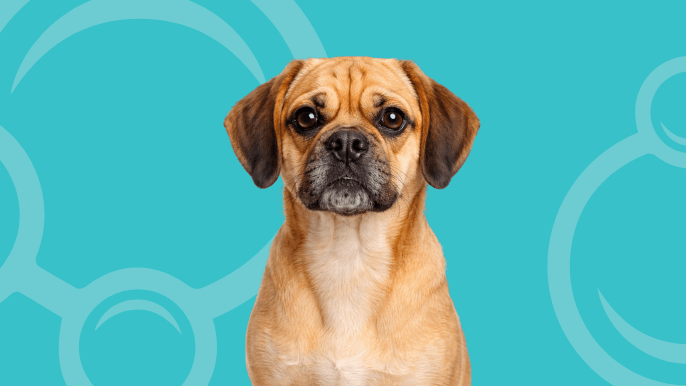
Puggle Temperament and grooming considerations begin with understanding what happens when you cross two of the most popular companion breeds in entirely different categories. The Puggle is a cross between a Pug and a Beagle, typically weighing 6 to 14 kg and standing 20 to 38 cm at the shoulder.
This designer mix combines the Pug's devotion to human companionship with the Beagle's curiosity and nose-driven exploration, creating a dog that wants to be on your lap one minute and following a scent trail across the yard the next.
Puggle Temperament is defined by friendliness that borders on universal. These dogs rarely meet a stranger, greeting everyone with tail wags and full-body enthusiasm. The Beagle influence adds an adventurous streak that the purebred Pug lacks, while the Pug influence softens the Beagle's independent wanderlust into something more manageable for families who want an active but not demanding companion.
What makes Puggle Temperament unique among designer mixes is the combination of two breeds that both prioritise connection but express it differently. The Pug side craves physical closeness and quiet companionship. The Beagle side craves shared adventure and sensory engagement. The result is a dog that's equally happy curled beside you on the couch and trotting beside you on a neighbourhood walk, nose working the entire time.

This is Mondo. I need you to hear something about this little mix before we go any further.
The Puggle is one of the most misunderstood designer dogs out there. People see the compact size, the adorable wrinkled face, and assume they're getting a low-maintenance lap dog. And yes, Puggle Temperament absolutely includes that lap dog energy. These dogs will melt into your side and stay there for hours if you let them. The affection is real, it's constant, and it's one of the most rewarding things about living with this cross.
But here's what catches people off guard. The Beagle in this mix didn't just contribute cute floppy ears. It contributed a nose that can derail an entire grooming session. It contributed a stubborn streak that makes the Pug's already legendary willfulness look like mild disagreement. And it contributed a voice. Puggles can howl, bay, bark, and produce sounds you didn't know a dog this size could make.
Now let's talk grooming. Honestly? The coat itself isn't complicated. Short double coat, manageable length, no tangles to wrestle with. But the shedding will shock you. Both the Pug and the Beagle are prolific shedders, and the Puggle inherited the full force of both. You'll find short hairs embedded in every fabric in your home. The good news is that consistent grooming with the right tools and method makes this completely manageable. The challenge isn't the coat. The challenge is keeping this wiggly, distracted, scent-driven dog still long enough to complete a session.
This breed is NOT for you if:
- You expect a designer mix to be low shedding
- You can't handle a dog that follows its nose instead of your voice during grooming
- You need a quiet dog that won't vocalise during sessions
- You're looking for a dog that sits perfectly still on a grooming table
- You want a coat that requires minimal maintenance between baths
Because Puggle Temperament includes:
- Heavy year-round shedding with seasonal blowouts from both parent breeds
- A nose-driven brain that prioritises scent over compliance
- A vocal range inherited from the Beagle that emerges during stress or boredom
- Wiggly, social energy that makes stillness genuinely difficult
- A dense undercoat that requires consistent tool work to manage
This breed IS for you if:
- You want an affectionate companion that bonds deeply with the whole family
- You're willing to commit to regular brushing sessions 2 to 3 times weekly
- You can work with a dog's natural energy instead of fighting it
- You appreciate a dog that brings both calm companionship and playful adventure
- You're ready to learn a system that turns shedding from overwhelming to manageable
The Puggle rewards the owner who shows up consistently with the right approach. This isn't about perfection. It's about understanding what drives this mix and working with that reality instead of against it.
Embrace the nose. Manage the shed. Keep sessions short and positive.
So let's talk about what this really looks like day to day.
Puggle Handling Profile
| Trait | Rating | Notes |
|---|---|---|
| Emotional Sensitivity | Moderate | Responds well to positive energy; shuts down with harsh corrections |
| Handling Tolerance | Moderate to High | Generally tolerant but will resist when bored or distracted by scent |
| Grooming Commitment | Moderate | Short coat but heavy shedding requires consistent 2 to 3 times weekly brushing |
| Exercise Needs | Moderate | Daily walks of 30 to 45 minutes plus play; not as low as Pug, not as high as Beagle |
| Alone Time Tolerance | Low to Moderate | Better than the Pug alone but still prefers company; may vocalise when left |
| Best Fit Household | Families, couples, retirees with moderate activity levels and time for companionship |
Breed Purpose and Why It Matters for Puggle Temperament
The Puggle emerged in the 1980s as one of the earliest deliberate designer crosses, combining the Pug's ancient history as a Chinese companion breed with the Beagle's centuries of scent hound heritage. Neither parent breed was developed for guarding, herding, or protection. Both were bred for connection, though they express it through different channels.
Puggle Temperament reflects this dual companion heritage. The Pug contribution brings centuries of selective breeding for human attachment, lap sitting, and emotional attunement. The Beagle contribution brings pack mentality, social confidence, and a work ethic tied entirely to following scent. Together, these create a dog that bonds quickly, adapts to most household environments, and genuinely enjoys spending time with people of all ages.
Understanding this heritage matters for grooming because Puggle Temperament doesn't include any working drive that translates to patience on a grooming table. These dogs weren't bred to stand for examination, hold still for handling, or tolerate repetitive tool work without engagement. Grooming compliance comes from relationship trust and positive association, not from any breed-level predisposition to cooperate with the process.
The FurHQ 5-Step Grooming Method: Technical Reality
The FurHQ 5-Step Method (Audit, Prep, Bath, Dry, Finish) applies to this coat type with emphasis on undercoat management and consistent shedding control through regular maintenance sessions.
Learn the Method. Follow the Protocol. Complete the Mission.
Setup and Stability
Secure the dog using the Stay Put System (suction cup anchor + safety lead). For anxious dogs, the Hush Pup Wrap provides calming compression. Short double coats benefit from efficient, consistent sessions that manage the dense undercoat before it becomes packed.
Tools and Technique
Audit: Begin every session by running your hands over the entire body. Feel for areas of packed undercoat, particularly along the hindquarters, ruff, and behind the ears. Check for skin irritation beneath the dense coat.
Prep: Use the Medium-Pinned Slicker Brush to work through the coat section by section, lifting and brushing through to the skin. Use the Rubber Curry for loosening surface coat. Apply Pawfect Finish Coat Spray before drying to provide slip and protect the coat. Use the Undercoat Depth Comb to verify brushing has reached the skin. The Short to Medium Coat Carding Rake removes dead undercoat efficiently, used once every two weeks maximum.
Bath: Use Rubber Curry during bathing for thorough skin stimulation and to loosen compacted undercoat. Full saturation to the skin is critical on a dense short double coat. Rinse thoroughly.
Dry: Towel dry thoroughly. Use a dryer to blow out remaining loose undercoat as it dries. Apply Pawfect Finish Coat Spray pre-dry for protection. A brush-through during drying removes significant additional undercoat.
Finish: Final pass with the Undercoat Depth Comb to verify the coat is free of loose undercoat and dry to the skin. Assess overall coat condition and skin health.
Blow-out season is where the real coat work lives. Stay ahead of undercoat release early, and the rest of the year stays easy.
Chemistry and Coat Care
Deep Clean Delight Shampoo provides a deep cleanse that reaches through the dense undercoat to the skin. Coat-Quench Conditioner supports skin comfort and coat health without over-softening the guard coat.
The Coat Release Method (Condensed)
Short double coats carry dense undercoat that releases seasonally in significant volume. During the Bath step, after full saturation and shampoo application, use controlled airflow in the tub while the coat is still lathered. The lubrication allows dead undercoat to release safely without friction or skin trauma. Rinse, then apply a second shampoo with the Rubber Curry to complete the release. This keeps dead coat contained in the tub rather than spread across your home. For the full step-by-step process, see The Coat Release Method for Dogs with Undercoat in Related Reading.
FurHQ Starter Grooming Kit Breakdown
The FurHQ Starter Grooming Kit: Short Double Coat contains everything needed to maintain a Puggle's coat properly.
Coat-Specific Items
| Item | Purpose |
|---|---|
| Deep Clean Delight Shampoo | Formulated for short double coats; penetrates dense undercoat to clean to the skin |
| Coat-Quench Conditioner | Hydrates coat layers so tools glide through more effectively during finishing |
| Pawfect Finish Coat Spray | Applied pre-dry and during dry brushing; helps tools move through the coat and provides a finished look |
| Medium-Pinned Slicker Brush | Primary brushing tool; medium pins reach through guard hair into the undercoat layer |
| Undercoat Depth Comb | Verification tool; confirms all layers have been properly brushed through |
| Short-Medium Coat Carding Rake | Removes dead undercoat from beneath the guard hair; maximum once every 2 weeks |
Standard Items (Included in All FurHQ Kits)
| Item | Purpose |
|---|---|
| Stay Put System | Suction cup anchor with safety lead and training tips for secure grooming |
| Hush Pup Wrap | Calming compression wrap for anxious or wiggly dogs |
| Rubber Curry | Dual purpose: bath scrubbing tool and dry brushing for skin stimulation and undercoat loosening |
| Ear Wipes | Pre-moistened wipes for routine ear cleaning; essential for Puggle's floppy ears |
Total Items: 10 (5 standard + 5 coat-specific)
 Puggle Temperament: Superpowers and Kryptonite
Superpowers 🦸
🌟 Universal Friendliness: Puggle Temperament includes a warmth that extends to virtually every person, child, and dog they encounter. This makes grooming environments with other animals or people present completely manageable.
🌟 Adaptable Size: At 6 to 14 kg, the Puggle is large enough to be robust for handling but small enough for easy table positioning, bathing in a standard tub, and physical management during grooming sessions.
🌟 Food Motivation: Both parent breeds are food-driven, and the Puggle inherits this trait enthusiastically. This creates a powerful training and reward tool for building positive grooming associations.
🌟 Resilient Coat Structure: The short double coat doesn't mat, tangle, or require scissoring, clipping, or breed-specific pattern work. Maintenance is about undercoat management, not styling complexity.
🌟 Social Confidence: Puggle Temperament rarely includes fear or anxiety around new experiences when properly socialised. These dogs generally approach grooming environments with curiosity rather than dread.
🌟 Recovery Speed: Even when a Puggle has a negative grooming experience, the breed's naturally optimistic temperament means they bounce back quickly and rarely hold lasting grudges against the process.
Kryptonite ⚠️
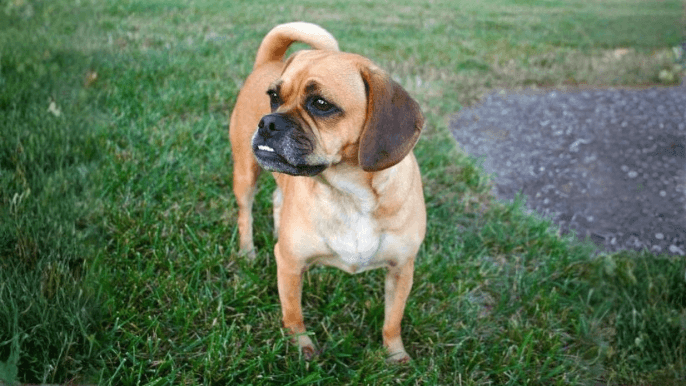
⚠️ Nose-Driven Distraction: The Beagle's scent hound brain can hijack an entire grooming session. One interesting smell and Puggle Temperament shifts from cooperative to completely checked out, nose working overtime while you try to brush a moving target.
⚠️ Stubborn Resistance: When a Puggle decides it's done, convincing it otherwise requires patience that exceeds most owners' expectations. The resistance isn't aggressive but it's remarkably persistent, combining the Pug's passive resistance with the Beagle's determined ignoring.
⚠️ Vocal Protests: The Beagle's bay and howl can emerge during grooming, particularly during drying or any handling the Puggle finds tedious. Puggle Temperament includes a vocal range that can make grooming sessions louder than you'd expect from a small dog.
⚠️ Shedding Volume: The combination of two heavy-shedding breeds creates undercoat output that genuinely surprises owners who expected a small dog to shed proportionally small amounts. The shedding is constant, amplified seasonally, and requires consistent tool work.
⚠️ Wiggle Factor: Puggles are physically wiggly dogs. Puggle Temperament includes a near-constant low-level movement that makes precision tool work challenging. They shift, roll, lean, and reposition continuously during sessions.
⚠️ Brachycephalic Sensitivity: The Pug influence means many Puggles inherit some degree of shortened muzzle, which can create breathing difficulties during stress, heat, or extended grooming sessions. Monitor breathing throughout and take breaks as needed.
FurHQ's Lifestyle Lens and Pro Insights
The Beagle Nose Factor
Understanding Puggle Temperament means accepting that the nose runs the show. During grooming, this means the Puggle isn't being disobedient when it suddenly strains toward a scent. The scent hound brain is wired to prioritise olfactory input above almost everything else. Work with this by ensuring your grooming area is as scent-neutral as possible and by using high-value treats to compete with environmental smells.
Session Length Strategy
Puggle Temperament responds best to sessions that match the breed's natural attention span. For most Puggles, 10 to 15 minutes is the sweet spot for brushing sessions. Pushing beyond this invites the stubborn shutdown both parent breeds are famous for. It's better to complete a thorough 10-minute session on half the body than to fight through 25 minutes of decreasing cooperation on the whole dog. Alternate which half you start with each session.
The Floppy Ear Reality
Both parent breeds contribute floppy ears, and the Puggle inherits ears that trap moisture, reduce airflow, and create ideal conditions for infection. Puggle Temperament around ear handling varies, but most accept it readily if introduced early. Use the Ear Wipes after every bath and weekly between baths. Check for odour, redness, or discharge during every grooming session. The ears are your early warning system for health issues.
Multi-Dog Household Grooming
Puggle Temperament in multi-dog households is generally excellent, but grooming sessions work best when the Puggle is separated from other dogs. The social energy and desire to play or investigate what other dogs are doing creates too much distraction. Groom the Puggle in a separate room with the door closed, and you'll see cooperation improve immediately.
Seasonal Blowout Management
During spring and autumn blowouts, Puggle Temperament and grooming schedules need to shift. Increase brushing from 2 to 3 times weekly to daily during peak shedding periods. The Short-Medium Coat Carding Rake becomes particularly valuable during these periods, though still limit use to once every 2 weeks. Between carding sessions, the Medium-Pinned Slicker Brush and Rubber Curry handle the daily maintenance effectively. The Coat Release Method during baths is the most efficient way to manage blowout volume.
Weight and Grooming Connection
Both the Pug and the Beagle are breeds prone to weight gain, and Puggle Temperament includes the food obsession that drives this tendency. Overweight Puggles develop skin folds that trap moisture and bacteria, particularly around the neck, chest, and hindquarters. During every grooming session, run your hands along the ribcage. You should feel ribs without pressing hard. If you can't, adjust diet and exercise before the extra weight creates coat and skin complications.
With a Puggle, the nose is both your biggest challenge and your best training tool. Before you start grooming, let your Puggle sniff every single tool you're about to use. Let them investigate the brush, the comb, the spray bottle. Give them 30 seconds to process each one.
Health and Lifespan: The FurHQ Touch Test
Puggles typically live 10 to 15 years. Their mixed heritage offers some hybrid vigour, but they can inherit health concerns from both parent breeds that directly impact coat condition and grooming comfort.
Common Health Concerns Relevant to Grooming:
Brachycephalic airway syndrome affects many Puggles who inherit the Pug's shortened muzzle. Monitor breathing during grooming, particularly during drying. If your Puggle shows laboured breathing, excessive panting, or blue-tinged gums, stop immediately and allow full recovery before continuing. Grooming in a cool, well-ventilated space is non-negotiable for brachycephalic Puggles.
Skin fold dermatitis occurs in Puggles with pronounced facial wrinkles inherited from the Pug parent. Folds trap moisture and bacteria, leading to infection if not cleaned regularly. During every grooming session, clean between all facial folds with a damp cloth, dry thoroughly, and check for redness or odour. This is as important as coat maintenance for Puggle health.
Hip dysplasia can affect some Puggles and may cause discomfort during positioning for grooming. If your Puggle resists certain positions, pain may be the cause rather than stubbornness. Watch for reluctance to stand for extended periods, difficulty with rear-end positioning, or stiffness after grooming sessions.
Cherry eye (prolapsed third eyelid gland) occurs in both parent breeds. During grooming, observe the eyes for any red or pink mass in the inner corner. Report changes to your veterinarian promptly.
Ear infections are common due to the floppy ear structure. The FurHQ Touch Test during grooming includes checking ears for warmth, smell, and discharge. Catching infections early through regular grooming observation prevents them from becoming chronic.
The FurHQ Touch Test should be performed during every grooming session. Run your hands over the entire body, checking for lumps, bumps, skin changes, and areas of sensitivity. Puggle Temperament makes this easy because these dogs generally enjoy being touched and handled, turning health monitoring into a bonding opportunity.
Related Breed Comparisons
Considering a Puggle? Understanding how Puggle Temperament and grooming compares to similar breeds helps ensure the right match.
Pug - One of the Puggle's parent breeds. Similar short double coat and shedding volume but calmer, less active, and more heat-sensitive. No Beagle-driven scent distraction during grooming. Higher brachycephalic risk. Read the Pug Profile
Beagle - The Puggle's other parent breed. Same short double coat classification but slightly coarser texture. Higher exercise needs, stronger scent drive, and more vocal. Better breathing than most Puggles. Read the Beagle Profile
French Bulldog - Similar size and companion temperament. Smooth single coat rather than short double, so less undercoat shedding. Shares brachycephalic concerns. Generally calmer during grooming but has similar skin fold maintenance needs. Read the French Bulldog Profile
Boston Terrier - Comparable size and social temperament. Smooth single coat with less shedding than the Puggle. Similar brachycephalic considerations. More energetic during grooming sessions but without the scent-driven distraction. Read the Boston Terrier Profile
Cavalier King Charles Spaniel - Similar affectionate temperament and companion drive. Drop coat rather than short double, requiring different tools and more frequent brushing. Lower shedding volume but higher mat risk. No brachycephalic concerns in most lines. Read the Cavalier Profile
Related Reading
Short Double Coat Grooming:
- The FurHQ Touch Test
- How to Dry a Dog After a Bath
- Dog Coat Types Explained
- The Coat Release Method Without an HV Dryer
Puppy Care:
- Dog Grooming Desensitisation Guide
Related Breed Profiles:
- Pug Temperament and Grooming Considerations
- Beagle Temperament and Grooming Considerations
- French Bulldog Temperament and Grooming Considerations
The Bottom Line
Puggle Temperament delivers a companion that's warm, social, and genuinely fun to live with. The grooming reality is straightforward: a short double coat that sheds heavily, requiring consistent maintenance with the right tools and method. The challenge isn't the coat itself. It's the wiggly, nose-driven, occasionally stubborn personality that makes every session an exercise in patience and positive reinforcement.
The FurHQ Starter Grooming Kit: Short Double Coat provides every tool you need. The FurHQ 5-Step Method provides the structure. Puggle Temperament provides the entertainment.
Commit to the process. Work with the nose. Celebrate the wiggle.
And we've got you. 🐾
Variation Clarity Statement
FurHQ classifies dog coats into seven types: Curly Wavy Coat, Drop Coat, Wire Coat, Smooth Single Coat, Short Double Coat, Medium Plush Double Coat, and Feathered Long Double Coat. The Puggle carries a Short Double Coat. Because both parent breeds (Pug and Beagle) carry short double coats, there is very little coat variation within this cross. The FurHQ Starter Grooming Kit: Short Double Coat is the correct kit for all Puggles. Coat type can also vary within mixed breeds.
If you are unsure about your dog's coat type, use the FurHQ AI Coat Identifier to get accurate identification and the right kit recommendation.
FAQs
What coat type does a Puggle have?
FurHQ classifies dog coats into seven types: Curly Wavy Coat, Drop Coat, Wire Coat, Smooth Single Coat, Short Double Coat, Medium Plush Double Coat, and Feathered Long Double Coat. The Puggle carries a Short Double Coat, consisting of a short, smooth outer coat with a dense undercoat beneath. Both parent breeds contribute short double coats, so there's minimal variation within this cross. The FurHQ Starter Grooming Kit: Short Double Coat is designed specifically for this coat classification.
How often should I groom my Puggle?
Puggle Temperament and coat health require brushing 2 to 3 times weekly, increasing to daily during seasonal blowouts. Use the Rubber Curry first in circular motions, followed by the Medium-Pinned Slicker Brush working in sections. The Short-Medium Coat Carding Rake should be used a maximum of once every 2 weeks. Finish each session by running the Undercoat Depth Comb through to verify all loose coat has been removed.
How bad is Puggle shedding?
Puggles comes with shedding that surprises most owners. Both the Pug and the Beagle are heavy shedders, and the Puggle inherits the full force of both. Short hairs embed in fabric, furniture, and clothing year-round. Seasonal blowouts in spring and autumn amplify the baseline significantly. Consistent brushing with the Medium-Pinned Slicker Brush and the Coat Release Method during baths are the most effective management strategies.
Are Puggles good family dogs?
Puggle Temperament within the family is affectionate, gentle, and universally friendly. These dogs are excellent with children of all ages, showing patience and genuine enjoyment of family activity. The breed's moderate exercise needs and social nature make it adaptable to most family situations. The primary consideration is ensuring the family can commit to the regular grooming schedule the shedding requires.
Can Puggles be left alone during work hours?
Puggle Temperament handles alone time better than the purebred Pug but still prefers company. Most Puggles can manage 4 to 6 hours alone if properly exercised beforehand, though some may vocalise, particularly the Beagle bay, when bored or lonely. Solutions include doggy daycare, midday walks, a second pet for company, or puzzle toys to engage the scent-driven brain. Extended daily isolation often leads to behavioural issues.
How much exercise does a Puggle need?
Puggle Temperament requires moderate exercise. Daily walks of 30 to 45 minutes plus indoor play satisfy most Puggles. The Beagle influence adds more energy than the purebred Pug, so don't underestimate this mix's need for activity. However, monitor breathing carefully in Puggles with shorter muzzles, especially in warm weather. Avoid intense exercise in heat and always provide access to water and shade.
Do Puggles have breathing problems?
Puggle Temperament and health depend significantly on how much Pug facial structure the individual dog inherits. Puggles with longer muzzles (favouring the Beagle parent) typically breathe well. Those with shorter, more Pug-like faces may experience brachycephalic airway challenges including snoring, laboured breathing during exercise or heat, and increased stress during grooming sessions. Always groom in a cool, ventilated space and take breaks if breathing becomes laboured.
What's the best way to handle a stubborn Puggle during grooming?
Puggle stubbornness responds to patience and positive reinforcement, never force. Use high-value treats to reward cooperation. Keep sessions to 10 to 15 minutes to avoid the shutdown point. If your Puggle goes limp or actively resists, take a 5-minute break rather than pushing through. The Hush Pup Wrap provides calming pressure that helps many Puggles settle. Consistency matters more than duration. Short positive sessions build better long-term cooperation than occasional marathon battles.
What tools do I need to groom a Puggle?
The FurHQ Starter Grooming Kit: Short Double Coat contains everything needed: Deep Clean Delight Shampoo, Coat-Quench Conditioner, Pawfect Finish Coat Spray, Medium-Pinned Slicker Brush, Undercoat Depth Comb, Short-Medium Coat Carding Rake, Stay Put System, Hush Pup Wrap, Rubber Curry, and Ear Wipes. Ten items total, each serving a specific purpose in the grooming process.
How do I clean my Puggle's facial wrinkles?
Puggles who inherit the Pug's facial folds need daily wrinkle cleaning to prevent bacterial and yeast infections. During every grooming session, gently separate each fold, wipe with a damp cloth or unscented baby wipe, and dry thoroughly. Check for redness, odour, or discharge that indicates infection. Even Puggles with less pronounced wrinkles benefit from regular fold checks. This takes 30 seconds per session and prevents problems that require veterinary treatment.
How often should I bathe my Puggle?
Puggle Temperament and coat health benefit from bathing every 4 to 6 weeks under normal conditions, increasing to every 2 to 3 weeks during seasonal blowouts when the Coat Release Method maximises undercoat removal. Use Deep Clean Delight Shampoo with the Rubber Curry during the bath to ensure product reaches the undercoat. Follow with Coat-Quench Conditioner and apply Pawfect Finish Coat Spray before drying.
Where can I learn the complete FurHQ grooming method for my Puggle?
The FurHQ 5-Step Method walks you through the complete Audit, Prep, Bath, Dry, and Finish process designed specifically for home groomers. Combined with the FurHQ Starter Grooming Kit: Short Double Coat, the method gives you the structure to turn Puggle Temperament and grooming from guesswork into a repeatable system. The FurHQ Storecarries all the tools referenced in this guide, and the FurHQ AI Coat Identifier can confirm your Puggle's coat classification if you're unsure.