
Pug Temperament and Grooming Considerations
Table of Contents
- Introduction: The Clown Prince of Companions
- Breed Handling Profile
- Breed Purpose and Why It Matters for Pug Temperament
- FurHQ Coat Type Breakdown
- Not Sure About Your Dog's Coat Type?
- Puppy Coat to Adult Coat Transition
- The FurHQ 5-Step Grooming Method: Technical Reality
- FurHQ Starter Grooming Kit Breakdown
- Superpowers 🦸
- Kryptonite ⚠️
- FurHQ's Lifestyle Lens and Pro Insights
- Health and Lifespan: The FurHQ Touch Test
- Related Breed Comparisons
- Related Reading
- The Bottom Line
- Important Note About Individual Dogs
- FAQs
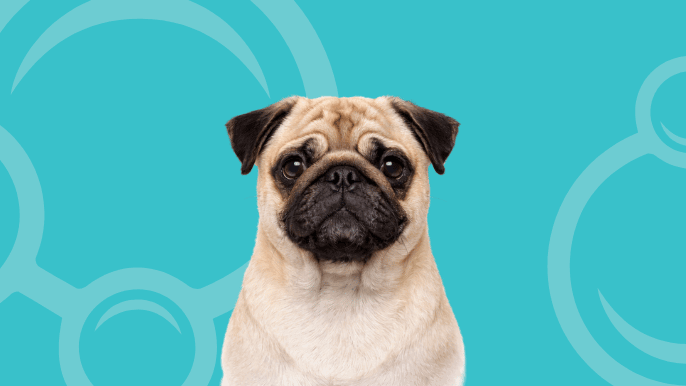
Pug Temperament is what happens when a breed is refined over two thousand years in the imperial courts of China with a single, unwavering purpose: to be the most devoted, entertaining, and emotionally attuned companion a human could desire. The Pug was never bred to hunt, herd, guard, or retrieve. It was bred to love, and it does that job with a commitment and enthusiasm that has not diminished across centuries and continents.
Understanding Pug Temperament means recognising that this is a breed built entirely around the human relationship.
Every element of the Pug's personality is oriented toward its people: the clownish behaviour designed to provoke laughter, the sensitivity that reads your emotional state with remarkable accuracy, the physical closeness that goes beyond preference into genuine need. Pug
Temperament is not independent. It is not aloof. It is relentlessly, joyfully, unapologetically focused on being near you and making you happy.
Pug Temperament is not for owners who underestimate what a short coat and a small body actually demand. The short double coat sheds with an intensity that shocks new owners, producing volumes of hair that seem impossible from a dog this size.
The brachycephalic facial structure requires daily fold cleaning and creates health limitations that affect every aspect of ownership. The breed's devotion, while rewarding, creates separation sensitivity that demands management. Those who embrace the full Pug package, shedding, snoring, health vigilance, and all, find one of the most genuinely loving companions in the entire dog world.

This is Mondo, and I need to tell you something about the Pug that matters more than anything else in this blog.
This dog lives for you. Not near you. Not alongside you. For you. Pug Temperament is the purest expression of companion devotion in the canine world. These dogs read your emotions with an accuracy that borders on unsettling.
They know when you are sad before you have fully registered it yourself, and they respond by pressing their warm, solid body against you with a deliberateness that says, "I am here, and I am not leaving." The Pug does not just want to be in the same room as you. It wants to be in physical contact with you at all times, and the emotional reward of that kind of devotion is genuinely profound.
When you are having the worst day of your life, your Pug will be there, not with solutions, not with demands, just with unwavering, physical, present love. The clownish side of Pug Temperament is equally real. These dogs are natural comedians who seem to understand that laughter is a form of connection. They perform. They ham it up. They create elaborate routines designed specifically for your reaction.
But here is the reality that comes with that devotion. Pug Temperament's emotional dependency creates a breed that does not handle separation well. Extended alone time produces anxiety, destructive behaviour, and genuine emotional distress.
The same sensitivity that makes the Pug attuned to your happiness means it is equally attuned to your absence. The stubbornness that emerges during training is not defiance. It is a breed that has been selectively bred for two thousand years to be charming rather than obedient, and charm is its default response to any request it finds unreasonable.
Add the health realities of a brachycephalic breed, the respiratory limitations, the heat sensitivity, the eye vulnerability, and the veterinary costs that accompany a structurally compromised skull, and you have a breed that demands significantly more than its cheerful demeanour suggests.
Which brings us to grooming .
Pug Temperament during grooming is generally cooperative because these dogs enjoy physical contact and attention. The short double coat looks deceptively low-maintenance, but the shedding reality shocks nearly every new Pug owner.
This small dog produces an astonishing volume of loose hair, and the seasonal blowouts amplify that baseline to extraordinary levels. The facial folds require daily cleaning regardless of coat condition.
Pug Temperament makes grooming sessions pleasant when handled gently, but the frequency required to manage the shedding is higher than most owners expect from a short-coated breed.
So let's talk about alignment.
This breed is not for you if:
- You cannot be home for significant portions of the day or provide companionship alternatives
- You are bothered by significant shedding on furniture, clothing, and every surface
- You are not prepared for the ongoing health costs of a brachycephalic breed
- You want a dog that can join you for intense outdoor activity in any weather
- You expect a short coat to mean minimal grooming
This breed is for you if:
- You want the most devoted, emotionally attuned companion available in the dog world
- You are home frequently and can provide the constant companionship this breed needs
- You find snoring, snorting, and flatulence endearing rather than annoying
- You are prepared for the financial commitment of brachycephalic health management
- You want a dog that makes you laugh every single day
Now that you understand the temperament foundation, let's look at what this really means day to day.
Breed Handling Profile
| Trait | Level | Notes |
|---|---|---|
| Emotional sensitivity | Moderate to High | People-oriented; responds strongly to owner's mood and attention |
| Handling tolerance | Moderate to High | Generally cooperative; stubborn when decides session is over |
| Grooming commitment | Moderate | Short coat is simple; wrinkle care and shedding management add time |
| Exercise needs | Low to Moderate | Short walks; absolutely no vigorous exercise in heat |
| Alone time tolerance | Low | Bred as companion; thrives on human presence; prone to separation anxiety |
| Best fit household | Owners who spend significant time at home and can manage heat sensitivity and daily wrinkle care |
Breed Purpose and Why It Matters for Pug Temperament
The Pug is one of the oldest dog breeds, originating in China over two thousand years ago as a companion for Chinese emperors and Buddhist monks. Unlike breeds developed for hunting, herding, or guarding, the Pug was bred exclusively for companionship. Its sole purpose was to be present, attentive, and emotionally connected to its human.
This companion heritage directly shaped Pug Temperament. The breed's devotion to its people, its desire for physical closeness, and its sensitivity to human emotions all stem from centuries of selective breeding for the most engaging, entertaining, and bonded companion possible. The Pug's famous stubbornness also traces to this history. A dog bred to sit with royalty developed its own sense of importance and a willingness to assert preferences rather than blindly follow commands.
The breed's journey from Chinese imperial courts to European aristocracy and eventually to modern family homes has maintained these core traits. Pug Temperament today is essentially the same temperament that charmed emperors: devoted, entertaining, stubborn, and completely committed to the person it loves.
FurHQ Coat Type Breakdown
The Pug carries a Short Double Coat as classified in the FurHQ seven-coat system.
This consists of a smooth, short topcoat and a dense, soft undercoat that provides insulation. Despite the short length, the undercoat is remarkably thick, which is why Pugs shed far more than their compact size suggests. The short double coat sheds significantly year-round with heavier seasonal shedding during spring and autumn.
The Medium-Pinned Slicker Brush lifts dead undercoat without irritating the skin. The Undercoat Depth Comb verifies that all layers have been properly brushed through. The Short-Medium Coat Carding Rake provides targeted undercoat extraction during heavier shedding periods. The Rubber Curry serves double duty as a bathing tool and an undercoat loosening tool during dry brushing sessions.
The recommended kit is the FurHQ Starter Grooming Kit: Short Double Coat.
Not Sure About Your Dog's Coat Type?
Every dog is an individual, and coat types can sometimes surprise you. If you are unsure whether your dog's coat is truly a short double coat or something else, use the FurHQ AI Coat Identifier. Simply upload a photo of your dog and get an accurate coat type classification with the right kit recommendation. No guessing required.
Puppy Coat to Adult Coat Transition
Pug puppies have a softer coat that gradually develops into the adult double coat. The transition typically begins around 4 to 6 months and completes by 10 to 12 months, at which point the full shedding pattern establishes itself.
The puppy coat sheds minimally compared to the adult coat, which gives new Pug owners a false sense of security about shedding levels. When the adult undercoat develops fully, the shedding increase is dramatic. Pug Temperament during this transition remains consistent because the breed's cooperative nature means grooming sessions are generally pleasant from the start.
Start gentle brushing with the Medium-Pinned Slicker Brush from 8 weeks. More importantly, begin the wrinkle cleaning routine immediately. Open each facial fold, wipe gently, dry thoroughly, and reward. The Rubber Curry in gentle circular motions helps puppies associate grooming tools with positive experiences. A Pug puppy that learns to accept wrinkle care and brushing without stress becomes an adult that stands happily for the routine.
The FurHQ 5-Step Grooming Method: Technical Reality
The FurHQ 5-Step Method (Audit, Prep, Bath, Dry, Finish) applies to this coat type with emphasis on undercoat management and consistent shedding control through regular maintenance sessions.
Learn the Method. Follow the Protocol. Complete the Mission.
Setup and Stability
Secure the dog using the Stay Put System (suction cup anchor + safety lead). For anxious dogs, the Hush Pup Wrap provides calming compression. Short double coats benefit from efficient, consistent sessions that manage the dense undercoat before it becomes packed.
Tools and Technique
Audit: Begin every session by running your hands over the entire body. Feel for areas of packed undercoat, particularly along the hindquarters, ruff, and behind the ears. Check for skin irritation beneath the dense coat.
Prep: Use the Medium-Pinned Slicker Brush to work through the coat section by section, lifting and brushing through to the skin. Use the Rubber Curry for loosening surface coat. Apply Pawfect Finish Coat Spray before drying to provide slip and protect the coat. Use the Undercoat Depth Comb to verify brushing has reached the skin. The Short to Medium Coat Carding Rake removes dead undercoat efficiently, used once every two weeks maximum.
Bath: Use Rubber Curry during bathing for thorough skin stimulation and to loosen compacted undercoat. Full saturation to the skin is critical on a dense short double coat. Rinse thoroughly.
Dry: Towel dry thoroughly. Use a dryer to blow out remaining loose undercoat as it dries. Apply Pawfect Finish Coat Spray pre-dry for protection. A brush-through during drying removes significant additional undercoat.
Finish: Final pass with the Undercoat Depth Comb to verify the coat is free of loose undercoat and dry to the skin. Assess overall coat condition and skin health.
Blow-out season is where the real coat work lives. Stay ahead of undercoat release early, and the rest of the year stays easy.
Chemistry and Coat Care
Deep Clean Delight Shampoo provides a deep cleanse that reaches through the dense undercoat to the skin. Coat-Quench Conditioner supports skin comfort and coat health without over-softening the guard coat.
The Coat Release Method (Condensed)
Short double coats carry dense undercoat that releases seasonally in significant volume. During the Bath step, after full saturation and shampoo application, use controlled airflow in the tub while the coat is still lathered. The lubrication allows dead undercoat to release safely without friction or skin trauma. Rinse, then apply a second shampoo with the Rubber Curry to complete the release. This keeps dead coat contained in the tub rather than spread across your home. For the full step-by-step process, see The Coat Release Method for Dogs with Undercoat in Related Reading.
The Wrinkle Care Protocol
Every facial wrinkle must be cleaned individually. Open each fold, wipe the interior with a clean, damp cloth, and dry thoroughly with a separate dry cloth. Pay particular attention to the nose rope and the folds around the eyes. Pug Temperament during wrinkle cleaning is typically patient because the breed enjoys physical attention, though some dogs resist around the deeper nasal fold. Gentle, confident handling works better than hesitant attempts.
FurHQ Starter Grooming Kit Breakdown
The FurHQ Starter Grooming Kit: Short Double Coat contains everything you need to maintain the Pug coat properly.
Standard Items (included in all FurHQ kits):
- Stay Put System (suction cup anchor + safety lead + training tips)
- Hush Pup Wrap
- Rubber Curry (for bathing and dry brushing)
- Ear Wipes
- Pawfect Finish Coat Spray
Coat-Specific Items:
- Deep Clean Delight Shampoo
- Coat-Quench Conditioner
- Medium-Pinned Slicker Brush
- Undercoat Depth Comb
- Short-Medium Coat Carding Rake
Total: 10 items
Each kit includes step-by-step video tutorials and informational PDFs so you know exactly how to use every tool and product for the Pug coat.
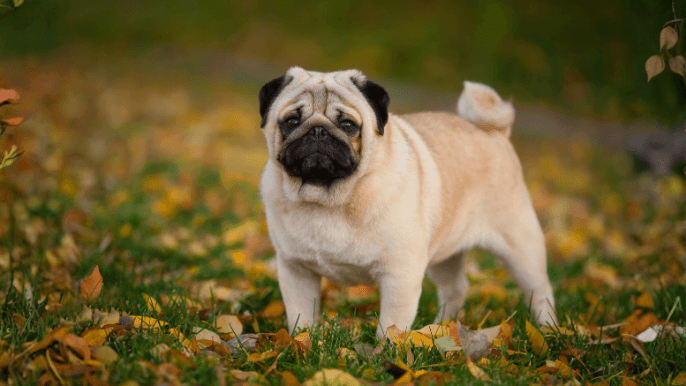 Superpowers 🦸
💕 Unmatched Emotional Attunement Pug Temperament reads your emotional state with extraordinary accuracy. These dogs sense sadness, stress, joy, and anxiety and respond with a presence that is genuinely therapeutic. The emotional bond is not casual. It is deep, intuitive, and consistently present.
🎪 Natural Comedian Pug Temperament includes a clownish quality that seems almost deliberate. These dogs perform, ham it up, and create comedy through physical expression, facial exaggeration, and perfectly timed antics. Living with a Pug means laughing daily.
💤 Adaptable Energy Level Pug Temperament matches your energy. Active moments get playful engagement. Quiet evenings get calm companionship. The breed adapts to your rhythm rather than imposing its own, making it suitable for various lifestyles provided companionship is consistent.
🤗 Universal Friendliness Pug Temperament is genuinely friendly with virtually everyone. Strangers, children, other dogs, guests, all are welcomed with enthusiasm. This makes the Pug one of the easiest breeds to socialise and one of the most pleasant to have in social situations.
🏠 Perfect Apartment Dog The small size, low exercise needs, and calm indoor demeanour make Pug Temperament ideal for apartment and small-space living. No garden required. No extensive outdoor access needed.
👴 Excellent Senior Companion The low exercise demands, calm temperament, and deep emotional bond make the Pug one of the best companion breeds for older adults. Pug Temperament provides companionship without the physical demands that many breeds require.
Kryptonite ⚠️
🌡️ Severe Heat Sensitivity The brachycephalic structure makes the Pug extremely vulnerable to heat. Pug Temperament in warm weather becomes dangerous. Air conditioning is essential. Exercise in heat must be eliminated, not just reduced. Heat stroke can develop rapidly and can be fatal.
💇 Shocking Shedding Volume Pug Temperament comes with shedding that is genuinely astonishing for a dog this size. The short double coat produces volumes of loose hair that cover every surface. Seasonal blowouts amplify the baseline to levels that many owners find difficult to manage. Hair will be on everything.
😢 Separation Distress Pug Temperament is built for constant companionship, and extended alone time creates genuine emotional distress. Destructive behaviour, vocalisation, and anxiety are common in Pugs left alone regularly. This breed is not suited to households where everyone is away for full work days.
🩺 Significant Health Costs Brachycephalic obstructive airway syndrome, eye conditions, spinal issues, patellar luxation, and obesity predisposition create ongoing veterinary costs that exceed what many owners budget for. Pug Temperament masks discomfort, making proactive health monitoring essential.
🍕 Obesity Predisposition Pug Temperament includes a food motivation that borders on obsessive, combined with low exercise capacity. Weight management requires strict portion control and the discipline to resist the breed's legendary ability to convince you that it is starving.
👁️ Eye Vulnerability The prominent eyes are susceptible to injury, ulceration, and proptosis. Pug Temperament during play and daily life does not naturally avoid situations that put the eyes at risk.
FurHQ's Lifestyle Lens and Pro Insights
The Shedding Management System
Pug Temperament and coat reality require a systematic approach to shedding. Brush 3 to 4 times weekly with the Rubber Curry in circular motions followed by the Medium-Pinned Slicker Brush and verified with the Undercoat Depth Comb. During blowouts, increase to daily sessions. The Coat Release Method during baths produces the most dramatic results for managing the volume of loose undercoat.
The Facial Fold Routine
Clean the facial folds daily. Pug Temperament does not include enthusiasm for this process, but it takes 60 seconds and prevents infections that require veterinary treatment. Use a clean, dry cloth or the Ear Wipes to wipe moisture and debris from each fold. Check for redness and odour. The nose rope fold above the nose is particularly prone to infection.
Weight as Health Priority
Pug Temperament includes food obsession that makes weight management a constant battle. An overweight Pug has dramatically worsened respiratory function, increased joint stress, and shortened lifespan. Measure food portions precisely. Resist the guilt-inducing expressions. Use healthy treats for training. Weigh your Pug regularly.
Heat Management Protocol
Pug Temperament in warm weather requires proactive management. Air conditioning is essential. Exercise must occur only during the coolest parts of the day. Carry water on every outing. Learn to recognise early signs of heat distress: excessive panting, drooling, glazed eyes, staggering. Have a cooling plan and veterinary contact readily available.
Companionship Solutions
Pug Temperament requires companionship as a baseline need. If you work outside the home, consider doggy daycare, a dog walker for midday visits, or a second pet for company. A second Pug often solves the companionship challenge while doubling the entertainment and the shedding.
Keep grooming cool, calm, and quick — Pugs overheat easily, so temperature control matters more than tool choice. Prioritize facial fold cleaning and nail maintenance, because comfort and mobility impact this breed far more than coat care ever will.
Health and Lifespan: The FurHQ Touch Test
Pugs have an average lifespan of 13 to 15 years. Regular grooming sessions provide an opportunity to monitor health through the FurHQ Touch Test, which integrates health checks into your normal grooming routine.
Key monitoring points for Pugs:
Brachycephalic obstructive airway syndrome is the breed's primary health concern. During grooming, listen for changes in respiratory sounds, increased effort in breathing, or new snoring patterns that may indicate worsening airway function.
Eye conditions including corneal ulcers, pigmentary keratitis, and proptosis require monitoring. Check for cloudiness, discharge, redness, or changes in eye appearance during every grooming session.
Skin fold infections require daily monitoring. Clean and inspect all facial folds, the nose rope, and any body wrinkles. Redness, odour, or discharge warrant veterinary attention.
Patellar luxation affects the breed. Note any skipping gait or sensitivity when the knees are handled during grooming.
Obesity is a significant health risk. Monitor body condition during grooming by feeling the ribs. If you cannot easily feel the ribs, weight reduction is needed.
Spinal conditions including hemivertebrae affect Pugs. Note any sensitivity along the spine, changes in gait, or reluctance to jump during grooming handling.
Related Breed Comparisons
If you are researching the Pug, you may also want to explore these related breeds:
- French Bulldog Temperament and Grooming Considerations (similar brachycephalic structure with higher energy)
- Cavalier King Charles Spaniel Temperament and Grooming Considerations (similar devotion with fewer brachycephalic concerns)
- Pekingese Temperament and Grooming Considerations (similar heritage with more independent temperament)
- Boston Terrier Temperament and Grooming Considerations (similar size and personality with higher energy)
- Shih Tzu Temperament and Grooming Considerations (similar companion heritage with higher coat demands)
Related Reading
Short Double Coat Grooming
- Understanding Double Coats: Why They Shed and How to Manage It
- Coat Release Method for Dogs
- How to Dry a Dog After a Bath
- Dog Shedding: What Every Owner Should Know
Coat Type Education
- Dog Coat Types: The Complete FurHQ Guide
Tools and Technique
- How to Use a Slicker Brush on a Dog
- Dog Grooming Desensitisation: How to Help Your Dog Love Grooming
Related Breeds
- French Bulldog Temperament and Grooming Considerations
- Pekingese Temperament and Grooming Considerations
- Cavalier King Charles Spaniel Temperament and Grooming Considerations
The Bottom Line
Pug Temperament is the purest expression of companion devotion in the dog world. The shedding is real. The health demands are significant. The snoring is constant. And the love is absolute. For owners who are present, patient, and prepared for the full Pug experience, the reward is a companion whose devotion makes every day better simply by existing.
The FurHQ Starter Grooming Kit: Short Double Coat provides the complete system built specifically for your Pug's coat type. Each kit includes video training and step-by-step guidance so you never have to guess.
Learn the Method. Follow the Protocol. Complete the Mission.
You got this. And we've got you. 🐾
Important Note About Individual Dogs
Every dog is an individual. While this profile describes typical breed characteristics, your specific dog may vary based on genetics, breeding, socialisation, and individual temperament. Coat type can also vary within breeds.
If you are unsure about your dog's coat type, use the FurHQ AI Coat Identifier to get accurate identification and the right kit recommendation.
FAQs
What coat type does a Pug have according to the FurHQ system?
The Pug has a Short Double Coat. FurHQ classifies all dog coats into seven types:
- Curly Wavy Coat
- Drop Coat
- Wire Coat
- Smooth Single Coat
- Short Double Coat
- Medium and Plush Double Coat
- Feathered Long Double Coat
The short topcoat and dense undercoat together create the heavy shedding that surprises many new Pug owners. The coat looks minimal but the undercoat cycles constantly and releases in significant volume.
Do Pugs really shed that much?
Yes. Pug Temperament does not include any awareness of the astonishing amount of hair this breed deposits on every surface. The dense undercoat releases hair continuously, and seasonal coat blow dramatically increases shedding during spring and autumn. Regular brushing two to three times per week with the Medium-Pinned Slicker Brush and Rubber Curry manages shedding but never eliminates it. During seasonal blow, daily brushing with the Short-Medium Coat Carding Rake is recommended.
How often should I brush my Pug?
Two to three times per week with the Medium-Pinned Slicker and Rubber Curry keeps shedding manageable during normal periods. During seasonal coat blow, daily brushing is recommended. Quick two-minute sessions with the Rubber Curry can be done daily without it feeling like a chore. Pug Temperament typically enjoys the attention and contact that brushing provides.
Do I need to clean my Pug's facial folds daily?
Yes. Daily facial fold cleaning is health maintenance, not optional grooming. The wrinkles trap moisture, tears, food particles, and debris that cause bacterial and yeast infections without regular cleaning. Use a damp cloth, clean between every fold, and dry completely. This takes less than two minutes and prevents infections that are painful for your dog and costly to treat.
Can I shave my Pug in summer to help with heat?
Never shave a double coated breed. The double coat actually helps regulate temperature by insulating against both cold and heat. Shaving removes this protection and can cause sunburn, skin damage, and coat regrowth problems. To manage heat sensitivity in Pugs, keep your dog in air-conditioned spaces, provide fresh water constantly, limit outdoor activity during warm weather, and use cooling mats.
How do I bathe a Pug safely given the flat face?
Protect the face from water and shampoo during bathing. Many owners find it easier to wash the body first and clean the face separately with a damp cloth. Never direct water spray at the face. Keep the bathing area well-ventilated because steam increases respiratory stress for brachycephalic breeds. Pug Temperament during bathing is generally cooperative when the dog feels secure.
Do black Pugs shed differently from fawn Pugs?
Black Pugs typically have a single coat layer rather than the full double coat found on fawn Pugs, which can mean slightly less shedding. However, black Pugs still shed regularly. The real difference is visibility. Fawn Pug hair shows on dark clothing and furniture while black Pug hair shows on lighter surfaces. Both colours benefit from the same grooming routine and tools.
What age should I start grooming my Pug puppy?
Start gentle grooming as early as 8 weeks. Introduce the Rubber Curry with light circular motions, handle the paws, ears, and face folds regularly, and make every experience positive. Pug Temperament is most receptive to new experiences during puppyhood. Early positive grooming experiences create a cooperative adult dog.
My Pug hates the dryer. What should I do?
The Hush Pup Wrap can help calm anxious Pugs during drying. Start with the dryer on its lowest setting, held at a distance, and reward calm behaviour. Never direct airflow at the face. Some Pug owners find that towel drying thoroughly and allowing their dog to air dry in a warm room is less stressful. The Coat Release Method Without an HV Dryer blog covers this approach in detail.
How do I manage Pug shedding on furniture and clothing?
Consistent brushing is the most effective approach. Removing dead undercoat before it falls out reduces the amount that ends up on your belongings. Beyond grooming, washable furniture covers, lint rollers, and a good vacuum designed for pet hair are essential Pug household tools. Accepting that some hair is inevitable is also part of the Pug ownership experience.
Are Pugs good for first-time dog owners?
Pug Temperament makes them one of the better breeds for first-time owners. They are forgiving of mistakes, adaptable to different lifestyles, and generally cooperative with grooming and training. The primary commitment is managing the shedding, cleaning the facial folds daily, and being aware of heat sensitivity and weight management.
Does FurHQ have products for Pugs?
Yes. The FurHQ Starter Grooming Kit: Short Double Coat is designed specifically for short double coat breeds like the Pug. Each kit includes step-by-step video tutorials and informational PDFs so you know exactly how to use every tool and product. You can also find additional products and add-on kits, including the Nail Kit, in the FurHQ Store.
What tools do I need for a Pug?
The FurHQ Starter Grooming Kit: Short Double Coat provides everything needed: Deep Clean Delight Shampoo for coat and wrinkle cleaning, Coat-Quench Conditioner for skin comfort, Medium-Pinned Slicker Brush for undercoat removal, Undercoat Depth Comb for verification, Short-Medium Coat Carding Rake for dense undercoat extraction, plus all standard items including the Stay Put System, Hush Pup Wrap, Rubber Curry, Ear Wipes, and Pawfect Finish Coat Spray. Beyond the kit, stock clean cloths for daily wrinkle cleaning.
How often should I bathe my Pug?
Every four to six weeks for routine bathing, or as needed when the coat becomes dirty or the dog develops odour. Use Deep Clean Delight Shampoo and work the shampoo gently into every facial fold. Always follow with Coat-Quench Conditioner. Pug Temperament during bathing is generally cooperative. The most critical step is thorough drying of every wrinkle fold after the bath. Use lukewarm water and avoid warm environments during bathing and drying.
What health problems are common in Pugs?
Pug Temperament is stoic and cheerful, which means health issues may not be obvious until advanced. Common concerns include brachycephalic obstructive airway syndrome, skin fold infections, eye problems (corneal ulcers, proptosis), patellar luxation, obesity, and allergies. The FurHQ Touch Test during grooming sessions catches skin changes, lumps, and tender areas early. Daily wrinkle care is the most important preventive health practice for this breed.
Which FurHQ kit does my dog need?
For the Pug with its short double coat, the FurHQ Starter Grooming Kit: Short Double Coat is the correct choice. FurHQ offers seven coat-specific kits to match every coat type:
- FurHQ Starter Grooming Kit: Smooth Single Coat
- FurHQ Starter Grooming Kit: Short Double Coat
- FurHQ Starter Grooming Kit: Medium Plush Double Coat
- FurHQ Starter Grooming Kit: Feathered Long Double Coat
- FurHQ Starter Grooming Kit: Wire Coat
- FurHQ Starter Grooming Kit: Curly Wavy Coat
- FurHQ Starter Grooming Kit: Drop Coat
Not sure which kit is right? Use the FurHQ AI Coat Identifier or browse the full range at the FurHQ Store.