

Yes. The FurHQ Starter Grooming Kit: Short Double Coat is designed specifically for short double coat breeds like the Harrier. Each kit includes step-by-step video tutorials and informational PDFs so you know exactly how to use every tool and product. You can also find additional products and add-on kits, including the Nail Kit, in the FurHQ Store.
Harrier Temperament and Grooming Considerations
By Mondo Fluffarino | FurHQ Blog Author & Chief Education Officer
Table of Contents
- Introduction: The Medium Hound With Big Heart
- Breed Handling Profile
- Breed Purpose and Why It Matters for Harrier Temperament
- FurHQ Coat Type Breakdown
- Not Sure About Your Dog's Coat Type?
- Puppy Coat to Adult Coat Transition
- The FurHQ 5-Step Grooming Method: Technical Reality
- FurHQ Starter Grooming Kit Breakdown
- Harrier Temperament: Superpowers and Kryptonite
- FurHQ's Lifestyle Lens and Pro Insights
- Health and Lifespan: The FurHQ Touch Test
- Related Breed Comparisons
- Related Reading
- The Bottom Line
- Variation Clarity Statement
- FAQs
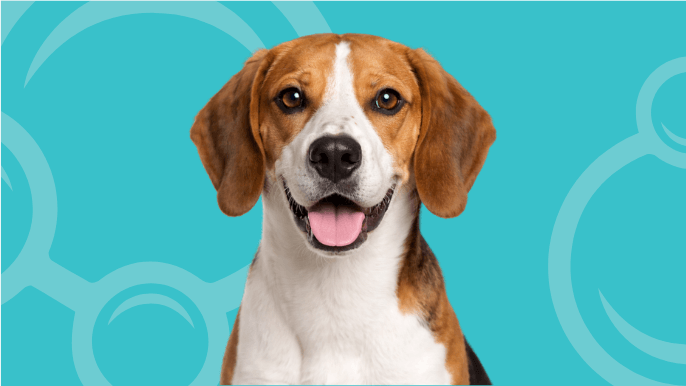 Introduction: The Medium Hound With Big Heart
Harrier Temperament is what happens when cheerful endurance, pack sociability, and sturdy hound determination combine in a medium-sized scenthound that bridges the gap between the Beagle and the English Foxhound.
Developed in England for hare hunting in packs, the Harrier is one of the rarest hound breeds despite being one of the most pleasant to live with.
Understanding Harrier Temperament starts with recognising that this is a pack hound at heart, a social, outgoing, and endlessly cheerful dog that thrives on companionship and brings a robust, easy-going energy to the household.
These dogs are relentlessly cheerful. Harrier Temperament includes a sunny, friendly, and outgoing nature that makes these dogs a pleasure to be around. They are sociable with people, dogs, and often other animals, carrying a pack hound's natural ease in group dynamics.
The short double coat is one of the breed's most practical features. The dense, short outer coat with a light undercoat provides weather protection without grooming complexity. Harrier Temperament and coat care connect practically because the low-maintenance coat suits the breed's active, outdoor lifestyle.
Let me tell you what you are really getting with a Harrier, because most people have never even heard of this breed and that is a genuine shame.
This is the middle-sized hound that does everything well. Harrier Temperament combines the Beagle's cheerfulness with the Foxhound's endurance in a medium package that is more manageable than the Foxhound and more robust than the Beagle.
These dogs are friendly, sturdy, tireless on the trail, and genuinely pleasant household companions. They are one of the best-kept secrets in the hound group.
Now let's talk grooming. Honestly.
The short double coat on this breed is straightforward. The dense, short outer coat lies close to the body, and the light undercoat provides moderate insulation. Shedding is moderate year-round with some seasonal increase.
Brushing two to three times per week with the Medium-Pinned Slicker Brush and Rubber Curry keeps the coat in excellent condition. Harrier Temperament makes grooming easy because these sociable dogs enjoy attention and physical contact.
This breed is NOT for you if:
- You cannot provide significant daily exercise
- You want a quiet, low-energy indoor companion
- You have close neighbours sensitive to baying
- You want a dog that stays reliably focused off lead
- You cannot provide companionship (human or canine)
Because Harrier Temperament includes:
- High endurance demanding substantial daily exercise
- A hound voice that carries when the dog is excited or bored
- A strong scent drive that overrides recall training off lead
- Pack sociability that resists extended isolation
- A sturdy build that carries more energy than its medium size suggests
This breed IS for you if:
- You lead an active outdoor lifestyle with hiking, running, or fieldwork
- You want a cheerful, friendly, sociable companion
- You appreciate a low-maintenance coat on a sturdy, handsome dog
- You can provide daily vigorous exercise and companionship
- You enjoy the unique personality of scenthound breeds
Harrier Temperament rewards active, social owners with a companion that is endlessly cheerful, tireless on the trail, and brings a warm, robust energy to every aspect of life.
Match the endurance. Maintain the coat with quick, efficient care. Provide the companionship this pack hound needs.
Do that, and you will understand why the Harrier deserves far more recognition than it receives.
Breed Handling Profile
| Trait | Level | Notes |
|---|---|---|
| Emotional sensitivity | Low to Moderate | Robust and cheerful; resilient and easygoing |
| Handling tolerance | High | Cooperative, friendly, and tolerant during grooming |
| Grooming commitment | Low | Short double coat requires minimal but consistent maintenance |
| Exercise needs | High | Tireless endurance hound requiring substantial daily exercise |
| Alone time tolerance | Low | Pack hound; strongly prefers companionship |
| Best fit household | Active individuals or families who can provide daily vigorous exercise and consistent companionship |
Breed Purpose and Why It Matters for Harrier Temperament
The Harrier was developed in England, likely during the 13th century, for hunting hare in organised packs. The breed was designed for endurance rather than speed, covering miles of terrain at a steady pace while tracking hare by scent.
The pack hunting tradition shaped a dog that worked cooperatively with other dogs and with mounted or running hunters.
Harrier Temperament reflects this pack hound heritage directly. The sociability, the cheerful energy, the tireless stamina, and the scent-driven focus all trace to a breed that was valued for its ability to work happily and effectively as part of a group for hours at a time.
When your Harrier picks up a scent trail and follows it with nose-down, tail-wagging determination, deaf to your recall commands, that is centuries of pack hound heritage expressing itself.
The breed's friendly, easygoing nature was preserved by the pack environment. Harrier Temperament was shaped by living and working with other dogs and with people, creating a breed with natural social skills and a cooperative disposition.
FurHQ Coat Type Breakdown
The Harrier wears a Short Double Coat as classified in the FurHQ seven-coat system. This coat type features a dense, short outer coat that lies close to the body, supported by a light, insulating undercoat.
The Harrier's coat is functional and low-maintenance. The short, dense outer coat provides weather protection and repels dirt, and the light undercoat adds minimal insulation. The coat was developed for a working hound that spent long hours in the field and needed practical coverage without maintenance demands.
The Medium-Pinned Slicker Brush lifts dead undercoat. The Undercoat Depth Comb verifies thorough undercoat removal. The Short-Medium Coat Carding Rake provides targeted undercoat extraction. The Rubber Curry loosens dead hair and serves as a bathing tool.
The recommended kit is the FurHQ Starter Grooming Kit: Short Double Coat.
Not Sure About Your Dog's Coat Type?
Not every dog fits neatly into one coat category, and that is completely normal. Coat type determines the correct tools, products, and techniques for effective grooming, and getting it right matters for coat health and comfort. This is especially true for mixed breeds or dogs whose coat may vary from expectations.
Use the FurHQ AI Coat Identifier to find out your dog's coat type and get matched to the right FurHQ Starter Grooming Kit. Simply upload a photo and receive an accurate classification with a personalised kit recommendation.
Puppy Coat to Adult Coat Transition
Harrier puppies are born with a softer coat that transitions to the adult double coat between 4 and 8 months. The transition is straightforward and minimally disruptive.
Start gentle brushing from 8 weeks. Harrier Temperament in puppyhood is playful and social, making grooming habituation easy. Use Pawfect Finish Coat Spray after bathing. The FurHQ 5-Step Method provides structure for building the routine.
The FurHQ 5-Step Grooming Method: Technical Reality
The FurHQ 5-Step Method (Audit, Prep, Bath, Dry, Finish) applies to this coat type with emphasis on undercoat management and consistent shedding control through regular maintenance sessions.
Learn the Method. Follow the Protocol. Complete the Mission.
Setup and Stability
Secure the dog using the Stay Put System (suction cup anchor + safety lead). For anxious dogs, the Hush Pup Wrap provides calming compression. Short double coats benefit from efficient, consistent sessions that manage the dense undercoat before it becomes packed.
Tools and Technique
Audit: Begin every session by running your hands over the entire body. Feel for areas of packed undercoat, particularly along the hindquarters, ruff, and behind the ears. Check for skin irritation beneath the dense coat.
Prep: Use the Medium-Pinned Slicker Brush to work through the coat section by section, lifting and brushing through to the skin. Use the Rubber Curry for loosening surface coat.
Apply Pawfect Finish Coat Spray before drying to provide slip and protect the coat.
Use the Undercoat Depth Comb to verify brushing has reached the skin. The Short to Medium Coat Carding Rake removes dead undercoat efficiently, used once every two weeks maximum.
Bath: Use Rubber Curry during bathing for thorough skin stimulation and to loosen compacted undercoat. Full saturation to the skin is critical on a dense short double coat. Rinse thoroughly.
Dry: Towel dry thoroughly. Use a dryer to blow out remaining loose undercoat as it dries. Apply Pawfect Finish Coat Spray pre-dry for protection. A brush-through during drying removes significant additional undercoat.
Finish: Final pass with the Undercoat Depth Comb to verify the coat is free of loose undercoat and dry to the skin. Assess overall coat condition and skin health.
Blow-out season is where the real coat work lives. Stay ahead of undercoat release early, and the rest of the year stays easy.
Chemistry and Coat Care
Deep Clean Delight Shampoo provides a deep cleanse that reaches through the dense undercoat to the skin. Coat-Quench Conditioner supports skin comfort and coat health without over-softening the guard coat.
The Coat Release Method (Condensed)
Short double coats carry dense undercoat that releases seasonally in significant volume. During the Bath step, after full saturation and shampoo application, use controlled airflow in the tub while the coat is still lathered.
The lubrication allows dead undercoat to release safely without friction or skin trauma. Rinse, then apply a second shampoo with the Rubber Curry to complete the release.
This keeps dead coat contained in the tub rather than spread across your home. For the full step-by-step process, see The Coat Release Method for Dogs with Undercoat in Related Reading.
FurHQ Starter Grooming Kit Breakdown
The FurHQ Starter Grooming Kit: Short Double Coat is recommended for the Harrier.
Standard Items (included in all FurHQ kits):
- Stay Put System (suction cup anchor + safety lead + training tips)
- Hush Pup Wrap
- Rubber Curry (for bathing and daily grooming)
- Ear Wipes
- Pawfect Finish Coat Spray
Coat-Specific Items:
- Deep Clean Delight Shampoo
- Coat-Quench Conditioner
- Medium-Pinned Slicker Brush
- Undercoat Depth Comb
- Short-Medium Coat Carding Rake
Total: 10 items
Each kit includes step-by-step video tutorials and informational PDFs so you know exactly how to use every tool and product for the Harrier coat.
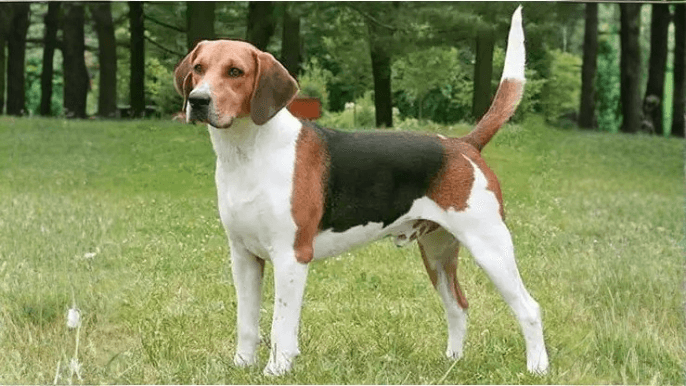 Harrier Temperament: Superpowers and Kryptonite
Superpowers
🌟 Relentless cheerfulness: Harrier Temperament radiates a consistent, sunny energy that is genuinely uplifting.
🌟 Social ease: Harrier Temperament is friendly with people, dogs, and often other animals. The pack heritage creates natural social skills.
🌟 Tireless endurance: The breed was built for hours of sustained fieldwork and retains that stamina, making Harrier Temperament an outstanding companion for hiking, running, and trail activities.
🌟 Practical coat: The short double coat provides field protection with minimal grooming demand.
🌟 Sturdy build: The Harrier is a robust, well-constructed medium dog without the fragility or exaggeration found in some breeds.
🌟 Good with children: Harrier Temperament is patient, playful, and sturdy, making it an excellent family companion.
Kryptonite
⚠️ Scent drive: Harrier Temperament includes a powerful scent tracking instinct that overrides recall training. Off-lead reliability in unfenced areas is extremely difficult to achieve.
⚠️ Exercise demands: Harrier Temperament requires substantial daily exercise. Without adequate physical outlet, the endurance and energy create destructive, vocal behaviour.
⚠️ Hound voice: The baying and barking can be substantial when the dog is excited, bored, or tracking scent. Harrier Temperament includes a voice that carries.
⚠️ Isolation intolerance: Pack hound heritage means Harrier Temperament does not handle extended isolation well. These dogs need consistent companionship.
⚠️ Rare breed challenges: The Harrier is extremely rare outside organised pack hunting. Finding reputable breeders requires effort and patience.
⚠️ Never shave this coat: Shaving a double coated breed damages the coat structure and removes temperature regulation. Proper undercoat removal through brushing and the Coat Release Method is the correct approach.
FurHQ's Lifestyle Lens and Pro Insights
Harriers are rarely seen on grooming tables because they are genuinely rare, but when they do appear, they are among the most pleasant dogs to groom. Harrier Temperament on the grooming table is friendly, cooperative, and often tail-wagging throughout the session. The coat work is quick and straightforward.
The coat takes 10 minutes. Rubber Curry, slicker brush, done. The value of grooming this breed is the health check and the tick inspection after field activity. The short coat makes everything visible and accessible.
Living with a Harrier means matching the energy. Harrier Temperament is built for endurance, and the cheerful, active energy fills the household with warmth. These dogs need a running partner, a hiking companion, or a large fenced area where they can cover ground.
The return is a companion whose cheerfulness never fades and whose social warmth makes every family member feel welcomed.
Check the ear flaps and ear canals at every grooming session. The Harrier's pendant ears trap moisture and debris from field activity, and the breed's outdoor lifestyle increases exposure to ear infections.
Health and Lifespan: The FurHQ Touch Test
The Harrier typically lives 12 to 15 years. Regular health monitoring through grooming supports early detection across this long lifespan.
Regular grooming sessions serve as health assessments when you incorporate the FurHQ Touch Test. The short coat makes the body accessible.
Hip dysplasia is a concern. Eye conditions are breed concerns and observing eye comfort during grooming supports monitoring. Ear infections require vigilant attention due to the pendant ears. Epilepsy has been documented in the breed. Harrier Temperament is robust and stoic, so subtle changes in comfort during grooming may indicate emerging issues.
Every grooming session is a conversation with your dog's body. The FurHQ 5-Step Method builds that conversation into your routine.
Related Breed Comparisons
If you are considering a Harrier, these breeds share some characteristics but differ in important ways:
- Beagle Temperament: Smaller version with similar hound cheerfulness and coat type. Shares the scent drive and sociability but with less endurance and a more compact build.
- English Foxhound Temperament: Larger version with similar pack hound heritage and comparable coat. Shares the endurance and sociability but with more size and exercise demand.
- Basset Hound Temperament: Similar hound heritage with a much lower, heavier build. Shares the scent drive but with dramatically less energy and more stubbornness.
- Vizsla Temperament: Comparable energy and sporting ability with a smooth coat. Shares the exercise demands but with a pointer's temperament rather than a pack hound's sociability.
Related Reading
Short Double Coat Grooming
Comfort and Safety
- Dog Grooming Desensitisation
Tools and Products
Related Breed Blogs
The Bottom Line
Harrier Temperament delivers relentless cheerfulness, tireless endurance, and pack hound sociability in a sturdy, practically coated medium package that deserves far more recognition than it receives.
The exercise demands are real. The scent drive is powerful. The hound voice carries. But the return is a companion whose sunny energy never fades, whose social warmth includes everyone, and whose robust, uncomplicated nature makes every outdoor adventure better.
If you are ready for the commitment, the FurHQ Starter Grooming Kit: Short Double Coat gives you every tool and product you need. You have a system that works.
Learn the Method. Follow the Protocol. Complete the Mission.
You got this. And we've got you.
Variation Clarity Statement
Every dog is an individual. While this profile describes typical breed characteristics, your specific dog may vary based on genetics, breeding, socialisation, and individual temperament. Coat type can also vary within breeds.
If you are unsure about your dog's coat type, use the FurHQ AI Coat Identifier to get accurate identification and the right kit recommendation.
FAQs
What is a Harrier's coat type in the FurHQ system?
The Harrier is classified as a Short Double Coat in the FurHQ seven-coat system. The seven coat types are Smooth Single Coat, Short Double Coat, Medium Plush Double Coat, Feathered Long Double Coat, Wire Coat, Curly Wavy Coat, and Drop Coat. The dense, short outer coat with light undercoat places it in the short double coat classification.
How often should I brush my Harrier?
Brush two to three times per week with the Medium-Pinned Slicker Brush and Rubber Curry, using the Short-Medium Coat Carding Rake every two weeks. During seasonal transitions, increase to daily brushing. Harrier Temperament makes sessions quick and cooperative.
How much exercise does a Harrier need?
A minimum of 60 to 90 minutes of vigorous daily exercise is the baseline, not the ceiling. Harrier Temperament was shaped by half-day hunts at a steady pace across open countryside, and that stamina is fully present in every companion dog. Long hikes, trail runs, and active outdoor play are ideal. Under-exercised Harriers become destructive, vocal, and genuinely frustrated. These dogs need sustained moderate activity rather than brief intense bursts.
Can Harriers live without other dogs?
It is strongly discouraged. Harrier Temperament is built on pack life at a deep level. These dogs lived and worked in bonded groups for centuries. A solo Harrier without adequate companionship typically develops anxiety, excessive baying, and behavioural issues. If a second dog is not possible, the owner must provide near-constant human companionship as a substitute, understanding that this is a management strategy rather than a complete solution.
Does the Harrier shed?
Yes, the light undercoat produces moderate shedding year-round with increased volume during seasonal transitions. During seasonal coat blow, this is where the real coat work happens. The Coat Release Method for Dogs with Undercoat manages the undercoat efficiently.
Are Harriers good family dogs?
They can be excellent family dogs for the right family. Harrier Temperament includes genuine friendliness, tolerance, and a cheerful nature that works well around children of all ages. The considerations are the high exercise requirements, the need for companionship, the vocal nature, and the necessity of secure fencing. Active families with outdoor lifestyles, other dogs, and secure property find Harriers to be wonderful, endlessly happy companions.
What is the difference between a Harrier and a Beagle?
Size is the most obvious difference. Harriers stand 19 to 21 inches at the shoulder and weigh 45 to 60 pounds, while Beagles are smaller at 13 to 15 inches and 20 to 30 pounds. Harrier Temperament shares the Beagle's friendliness and scent drive but comes with greater exercise demands due to the larger, more athletic build. Both have short double coats requiring similar grooming approaches, but the Harrier's undercoat tends to be denser. The Beagle adapts more readily to suburban life with moderate exercise.
Can Harriers be off leash?
Only in securely fenced areas. Harrier Temperament includes a scent drive that completely overrides recall when an interesting trail presents itself. These dogs were bred to follow scent for hours without stopping, and that instinct remains fully functional. Secure fencing of at least five feet is required, with reinforcement against digging along fence lines. Off-leash walks in open areas are not safe for this breed.
What is the Short-Medium Coat Carding Rake and when do I use it?
The Short-Medium Coat Carding Rake is designed to mechanically remove dead undercoat from short double coat breeds. It reaches the dense undercoat that the Rubber Curry loosens and the Medium-Pinned Slicker cannot fully remove on its own. Use it primarily during spring and autumn shedding seasons when the undercoat releases heavily. Work in the direction of coat growth with moderate pressure. It is included in the FurHQ Starter Grooming Kit: Short Double Coat.
Do Harriers have health problems?
Harriers are generally a healthy, robust breed benefiting from centuries of functional breeding. They can be prone to hip dysplasia, ear infections due to their pendulous ears, eye conditions including progressive retinal atrophy, and hypothyroidism. Regular grooming sessions with the FurHQ Touch Test help monitor for early signs of health changes. Their ears require weekly cleaning to prevent infections. Harrier Temperament makes health monitoring during grooming straightforward.
Are Harriers rare?
Yes, particularly in companion homes. Harriers consistently rank among the least registered breeds with kennel clubs in North America. Most Harrier packs are still maintained for hunting. Harrier Temperament is well suited to companion life, but the breed's rarity means finding reputable breeders who place puppies in companion homes requires patience and research. The limited breeding population can also mean waiting lists.
How do I manage the baying?
You cannot eliminate baying from this breed. Harrier Temperament includes vocal communication as a core trait developed for communicating with hunters across open fields. Management strategies include adequate exercise to reduce boredom-based baying, canine companionship to reduce loneliness-based baying, and realistic expectations about noise levels before bringing a Harrier into your home. Close-proximity housing with noise-sensitive neighbours may not be the right setting for this breed.
How do I clean a Harrier's ears?
Use Ear Wipes from your FurHQ kit to gently clean the visible ear canal and inside of the ear flap. Clean weekly at minimum and after any water exposure. The pendulous ears restrict airflow and trap moisture, creating conditions where infections develop easily. Check for redness, odour, discharge, or sensitivity during every cleaning. Harrier Temperament is generally cooperative during ear care when it is established as a routine part of grooming from puppyhood.
Are Harriers easy to train?
Harrier Temperament responds well to patient, consistent, reward-based training but does not include the eager-to-please drive found in herding or retriever breeds. These dogs are intelligent but independent, and they make decisions based on their own assessment of a situation. Training is most effective when it involves food rewards, short sessions, and realistic expectations. Obedience training is an ongoing project rather than a quick achievement with this breed.
How do I use the Pawfect Finish Coat Spray on a Harrier?
Apply Pawfect Finish Coat Spray post bath as a light finishing touch. Mist lightly over the coat after drying and use the Medium-Pinned Slicker to distribute evenly. The application should be moderate, as the short double coat benefits from a light layer that adds sheen and protects the topcoat without heavy buildup. Between baths, a light mist during dry brushing sessions helps the Rubber Curry glide and loosens dead undercoat more effectively.
Does FurHQ have products for Harriers?
How does Harrier Temperament affect grooming?
Harrier Temperament is friendly, cooperative, and often enthusiastic during grooming. These social dogs enjoy the attention and physical contact. Sessions are quick and pleasant.
How often should I bathe my Harrier?
Bathe every 6 to 10 weeks using Deep Clean Delight Shampoo followed by Coat-Quench Conditioner. Active field dogs may need more frequent bathing. The short coat dries quickly.
What tools and products are in the FurHQ Starter Grooming Kit: Short Double Coat?
The FurHQ Starter Grooming Kit: Short Double Coat contains 10 items. Coat-specific items: Deep Clean Delight Shampoo, Coat-Quench Conditioner, Medium-Pinned Slicker Brush, Undercoat Depth Comb, and Short-Medium Coat Carding Rake. Standard items: Stay Put System, Hush Pup Wrap, Rubber Curry, Ear Wipes, and Pawfect Finish Coat Spray.
How does the FurHQ 5-Step Method work for the Harrier?
The FurHQ 5-Step Method (Audit, Prep, Bath, Dry, Finish) is efficient for the short coat. Audit checks for ticks, injuries, and skin changes. Prep uses the Rubber Curry, Medium-Pinned Slicker Brush, Short-Medium Coat Carding Rake, and Undercoat Depth Comb. Bath uses Deep Clean Delight Shampoo and Coat-Quench Conditioner. Finish applies Pawfect Finish Coat Spray.
What FurHQ Starter Grooming Kits are available?
FurHQ offers seven coat-specific kits: FurHQ Starter Grooming Kit: Smooth Single Coat, FurHQ Starter Grooming Kit: Short Double Coat, FurHQ Starter Grooming Kit: Medium Plush Double Coat, FurHQ Starter Grooming Kit: Feathered Long Double Coat, FurHQ Starter Grooming Kit: Wire Coat, FurHQ Starter Grooming Kit: Curly Wavy Coat, and FurHQ Starter Grooming Kit: Drop Coat. Use the FurHQ AI Coat Identifier for accurate classification or visit the FurHQ Store.