
Dog Coat Types and Temperature Regulation Explained
Table of Contents
- Dog Coat Types: Why Your Dog Feels Temperature Differently
- Temperature Tolerance Is Physics, Not Personality
- How Coats Regulate Temperature
- How the FurHQ 5-Step Supports Temperature Regulation
- The Coat Release Method and Temperature
- How Each Dog Coat Type Handles Temperature
- Short Double Coat: The Deceptive Insulator
- Medium Plush Double Coat: The Cold Weather Champion
- Feathered Long Double Coat: The Multi-Zone Challenge
- Smooth Single Coat: Minimal Protection
- Curly Wavy Coat: Excellent Insulation, Hates Moisture
- Drop Coat: The Length Myth
- Wire Coat: Built for Weather Resistance
- Why Grooming Affects Temperature Regulation
- Climate Challenges for Dog Coat Types
- When Your Dog Needs Gear
- Other Factors That Affect Temperature Tolerance
- Related Reading
- The Bottom Line
- Variation Clarity Statement
- FAQs
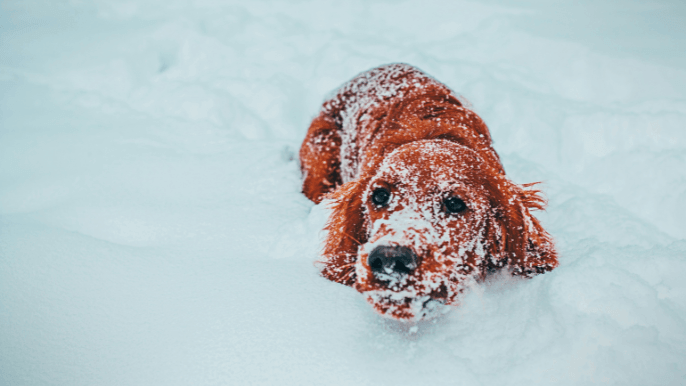 Dog Coat Types: Why Your Dog Feels Temperature Differently
Dog coat types determine how a dog experiences temperature, and the difference shows up everywhere. Your Husky is happily digging holes in packed snow while refusing to come inside. Meanwhile, your neighbour's Italian Greyhound is shivering in a sweater on a mild fall morning. Neither dog is being dramatic.
Their comfort levels are set almost entirely by coat structure, not toughness, size, or attitude.
Understanding how dog coat types regulate temperature helps prevent heat stress, hypothermia, seasonal discomfort, and unnecessary gear purchases that do not actually help your dog. Once you understand how coat structure works, your dog's behaviour in cold, heat, wind, or rain suddenly makes perfect sense.
Temperature Tolerance Is Physics, Not Personality
Many owners assume their dog's comfort in different temperatures is a matter of conditioning or attitude. It is not.
Temperature tolerance is a physical reality determined by how a dog's coat traps air, sheds heat, and protects skin from environmental extremes. When a dog seeks shade, refuses to come inside from the cold, pants excessively, or shivers in mild weather, those behaviours are communication.
Understanding dog coat types also prevents well-meaning mistakes. Owners sometimes overdress dogs whose coats already provide adequate insulation, trapping heat and increasing the risk of overheating.
Others underestimate how little protection certain coats offer and assume their dog will get used to cold temperatures that their coat simply cannot manage.
How Coats Regulate Temperature
All coats function by trapping air close to the skin. That air layer warms from body heat in cold weather and acts as a buffer against environmental heat in warm weather. The effectiveness of that insulation depends on coat structure, not length.
Coats manage temperature through three mechanisms.
- Conduction is heat transfer through direct contact with surfaces, like lying on cold ground or walking on hot pavement
- Convection is heat loss or gain through moving air, like wind cutting through the coat
- Radiation is heat absorbed or reflected from sunlight
Different dog coat types handle these mechanisms very differently, which is why dogs experience temperature so unevenly across breeds.
A Samoyed's thick double coat traps insulating air while deflecting wind and rain. A Greyhound's thin single coat provides almost no barrier between body heat and the outside world. Same species, radically different thermal engineering.
How the FurHQ 5-Step Supports Temperature Regulation
Proper grooming directly affects your dog's ability to regulate temperature. Each step in the FurHQ 5-Step Grooming Method (Audit, Prep, Bath, Dry, Finish) plays a role in maintaining that function.
Learn the Method. Follow the Protocol. Complete the Mission.
Audit
Start every grooming session with a full health check. Run your hands over the entire body and feel for lumps, bumps, or anything new beneath the skin. Check the ears for odour, redness, or discharge that could signal infection. Look at the nails and assess whether they are overgrown. Open the mouth and check the teeth and gums.
Then assess the coat. Feel for compressed undercoat in double coated dog coat types. Dead undercoat packed against the skin collapses the air layer that provides insulation.
A coat that looks fluffy on the surface but feels dense and matted underneath has lost its ability to regulate temperature effectively.
Prep
What happens in Prep depends on coat type, and one rule applies across the board: never dry brush a dog. Mist with Pawfect Finish Coat Spray before any brush touches the coat.
Smooth Single Coat: Skip Prep entirely. After the Audit, move straight to Bath. No undercoat to remove and no tangles to address.
Short Double Coat: An optional quick pass with the Medium-Pinned Slicker Brush can loosen surface dead coat, but it is not crucial.
Medium Plush Double Coat and Feathered Long Double Coat: Mist with Pawfect Finish Coat Spray and do a quick line brush through the dog. No comb check needed at this stage. The goal is to open the coat so the Bath phase can work effectively.
Curly Wavy Coat and Drop Coat: This is where Prep matters most. Mist with Pawfect Finish Coat Spray and do a full line brush to remove as many mats and tangles as possible before water touches the coat. Use the Long-Pinned Slicker Brush and the FurHQ Detail Comb to work through easy mats.
Wire Coat: Same approach as Medium Plush and Feathered Long Double, but focus on the longer furnishings . Mist with Pawfect Finish Coat Spray on furnishings, quick line brush through the body, and a more thorough pass through the legs, beard, and eyebrows.
Bath
Product selection affects coat function. Use the correct shampoo for your coat type: Texture-Tastic Shampoo for Wire and Curly Wavy (maintains the harsh texture that gives Wire Coats their weather resistance). Shimmer and Shine Shampoo for Drop. Deep Clean Delight Shampoo for Smooth Single, Short Double, Medium Plush, and Feathered Long Double.
Follow with Coat-Quench Conditioner for all seven dog coat types. For Wire Coats, apply conditioner selectively on furnishings and undercoat only, never on the jacket , saddle , or backline. Conditioner softens the harsh texture that provides weather resistance.
Dry
Thorough drying is critical for temperature regulation in all dog coat types. Moisture trapped in the undercoat of double coated breeds creates damp insulation that chills the dog rather than warming them.
For Curly Wavy Coats, moisture tightens curls around trapped dead hair, collapsing the air pockets that provide insulation. Never air dry Curly Wavy or Drop Coats.
Towel dry gently without rubbing. Use the HV dryer working section by section.
Finish
The verification comb confirms the coat's structure is intact. FurHQ Detail Comb for Curly Wavy, Drop, and Wire Coats. Undercoat Depth Comb for Short Double, Medium Plush, and Feathered Long Double Coats.
A coat that passes the comb test has the structural integrity to regulate temperature as designed. If the comb catches, coat function is compromised.
The Coat Release Method and Temperature
For Short Double, Medium Plush, Feathered Long Double, and Wire Coats, the Coat Release Method is an 8-step process built into the Bath phase that removes trapped undercoat while the coat is lubricated, keeping dead coat contained in the tub rather than spread across your home.
Steps 1 to 3, Saturation, Shampoo, and Release: Thoroughly wet the coat to the skin. Apply coat-matched shampoo, focusing on skin contact rather than surface foam. With shampoo still in the coat, use controlled airflow in the tub, working section by section. The lubrication allows dead undercoat to release safely without friction or skin trauma.
Step 4, Rinse: Rinse thoroughly to flush out all released coat, shampoo, and debris before continuing.
Steps 5 and 6, Second Shampoo and Rinse: Apply shampoo again with controlled mechanical assist. Use the Rubber Curry as the default tool to move shampoo to the skin and encourage final release. If skin begins to pink, stop immediately.
Rinse completely until the coat is clean and residue-free.
Steps 7 and 8, Condition and Final Rinse: Condition the coat with placement adjusted by coat type. Release without restore equals damage.
Rinse thoroughly until the coat feels clean and balanced, not slick.
During seasonal coat blow, this is where the real coat work happens. Stay ahead of undercoat release early, and the rest of the year stays easy.
For the full step-by-step process, see The Coat Release Method for Dogs with Undercoat. If you do not have an HV dryer, see Coat Release Method Without an HV Dryer.
How Each Dog Coat Type Handles Temperature
Not sure what coat type your dog has? The FurHQ AI Coat Identifier matches your dog to the correct coat type from a photo.
Short Double Coat: The Deceptive Insulator
Short Double Coats (Labrador Retrievers, Pembroke Welsh Corgis, Rottweilers, Pugs) look like they offer minimal protection, but the dense undercoat packed beneath the short topcoat provides substantial insulation.
Cold tolerance: Moderate to good. The undercoat traps warm air effectively despite the short topcoat. Labs and Corgis handle cold winters better than their coat length suggests.
Heat tolerance: Moderate. The short topcoat allows some heat dissipation, but the dense undercoat can trap heat in summer. Regular removal of dead undercoat with the Short-Medium Coat Carding Rake is essential during warm months.
Moisture handling: Good. The short, dense structure sheds water reasonably well. Dries faster than longer dog coat types.
Seasonal care: During spring coat blow, undercoat removal improves heat tolerance significantly. In winter, the full undercoat provides natural insulation. Never shave this coat type.
Kit: FurHQ Starter Grooming Kit: Short Double Coat.
Medium Plush Double Coat: The Cold Weather Champion
Medium Plush Double Coats (Siberian Huskies, Samoyeds, Chow Chows, Pomeranians, Akitas, Shiba Inus) carry the thickest undercoat of all dog coat types. These are the breeds built for extreme cold.
Cold tolerance: Excellent to extreme. The dense, woolly undercoat combined with medium-length guard hairs creates the most effective insulation of any coat type. Huskies and Samoyeds are comfortable in temperatures that send most dogs indoors.
Heat tolerance: Poor. The same insulation that excels in cold makes heat dissipation difficult. These dog coat types are the most vulnerable to overheating, especially in humid conditions where panting becomes less effective.
Moisture handling: Good when properly maintained. The dense undercoat can absorb and hold moisture, so thorough drying after exposure to rain or snow is essential.
Seasonal care: Spring coat blow removes the thick winter undercoat and is critical for summer comfort. Without regular removal using the Short-Medium Coat Carding Rake, dead undercoat compresses against the skin, blocking airflow and trapping heat.
This is why proper grooming is a temperature regulation issue, not just an appearance issue. Never shave this coat type. The double layer system provides cooling as well as warming when maintained correctly.
Kit: FurHQ Starter Grooming Kit: Medium Plush Double Coat.
Feathered Long Double Coat: The Multi-Zone Challenge
Feathered Long Double Coats (Golden Retrievers, Australian Shepherds, Bernese Mountain Dogs, Rough Collies, Border Collies) have two thermal zones. The body coat with its dense undercoat provides substantial insulation. The feathered areas (ears, chest, legs, belly, tail) offer less insulation but more surface area for heat exchange.
Cold tolerance: Good to very good. The undercoat provides strong insulation on the body. The feathered areas are more vulnerable to cold, especially when wet.
Heat tolerance: Moderate. Better than Medium Plush dog coat types because the feathered areas allow some heat release, but the body coat still retains significant warmth. Dead undercoat removal is critical for summer comfort.
Moisture handling: Variable by zone. The body coat handles moisture reasonably well. The feathered areas absorb and hold water, which can chill the dog in cold weather and create matting that compromises insulation.
Seasonal care: Two-tool approach is essential. Long Coat Carding Rake for body undercoat removal. Long-Pinned Slicker Brush for feathered areas. Pawfect Finish Coat Spray on feathered areas before brushing prevents the breakage that thins the coat's protective coverage. Never shave this coat type.
Kit: FurHQ Starter Grooming Kit: Feathered Long Double Coat.
Smooth Single Coat: Minimal Protection
Smooth Single Coats (Boxers, Greyhounds, Dalmatians, Weimaraners, Vizslas, Whippets, Boston Terriers) have very short hair with no undercoat. These dog coat types offer the least insulation of any classification.
Cold tolerance: Poor. There is no undercoat to trap warm air. Heat escapes rapidly through the thin coat. These dogs often need sweaters or jackets well before double coated dogs do. This is not weakness. It is physics.
Heat tolerance: Good. The thin coat allows rapid heat dissipation. These dog coat types are the most comfortable in warm weather, though direct sun exposure can cause sunburn on light-coloured or thin-coated areas.
Moisture handling: Minimal. The coat provides almost no moisture barrier. Rain reaches the skin immediately. These dogs chill quickly when wet.
Seasonal care: Winter gear (sweaters, coats) is a genuine necessity, not a fashion choice, for Smooth Single Coats in cold climates. In summer, provide shade during peak sun hours to prevent sunburn. Basic maintenance with a Rubber Currykeeps the coat healthy and distributes the natural oils that provide what little moisture protection exists.
Kit: FurHQ Starter Grooming Kit: Smooth Single Coat.
Curly Wavy Coat: Excellent Insulation, Hates Moisture
Curly Wavy Coats (Poodles, Bichon Frises, Portuguese Water Dogs, all Doodle crosses) trap air extremely well. The curl pattern creates pockets that insulate efficiently, even without a separate undercoat.
These dog coat types are more thermally effective than their single-layer structure suggests.
Cold tolerance: Good. The curl structure creates effective insulation through trapped air pockets. Well-maintained curls hold warmth surprisingly well.
Heat tolerance: Moderate. The same curl structure that traps warm air can also trap heat. Regular grooming and shorter clips in summer improve heat dissipation.
Moisture handling: Poor. Curly Wavy Coats absorb water easily. Once wet, the coat loses insulation, becomes heavy, and takes much longer to dry than other dog coat types.
Wet curls cling to the body, collapsing the air pockets that provide insulation. This is why these dogs should never air dry.
Critical connection to grooming: Matted Curly Wavy Coats lose their temperature regulation entirely. Mats collapse the air pockets that provide insulation, creating dense masses that neither warm nor cool effectively.
The daily brushing requirement for these dog coat types is not just about appearance. It directly affects thermal comfort. Long-Pinned Slicker Brush with Pawfect Finish Coat Spray every session. FurHQ Detail Comb to verify structure is intact.
Seasonal care: Shorter clips (1 to 2 inches) in summer reduce heat trapping while maintaining some insulation. Avoid wet outings in cold weather or dry thoroughly immediately afterward.
Kit: FurHQ Starter Grooming Kit: Curly Wavy Coat.
Drop Coat: The Length Myth
Drop Coats (Yorkshire Terriers, Maltese, Shih Tzus, Afghan Hounds, Lhasa Apsos, Havanese) look warm because of their length, but length alone does not equal insulation.
These dog coat types lie flat against the body and do not trap air efficiently.
Cold tolerance: Poor to moderate. The silky texture lies flat, providing minimal air trapping. Long hair dragging through snow or wet grass compromises what little insulation exists. Many owners are surprised that their long-coated dog needs winter gear.
Heat tolerance: Moderate. The length provides some sun protection, but the coat can trap heat against the body in warm weather. Practical trimming often improves comfort more than leaving the coat long.
Moisture handling: Poor. The fine, silky texture absorbs moisture readily. Wet Drop Coats chill the dog quickly and create tangles that progress to mats within hours. These dog coat types must be dried thoroughly after any water exposure.
Seasonal care: Consider shorter clips in summer for thermal comfort. In winter, protect from wet cold with appropriate gear. Daily brushing with Long-Pinned Slicker Brush and Pawfect Finish Coat Spray maintains the coat structure that provides what insulation exists. FurHQ Detail Comb verifies tangle-free finish. Never air dry.
Kit: FurHQ Starter Grooming Kit: Drop Coat.
Wire Coat: Built for Weather Resistance
Wire Coats (Miniature Schnauzers, Airedale Terriers, Wire Fox Terriers, Border Terriers, Scottish Terriers) have a unique temperature advantage among dog coat types. The harsh outer coat naturally repels water and resists wind while the soft undercoat provides insulation.
Cold tolerance: Good. The combination of weather-resistant outer coat and insulating undercoat handles cold well. These dog coat types were developed for working in harsh outdoor conditions.
Heat tolerance: Moderate to good. The coarse outer coat allows better airflow than soft coats. When properly maintained through hand-stripping or regular carding , the coat breathes more effectively than many other double coated dog coat types.
Moisture handling: Excellent when texture is maintained. The harsh, wiry outer coat naturally repels water. This is one of the primary functional benefits of wire texture and one of the key reasons clipping damages more than appearance.
A clipped Wire Coat that has softened loses its water repellency, and with it, a significant portion of its weather protection.
Critical connection to grooming: Coat texture directly determines weather resistance. Hand-stripped or properly carded Wire Coats maintain their harsh texture and full weather protection.
Clipped coats that have softened absorb moisture instead of repelling it, reducing temperature regulation effectiveness. Coat-Quench Conditioner on furnishings and undercoat only. Never apply conditioner to the jacket, saddle, or backline.
Seasonal care: Regular carding with the Short-Medium Coat Carding Rake (maximum once per week) maintains the coat's natural weather protection. Medium-Pinned Slicker Brush for furnishings with FurHQ Detail Comb verification. Pawfect Finish Coat Spray pre-dry on furnishings and undercoat areas.
Kit: FurHQ Starter Grooming Kit: Wire Coat.
Why Grooming Affects Temperature Regulation
Coat condition directly impacts how well your dog handles temperature extremes. This is why grooming is a welfare issue, not just an appearance issue.
Matted coats collapse air pockets. A matted double coat loses its ability to regulate temperature effectively. The compressed undercoat cannot trap warm air in winter or allow heat to escape in summer. A matted Curly Wavy Coat loses the curl structure that creates insulating air pockets. In both cases, the dog's primary thermal protection system fails.
Dead undercoat traps heat. In double coated dog coat types, dead undercoat that is not removed during seasonal coat blows compresses against the skin, blocking airflow and creating a heavy, dense layer that holds heat in summer. This is why dogs with packed undercoat pant excessively and seek cool surfaces.
Their coat is working against them instead of for them.
Overgrown coats hold moisture. Excessive coat length in Curly Wavy, Drop, and feathered dog coat types absorbs and holds water against the skin. In cold weather, this creates a damp layer that chills the dog. In warm weather, trapped moisture breeds bacteria and creates skin problems.
Shaving destroys the system. Shaving double coated dog coat types removes both the insulating undercoat and the protective topcoat. The dog loses protection from cold, heat, and sun.
The undercoat often grows back thicker while the guard hairs grow back thinner, permanently changing the coat's thermal balance. This is why double coated dog coat types should never be shaved.
Proper grooming maintains function. Regular dead coat removal restores the air layer. Thorough drying prevents moisture-related temperature issues. Maintaining coat structure through correct brushing preserves the thermal engineering that each coat type was designed to provide.
If your dog is panting in mild weather or shivering when other dogs seem fine, check the coat before you check the thermostat. A packed undercoat in summer or a matted curl pattern in winter changes your dog's experience of temperature more than the actual reading on the thermometer.
Climate Challenges for Dog Coat Types
Climate extremes amplify temperature regulation challenges for all dog coat types. Rapid temperature swings, wet cold, intense summer sun, and long seasonal transitions place additional demands on a dog's coat.
Wet cold is harder than dry cold. A coat that functions well in minus 20 dry cold may struggle at minus 5 with freezing rain. Moisture penetrates the coat's air layer and replaces insulating air with heat-conducting water. This is especially challenging for dog coat types with poor moisture resistance (Smooth Single, Drop, and Curly Wavy).
Summer heat with humidity. Dogs cool primarily through panting, which relies on evaporating moisture from the tongue and respiratory tract. High humidity reduces evaporation efficiency, making panting less effective.
Double coated dog coat types in humid summers face a double challenge: the coat retains heat while the primary cooling mechanism operates at reduced capacity.
Seasonal coat changes follow light, not temperature. Double coated dogs blow coat based on daylight length changes, not temperature. This means the winter coat may still be present when the first spring heat wave hits.
Active dead coat removal during these transition periods helps the coat adapt faster.
Indoor-outdoor temperature swings. Dogs transitioning frequently between heated homes and subzero outdoor temperatures need their coat's insulation system functioning at full capacity. Matted or poorly maintained dog coat types cannot handle these rapid swings effectively.
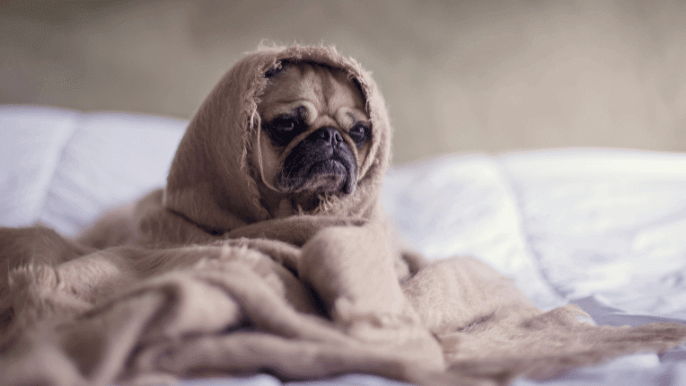 When Your Dog Needs Gear
Understanding dog coat types helps you decide when protective gear is genuinely needed versus when the coat handles conditions on its own.
Dogs that usually need winter gear:
- Smooth Single Coats in any cold weather
- Drop Coats in wet or snowy conditions
- Small dogs of any coat type in extreme cold
- Senior dogs with any coat type that shows signs of cold sensitivity
- Puppies whose adult coat has not fully developed
Dogs that rarely need winter gear:
- Medium Plush Double Coats with properly maintained undercoat
- Short Double Coats in moderate cold
- Wire Coats in typical winter conditions
Dogs that need summer protection:
- All dog coat types in extreme heat need access to shade and water
- Smooth Single Coats with light colouring need sun protection
- Double coated breeds whose undercoat has not been properly shed need extra cooling opportunities
Signs your dog needs gear regardless of coat type:
- Shivering or trembling
- Refusing to walk or trying to turn back
- Lifting paws off cold or hot surfaces
- Seeking shelter or refusing to leave shelter
- Hunching posture or tucked tail in cold
- Excessive panting or seeking cool surfaces in heat
Other Factors That Affect Temperature Tolerance
Coat structure is the foundation, but other factors modify temperature tolerance across all dog coat types.
Body size and mass. Small dogs lose heat faster than large dogs because of their higher surface-area-to-body-mass ratio. A Chihuahua and a Mastiff could have similar coat density, but the Chihuahua chills far more quickly.
Age. Puppies and senior dogs struggle with temperature regulation. Puppies have immature thermoregulatory systems and often lack full adult coat. Senior dogs may have thinning coats and reduced metabolic heat production.
Health conditions. Thyroid disorders, Cushing's disease, and other metabolic conditions alter temperature sensitivity. A dog that suddenly becomes cold-intolerant or heat-sensitive outside their normal pattern may be signalling a health issue, not a coat problem. Consult your veterinarian.
Activity level. Active dogs generate significant metabolic heat. A dog running in cold weather may overheat despite a thin coat, while a sedentary dog in the same conditions may chill quickly. Adjust gear and expectations based on activity.
Coat condition versus coat type. A well-maintained Short Double Coat may handle cold better than a poorly maintained Medium Plush Double Coat whose undercoat has compressed against the skin. Coat type sets the baseline. Grooming determines whether that baseline is achieved.
Related Reading
Coat Type Education
- Dog Coat Types Explained: Complete Guide to All Seven Types
- Dog Coat Types Explained: Why Coat Type Matters More Than Breed
Home Grooming Systems
Coat Type Guides
Tools and Products
The Bottom Line
Your dog's comfort in cold and heat is determined primarily by coat structure. Double coated dog coat types dominate cold weather protection. Smooth Single Coats struggle there. Curly Wavy Coats insulate well but lose function when wet. Drop Coats protect from sun more than cold. Wire Coats balance weather resistance and breathability when their texture is properly maintained.
Grooming is not separate from temperature regulation. It is the mechanism that maintains it. Matted coats fail. Packed undercoats trap heat. Improperly maintained dog coat types cannot do the job they were designed for.
Regular, proper grooming keeps the thermal engineering of each coat type functioning as intended.
Once you understand dog coat types, your dog's reactions to weather stop being confusing. They become predictable and manageable. You are not coddling your dog when you adjust for their coat. You are respecting how they are built.
Not sure which coat type your dog has? The FurHQ AI Coat Identifier matches your dog to the correct coat type from a photo. Start there, and understanding your dog's temperature needs follows naturally.
You got this. And we have got you. 🐾
Variation Clarity Statement
Every dog is an individual. Temperature tolerance varies based on coat condition, body composition, age, health, and acclimatisation. Dogs from the same breed and coat type may have different comfort levels.
The information in this blog represents general guidance for how dog coat types affect temperature regulation. When in doubt about your dog's comfort, observe their behaviour and consult your veterinarian for health concerns.
If you are unsure about your dog's coat type, use the FurHQ AI Coat Identifier to get accurate identification and the right kit recommendation.
FAQs
What are the FurHQ coat types?
FurHQ classifies dog coats into seven distinct types, each with unique grooming needs and a matched starter kit: Smooth Single Coat, Curly Wavy Coat, Drop Coat, Wire Coat, Short Double Coat, Medium Plush Double Coat, and Feathered Long Double Coat. Each of these dog coat types regulates temperature differently.
How do dog coat types affect a dog’s ability to stay warm or cool?
Dog coat types determine how much air is trapped close to the skin, which directly impacts insulation and heat dissipation. Thick or layered coats trap more air and retain warmth, while shorter or single coats allow heat to escape more easily. This is why some dogs tolerate extreme cold while others struggle even in mild temperatures.
Why do double-coated dogs handle cold weather better than other dogs?
Double-coated dogs have an insulating undercoat that traps warm air and a protective topcoat that blocks wind and moisture. This combination allows them to conserve body heat efficiently in cold environments, making them naturally suited to winter conditions.
Do dogs with short or smooth coats really need jackets in cold weather?
Yes. Smooth and short dog coat types provide very little insulation, which makes these dogs vulnerable to cold temperatures. Jackets help replace the insulation their coat does not provide, especially during winter walks or prolonged outdoor exposure.
Can a dog’s coat type affect how they handle hot weather?
Absolutely. Thick or dense coats slow heat dissipation, making dogs more prone to overheating in warm conditions. Lighter, single coats release heat more efficiently, though they may still require sun protection due to limited skin coverage.
Is it true that shaving a dog’s coat can help them stay cooler?
It depends on the dog coat type and environment. Shaving may help some dogs struggling with heat stress, particularly in hot climates, but it can also remove natural protection from sun and environmental exposure. The decision should always be based on coat structure and the dog’s comfort, not appearance.
Why do some dogs shiver while others seem unaffected by the same temperature?
Dogs experience temperature differently because coat structure, body size, and metabolism all play roles. A dog with minimal coat insulation may shiver at temperatures that feel comfortable to a dog with a thick or insulating coat. This is a physical response, not a behavioural issue.
How does grooming impact a dog’s temperature regulation?
Proper grooming maintains air pockets within the coat that are essential for insulation. Matted or compacted coats restrict airflow, reducing both warmth retention and cooling ability. Grooming supports the coat’s natural temperature-regulating function rather than working against it.
Do curly or wavy coats provide good insulation?
Curly and wavy dog coat types can trap air effectively, offering better insulation than many people expect. However, these coats lose insulation quickly when wet, which can make dogs uncomfortable in cold, damp conditions if grooming and drying are not managed properly.
Why do small dogs get cold more easily than large dogs?
Smaller dogs lose body heat faster due to their higher surface-area-to-volume ratio. Even with a decent coat, small dogs often require extra warmth because their bodies cannot retain heat as efficiently as larger dogs.
How can I tell if my dog is uncomfortable due to temperature?
Signs of cold discomfort include shivering, reluctance to walk, lifting paws, and seeking warmth. Signs of heat discomfort include excessive panting, lethargy, drooling, or seeking shade. These behaviors often reflect the limits of a dog’s coat type rather than stubbornness or anxiety.
Why does my Wire Coat dog handle rain better than my Doodle?
Wire Coats have harsh outer hair that naturally repels water. Curly Wavy Coats absorb water readily. Among dog coat types, Wire Coats have the best moisture resistance when their texture is maintained through hand-stripping or proper carding rather than clipping.
Does coat colour affect temperature regulation?
Colour affects radiation absorption. Dark coats absorb more solar heat than light coats. However, coat structure (the air layer, undercoat density, and moisture resistance) has a far greater impact on temperature regulation than colour. A white Labrador and a black Labrador have the same coat structure and similar overall thermal behaviour despite different sun absorption.
How do I know if my dog is too hot or too cold?
Too cold: shivering, hunching, reluctance to move, lifting paws. Too hot: excessive panting, seeking cool surfaces, drooling, lethargy. These signs apply across all dog coat types. If behaviour changes suddenly, consult your veterinarian.
What is the FurHQ 5-Step Grooming Method?
The FurHQ 5-Step Grooming Method is Audit, Prep, Bath, Dry, Finish. It provides structure for every grooming session so nothing gets missed. The tagline is: Learn the Method. Follow the Protocol. Complete the Mission.