
Dog Paw Pad Hair - Why Trimming Prevents Injury
Table of Contents
- Introduction
- Why Dog Paw Pad Hair Matters
- The FurHQ 5-Step Grooming Method: Technical Reality
- Signs Your Dog's Paw Pad Hair Needs Trimming
- Understanding Professional Foot Styles
- The FurHQ Paw Perfect Foot Grooming Kit
- How Often to Trim
- Seasonal Considerations
- Health Problems From Neglected Paw Pad Hair
- Training Your Dog to Accept Paw Handling
- Common Mistakes
- Professional vs Home Care
- Not Sure About Your Dog's Coat Type?
- Related Reading
- The Bottom Line
- FAQs
 Introduction
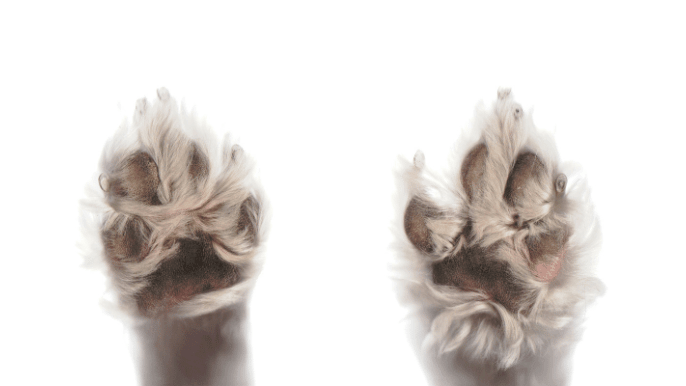
When dog paw pad hair grows too long and extends beyond the pads, it causes slipping, matting , and injury. It creates a furry barrier between the paw and ground that eliminates natural traction, collects painful debris like burrs and ice balls, and mats into hard masses that pull on sensitive skin between the toes.
Many pet parents do not realise this hair requires regular trimming, especially in breeds with continuously growing hair like Poodles, Golden Retrievers, and Shih Tzus.
This guide explains why dog paw pad hair management matters, introduces the professional foot styles appropriate for different coat types, and helps you maintain safe paws that provide proper traction and protection.
Why Dog Paw Pad Hair Matters
Dog paw pad hair serves minimal protective function and creates multiple problems when allowed to grow unchecked.
Loss of Traction
Dogs rely on the textured surface of their paw pads for grip. When dog paw pad hair grows long enough to extend beyond the pads, it creates a slippery barrier between the paw and ground. Your dog essentially walks on fur instead of their naturally grippy pads, like wearing socks on hardwood floors.
This causes slipping on smooth surfaces, falls that may result in sprains, torn ligaments (including ACL injuries), and fractures. Dogs compensate with altered gait, causing joint strain, muscle soreness, and early arthritis.
Matting and Pain
Hair between pads mats easily when wet, dirty, or exposed to debris. These mats pull on sensitive skin with every step causing pain. They trap moisture creating bacterial and yeast infections. They collect dirt, salt, and chemicals that irritate skin. They form hard masses pressing against pads that create open sores.
Debris Collection
Long dog paw pad hair acts like velcro. Grass seeds and burrs work into skin. Snow and ice form painful ice balls between pads. Mud mats the hair and weighs down paws. Plant material triggers allergic reactions.
The FurHQ 5-Step Grooming Method: Technical Reality
Dog paw pad hair management fits within the FurHQ 5-Step Grooming Method (Audit, Prep, Bath, Dry, Finish).
"Learn the Method. Follow the Protocol. Complete the Mission."
Audit
Start every grooming session with a full health check. Run your hands over the entire dog. Check for lumps, bumps, and any changes in skin condition. Check the ears for signs of infection, smell, or buildup. Look at the nails for overgrowth or splitting. Check teeth and gums for tartar or inflammation.
For paws specifically, check dog paw pad hair length by having your dog stand and looking at their feet from the side. If hair extends beyond the pad surface, trimming is needed. Check between all toes for mats, debris, ice accumulation in winter, and signs of irritation.
The FurHQ Touch Test helps you catch developing issues.
Prep
Paw trimming happens during Prep before the bath. Back-brush the feet to lift hair between toes. Clip between pads with the 5-in-1 clipper. This allows debris and loose hair to wash away during the bath.
Bath
Clean between toes and paw pads thoroughly. Easier when dog paw pad hair has already been trimmed during Prep. Use the correct shampoo for your coat type with Coat-Quench Conditioner. Work product to the skin with the Rubber Curryfor bathing and skin stimulation.
Dry
Dry between all toes and paw pads completely. Residual moisture between pads is one of the most common triggers for bacterial and yeast infections, especially on double-coated breeds with dense undercoat between toes.
Finish
Apply your chosen foot style finishing technique. Shape the foot outline with curved or thinning shears. Final check to confirm pads are clean, dry, and properly trimmed.
You got this.
Signs Your Dog's Paw Pad Hair Needs Trimming
Visual Signs
Hair extends beyond the paw pad surface when your dog stands. Visible mats or clumps between toes. Fur that looks wet, dirty, or discoloured between pads. Debris stuck in paw hair after walks.
Behavioural Signs
Slipping on smooth floors, especially after standing from a sitting position. Reluctance to walk on tile, hardwood, or laminate. Awkward gait or splayed toes. Excessive licking or chewing at paws. Hesitation on stairs.
Physical Problems
Visible sores or redness between pads. Foul odour from paws (indicates infection). Bleeding or raw skin where mats pulled. Ice balls forming in winter. Constant dampness between pads.
Understanding Professional Foot Styles
Professional groomers use different foot styles for different coat types. The FurHQ Paw Perfect Foot Grooming Kit teaches all four major styles.
| Style | Best For | Appearance |
|---|---|---|
| Natural Foot | Double-coated breeds | Short, clean, naturally rounded |
| Rounded Foot | Curly-coated breeds | Full, sculpted, cylindrical legs |
| Beveled Foot | Drop-coated show dogs | Flowing, elegant lines |
| Poodle Foot | Poodles, PWDs, low-maintenance | Completely clipped, defined edges |
Natural Foot
Best for Medium Plush Double, Feathered Long Double, and Short Double coat dogs like Golden Retrievers, Shetland Sheepdogs, Bernese Mountain Dogs, and Australian Shepherds. Creates feet that look short, clean, and natural with back-brushing, pad clipping (#15 or #30), thinning on top, and curved shear shaping.
See Natural Foot Grooming for Double-Coated Dogs for the complete technique.
Rounded Foot
Best for Curly Wavy Coat dogs like Bichon Frises, Doodles, Kerry Blue Terriers, and Soft Coated Wheaten Terriers. Creates full, rounded feet with cylindrical leg styling through hand-shaping (boxing then rounding) or clipper method.
See Rounded Foot Grooming for Curly-Coated Breeds for both techniques.
Beveled Foot
Best for Drop Coat show dogs like Cocker Spaniels, Lhasa Apsos, and English Springer Spaniels in show trim. Creates flowing, elegant lines with coat that clears the ground. The most challenging style.
Poodle Foot
Best for Poodles (all sizes), Portuguese Water Dogs, and any breed whose owner prefers the clean, clipped look. Completely clipped feet with defined edges. The lowest-maintenance option for dog paw pad hair management.
The FurHQ Paw Perfect Foot Grooming Kit
The FurHQ Paw Perfect Foot Grooming Kit provides everything needed for safe, effective dog paw pad hair maintenance at home using all four professional foot styles.
| Tool | Purpose |
|---|---|
| Professional 5-in-1 clipper | Quiet operation, low vibration, guarded cutting prevents injury |
| Curved shears | Outline shaping following natural paw contours |
| Thinning shears | Natural blending, gradual removal, forgiving for beginners |
| Slicker brush | Essential back-brushing to lift hair between toes |
| FurHQ Detail Comb | Mat detection and verification |
| Video education | Comprehensive instruction for all four foot styles |
| Step-by-step PDF guides | Reference at your grooming station |
Available in the FurHQ Store.
How Often to Trim
| Foot Style | Frequency | Notes |
|---|---|---|
| Natural Foot | Every 4 to 8 weeks | Double-coated breeds |
| Rounded Foot | Every 3 to 6 weeks | Curly coats grow faster |
| Beveled Foot | Every 4 to 8 weeks | More frequent for show dogs |
| Poodle Foot | Every 2 to 4 weeks | Growth shows quickly |
Weekly Checks
Examine dog paw pad hair weekly during your Audit by having your dog stand and looking at feet from the side. If hair extends beyond the pad surface or you notice slipping, trim regardless of schedule.
Winter requires more frequent trimming to prevent ice ball formation. Active outdoor dogs may wear hair down naturally. Indoor dogs on carpet need more frequent attention.
Seasonal Considerations
Winter Management
Long dog paw pad hair creates dangerous winter conditions when snow packs between pads and freezes into painful ice balls. Dogs may refuse to walk, lift paws repeatedly, or suffer frostbite.
Trim hair very short before winter begins. Use #30 clipper setting between pads. Check and trim every 1 to 2 weeks during snowy months. Apply paw balm before outdoor activities. Rinse and dry paws immediately after winter walks. Check between all pads for ice accumulation during walks.
Ice balls between pads are extremely painful and cause frostbite. Prevention through frequent trimming is essential.
Summer Management
Matted dog paw pad hair traps heat and moisture, contributing to bacterial and yeast infections in warm weather.
Maintain regular trimming schedule. Check paws after swimming or water play. Dry thoroughly between all pads after getting wet. Monitor for odour or irritation indicating infection.
Health Problems From Neglected Paw Pad Hair
Infections
Moisture and bacteria trapped in matted hair create infections between pads causing foul odour, redness, swelling, pain, limping, and discharge. These require veterinary treatment with antibiotics.
Joint and Muscle Problems
Chronic slipping and altered gait lead to muscle strain, joint stress and early arthritis, torn ligaments (especially ACL injuries), and hip and back problems from compensatory movement.
Pad Damage
Dogs compensating for poor traction experience torn or abraded pads, cuts, cracked pads, and bleeding requiring veterinary care.
Severe Matting Complications
Mats against skin for extended periods can cut off circulation to toes, create open sores, harbour parasites and bacteria, and cause permanent skin damage.
Training Your Dog to Accept Paw Handling
Week 1: Basic Touch
Touch paws briefly with no tools. Hold each paw for increasing durations. Gently spread toes and touch between all pads. Reward generously with high-value treats. Practise multiple times daily.
Week 2: Increased Handling
Continue paw holding and toe spreading. Touch paw pads specifically. Hold paws in trimming positions. Introduce gentle back-brushing motion. Reward calm behaviour consistently.
Week 3: Tool Introduction
Let your dog see and sniff all tools. Touch tools to paws without using them. Turn on the clipper near your dog without touching (sound introduction). Gradually move closer while pairing with treats.
Week 4: Actual Trimming Begins
Start with just back-brushing one paw. Reward immediately and end the session. Next session, add clipping between two pads. Gradually increase over multiple sessions.
Never force or punish resistance. High-value treats work better than regular treats. End sessions before stress escalates. See Dog Nail Trimming for Nervous Dogs for additional desensitisation guidance.
Common Mistakes
| Mistake | Why It Is a Problem | Solution |
|---|---|---|
| Skipping back-brushing | Hair remains tucked where you cannot reach | Always back-brush 3 to 4 times per foot |
| Waiting until severely overgrown | Makes trimming harder, increases mat risk | Maintain regular schedule |
| Trimming too short, cutting pads | Causes bleeding, pain, fear | Use guarded clipper, proper technique |
| Ignoring mats until severe | Creates painful removal | Check weekly with Detail Comb |
| Forcing resistant dogs | Creates lasting fear | Use desensitisation training |
| Only trimming in winter | Hair needs year-round management | Maintain consistent schedule |
| Trimming dirty feet | Dulls tools, makes cutting difficult | Always clean and dry feet first |
| Wrong style for coat type | Unprofessional appearance | Match style to coat type |
Professional vs Home Care
Home care gives you complete control over timing and frequency, immediate attention when hair becomes problematic, and professional-quality tools from the FurHQ Paw Perfect Foot Grooming Kit.
Seek professional help if your dog shows aggression during paw handling, has severe matting you cannot safely remove, or if you are uncomfortable working near paws with clippers or shears.
Many pet parents combine home maintenance with professional grooming every 4 to 8 weeks. Professional groomers welcome clients who maintain paws between appointments.
Not Sure About Your Dog's Coat Type?
Use the FurHQ AI Coat Identifier to upload a photo and get accurate coat type identification. FurHQ organises all dogs into seven coat types: Curly Wavy, Drop, Wire, Short Double, Medium Plush Double, Feathered Long Double, and Smooth Single.
Knowing your coat type determines which foot style works best and the right tools for maintaining the rest of the coat between sessions.
If the dog is sliding on hard floors, check the feet first. Nine times out of ten, there is a carpet of hair covering the pads. Back-brush, clip between the pads, shape the outline. Five minutes and the traction comes right back. No booties, no rugs, no mystery. Just hair that needed trimming.
Related Reading
Foot Grooming Techniques
- Natural Foot Grooming for Double-Coated Dogs
- Rounded Foot Grooming for Curly-Coated Breeds
- Dog Nail Trimming for Nervous Dogs
- How Often to Trim Dog Nails
Coat Type Guides
Grooming Techniques
- The FurHQ Touch Test
- Dog Grooming Brushes: A Complete Guide by Coat Type
- How to Dry a Dog After a Bath
The Bottom Line
Dog paw pad hair requires regular trimming to prevent loss of traction causing slipping and falls, painful matting that creates infections, and debris collection including winter ice balls.
Within the FurHQ 5-Step Grooming Method (Audit, Prep, Bath, Dry, Finish), the Audit checks dog paw pad hair length and condition. The Prep handles back-brushing and clipping between pads. The Bath cleans between toes. The Dry ensures no moisture remains. The Finish applies your chosen foot style and confirms pads are clean, dry, and properly trimmed.
The FurHQ Paw Perfect Foot Grooming Kit provides all necessary tools and teaches four professional foot styles: Natural Foot for double-coated breeds, Rounded Foot for curly breeds, Beveled Foot for show dogs, and Poodle Foot for clean clipped results.
Winter requires especially vigilant management. Whether you maintain paws at home or supplement professional grooming, learning proper dog paw pad hair techniques ensures your dog has safe, properly functioning paws with excellent traction.
You got this. And we've got you. 🐾
FAQs
Why does dog paw pad hair cause slipping and falls?
Dog paw pad hair causes slipping and falls when it grows long enough to extend beyond the pads, creating a furry barrier between your dog's paws and the ground that eliminates natural traction from the textured paw pads.
Your dog essentially walks on fur instead of their naturally grippy pads, like wearing socks on hardwood floors.
This loss of traction leads to slipping and sliding on smooth surfaces like tile, hardwood, and laminate, causing falls that may result in sprains, torn ligaments, and fractures, plus altered gait and joint strain as dogs compensate for lost grip.
What are the four professional foot styles for dogs?
The four professional foot styles are:
- Natural Foot: For double-coated breeds like Golden Retrievers and Shelties, creating clean, rounded feet with natural appearance
- Rounded Foot: For curly-coated breeds like Bichons and Doodles, producing full, cylindrical legs with neat rounded feet
- Beveled Foot: For drop-coated show dogs like Cocker Spaniels, with flowing, elegant undercarriage lines
- Poodle Foot: For Poodles and owners preferring completely clipped feet with defined edges
The FurHQ Paw-Perfect Foot Grooming System teaches all four professional styles with comprehensive educational materials.
How often should I trim dog paw pad hair?
Trimming frequency depends on your chosen foot style and hair growth rate. Natural Foot requires trimming every 4 to 8 weeks,
Rounded Foot every 3 to 6 weeks, Beveled Foot every 4 to 8 weeks with more frequency for show dogs, and Poodle Foot every 2 to 4 weeks since it grows out quickly. Winter demands more frequent trimming every 1 to 2 weeks to prevent dangerous ice ball formation.
Check paw hair weekly by having your dog stand; if hair extends beyond pads or you notice slipping, trim immediately regardless of schedule.
What tools does the FurHQ Paw-Perfect Foot Grooming System include?
The FurHQ Paw-Perfect Foot Grooming System includes:
- Curved shears: Shape foot outlines and create rounded appearances
- Thinning shears: Gradual bulk removal and natural blending
- Slicker brush: Essential for back-brushing coat against the grain to prepare feet for trimming
- Comb: Check for mats and ensure thorough preparation
- 5-in-1 clipper: Adjustable blade settings (#15 and #30) for safely removing hair between pads with guarded cutting
- Comprehensive educational materials: Step-by-step video and written guides teaching all four professional foot styles with proper technique and safety protocols
Why is winter especially dangerous for dogs with long paw pad hair?
Winter creates life-threatening conditions when snow packs into long dog paw pad hair between pads and freezes into painful ice balls. These frozen masses cause extreme pain, frostbite damage to trapped tissue, and dogs refusing to walk or lifting paws repeatedly in distress.
Long dog paw pad hair in winter necessitates trimming hair very short before winter begins, using the #30 clipper setting for closest trim, checking and trimming every 1 to 2 weeks during snowy months, applying paw balm before outdoor activities, and rinsing and drying paws immediately after winter walks to prevent dangerous ice ball formation.
What happens if I neglect my dog's paw pad hair?
Neglecting dog paw pad hair causes serious health problems including matted hair trapping moisture and bacteria creating painful infections between pads requiring veterinary treatment, chronic slipping from loss of traction leading to torn ligaments including ACL injuries, joint stress and early arthritis, hip and back problems from compensatory movement, and reduced mobility.
Mats against skin for extended periods cut off circulation to toes, create open sores, harbour parasites and bacteria, and cause permanent skin damage requiring professional intervention.
Dogs also develop behavioural changes including reluctance to exercise, aggression when paws are touched, and anxiety around certain surfaces.
Can I combine home paw trimming with professional grooming?
Yes, many pet parents successfully combine managing dog paw pad hair at home using the FurHQ Paw-Perfect Foot Grooming System with professional grooming appointments every 4 to 8 weeks.
This partnership approach provides regular paw maintenance between professional visits that prevents severe matting, ensures your dog arrives at grooming appointments well-maintained and easier for groomers to work with safely, and establishes partnership between home care and professional expertise so you understand grooming techniques and can maintain your chosen foot style at home.
Professional groomers appreciate clients who maintain paws between appointments.
How do I train my dog to accept paw handling for trimming?
Train your dog through a gradual four-week desensitization process included in the FurHQ system guidance.
- Week 1 focuses on basic touch without tools, holding each paw for increasing durations with high-value treat rewards and practicing multiple times daily.
- Week 2 increases handling including toe spreading and touching paw pads while holding paws in trimming positions.
- Week 3 introduces all grooming tools, letting your dog see and sniff them, turning on the clipper near your dog, and gradually moving closer while pairing with treats.
- Week 4 begins actual trimming with just one paw's back-brushing, rewarding immediately, then gradually adding more over multiple sessions.
What's the most common mistake when trimming dog paw pad hair?
The most common mistakes when trimming dog paw pad hair include:
- Skipping the back-brushing step: Hair between toes remains tucked down where you can't reach it properly. This critical first step lifts all long fur up from between toes by brushing against the grain starting at the nail bed, making hair visible and accessible for removal. Professional groomers never skip this preparation because without it, trimming is incomplete and problems persist.
- Waiting until hair is severely overgrown: Makes trimming much harder and increases mat risk
- Using wrong clipper settings: Starting with #30 instead of #15 can be too aggressive for sensitive dogs
- Trimming dirty feet: Dulls tools quickly and makes cutting more difficult
Where does paw care fit in the FurHQ 5-Step?
The Audit checks paw pad hair length and condition. The Prep phase handles back-brushing and clipping between pads. The Bath phase cleans between toes. The Dry phase ensures no moisture remains between pads. The Finish phase applies your chosen foot style finishing technique.
What does the FurHQ Paw Perfect Foot Grooming Kit include?
The kit includes a professional 5-in-1 clipper, curved shears, thinning shears, slicker brush, FurHQ Detail Comb, comprehensive video education for all four foot styles, and step-by-step PDF guides. Available in the FurHQ Store at furhq.ca/store.
Should I combine paw trimming with nail trimming?
Yes. Both happen during the same phases of the FurHQ 5-Step (Prep or Finish) and require similar paw handling. Combining them is more efficient and reduces the number of times your dog needs to tolerate paw handling. Check nails during every Audit when you check paw pad hair.
What is the FurHQ 5-Step Grooming Method?
The FurHQ 5-Step Grooming Method is Audit, Prep, Bath, Dry, Finish. It provides structure for every grooming session so nothing gets missed. The Audit assesses the coat before you start. The Prep phase removes loose coat and addresses tangles. The Bath phase handles cleansing. The Dry phase removes moisture. The Finish phase completes the groom with a final assessment and comb check.