
Trim Dog Nails - How Often Based on Activity and Lifestyle
Table of Contents
- Introduction
- Why Universal Nail Trimming Schedules Fail
- The FurHQ 5-Step Grooming Method: Technical Reality
- Trimming Frequency by Dog Lifestyle
- Trimming Frequency Summary
- Signs You Need to Trim Dog Nails More Frequently
- The Overgrown Nail Problem: Gradual Correction
- Tools for Nail Trimming
- Professional vs Home Trimming
- Building Positive Associations
- Nail Trimming and Foot Health
- Mondo's Pro Tip
- Related Reading
- The Bottom Line
- FAQs
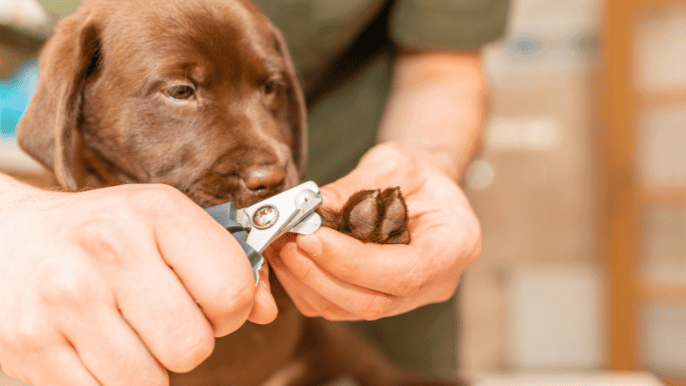 Introduction
How often should you trim dog nails? The answer is not "once a month" or "whenever they click."
Your weekly schedule works perfectly for your neighbour's dog but your own dog's nails click on the floor after just ten days. The groomer suggests monthly trims but your dog's nails touch the ground after three weeks. You follow generic "every 4 to 6 weeks" advice while your active dog's nails stay naturally short and your sedentary dog develops painful overgrowth.
There is no universal schedule because dogs wear down their nails at completely different rates based on activity level, surface type, age, and size. The monthly trim that maintains one dog causes overgrowth pain in another.
This guide explains how to trim dog nails at the right frequency for your dog's actual wear patterns, not arbitrary timelines that fail most situations.
Why Universal Nail Trimming Schedules Fail
The pet industry loves simple answers. "Trim every month." "Trim when you hear clicking." These sound helpful. They are wrong for most dogs because they ignore the fundamental principle: frequency to trim dog nails must match nail growth rate minus natural wear rate.
Nails grow at relatively consistent rates across most adult dogs. The variation happens in how much those nails wear down naturally through daily activity.
| Dog Lifestyle | Natural Wear | Result |
|---|---|---|
| Walks twice daily on concrete | High wear | Nails stay short naturally |
| Lives on carpet and grass | Minimal wear | Nails grow unchecked |
| Same breed, same growth rate | Different wear | Completely different trimming needs |
When you trim dog nails on both dogs monthly, the active dog gets unnecessary trimming while the sedentary dog develops overgrown nails between appointments.
The FurHQ 5-Step Grooming Method: Technical Reality
Nail assessment and trimming fit within the FurHQ 5-Step Grooming Method (Audit, Prep, Bath, Dry, Finish).
"Learn the Method. Follow the Protocol. Complete the Mission."
Audit
Start every grooming session with a full health check. Run your hands over the entire dog. Check for lumps, bumps, and any changes in skin condition. Check the ears for signs of infection, smell, or buildup. Look at the nails for overgrowth or splitting. Check teeth and gums for tartar or inflammation.
For nails specifically, look at your dog's feet while they stand on a flat surface. Nails should not touch the ground. Check for cracked, split, or ingrown nails. Check dewclaws specifically because they never contact surfaces and never wear down.
The FurHQ Touch Test formalises this assessment so nothing gets missed. Checking nails during every Audit means you never miss the window where nails start affecting foot posture and joint health.
Prep or Finish
If the Audit identifies nails that need trimming, the work happens during Prep (before the bath, often combined with paw pad trimming) or during Finish (as part of final detail work after the coat is clean and dry).
For nervous dogs, nail work may be better as a standalone session rather than part of a full groom. See Dog Nail Trimming for Nervous Dogs.
You got this.
Trimming Frequency by Dog Lifestyle
Active Dogs on Hard Surfaces: Every 4 to 6 Weeks or Longer
City dogs walked on concrete sidewalks, dogs exercising on pavement, and agility dogs training on hard surfaces wear their nails naturally. This does not mean they never need to trim dog nails. It means their trimming frequency extends because natural wear reduces growth accumulation.
Check nails every 4 weeks to assess wear patterns. Trim only when nails touch the ground while standing. Focus on dewclaws which do not contact surfaces and never wear down. Monitor individual nails as front and back may wear differently. Increase frequency during winter when walks shorten.
Sedentary Dogs or Soft Surface Dogs: Every 2 to 3 Weeks
Indoor dogs on carpet, grass-only yard dogs, small dogs carried frequently, and elderly dogs with limited mobility experience minimal natural nail wear. Their nails grow at normal rates but nothing files them down.
Never wait until you hear clicking because that means nails are already too long. By the time nails click on floors, they are already forcing the paw into unnatural angles and stressing joints.
Check nail length weekly by examining the paw from a side angle. Prevention means you should trim dog nails before clicking starts.
Puppies: Every 1 to 2 Weeks
Puppy nails grow faster than adult nails. They also need frequent trimming for behavioural conditioning, teaching tolerance for paw handling before fear develops.
Trim every 1 to 2 weeks regardless of length initially. Focus on desensitisation and positive associations over perfect technique. Trim just tiny tips to avoid the quick while building tolerance. See Puppy Coat Transitions for how grooming needs change as dogs mature.
Puppy nail trimming prioritises training over length management. Missing this window creates dogs who fight nail care for their entire lives.
Senior Dogs: Every 2 to 3 Weeks with Close Monitoring
Senior dogs often decrease activity levels, reducing natural wear. Simultaneously, some seniors develop brittle nails or circulation changes affecting nail health.
Check nails every 2 weeks minimum. Monitor for thickening, brittleness, or unusual growth. Watch for mobility changes indicating nail length affecting gait. See Senior Dog Grooming for complete guidance on adjusting routines as dogs age.
Overgrown nails in senior dogs compound existing mobility issues. When you consistently trim dog nails for senior dogs, quality of life improves directly.
Trimming Frequency Summary
| Dog Type | Frequency | Key Considerations |
|---|---|---|
| Active dogs on hard surfaces | Every 4 to 6 weeks | Check dewclaws; increase in winter |
| Sedentary or soft surface dogs | Every 2 to 3 weeks | Do not wait for clicking |
| Puppies (8 weeks to 12 months) | Every 1 to 2 weeks | Prioritise desensitisation |
| Senior dogs | Every 2 to 3 weeks | Monitor for brittleness |
| Large active dogs (23+ kg / 50+ lb) | Every 4 to 6 weeks | More pressure creates more wear |
| Large sedentary dogs (23+ kg / 50+ lb) | Every 3 to 4 weeks | Less wear despite size |
| Small active dogs (under 11 kg / 25 lb) | Every 3 to 4 weeks | Less pressure, less wear |
| Small sedentary dogs (under 11 kg / 25 lb) | Every 2 to 3 weeks | Minimal natural wear |
Signs You Need to Trim Dog Nails More Frequently
Regardless of your schedule, certain signs indicate you need to increase trimming frequency.
| Sign | What It Means |
|---|---|
| Audible clicking on hard floors | Nails touching floor during normal standing are already too long |
| Splayed toes or abnormal foot position | Long nails forcing toes apart, changing paw contact |
| Reluctance to walk on hard surfaces | Long nails making hard floor walking uncomfortable |
| Visible curving toward paw pads | Severe overgrowth requiring immediate professional attention |
| Quick visible through entire nail length | Quick has grown too long from neglect; needs gradual recession |
The Overgrown Nail Problem: Gradual Correction
Neglected nails create a specific problem: the quick grows longer inside the nail. You cannot simply trim dog nails back to proper length in one session without causing bleeding, pain, and potential infection.
| Step | Action |
|---|---|
| Frequency | Trim every 3 to 5 days rather than weekly |
| Amount | Remove just 1 to 2 mm per session to avoid hitting extended quick |
| Duration | Continue frequent small trims for 6 to 8 weeks |
| Quick recession | Approximately 2 to 3 mm per week with consistent trimming |
| Severe cases | Seek professional help; may require sedation |
| Return to normal | Resume regular maintenance once proper length achieved |
The quick recedes gradually with consistent trimming. Patience prevents pain and allows correction without trauma.
Tools for Nail Trimming
Your choice of tools when you trim dog nails influences technique and frequency.
| Tool Type | Best For | Frequency Impact |
|---|---|---|
| Guillotine clippers | Quick, decisive cuts; smaller dogs | Every 2 to 6 weeks |
| Scissor-style clippers | Larger, thicker nails | Every 2 to 6 weeks |
| Nail grinders | Gradual filing; dogs who fear clippers; dark nails | Weekly maintenance possible |
| Combination approach | Best of both methods | Clip every 3 to 4 weeks; grind weekly |
When Grinders Excel
Grinders work well for dogs who tolerate noise but fear clippers, dark nails where quick visibility is limited, smoothing rough edges after clipping, and gradual correction of overgrown nails.
Tool Quality Matters
Dull clippers squeeze the nail before cutting, creating uncomfortable pressure and potentially splitting the nail. Sharp, high-quality tools cut cleanly with minimal force.
Professional vs Home Trimming
Professional grooming typically happens every 4 to 8 weeks. If your dog needs more frequent trimming than professional appointment intervals, you have three options.
Walk-in nail trim appointments are offered by many groomers at reduced cost. This maintains frequency without full grooming expense.
Learning to trim dog nails at home provides maximum flexibility and ensures proper frequency. Most dog owners can master basic technique with practice. See Dog Nail Trimming for Nervous Dogs for the complete desensitisation and technique guide.
Increasing professional grooming frequency is more expensive but ensures professional handling if home trimming is not feasible.
Most dog owners benefit from learning home trimming even if they use professional grooming. This allows quick maintenance and dewclaw trimming between appointments.
Building Positive Associations
Many dogs resist when you try to trim dog nails because of past negative experiences or fear.
Four-Week Desensitisation Process
Week 1 (touch training): Handle paws daily with no trimming. Touch each nail individually. Reward generously with high-value treats.
Week 2 (tool introduction): Let your dog see and sniff nail clippers or grinder. Touch tools to paws without using them. Turn on the grinder near the dog for sound desensitisation.
Week 3 (minimal trimming): Trim just one or two nails per session. Reward immediately after each nail. End sessions before stress escalates.
Week 4 (build duration): Gradually increase nails trimmed per session. Maintain positive associations throughout.
Never force or punish resistance. If your dog is not progressing after consistent effort, professional nail care is a perfectly acceptable outcome. See Dog Nail Trimming for Nervous Dogs for the complete guide.
Nail Trimming and Foot Health
Proper nail length directly affects foot health and overall mobility. When you regularly trim dog nails at the correct frequency, you prevent joint stress from improper foot positioning, splayed toes affecting balance and gait, nails growing into paw pads in severe cases, and discomfort that makes dogs reluctant to exercise.
This connects to broader paw care including paw pad hair trimming and natural foot grooming for double-coated breeds.
Mondo's Pro Tip
If the nails are clicking, you are already behind. Check the feet every two weeks by having the dog stand on a flat surface. If the nails touch the ground, trim. If they clear the ground, leave them. The floor tells you everything the calendar cannot.
Related Reading
Nail and Foot Care
- Dog Nail Trimming for Nervous Dogs
- Natural Foot Grooming for Double-Coated Dogs
- Dog Paw Pad Hair: Why Trimming Prevents Injury
Handling and Comfort
- The FurHQ Touch Test
- Senior Dog Grooming
- Puppy Coat Transitions
The Bottom Line
You cannot determine how often to trim dog nails using universal schedules. Trimming frequency depends on individual wear patterns, not generic timelines.
Within the FurHQ 5-Step Grooming Method (Audit, Prep, Bath, Dry, Finish), the Audit checks nail length every grooming session so you never miss the point where nails start affecting foot posture and joint health. Nail work happens during Prep or Finish, or as a standalone session for nervous dogs.
Stop following arbitrary schedules. Start checking your dog's nails every two weeks and trimming when nails touch the ground during normal standing. Your dog will walk more comfortably. Joint stress decreases when paws contact the ground correctly. Overgrowth complications disappear when you match trimming frequency to actual need.
You got this. And we've got you. 🐾
FAQs
What happens if I cut the quick?
Apply styptic powder, cornstarch, or flour immediately to stop bleeding. The quick contains blood vessels and nerves, so cutting it causes pain and bleeding. Keep pressure on the nail for several minutes. Most quick injuries heal without complications, but if bleeding doesn't stop after 10 minutes or you cut deeply, contact your veterinarian.
Can I use human nail clippers on my dog?
No. Dog nails are thicker and structured differently than human nails. Human clippers can crush or splinter dog nails rather than cutting cleanly. Use guillotine-style, scissor-style, or plier-style clippers designed specifically for dogs, or use a nail grinder.
How do I trim black nails when I can't see the quick?
Trim small amounts (1-2mm) at a time and examine the cut surface after each clip. Stop when you see a chalky white ring with a dark centre dot-this indicates you're approaching the quick. Use a flashlight held behind the nail to try locating the quick's shadow. Consider using a grinder for better control with dark nails.
Does walking on concrete really trim dog nails?
Walking on concrete, asphalt, or rough pavement does file nails naturally, but it only affects the nails that contact the ground. Dewclaws never touch surfaces and always need manual trimming. Even active dogs on hard surfaces typically need occasional trimming to maintain proper length, just less frequently than sedentary dogs.
My dog hates nail trimming. What can I do?
Start desensitization training by touching paws daily with treats and no trimming. Gradually introduce the clippers or grinder with treats and praise. Try trimming one nail per day rather than all at once. Use high-value treats, consider a lick mat with peanut butter for distraction, or ask someone to help hold and distract your dog. If anxiety is severe, consult a professional groomer or veterinarian who may offer sedation options.
Should I use clippers or a grinder?
Both work well—it depends on your dog's tolerance and your preference. Clippers are faster and work well for dogs who tolerate the pressure but dislike noise. Grinders take longer but provide smoother results, make it easier to avoid the quick, and work better for thick nails or dogs afraid of clipper pressure. Many owners use both: clippers for length, grinder for smoothing.
How short should dog nails be?
Nails should not touch the ground when your dog stands normally on all four paws. If you hear clicking on hard floors, nails are too long. The nail should end just above the floor surface, allowing proper paw position and weight distribution.
Can I trim my dog's nails after a bath?
Yes. Bathing softens nails slightly, making them easier to cut. Just ensure paws are completely dry before trimming to maintain good grip and visibility.
What if my dog's nails are severely overgrown?
Don't try to cut them to proper length in one session—the quick has grown long inside overgrown nails. Trim small amounts (1-2mm) every 3-5 days. The quick will gradually recede over 6-8 weeks with consistent small trims. For extreme overgrowth, consult your veterinarian who may recommend sedation for the initial trim.
Do puppies need their nails trimmed differently than adult dogs?
Puppy nails grow faster and need trimming every 1-2 weeks. However, puppy nail trimming focuses equally on desensitization—building tolerance for lifelong nail care—as it does on actual length management. Trim tiny amounts to avoid the quick while your puppy learns to accept paw handling.
My dog limps after nail trimming. Is this normal?
Mild sensitivity immediately after trimming can be normal, especially if nails were very long. However, limping lasting more than a few hours, excessive licking, swelling, or discharge indicates potential injury or infection. Contact your veterinarian if limping persists or other symptoms develop.
Should I trim dewclaws?
Yes, always. Dewclaws don't contact the ground, so they never wear down naturally. Neglected dewclaws grow in circles and can curl into the paw pad, causing painful wounds and infections. Trim dewclaws every time you trim other nails.
How much does professional nail trimming cost?
Walk-in nail trim services typically cost between $10-25 per visit. Nail trimming is usually included in full grooming appointments which range from $40-100+ depending on dog size and coat type. Many groomers offer discounted walk-in nail trim days.
Can overgrown nails cause permanent damage?
Yes. Chronically overgrown nails force abnormal paw position, causing splayed toes and altered gait. Over time, this creates joint stress, tendon injury, and potentially permanent orthopedic changes affecting how your dog walks. The quick also grows longer in neglected nails, making it difficult to restore proper nail length without months of gradual trimming.
Is it better to trim nails myself or use a professional?
Both approaches work. Learning to trim at home provides flexibility, saves money, and allows you to maintain proper frequency between grooming appointments. Professional trimming ensures experienced handling and works well if your dog is anxious or you're uncomfortable with the task. Many owners combine both: professional grooming every 6-8 weeks with home maintenance of dewclaws and quick touch-ups between appointments.
What is the FurHQ 5-Step Grooming Method?
The FurHQ 5-Step Grooming Method is Audit, Prep, Bath, Dry, Finish. It provides structure for every grooming session so nothing gets missed. The Audit assesses the coat before you start. The Prep phase removes loose coat and addresses tangles. The Bath phase handles cleansing. The Dry phase removes moisture. The Finish phase completes the groom with a final assessment and comb check.