

FurHQ offers seven coat-specific grooming kits: FurHQ Starter Grooming Kit: Curly Wavy Coat, FurHQ Starter Grooming Kit: Drop Coat, FurHQ Starter Grooming Kit: Wire Coat, FurHQ Starter Grooming Kit: Smooth Single Coat, FurHQ Starter Grooming Kit: Short Double Coat, FurHQ Starter Grooming Kit: Medium Plush Double Coat, and FurHQ Starter Grooming Kit: Feathered Long Double Coat. Use the FurHQ AI Coat Identifier to determine the right kit, or browse all kits at the FurHQ Store.
Chug Temperament and Grooming Considerations
By Mondo Fluffarino | FurHQ Blog Author & Chief Education Officer
Table of Contents
- Introduction
- Breed Handling Profile
- Breed Purpose and Why It Matters for Chug Temperament
- FurHQ Coat Type Breakdown
- Not Sure About Your Dog's Coat Type?
- Puppy Coat to Adult Coat Transition
- The FurHQ 5-Step Grooming Method: Technical Reality
- Coat Release Method
- FurHQ Starter Grooming Kit Breakdown
- Chug Temperament: Superpowers and Kryptonite
- FurHQ's Lifestyle Lens and Pro Insights
- Health and Lifespan: The FurHQ Touch Test
- Related Breed Comparisons
- Related Reading
- The Bottom Line
- Variation Clarity Statement
- FAQs
Introduction
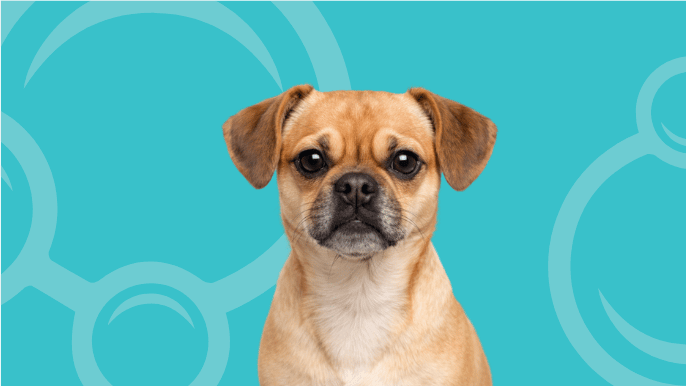
Chug Temperament combines the fierce loyalty of the Chihuahua with the clownish charm of the Pug, creating one of the most personality-packed and most devoted small designer crosses available today.
Chug Temperament is loyal, playful, and surprisingly stubborn, wrapped in a short double coat that sheds more than many small dog owners expect and requires regular maintenance to manage the dense undercoat inherited from the Pug parent.
The Chug (Chihuahua x Pug) brings together two breeds famous for outsized personality packed into compact, portable bodies. The Chihuahua contributes fierce one-person loyalty, bold attitude, and trembling intensity.
The Pug contributes clownish humour, affectionate warmth, and a flat face that creates both charm and health considerations. The short double coat from the Pug influence means Chug Temperament sheds more than a smooth-coated Chihuahua, and the potential brachycephalic features inherited from the Pug require health monitoring during every grooming session.
This is Mondo, and I need you to hear something about the Chug, because this cross creates a tiny dog with enormous personality, surprising shedding, and potential flat-face health considerations that make every grooming session more about health monitoring than coat complexity.
Chug Temperament is what happens when you combine two of the most opinionated, most devoted, most convinced-of-their-own-importance small breeds on the planet. The Chihuahua brings a loyalty that borders on obsession.
This is a dog that chooses its person and then devotes every waking moment to monitoring, guarding, and possessing that person with a fierce, trembling intensity that surprises people who expect tiny dogs to be gentle pushovers.
The Chihuahua does not share willingly. It does not warm to strangers quickly. And it absolutely does not accept being second in importance to anything or anyone. The Pug brings a completely different energy.
Bred as a companion to Chinese royalty and later European aristocracy, the Pug is a natural comedian. It lives to make people laugh, to engage, to entertain, to be the centre of every room with a clownish charm that is genuinely irresistible. The Pug does not take itself seriously the way the Chihuahua does. It takes joy seriously.
When these two personalities combine in a Chug, the result is extraordinary. You get a dog that is fiercely devoted like the Chihuahua but entertaining like the Pug.
Intensely loyal but genuinely funny. Possessive of its person but delighted by attention from anyone willing to give it. The personality blend is one of the most engaging combinations in the designer breed world.
The emotional reward of living with Chug Temperament is the constant entertainment combined with genuine, deep devotion.
This dog makes you laugh every single day while simultaneously offering the kind of intense, unwavering loyalty that makes you feel like the most important person in the world. The personality per kilogram ratio is extraordinary.
But the flip side is real, and it comes from both directions. The Chihuahua's possessive loyalty can become jealous, territorial, and aggressive toward other animals and people who approach its chosen person.
The Pug's flat face may pass to the Chug, creating brachycephalic breathing concerns, heat sensitivity, and exercise limitations that vary between individuals but must be monitored consistently.
Both breeds are independently-minded and stubborn, creating a double-stubborn cross that evaluates every training request before deciding whether compliance is in its interest. And the coat surprise: the Pug's dense undercoat transfers to the Chug, creating a short double coat that sheds far more than people expect from such a small dog.
Which brings us to grooming.
Chug Temperament during grooming is generally cooperative with its trusted handler, though the Chihuahua influence may create resistance to unfamiliar handling. The coat is straightforward but not effortless.
The Medium-Pinned Slicker Brush is the primary tool. The Undercoat Depth Comb verifies every section. The Short-Medium Coat Carding Rake removes dead undercoat every two weeks. Apply Pawfect Finish Coat Spray before drying.
But the grooming session's most important function is health monitoring. If your Chug inherits a shorter muzzle from the Pug parent, every Audit step must include breathing assessment, skin fold inspection, and temperature monitoring. The coat hides nothing, but the flat face hides developing problems.
This breed is NOT for you if:
- You expect a non-shedding small dog (the Pug undercoat sheds significantly)
- You cannot monitor brachycephalic health consistently if your Chug inherits a flat face
- You want a quiet, calm, independent companion that does not bark
- You have very young children (fragile size combined with low handling tolerance)
- You are not prepared for stubborn resistance to training from two independently-minded breeds
- You live in an extremely hot climate without reliable air conditioning
Because Chug Temperament includes:
- Short double coat that sheds more than expected for a small cross due to the Pug undercoat
- Potential brachycephalic concerns from the Pug heritage affecting breathing, heat tolerance, and exercise capacity
- Stubborn independence from both parent breeds creating compounded training challenges
- Persistent barking from the Chihuahua influence at perceived threats, sounds, and strangers
- One-person preference that can become possessive, jealous, and territorial without management
- Temperature sensitivity from both directions: cold sensitivity from the Chihuahua, heat sensitivity from the Pug
This breed IS for you if:
- You want a loyal, entertaining, personality-packed small companion
- You can manage moderate shedding from a short double coat with regular brushing and carding
- You can monitor potential brachycephalic health needs at every grooming session
- You appreciate bold, outsized personality and daily comedy in a tiny package
- You are patient with stubborn, independently-minded small dogs
- You live in a climate-controlled environment with moderate temperatures
Chug Temperament rewards patient, devoted owners with a companion whose loyalty is fierce, whose entertainment value is constant, and whose manageable short double coat provides straightforward grooming alongside essential health monitoring.
Accept the shed. Monitor the breathing. Enjoy the comedy.
Do that, and you will have the most entertaining, most loyal, and most stubbornly devoted small companion you have ever met.
Breed Handling Profile
| Trait | Level | Notes |
|---|---|---|
| Emotional sensitivity | High | Deeply bonded to one person; sensitive to separation; reads handler mood with intensity |
| Handling tolerance | Moderate to High | Cooperative with trusted handler; may resist unfamiliar handling; small size aids management |
| Grooming commitment | Moderate | Short double coat sheds and requires regular brushing and carding; health monitoring is essential |
| Exercise needs | Low to Moderate | Short walks and indoor play; 20 to 30 minutes daily; limited by breathing if brachycephalic |
| Alone time tolerance | Low | Intense one-person bond creates genuine separation anxiety potential |
| Best fit household | Individuals or couples home frequently in climate-controlled environments | Patient owners who enjoy strong-willed, devoted, entertaining small dogs |
Breed Purpose and Why It Matters for Chug Temperament
The Chug is a designer cross between the Chihuahua and the Pug. Understanding both parent breeds explains why Chug Temperament delivers such an extraordinary personality combination.
The Chihuahua is the world's smallest breed, originating in Mexico with ancient roots, typically weighing 1.4 to 2.7 kg (3 to 6 lb). Despite the tiny size, the breed is fiercely loyal to one person, territorial, vocal, and bold beyond any reasonable expectation for its body mass.
The Chihuahua was refined for personal companionship, and that fierce companion devotion is the defining trait. The Pug was bred as a companion to Chinese emperors and later European royalty, typically weighing 6.4 to 8.2 kg (14 to 18 lb) and standing 25 to 33 cm (10 to 13 in) tall.
The breed was refined for charm, entertainment, and affectionate warmth, creating a natural comedian with a clownish, engaging personality and the characteristic flat face that defines the breed's appearance and health profile.
Chug Temperament reflects both parent breeds directly. The fierce loyalty and territorial barking come from the Chihuahua. The clownish entertainment and flat-face potential come from the Pug. When your Chug barks ferociously at a stranger, then immediately rolls onto its back and makes everyone in the room laugh, that is both parent breed heritages expressing themselves simultaneously.
As a crossbreed, there is no breed standard. Size, body type, facial structure, coat density, and temperament vary between individuals. Some Chugs inherit more Chihuahua traits. Others lean more Pug. Many are a genuine blend.
FurHQ Coat Type Breakdown
The Chug typically carries a Short Double Coat as classified in the FurHQ seven-coat system.
The coat is short with a dense undercoat inherited primarily from the Pug parent. The outer coat lies flat against the body. The undercoat is soft, dense, and sheds moderately year-round with heavier seasonal blow during spring and autumn transitions. Colours include fawn, black, brown, cream, tan, and various combinations, often with the Pug's characteristic facial markings.
The Medium-Pinned Slicker Brush is the primary brushing tool, working through both the outer coat and undercoat. The Undercoat Depth Comb verifies that brushing has reached through all coat layers to the skin. The Short-Medium Coat Carding Rake removes dead undercoat every two weeks, preventing the loose hair that covers furniture and clothing.
The recommended kit is the FurHQ Starter Grooming Kit: Short Double Coat.
NEVER body clip a short double coat. Clipping damages the coat structure, disrupts the guard hair and undercoat relationship, and compromises the coat's natural insulation and protection.
Not Sure About Your Dog's Coat Type?
Not every dog fits neatly into one coat category, and that is completely normal. This is especially true for crossbreeds where coat type varies between individuals depending on parent genetics.
Use the FurHQ AI Coat Identifier to find out your dog's coat type and get matched to the right FurHQ Starter Grooming Kit.
Puppy Coat to Adult Coat Transition
Chug puppies have a softer coat that develops adult density by 6 to 12 months. The undercoat thickens progressively as the Pug coat genetics express. Some Chug puppies born with a thinner, more Chihuahua-like coat develop surprising undercoat density as they mature.
Chug Temperament during puppyhood is bold, playful, already opinionated, and beginning the intense bonding process that defines this cross. Use grooming sessions from the earliest weeks to build handling tolerance, particularly for facial fold cleaning if present, ear examination, dental checks, and the full-body health assessment that will be essential throughout the dog's life. Build alone-time tolerance from puppyhood to prevent the separation anxiety both parent breeds predispose toward.
The FurHQ 5-Step Grooming Method: Technical Reality
The FurHQ 5-Step Method (Audit, Prep, Bath, Dry, Finish) applies to Chug Temperament with emphasis on undercoat management, brachycephalic health monitoring, and skin fold care for individuals with Pug-influenced facial structure.
Learn the Method. Follow the Protocol. Complete the Mission.
Setup and Stability
Secure the dog using the Stay Put System (suction cup anchor + safety lead). Chug Temperament cooperates with grooming from its trusted handler. For anxious dogs, the Hush Pup Wrap provides calming compression.
Tools and Technique
Audit: Begin every session with a thorough health assessment. Assess breathing quality by listening for laboured breathing, excessive snoring, stridor, or respiratory effort at rest. Clean all facial folds if present, checking for redness, moisture, irritation, or infection.
Check eyes for discharge, redness, and clarity. Examine teeth and gums thoroughly (dental disease is critical in toy breed crosses). Check nail length and condition. Check inside both ears for debris, odour, or redness. Feel for lumps, bumps, or skin changes. Run your hands over the entire body checking coat density and skin condition.
Prep: For short double coats, prep is a quick health-focused assessment rather than extensive brushing. Feel for areas of compacted undercoat. The coat is short enough that tangles are rare, but compacted undercoat can develop, particularly along the hindquarters.
Bath: Use the Rubber Curry during bathing for skin stimulation and to work shampoo through the short double coat. Pay special attention to cleaning between any facial folds thoroughly. Full saturation to the skin is important despite the short coat because the dense undercoat can repel water. Rinse thoroughly.
Dry: Dry quickly and thoroughly, paying particular attention to drying between any facial folds completely. Moisture trapped in folds causes infection rapidly. Keep the dog warm after bathing (cold sensitivity from the Chihuahua side). Monitor breathing throughout the drying process (heat stress risk from the Pug side).
Finish: Final pass with the Undercoat Depth Comb to verify the coat is free of loose undercoat and dry to the skin. Apply Pawfect Finish Coat Spray for a healthy sheen. Recheck facial folds are clean and completely dry.
Blow-out season is where the real coat work lives. Stay ahead of undercoat release early, and the rest of the year stays easy.
Chemistry and Coat Care
Deep Clean Delight Shampoo provides a thorough cleanse that penetrates the dense short double coat to the skin. Coat-Quench Conditioner supports skin health and coat condition. The short coat benefits from clean, healthy skin more than complex coat chemistry, but the undercoat requires thorough cleansing to maintain skin health beneath.
The Coat Release Method (Condensed)
The Coat Release Method is an 8-step process built into the Bath phase that removes trapped undercoat while the coat is lubricated, keeping dead coat contained in the tub rather than spread across your home.
Steps 1 to 3: Thoroughly wet the coat to the skin. Apply coat-matched shampoo, focusing on skin contact rather than surface foam. With shampoo still in the coat, use controlled airflow in the tub, working section by section. The lubrication allows dead undercoat to release safely without friction or skin trauma. This airflow phase is the core of the Coat Release Method .
Step 4: Rinse thoroughly to flush out all released coat, shampoo, and debris before continuing.
Steps 5 and 6: Apply shampoo again with controlled mechanical assist. Use the Rubber Curry as the default tool to move shampoo to the skin and encourage final release. If dense coat remains and additional help is needed, a slicker brush with feather-light pressure and short, controlled strokes can be used. If skin begins to pink, stop immediately. Rinse completely until the coat is clean and residue-free.
Steps 7 and 8: Condition the coat with placement adjusted by coat type. Release without restore equals damage. Rinse thoroughly until the coat feels clean and balanced, not slick.
For the full step-by-step process, see The Coat Release Method for Dogs with Undercoat and Coat Release Method Without an HV Dryer in Related Reading.
Coat Release Method
The short double coat benefits from the Coat Release Method during seasonal blow. When the undercoat begins releasing in spring and autumn, the Short-Medium Coat Carding Rake systematically removes dead undercoat that the natural shedding process releases.
Despite the small body, the Pug undercoat packed into a Chug produces surprising amounts of dead hair during seasonal transitions. Work systematically in sections during blow season. The Medium-Pinned Slicker Brush followed by the Undercoat Depth Comb verifies complete removal.
Outside of blow season, brushing two to three times per week with the Short-Medium Coat Carding Rake every two weeks is sufficient for Chug Temperament.
FurHQ Starter Grooming Kit Breakdown
The FurHQ Starter Grooming Kit: Short Double Coat is recommended for the Chug.
Coat-Specific Items (5):
- Deep Clean Delight Shampoo: thorough cleaning for short double coats
- Coat-Quench Conditioner: skin and coat health
- Medium-Pinned Slicker Brush: primary brushing tool
- Undercoat Depth Comb: verification tool for all coat layers
- Short-Medium Coat Carding Rake: dead undercoat removal every two weeks
Standard Items (5, included in every kit):
- Stay Put System (suction cup anchor + safety lead)
- Hush Pup Wrap
- Rubber Curry (for bathing and skin stimulation)
- Ear Wipes
- Pawfect Finish Coat Spray
Total: 10 items
Chug Temperament: Superpowers and Kryptonite
Superpowers 🦸
🌟 Fierce loyalty meets constant comedy: Chug Temperament combines the Chihuahua's intense devotion with the Pug's clownish entertainment, creating one of the most engaging personality combinations in the designer breed world.
🌟 Manageable coat: The short double coat is straightforward to maintain with regular brushing and biweekly carding, requiring less daily effort than curly or long-coated crosses.
🌟 Portable personality explosion: Typically weighing 2.7 to 9 kg (6 to 20 lb), the Chug packs more character per kilogram than almost any other cross.
🌟 Long lifespan potential: Both parent breeds are generally long-lived, creating potential for 10 to 13 years of devoted, entertaining companionship.
🌟 Adaptable size: Small enough for apartment living and easy physical management in any living situation.
🌟 Expert comfort companion: The combined burrowing instinct from the Chihuahua and lap dog heritage from the Pug creates an exceptional couch and bed companion.
Kryptonite ⚠️
⚠️ Surprising shedding volume: The Pug undercoat creates more shedding than expected from a small dog, particularly during seasonal blow transitions.
⚠️ Potential brachycephalic concerns: Pug-influenced facial structure may create breathing difficulties, heat sensitivity, and exercise limitations in some individuals.
⚠️ Double stubbornness: Both parent breeds are independently-minded, creating genuine, compounded training challenges requiring exceptional patience.
⚠️ Narrow temperature comfort range: Cold-sensitive from the Chihuahua side and heat-sensitive from the Pug side, creating a surprisingly narrow temperature comfort zone.
⚠️ Persistent barking: Chihuahua influence brings high-pitched, persistent alerting at perceived threats, sounds, and strangers.
⚠️ One-person possessiveness: The intense Chihuahua bond combined with the Pug's attention-seeking can create jealous, possessive, territorial behaviour without active management.
FurHQ's Lifestyle Lens and Pro Insights
The Shedding Surprise Is Real
Many Chug owners are genuinely surprised by the amount of shedding their small dog produces. The Pug's dense undercoat sheds substantially more than a smooth-coated Chihuahua. During seasonal blow, the volume of dead undercoat releasing from a 4 to 9 kg dog is remarkable.
Regular carding with the Short-Medium Coat Carding Rake every two weeks manages the undercoat proactively, reducing the loose hair that covers furniture, clothing, and everything in the household.
Monitor the Muzzle at Every Session
If your Chug inherits a shorter muzzle from the Pug parent, breathing monitoring becomes a lifelong grooming priority. Assess breathing quality at every Audit step by listening for laboured breathing, excessive snoring, stridor (high-pitched breathing sounds), or respiratory effort that seems disproportionate to activity level.
During warm weather, monitor for heat stress symptoms: excessive panting, drooling, lethargy, or collapse. Brachycephalic dogs cannot cool themselves efficiently through panting. Heat emergencies require immediate veterinary attention.
The Temperature Paradox Needs Daily Management
Chug Temperament inherits cold sensitivity from the Chihuahua (minimal coat insulation, small body mass) and heat sensitivity from the Pug (brachycephalic cooling inefficiency). This creates a surprisingly narrow temperature comfort zone. In cool and cold weather, provide a well-fitted dog coat or sweater for outdoor walks and warm indoor environments.
In warm weather, limit exercise to cool morning and evening hours, provide shade and water, and monitor for overheating. Climate-controlled indoor environments are ideal for this cross.
Skin Fold Hygiene Is Critical for Pug-Faced Individuals
If your Chug inherits the Pug's facial wrinkles and folds, cleaning those folds at every grooming session is essential. Use a damp cloth to clean between folds, removing moisture, bacteria, and debris. Dry folds thoroughly after cleaning.
Fold infections develop rapidly when moisture is trapped and cause significant discomfort. This 60-second routine at every session prevents the chronic fold dermatitis that untreated wrinkles develop.
Card every two weeks even though the dog is small. The Pug undercoat packed into a Chug body produces surprising amounts of dead hair that the Short-Medium Coat Carding Rake removes efficiently. A few minutes of systematic carding every two weeks prevents the loose undercoat that coats every surface in your home.
Health and Lifespan: The FurHQ Touch Test
The Chug typically lives 10 to 13 years.
Regular grooming sessions serve as essential health monitoring opportunities. Chug Temperament cooperates during examination from its trusted handler. Brachycephalic airway concerns from the Pug heritage vary between individuals depending on facial structure and require lifelong monitoring. Patellar luxation (loose kneecaps) is common in small breeds. Dental disease is a critical concern for toy breed crosses, requiring consistent professional and home dental care.
Eye conditions from both parent breeds require monitoring, including proptosis (eye displacement) in individuals with prominent Pug-influenced eye sockets. Tracheal collapse can occur in very small individuals.
Hypoglycaemia (low blood sugar) may affect very small Chugs. Skin fold dermatitis affects individuals with Pug facial wrinkles. Obesity is a genuine concern, as both parent breeds gain weight easily, and excess weight compounds brachycephalic breathing difficulties and joint stress.
Every grooming session is a conversation with your dog's body. The FurHQ 5-Step Method builds that conversation into your routine.
Related Breed Comparisons
- Chiweenie Temperament: Similar Chihuahua cross with Dachshund instead of Pug. Smooth single coat instead of short double. Different health profile (spinal vs brachycephalic).
- Pug Temperament: Parent breed with consistent short double coat and more predictable brachycephalic features. More Pug-specific health management.
- Chihuahua Temperament: Parent breed with smooth single coat and fiercer one-person loyalty. No brachycephalic concerns.
- Puggle Temperament: Similar Pug cross with Beagle. More energy. Comparable shedding and brachycephalic considerations.
Related Reading
Short Double Coat Grooming
Comfort and Safety
- Dog Grooming Desensitisation
- FurHQ Touch Test
Tools and Products
Related Breed Blogs
The Bottom Line
Chug Temperament delivers fierce loyalty, constant comedy, and explosive personality in a short double coat that sheds more than expected but is straightforward to manage with regular brushing and biweekly carding. The breathing needs monitoring. The stubbornness needs patience.
The temperature sensitivity needs management from both ends. The skin folds need cleaning. But the return is a companion whose devotion is fierce, whose comedy is constant, and whose tiny body contains more personality, more loyalty, and more entertainment value than most dogs ten times the size.
The FurHQ Starter Grooming Kit: Short Double Coat gives you every tool and product needed for effective coat and undercoat maintenance on this entertaining companion cross.
Learn the Method. Follow the Protocol. Complete the Mission.
You got this. And we've got you. 🐾
Variation Clarity Statement
Every dog is an individual. As a crossbreed, the Chug does not have a breed standard. Muzzle length, facial structure, coat density, body type, and temperament vary between individuals. Some Chugs inherit smooth single coats from the Chihuahua parent rather than the Pug's short double coat.
Use the FurHQ AI Coat Identifier to confirm your individual dog's coat type and get the right kit recommendation.
FAQs
What coat type does a Chug have?
FurHQ classifies dog coats into seven distinct types: Curly Wavy Coat, Drop Coat, Wire Coat, Smooth Single Coat, Short Double Coat, Medium Plush Double Coat, and Feathered Long Double Coat. Most Chugs are classified as Short Double Coat due to the Pug's undercoat influence. The recommended kit is the FurHQ Starter Grooming Kit: Short Double Coat. Some Chugs inherit smooth single coats from the Chihuahua parent. Use the FurHQ AI Coat Identifier to confirm your individual dog's coat type.
How often should I groom my Chug?
Brush two to three times per week with the Medium-Pinned Slicker Brush. Use the Short-Medium Coat Carding Rakeevery two weeks to remove dead undercoat. Verify with the Undercoat Depth Comb to confirm brushing has reached through all coat layers. Apply Pawfect Finish Coat Spray before drying.
Why does my Chug shed so much?
The Pug parent contributes a dense undercoat that sheds substantially more than a smooth Chihuahua coat. This is the most common surprise for Chug owners. Regular carding every two weeks with the Short-Medium Coat Carding Rake manages the undercoat proactively and reduces loose hair.
Can I shave my Chug to reduce shedding?
Never body clip a short double coat. The double coat insulates against both heat and cold. Clipping damages the coat structure, disrupts the guard hair and undercoat relationship, and often results in coat that grows back unevenly or with altered texture. Regular carding manages shedding without compromising coat function.
Is Chug Temperament good with children?
Best with gentle, older children who understand careful handling of small dogs. The small size, typically 2.7 to 9 kg (6 to 20 lb) and 15 to 30 cm (6 to 12 in) tall, creates genuine injury risk from rough play. Both parent breeds have limited tolerance for inappropriate handling. Active supervision essential.
How much exercise does a Chug need?
Twenty to thirty minutes daily. Short walks and indoor play. Exercise may be limited if your Chug inherits brachycephalic breathing features from the Pug parent. Avoid exercise in hot weather. Monitor breathing during all activity.
Does my Chug have breathing problems?
Variable between individuals. Chugs with shorter muzzles inherited from the Pug parent may have brachycephalic airway concerns including laboured breathing, snoring, exercise intolerance, and heat sensitivity. Monitor breathing at every grooming session. Report changes to your veterinarian.
How big will my Chug get?
Typically 2.7 to 9 kg (6 to 20 lb) and 15 to 30 cm (6 to 12 in) tall. Size varies depending on parent sizes and individual genetics.
Why is my Chug so stubborn?
Both parent breeds are independently-minded. The Chihuahua evaluates requests against its own priorities. The Pug is cheerfully non-compliant when something more interesting is available. The combination creates a dog that is not defiant but genuinely independent. Patient, positive, consistent training with high-value rewards produces the best results.
What is the Coat Release Method?
The Coat Release Method is an 8-step process built into the Bath phase that removes trapped undercoat while the coat is lubricated. During seasonal blow, the Short-Medium Coat Carding Rake works in sections to remove dead undercoat. See Coat Release Method for Dogs with Undercoat for the full process.
What health issues should I watch for during grooming?
During every Audit step, assess breathing quality (brachycephalic concerns), clean and inspect facial folds if present, check dental health (tartar, red gums, bad breath), check patellar luxation (skipping gait), monitor eye health (discharge, prominence, redness), check ear health, assess nail length, monitor body condition (weight management is critical), and check skin condition beneath the coat.