Free Shipping over $99
FurHQ

Norwegian Elkhound Temperament and Grooming Considerations

By Mondo Fluffarino | FurHQ Blog Author & Chief Education Officer

Table of Contents

Norwegian Elkhound TemperamentIntroduction: The Viking's Hunting Companion

If you want a bold, confident, fiercely loyal companion that has been working alongside humans for thousands of years in some of the harshest conditions on earth, understanding Norwegian Elkhound Temperament is essential. 

This is one of the oldest breeds in existence, with archaeological evidence linking these dogs to Viking-era Scandinavia over five thousand years ago. Norwegian Elkhound Temperament was forged in the mountains and forests of Norway, where these dogs tracked, held, and bayed moose for hunters working in punishing terrain and extreme cold.

Norwegian Elkhound Temperament combines courage, independence, and unwavering loyalty in a compact, powerful package. These dogs were expected to track a moose across miles of mountainous terrain, confront an animal that outweighed them by a factor of ten, and hold it at bay through persistent barking until the hunter arrived. That required genuine bravery, independent decision-making, and the stamina to work all day in deep snow and freezing temperatures.

The medium plush double coat is one of the densest in the FurHQ system. The harsh topcoat repels snow, ice, and moisture while the incredibly dense undercoat traps body heat even during prolonged exposure to extreme cold. 

Norwegian Elkhound Temperament during grooming is generally cooperative, but the volume of undercoat this breed produces during seasonal coat blow is genuinely astonishing. The coat is where the real commitment lives.


If you want a dog that carries thousands of years of Nordic heritage in its DNA, combines the courage of a moose hunter with the devotion of a family guardian, and brings a quiet, confident dignity to everything it does, understanding Norwegian Elkhound Temperament is the place to start.

These dogs offer one of the most compelling combinations of loyalty and independence in the spitz family. They are brave without being reckless, protective without being aggressive when properly socialised, and devoted in a way that has made them valued human partners since the Viking age.

Now let's talk grooming. Honestly.

Norwegian Elkhound Temperament makes the dog cooperative. The coat makes the commitment. The density of this undercoat is remarkable for a medium-sized dog.

The medium plush double coat requires consistent, serious maintenance:

  • Extremely dense undercoat that sheds continuously and blows seasonally
  • Harsh topcoat that stands off from the body creating the characteristic plush appearance
  • Seasonal coat blow that produces genuinely astonishing volumes of loose undercoat
  • Silver-grey colouring that shows dirt and requires regular maintenance

The coat is the primary ownership commitment with this breed.

Where ownership becomes more nuanced is the temperament beneath.

This breed is NOT for you if:

  • You want a dog that obeys instantly without question
  • You cannot commit to regular brushing and intensive seasonal deshedding
  • You live in a hot climate without reliable climate control
  • You want a breed that loves every stranger it meets
  • You prefer a quiet dog that rarely barks

Because Norwegian Elkhound Temperament includes:

  • Independent thinking bred from generations of making hunting decisions without human direction
  • A coat that produces more loose undercoat per square inch than almost any medium-sized breed
  • Heat sensitivity from a breed engineered for Arctic conditions
  • Natural wariness with strangers that requires early, thorough socialisation
  • A vocal nature developed for baying moose from a distance

This breed IS for you if:

  • You want a loyal, dignified companion with genuine substance
  • You enjoy outdoor activities in cooler climates
  • You appreciate a protective nature combined with family devotion
  • You are committed to the brushing routine this dense coat demands
  • You can provide consistent leadership to an independent-minded breed

Norwegian Elkhound Temperament rewards confident, active owners with one of the most loyal, capable, and historically significant companions in the dog world, a breed that has earned its place beside humans across five thousand years of partnership.


Breed Handling Profile

TraitLevelNotes
Emotional sensitivityLow to ModerateConfident and resilient; responds to fair, consistent handling
Handling toleranceModerate to HighGenerally cooperative during grooming; patient with thorough sessions
Grooming commitmentHighDense medium plush double coat requires regular brushing and intensive seasonal deshedding
Exercise needsModerate to HighBuilt for endurance; needs daily vigorous activity
Alone time toleranceModerateMore independent than some breeds; still prefers company
Best fit householdActive home in cooler climate with experienced owner who commits to coat maintenance

Breed Purpose and Why It Matters for Norwegian Elkhound Temperament

The Norwegian Elkhound was developed to track moose through dense Scandinavian forests, locate the animal, and hold it at bay through persistent barking until the hunter could arrive. 

This required a dog that worked independently at considerable distance from the hunter, making its own decisions about positioning, approach, and retreat without human guidance. The hunts covered vast distances through deep snow, thick forest, and mountainous terrain.

Norwegian Elkhound Temperament reflects this heritage directly. The bold confidence exists because confronting a moose required genuine courage. The independent thinking exists because the dog needed to make critical decisions without waiting for instruction. 

The stamina that demands serious daily exercise exists because tracking moose across mountainous terrain in winter was an all-day endeavour. The vocal nature exists because the dog needed to bay loudly enough for the hunter to locate it across vast distances.

The medium plush double coat was engineered for survival in Nordic conditions where temperatures regularly dropped well below freezing. 

The harsh topcoat repelled snow, ice, and moisture while the incredibly dense undercoat trapped body heat even during prolonged extreme cold. Norwegian Elkhound Temperament and the insulating double coat are both products of a breed refined for one of the harshest climates on earth.


FurHQ Coat Type Breakdown

The Norwegian Elkhound wears a Medium and Plush Double Coat as classified in the FurHQ seven-coat system.

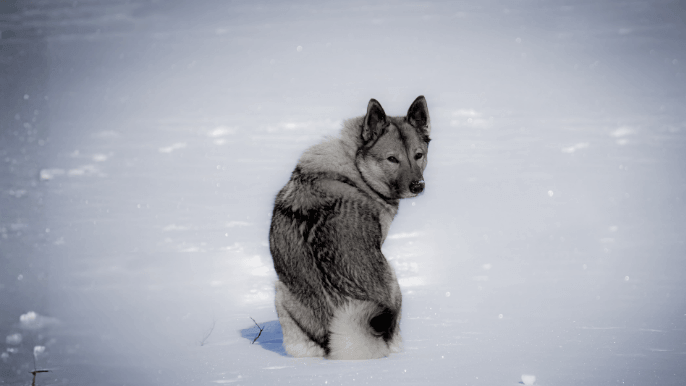
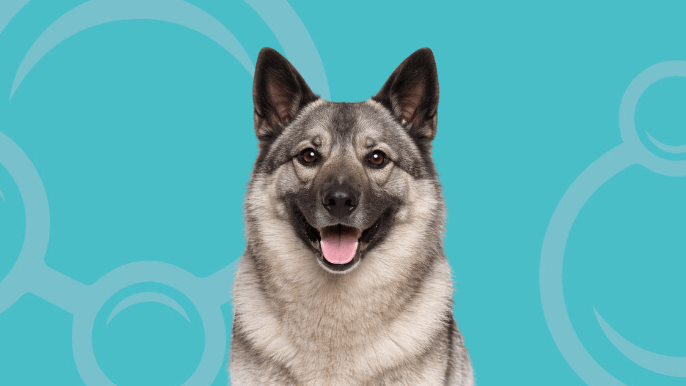
The coat consists of a harsh, straight, silver-grey topcoat over an extremely dense, soft, woolly undercoat that is lighter in colour. The undercoat density on a Norwegian Elkhound is remarkable relative to the breed's medium size. 

The topcoat stands off the body slightly, giving the breed its characteristic plush appearance. During seasonal shedding, the undercoat releases in enormous quantities, often coming out in clumps and tufts.

The Medium-Pinned Slicker loosens and lifts dead undercoat from beneath the topcoat. The Undercoat Depth Comb verifies thorough undercoat removal. 

The Short-Medium Coat Carding Rake addresses the dense undercoat during heavy shedding periods. The Rubber Curry provides additional skin stimulation and undercoat loosening during bathing.

The recommended kit is the FurHQ Starter Grooming Kit: Medium Plush Double Coat.


Not Sure About Your Dog's Coat Type?

Every dog is an individual, and coat types can sometimes surprise you. If you are unsure whether your dog's coat is truly a medium plush double coat or something else, use the FurHQ AI Coat Identifier. Simply upload a photo of your dog and get an accurate coat type classification with the right kit recommendation. No guessing required.


Puppy Coat to Adult Coat Transition

Norwegian Elkhound puppies are born with a softer, darker coat that begins transitioning to the adult double coat between 4 and 8 months. The undercoat thickens dramatically during this period, and the characteristic silver-grey colouring develops as the guard hairs mature. The full adult coat is typically established by 12 to 18 months.

During the transition, the puppy coat can mat where it tangles with the incoming adult coat. Regular brushing during this phase prevents the compaction that occurs when dead puppy coat gets trapped by the emerging adult coat.

Start gentle brushing with the Medium-Pinned Slicker from 8 weeks. Norwegian Elkhound Temperament in puppyhood is bold and curious, making early grooming introduction straightforward. Use Pawfect Finish Coat Spray before drying and when dry brushing during the transition period.


The FurHQ 5-Step Grooming Method: Technical Reality

The FurHQ 5-Step Method (Audit, Prep, Bath, Dry, Finish) applies to this coat type with emphasis on managing the plush, standoff coat and preventing undercoat from compacting against the skin.

Learn the Method. Follow the Protocol. Complete the Mission.

Setup and Stability

Secure the dog using the Stay Put System (suction cup anchor + safety lead). For anxious dogs, the Hush Pup Wrap provides calming compression. Medium plush double coats require thorough sessions that work through the dense, standoff texture to the skin.

Tools and Technique

Audit: Begin every session by running your hands over the entire body. The plush texture can feel full and healthy on the surface while hiding compacted undercoat beneath. Part the coat and feel at the skin level, particularly along the hindquarters, ruff, chest, and behind the ears.

Prep: Use the Medium-Pinned Slicker Brush to line brush section by section, lifting and working through to the skin. Use the Rubber Curry for loosening surface coat. Apply Pawfect Finish Coat Spray before drying to provide slip and protection. 

Verify with the Undercoat Depth Comb to confirm brushing has reached the skin. The Short to Medium Coat Carding Rake removes dead undercoat efficiently, used once every two weeks maximum.

Bath: Use Rubber Curry during bathing for skin stimulation and to work shampoo through the dense coat. Full saturation to the skin is critical because the plush coat repels water. Rinse thoroughly.

Dry: Towel dry thoroughly. Use a dryer with a brush-through to lift and separate the coat as it dries. Apply Pawfect Finish Coat Spray pre-dry for protection. Significant undercoat blows out during this step. Dry thoroughly to the skin.

Finish: Final pass with the Undercoat Depth Comb to verify the coat is free of loose undercoat, dry to the skin, and standing off the body properly. Assess overall coat condition.

Blow-out season is where the real coat work lives. Stay ahead of undercoat release early, and the rest of the year stays easy.

Chemistry and Coat Care

Deep Clean Delight Shampoo provides a deep cleanse that penetrates the dense plush coat to the skin. Coat-Quench Conditioner supports skin comfort and coat health while maintaining the coat's natural standoff texture.

The Coat Release Method (Condensed)

Medium plush double coats carry dense undercoat that releases seasonally, often in dramatic volume. During the Bath step, after full saturation and shampoo application, use controlled airflow in the tub while the coat is still lathered. 

The lubrication allows dead undercoat to release safely without friction or skin trauma. Rinse, then apply a second shampoo with the Rubber Curry to complete the release. This keeps dead coat contained in the tub rather than spread across your home. For the full step-by-step process, see The Coat Release Method for Dogs with Undercoat in Related Reading.


FurHQ Starter Grooming Kit Breakdown

The FurHQ Starter Grooming Kit: Medium Plush Double Coat contains everything you need to maintain the Norwegian Elkhound coat properly.

Standard Items (included in all FurHQ kits):

Coat-Specific Items:

Total: 10 items

Each kit includes step-by-step video tutorials and informational PDFs so you know exactly how to use every tool and product for the Norwegian Elkhound coat.


Superpowers and Kryptonite

Superpowers 🦸

🌟 Unwavering loyalty: Norwegian Elkhound Temperament includes a depth of loyalty that is striking even among breeds known for devotion. These dogs commit to their family completely and take their role as guardian and companion with genuine seriousness.

🌟 Bold confidence: Norwegian Elkhound Temperament was forged by confronting moose in Norwegian wilderness. That courage translates to a companion that handles new situations with calm assurance rather than anxiety or fear.

🌟 Hardy constitution: The breed is remarkably healthy and robust for its size, a benefit of thousands of years of working heritage where only the soundest dogs survived. Norwegian Elkhound Temperament includes a toughness that makes these dogs low-maintenance from a health perspective.

🌟 Cold weather excellence: The dense double coat and Nordic heritage make this breed genuinely thrive in cold conditions. For Canadian owners in cooler regions, the Norwegian Elkhound is one of the most naturally suited breeds available.

🌟 Cooperative grooming partner: Despite the heavy coat commitment, Norwegian Elkhound Temperament during grooming is patient and tolerant. These dogs accept thorough brushing sessions without the fidgeting that makes grooming some breeds challenging.

🌟 Natural guardian: Norwegian Elkhound Temperament includes an alertness and protective instinct that makes these dogs reliable watchdogs without requiring guard dog training.

Kryptonite ⚠️

⚠️ Extreme shedding: The seasonal coat blow is genuinely extreme. The dense, woolly undercoat releases in enormous volumes over two to four weeks, twice a year. Norwegian Elkhound Temperament is patient during deshedding, which is fortunate because the sessions are intensive.

⚠️ Heat sensitivity: Norwegian Elkhound Temperament was engineered for Arctic conditions. The breed suffers in warm climates, becoming lethargic and uncomfortable. Climate-controlled indoor environments are essential, and outdoor exercise must be limited to cooler parts of the day during warm months.

⚠️ Independent stubbornness: Norwegian Elkhound Temperament includes the independent thinking that made these dogs effective solo hunters. This translates to a dog that evaluates commands rather than automatically complying. Training requires consistency and patience.

⚠️ Vocal nature: The breed was developed to bay loudly enough for hunters to locate the dog across vast distances. Norwegian Elkhound Temperament includes a powerful voice used for alerting, excitement, and boredom. Close-proximity housing requires serious consideration.

⚠️ Stranger wariness: Norwegian Elkhound Temperament includes a natural reserve with unfamiliar people that requires early, thorough socialisation to prevent it from becoming defensiveness or excessive suspicion.

⚠️ Never shave this coat: Shaving a double coated breed damages the coat structure, removes temperature regulation, and the coat may never grow back properly. Proper undercoat removal through brushing and the Coat Release Method is the correct approach.


FurHQ's Lifestyle Lens and Pro Insights

These are the details that experienced Norwegian Elkhound owners and professional groomers know. They address real-world Norwegian Elkhound Temperament traits that make the difference between struggling and thriving with this breed.

The Shedding Strategy

During spring and autumn coat blow, the normal brushing routine is insufficient. Increase to daily sessions, use the full tool progression (slicker, carding rake, comb), and accept that the volume of undercoat being released is genuinely surprising. 

A single coat blow session can fill a grocery bag with silver-grey fluff. This is normal and healthy. The coat blow typically lasts two to four weeks, and daily work significantly reduces the duration and the amount of loose hair on your furniture.

The Heat Management Plan

Norwegian Elkhound Temperament in warm weather is noticeably different from the breed's normal bold, active demeanour. These dogs become lethargic, reluctant to exercise, and visibly uncomfortable. 

In Canadian summers, exercise should be scheduled for early morning or late evening. Access to air conditioning is a welfare requirement, not a luxury. Never shave the coat in an attempt to cool the dog because the double coat actually provides insulation against heat as well as cold.

The Training Approach

Norwegian Elkhound Temperament responds to fair, consistent leadership. These dogs were bred to think independently, which means they evaluate commands rather than blindly following. Harsh corrections create resistance. Positive, reward-based methods with clear consistency produce the best results. Expect a dog that learns quickly but chooses when to demonstrate that learning.

The Exercise Equation

Norwegian Elkhound Temperament requires a minimum of 60 to 90 minutes of vigorous daily exercise. Hiking in cooler weather is the ideal activity for this breed, combining the physical endurance the breed was built for with the outdoor environments it was designed to work in. Mental stimulation through scent work and training supplements physical exercise effectively.

Brush deep into the dense undercoat, not just the surface, using a long-pin slicker followed by a comb check to keep the coat breathable. During shedding season, increase brushing and use thorough airflow drying after baths to release trapped coat before it compacts.

Health and Lifespan: The FurHQ Touch Test

The Norwegian Elkhound typically lives 12 to 15 years. The breed is generally healthy with fewer genetic issues than many purebreds of similar size.

Regular grooming sessions double as health checks when you use the FurHQ Touch Test. Run your hands systematically across the body during every grooming session, feeling for lumps, bumps, skin changes, heat spots, or areas of tenderness. The dense double coat can obscure problems visually, making hands-on monitoring essential.

Common health concerns that intersect with grooming include hip dysplasia, progressive retinal atrophy, hypothyroidism affecting coat quality, Fanconi syndrome, and skin cysts that can develop beneath the dense coat. Norwegian Elkhound Temperament is stoic about discomfort, which means the Touch Test during grooming is often the earliest detection method.


If you are considering a Norwegian Elkhound, these breeds share some characteristics but differ in important ways:

  • Keeshond Temperament: Fellow spitz breed with similar medium plush double coat. More social and less reserved with strangers. Comparable grooming commitment.
  • Siberian Husky Temperament: Nordic working breed with similar coat density and shedding. Higher energy with stronger escape drive. More social but less protective.
  • Finnish Spitz Temperament: Shares Nordic hunting heritage with a similar bark-based hunting style. Comparable independence and vocal nature.
  • Samoyed Temperament: Fellow Nordic breed with even denser coat. Friendlier disposition with strangers but higher grooming commitment.

Medium Plush Double Coat Grooming

Bathing and Drying

Comfort and Safety

Matting and Coat Health

Tools and Products

Related Breed Blogs


The Bottom Line

Norwegian Elkhound Temperament is Viking heritage in a compact, silver-grey package. This breed rewards confident, active owners with one of the most loyal, dignified, and capable companions in the spitz family. 

The coat demands serious commitment. The seasonal blow is extreme. The brushing routine is non-negotiable. But the return on that investment is a dog with five thousand years of partnership history, a guardian's instinct, a hunter's courage, and a loyalty that has been tested against the harshest conditions on earth.

If you are ready for the commitment, the FurHQ Starter Grooming Kit: Medium Plush Double Coat gives you every tool and product you need. Add daily exercise, consistent leadership, and respect for the breed's independent intelligence.

You got this. And we've got you. 🐾


Variation Clarity Statement

Every dog is an individual. While this profile describes typical breed characteristics, your specific dog may vary based on genetics, breeding, socialisation, and individual temperament. Coat type can also vary within breeds. If you are unsure about your dog's coat type, use the FurHQ AI Coat Identifier to get accurate identification and the right kit recommendation.

FAQs

What is a Norwegian Elkhound's coat type in the FurHQ system?

The Norwegian Elkhound wears a medium plush double coat in the FurHQ classification system. FurHQ classifies all dog coats into seven types to ensure you get the right tools, products, and techniques for your specific dog:

  • Curly Wavy Coat
  • Drop Coat
  • Wire Coat
  • Smooth Single Coat
  • Short Double Coat
  • Medium Plush Double Coat
  • Feathered Long Double Coat

Each coat type has a dedicated FurHQ Starter Grooming Kit designed with the exact tools and products that coat type needs.

How bad is Norwegian Elkhound shedding?

Genuinely extreme during seasonal coat blow. The dense, woolly undercoat releases in enormous volumes over two to four weeks, twice a year. Between coat blows, shedding is moderate but consistent. Regular use of the Medium-Pinned Slicker Brush and Short-Medium Coat Carding Rake manages the undercoat effectively. During blow-out season, this is where the real coat work happens.

Can Norwegian Elkhounds live in warm climates?

It is possible but requires careful management. Norwegian Elkhound Temperament in heat becomes lethargic and uncomfortable. Climate-controlled indoor environments are essential, with outdoor exercise limited to cooler parts of the day during warm months. Never shave the double coat, as it provides insulation against heat as well as cold. Cooler climates are naturally better suited to this breed.

Should I shave my Norwegian Elkhound in summer?

Never shave a double coated breed. The double coat regulates temperature, providing insulation against both cold and heat. Shaving removes this protection, can cause sunburn, and the coat may never grow back with its original texture or density. Proper undercoat removal through regular brushing and the Coat Release Method is the correct approach.

Are Norwegian Elkhounds good family dogs?

They can be excellent family dogs for the right family. Norwegian Elkhound Temperament includes loyalty, alertness, and a protective nature that creates a devoted family companion. They are generally good with children they are raised with and take their role in the family seriously. The considerations are the exercise requirements, the grooming commitment, the vocal nature, and the need for thorough socialisation to manage their natural wariness of strangers.

How much exercise does a Norwegian Elkhound need?

A minimum of 60 to 90 minutes of vigorous daily exercise is the baseline. Norwegian Elkhound Temperament was shaped by all-day hunts across mountainous terrain, and that endurance is fully present. Hiking, snowshoeing, and extended outdoor activities in cooler weather are ideal. An under-exercised Norwegian Elkhound becomes vocal, destructive, and increasingly difficult to manage.

Are Norwegian Elkhounds easy to train?

Norwegian Elkhound Temperament includes independent intelligence that evaluates commands before complying. They are not difficult to train but they require patience, consistency, and respect for their thinking nature. Positive reinforcement works best. Repetitive drills bore them. Short, varied sessions that engage their intelligence produce the best results. Expect a dog that complies willingly when it understands the purpose, not automatically.

Do Norwegian Elkhounds bark a lot?

Yes. Norwegian Elkhound Temperament includes a vocal nature developed specifically for baying moose during hunts. They bark to alert, to communicate, when excited, and when bored. The bark is loud and carries well. Management includes adequate exercise, mental stimulation, and realistic expectations. Close-proximity housing with noise-sensitive neighbours requires careful consideration before choosing this breed.

Do Norwegian Elkhounds have health problems?

Norwegian Elkhounds are generally hardy, benefiting from thousands of years of functional breeding. They can be prone to hip dysplasia, progressive retinal atrophy, Fanconi syndrome, and hypothyroidism. Sebaceous cysts are common. Regular grooming sessions with the FurHQ Touch Test help monitor for early signs of health changes. Norwegian Elkhound Temperament makes health monitoring during grooming straightforward.

What is the difference between Medium-Pinned Slicker and Short-Medium Coat Carding Rake?

The Medium-Pinned Slicker loosens and lifts dead undercoat from beneath the topcoat through its angled pin design. The Short-Medium Coat Carding Rake reaches deeper into the plush coat to mechanically remove dead undercoat that the slicker alone cannot fully address. Use the slicker first to loosen, then the carding rake to remove, then the Coat-Appropriate Metal Comb to verify. Both tools are included in the FurHQ Starter Grooming Kit: Medium Plush Double Coat.

How do I use Pawfect Finish Coat Spray on a Norwegian Elkhound?

Apply Pawfect Finish Coat Spray before drying after baths and during dry brushing sessions between baths. Mist over the section you are about to work and use the Medium-Pinned Slicker to brush through. The spray helps the slicker glide through the dense plush coat and loosens dead undercoat more effectively. Use it every time you dry brush for best results.

How do I manage a Norwegian Elkhound's ears?

Use Ear Wipes from your FurHQ kit to gently clean the visible ear canal and inside of the ear flap. Norwegian Elkhound ears are erect and well-ventilated, which reduces infection risk compared to pendulous-eared breeds. Clean weekly at minimum and check for debris, redness, or odour. Norwegian Elkhound Temperament is generally cooperative during ear care when it is part of the established routine.

Are Norwegian Elkhounds good with other dogs?

Norwegian Elkhound Temperament includes confidence and a degree of dominance that can create tension with other assertive dogs, particularly of the same sex. They generally coexist well with dogs they are raised with and dogs that do not challenge their position. Proper socialisation during puppyhood is essential for developing appropriate social skills with other dogs.

What tools do I need for a Norwegian Elkhound?

The FurHQ Starter Grooming Kit: Medium Plush Double Coat provides everything needed: Deep Clean Delight Shampoofor thorough cleaning, Coat-Quench Conditioner for coat health, Medium-Pinned Slicker Brush for undercoat removal, Undercoat Depth Comb for verification, Short-Medium Coat Carding Rake for dense undercoat extraction, plus all standard items including the Stay Put System, Hush Pup Wrap, Rubber Curry, Ear Wipes, and Pawfect Finish Coat Spray.

How do I manage the seasonal coat blow?

Increase brushing to daily sessions during spring and autumn coat blow. Use the full tool progression: Medium-Pinned Slicker Brush to loosen, Short-Medium Coat Carding Rake to extract, and Undercoat Depth Comb to verify. Bathing with the Coat Release Method accelerates the process. Accept that the volume is genuinely impressive and the blow typically lasts two to four weeks.

Where can I get everything I need for Norwegian Elkhound grooming?