
Norfolk Terrier Temperament and Grooming Considerations
Table of Contents
- Introduction: The Drop-Eared Demon
- Breed Handling Profile
- Breed Purpose and Why It Matters for Norfolk Terrier Temperament
- FurHQ Coat Type Breakdown
- Not Sure About Your Dog's Coat Type?
- Puppy Coat to Adult Coat Transition
- The FurHQ 5-Step Grooming Method: Technical Reality
- FurHQ Starter Grooming Kit Breakdown
- Norfolk Terrier Temperament: Superpowers and Kryptonite
- FurHQ's Lifestyle Lens and Pro Insights
- Health and Lifespan: The FurHQ Touch Test
- Related Breed Comparisons
- Related Reading
- The Bottom Line
- Variation Clarity Statement
- FAQs
Introduction: The Drop-Eared Demon
Norfolk Terrier Temperament is what happens when fearless determination, sociable charm, and a compact, wiry frame combine in one of the smallest working terriers with one of the biggest personalities.
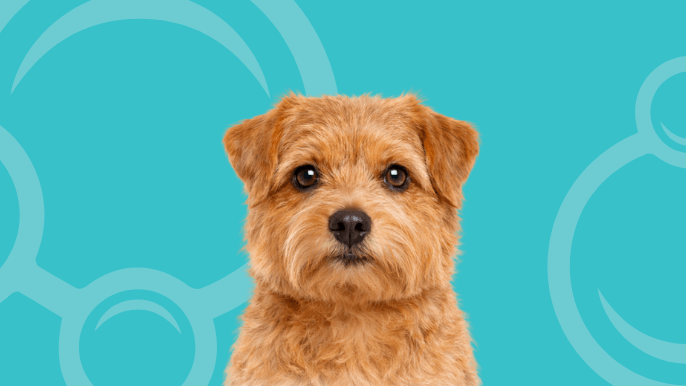
Distinguished from the nearly identical Norwich Terrier by its drop ears (Norfolk drops, Norwich pricks), the Norfolk Terrier was developed in East Anglia, England, for ratting and bolting foxes from their dens. Understanding Norfolk Terrier Temperament starts with recognising that this is a genuine terrier in a small package, a fearless, active, determined dog whose compact size contains energy, drive, and personality far beyond its dimensions.
These dogs are fearlessly sociable. Norfolk Terrier Temperament includes the classic terrier fire, the prey drive, the digging instinct, the bold confidence, combined with a sociability toward people and other dogs that is unusual in the terrier group. Norfolks are generally friendlier with other dogs than most terriers.
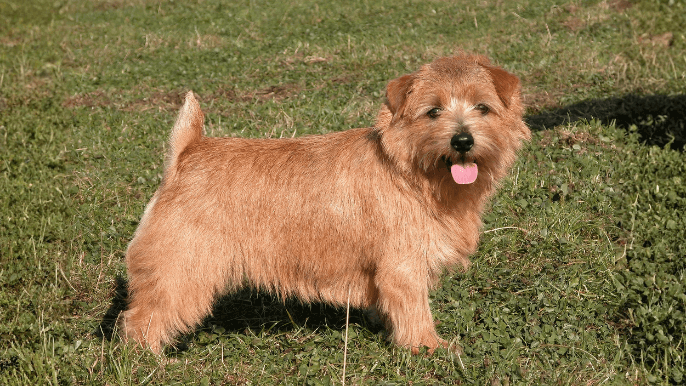
The hard, wiry coat with a distinctive ruff around the neck and slight eyebrows is the terrier's working jacket , providing protection without excessive maintenance. Norfolk Terrier Temperament and coat care connect because the breed's cooperative, people-oriented nature makes grooming sessions pleasant despite the terrier energy.

Let me tell you what you are really getting with a Norfolk Terrier, because this breed packs more personality per kilogram than almost any dog alive.
The Norfolk is the sociable terrier. Where many terriers are scrappy with other dogs, Norfolk Terrier Temperament is generally more tolerant and friendly. These dogs were historically kept in packs, which is unusual for terriers, and the pack heritage shows up as a willingness to get along that makes them more manageable in multi-dog households.
Now let's talk grooming. Honestly.
The wire coat on this breed is a classic terrier jacket: hard, wiry outer coat lying close to the small body with a distinct ruff, slight eyebrows, and whiskers. The coat is manageable. Brushing two to three times per week with the Medium-Pinned Slicker Brush, daily Detail Comb through the ruff and facial hair, and carding maximum once per week. Texture-Tastic Shampoo. Selective conditioner. Norfolk Terrier Temperament makes grooming cooperative because these social dogs enjoy the attention.
This breed is NOT for you if:
- You want a quiet, sedate lap dog
- You have small pets that cannot be securely separated (rats, hamsters, rabbits)
- You cannot provide daily exercise and mental stimulation
- You want a dog that does not dig
- You cannot commit to wire coat maintenance
Because Norfolk Terrier Temperament includes:
- Strong prey drive toward small animals
- A digging instinct that reshapes gardens
- Terrier energy that needs daily constructive outlet
- A wire coat requiring specific maintenance
- A bold confidence that ignores size disadvantages
This breed IS for you if:
- You want a fearless, sociable, entertaining small companion
- You appreciate terrier personality in a manageable package
- You can provide daily exercise and mental engagement
- You want a small dog that is genuinely robust and hardy
- You appreciate the wire coat aesthetic and can maintain it
Norfolk Terrier Temperament rewards engaged, active owners with a companion that is fearlessly charming, endlessly entertaining, and packs more genuine personality into its compact frame than breeds five times its size.
Match the energy. Maintain the wire coat with consistent care. Accept the digging.
Do that, and you will share your life with one of the most personable, entertaining, and fearlessly sociable terriers in the world.
Breed Handling Profile
| Trait | Level | Notes |
|---|---|---|
| Emotional sensitivity | Low to Moderate | Hardy and resilient; confident |
| Handling tolerance | High | Cooperative and sociable during grooming |
| Grooming commitment | Moderate | Wire coat with ruff and facial hair requires specific maintenance |
| Exercise needs | Moderate to High | Needs daily walks, play, and mental stimulation |
| Alone time tolerance | Low to Moderate | Social breed; prefers companionship |
| Best fit household | Active individuals or families who appreciate terrier personality in a compact, sociable package |
Breed Purpose and Why It Matters for Norfolk Terrier Temperament
The Norfolk Terrier was developed in East Anglia, England, primarily around Norwich and Cambridge, as a working ratter and fox bolter. The breed worked in packs to bolt foxes from their dens, which required a small, fearless dog that could cooperate with other dogs. The pack working tradition distinguishes the Norfolk from many terrier breeds that worked solo.
Norfolk Terrier Temperament reflects this pack-working ratter heritage directly. The fearlessness, the prey drive, the digging instinct, and the bold confidence trace to a dog bred to enter fox earths and confront quarry underground. The sociability with other dogs traces to the pack tradition. When your Norfolk digs enthusiastically, chases small animals with focused intensity, and plays cooperatively with other dogs, that is East Anglian working terrier heritage expressing itself.
The Norfolk and Norwich were considered the same breed until 1964 (UK) and 1979 (US) when they were separated based on ear carriage: Norfolk with drop ears, Norwich with prick ears. Despite being among the smallest terriers, the Norfolk was expected to keep up with horses during fox hunts, demonstrating the stamina and toughness that remains central to Norfolk Terrier Temperament today.
FurHQ Coat Type Breakdown
The Norfolk Terrier wears a Wire Coat as classified in the FurHQ seven-coat system. This coat type features a hard, wiry outer coat with a ruff around the neck, slight eyebrows, and whiskers, supported by a dense undercoat .
The Norfolk's wire coat lies close to the compact body and is manageable in volume. The ruff around the neck adds character. The facial hair is less profuse than Schnauzer breeds but present and requires regular attention.
The Medium-Pinned Slicker Brush maintains the body coat. The FurHQ Detail Comb works through the ruff, eyebrows, and whiskers. The Short-Medium Coat Carding Rake extracts dead undercoat, used maximum once per week. The Rubber Curry serves as a bathing tool.
The recommended kit is the FurHQ Starter Grooming Kit: Wire Coat.
Not Sure About Your Dog's Coat Type?
Not every dog fits neatly into one coat category, and that is completely normal. Coat type determines the correct tools, products, and techniques for effective grooming, and getting it right matters for coat health and comfort. This is especially true for mixed breeds or dogs whose coat may vary from expectations.
Use the FurHQ AI Coat Identifier to find out your dog's coat type and get matched to the right FurHQ Starter Grooming Kit. Simply upload a photo and receive an accurate classification with a personalised kit recommendation.
Puppy Coat to Adult Coat Transition
Norfolk Terrier puppies develop their wire texture between 4 and 8 months. The ruff, eyebrows, and whiskers fill in gradually. The full adult wire coat is typically established by 12 to 18 months.
Start gentle handling from 8 weeks, including facial hair. Norfolk Terrier Temperament in puppyhood is spirited and sociable. Use Pawfect Finish Coat Spray lightly on the ruff and facial hair. The FurHQ 5-Step Method provides structure for building the routine.
The FurHQ 5-Step Grooming Method: Technical Reality
The FurHQ 5-Step Method (Audit, Prep, Bath, Dry, Finish) applies to this coat type with emphasis on preserving the wire jacket texture while maintaining the softer furnishings and undercoat separately.
Learn the Method. Follow the Protocol. Complete the Mission.
Setup and Stability
Secure the dog using the Stay Put System (suction cup anchor + safety lead). For anxious dogs, the Hush Pup Wrap provides calming compression. Wire coats require patience during grooming, particularly around the face, beard, and leg furnishings where sensitivity is higher.
Tools and Technique
Audit: Begin every session by running your hands over the entire body. Check the jacket for blown (soft) coat, feel for undercoat density, and examine the furnishings for tangles. Check behind the ears, the beard, armpits, and leg furnishings where mats develop.
Prep: Use the Medium-Pinned Slicker Brush on furnishings and the Rubber Curry on the body coat. Use Pawfect Finish Coat Spray on furnishings before brushing. Verify furnishings with the FurHQ Detail Comb. Use the Short to Medium Coat Carding Rake on the body coat to remove dead undercoat and blown jacket, maximum once per week.
Bath: Use Rubber Curry during bathing for skin stimulation and to work shampoo through the dense coat. Rinse thoroughly, ensuring shampoo reaches the skin beneath the wire jacket.
Dry: Towel dry thoroughly. Use a dryer working with the coat's natural direction. The wire jacket should air up and maintain its texture as it dries.
Finish: Final comb-through of furnishings with the FurHQ Detail Comb. Assess the jacket texture and overall outline. Apply Pawfect Finish Coat Spray to furnishings only.
Chemistry and Coat Care
Texture-Tastic Shampoo cleanses while supporting the wire texture. Coat-Quench Conditioner and Pawfect Finish Coat Spray are applied selectively to the furnishings and undercoat only, never to the jacket or saddle . Over-conditioning the wire jacket softens the texture and compromises the coat's natural harsh structure. This selective conditioning approach is essential for maintaining proper wire coat integrity.
The Coat Release Method (Condensed)
Wire coats carry undercoat beneath the jacket that releases seasonally. During the Bath step, after full saturation and shampoo application, use controlled airflow in the tub while the coat is still lathered. The lubrication allows dead undercoat to release safely without friction or skin trauma. Rinse, then apply a second shampoo with the Rubber Curry to complete the release. This keeps dead coat contained in the tub rather than spread across your home. For the full step-by-step process, see The Coat Release Method for Dogs with Undercoat in Related Reading.
FurHQ Starter Grooming Kit Breakdown
The FurHQ Starter Grooming Kit: Wire Coat is recommended for the Norfolk Terrier.
Standard Items (included in all FurHQ kits):
- Stay Put System (suction cup anchor + safety lead + training tips)
- Hush Pup Wrap
- Rubber Curry (for bathing)
- Ear Wipes
- Pawfect Finish Coat Spray
Coat-Specific Items:
- Texture-Tastic Shampoo
- Coat-Quench Conditioner (selective application: undercoat areas only, NOT guard hairs)
- Medium-Pinned Slicker Brush
- FurHQ Detail Comb
- Short-Medium Coat Carding Rake
Total: 10 items
Each kit includes step-by-step video tutorials and informational PDFs so you know exactly how to use every tool and product for the Norfolk Terrier coat.
 Norfolk Terrier Temperament: Superpowers and Kryptonite
Superpowers
🌟 Fearless confidence: Norfolk Terrier Temperament carries a bold confidence vastly disproportionate to its compact size.
🌟 Dog-sociable: Norfolk Terrier Temperament is friendlier with other dogs than most terrier breeds, reflecting the pack working heritage.
🌟 Portable terrier power: Genuine terrier personality and hardiness in a travel-friendly, manageable package.
🌟 Manageable wire coat: The compact body makes wire coat maintenance efficient compared to larger wire-coated breeds.
🌟 Hardy health: The breed is generally robust with fewer health concerns than many small breeds.
🌟 Adaptable living: The small size suits apartments and houses alike, provided exercise needs are met.
Kryptonite
⚠️ Prey drive: Norfolk Terrier Temperament includes strong prey drive toward small animals. Small household pets require secure separation.
⚠️ Digging: The breed digs with purpose and enthusiasm. Gardens suffer.
⚠️ Terrier stubbornness: Norfolk Terrier Temperament includes the classic terrier selective compliance. Training requires patience and humour.
⚠️ Rare breed: The Norfolk Terrier is relatively rare. Finding reputable breeders requires patience.
⚠️ Barking: Norfolk Terrier Temperament includes alert barking that can become persistent without management.
⚠️ Wire coat specificity: Wrong products soften the wire texture. Texture-Tastic Shampoo and selective conditioner application preserve coat function.
FurHQ's Lifestyle Lens and Pro Insights
Norfolk Terriers are rarely seen on grooming tables because the breed is uncommon, but when they do appear, Norfolk Terrier Temperament is friendly, cooperative, and charming. The compact size makes wire coat maintenance quick and efficient. The ruff and facial hair are the priority areas, and the small body means the slicker brush covers the entire coat in minutes.
The drop ears are the primary health monitoring focus. Norfolk ears fold over, trapping moisture and debris more readily than prick-eared breeds. Clean with Ear Wipes at every session and dry the ear flaps thoroughly after bathing or wet weather. Norfolk Terrier Temperament accepts ear handling readily when the habit starts from puppyhood.
The ruff around the neck is the coat's most distinctive feature and the area that tangles most. Run the Detail Comb through the ruff daily, checking for debris from outdoor adventures and forming tangles. The body coat lies close and maintains its wire texture well between grooming sessions.
Living with a Norfolk means living with a tiny dog that thinks it is enormous. Norfolk Terrier Temperament brings fearless energy, sociable charm, and genuine terrier fire to the household in a package that fits anywhere. These dogs adapt well to urban living provided they receive daily exercise and mental stimulation, and their sociability with other dogs makes them excellent additions to multi-dog households where many other terrier breeds would create conflict.
Check and clean the drop ears at every grooming session. The folded ear flap traps moisture and debris more readily than prick ears, making the Norfolk more susceptible to ear infections than the prick-eared Norwich.
Health and Lifespan: The FurHQ Touch Test
The Norfolk Terrier typically lives 12 to 16 years. Regular health monitoring through grooming supports early detection.
Regular grooming sessions serve as health assessments when you incorporate the FurHQ Touch Test.
Mitral valve disease is a cardiac concern. Patellar luxation affects some individuals. Hip dysplasia can occur despite the small size. Eye conditions including cataracts and lens luxation are breed concerns. Upper airway syndrome has been documented. Ear infections require monitoring due to the drop ears.
Every grooming session is a conversation with your dog's body. The FurHQ 5-Step Method builds that conversation into your routine.
Related Breed Comparisons
If you are considering a Norfolk Terrier, these breeds share some characteristics but differ in important ways:
- Norwich Terrier Temperament: Nearly identical breed distinguished by prick ears. Shares everything except ear carriage and the Norwich is sometimes considered slightly more independent.
- Cairn Terrier Temperament: Comparable small wire-coated terrier with similar hardiness. Shares the terrier fire but with a slightly rougher coat and more independent nature.
- Border Terrier Temperament: Similar working terrier heritage with a comparable wire coat. Shares the sociability but with a slightly softer temperament.
- West Highland White Terrier Temperament: Comparable small wire-coated terrier with more confidence and independence. Shares the wire coat but with a bolder, more self-assured nature.
Related Reading
Wire Coat Grooming
Comfort and Safety
- Dog Grooming Desensitisation
Tools and Products
Related Breed Blogs
The Bottom Line
Norfolk Terrier Temperament delivers fearless confidence, sociable charm, and genuine terrier fire in one of the smallest and most personable working terriers in the world. The prey drive is real. The digging is persistent. The wire coat requires specific care. But the return is a companion whose fearlessness is inspiring, whose sociability is unusual for a terrier, and whose compact frame contains more genuine personality than breeds many times its size.
If you are ready for the commitment, the FurHQ Starter Grooming Kit: Wire Coat gives you every tool and product you need. You have a system that works.
Learn the Method. Follow the Protocol. Complete the Mission.
You got this. And we've got you.
Variation Clarity Statement
Every dog is an individual. While this profile describes typical breed characteristics, your specific dog may vary based on genetics, breeding, socialisation, and individual temperament. The Norfolk Terrier is distinguished from the Norwich Terrier solely by ear carriage: Norfolk has drop ears, Norwich has prick ears.
If you are unsure about your dog's coat type, use the FurHQ AI Coat Identifier to get accurate identification and the right kit recommendation.
FAQs
What coat type does the Norfolk Terrier have?
The Norfolk Terrier is classified as a Wire Coat in the FurHQ seven-coat system. The seven coat types are Smooth Single Coat, Short Double Coat, Medium Plush Double Coat, Feathered Long Double Coat, Wire Coat, Curly Wavy Coat, and Drop Coat.
What is Norfolk Terrier Temperament really like day to day?
Norfolk Terrier Temperament in daily life means a dog that greets every person and every day with genuine enthusiasm. Expect a companion that follows you through the house, plays cooperatively with other dogs, investigates interesting smells with terrier intensity, and then settles onto your lap or beside you on the sofa. When properly exercised, Norfolk Terrier Temperament produces one of the most companionable terriers available. Without exercise, expect digging, barking, and a small dog with big opinions about your absence.
How often should I brush my Norfolk Terrier?
Brush two to three times per week with the Medium-Pinned Slicker Brush. Comb the ruff and facial hair daily with the FurHQ Detail Comb. Use the Short-Medium Coat Carding Rake maximum once per week. Norfolk Terrier Temperament makes sessions cooperative.
Are Norfolk Terriers good with children?
Norfolk Terrier Temperament is one of the best in the Terrier Group for families with children. The breed is known for patience, affection, and genuine enjoyment of children's company. However, at 5 to 6 kilograms, the Norfolk is small enough to be injured by rough handling. Supervision with younger children and education about gentle interaction protect both the child and the dog.
How much exercise does a Norfolk Terrier need?
Norfolk Terrier Temperament requires 45 to 60 minutes of daily exercise, including walks, play sessions, and mental stimulation activities. While less demanding than larger terrier breeds, the Norfolk still needs consistent activity to prevent boredom-driven behaviours. Puzzle toys, earthdog trials, and agility provide excellent mental and physical outlets.
Do Norfolk Terriers shed?
Norfolk Terriers are considered a low-shedding breed. The wire coat holds dead hair rather than dropping it freely, which makes them a reasonable choice for people with sensitivities to dander. However, that dead coat must be removed through regular grooming. Without consistent brushing and carding, the dead coat accumulates and creates mats that are uncomfortable and difficult to manage.
What is the difference between a Norfolk Terrier and a Norwich Terrier?
The Norfolk Terrier has drop ears that fold forward close to the cheeks. The Norwich Terrier has prick ears that stand erect. Until 1979, both varieties were classified as a single breed. Norfolk Terrier Temperament is generally considered slightly softer and more relaxed than the Norwich, though both share the sociable, pack-oriented nature that distinguishes them from more independent terrier breeds. The grooming requirements are identical for both.
Are Norfolk Terriers easy to train?
Norfolk Terrier Temperament makes them more trainable than many terrier breeds. They are intelligent, eager to please, and responsive to positive reinforcement. However, Norfolk Terrier Temperament does include a terrier's independent streak, so sessions should be short, varied, and rewarding. The breed responds exceptionally well to game-based training and food rewards.
Can Norfolk Terriers live with cats?
Norfolk Terrier Temperament is more cat-friendly than most terrier breeds, particularly when the dog is raised with cats from puppyhood. The breed's pack-oriented nature extends to accepting other household animals as part of the family. However, Norfolk Terrier Temperament still includes prey drive, so a running cat may trigger a chase response. Introductions should be gradual and supervised.
How does Norfolk Terrier Temperament affect grooming?
Norfolk Terrier Temperament is cooperative and sociable during grooming. The compact size makes sessions quick. The drop ears require extra attention for cleaning.
How often should I bathe my Norfolk Terrier?
Bathe every 8 to 12 weeks using Texture-Tastic Shampoo with selective Coat-Quench Conditioner application.
How does the FurHQ 5-Step Method work for the Norfolk Terrier?
The FurHQ 5-Step Method (Audit, Prep, Bath, Dry, Finish) is efficient for the compact wire coat. Audit checks for ruff mats and ear condition. Prep uses the Medium-Pinned Slicker Brush, FurHQ Detail Comb on facial hair, and Short-Medium Coat Carding Rake weekly. Bath uses Texture-Tastic Shampoo with selective Coat-Quench Conditioner. Finish applies Pawfect Finish Coat Spray on ruff and facial hair only.
What FurHQ Starter Grooming Kits are available?
FurHQ offers seven coat-specific kits: FurHQ Starter Grooming Kit: Smooth Single Coat, FurHQ Starter Grooming Kit: Short Double Coat, FurHQ Starter Grooming Kit: Medium Plush Double Coat, FurHQ Starter Grooming Kit: Feathered Long Double Coat, FurHQ Starter Grooming Kit: Wire Coat, FurHQ Starter Grooming Kit: Curly Wavy Coat, and FurHQ Starter Grooming Kit: Drop Coat. Use the FurHQ AI Coat Identifier for accurate classification or visit the FurHQ Store.