
Dutch Shepherd Wire Coat Temperament and Grooming
Table of Contents
- Introduction
- Breed Handling Profile
- Breed Purpose and Why It Matters for Dutch Shepherd Wire Coat Temperament
- FurHQ Coat Type Breakdown
- Not Sure About Your Dog's Coat Type?
- Puppy Coat to Adult Coat Transition
- The FurHQ 5-Step Grooming Method: Technical Reality
- Coat Release Method
- FurHQ Starter Grooming Kit Breakdown
- Dutch Shepherd Wire Coat Temperament: Superpowers and Kryptonite
- FurHQ's Lifestyle Lens and Pro Insights
- Health and Lifespan: The FurHQ Touch Test
- Related Breed Comparisons
- Related Reading
- The Bottom Line
- Variation Clarity Statement
- FAQs
 Introduction
Dutch Shepherd Wire Coat Temperament combines the same extraordinary working intelligence and versatility as all Dutch Shepherd varieties, wrapped in a distinctive rough-textured coat that requires a completely different grooming approach. Dutch Shepherd Wire Coat Temperament is alert, athletic, and deeply bonded to their handler, with a harsh, tousled coat that gives this variety a rugged, weatherproof appearance.
The Dutch Shepherd comes in three coat varieties: short, long, and wire. This profile covers the wire-coated variety, which carries a Wire Coat in the FurHQ system. The wire coat is the rarest of the three varieties and requires specific grooming knowledge to maintain the harsh texture that defines it.

Let me tell you what you are really getting with a wire-coated Dutch Shepherd, because this is the rarest variety of an already uncommon breed, and the coat changes everything about your grooming approach.
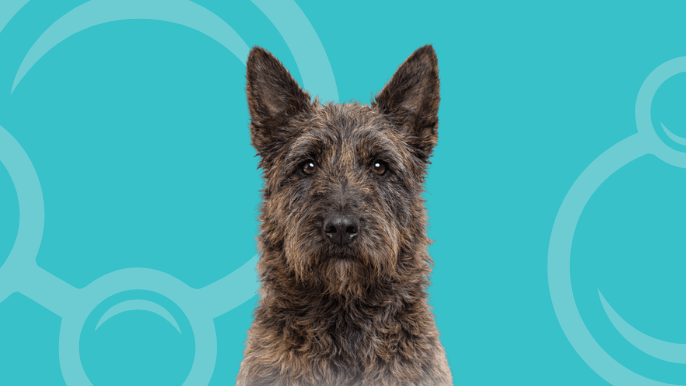
Dutch Shepherd Wire Coat Temperament is identical to the short-coated variety in working ability, intelligence, and handler bond. The difference is entirely in the coat. The wire texture is harsh, bristly, and tousled, giving the dog a rugged, almost unkempt appearance that is actually the hallmark of a properly maintained wire coat. The beard, eyebrows, and furnishings add character that the short-coated variety does not have.
Now let me talk grooming. Honestly.
The wire coat demands specific knowledge. Clipping destroys wire texture permanently. The correct maintenance method is carding with the Short-Medium Coat Carding Rake, which removes dead undercoat while preserving the harsh guard hair. The jacket and saddle area must never receive conditioner or heavy product. Conditioner and Pawfect Finish Coat Spray are used ONLY on the furnishings and undercoat areas, never on the jacket or saddle. Texture-Tastic Shampoo cleans without softening. The FurHQ Detail Comb verifies every section. Carding maximum once per week.
This breed is NOT for you if:
- You are a first-time dog owner without working breed experience
- You cannot commit to learning wire coat maintenance (it is different from every other coat type)
- You want to clip the coat for convenience (clipping destroys the texture permanently)
- You cannot provide structured daily exercise and mental stimulation
- You want a low-effort grooming routine
Because Dutch Shepherd Wire Coat Temperament includes:
- A wire coat that requires specific maintenance knowledge and technique
- Intense work drive identical to the short-coated variety
- Conditioner and spray restrictions on the jacket and saddle areas
- Strong handler bond that can become possessiveness without socialisation
- Protective instincts that require experienced management
- Carding and hand-stripping maintenance that differs from standard brushing
This breed IS for you if:
- You have experience with working herding breeds
- You are willing to learn wire coat grooming technique
- You appreciate the rugged, tousled appearance of a properly maintained wire coat
- You want a versatile working partner with unique visual character
- You can commit to the training, socialisation, and exercise this breed demands
Dutch Shepherd Wire Coat Temperament rewards experienced, grooming-committed owners with a companion whose working ability is extraordinary, whose rugged appearance is distinctive, and whose loyalty is absolute.
Provide the job. Learn the coat. Maintain the partnership.
Do that, and you will have the rarest, most distinctive working companion in the herding world.
Breed Handling Profile
| Trait | Level | Notes |
|---|---|---|
| Emotional sensitivity | Moderate | Confident and resilient; deeply bonded to handler; reads human emotion well |
| Handling tolerance | High | Cooperative during grooming; work ethic extends to accepting handling |
| Grooming commitment | High | Wire coat requires specific technique; conditioner restrictions; carding and maintenance knowledge |
| Exercise needs | Very High | Needs 60 to 90 minutes of vigorous daily exercise plus mental stimulation |
| Alone time tolerance | Moderate | Bonds closely; handles alone time when adequately exercised and stimulated |
| Best fit household | Experienced working breed owners | Active lifestyle with wire coat grooming knowledge |
Breed Purpose and Why It Matters for Dutch Shepherd Wire Coat Temperament
The Dutch Shepherd was developed in the Netherlands as an all-purpose farm dog, and the wire-coated variety was particularly valued for outdoor work in harsh weather conditions. The rough, dense coat provided superior protection against wind, rain, and cold during long days of herding and guarding in the Dutch countryside.
The breed nearly disappeared during World War II. Dedicated breeders preserved all three coat varieties, though the wire coat remains the rarest. The wire-coated Dutch Shepherd excels in the same working roles as its short-coated counterpart: police work, military service, search and rescue, herding, and competitive sport.
Dutch Shepherd Wire Coat Temperament reflects this heritage directly. The same intelligence, adaptability, and work ethic define this variety. The coat provided functional weatherproofing for outdoor work.
When your wire-coated Dutch Shepherd ignores rain that sends other dogs inside, demonstrates the same remarkable training responsiveness as any Dutch Shepherd variety, or presents that characteristically tousled, rugged appearance after a grooming session, that is heritage expressing itself.
FurHQ Coat Type Breakdown
The wire-coated Dutch Shepherd carries a Wire Coat as classified in the FurHQ seven-coat system.
The coat consists of harsh, bristly guard hairs over a dense, woolly undercoat. The texture should feel rough and coarse to the touch. The beard, eyebrows, and leg furnishings add character and require specific product application rules. The always-brindle pattern (gold or silver) is visible through the wire texture.
The Medium-Pinned Slicker Brush is the primary brushing tool. The Short-Medium Coat Carding Rake removes dead undercoat while preserving wire texture (maximum once per week). The FurHQ Detail Comb verifies every section. The Rubber Curry serves as a bathing and skin stimulation tool.
Critical Wire Coat Rule: Coat-Quench Conditioner and Pawfect Finish Coat Spray are applied ONLY to the furnishings (beard, eyebrows, legs) and undercoat areas. NEVER apply conditioner or spray to the jacket or saddle. Conditioning the guard hairs softens the wire texture permanently.
The recommended kit is the FurHQ Starter Grooming Kit: Wire Coat.
NEVER clip a wire coat. Clipping cuts the harsh guard hairs and causes the soft undercoat to grow back dominant, permanently destroying the wire texture.
Not Sure About Your Dog's Coat Type?
Not every dog fits neatly into one coat category, and that is completely normal. The Dutch Shepherd comes in three coat varieties with different FurHQ classifications.
Use the FurHQ AI Coat Identifier to find out your dog's coat type and get matched to the right FurHQ Starter Grooming Kit.
Puppy Coat to Adult Coat Transition
Wire-coated Dutch Shepherd puppies have a softer coat that develops the adult wire texture between 6 and 14 months. The characteristic harsh guard hairs emerge gradually, and the beard and eyebrows develop during this period. The brindle pattern is present from birth but becomes more defined through the wire texture.
Dutch Shepherd Wire Coat Temperament during puppyhood requires early introduction to grooming tools, particularly the carding rake. Building acceptance of face handling is important because the beard and eyebrows will need regular maintenance throughout the dog's life. Short, positive sessions establish the wire coat grooming routine that will be maintained for 11 to 14 years.
The FurHQ 5-Step Grooming Method: Technical Reality
The FurHQ 5-Step Method (Audit, Prep, Bath, Dry, Finish) applies to Dutch Shepherd Wire Coat Temperament with emphasis on preserving wire texture through proper product placement and carding technique.
Learn the Method. Follow the Protocol. Complete the Mission.
Setup and Stability
Secure the dog using the Stay Put System (suction cup anchor + safety lead). Dutch Shepherd Wire Coat Temperament is cooperative during grooming, treating it as part of their working routine. For anxious dogs, the Hush Pup Wrap provides calming compression.
Tools and Technique
Audit: Begin every session by running your hands over the entire body. Check for skin irritation, hot spots, ticks (especially in the dense undercoat), debris caught in the wire texture, and coat density changes. Check the beard and furnishings for food debris and tangles.
Prep: Brush with the Medium-Pinned Slicker Brush working in sections. Use the Short-Medium Coat Carding Rake to remove dead undercoat (maximum once per week). Work the rake through the coat in the direction of hair growth, removing dead undercoat while the harsh guard hairs remain. Verify every section with the FurHQ Detail Comb. On the furnishings and undercoat areas only, apply Pawfect Finish Coat Spray to help tools work through. NEVER spray the jacket or saddle.
Bath: Texture-Tastic Shampoo is formulated for wire coats, cleaning thoroughly without softening agents that would compromise the harsh texture. Apply Coat-Quench Conditioner to the furnishings and undercoat areas ONLY. NEVER apply conditioner to the jacket or saddle. Use the Rubber Curry during bathing for skin stimulation.
Dry: Dry thoroughly to the skin. The dense undercoat holds moisture and must be dried completely.
Finish: Final comb-through with the FurHQ Detail Comb to verify the entire coat is tangle-free and dry. Apply Pawfect Finish Coat Spray lightly to furnishings ONLY for moisture and protection.
Coat Release Method
The wire coat benefits from the Coat Release Method when the undercoat begins releasing in larger volumes. Using the Short-Medium Coat Carding Rake, systematically work through the coat to remove dead undercoat while preserving the harsh guard hair layer.
Wire coat carding differs from double coat carding in one critical way: the goal is to remove dead undercoat while the wire guard hairs remain intact and undamaged. Card with the direction of hair growth, not against it. Maximum carding frequency for wire coats is once per week. More frequent carding risks removing healthy coat.
Outside of blow periods, regular brushing two to three times per week with carding once per week maintains the coat effectively for Dutch Shepherd Wire Coat Temperament.
FurHQ Starter Grooming Kit Breakdown
The FurHQ Starter Grooming Kit: Wire Coat is recommended for the wire-coated Dutch Shepherd.
Coat-Specific Items (5):
- Texture-Tastic Shampoo: cleans without softening wire texture
- Coat-Quench Conditioner: for furnishings and undercoat ONLY, never jacket or saddle
- Medium-Pinned Slicker Brush: primary brushing tool for wire coats
- FurHQ Detail Comb: verification tool for tangle detection
- Short-Medium Coat Carding Rake: dead undercoat removal while preserving wire texture
Standard Items (5, included in every kit):
- Stay Put System (suction cup anchor + safety lead)
- Hush Pup Wrap
- Rubber Curry (for bathing and skin stimulation)
- Ear Wipes
- Pawfect Finish Coat Spray
Total: 10 items
Critical Reminder: Coat-Quench Conditioner and Pawfect Finish Coat Spray are applied to furnishings and undercoat areas ONLY. Never apply to the jacket or saddle. Conditioning the guard hairs softens the wire texture.
Dutch Shepherd Wire Coat Temperament: Superpowers and Kryptonite
Superpowers 🦸
🌟 Extraordinary versatility: Dutch Shepherd Wire Coat Temperament excels at the same working roles as all Dutch Shepherd varieties with equal competence and drive.
🌟 Weatherproof ruggedness: The wire coat provides superior protection in harsh weather conditions, allowing the dog to work comfortably in rain, wind, and cold.
🌟 Distinctive appearance: The tousled, rugged wire coat with beard and eyebrows creates a unique, characterful appearance that sets this variety apart from all other herding breeds.
🌟 Handler loyalty: The bond between a wire-coated Dutch Shepherd and their handler is the same intense, focused partnership that defines all Dutch Shepherd varieties.
🌟 Trainability: Dutch Shepherd Wire Coat Temperament learns with the same remarkable speed and reliability as the short-coated variety.
🌟 Rarity and distinction: The rarest Dutch Shepherd variety attracts owners who appreciate owning something truly uncommon in the working dog world.
Kryptonite ⚠️
⚠️ Wire coat requires specific knowledge: The grooming approach is fundamentally different from other coat types. Conditioner placement, carding technique, and product restrictions must be understood and followed.
⚠️ Clipping destroys the coat: Unlike some breeds where clipping is a shortcut, clipping a wire coat permanently softens the texture. There is no shortcut with wire maintenance.
⚠️ Work drive demands a job: Dutch Shepherd Wire Coat Temperament without structured activity becomes frustrated and develops destructive behaviours.
⚠️ Not for beginners: The combination of working breed intensity and wire coat maintenance demands requires experienced handling.
⚠️ Protective instincts need management: Without proper socialisation, protective behaviours can become inappropriate.
⚠️ Exercise demands are genuine: Dutch Shepherd Wire Coat Temperament needs 60 to 90 minutes of vigorous daily activity plus mental stimulation.
FurHQ's Lifestyle Lens and Pro Insights
Wire Coat Is Not Difficult, It Is Different
The biggest mistake people make with wire coats is treating them like any other coat. Dutch Shepherd Wire Coat Temperament requires specific technique, but once you understand the rules, the maintenance is straightforward. Card with the growth direction. Keep conditioner and spray off the jacket and saddle. Use Texture-Tastic Shampoo that cleans without softening. These are simple rules that produce excellent results.
The Beard and Furnishings Need Regular Attention
The wire coat's beard collects food, water, and debris. The eyebrows can obscure vision if not maintained. The leg furnishings can tangle. These areas are where conditioner and spray DO belong. Regular cleaning, conditioning, and combing of the furnishings keeps them healthy and functional. The FurHQ Detail Comb works through the furnishings effectively.
Same Dog, Different Packaging
Dutch Shepherd Wire Coat Temperament is identical in working ability, intelligence, and temperament to the short-coated variety. The coat changes the grooming approach entirely but does not change the dog underneath. Every recommendation about training, exercise, socialisation, and working drive applies equally to both coat varieties.
Carding Is the Core Skill
The Short-Medium Coat Carding Rake is the most important tool for this coat type. Learning to card properly, removing dead undercoat while preserving the harsh guard hairs, is the single most valuable grooming skill for Dutch Shepherd Wire Coat Temperament. Maximum once per week. Work with the direction of hair growth. Let the rake do the work without excessive pressure.
Before carding your wire-coated Dutch Shepherd, always brush first with the Medium-Pinned Slicker to loosen the coat and identify where dead undercoat is concentrating. Then card those areas specifically. This targeted approach is more effective and gentler than carding the entire body every session.
Health and Lifespan: The FurHQ Touch Test
The Dutch Shepherd typically lives 11 to 14 years regardless of coat variety.
Regular grooming sessions serve as valuable health monitoring for this active breed. Dutch Shepherd Wire Coat Temperament cooperates well during examination. Hip and elbow dysplasia are concerns common to medium-large working breeds. Inflammatory myopathy is a breed-specific condition affecting muscle function.
Goniodysplasia (an eye condition) requires monitoring. Thyroid issues can affect coat quality, which is particularly noticeable on wire coats where texture changes are visible. Skin allergies may present as coat changes or irritation detectable during the Audit step. Working dogs should be checked regularly for injuries, muscle soreness, and joint issues.
Every grooming session is a conversation with your dog's body. The FurHQ 5-Step Method builds that conversation into your routine.
Related Breed Comparisons
- Dutch Shepherd Short Coat Temperament: Same breed, different coat variety. The short coat requires different grooming products and technique. Same extraordinary temperament.
- Giant Schnauzer Temperament: Similar wire coat classification with comparable grooming requirements. Different breed heritage but shared wire coat maintenance approach.
- Airedale Terrier Temperament: Similar wire coat with comparable carding and conditioner rules. Different temperament profile but shared grooming technique.
- Belgian Malinois Temperament: Similar working drive and intensity with a different coat type. Useful comparison for working breed expectations.
Related Reading
Wire Coat Grooming
- Dog Coat Types Explained: Why Coat Type Matters
- How to Line Brush Your Dog
- Coat Release Method Without an HV Dryer
Comfort and Safety
- Dog Grooming Desensitisation
- FurHQ Touch Test
Tools and Products
Related Breed Blogs
- Dutch Shepherd Short Coat Temperament
- Giant Schnauzer Temperament
- Airedale Terrier Temperament
- Belgian Malinois Temperament
The Bottom Line
Dutch Shepherd Wire Coat Temperament delivers the same extraordinary versatility, intense handler loyalty, and sound working temperament as all Dutch Shepherd varieties, wrapped in a distinctive wire coat that demands specific grooming knowledge. The wire texture requires understanding. The conditioner rules are non-negotiable. The carding technique preserves the coat that clipping would destroy. But the return is a working partnership with one of the rarest, most distinctive herding breeds in the world.
The FurHQ Starter Grooming Kit: Wire Coat gives you every tool and product needed for proper wire coat maintenance, with products formulated to clean without compromising the harsh texture that defines this variety.
Learn the Method. Follow the Protocol. Complete the Mission.
You got this. And we've got you. 🐾
Variation Clarity Statement
Every dog is an individual. While this profile describes typical breed characteristics, your specific dog may vary based on genetics, breeding, socialisation, and individual temperament. The Dutch Shepherd comes in three coat varieties (short, long, and wire), each requiring different grooming approaches. This profile covers the wire-coated variety only.
If you are unsure about your dog's coat type, use the FurHQ AI Coat Identifier to get accurate identification and the right kit recommendation.