

FurHQ offers seven coat-specific grooming kits: FurHQ Starter Grooming Kit: Curly Wavy Coat, FurHQ Starter Grooming Kit: Drop Coat, FurHQ Starter Grooming Kit: Wire Coat, FurHQ Starter Grooming Kit: Smooth Single Coat, FurHQ Starter Grooming Kit: Short Double Coat, FurHQ Starter Grooming Kit: Medium Plush Double Coat, and FurHQ Starter Grooming Kit: Feathered Long Double Coat. Use the FurHQ AI Coat Identifier to determine the right kit, or browse all kits at the FurHQ Store.
Dutch Shepherd Short Coat Temperament and Grooming
By Mondo Fluffarino | FurHQ Blog Author & Chief Education Officer
Table of Contents
- Introduction
- Breed Handling Profile
- Breed Purpose and Why It Matters for Dutch Shepherd Short Coat Temperament
- FurHQ Coat Type Breakdown
- Not Sure About Your Dog's Coat Type?
- Puppy Coat to Adult Coat Transition
- The FurHQ 5-Step Grooming Method: Technical Reality
- Coat Release Method
- FurHQ Starter Grooming Kit Breakdown
- Dutch Shepherd Short Coat Temperament: Superpowers and Kryptonite
- FurHQ's Lifestyle Lens and Pro Insights
- Health and Lifespan: The FurHQ Touch Test
- Related Breed Comparisons
- Related Reading
- The Bottom Line
- Variation Clarity Statement
- FAQs
 Introduction
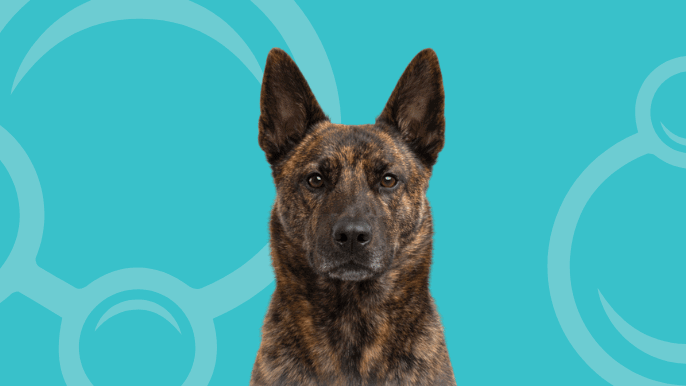
Dutch Shepherd Short Coat Temperament combines versatile working intelligence with unwavering loyalty, creating one of the most capable and dedicated herding breeds in existence. Dutch Shepherd Short Coat Temperament is alert, athletic, and deeply bonded to their handler, with a brindle coat that sets this breed apart from all other herding dogs.
The Dutch Shepherd comes in three coat varieties: short, long, and wire. This profile covers the short-coated variety, which carries a Short Double Coat in the FurHQ system. Each coat variety has distinct grooming requirements, and understanding your specific Dutch Shepherd's coat type ensures you use the right tools, products, and techniques.
Let me tell you what you are really getting with a short-coated Dutch Shepherd, because this breed is the working dog that does everything and asks only for a job and your partnership.
Dutch Shepherd Short Coat Temperament is the most versatile herding breed you have never heard of. While the Belgian Malinois and German Shepherd dominate the spotlight, the Dutch Shepherd quietly excels in police work, search and rescue, herding, obedience, agility, and protection sport. The short-coated variety is the most common and the most popular for working applications.
Now let me talk grooming. Honestly.
The short double coat is straightforward but not maintenance-free. The dense undercoat sheds moderately year-round and heavily during seasonal blow. The distinctive brindle pattern (gold or silver brindle, always brindle) looks stunning when the coat is healthy and well-maintained. Brushing two to three times per week with the Medium-Pinned Slicker Brush keeps the coat in condition. Carding every two weeks with the Short-Medium Coat Carding Rake removes dead undercoat. Pawfect Finish Coat Spray before drying helps tools work through the dense coat. The Undercoat Depth Comb verifies every section.
This breed is NOT for you if:
- You are a first-time dog owner without working breed experience
- You cannot provide structured daily exercise and mental stimulation
- You want a dog that entertains itself while you work long hours
- You dislike shedding (this breed sheds, and seasonal blow is substantial)
- You want a casual, low-energy companion
Because Dutch Shepherd Short Coat Temperament includes:
- Intense work drive that demands a job or structured activity
- High intelligence that creates problems without adequate mental stimulation
- Strong handler bond that can become possessiveness without socialisation
- Seasonal coat blow that produces significant undercoat shedding
- Protective instincts that require experienced management
- Physical and mental stamina that outlasts most owners
This breed IS for you if:
- You have experience with working herding breeds
- You want a versatile partner for sport, work, or active living
- You enjoy training and can provide a structured, stimulating environment
- You appreciate a loyal, intelligent, athletic companion
- You can commit to consistent socialisation and training
Dutch Shepherd Short Coat Temperament rewards experienced, active owners with a companion whose intelligence is extraordinary, whose loyalty is absolute, and whose versatility is unmatched among herding breeds.
Provide the job. Maintain the partnership. Manage the coat.
Do that, and you will have the most versatile working companion in the herding world.
Breed Handling Profile
| Trait | Level | Notes |
|---|---|---|
| Emotional sensitivity | Moderate | Confident and resilient but deeply bonded to handler; reads human emotion well |
| Handling tolerance | High | Cooperative and tolerant during grooming; work ethic extends to accepting handling |
| Grooming commitment | Moderate | Short double coat requires regular brushing and seasonal blow management |
| Exercise needs | Very High | Needs 60 to 90 minutes of vigorous daily exercise plus mental stimulation |
| Alone time tolerance | Moderate | Bonds closely; handles alone time when adequately exercised and stimulated |
| Best fit household | Experienced working breed owners | Active lifestyle with structured training and daily exercise |
Breed Purpose and Why It Matters for Dutch Shepherd Short Coat Temperament
The Dutch Shepherd was developed in the Netherlands as an all-purpose farm dog. Unlike breeds refined for a single task, the Dutch Shepherd herded sheep, guarded the farm, pulled carts, and served as a family companion. This all-purpose heritage created a breed of extraordinary versatility and adaptability.
The breed nearly disappeared during World War II when farming changed and the dogs were no longer needed as farm workers. Dedicated breeders preserved the breed, and the Dutch Shepherd found new purpose in police work, military service, search and rescue, and competitive dog sport.
Dutch Shepherd Short Coat Temperament reflects this versatile heritage directly. The intelligence, adaptability, work ethic, and handler focus all trace to a breed that needed to perform multiple tasks competently and switch between them fluidly.
When your Dutch Shepherd learns a new task with remarkable speed, adjusts their behaviour to a changing situation, or demonstrates intense focus during training, that is all-purpose farm dog heritage expressing itself.
FurHQ Coat Type Breakdown
The short-coated Dutch Shepherd carries a Short Double Coat as classified in the FurHQ seven-coat system.
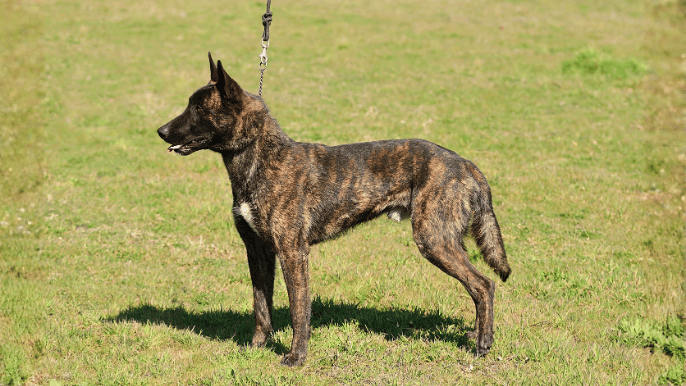
The coat consists of a hard, close-fitting outer coat with a dense, woolly undercoat. The coat is always brindle (gold brindle or silver brindle). The short length makes grooming manageable, but the dense undercoat requires regular attention, particularly during seasonal blow.
The Medium-Pinned Slicker Brush is the primary brushing tool. The Short-Medium Coat Carding Rake removes dead undercoat every two weeks. The Undercoat Depth Comb verifies that brushing and carding have reached through all layers. The Rubber Curry serves as a bathing and skin stimulation tool.
The recommended kit is the FurHQ Starter Grooming Kit: Short Double Coat.
NEVER body clip a short double coat. Clipping damages the coat structure, disrupts the guard hair and undercoat relationship, and can cause permanent texture changes.
Not Sure About Your Dog's Coat Type?
Not every dog fits neatly into one coat category, and that is completely normal. The Dutch Shepherd comes in three coat varieties with different FurHQ classifications.
Use the FurHQ AI Coat Identifier to find out your dog's coat type and get matched to the right FurHQ Starter Grooming Kit.
Puppy Coat to Adult Coat Transition
Dutch Shepherd puppies have a softer coat that develops the adult texture and density between 6 and 12 months. The brindle pattern is present from birth but becomes more defined as the adult coat grows in. The undercoat develops fully during this transition, and owners notice increased shedding as the puppy coat is replaced.
Dutch Shepherd Short Coat Temperament during puppyhood is busy, intelligent, and eager to engage. Use grooming sessions to build handling tolerance and reinforce the cooperative working relationship. Introduce the Medium-Pinned Slicker Brush and Undercoat Depth Comb gradually. The breed's strong work ethic means they learn to accept grooming as part of their job quickly when introduced positively.
The FurHQ 5-Step Grooming Method: Technical Reality
The FurHQ 5-Step Method (Audit, Prep, Bath, Dry, Finish) applies to Dutch Shepherd Short Coat Temperament with emphasis on undercoat management and skin health monitoring for this active working breed.
Learn the Method. Follow the Protocol. Complete the Mission.
Setup and Stability
Secure the dog using the Stay Put System (suction cup anchor + safety lead). Dutch Shepherd Short Coat Temperament is cooperative during grooming, treating it as part of their working routine. For anxious dogs, the Hush Pup Wrap provides calming compression.
Tools and Technique
Audit: Begin every session by running your hands over the entire body. Check for skin irritation, hot spots, ticks (especially after outdoor work), muscle soreness or injuries, and coat density changes indicating seasonal blow is approaching. Active working dogs require thorough physical assessment at every session.
Prep: Brush with the Medium-Pinned Slicker Brush working in sections to loosen dead coat and stimulate the skin. Use the Short-Medium Coat Carding Rake every two weeks to remove dead undercoat (maximum once every two weeks). Apply Pawfect Finish Coat Spray before drying to help tools work through the dense coat. Verify every section with the Undercoat Depth Comb. If the comb catches, more brushing is needed.
Bath: Deep Clean Delight Shampoo provides thorough cleaning. Coat-Quench Conditioner maintains coat health and skin hydration. Use the Rubber Curry during bathing to work shampoo through the dense coat and massage the skin.
Dry: Dry thoroughly to the skin. The dense undercoat holds moisture and must be dried completely to prevent skin issues. Use a dryer to ensure the undercoat is fully dry.
Finish: Final comb-through with the Undercoat Depth Comb to verify the entire coat is loose, dry, and free of dead undercoat. Light application of Pawfect Finish Coat Spray.
Coat Release Method
The short double coat benefits from the Coat Release Method during seasonal blow. When the undercoat begins releasing in larger volumes (typically during spring and autumn transitions), the Short-Medium Coat Carding Rake becomes particularly important for removing the dead undercoat efficiently.
During seasonal blow, the dead undercoat loosens and begins pushing away from the skin. Without removal, it traps heat, moisture, and debris against the skin. The Coat Release Method uses the carding rake to systematically remove this dead coat while preserving the healthy guard hair layer.
Outside of blow season, regular brushing two to three times per week with carding every two weeks is sufficient for Dutch Shepherd Short Coat Temperament.
FurHQ Starter Grooming Kit Breakdown
The FurHQ Starter Grooming Kit: Short Double Coat is recommended for the short-coated Dutch Shepherd.
Coat-Specific Items (5):
- Deep Clean Delight Shampoo: thorough cleaning for short double coats
- Coat-Quench Conditioner: coat health and skin hydration
- Medium-Pinned Slicker Brush: primary brushing tool for short double coats
- Undercoat Depth Comb: verification tool confirming all layers are brushed through
- Short-Medium Coat Carding Rake: dead undercoat removal every two weeks
Standard Items (5, included in every kit):
- Stay Put System (suction cup anchor + safety lead)
- Hush Pup Wrap
- Rubber Curry (for bathing and skin stimulation)
- Ear Wipes
- Pawfect Finish Coat Spray
Total: 10 items
 Dutch Shepherd Short Coat Temperament: Superpowers and Kryptonite
Superpowers 🦸
🌟 Extraordinary versatility: Dutch Shepherd Short Coat Temperament excels at herding, protection, obedience, agility, tracking, and search and rescue with equal competence.
🌟 Handler loyalty: The bond between a Dutch Shepherd and their handler is intense, focused, and creates a working partnership that is deeply rewarding.
🌟 Trainability: Dutch Shepherd Short Coat Temperament learns with remarkable speed and retains training with exceptional reliability.
🌟 Athletic capability: Built for sustained physical performance with endurance, speed, and agility that suits any active lifestyle.
🌟 Distinctive appearance: The brindle coat pattern is unique among herding breeds and creates a striking, immediately recognisable appearance.
🌟 Sound temperament: Well-bred Dutch Shepherds combine confidence, stability, and appropriate responses to stimuli in a well-balanced working temperament.
Kryptonite ⚠️
⚠️ Work drive demands a job: Dutch Shepherd Short Coat Temperament without structured activity, training, or work becomes frustrated and develops destructive behaviours.
⚠️ Not for beginners: The breed's intelligence, drive, and protective instincts require experienced handling and training knowledge.
⚠️ Seasonal shedding: The dense undercoat blows significantly during seasonal transitions, producing substantial loose hair throughout the home.
⚠️ Protective instincts need management: Without proper socialisation and training, protective behaviours can become inappropriate guarding or aggression.
⚠️ Exercise demands are genuine: Dutch Shepherd Short Coat Temperament needs 60 to 90 minutes of vigorous daily activity. This is not a casual walk requirement.
⚠️ Intensity can overwhelm: The breed's focus, drive, and energy level can be too much for owners who underestimate working breed demands.
FurHQ's Lifestyle Lens and Pro Insights
The Brindle Is the Breed Standard
Every Dutch Shepherd is brindle. Gold brindle or silver brindle, but always brindle. If someone offers you a "Dutch Shepherd" without brindle, question the breeding. The brindle coat looks particularly striking when healthy and well-maintained, with the pattern becoming more defined as the coat condition improves through consistent grooming.
Working Drive Shapes Everything
Dutch Shepherd Short Coat Temperament is defined by work drive. These dogs need a purpose. Without one, they create their own purpose, and it usually involves disassembling something in your home. Provide structured training, dog sport participation, or a working role. The grooming routine itself can serve as a structured activity that satisfies the breed's need for cooperative tasks with their handler.
Seasonal Blow Is Real but Manageable
The short double coat blows undercoat during seasonal transitions. During blow, daily brushing with the Medium-Pinned Slicker Brush and increased use of the Short-Medium Coat Carding Rake manages the volume. Outside of blow season, the coat is genuinely low-maintenance for a double-coated breed. Two to three brushing sessions per week with carding every two weeks keeps everything in order.
Socialisation Is Non-Negotiable
Dutch Shepherd Short Coat Temperament includes natural protective instincts. Early, extensive, ongoing socialisation ensures these instincts are expressed appropriately. A well-socialised Dutch Shepherd is confident and calm in public. An unsocialised Dutch Shepherd is reactive and potentially dangerous. This is not optional.
Groom your Dutch Shepherd immediately after training sessions. The focused, cooperative state that follows structured training carries directly into the grooming session. You get a calm, responsive dog who treats grooming as an extension of the working routine.
Health and Lifespan: The FurHQ Touch Test
The Dutch Shepherd typically lives 11 to 14 years.
Regular grooming sessions serve as valuable health monitoring for this active breed. Dutch Shepherd Short Coat Temperament cooperates well during examination, treating it as part of the working partnership. Hip and elbow dysplasia are concerns common to medium-large working breeds. Inflammatory myopathy is a breed-specific condition affecting muscle function.
Goniodysplasia (an eye condition) requires monitoring. Thyroid issues can affect coat quality and energy levels. Skin allergies may present as coat changes or irritation detectable during the Audit step. Working dogs should be checked regularly for injuries, muscle soreness, and joint issues.
Every grooming session is a conversation with your dog's body. The FurHQ 5-Step Method builds that conversation into your routine.
Related Breed Comparisons
- Dutch Shepherd Wire Coat Temperament: Same breed, different coat variety. The wire coat requires different grooming products and technique. Same extraordinary temperament.
- Belgian Malinois Temperament: Similar working drive and appearance but higher intensity. The Malinois is often described as the Dutch Shepherd turned up to eleven.
- German Shepherd Temperament: Similar versatile working heritage with a different coat type and structure. Generally less intense than Dutch Shepherd Short Coat Temperament.
- Belgian Tervuren Temperament: Similar Belgian herding heritage with a longer coat requiring different grooming approach. Comparable working drive.
Related Reading
Short Double Coat Grooming
- Dog Coat Types Explained: Why Coat Type Matters
- How to Line Brush Your Dog
- Coat Release Method Without an HV Dryer
Comfort and Safety
- Dog Grooming Desensitisation
- FurHQ Touch Test
Tools and Products
Related Breed Blogs
- Dutch Shepherd Wire Coat Temperament
- Belgian Malinois Temperament
- German Shepherd Temperament
- Belgian Tervuren Temperament
The Bottom Line
Dutch Shepherd Short Coat Temperament delivers extraordinary versatility, intense handler loyalty, and sound working temperament in a distinctive brindle package. The work drive demands a job.
The intelligence demands stimulation. The protective instincts demand socialisation. The coat demands consistent maintenance during seasonal blow. But the return is a working partnership that is among the most rewarding in the dog world.
The FurHQ Starter Grooming Kit: Short Double Coat gives you every tool and product needed for effective coat maintenance, supporting the health and appearance of a breed that deserves dedicated care.
Learn the Method. Follow the Protocol. Complete the Mission.
You got this. And we've got you. 🐾
Variation Clarity Statement
Every dog is an individual. While this profile describes typical breed characteristics, your specific dog may vary based on genetics, breeding, socialisation, and individual temperament. The Dutch Shepherd comes in three coat varieties (short, long, and wire), each requiring different grooming approaches.
This profile covers the short-coated variety only. If you are unsure about your dog's coat type, use the FurHQ AI Coat Identifier to get accurate identification and the right kit recommendation.
FAQs
What coat type does a short-coated Dutch Shepherd have?
FurHQ classifies dog coats into seven distinct types: Curly Wavy Coat, Drop Coat, Wire Coat, Smooth Single Coat, Short Double Coat, Medium Plush Double Coat, and Feathered Long Double Coat. The short-coated Dutch Shepherd is classified as a Short Double Coat. The recommended kit is the FurHQ Starter Grooming Kit: Short Double Coat. Use the FurHQ AI Coat Identifier to confirm.
How often should I brush my short-coated Dutch Shepherd?
Brush two to three times per week with the Medium-Pinned Slicker Brush. Use the Short-Medium Coat Carding Rakeevery two weeks to remove dead undercoat. Verify with the Undercoat Depth Comb. During seasonal blow, increase brushing to daily and card more frequently. Apply Pawfect Finish Coat Spray before drying.
Can I shave my Dutch Shepherd's coat in summer?
Never body clip a short double coat. The double coat provides insulation against both heat and cold. Shaving removes the natural temperature regulation system, exposes the skin to sunburn, and often results in coat that grows back with altered texture. Manage heat through shade, water access, and avoiding exercise during the hottest parts of the day.
How much exercise does Dutch Shepherd Short Coat Temperament need?
Dutch Shepherd Short Coat Temperament needs 60 to 90 minutes of vigorous daily exercise plus mental stimulation. This is a genuine working breed requirement, not a suggestion. Physical exercise alone is insufficient. Training sessions, puzzle toys, nose work, or dog sport participation provide the mental stimulation this breed demands.
Is the Dutch Shepherd suitable for first-time dog owners?
Dutch Shepherds are not recommended for first-time owners. The breed's intelligence, work drive, and protective instincts require experienced handling. Without experienced management, the breed's positive qualities can manifest as problematic behaviours. Previous experience with working herding breeds provides the foundation needed for a successful partnership.
What is the Coat Release Method and does it apply to this breed?
The Coat Release Method is a systematic approach to removing dead undercoat during seasonal blow. It applies to all double-coated breeds including the Dutch Shepherd. Using the Short-Medium Coat Carding Rake during blow season, you systematically work through the coat to release trapped dead undercoat that would otherwise cause skin irritation and discomfort.
How does the short-coated Dutch Shepherd differ from the wire-coated variety?
Same breed, same extraordinary temperament, different coat type and grooming approach. The short coat is a Short Double Coat requiring the FurHQ Starter Grooming Kit: Short Double Coat. The wire coat is a Wire Coat requiring the FurHQ Starter Grooming Kit: Wire Coat with different shampoo and specific conditioner application rules. Temperament and working ability are identical across coat varieties.
Why must the Dutch Shepherd always be brindle?
The brindle coat pattern is a breed standard requirement. All Dutch Shepherds are brindle, either gold brindle or silver brindle. This distinctive pattern is unique among herding breeds and is one of the defining characteristics of the breed. A dog presented as a Dutch Shepherd without brindle colouring should raise questions about breeding integrity.
What shampoo and conditioner should I use?
Deep Clean Delight Shampoo provides thorough cleaning for the short double coat, cutting through the dense undercoat to clean to the skin. Coat-Quench Conditioner maintains coat health and skin hydration. Both are included in the FurHQ Starter Grooming Kit: Short Double Coat.
How do I manage the protective instincts?
Early, extensive, ongoing socialisation is non-negotiable. Expose your Dutch Shepherd to diverse people, environments, animals, and situations from puppyhood onwards. Enrol in structured training with a trainer experienced in working breeds. A well-socialised Dutch Shepherd is confident and appropriate in public. Without socialisation, protective instincts can become inappropriate guarding or reactive behaviour.
What health issues should I watch for during grooming?
During the Audit step, check for hip and elbow dysplasia (stiffness, reluctance to be positioned), inflammatory myopathy (muscle weakness or wasting), goniodysplasia (eye changes), thyroid issues (coat changes, lethargy), skin allergies (irritation, hot spots), and injuries from active work or sport. Active working dogs benefit particularly from the systematic physical assessment that grooming provides.