
Deshedding Tools for Dogs - Safe Use by Coat Type
Table of Contents
- Introduction
- What Deshedding Tools Are Actually Designed to Do
- Why Results Vary So Wildly Between Dogs
- How Deshedding Tools Perform by Coat Type
- How Coat Damage Happens
- Why Professional Groomers Are Divided
- The FurHQ 5-Step Method: Where Deshedding Fits
- Safer Alternatives That Deliver Better Results
- If You Choose to Use Blade-Style Deshedding Tools
- The Marketing Problem
- The Bottom Line
- Related Reading
- Variation Clarity Statement
- FAQs
 Introduction
You are standing in the pet store aisle staring at a sleek metal grooming gadget that promises to reduce shedding by 90 percent. Your furniture is furry, your clothes are questionable, and this looks like the miracle you have been waiting for. Then you read the reviews. Some people swear by deshedding tools for dogs, while others claim they ruined their dog's coat. So which is it?
At FurHQ, we get this question constantly, and the honest answer is both. Deshedding tools for dogs can be effective when used on the right coat type, at the right time, and with the right technique. They can also cause real coat damage when they are misused, overused, or used on dogs who should never see one.
The confusion does not come from the tool itself. It comes from misunderstanding coat biology and tool purpose. Most deshedding tools for dogs are sold without context, education, or guardrails. The packaging implies they work on every dog. They do not. Understanding which coat types benefit, which coat types are harmed, and what safer alternatives exist is the difference between a tool that helps and a tool that does damage.
What Deshedding Tools Are Actually Designed to Do
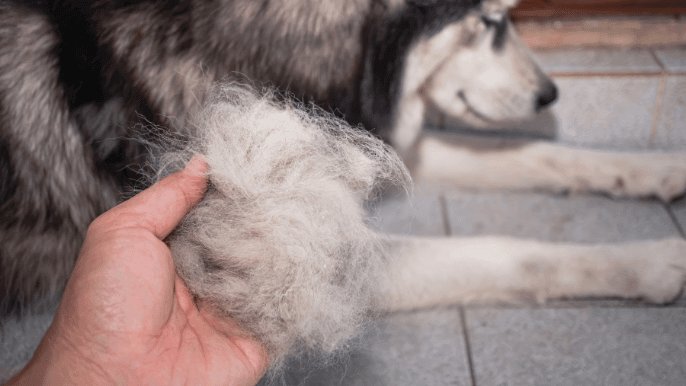
Despite how they are marketed, these gadgets are not general-purpose brushes. They are mechanical tools designed to target one very specific thing: loose undercoat that is already in the shedding phase. Deshedding tools for dogs work by reaching past the topcoat and catching hair that has detached from the follicle but has not fallen out yet.
On dogs with true double coats, this can dramatically reduce the amount of fur floating around your home. On dogs without undercoat, the same action pulls healthy hair that should stay in the coat. That is where problems start.
The tool does not know the difference between "ready to shed" and "still growing." It only responds to what it can grab. This is why deshedding tools for dogs work beautifully on some breeds and cause damage on others. The tool itself is not the problem. The mismatch between tool and coat type is.
Why Results Vary So Wildly Between Dogs
You will see glowing reviews from Husky owners and horror stories from Poodle owners for a reason. Coat structure determines whether deshedding tools for dogs are doing their job or doing damage.
Double coated dogs have two distinct layers: a protective topcoat of guard hairs and a soft, dense insulating undercoat. The undercoat sheds seasonally and needs help being removed, especially during spring and fall coat blows when large volumes of dead undercoat release at once. Deshedding tools for dogs were designed for this specific function.
Single coated dogs do not have an undercoat layer. Their hair grows continuously from the follicle, much like human hair, and does not shed in seasonal cycles. Using deshedding tools for dogs on single coats pulls healthy, growing hair that the coat needs. The result is thinning, breakage, uneven texture, and damage that can take months to recover from.
Not sure what coat type your dog has? The FurHQ AI Coat Identifier can tell you in seconds. Upload a photo and get your answer before buying any tool.
How Deshedding Tools Perform by Coat Type
Understanding how deshedding tools for dogs interact with each coat type is the key to knowing whether they belong in your routine.
Smooth single coats have no undercoat. There is nothing for deshedding tools for dogs to target. Using one on a Boxer, Beagle, Bulldog, or Dalmatian pulls healthy guard hairs that are still actively growing. The coat thins, becomes patchy, and loses its natural protective function. Smooth single coats shed consistently through individual hair turnover, not seasonal undercoat release. A Rubber Curry is the only deshedding tool these coats need. It lifts loose dead hairs from the surface without grabbing anything that should stay.
Short double coats are one of the coat types where deshedding tools for dogs can work when used carefully. Labrador Retrievers, Pembroke Welsh Corgis, and similar breeds carry a dense undercoat that releases in volume during seasonal coat blows. During these periods, a deshedding tool used lightly and briefly can help remove dead undercoat that has already loosened. However, the risk of cutting guard hairs is real with blade-style tools. FurHQ recommends carding rakes and deshedding combs as safer alternatives that remove dead undercoat without a cutting edge. The Short-Medium Coat Carding Rake pulls loose hair through the coat rather than shearing it, which preserves the guard hair layer that protects skin health.
Medium plush double coats carry the densest undercoat of any coat type. Samoyeds, Chow Chows, Pomeranians, Siberian Huskies, and similar breeds produce enormous volumes of dead undercoat during seasonal coat blows. Deshedding tools for dogs are frequently used on these coats, but the density creates significant risk of over-removal if the tool is used aggressively. Blade-style tools can thin the guard hairs that give medium plush double coats their characteristic shape and texture. The Short-Medium Coat Carding Rake reaches the dead undercoat layer without contacting the guard hairs, making it the safer choice. Pairing a carding rake with thorough high-velocity drying after bathing removes more dead undercoat with less coat damage than any blade-style tool.
Feathered long double coats have two distinct zones that respond differently to deshedding tools for dogs. The body coat carries undercoat that can be addressed with a Long Coat Carding Rake during shedding seasons. The feathered areas on the legs, chest, ears, and tail should never be exposed to blade-style tools because the longer guard hairs are easily cut, creating uneven, choppy feathering that takes months to grow back. A Long-Pinned Slicker Brush handles the feathered areas. A Long Coat Carding Rake handles the body undercoat. The combination removes dead coat safely from both zones without the risk that blade-style tools create. The Deshedding Comb included in the feathered long double coat kit provides additional safe undercoat removal.
Curly wavy coats should never see deshedding tools for dogs. This is not a preference. It is a coat biology issue. Poodles, Goldendoodles, Labradoodles, Cockapoos, and Bichons do not shed undercoat in seasonal cycles. Their shed hair stays trapped inside the curl pattern. Deshedding tools for dogs force-remove hair that is still growing, thin the curl structure, create breakage, and permanently alter coat texture. The damage from using these tools on curly wavy coats is one of the most common coat injuries FurHQ groomers see. Daily line brushing with a Long-Pinned Slicker Brush from skin to tip is the only effective and safe way to manage dead coat in curly wavy coats.
Drop coats should never see deshedding tools for dogs either. Shih Tzus, Yorkshire Terriers, Maltese, Lhasa Apsos, and Afghan Hounds have long, silky, continuously growing hair with no undercoat. These tools grab and pull healthy hair, creating thinning, breakage, and a rough texture that ruins the silky drape these coats are known for. A Long-Pinned Slicker Brush and a FurHQ Detail Comb handle dead coat removal safely by working through tangles and loosening naturally shed hair without force-removing growing hair.
Wire coats should not be groomed with deshedding tools for dogs. Miniature Schnauzers, Standard Schnauzers, and many terrier breeds have a coarse outer coat that maintains its texture through hand-stripping, which removes the entire dead hair from the follicle. These tools shear the coat rather than stripping it, which softens texture, disrupts the growth cycle, and creates the same problems that clipping causes in wire coats. The furnishings on the legs, beard, and eyebrows are especially vulnerable to damage from aggressive tools. A Medium-Pinned Slicker Brush and regular hand-stripping maintain wire coat health and texture far more effectively than any deshedding blade.
How Coat Damage Happens
Most coat damage blamed on deshedding tools for dogs comes down to technique and frequency, not defects in the tool itself.
Pressing too hard turns the blade into a cutting surface that shears guard hairs instead of pulling loose undercoat. The guard hairs protect the skin from sun damage, regulate temperature, and repel moisture. Cutting them compromises every one of these functions.
Using the tool for long sessions removes hair that is not ready to shed. Dead undercoat comes out easily with minimal resistance. When you start encountering resistance, you have moved past the dead coat and into living coat that should stay. Continuing to work through that resistance pulls and breaks healthy hair.
Grooming the same area repeatedly thins the coat unevenly. The temptation is strong when you see hair coming out to keep going in the same spot, but this concentrates the tool's action on one section and creates visible thin patches.
Using deshedding tools for dogs on wet or damp coats increases the risk of damage because wet hair stretches and snaps more easily than dry hair. The tool grabs more hair per pass when the coat is wet, and the hair is more vulnerable to breakage.
Treating these tools as an everyday brush disrupts the coat's natural renewal cycle. Deshedding tools for dogs are designed for periodic use during heavy shedding, not daily maintenance. Using them daily creates chronic thinning that the coat cannot recover from.
Why Professional Groomers Are Divided
Professional groomers are sharply divided on deshedding tools for dogs, and both sides have valid reasons.
Groomers who use them strategically understand coat structure and tool limitations. They use them sparingly, typically after bathing and drying, and only on appropriate coat types during heavy shedding. They treat these tools as specialty instruments, not default brushes.
Groomers who refuse to use them have repaired coat damage caused by misuse and overuse. They have seen thinned guard hairs, uneven texture, and permanent coat changes caused by owners and less experienced groomers using these tools too aggressively or on the wrong coat types. For these professionals, the risk outweighs the benefit when safer alternatives exist.
Neither group is wrong. The tool itself is not evil. It is simply unforgiving when misused, and the margin for error is smaller than most owners realise.
The FurHQ 5-Step Method: Where Deshedding Fits
The FurHQ 5-Step Method (Audit, Prep, Bath, Dry, Finish) provides the structure for knowing when and how to use any deshedding tool safely.
Step 1: Audit. Assess the coat. Is the dog in active shedding season? Is there packed dead undercoat against the skin? The Audit determines whether deshedding tools for dogs are even needed in this session.
Step 2: Prep. If deshedding is needed, this is where it happens. Use the appropriate carding rake for the coat type: Short-Medium Coat Carding Rake for short double and medium plush double coats, Long Coat Carding Rake for feathered long double coats. Work lightly, in the direction of hair growth, stopping when resistance tells you the dead coat has been removed.
Step 3: Bath. Bathing after Prep loosens additional dead undercoat that was not removed by mechanical tools.
Step 4: Dry. High-velocity drying blows out enormous amounts of loose undercoat that was loosened during bathing. Many professional groomers rely primarily on this step for deshedding rather than heavy tool use.
Step 5: Finish. Final comb check with Undercoat Depth Comb verifies that dead undercoat has been removed and the coat is clear.
The combination of Prep, Bath, and Dry removes more dead undercoat safely than aggressive use of deshedding tools for dogs alone.
Safer Alternatives That Deliver Better Results
For most households, other tools deliver better results with fewer downsides.
Carding rakes remove dead undercoat by pulling it through the coat from underneath without a cutting edge. They reach the packed dead undercoat layer against the skin and extract it efficiently without contacting the guard hairs. This is why FurHQ includes carding rakes in the double coat kits rather than blade-style tools.
Deshedding combs work through the undercoat with fine, closely spaced teeth that catch loose hair and pull it free without shearing. They are gentler than blade-style tools and allow more control over pressure and depth.
Slicker brushes provide safe, effective daily maintenance that prevents dead coat from accumulating in the first place. A Medium-Pinned Slicker Brush works on short double coats, medium plush double coats, and wire coats. A Long-Pinned Slicker Brush reaches through curly wavy coats, drop coats, and feathered long double coats.
High-velocity dryers used after bathing remove enormous amounts of dead undercoat without touching the skin or the coat at all. The airflow separates the coat and blows loose dead hair out of the undercoat. Many professional groomers rely primarily on the bathing, conditioning, and high-velocity drying process for deshedding rather than heavy tool use.
The combination of proper bathing, thorough high-velocity drying, and follow-up with a carding rake removes more dead undercoat with less coat damage than any blade-style deshedding tool. This approach works with the coat rather than against it.
 If You Choose to Use Blade-Style Deshedding Tools
If your dog truly has a double coat and you choose to use blade-style deshedding tools for dogs, technique matters enormously.
Start with a clean, fully dry coat. Bathing and thorough drying remove a surprising amount of loose undercoat on their own, which reduces how much mechanical work the tool needs to do. Never use these tools on wet or damp coat.
Check for tangles and mats first. Deshedding tools for dogs should never go over mats, tangles, or compressed coat. These tools cannot distinguish between a tangle and healthy coat, and forcing them through creates pain and damage.
Use light pressure. The tool should glide. If you feel resistance, stop. Resistance means you have moved past the dead coat and into living hair.
Limit sessions to ten to fifteen minutes. More is not better. Short sessions protect the coat from over-removal and keep the experience comfortable for your dog.
Use them no more than once or twice a week during heavy shedding seasons, and far less outside of shedding season. Daily use creates chronic thinning that the coat cannot recover from between sessions.
Work with the direction of hair growth, not against it. Going against the grain increases the chance of catching and pulling guard hairs.
Follow up with a comb check using the Undercoat Depth Comb to verify that the undercoat has been cleared and that no tangles have formed during the process.
The Marketing Problem
The fundamental issue with deshedding tools for dogs is not the tools themselves. It is how they are sold.
Packaging implies these tools are universal. They are not. "Reduces shedding by 90 percent" sounds like a promise for every dog owner, but shedding is not the same across coat types. A Labrador's seasonal undercoat blow is a completely different biological process from a Poodle's internal curl-pattern shedding. Using the same tool on both is like using the same rake on gravel and grass. One scenario works. The other tears things up.
Deshedding tools for dogs are sold without coat type guidance, without technique instructions, and without warnings about which dogs should never use them. This lack of context is responsible for the confusion, the conflicting reviews, and the coat damage that gives these tools a bad reputation.
The Bottom Line
Deshedding tools for dogs can be effective, neutral, or damaging depending entirely on how and where they are used. On double coated dogs during shedding season, used lightly and infrequently, they can help manage loose undercoat. On the wrong coat type or used aggressively, they can permanently alter coat texture and density.
The tool itself is not the villain. Mismatched expectations and lack of education are.
If you are unsure whether your dog should ever see one, the safest approach is to skip blade-style tools entirely and use carding rakes, deshedding combs, slicker brushes, and high-velocity drying instead. These tools deliver the same results with less risk, and they work safely across every coat type when matched properly.
You are not failing your dog if this felt confusing. You are learning what most dog owners were never taught. And knowing which tools belong in your routine based on your dog's actual coat type puts you ahead of most.
Learn the Method. Follow the Protocol. Complete the Mission.
You got this. And we've got you. 🐾
Related Reading
Shedding and Undercoat Management
- Why Excessive Dog Shedding Often Means Trapped Dead Coat
- Shaving Double Coated Dogs: Why You Should Never Do It
- Dog Coat Types and Temperature Regulation Explained
- Understanding Seasonal Coat Blow
Brushing and Technique
- Dog Grooming Brushes: A Complete Guide by Coat Type
- Why Dog Grooming Tools Must Match Your Dog's Coat Types
- How to Line Brush Your Dog: The Most Efficient Method
- How to Do a Comb Check on Your Dog
- Brush Burn in Dogs: When Brushing Becomes Painful
- How to Use Pawfect Finish Coat Spray
Matting and Prevention
- Dog Matting Explained: Why Mats Form Even When You Brush
- Removing Mats From Dog Fur: When to DIY and When to Call a Professional
Bathing and Drying
- How to Dry a Dog After a Bath
- High Velocity Dryer for Dogs: Complete Guide
- Air Drying Dogs: Why It Causes Coat Problems
Coat Type Guides
Explore All Seven FurHQ Coat Types
- Curly Wavy Coat Grooming Guide
- Drop Coat Grooming Guide
- Wire Coat Grooming Guide
- Smooth Single Coat Grooming Guide
- Short Double Coat Grooming Guide
- Medium Plush Double Coat Grooming Guide
- Feathered Long Double Coat Grooming Guide
Variation Clarity Statement
Every dog is an individual. While this guide describes how deshedding tools interact with typical coat structures, your specific dog may vary based on genetics, coat density, and individual characteristics. Coat type can also vary within breeds. If you are unsure about your dog's coat type, use the FurHQ AI Coat Identifier to get accurate identification and the right kit recommendation.
FAQs
Do deshedding tools actually reduce shedding?
They can remove loose undercoat that is already ready to shed, which may temporarily reduce the amount of hair you see around your home. They do not stop the natural shedding cycle or prevent new hair from loosening later.
Can deshedding tools damage my dog’s coat?
Yes, they can cause coat damage if used on the wrong coat type, used too frequently, applied with too much pressure, or used on wet or tangled hair. Damage often shows up as thinning, broken guard hairs, or texture changes.
Which dogs should never use deshedding tools?
FurHQ classifies all dog coats into seven coat types: Curly Wavy Coat, Drop Coat, Wire Coat, Smooth Single Coat, Short Double Coat, Medium Plush Double Coat, and Feathered Long Double Coat. Blade-style deshedding tools for dogs should never be used on curly wavy coats, drop coats, wire coats, or smooth single coats. These coat types either have no undercoat to target or have hair that is still growing and will be damaged by forced removal. Only the three double coat types (short double, medium plush double, feathered long double) can tolerate deshedding tools for dogs, and even then, carding rakes are the safer choice.
Are deshedding tools safe for double-coated dogs?
They can be safe for double-coated dogs when used lightly, infrequently, and only during active shedding periods. Proper technique and limited sessions are essential to avoid over-removal of healthy coat.
How often should deshedding tools be used?
For dogs that are appropriate candidates, once or twice a week during heavy shedding season is usually sufficient. Outside of shedding season, they should be used rarely or not at all.
Can I use deshedding tools after bathing my dog?
Only if the coat is completely dry, fully brushed out, and free of tangles. Using these tools on damp hair increases the risk of breakage and coat damage.
Why do some groomers refuse to use deshedding tools?
Many groomers have seen coat damage caused by misuse and prefer safer methods such as bathing, conditioning, high-velocity drying, and traditional brushing. Others use them selectively with strict limits. Both approaches are valid depending on experience and philosophy.
What are safer alternatives to deshedding tools?
Undercoat rakes, slicker brushes, metal combs, and proper drying techniques often remove loose hair effectively with less risk. High-velocity dryers are one of the safest and most efficient ways to remove undercoat.
Why does my dog still shed after using deshedding tools?
Shedding is a biological process, not something tools can stop. These tools only remove hair that is already loose at that moment. More hair will continue to shed as part of your dog’s natural coat cycle.
How do I know if I’m overusing a deshedding tool?
Signs include thinning patches, uneven coat texture, dullness, increased skin sensitivity, or visible guard hair damage. If you notice any of these, stop using the tool immediately.
Are deshedding tools the same as brushes?
No. They function more like blades than brushes and should not be used as daily grooming tools. Treating them like regular brushes is one of the most common causes of coat damage.
Should I use a deshedding tool on a Doodle or Poodle mix?
No. Even if a Doodle sheds slightly, the coat structure is not suitable. These coats need slicker brushing, combing, conditioning, and proper drying instead.
What is a carding rake and why does FurHQ recommend it over blade-style deshedding tools?
A carding rake is a grooming tool with rounded-tip teeth set at an angle that pulls dead undercoat through the coat from underneath without a cutting edge. Unlike blade-style deshedding tools that can shear guard hairs, carding rakes work through the undercoat layer only, preserving the topcoat that protects skin and regulates temperature. FurHQ includes carding rakes in the FurHQ Starter Grooming Kit: Short Double Coat, FurHQ Starter Grooming Kit: Medium Plush Double Coat, and FurHQ Starter Grooming Kit: Feathered Long Double Coat because they deliver effective undercoat removal with significantly less risk of coat damage.
What is the difference between a carding rake and a blade-style deshedding tool?
A carding rake has smooth, rounded teeth that pull loose undercoat through the coat without a cutting edge. It removes dead hair by combing it out. Blade-style deshedding tools for dogs use a sharpened edge that shears through hair, which can cut guard hairs as well as dead undercoat. Carding rakes give you more control and less risk. FurHQ includes carding rakes in double coat kits rather than blade-style tools for this reason.
Can deshedding tools for dogs permanently damage coat texture?
Yes. Overuse or aggressive use cuts guard hairs, thins the coat unevenly, and disrupts the natural coat renewal cycle. On wire coats, blade-style tools soften the texture in the same way clipping does. On curly wavy coats, they thin the curl structure and create breakage that takes months to recover from. On double coats, they can permanently thin the guard hair layer that protects skin health and regulates temperature.
How often should I use deshedding tools for dogs on a double coat?
During active shedding season (spring and fall coat blow), once or twice a week is the maximum. Outside of shedding season, far less often or not at all. Each session should be limited to ten to fifteen minutes. Daily use creates chronic thinning that the coat cannot recover from between sessions. FurHQ recommends regular brushing 2 to 3 times weekly with a slicker brush and periodic carding as the safer routine.
Is the FurHQ Carding Rake the same as a deshedding tool?
No. The Short-Medium Coat Carding Rake and Long Coat Carding Rake are specifically designed to remove dead undercoat without a cutting edge. They pull loose hair through the coat mechanically rather than shearing it. This preserves guard hairs and coat structure while still effectively removing dead undercoat. They are safer alternatives to blade-style deshedding tools for dogs.
What are signs that a deshedding tool has damaged my dog's coat?
Visible thin patches, uneven coat texture, shortened or blunted guard hairs, a coat that feels softer or less dense than normal, and sections where the undercoat appears to grow faster than the topcoat. On wire coats, the texture becomes soft and loses the characteristic harshness. On double coats, the guard hairs may look choppy or uneven. If you notice any of these signs, stop using the tool immediately and allow the coat to recover.
Can I use deshedding tools for dogs on a wet coat?
Never. Wet hair stretches and snaps more easily than dry hair. Deshedding tools for dogs grab more hair per pass when the coat is wet, and the hair is more vulnerable to breakage. Always start with a clean, fully dry coat. Bathing and thorough drying remove a surprising amount of loose undercoat on their own, which reduces how much mechanical work any tool needs to do.
What tools does FurHQ recommend instead of blade-style deshedding tools?
FurHQ includes safe deshedding alternatives in every coat-specific kit. For double coats: Short-Medium Coat Carding Rake or Long Coat Carding Rake for undercoat removal, plus the appropriate slicker brush (Medium-Pinned Slicker Brush or Long-Pinned Slicker Brush) for regular maintenance. For curly wavy and drop coats: Long-Pinned Slicker Brushwith Pawfect Finish Coat Spray for daily brushing. Every kit includes Rubber Curry, Stay Put System, Hush Pup Wrap, Ear Wipes, and Pawfect Finish Coat Spray.
What is the FurHQ 5-Step Method and how does it relate to deshedding?
The FurHQ 5-Step Method is Audit, Prep, Bath, Dry, Finish. Deshedding fits into Step 2 (Prep) where mechanical undercoat removal happens before the bath. Step 3 (Bath) loosens additional dead coat. Step 4 (Dry) with a high-velocity dryer blows out enormous amounts of loose undercoat without touching the coat at all. The combination of Prep, Bath, and Dry removes more dead undercoat safely than aggressive use of deshedding tools for dogs alone.
Where can I get the right tools for my dog's coat type?
FurHQ builds coat-specific kits for all seven coat types: FurHQ Starter Grooming Kit: Smooth Single Coat, FurHQ Starter Grooming Kit: Short Double Coat, FurHQ Starter Grooming Kit: Medium Plush Double Coat, FurHQ Starter Grooming Kit: Feathered Long Double Coat, FurHQ Starter Grooming Kit: Wire Coat, FurHQ Starter Grooming Kit: Curly Wavy Coat, and FurHQ Starter Grooming Kit: Drop Coat. Not sure which coat type your dog has? Use the FurHQ AI Coat Identifier to find out. Browse everything at the FurHQ Store.