
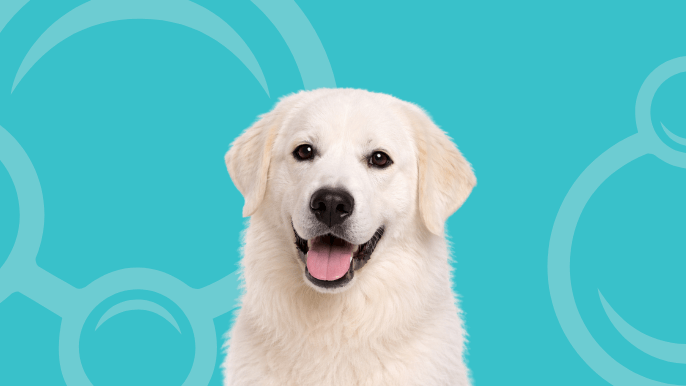

FurHQ offers seven coat-specific kits to match every coat type: FurHQ Starter Grooming Kit: Smooth Single Coat, FurHQ Starter Grooming Kit: Short Double Coat, FurHQ Starter Grooming Kit: Medium Plush Double Coat, FurHQ Starter Grooming Kit: Feathered Long Double Coat, FurHQ Starter Grooming Kit: Wire Coat, FurHQ Starter Grooming Kit: Curly Wavy Coat, and FurHQ Starter Grooming Kit: Drop Coat. If you are unsure which kit is right for your dog, use the FurHQ AI Coat Identifier to get a personalised recommendation, or visit the FurHQ Store to explore all options.
Akbash Temperament and Grooming Considerations
By Mondo Fluffarino | FurHQ Blog Author & Chief Education Officer
Table of Contents
- Introduction: The White Guardian of Turkey
- Breed Handling Profile
- Breed Purpose and Why It Matters for Akbash Temperament
- FurHQ Coat Type Breakdown
- Not Sure About Your Dog's Coat Type?
- Puppy Coat to Adult Coat Transition
- The FurHQ 5-Step Grooming Method: Technical Reality
- FurHQ Starter Grooming Kit Breakdown
- Akbash Temperament: Superpowers and Kryptonite
- Health and Lifespan: The FurHQ Touch Test
- Related Breed Comparisons
- Related Reading
- The Bottom Line
- Variation Clarity Statement
- FAQs
Akbash Temperament is what happens when a breed has guarded livestock in the rugged Anatolian landscape of Turkey for thousands of years. The name Akbash means "white head" in Turkish, and these striking white dogs have protected flocks from wolves, bears, and thieves since ancient times.
The Akbash is one of Turkey's national treasures and one of the oldest livestock guardian breeds in existence, with a temperament shaped entirely by the demands of independent decision-making in the field.
Understanding Akbash Temperament means understanding a breed that was never bred to obey commands. These dogs were bred to think independently, assess threats without human direction, and act decisively to protect their charges. At 75 to 140 pounds, the Akbash is a large, powerful breed that combines calm dignity with explosive protectiveness when a genuine threat is perceived.
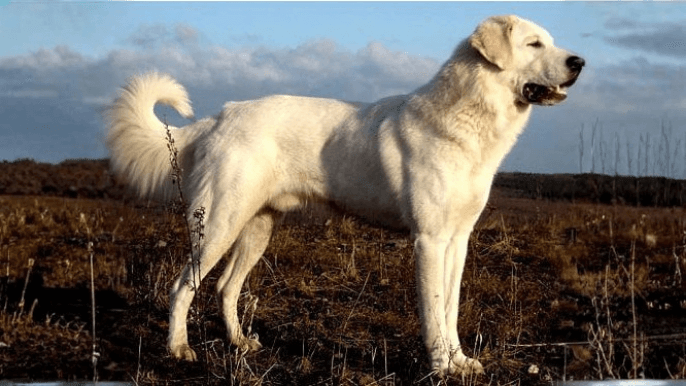
The medium plush double coat is always white, though some cream or biscuit shading may appear on the ears. The coat features a dense, weather-resistant topcoat that stands off the body over a thick undercoat providing insulation against extreme Turkish temperatures. Akbash Temperament and coat care connect because the breed's independence means grooming must be established early and handled by trusted people.
This is Mondo, and the Akbash is the guardian breed that thinks before it acts.
Akbash Temperament is calm, dignified, and independently intelligent. These dogs do not need your approval or direction. They assess situations, make decisions, and act on their own judgment. If you want an eager-to-please dog that follows commands enthusiastically, look elsewhere. If you want a quiet, powerful guardian that protects your family with thoughtful confidence, the Akbash delivers.
Now let's talk grooming. Honestly.
The white medium plush double coat is beautiful and demands regular attention. White coats show everything: dirt, tear staining, food, and environmental debris. The coat sheds moderately year-round and heavily twice yearly during seasonal blows. During those blows, daily brushing is necessary to manage the volume of loose undercoat. Between blows, two to three times weekly keeps the coat healthy.
This breed is NOT for you if:
- You want a dog that eagerly obeys commands and seeks your approval
- You live in an apartment or do not have secure fencing
- You cannot handle a dog that makes independent decisions
- You are not experienced with large, independent guardian breeds
- You have close neighbours who will not tolerate nocturnal barking
Because Akbash Temperament includes:
- Independent thinking that overrides commands when the dog disagrees
- Nocturnal alertness with barking at perceived threats after dark
- Large size requiring secure fencing and space to patrol
- Reserved wariness with strangers that requires management
- A white double coat that sheds heavily and shows dirt
This breed IS for you if:
- You have experience with livestock guardian or independent breeds
- You have property for the dog to patrol and protect
- You appreciate a calm, dignified companion that thinks for itself
- You can provide early socialisation and patient, consistent handling
- You are prepared for the white coat maintenance commitment
Akbash Temperament rewards experienced, patient owners with a calm, devoted guardian whose quiet confidence and thoughtful protectiveness create genuine security.
Respect the independence. Maintain the white coat. Socialise early and consistently.
When you earn an Akbash's trust, you gain a guardian whose devotion is absolute and whose judgment you can rely on.
Breed Handling Profile
| Trait | Level | Notes |
|---|---|---|
| Emotional sensitivity | Low to Moderate | Confident and stable. Not reactive to handler mood. |
| Handling tolerance | High (with trust) | Patient with grooming from trusted people. Resistant with strangers. |
| Grooming commitment | Moderate to High | White medium plush double coat. Seasonal blows require extended daily sessions. |
| Exercise needs | Low to Moderate | Needs space to patrol rather than vigorous athletic exercise. |
| Alone time tolerance | Very High | Independent breed comfortable with solitude. |
| Best fit household | Experienced owners with secure property and guardian breed knowledge. |
Breed Purpose and Why It Matters for Akbash Temperament
The Akbash developed over thousands of years as a livestock guardian in Turkey. These dogs lived with their flocks year-round, bonding with the sheep and goats they protected, patrolling the perimeter, and confronting predators including wolves and bears. They needed to be gentle enough to live among livestock without disturbing them, brave enough to face serious threats, and intelligent enough to make independent decisions.
This heritage shapes every aspect of Akbash Temperament. The calm dignity reflects a dog that conserves energy for genuine threats rather than reacting to everything. The independent thinking reflects a dog that worked without human direction. The nocturnal alertness reflects a dog that guarded against predators that hunted at night. The gentleness with family reflects a dog that lived peacefully among vulnerable livestock.
FurHQ Coat Type Breakdown
The Akbash carries a Medium Plush Double Coat. Within the FurHQ seven-coat system, this coat type features a dense, weather-resistant topcoat that stands off the body over a thick undercoat packed against the skin. The coat is always white, providing the visibility that helped shepherds distinguish the guardian from predators.
The Medium-Pinned Slicker Brush reaches through the dense coat to the skin. The Undercoat Depth Comb verifies brushing and manages the thick undercoat. The Short-Medium Coat Carding Rake removes bulk undercoat during seasonal blows.
The recommended kit is the FurHQ Starter Grooming Kit: Medium Plush Double Coat.
Not Sure About Your Dog's Coat Type?
Not every dog fits neatly into one coat category, and that is completely normal. Coat type determines the correct tools, products, and techniques for effective grooming, but identifying it is not always straightforward, especially with mixed breeds or dogs whose coat length varies.
Use the FurHQ AI Coat Identifier to find out your dog's coat type and get matched to the right FurHQ Starter Grooming Kit. Simply upload a photo, and the tool provides a personalised kit recommendation based on your dog's actual coat.
Puppy Coat to Adult Coat Transition
Akbash puppies are born with a softer, shorter coat that gradually develops the adult density and plush texture over 12 to 24 months. The undercoat thickens significantly during the first two winters, and the first seasonal coat blow can be dramatic.
Brushing frequency should increase as the coat develops. Start weekly for young puppies, moving to two to three times weekly as the undercoat thickens. Akbash Temperament is more receptive to handling during puppyhood, making early positive grooming experiences essential. The FurHQ 5-Step Method provides structure during this period, establishing the grooming routine while the puppy is still forming its associations with handling.
The FurHQ 5-Step Grooming Method: Technical Reality
The FurHQ 5-Step Method (Audit, Prep, Bath, Dry, Finish) applies to this coat type with emphasis on managing the plush, standoff coat and preventing undercoat from compacting against the skin.
Learn the Method. Follow the Protocol. Complete the Mission.
Setup and Stability
Secure the dog using the Stay Put System (suction cup anchor + safety lead). For anxious dogs, the Zen Wrap provides calming compression. Medium plush double coats require thorough sessions that work through the dense, standoff texture to the skin.
Tools and Technique
Audit: Begin every session with a full hands-on health check. Run your hands over the entire body feeling for lumps, bumps, and skin changes. Check nail condition and length. For breeds prone to dental issues, check the teeth and gums. Check inside the ears for redness, odour, or buildup. Then assess coat condition. The plush texture can feel full and healthy on the surface while hiding compacted undercoat beneath. Part the coat and feel at the skin level, particularly along the hindquarters, ruff, chest, and behind the ears.
Prep: Brush through the coat to remove loose coat and tangles before the bath. Use the Medium-Pinned Slicker Brush to work through any areas of resistance identified during the Audit.
Bath: Use Rubber Curry during bathing for skin stimulation and to work shampoo through the dense coat. Full saturation to the skin is critical because the plush coat repels water. Rinse thoroughly.
Dry: Towel dry thoroughly. Use a dryer with a brush-through to lift and separate the coat as it dries. Significant undercoat blows out during this step. Dry thoroughly to the skin.
Finish: This is where the detailed tool work happens. Use the Medium-Pinned Slicker Brush to work through the entire coat section by section. Apply Pawfect Finish Coat Spray for slip and protection. Use the Short to Medium Coat Carding Rake to remove dead undercoat, once every two weeks maximum. Verify with the Undercoat Depth Comb to confirm the coat is free of loose undercoat, dry to the skin, and standing off the body properly. Assess overall coat condition.
Blow-out season is where the real coat work lives. Stay ahead of undercoat release early, and the rest of the year stays easy.
Chemistry and Coat Care
Deep Clean Delight Shampoo provides a deep cleanse that penetrates the dense plush coat to the skin. Coat-Quench Conditioner supports skin comfort and coat health while maintaining the coat's natural standoff texture. Pawfect Finish Coat Spray is a natural formulation that protects, nourishes, and conditions the hair, leaving it soft, shiny. On medium plush double coats, it serves as an anti-static spray that controls flyaway hair during shedding, decreases drying times, and repels dirt. Use it during the Finish step for slip and protection, and between grooming sessions to keep the coat fresh.
The Coat Release Method (Condensed)
The Coat Release Method is an 8-step process built into the Bath phase that removes trapped undercoat while the coat is lubricated, keeping dead coat contained in the tub rather than spread across your home.
Steps 1 to 3 — Saturation, Shampoo, and Release: Thoroughly wet the coat to the skin. Apply coat-matched shampoo, focusing on skin contact rather than surface foam. With shampoo still in the coat, use controlled airflow in the tub, working section by section. The lubrication allows dead undercoat to release safely without friction or skin trauma. This airflow phase is the core of the Coat Release Method.
Step 4 — Rinse: Rinse thoroughly to flush out all released coat, shampoo, and debris before continuing.
Steps 5 and 6 — Second Shampoo and Rinse: Apply shampoo again with controlled mechanical assist. Use the Rubber Curry as the default tool to move shampoo to the skin and encourage final release. If dense coat remains and additional help is needed, a slicker brush with feather-light pressure and short, controlled strokes can be used. If skin begins to pink, stop immediately. Rinse completely until the coat is clean and residue-free.
Steps 7 and 8 — Condition and Final Rinse: Condition the coat with placement adjusted by coat type. Release without restore equals damage. Rinse thoroughly until the coat feels clean and balanced, not slick.
For the full step-by-step process, see The Coat Release Method for Dogs with Undercoat in Related Reading.
FurHQ Starter Grooming Kit Breakdown
The FurHQ Starter Grooming Kit: Medium Plush Double Coat contains 10 items:
Coat-Specific Items (5):
- Deep Clean Delight Shampoo: Thorough white coat cleaning
- Coat-Quench Conditioner: Slip, moisture, and undercoat support
- Medium-Pinned Slicker Brush: Working through dense coat to the skin
- Undercoat Depth Comb: Skin-level verification and undercoat management
- Short-Medium Coat Carding Rake: Bulk undercoat removal during seasonal blows
Standard Items (5, included in every kit):
- Stay Put System (suction cup anchor + safety lead + training tips)
- Zen Wrap
- Rubber Curry (for bathing and dry brushing/skin stimulation)
- Ear Wipes
- Pawfect Finish Coat Spray
 Akbash Temperament: Superpowers and Kryptonite
Superpowers
⭐ Calm guardian: Akbash Temperament provides protection without excessive intensity or reactivity.
⭐ Gentle nature: More tolerant and gentle than many guardian breeds, particularly with family and livestock.
⭐ Thoughtful assessment: Thinks before acting. Rarely reactive without genuine cause.
⭐ Independent confidence: Comfortable working and being alone without anxiety.
⭐ Patient with grooming: Akbash Temperament tolerates thorough grooming from trusted handlers.
⭐ Self-cleaning coat: The white coat has natural dirt-shedding properties.
Kryptonite
⚠️ Independent thinking: Makes own decisions and is not eager to please on command.
⚠️ White coat maintenance: Shows dirt and staining despite self-cleaning properties.
⚠️ Seasonal shedding: Heavy coat blows twice yearly requiring daily brushing for weeks.
⚠️ Size and space: Large dogs need secure fencing and space to patrol.
⚠️ Nocturnal barking: Guardian instincts peak after dark. Not suitable for close neighbours.
⚠️ Stranger wariness: Reserved with unfamiliar people. Requires management in social situations.
Work deep into the dense double coat with a long-pin slicker and comb to keep the protective layers breathable without damaging texture. During seasonal shedding, thorough bathing followed by high-velocity drying helps release packed undercoat far more effectively than brushing alone.
Health and Lifespan: The FurHQ Touch Test
The Akbash typically lives 10 to 12 years. Regular grooming sessions serve as health monitoring opportunities when touch becomes a deliberate part of the process.
Hip dysplasia is common in large breeds and can be detected through discomfort during rear-end handling. Bloat is a risk that requires awareness of abdominal sensitivity. Hypothyroidism may present as coat quality changes. Skin conditions can develop under the dense coat and are detectable through systematic touch during the Audit step. Entropion and other eye conditions can be observed during face handling. Akbash Temperament tolerates thorough examination from trusted handlers, making the Audit step of the FurHQ 5-Step Method an effective health monitoring opportunity.
Every grooming session is a conversation with your dog's body. The FurHQ 5-Step Method builds that conversation into your routine.
Related Breed Comparisons
- Anatolian Shepherd Temperament: Fellow Turkish livestock guardian with similar temperament but different colouring and slightly different coat texture.
- Great Pyrenees Temperament: Similar white guardian breed with comparable temperament. The Great Pyrenees typically carries a longer, feathered coat.
- Maremma Sheepdog Temperament: Similar white guardian heritage from Italy. Comparable temperament profile.
- Kuvasz Temperament: Similar white guardian breed from Hungary. Comparable size and independence.
Related Reading
Medium Plush Double Coat Grooming
Coat Release Method
Bathing and Drying
Tools and Products
Related Breed Blogs
The Bottom Line
Akbash Temperament is quiet guardianship in a powerful white package. This breed offers calm dignity, thoughtful protectiveness, and an independent intelligence that rewards experienced owners with genuine security and devoted companionship. The white medium plush double coat is beautiful and demanding, but the breed's patience with trusted handlers makes grooming a straightforward part of the routine.
The FurHQ Starter Grooming Kit: Medium Plush Double Coat provides every tool needed for proper Akbash coat care. Akbash Temperament cooperates with grooming when trust is established through consistent, early positive experiences.
Learn the Method. Follow the Protocol. Complete the Mission.
You got this. And we've got you.
Variation Clarity Statement
Every dog is an individual. While this profile describes typical breed characteristics, your specific dog may vary based on genetics, breeding, socialisation, and individual temperament. Coat type can also vary within breeds.
If you are unsure about your dog's coat type, use the FurHQ AI Coat Identifier to get accurate identification and the right kit recommendation.
FAQs
What coat type does an Akbash have according to the FurHQ system?
The Akbash has a Medium Plush Double Coat in the FurHQ system. The dense, weather-resistant topcoat stands off the body over a thick undercoat providing insulation. The coat is always white. FurHQ classifies all dog coats into seven types: Smooth Single Coat, Short Double Coat, Medium Plush Double Coat, Feathered Long Double Coat, Wire Coat, Curly Wavy Coat, and Drop Coat.
What is Akbash Temperament like?
Akbash Temperament is calm, independent, and quietly protective. They guard through presence rather than aggression, assessing situations carefully before responding. They bond deeply with their charges but are not demonstratively affectionate. They are typically wary of strangers but not aggressive without cause. They make their own decisions and appreciate owners who respect their intelligence.
How often should I groom my Akbash?
Two to three times weekly during normal periods. Daily during seasonal coat blows, which occur twice yearly and last several weeks. Use Pawfect Finish Coat Spray post bath and during dry brushing sessions. Verify with the Undercoat Depth Comb. Akbash Temperament cooperates with consistent grooming from trusted handlers.
Do Akbash dogs shed a lot?
Yes. The dense double coat sheds moderately year-round and heavily twice yearly during seasonal blows. During routine maintenance, brush two to three times weekly and card once every two weeks with the Short-Medium Coat Carding Rake. During seasonal blows, carding frequency increases as part of the Coat Release Method. White hair will be everywhere during shedding season.
How long do Akbash dogs live?
The Akbash typically lives 10 to 12 years. Regular grooming sessions that include the FurHQ 5-Step Method Audit step provide valuable health monitoring throughout this lifespan.
Are Akbash dogs good family dogs?
Akbash dogs can be devoted family guardians when properly raised. Akbash Temperament is typically gentle with family members, including children. However, they are guardian dogs first and require experienced handling. Their independence and wariness of strangers requires management. They are best suited for experienced owners with appropriate property.
Are Akbash dogs easy to train?
Akbash dogs are intelligent but independent. Akbash Temperament means they consider requests rather than automatically obeying. They respond best to patient, consistent training that respects their intelligence. Harsh methods are counterproductive. Training focuses on building cooperation rather than demanding compliance.
How big do Akbash dogs get?
Akbash dogs typically weigh 80 to 140 pounds (36 to 64 kg) and stand 27 to 34 inches (69 to 86 cm) at the shoulder. Males are larger than females. This is a large, substantial breed requiring space and confident handling.
Are Akbash dogs good with livestock?
Excellent. This is their primary purpose. Akbash Temperament includes genuine bonding with and protection of livestock. They live with their flocks and protect through presence and intimidation, confronting predators when necessary. They are particularly valued for their calm approach that does not frighten livestock.
Why are Akbash dogs white?
The white colouring developed for practical reasons. It allows shepherds to distinguish their guardian dogs from dark-coloured predators like wolves at dawn and dusk. The white coat also reflects heat, helping the dogs cope with hot Turkish summers while the undercoat provides insulation against cold winters.
Do Akbash dogs bark a lot?
Akbash dogs bark to alert to perceived threats, particularly at night when they are most alert. This is appropriate guardian behaviour but can be problematic in suburban or urban settings. Akbash Temperament includes nocturnal alertness that may disturb neighbours in close living situations.
Are Akbash dogs good apartment dogs?
No. Akbash dogs need space to patrol and move. They were bred for rural life with livestock and do poorly in confined spaces. Apartment living leads to frustration and behavioural issues. They are best suited for rural or semi-rural properties with secure fencing.
What tools are in the FurHQ Starter Grooming Kit: Medium Plush Double Coat?
Are Akbash dogs good for first-time owners?
No. Akbash dogs require experienced handling and understanding of livestock guardian breed temperament. Akbash Temperament includes independence and guardian behaviours that can be challenging for inexperienced owners. They are best suited for those with previous guardian breed experience and appropriate property.
Does FurHQ have products for Akbash dogs?
Yes. The FurHQ Starter Grooming Kit: Medium Plush Double Coat is designed for Medium Plush Double Coat breeds like the Akbash. Each kit includes step-by-step video tutorials and informational PDFs. You can also find additional products and add-on kits, including the Nail Kit, in the FurHQ Store.